

1 Michelin Key · Mr & Mrs Smith Seal of Approval
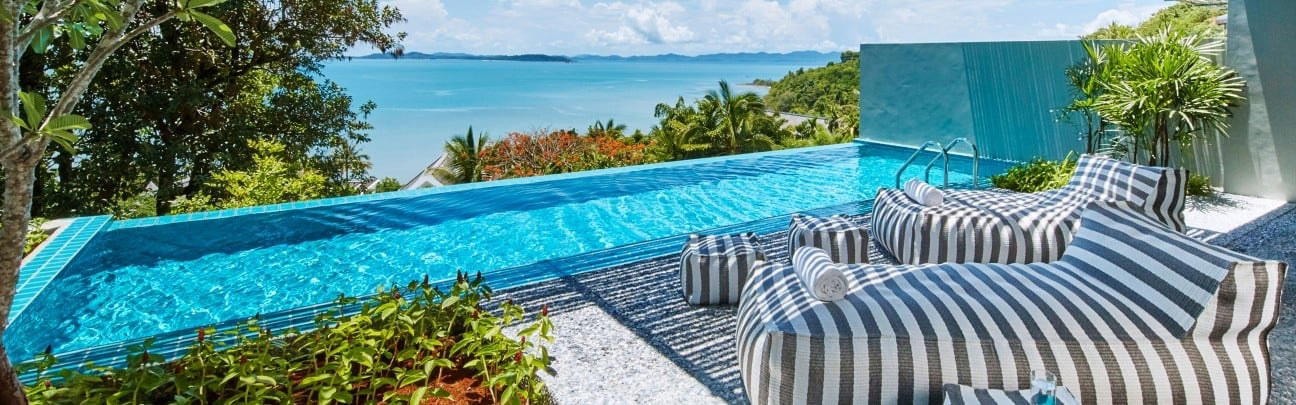
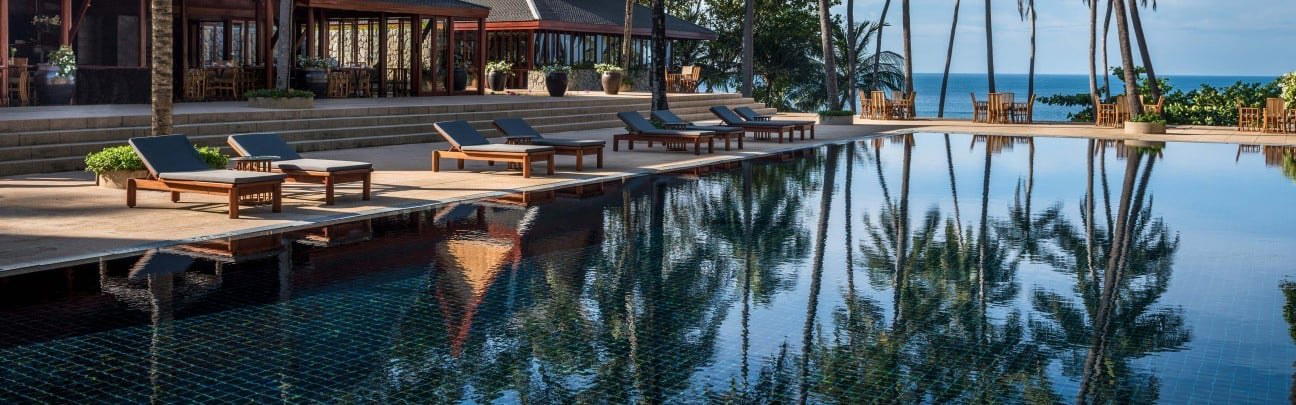
On the isolated tip of Cape Yamu, COMO Point Yamu occupies one of Phuket's least-trafficked coastlines, with 106 rooms and villas priced from $376 per night. Italian designer Paola Navone's interiors avoid Far East pastiche entirely, and the hundred-metre infinity pool and COMO Shambhala Retreat place the property in Phuket's top tier of design-led, wellness-oriented escapes.

Pearl is the En Primeur Club membership app — saves, bookings, and concierge access live there. Same editors, same standards.
- Address
- 225 Tambon Pa Klok, Amphoe Thalang, Chang Wat Phuket 83110
- Phone
- +66 76 360 100
- Website
- comohotels.com
- Directions
- Get directions
Cape Yamu and the Shrinking Case for Central Phuket
Phuket's most discussed problem is not a secret. The island's western coast, from Patong to Kamala, absorbs the overwhelming majority of its visitors, and even the premium enclaves there now operate within earshot of each other. The response from the island's serious luxury operators has been to move further out, seeking peninsulas and headlands where meaningful seclusion is still geographically achievable. Cape Yamu, on the Andaman Sea's quieter eastern-facing shore, represents one of the more convincing answers to that problem. The COMO group, which has built its global reputation on properties where design discipline and wellness programming carry equal weight, placed COMO Point Yamu at the cape's southernmost tip, a position that simply forecloses on crowds by way of geography. The 17-mile drive from Phuket International Airport (HKT) is not short, but the distance is the point.
Architecture Without Kitsch
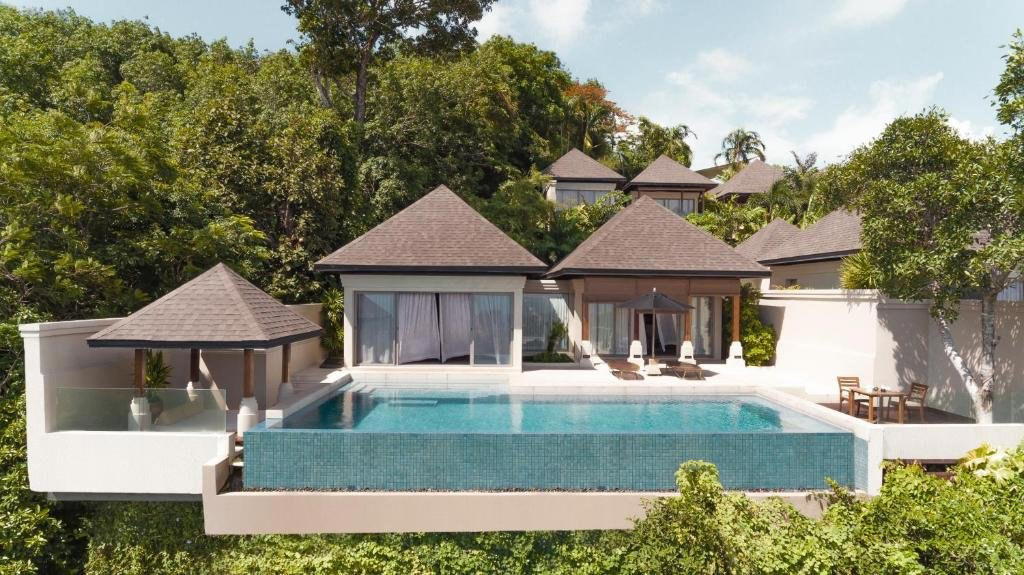
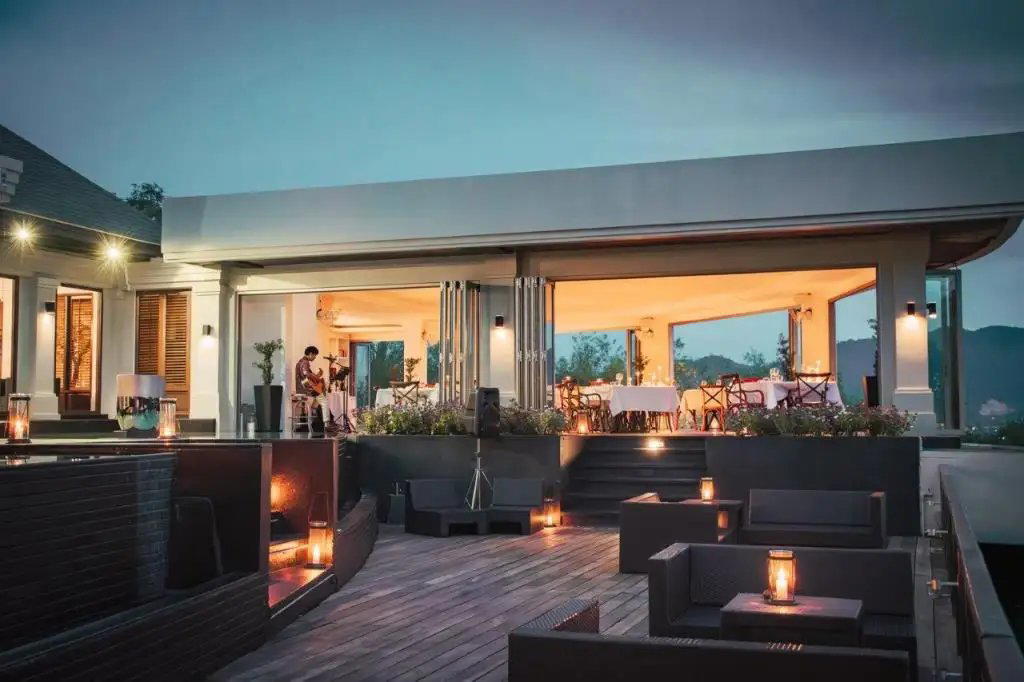
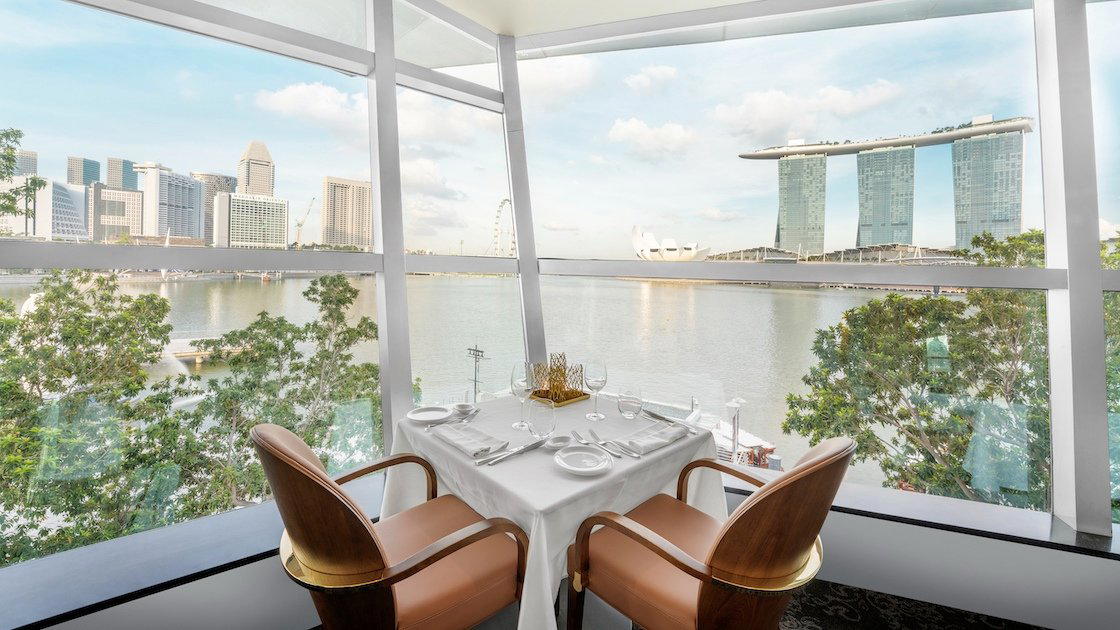
The design conversation in Southeast Asian luxury resorts has long split between two approaches: the vernacular-romantic (teak pavilions, water features, temples-as-reference) and the hard-edged modernist. COMO Point Yamu belongs to the second group, though the execution is less austere than comparable properties in the region. The architecture is angular and deliberate, the kind of geometry that reads slightly severe in photographs but settles differently in the full tropical light of the Andaman. Much of the credit for that correction goes to Italian designer Paola Navone, whose interiors move through the space between cool and cold without tipping into either. The effect is visually active rather than decorative, which is a meaningful distinction in a market where interiors often compete with, rather than defer to, the surrounding landscape. Here they do not compete. The panorama across Phang Nga Bay takes precedence, and Navone's palette and material choices function as a frame rather than the main subject. Comparable properties in Phuket, including Keemala and Amanpuri, make different architectural bets. Keemala leans hard into the fantastical-natural, while Amanpuri's Bali-informed pavilion language is now decades old and deliberate in its classicism. Point Yamu occupies a quieter design register than either, which will suit some readers and not others.
Responsible Positioning: Location as the First Environmental Argument
The sustainability conversation in Thai resort development tends to focus on visible gestures: solar panels, elimination of single-use plastics, organic garden plots. Those programs matter, but the more foundational environmental choice any resort makes is where it places itself and how densely it builds. COMO's decision to develop on an isolated cape rather than on Phuket's already-pressured western beaches limits the property's footprint in ways that most headline sustainability initiatives cannot. At 106 rooms across a site of that scale, the density is low enough that the natural landscape — the cape's vegetation, the sea views, the relative absence of artificial noise — remains the primary experience. This is not a trivial consideration when comparing Point Yamu to volume-driven competitors like the InterContinental Phuket Resort, which operates at a different scale and with different priorities. The COMO group's Shambhala wellness brand, present here in the form of the COMO Shambhala Retreat, reinforces a philosophy of restorative rather than consumptive travel that runs through the group's properties globally, from Aman Venice to analogues across Asia. Within Thailand, the commitment to quieter, ecologically sensitive positioning can also be seen in peers like Six Senses Yao Noi in Phang Nga, which sits in an island-only position that similarly uses geography as its primary conservation argument, or Soneva Kiri in Trat, whose low-density island model has set the benchmark for responsible luxury in the region.
Rooms, Suites, and the Beach Compromise
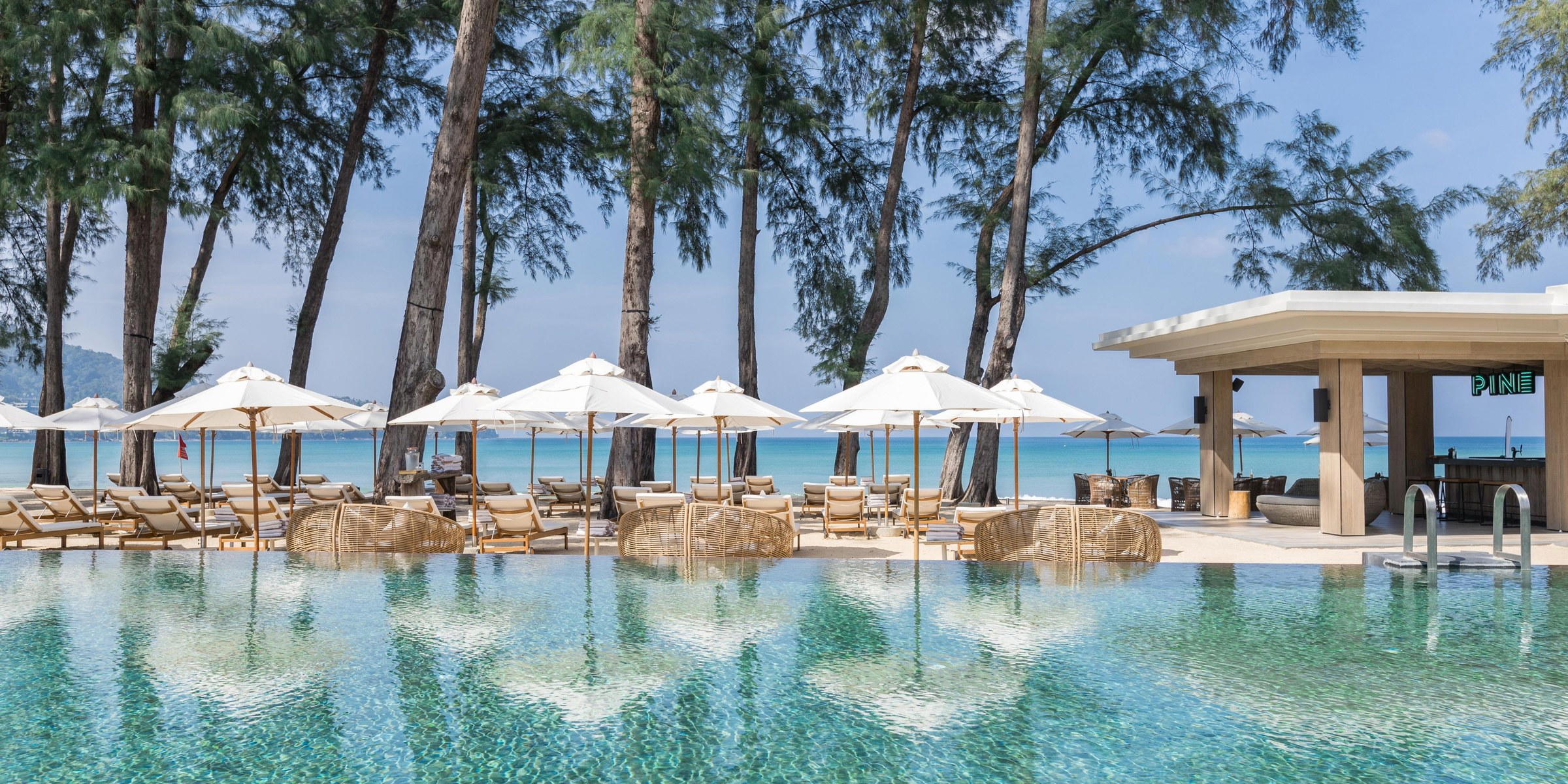
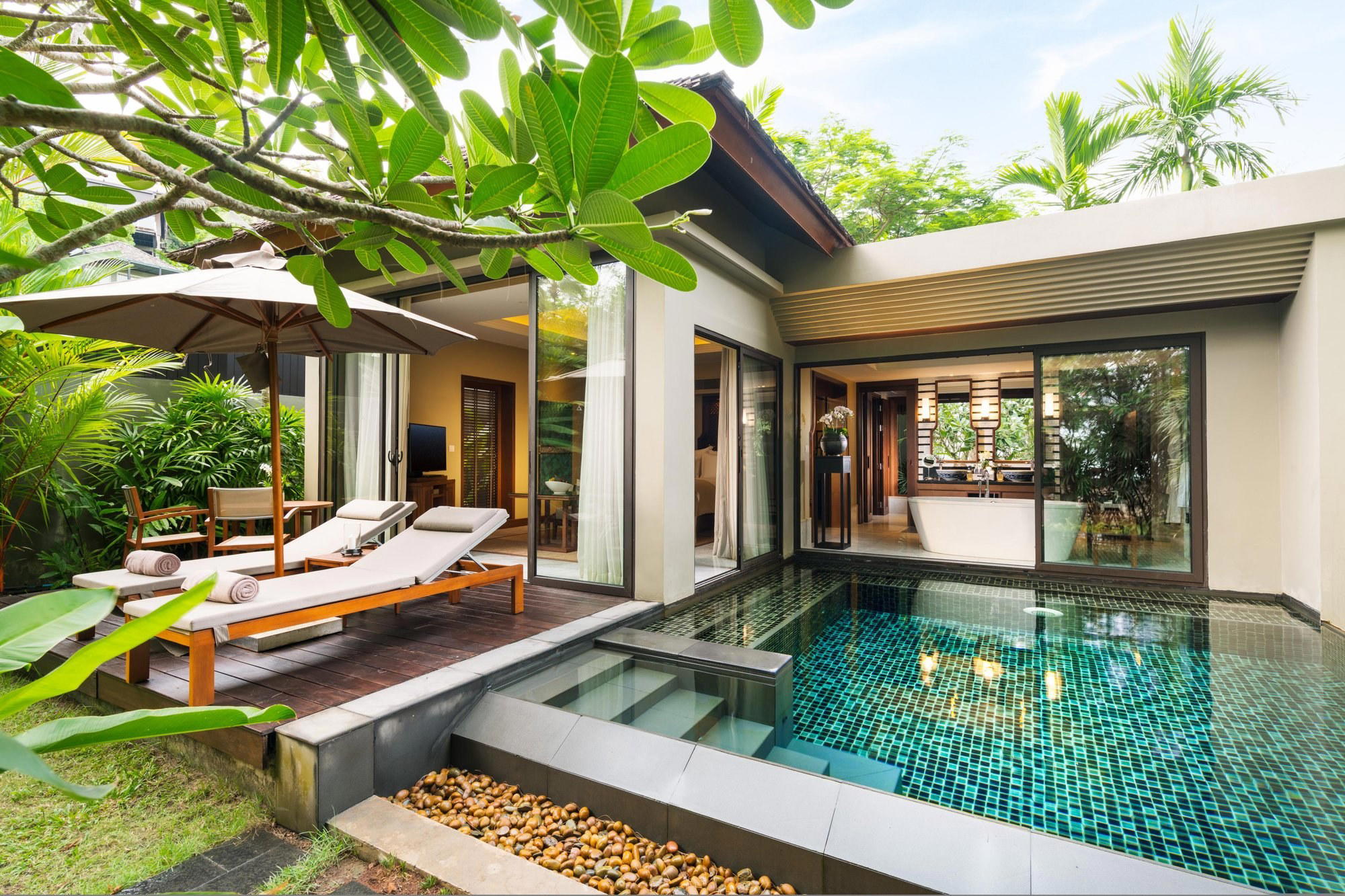
106 keys at Point Yamu range across Bay rooms, Verandah rooms, suites, and villas, with rates from $376 per night establishing an entry point that places the property in Phuket's premium but not ultra-premium bracket. The Rosewood Phuket and Andara Resort and Villas occupy comparable territory in the market. At every category here, the bathrooms have attracted particular attention, described consistently as the kind of space that makes departure feel unreasonable. The suites and villas add volume and, frequently, better sightlines over Phang Nga Bay. The honest caveat: Cape Yamu's geology does not deliver a white-sand beach at the property's doorstep. The seclusion that defines the location is inseparable from this fact. The resort addresses it through boat and car transfers to nearby beaches, which functions as a workable solution but is worth factoring into the decision for guests who consider direct beach access non-negotiable. Guests in that category might weigh properties along Phuket's northwest shore instead, such as Anantara Layan Phuket Resort or Anantara Mai Khao Phuket Villas, both of which carry different trade-offs in terms of density and isolation.
The Hundred-Metre Pool and the Dining Program
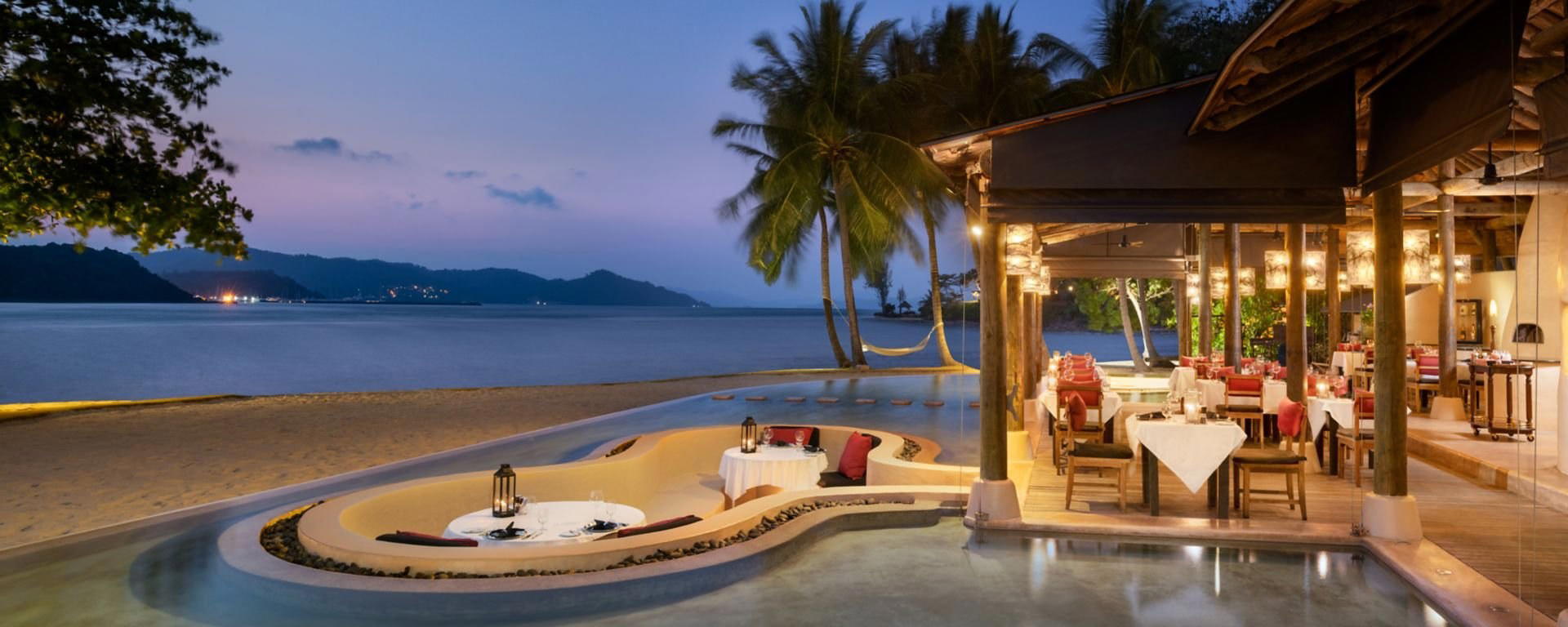
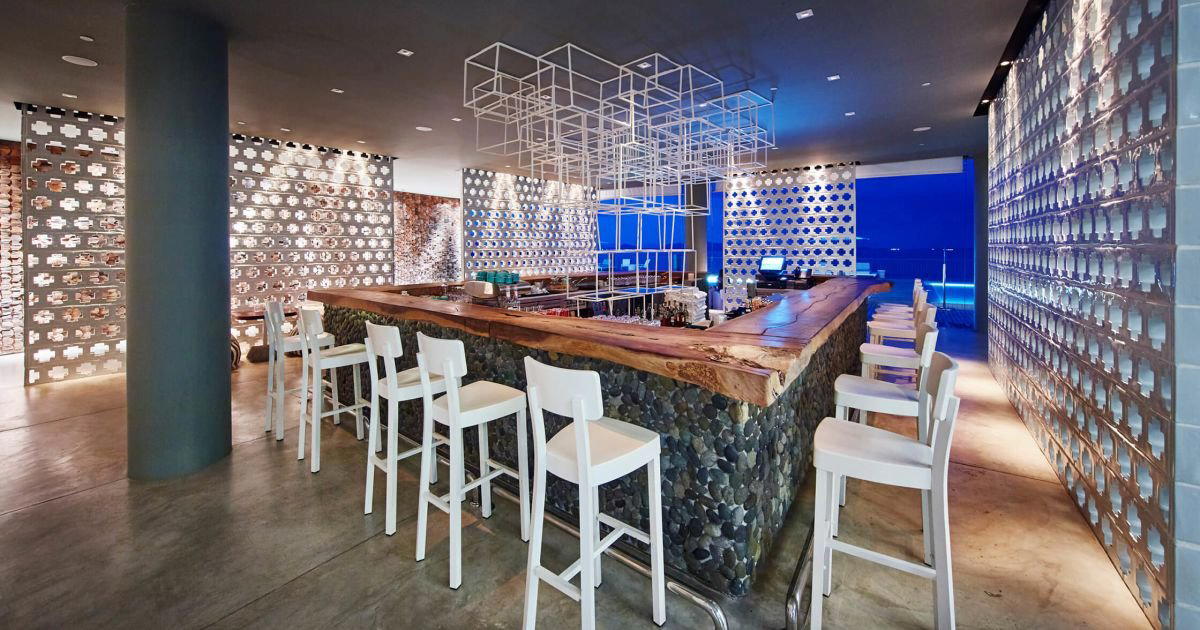
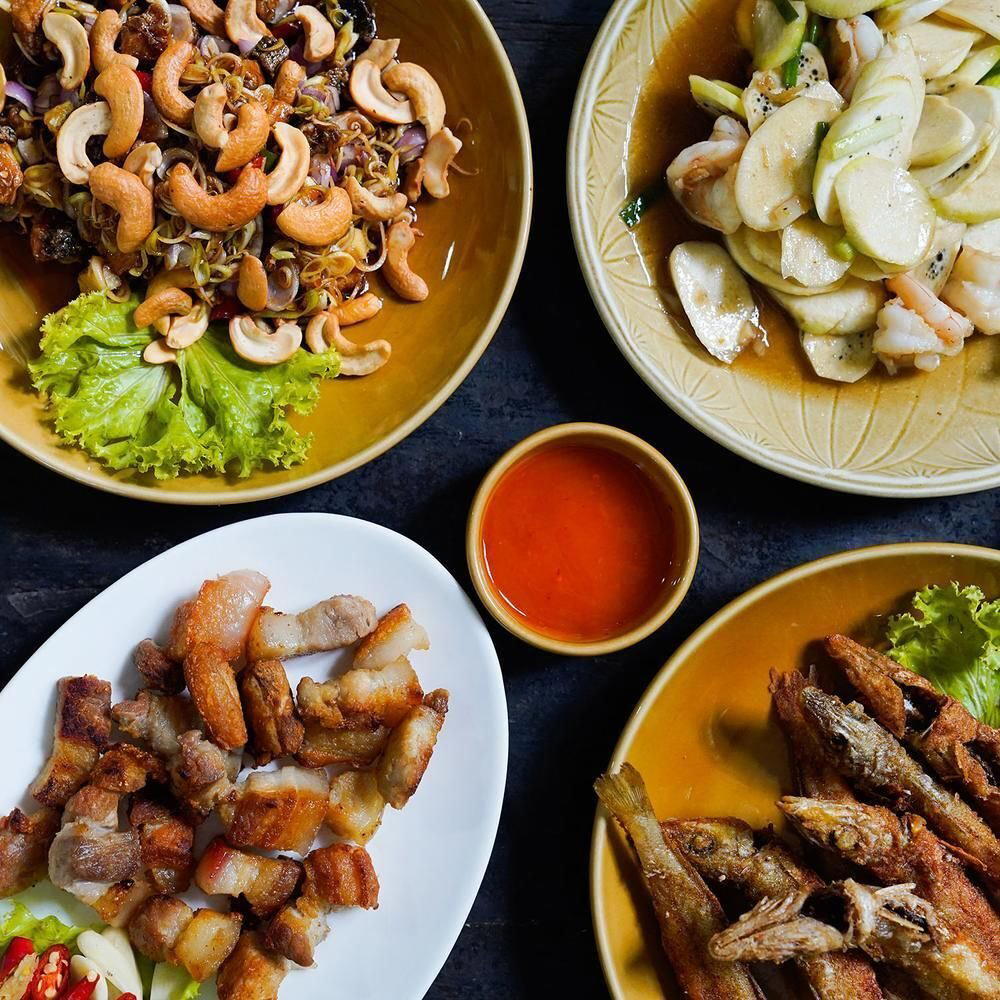
Infinity pool at COMO Point Yamu measures one hundred metres in length, which is not a figure deployed loosely. At that scale, it functions less as a pool and more as a second body of water alongside the bay, and in practical terms it reduces the urgency of the beach transfer for most guests. The dining program across the property's restaurants and lounges covers Asian and European registers, with the breakfasts earning a reputation that circulates well beyond guests' own accounts. The COMO Shambhala Retreat, the group's signature wellness format, operates here as it does across the group's properties: structured programs built around movement, nutrition, and restorative treatments, rather than spa services offered on an ad hoc basis. For guests arriving from Bangkok, the transfer to Point Yamu is typically via Phuket International Airport, with connections from Suvarnabhumi or Don Mueang. Guests combining a Thai itinerary with time in Bangkok might reference the Mandarin Oriental Bangkok or the Grand Hyatt Erawan Bangkok as a preceding stay, while those extending north might consider the Four Seasons Resort Chiang Mai or the Anantara Golden Triangle Elephant Camp and Resort in Chiang Rai. For island-hopping itineraries, Anantara Koh Yao Yai Resort and Villas sits in the same bay and offers a contrasting, lower-key format. Guests considering the Krabi coast should look at Phulay Bay, A Ritz-Carlton Reserve, while Pimalai Resort and Spa in Koh Lanta and Samujana Villas in Koh Samui extend the same logic of geography-as-amenity. See our full Phuket restaurants guide for dining context across the island beyond the resort.
Planning Your Stay
Rates at COMO Point Yamu begin at $376 per night at the Bay and Verandah room level. The property's 106 rooms give it enough scale to remain bookable across most of the high season (November through April), though villa categories at the top of the range warrant earlier planning. The airport transfer covers 17 miles from HKT, which the resort arranges by car; boat transfers to the island's notable beaches are also available through the property. The COMO Shambhala Retreat programs typically benefit from advance scheduling rather than arrival-day booking, particularly for multi-day wellness formats. For guests comparing against Phuket's wider premium field, the Avista Grande Phuket Karon and Anantara Rasananda Koh Phangan Villas represent alternative positioning at different price points and island settings.
Pricing, Compared
Comparable venues nearby, for context on price, style, and recognition.
| Venue | Cuisine | Price | Awards | Notes |
|---|---|---|---|---|
| COMO Point YamuThis venue — the venue you are viewing | Thalang, Contemporary Thai luxury resort | Not listed | 1 Michelin Key · Mr & Mrs Smith Seal of Approval | Not listed |
| The Nai Harn Phuket | Not listed | $200–300 | 1 Michelin Key · Star Wine List | Mueang Phuket, Luxury beach resort with cliffside views and expansive private terraces |
| The Pavilions Phuket | Not listed | $200–300 | 1 Michelin Key | Thalang, Hilltop luxury resort with private pool villas and suites |
| The Slate | Not listed | $300–500 | 1 Michelin Key · La Liste Top Hotels | Thalang, Contemporary design resort merging postmodern industrial aesthetics with traditional Thai cultural elements and tropical landscape integration. |
| Andara Resort & Villas | Not listed | $500–750 | 1 Michelin Key · Forbes Recommended | Kathu, Modern Thai luxury resort with private villas |
| Trisara | Not listed | $1,000–1,500 | 2 Michelin Keys · La Liste Top Hotels | Thalang, Secluded luxury resort blending Thai heritage with modern privacy |
Recognition history
Dated appearances from independent guides and award organizations, with the underlying list record or original source where available.
Michelin 1 Key
Michelin
Mr & Mrs Smith Seal of Approval
Mr & Mrs Smith
Full recognition history (3 entries)
Michelin 1 Key
Michelin
Details
- Elegant
- Sophisticated
- Scenic
- Modern
- Quiet
- Honeymoon
- Romantic Getaway
- Family Vacation
- Wellness Retreat
- Destination Wedding
- Infinity Pool
- Private Villa
- Panoramic View
- Waterfront
- Pool
- Spa
- Fitness Center
- Room Service
- Concierge
- Kids Club
- Wi Fi
- Sauna
- Beach Access
- Waterfront
- Step Free Entrance
Light-filled spaces with cool sino-patterned tiles, blue accents mirroring the Andaman Sea, floor-to-ceiling windows, and serene bay views.