
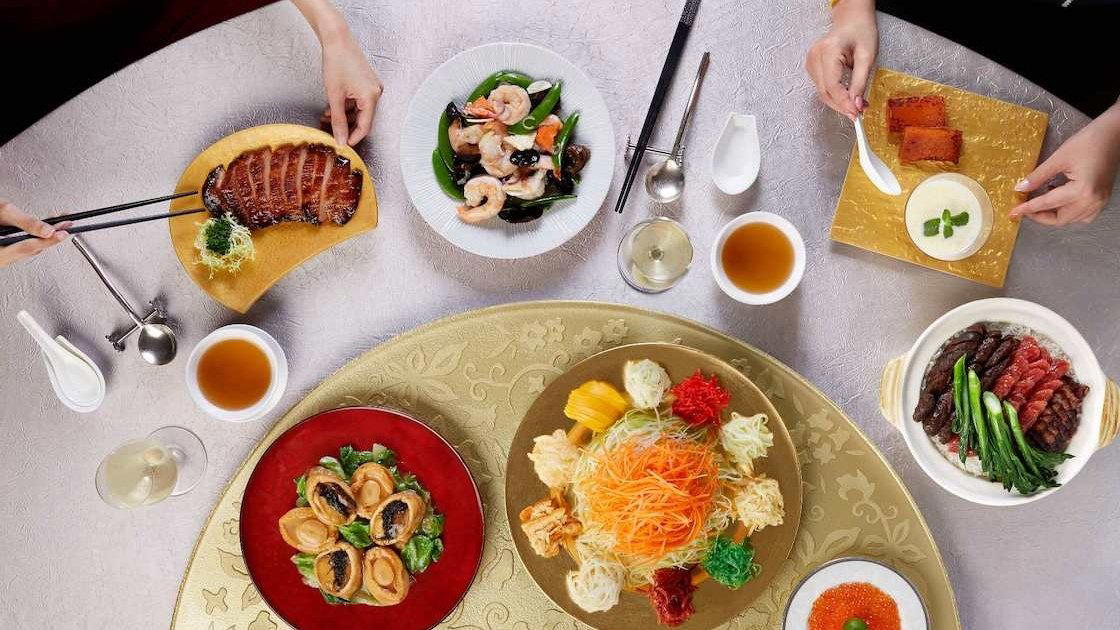
Set inside a restored Thai-Chinese building in Rawai, Samut translates its name, ocean, into a multi-course progression through Phuket's coastal fishing traditions. The set menu spans more than ten dishes, sourcing directly from local fishermen and reinterpreting Southern Thai techniques including Phuket-style dim sum. Michelin Plate recognition in both 2024 and 2025 places it among the island's most serious cooking addresses.
Pearl is the En Primeur Club membership app — saves, bookings, and concierge access live there. Same editors, same standards.
- Address
- 14 120, Rawai, Mueang Phuket District, Phuket 83100, Thailand
- Phone
- +66 61 162 5269
- Website
- tablecheck.com
- Directions
- Get directions
 Saves & bookings on Pearl
Where a Building and a Menu Tell the Same Story
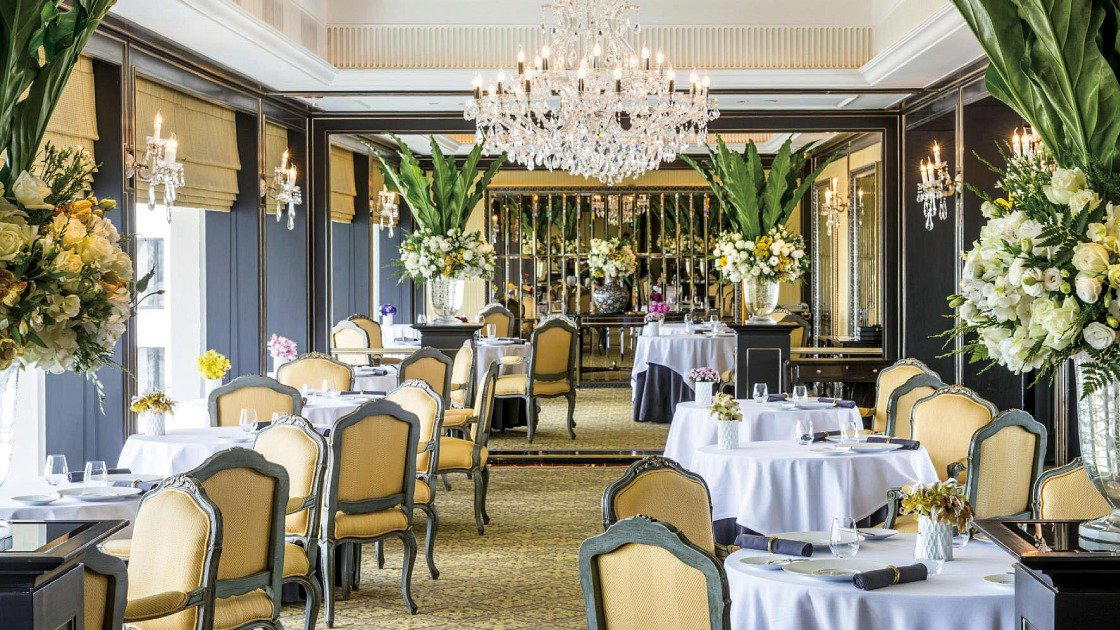
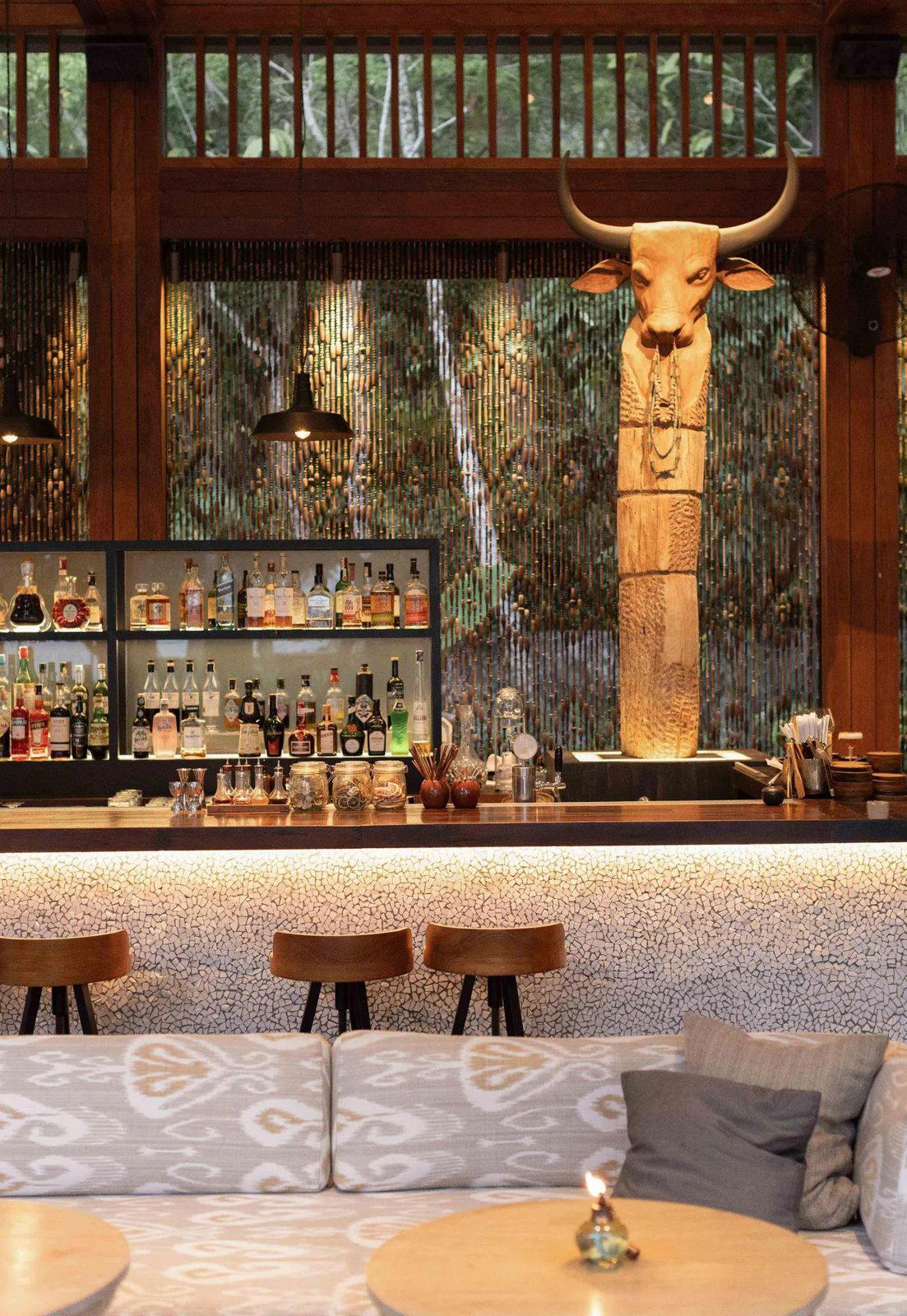
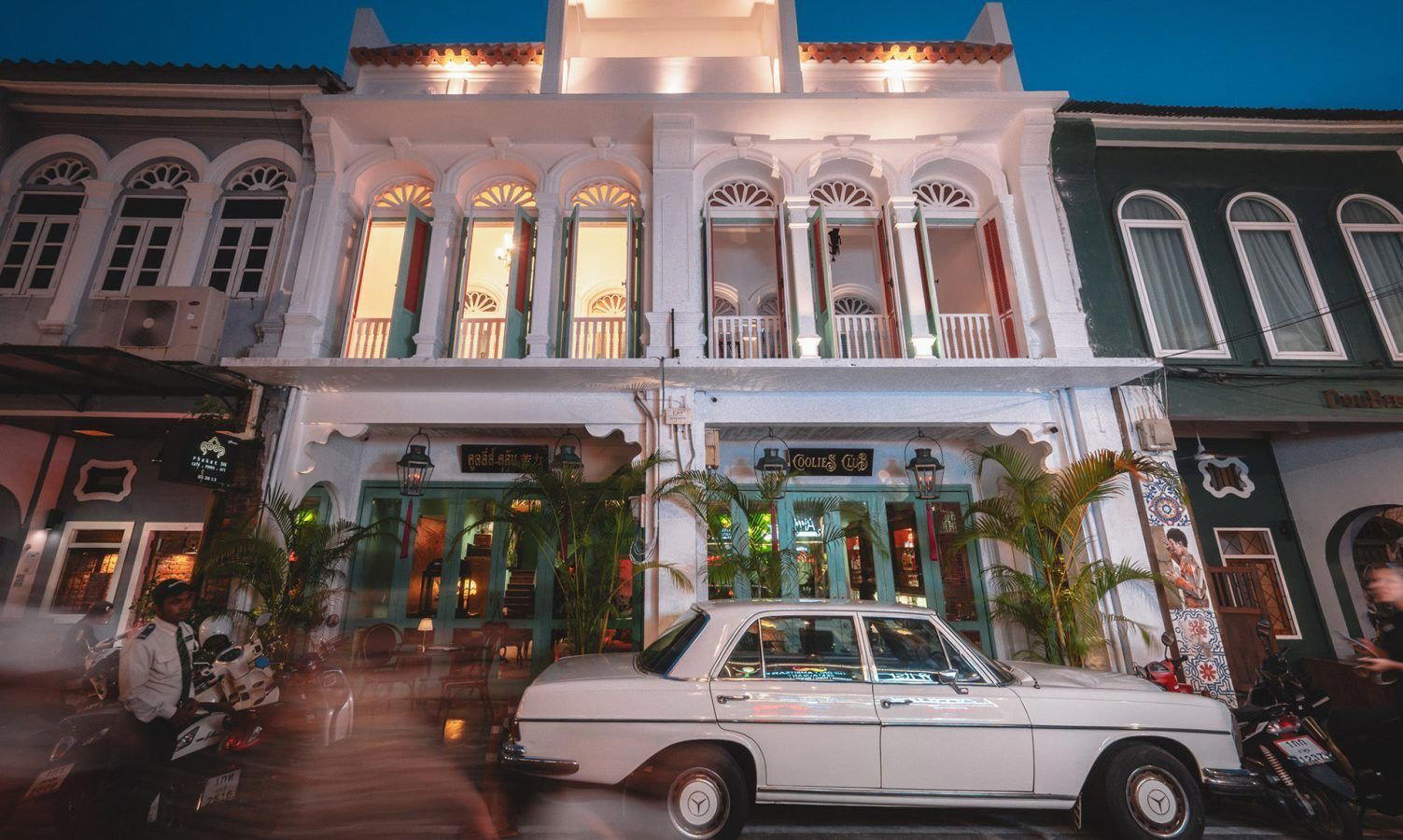
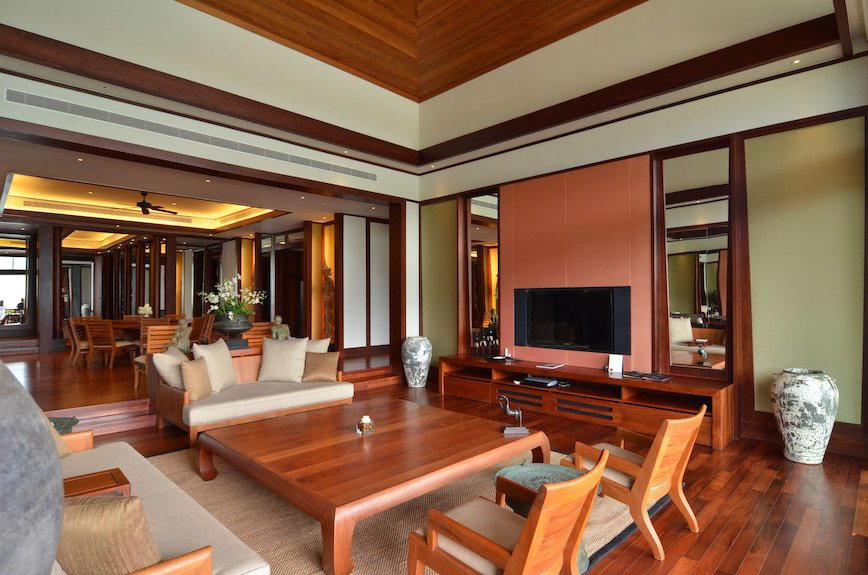
Dark teak panels line the walls, and the proportions of the room carry the unhurried formality of a Thai-Chinese merchant house rather than a contemporary dining room. Samut occupies what was formerly the lobby of the hotel next door in Rawai, a neighbourhood at Phuket's southern tip, far removed from the beach-club density of Patong or the resort corridor of Bang Tao. The conversion preserved the building's original Oriental character: the wood is heavy, the geometry is deliberate, and the atmosphere reads more like a private dining hall in a Sino-Portuguese shophouse than a resort restaurant. That physical context matters because it signals the intent of the kitchen before a single dish arrives.
The Cuisine This Island Actually Produces
Southern Thai cooking is structurally distinct from the central Thai food most international visitors encounter. It draws on Malay, Chinese, and Indian Ocean trade routes, runs hotter and more pungent with dried spices, and leans into fermented shrimp paste, sour turmeric curries, and coconut milk in ways that differ sharply from Bangkok's reference palate. Phuket adds a further layer: a Hokkien Chinese merchant community that has been on the island for centuries, generating a specific local food culture that includes Phuket-style dim sum, o-tao (oyster omelette), and mee Hokkien noodles alongside the Southern Thai canon. Restaurants that take this tradition seriously are not common, even on the island itself. Most of Phuket's dining market at the leading price tier, compare PRU's modern tasting menu format or the heritage-Thai positioning of Blue Elephant, has moved toward national or pan-Asian references rather than a specifically Phuket-rooted one. Samut works in the opposite direction.
For broader coverage of where the island's kitchens are heading, our full Phuket restaurants guide maps the range from local shophouses to international fine dining. Phuket's Southern Thai tradition is also represented elsewhere: Chom Chan and Khrua Ohm both draw on regional technique, and Kin-Kub-Ei, Krua Baan Platong, and Krua Kao Kuk each occupy a different position in the island's local dining ecosystem.
A Menu Built as a Coastal Progression
The set menu at Samut functions as a structured tour of Phuket's coastline rather than a Greatest Hits of Thai cooking. With more than ten dishes, the sequence moves through seafood sourced from local fishermen, an arrangement that ties the kitchen directly to the catch rather than to a wholesale supplier. This matters in Southern Thailand, where the distinction between what a fishing village landed that morning and what arrived frozen from the central market is not cosmetic; it shapes the entire flavour register of a dish.
The progression is designed to honour island-specific flavours and local fruits, with the kitchen interpreting rather than merely reproducing tradition. The inclusion of a reinterpreted Phuket dim sum course is a precise editorial choice: it acknowledges the Hokkien Chinese influence on local food culture rather than treating Phuket as interchangeable with the rest of Southern Thailand. Few restaurants at this price point foreground that distinction. The approach aligns Samut more closely with the fine-dining Southern Thai work being done in Bangkok, Sorn in Bangkok has established that Southern Thai cuisine can anchor a two-Michelin-star tasting menu format, than with the tourist-Thai register that still dominates much of the island's upscale dining.
Southern Thai cooking at a serious level extends beyond Phuket and Bangkok. Beer Hima (Chatuchak) and Janhom represent how the cuisine has taken hold in the capital. Elsewhere in Thailand, the regional cooking conversation includes AKKEE in Pak Kret, Aeeen in Chiang Mai, Agave in Ubon Ratchathani, Angeum in Phra Nakhon Si Ayutthaya, and The Spa in Lamai Beach, each illustrating how place-specific cooking is increasingly the reference point for serious dining across the country.
What Michelin Recognition Signals Here
Michelin awarded Samut a Plate in both 2024 and 2025. The Michelin Plate designation, introduced to mark restaurants where inspectors consider the cooking good, places a restaurant inside the guide's coverage without the starred tier. In the context of Phuket's dining scene, where Michelin's Thailand coverage is concentrated in Bangkok and the island's starred entries remain few, a consecutive Plate from 2024 to 2025 is a meaningful signal of consistency. It places Samut in a comparable set that the guide considers worth tracking, and the sustained recognition suggests the kitchen is not relying on novelty. The recognition corroborates what the format implies: this is a restaurant that treats Phuket's culinary heritage as material for serious cooking, not as decoration.
Rawai and How to Approach a Visit
Rawai sits at the southern end of Phuket, a 30-to-40-minute drive from the airport depending on traffic, and around 20 minutes from the central Phuket Town area. The neighbourhood has a working-seafood-market character that distinguishes it from the tourist-infrastructure-heavy west coast. Samut's address at 14/120 Rawai, Mueang Phuket District, anchors it in that local setting. The ฿฿฿฿ price tier, Phuket's leading bracket, comparable to PRU and Acqua among the island's full-price-tier restaurants, reflects the set menu format and the sourcing model. Given that the menu runs more than ten courses and is built around day-boat seafood, the value reference point is a tasting menu rather than an à la carte meal. Visitors planning around the island's dining circuit should consider combining Samut with Phuket Town, where much of the Sino-Portuguese culinary heritage that underpins the island's food identity is most concentrated.
Comparable Spots
Comparable venues nearby, for context on price, style, and recognition.
| Venue | Cuisine | Price | Notes |
|---|---|---|---|
| SamutThis venue — the venue you are viewing | Modern Southern Thai Seafood | $$$$ | Not listed |
| Chom Chan | Phuket-style Southern Thai | $$ | Mueang Phuket |
| Royd | Modern Southern Thai Fine Dining | $$$$ | Mueang Phuket |
| Buabok | Authentic Southern Thai | $$$ | Thalang |
| Suay | Modern Thai Fusion | $$$ | Thalang |
| Blue Elephant | Refined Southern Thai Fine Dining | $$$ | Mueang Phuket |
Recognition history
Dated appearances from independent guides and award organizations, with the underlying list record or original source where available.
Michelin Plate
Michelin
Michelin Plate
Michelin
Michelin Plate
Michelin

At a Glance
- Elegant
- Intimate
- Sophisticated
- Modern
- Date Night
- Special Occasion
- Open Kitchen
- Local Sourcing
- Sustainable Seafood
Current opening hours
- Monday
- 6–11 PM
- Tuesday
- Closed
- Wednesday
- Closed
- Thursday
- 6–11 PM
- Friday
- 6–11 PM
- Saturday
- 12–3 PM, 6–11 PM
- Sunday
- 12–3 PM, 6–11 PM
Hours can change for holidays and private events. Last verified .
Intimate setting in a traditional Thai-Chinese building with dark teak wood and Oriental decor, offering a relaxed yet elegant atmosphere.