

2 Michelin Keys · Virtuoso Luxury Hotel Partner
On Kamala Beach's quieter northern stretch, InterContinental Phuket Resort earned Michelin 2 Keys recognition in 2024 for a property that takes genuine aesthetic risks, a temple-like central pavilion, jungle-backed grounds, and seven dining outlets ranging from teppanyaki to upmarket Thai. With 381 rooms from around $249, it sits at the scale end of Phuket's luxury beach-resort tier.

Pearl is the En Primeur Club membership app, where members save venues, book tables and use the concierge.
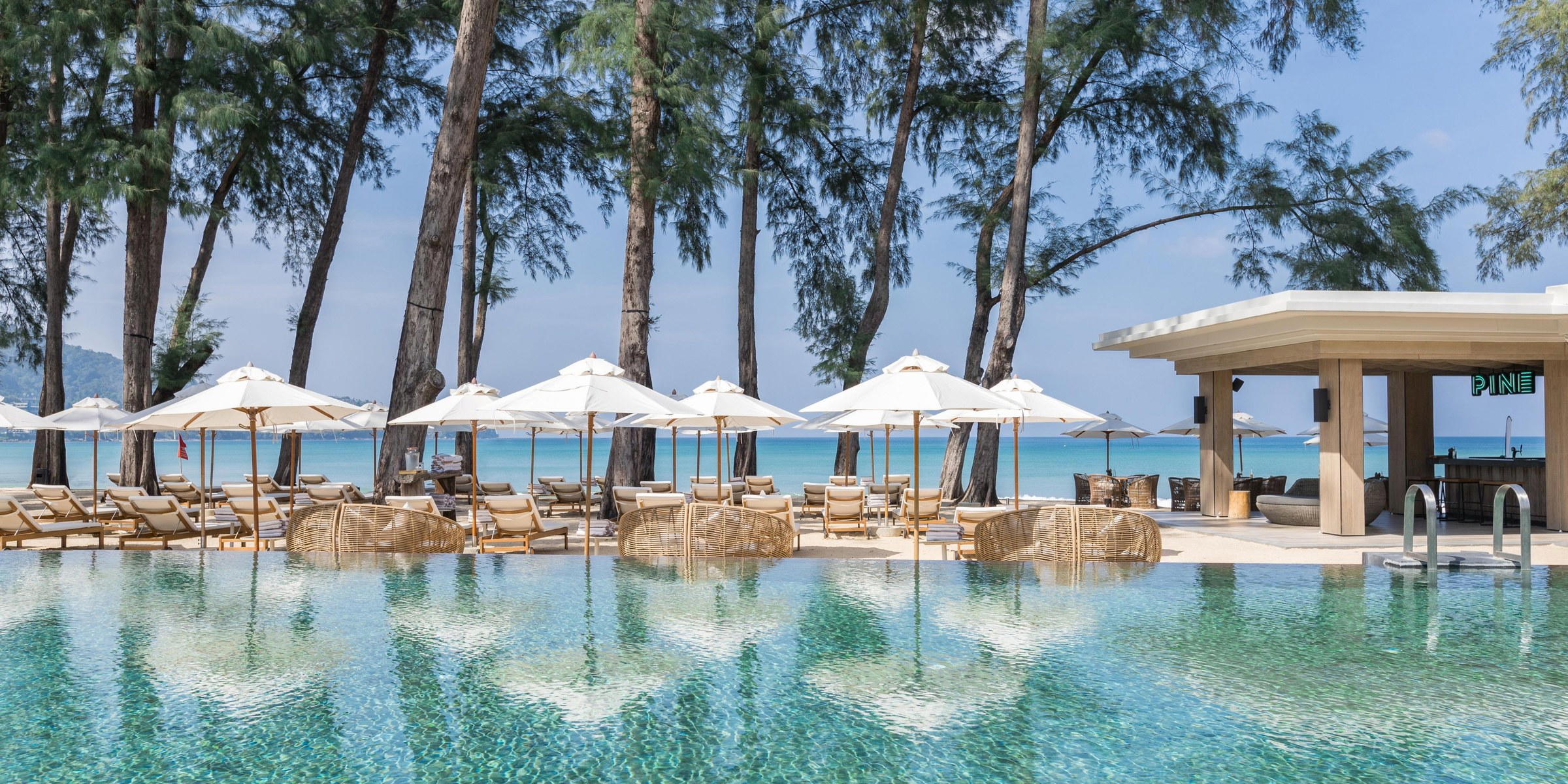
Where Kamala Beach Meets Thai Cosmology
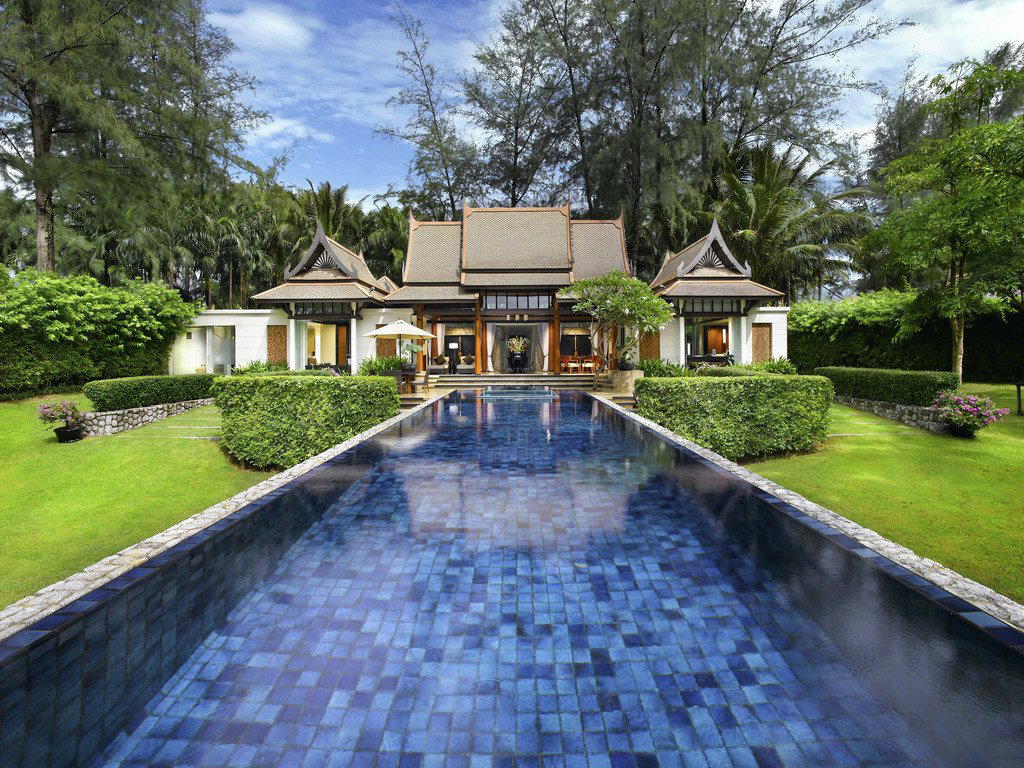
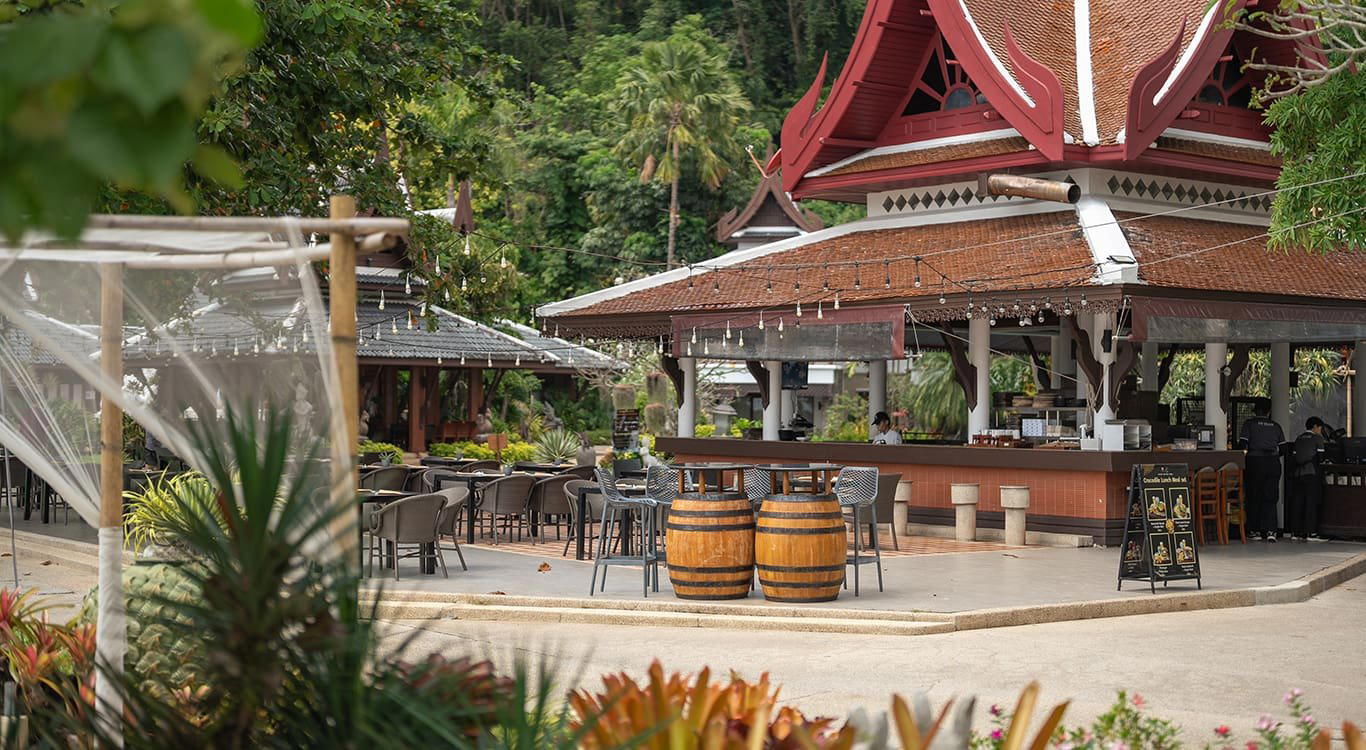
Phuket's luxury resort market has long split between two broad camps: properties that downplay their setting in favour of a quietly international aesthetic, and those that commit to a specifically Thai visual language at scale. InterContinental Phuket Resort belongs emphatically to the second camp. Arriving at the resort's central pavilion on Kamala Beach, the structure that greets you is not a low-slung villa complex or a glass-fronted tower but something closer to a temple spire, a deliberate architectural statement about the Thai conception of swarga, or heaven, translated into a beachside resort format. That the execution lands without tipping into pastiche is the property's most meaningful achievement.
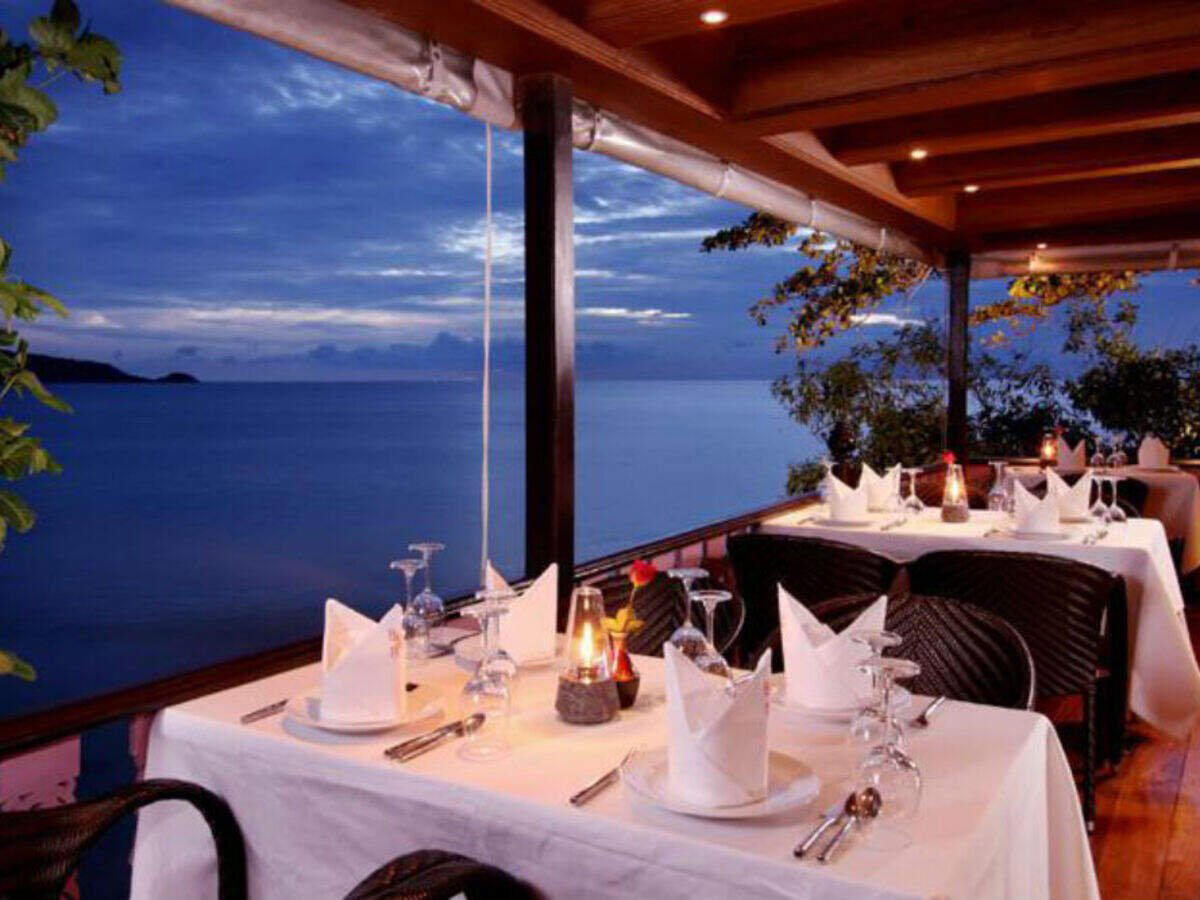
Kamala itself matters here. Compared to the commercial density of Patong to the south or the villa-heavy hillsides of Surin, Kamala Beach occupies a middle register: accessible, moderately busy in high season, but without the infrastructure of Phuket's most trafficked stretches. The resort occupies a position at the beach's southern end where jungle-covered hills frame the property on one side and the Andaman Sea opens out on the other, a geography that creates a contained, almost amphitheatre-like sense of place. Properties at this end of Kamala tend to draw guests who want beach access and resort facilities without full immersion in the island's busier tourist corridors. For comparison, smaller design properties like Andara Resort & Villas work the hillside above, while Anantara Layan Phuket Resort anchors the quieter lagoon beaches further north.
The Michelin 2 Keys Question
The 2024 Michelin Keys programme, the guide's first formal rating system for hotels, awarded InterContinental Phuket Resort two keys, placing it in a cohort of properties that Michelin identifies as delivering a high level of overall experience, though below the three-key tier reserved for the most exceptional. On Phuket, this positions the InterContinental alongside a select group of properties recognised for consistent quality across accommodation, dining, and service, rather than for a single standout feature. For context, the island's longest-established luxury names, including Amanpuri, Rosewood Phuket, and Keemala, each occupy distinct positioning within the island's premium tier, the Michelin 2 Keys recognition for the InterContinental signals that a larger-format resort can compete credibly on quality metrics that have historically favoured boutique and design-led properties.
That figure, combined with the Michelin recognition, suggests genuine operational consistency rather than isolated excellence, the kind of result that takes sustained investment in staff training and service standards rather than a single remarkable amenity.
Seven Dining Outlets and What They Say About Thai Resort Hospitality
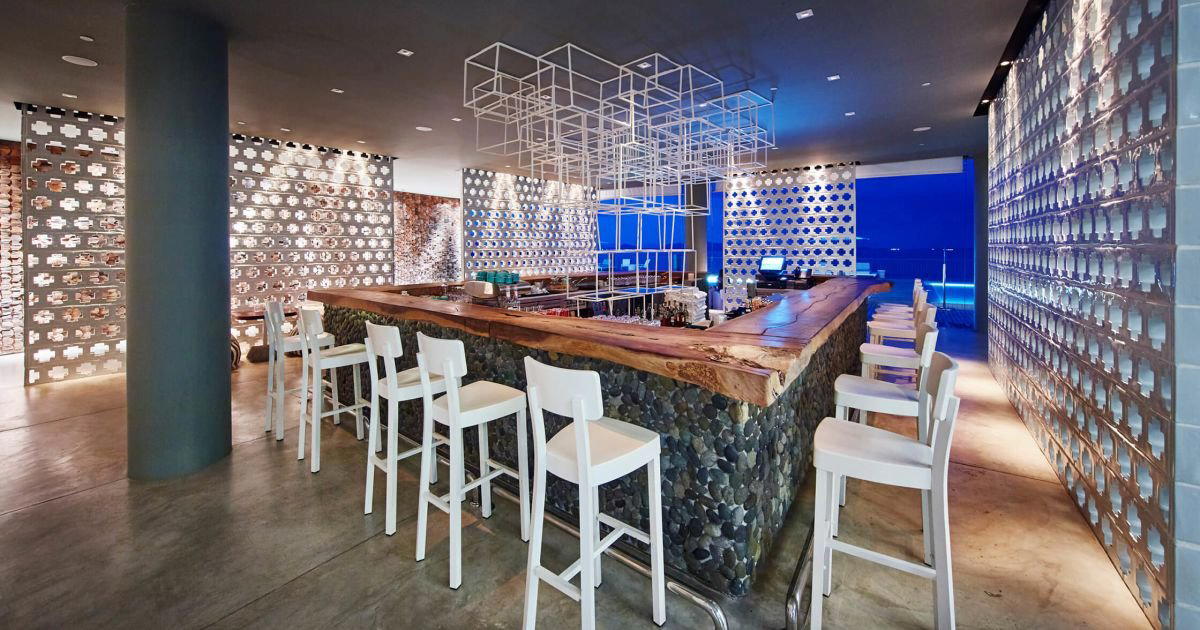
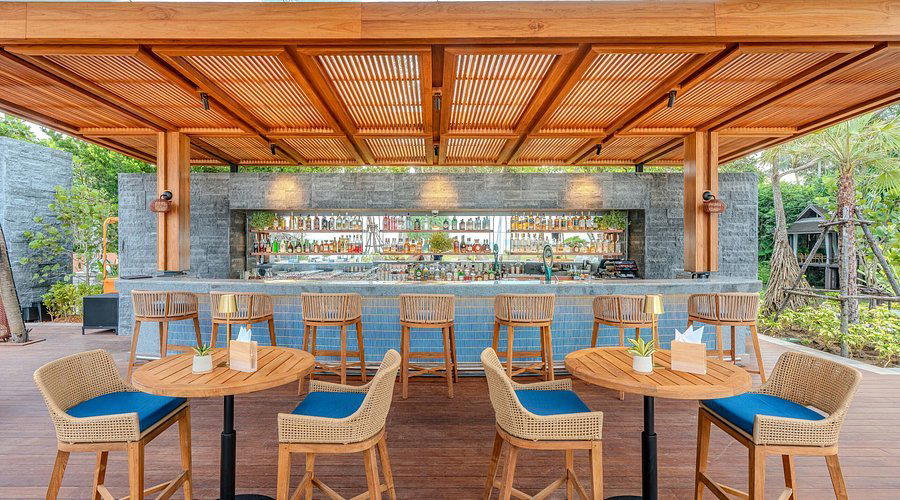
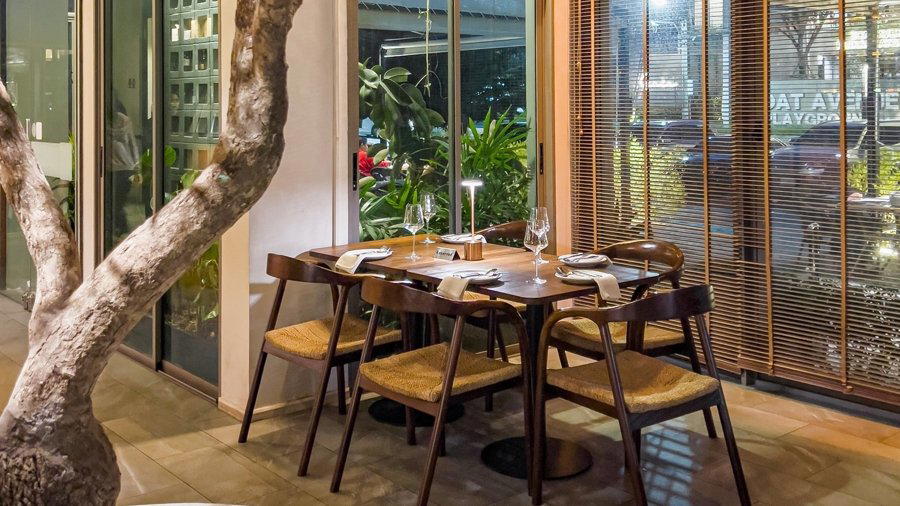
The most instructive thing about the resort's food and beverage programme is not any individual restaurant but the range it attempts to cover. Thai resort dining has evolved considerably over the past decade: where properties once relied on a central all-day restaurant supplemented by a beach bar, the current premium expectation involves differentiated concepts with distinct culinary identities. Seven themed outlets at a single property is an ambitious count, and it reflects the resort's positioning as a destination in itself, one where guests might reasonably not leave the grounds for several days.
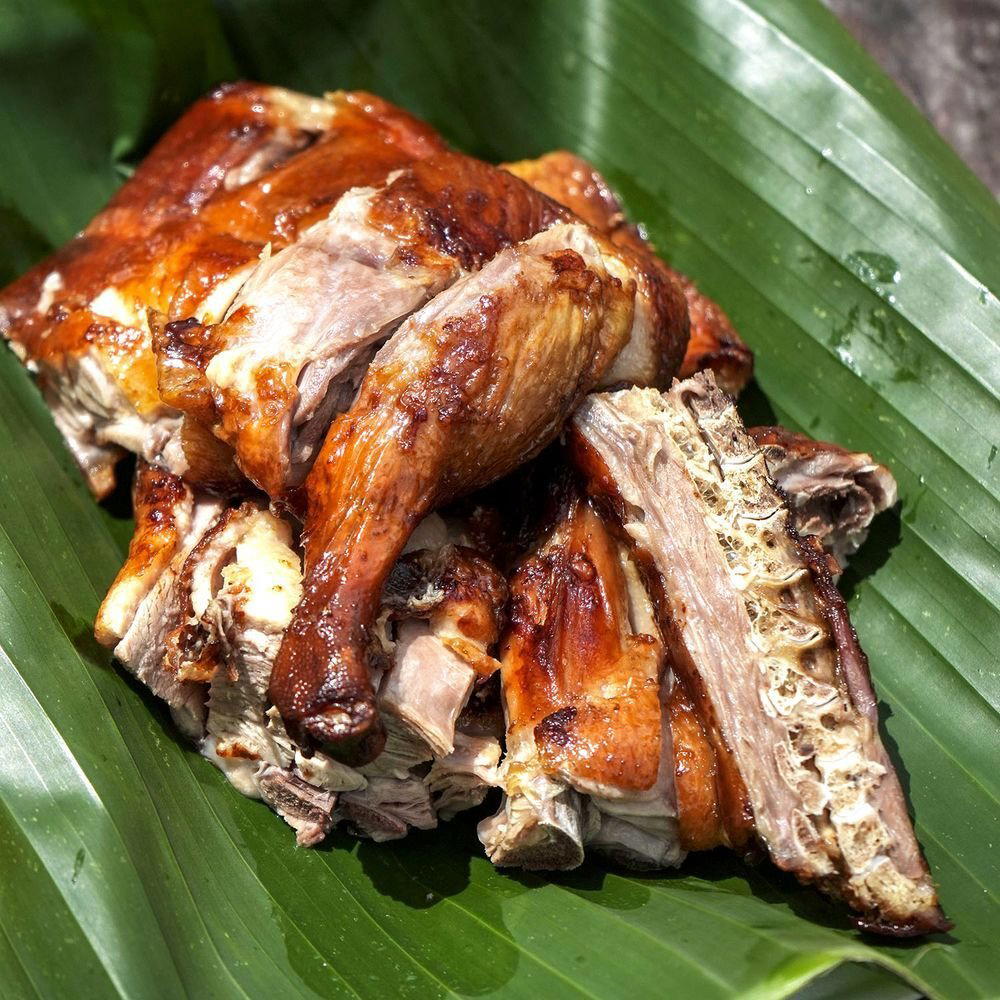
This matters culturally: Thai cuisine at its most sophisticated is a cuisine of balance and layered aromatics, rooted in regional traditions that differ substantially between the country's north, northeast, central plains, and south. Southern Thai cooking, the tradition closest to Phuket, tends toward heat and fermented complexity, dishes built on shrimp paste, turmeric, and coconut in combinations quite different from the central Thai idiom most international visitors recognise. Whether Jaras specifically represents southern Thai culinary traditions or operates from a broader Thai canon is something to confirm directly with the resort, but the commitment to family-inspired, gastronomically prepared recipes signals seriousness about source material rather than adaptation for presumed international preferences.
Tengoku, the teppanyaki outlet with an open kitchen, occupies a different register, the Japanese grill tradition as theatrical performance, where the preparation is as much the experience as the food itself. Pinto, described as market-inspired, suggests a more casual format drawing on the Thai tradition of market eating, where freshness and daily sourcing take precedence over elaborate technique. Together, these three outlets alone represent a genuine range of culinary ambition within a single property, and there are four further outlets beyond them. For broader orientation on where this property sits relative to the island's independent restaurant scene, our full Phuket restaurants guide maps the dining territory beyond resort walls.
The Rooms and the Scale Question
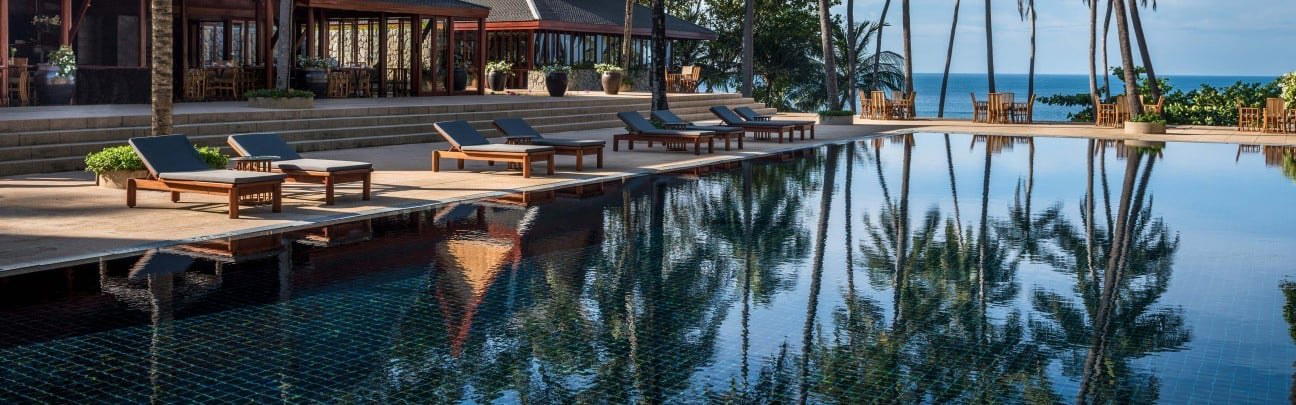
At 381 rooms, this is unambiguously a large resort, larger than the boutique properties that define much of Phuket's high-end conversation. Keemala operates with a fraction of the keys; Amanpuri has long traded on exclusivity of scale. The InterContinental's approach runs counter to that logic, offering instead the depth of facilities and programming that only a large-format resort can sustain: five swimming pools, a spa under the Sati brand, and a beach infrastructure that can absorb a high guest count without appearing overwhelmed.
The rooms themselves make a considered concession to legibility: where the resort's public spaces take architectural risks with the Thai temple aesthetic, the guest rooms and suites apply colour but hold to a more classic luxury format. This is a defensible choice, high-concept public architecture works well when sleeping quarters offer visual rest rather than competition. Pricing starts around $249 per night, a rate that positions the property meaningfully below Phuket's ultra-premium tier (where properties like Rosewood Phuket operate at substantially higher price points) while remaining firmly within the luxury bracket. The five-pool configuration means the experience of pool access rarely feels crowded, even at capacity, a practical consideration that matters more than it sounds at a 381-room property in peak season.
IHG Network, Phuket Context, and the Broader Thailand Comparison
As part of the InterContinental Hotels Group portfolio, the Phuket Resort carries the brand's positioning as IHG's premium flagship tier, distinct from the group's Holiday Inn and Crowne Plaza formats, and intended to compete with the independent luxury market rather than the corporate travel segment. That brand infrastructure matters for a certain traveller: loyalty points, consistent service protocols, and the kind of pre-arrival communication that independent boutique properties sometimes struggle to match at scale.
Within Thailand's broader luxury accommodation map, the InterContinental format represents a specific value proposition. Properties like Four Seasons Resort Chiang Mai, Anantara Koh Yao Yai Resort & Villas, Six Senses Yao Noi, and Pimalai Resort & Spa each approach the premium Thailand market from different angles, smaller scale, specific concept, or more remote geography. The InterContinental Phuket Resort's answer to all of those is completeness: beach, pool, spa, dining range, and brand reliability under one roof at a price point that remains accessible relative to the ultra-luxury tier. For those weighing proximity to Phuket's Patong corridor against quieter alternatives, Avista Grande Phuket Karon and Avista Hideaway Patong offer MGallery-positioned alternatives at different beach locations.
Planning Your Stay
Phuket's high season runs from approximately November through April, when the Andaman coast receives minimal rainfall and the sea is calm enough for swimming and water activities directly off Kamala Beach. The May-to-October southwest monsoon period brings lower rates, published room pricing starts around $249, though monsoon-season rates can fall significantly, but afternoon rain and rougher sea conditions are routine. Booking through IHG's direct channel typically unlocks loyalty rate benefits unavailable through third-party platforms. The resort's scale means last-minute availability is more often possible than at smaller boutique properties, though peak Christmas and New Year weeks on Phuket require advance planning regardless of property size. Kamala Beach is roughly 30 minutes by road from Phuket International Airport under light traffic conditions.
Just the Basics
Comparable venues nearby, for context on price, style, and recognition.
| Venue | Price | Awards | Notes |
|---|---|---|---|
| InterContinental Phuket ResortThis venue (the venue you are viewing) | $300–500 | 2 Michelin Keys · Virtuoso Luxury Hotel Partner | Not listed |
| Rosewood Phuket | Not listed | 2 Michelin Keys · Michelin Guide New Hotels New Hotel | Kathu, secluded beachfront resort with pavilions and villas |
| Trisara | $1,000–1,500 | 2 Michelin Keys · La Liste Top Hotels | Thalang, Secluded luxury resort blending Thai heritage with modern privacy |
| Amanpuri | $1,000–1,500 | 3 Michelin Keys · La Liste Top Hotels | Thalang, Tropical luxury resort designed as a temple-like sanctuary with polished walkways through coconut palm groves, blending Thai architectural aesthetics with contemporary sophistication. |
| The Slate | $300–500 | 1 Michelin Key · La Liste Top Hotels | Thalang, Contemporary design resort merging postmodern industrial aesthetics with traditional Thai cultural elements and tropical landscape integration. |
| Keemala | Not listed | 2 Michelin Keys · Mr & Mrs Smith Seal of Approval | Kathu, Nature-inspired luxury jungle resort with distinctive hillside villas |
Recognition history
Dated appearances from independent guides and award organizations, with the underlying list record or original source where available.
Michelin 2 Keys
Michelin
Virtuoso Luxury Hotel Partner
Virtuoso
Full recognition history (4 entries)
Michelin 2 Keys
Michelin
Michelin 2 Keys
Michelin
Continue exploring
More in Phuket
Hotels in Phuket
All hotels in Phuket →
Bars in Phuket
All bars in Phuket →
Details
- Elegant
- Sophisticated
- Scenic
- Romantic
- Honeymoon
- Romantic Getaway
- Family Vacation
- Wellness Retreat
- Anniversary
- Destination Wedding
- Beachfront
- Infinity Pool
- Private Villa
- Destination Spa
- Panoramic View
- Garden
- Terrace
- Private Dining
- Wi Fi
- Pool
- Spa
- Fitness Center
- Room Service
- Concierge
- Business Center
- Valet Parking
- Kids Club
- Beach Access
- Restaurant
- Tennis Court
- Waterfront
- Garden
- Mountain
- Wheelchair Accessible
- Elevator
- Accessible Restroom
- Accessible Parking
- Step Free Entrance
Serene and sophisticated with elegant Thai-inspired design; tranquil beachfront setting with lush jungle surroundings; sophisticated yet relaxed atmosphere with attentive service.