Royal Bites sits on Dirnbergerstraße in the Upper Austrian market town of Perg, where the dining scene operates at a quieter register than the country's celebrated Michelin corridors.
Pearl is the En Primeur Club membership app — saves, bookings, and concierge access live there. Same editors, same standards.
- Address
- Dirnbergerstraße 8, 4320 Perg, Austria
- Phone
- +436601748728
- Website
- royal-bites.eatbu.com
- Directions
- Get directions
 Saves & bookings on Pearl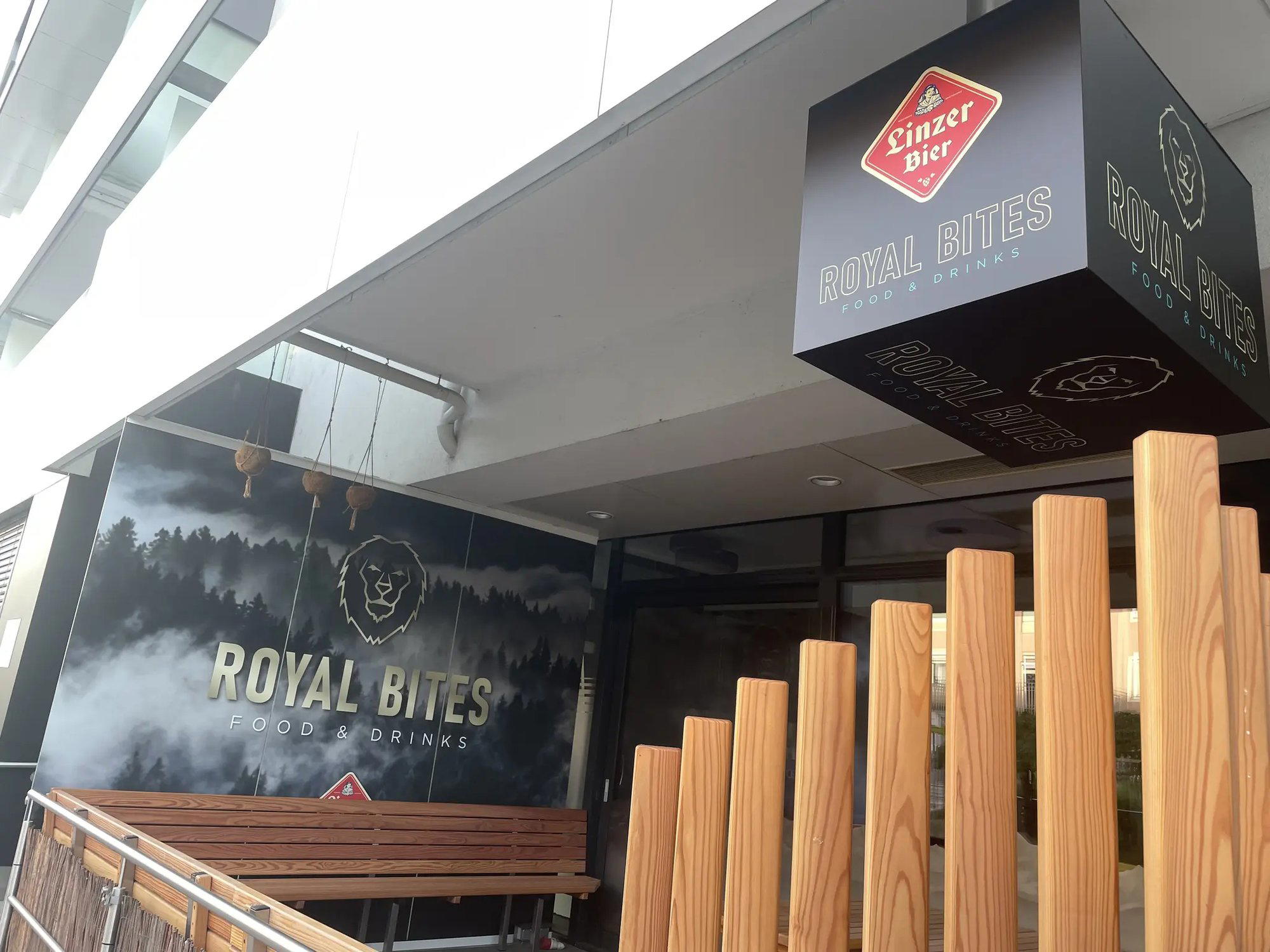
Eating in Perg: The Upper Austrian Register
Royal Bites is a restaurant in Perg, Austria, serving Creative International Street Food at a casual price tier. Towns like Perg, sitting in the Machland plain roughly 30 kilometres east of Linz along the Danube corridor, sustain a restaurant culture that answers to local rhythms rather than international review cycles. The kitchens here tend to draw on the agricultural density of the region: the Mühlviertel's grain fields, the orchards of the Danube valley, and the livestock farming that defines rural Upper Austrian life.
Royal Bites, at Dirnbergerstraße 8 in central Perg, occupies exactly this territory. The address places it within walking distance of the town's main square, in a built environment that reads as functional provincial Austria rather than polished destination dining. Approaching along Dirnbergerstraße, you are in a working town, not a culinary tourism corridor, and that framing shapes what to expect inside.
Where the Food Comes From, and Why That Framing Matters
Austria's most decorated restaurants have made ingredient provenance a central editorial point in recent years. Steirereck im Stadtpark in Vienna has long anchored its identity to Austrian producers and wild-gathered ingredients, while Döllerer in Golling an der Salzach has built a reputation around alpine sourcing and the specific flavour character of Salzburg's mountain terrain. At the other end of the scale, smaller regional operations often access the same supply networks without the infrastructure or profile to publicise them.
In the Machland and the broader Linz hinterland, that supply network is substantial. Dairy farming in Upper Austria operates at a density that supports artisan cheese and butter production across multiple small producers. Market gardens along the Danube terraces produce vegetables through a long growing season, and the river itself historically supplied freshwater fish that remain part of the regional culinary vocabulary. A restaurant operating in Perg is, by proximity, embedded in this supply geography whether or not it makes explicit claims about sourcing. The ingredients available locally have a specificity that distinguishes Upper Austrian cooking from the more internationally inflected menus common in Salzburg or Vienna's €€€€-tier rooms.
This is the category distinction that matters when reading Royal Bites against Austria's more documented dining scene. Where Ikarus in Salzburg operates a rotating guest-chef format that imports culinary reference points from across Europe, and where Kräuterreich by Vitus Winkler in Sankt Veit im Pongau has built a herb-focused identity legible to international visitors, a neighbourhood address in Perg exists at a different tier, one where the audience is primarily local and the cooking answers to local preference rather than critical expectation.
The Broader Context: Small-Town Austrian Dining
Austria's regional dining scene outside the alpine resort towns and the Vienna metropolitan area operates in a format that receives little coverage in international food media. The restaurants that sustain themselves in market towns of 8,000 to 15,000 people are typically doing something more durable than chasing awards: they are feeding a community consistently, at prices and in formats that fit daily or weekly life rather than special-occasion calendars.
The contrast with the country's destination-tier operations is instructive. Landhaus Bacher in Mautern an der Donau has long been one of the Wachau's most documented fine dining addresses, with a Danube-adjacent identity and a wine list that draws on one of Austria's most recognised wine regions. Taubenkobel in Schützen am Gebirge anchors its identity to Burgenland's specific agricultural and viticultural character. Both are legible on international terms. A restaurant like Royal Bites in Perg operates without that geographic shorthand, in a town that carries no premium dining associations in the international press.
That absence of profile is also, a functional advantage. Restaurants without destination-dining pressure tend to price more honestly, change their menus in response to what is actually available locally, and maintain a regularity of operation that larger-profile venues sometimes sacrifice to seasonal closures or special-event programming. Obauer in Werfen and Gourmetrestaurant Tannenhof in Sankt Anton am Arlberg are both recognisably embedded in their towns, but each benefits from tourism infrastructure that does not apply in Perg.
Planning a Visit to Royal Bites
Perg is accessible by regional rail from Linz, with the journey taking approximately 30 to 40 minutes from Linz Hauptbahnhof via the Mühlkreisbahn or connecting services. By car from Linz, the B3 along the southern Danube bank covers the distance in under 30 minutes under normal conditions. The address on Dirnbergerstraße places the restaurant centrally in the town, within walking distance of the main square and local transport stops.
Reservation is recommended. Visitors combining the area with broader Upper Austrian itineraries might pair a stop in Perg with the Danube cycle route or with a visit to the Machland plain's agricultural landscape, which peaks visually in late summer through early autumn. For those building a longer Austrian dining itinerary, Ois in Neufelden, also in Upper Austria, offers a documented point of comparison at a similar regional scale, while Artis in Graz and Atelier Fischer in Sankt Gilgen represent the kind of mid-tier regional operations that contextualise Perg's dining environment against other Austrian provincial cities. For reference points at the far end of the ambition spectrum, Griggeler Stuba in Lech and Stüva in Ischgl show what resort-town fine dining looks like in the same country. Schwarzer Adler in Hall in Tirol and Restaurant 141 by Joachim Jaud in Mieming represent Tyrolean regional dining with more documented profiles. Beyond Austria entirely, Le Bernardin in New York City and Atomix in New York City illustrate the international fine dining tier against which Austrian destination restaurants are sometimes measured, though the comparison sits several categories removed from Perg's operating context.
In Context: Similar Options
Comparable venues nearby, for context on price, style, and recognition.
| Venue | Cuisine | Price | Notes |
|---|---|---|---|
| Royal BitesThis venue — the venue you are viewing | Creative International Street Food | $$ | Not listed |
| Salon Marie | Modern Austrian-International Fusion | $$ | Lend |
| Gasthof zur Kanne | Traditional Austrian Gast Haus | $$ | Markt Sankt Florian |
| Ratsherrnkeller | Austrian Pizza & Bar Snacks | $$ | Stadtplatz |
| Le Burger | Gourmet Burgers | $$ | Plus City |
| Lentos Restaurant | Modern Austrian with river views | $$ | Donaulände |
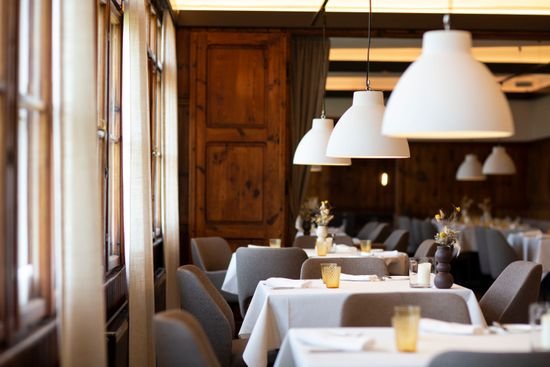
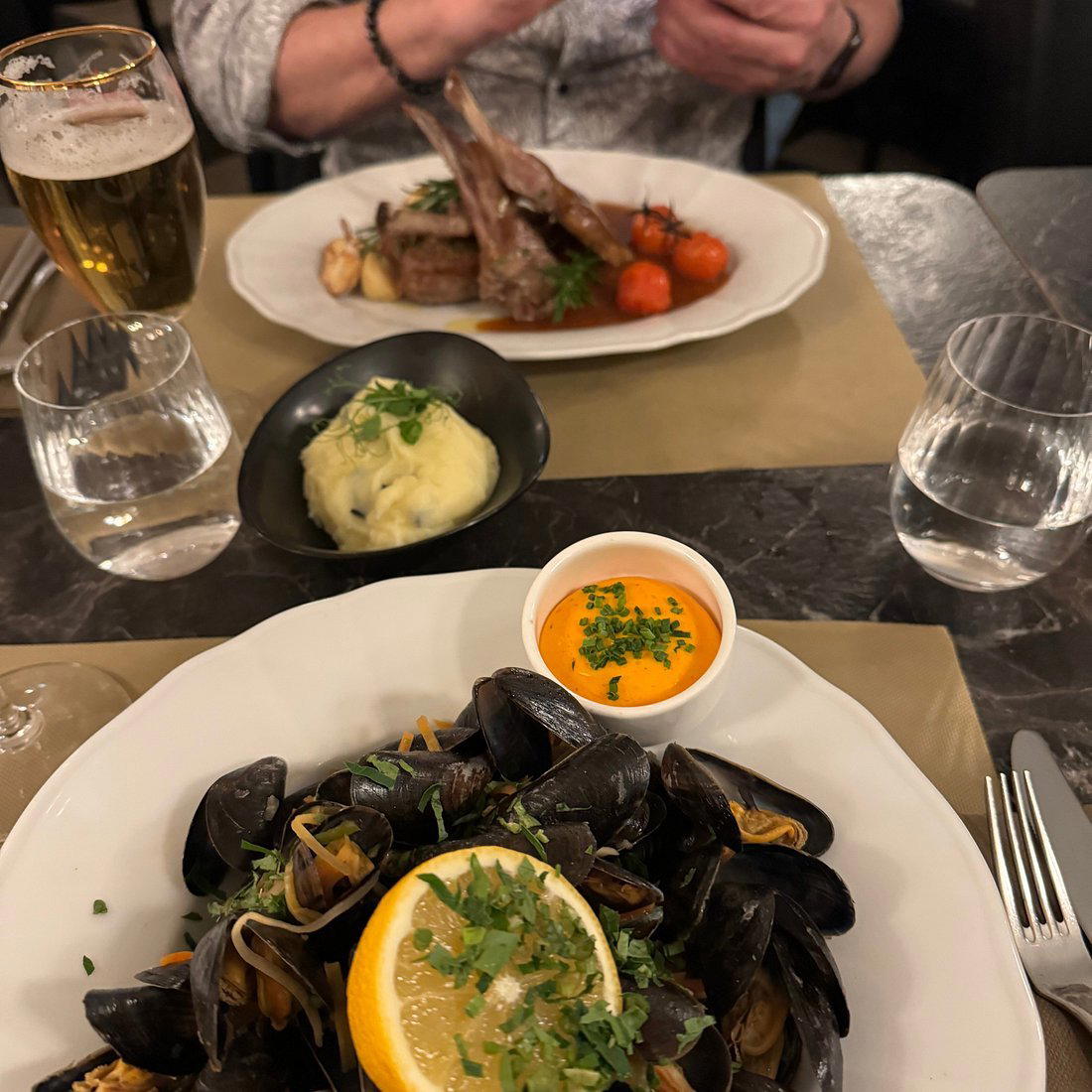
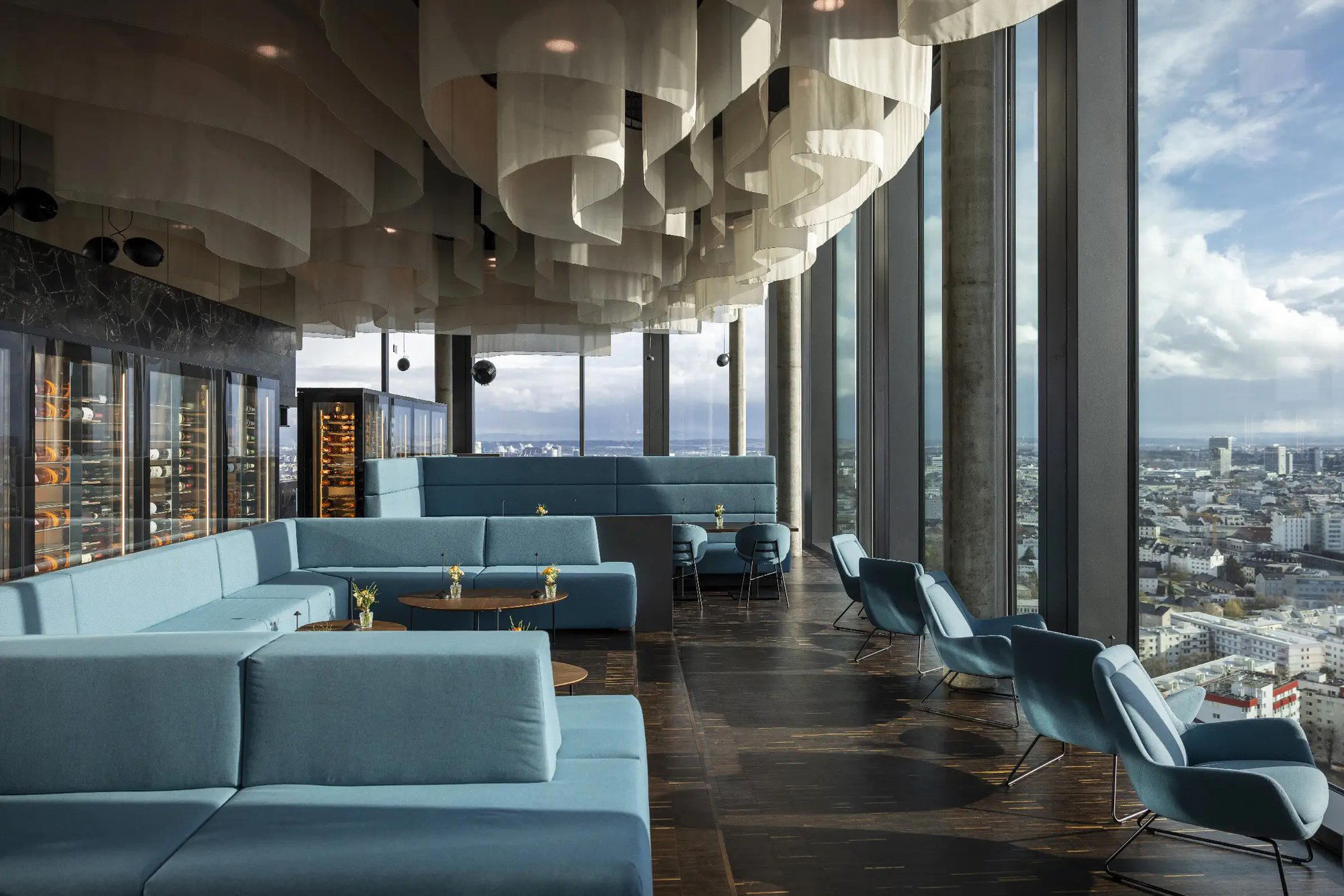
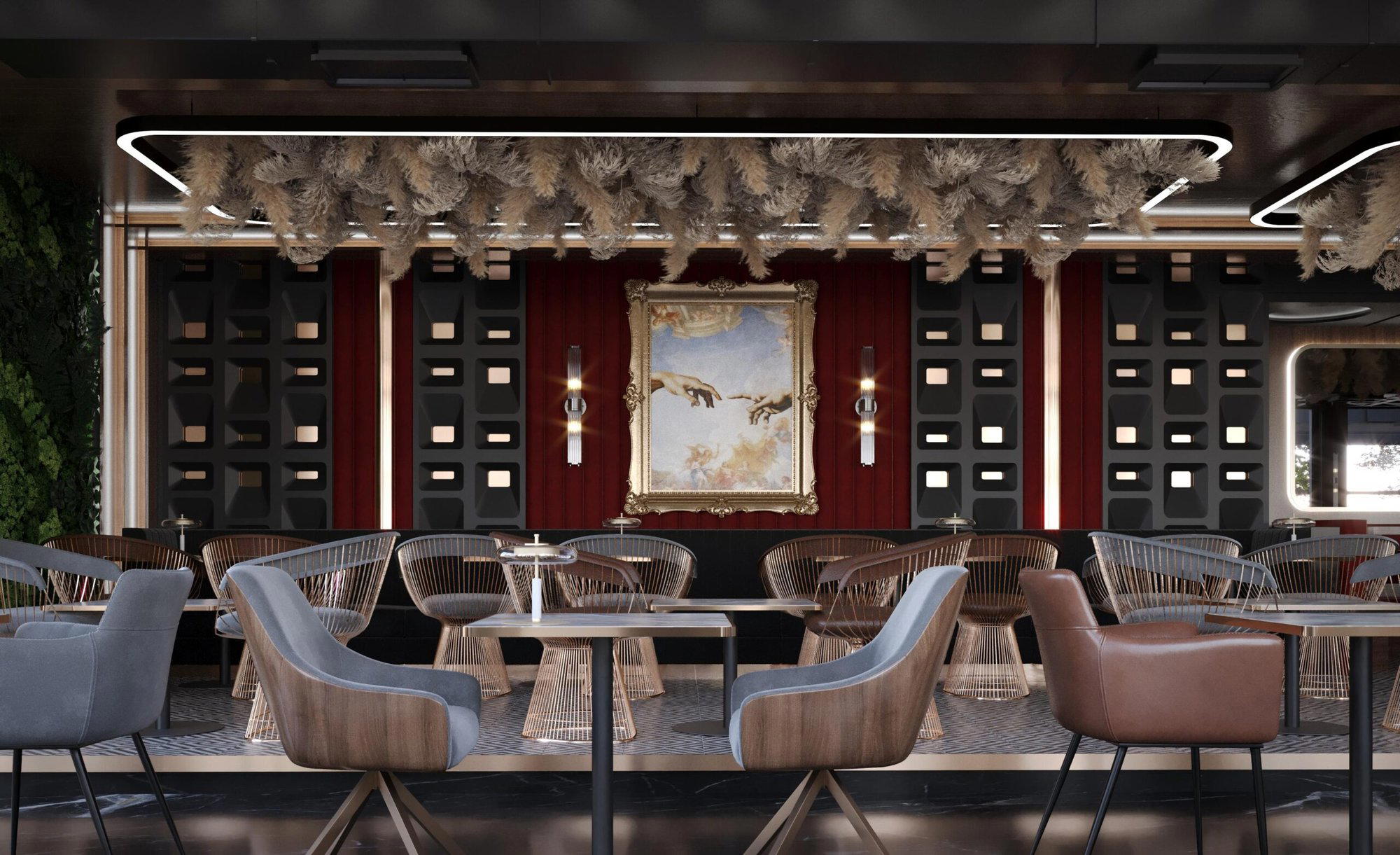


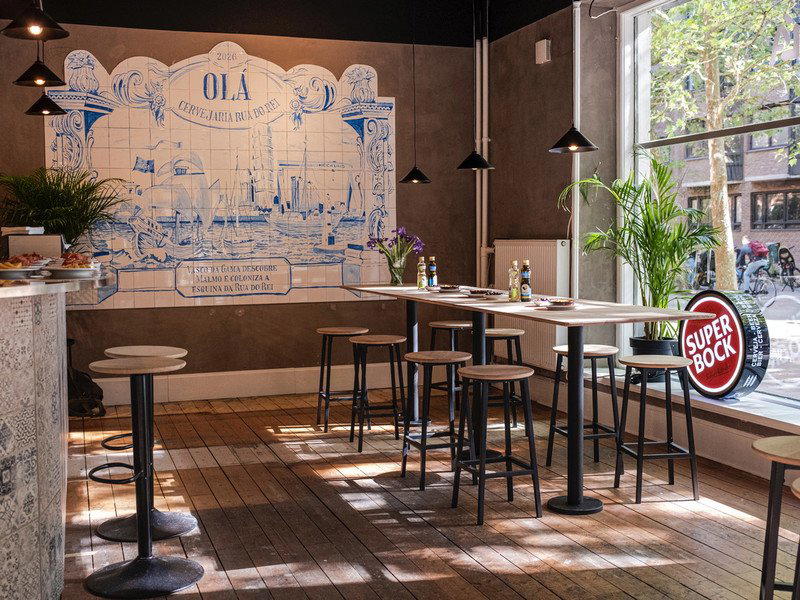
At a Glance
- Trendy
- Modern
- Casual Hangout
Current opening hours
- Monday
- 11:30 AM–9 PM
- Tuesday
- 11:30 AM–9 PM
- Wednesday
- 11:30 AM–9 PM
- Thursday
- 11:30 AM–9 PM
- Friday
- 11:30 AM–9 PM
- Saturday
- 5–10 PM
- Sunday
- Closed
Hours can change for holidays and private events. Last verified .