Ratsherrnkeller occupies a historic address on Steyr's Stadtplatz, placing it within one of Upper Austria's most architecturally intact medieval town squares. The setting alone carries considerable cultural weight, and the restaurant draws on that context to position itself as a reference point for traditional Austrian dining in the region. Visitors looking for an anchor venue in Steyr's compact dining scene tend to start here.
Pearl is the En Primeur Club membership app — saves, bookings, and concierge access live there. Same editors, same standards.
- Address
- Stadtpl. 37, 4400 Steyr, Austria
- Phone
- +436605623077
- Website
- ratsherrnkeller.at
- Directions
- Get directions
 Saves & bookings on Pearl
A Town Square That Sets the Terms
Steyr's Stadtplatz is among the better-preserved baroque and Gothic civic squares in the Austrian interior, and Stadtplatz 37 sits squarely within that fabric. Ratsherrnkeller takes its name from the tradition of the Ratsherr, the civic councillor, and the Keller, the vaulted cellar beneath such civic buildings that historically served as storage, meeting place, and, eventually, tavern. That lineage is not decorative. In many Central European cities, the Rathauskeller format predates modern restaurant culture by several centuries, and the institutions that have survived in those original spaces carry an architectural memory that newer venues cannot replicate through design alone.
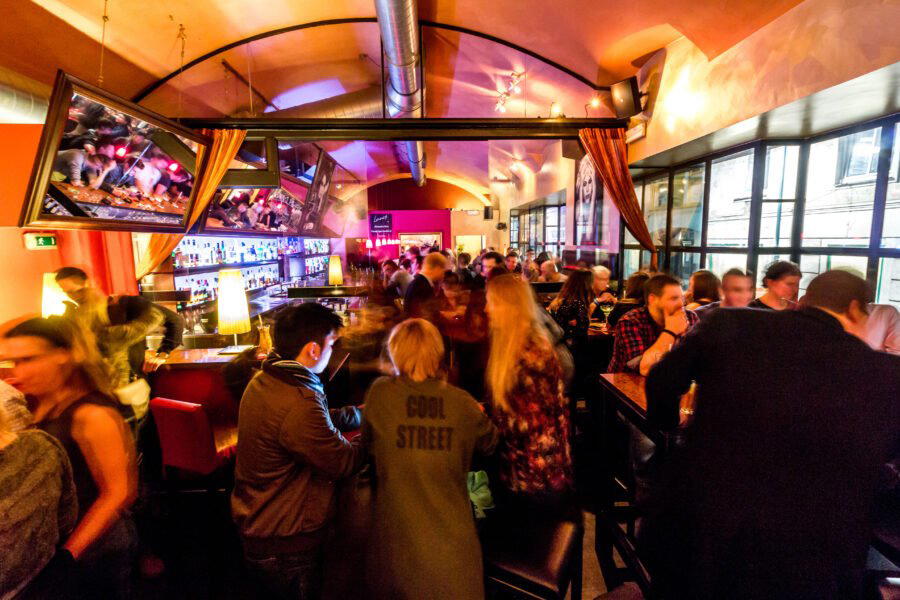
Walking into a space of this type, the stone work and vaulted ceilings do the contextualising before the menu arrives. The physical environment communicates something about continuity, about the relationship between a community and its civic architecture, that is difficult to manufacture elsewhere. In Steyr specifically, where the old town retains its medieval street plan and the confluence of the Enns and Steyr rivers defined the city's trading prosperity for centuries, a restaurant rooted in that history occupies a different position than a standalone contemporary dining room.
The Austrian Keller Tradition and What It Means for the Table
The Ratsherrnkeller format belongs to a broader Central European tradition of cellar dining that runs from Vienna's Rathauskeller through Prague and into Bavaria. These spaces historically served wine from local regions alongside the hearty, fat-rich preparations that defined pre-industrial Central European cooking: braised meats, dumplings, root vegetables preserved through winter, and the slow-cooked dishes that made use of every part of the animal. That culinary logic has not disappeared in modern Austria, though it has been reinterpreted at varying levels of formality across the country.
At the upper end of the Austrian dining spectrum, restaurants like Steirereck im Stadtpark in Vienna and Landhaus Bacher in Mautern an der Donau have translated regional Austrian ingredients and traditions into formats that compete internationally. Elsewhere, venues like Obauer in Werfen and Döllerer in Golling an der Salzach have built reputations around alpine ingredient sourcing and technical refinement. The Keller format sits in a different register: it is the ground-level expression of Austrian civic food culture, the category that feeds the town rather than the traveller seeking a destination table. That is not a lesser role; it is a different one, and understanding the distinction matters when reading Steyr's dining options.
For visitors exploring the wider Austrian dining circuit, the contrast between Steyr's civic-rooted venues and alpine destination restaurants such as Gourmetrestaurant Tannenhof in Sankt Anton am Arlberg, Griggeler Stuba in Lech, or Stüva in Ischgl is instructive. The alpine tier competes on ingredient provenance, tasting menu architecture, and international recognition. The civic Keller tier competes on cultural authenticity, affordability, and the kind of regularity that sustains a local community rather than an international itinerary.
Steyr's Dining Context
Steyr is not a city with a deep bench of internationally recognised restaurants, which means the few anchor venues carry more weight than they might in a larger city. Within the local scene, Lukas Kapeller operates at the contemporary end of Steyr dining with a Modern Cuisine format priced at €€€€, making it the city's clearest reference point for progressive Austrian cooking. Rahofer and Taborturm represent further options in the city's compact restaurant landscape. For a fuller picture of where Ratsherrnkeller sits within the city, our full Steyr restaurants guide maps the scene across price points and formats.
Ratsherrnkeller's position on the Stadtplatz places it at the geographical and symbolic centre of that scene. The town square functions as Steyr's social hub, and a restaurant at that address draws foot traffic and civic association that a venue a few streets away does not automatically inherit. In smaller Austrian cities, address carries meaning beyond real estate.
Austrian Civic Dining and Its International Parallels
The Keller dining format has rough equivalents in other European civic traditions: the German Ratskeller, the Czech pivnice beneath the town hall, the Italian osteria attached to a palazzo. What these share is the idea that the civic building and the communal table are related institutions, that eating and governance both require a space that the community recognises as its own. In an era when dining formats have proliferated into tasting menus, omakase counters, and fast-casual everything, there is a quiet persistence to the institutions that have occupied the same stones for generations.
For context, the international dining spectrum runs from technically driven formats like Le Bernardin in New York City and Atomix in New York City to culturally grounded civic formats like the Keller tradition. Neither is more serious as a dining proposition; they address different questions about what a meal is for. Similarly within Austria, the progression from Ikarus in Salzburg to Kräuterreich by Vitus Winkler in Sankt Veit im Pongau to Ois in Neufelden and Schwarzer Adler in Hall in Tirol and Restaurant 141 by Joachim Jaud in Mieming shows the breadth of what Austrian dining covers, from international guest-chef programming to rooted regional formats. Ratsherrnkeller sits in the latter half of that spectrum.
Planning a Visit
Ratsherrnkeller is located at Stadtplatz 37, 4400 Steyr, Austria, in the centre of the old town and within walking distance of Steyr's main historic sights. Steyr is accessible by rail from Linz, with the journey running under an hour, and the Stadtplatz is a short walk from the train station. The restaurant is walk-in friendly and typically serves Austrian pizza and bar snacks at an accessible price point. The central address means passing the location is easy for anyone already exploring the old town on foot.
Price and Positioning
Comparable venues nearby, for context on price, style, and recognition.
| Venue | Cuisine | Price | Awards | Notes |
|---|---|---|---|---|
| RatsherrnkellerThis venue — the venue you are viewing | Stadtplatz, Austrian Pizza & Bar Snacks | $$ | Not listed | Not listed |
| Taborturm | Steyr, Regional Austrian European | $$ | Not listed | Not listed |
| Rahofer | Stadtplatz, Mediterranean | $$$ | Not listed | Not listed |
| Lukas Kapeller | Not listed | $$$$ | Michelin 1 Star | Steyr center, Modern Regional Austrian Fine Dining |
| Karpfenwirt | Not listed | $$ | Not listed | Sankt Martin im Sulmtal, Austrian Seafood |
| DOLLMANNS einfach gut | Schiffslände, Austrian Lakeside Seafood | $$ | Not listed | Not listed |
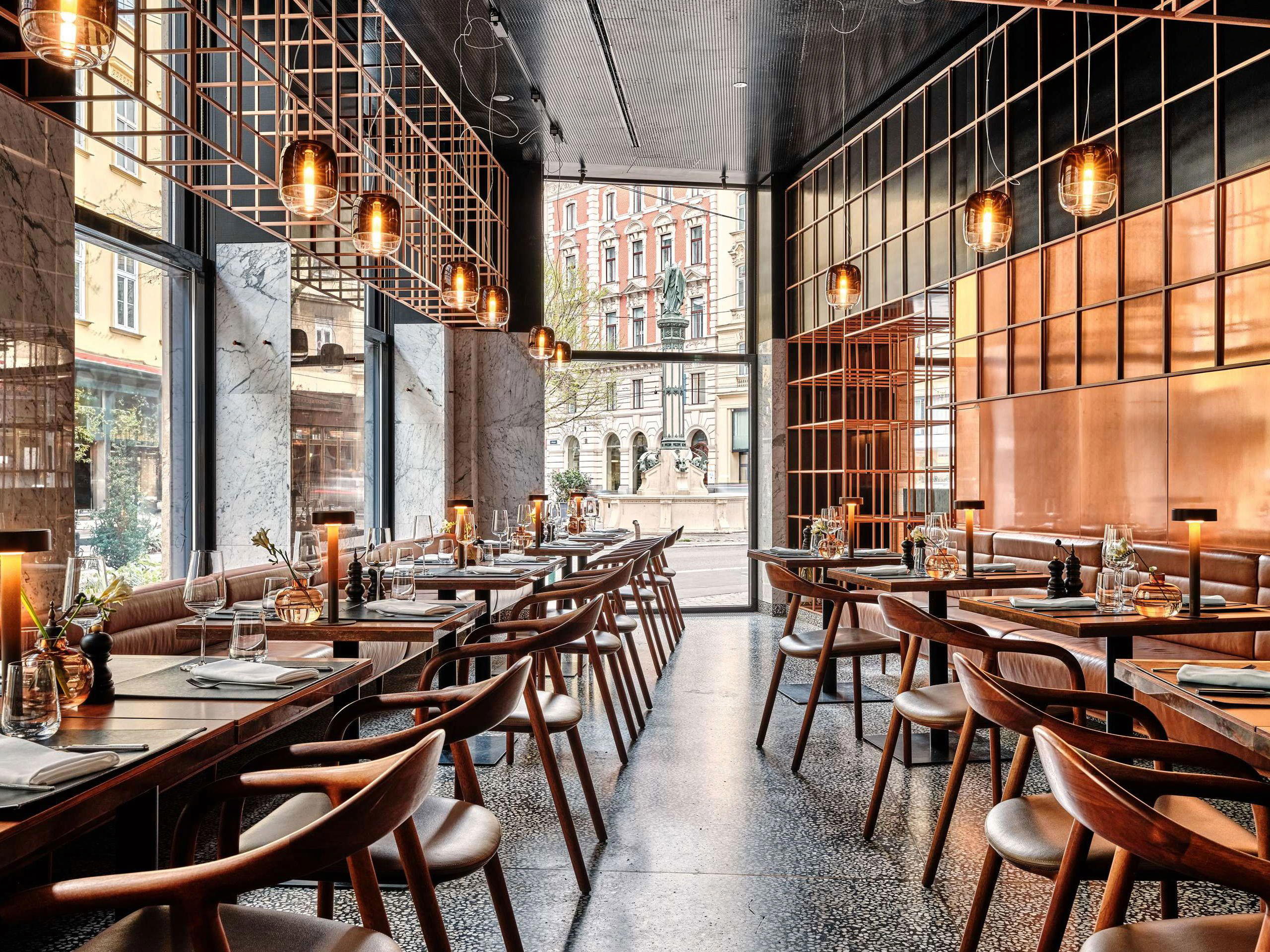
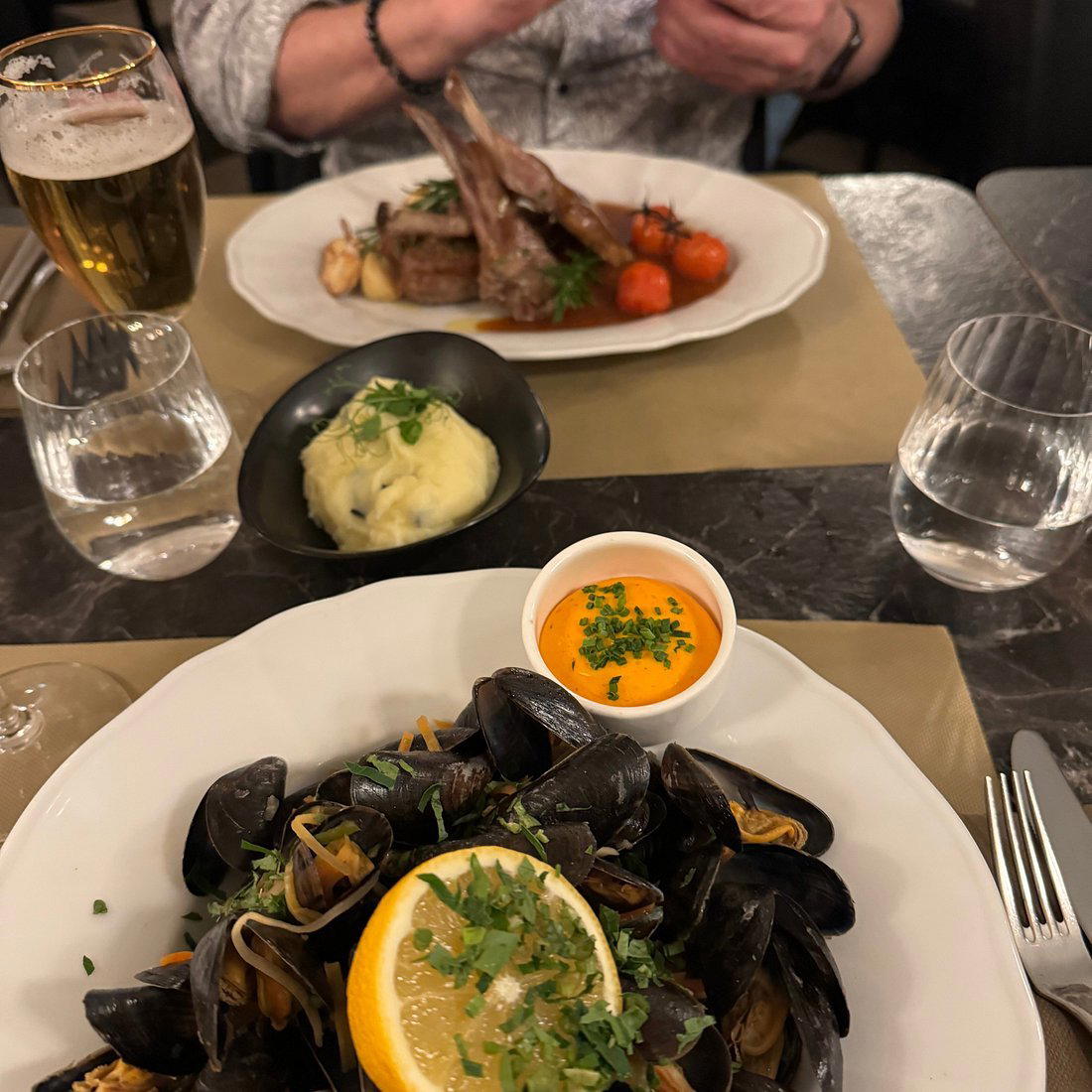


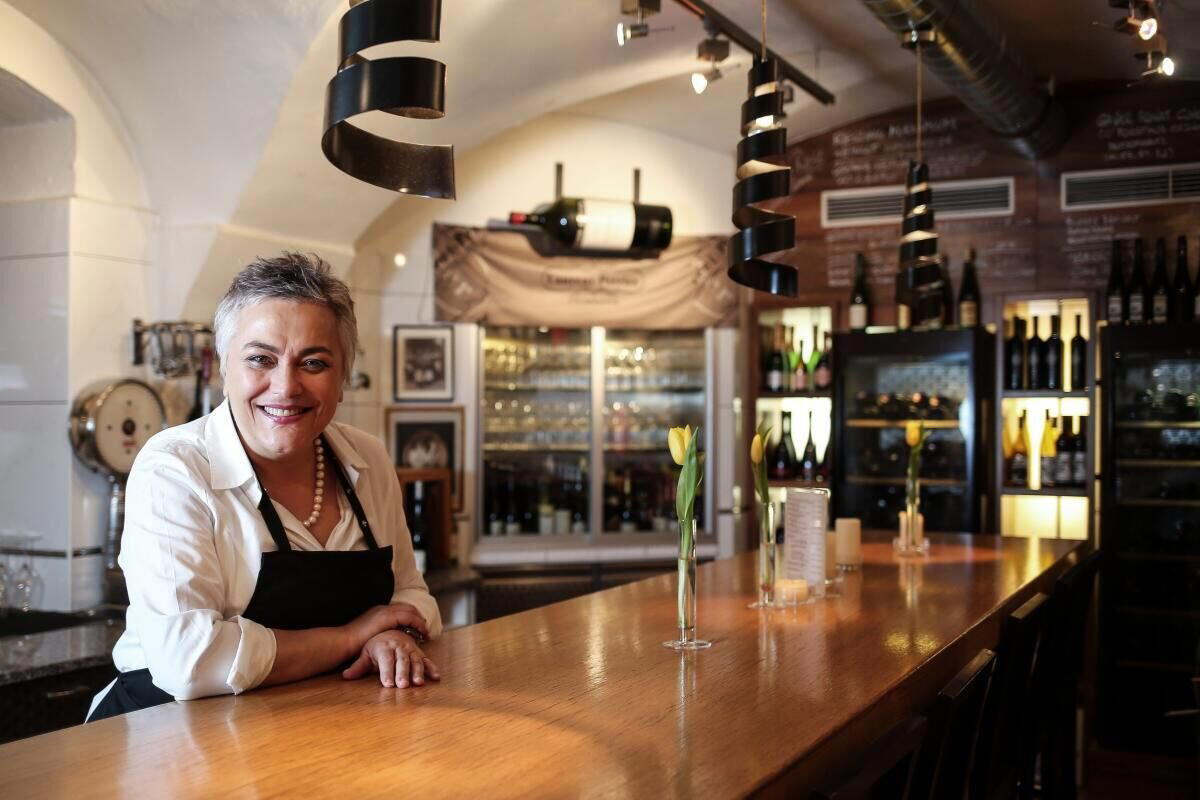
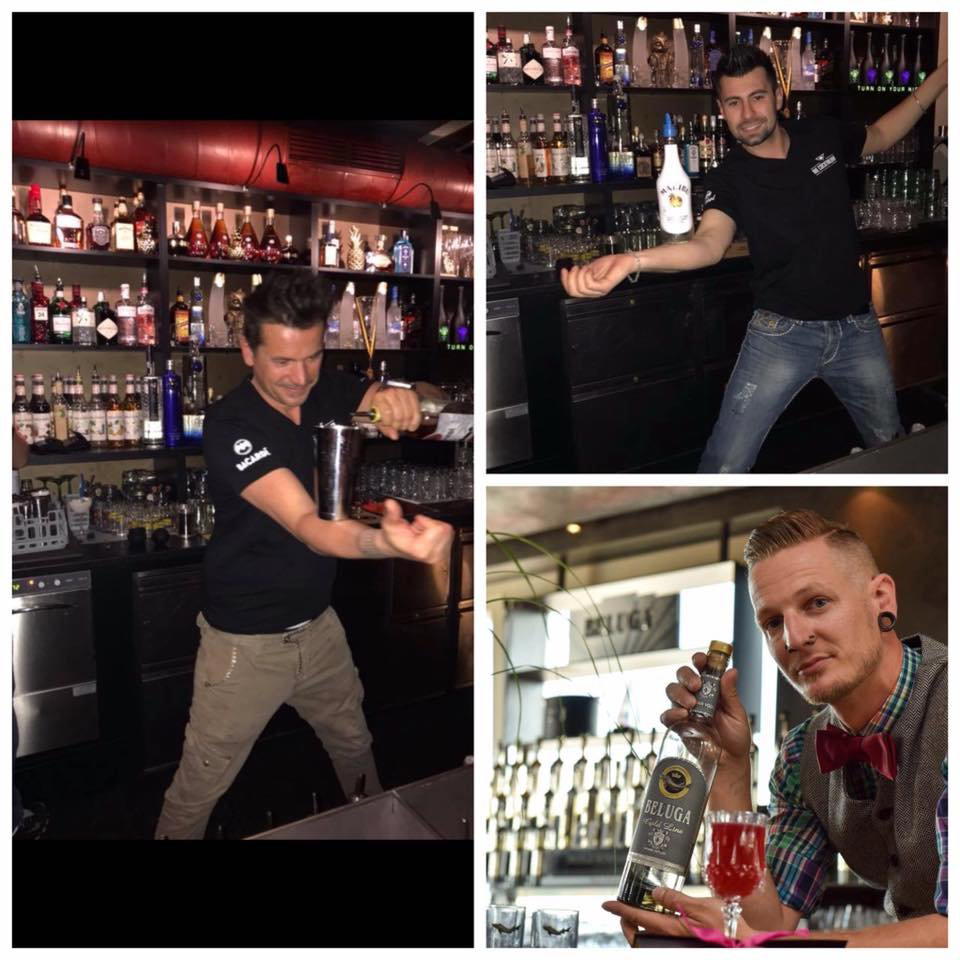

At a Glance
- Rustic
- Lively
- Cozy
- Casual Hangout
- After Work
- Historic Building
- Terrace
- Craft Cocktails
- Beer Program
- Street Scene
Current opening hours
- Monday
- Closed
- Tuesday
- 5 PM–12 AM
- Wednesday
- 5 PM–12 AM
- Thursday
- 5 PM–12 AM
- Friday
- 5 PM–2 AM
- Saturday
- 5 PM–2 AM
- Sunday
- 5 PM–12 AM
Hours can change for holidays and private events. Last verified .
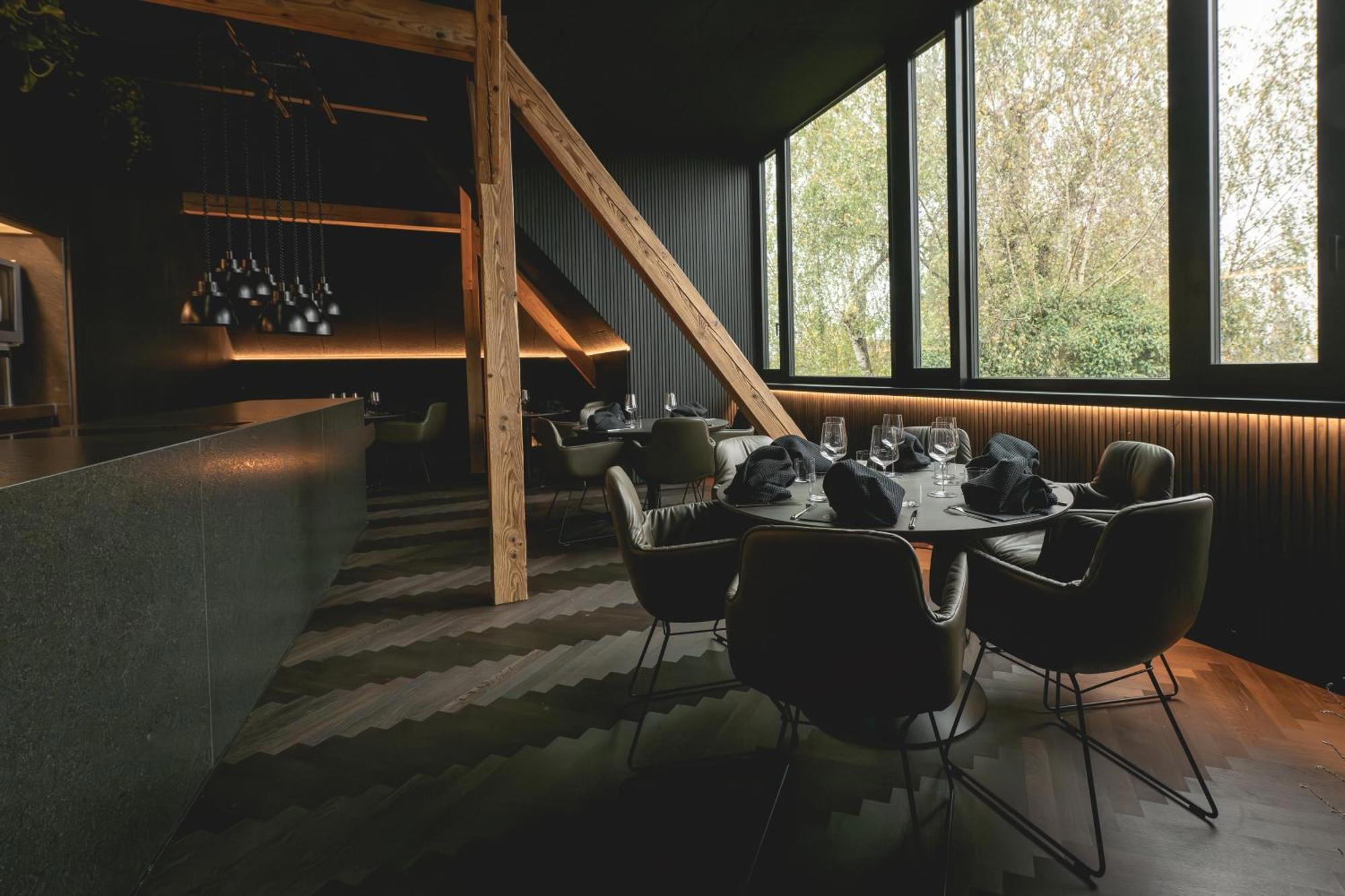
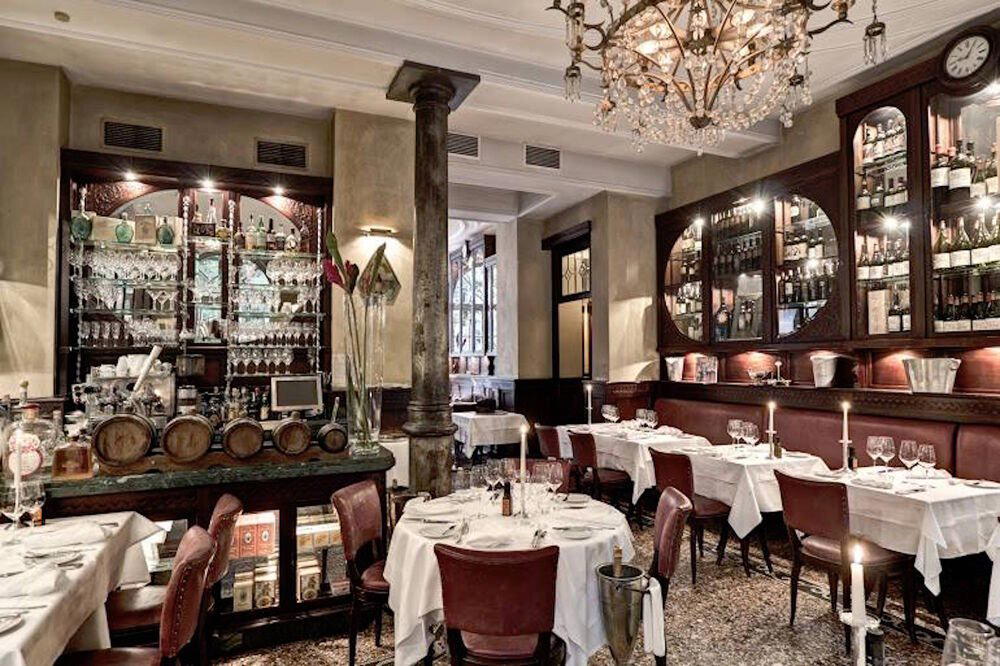
Relaxed ambience in a quirky, rustic historic basement with good music and lively vibe.