Rosalind's
On South Fairfax Avenue, Rosalind's occupies a stretch of Los Angeles where the dining character tilts local and intentional rather than scene-driven. Positioned among a comparable set of serious independent restaurants, it draws comparisons less to the city's high-profile tasting-menu operations and more to the mid-tier of committed neighborhood rooms where the food and the physical space carry equal weight.
Pearl is the En Primeur Club membership app — saves, bookings, and concierge access live there. Same editors, same standards.
- Address
- 1044 S Fairfax Ave, Los Angeles, CA 90019
- Phone
- +13239362486
- Website
- rosalindsla.com
- Directions
- Get directions
 Saves & bookings on Pearl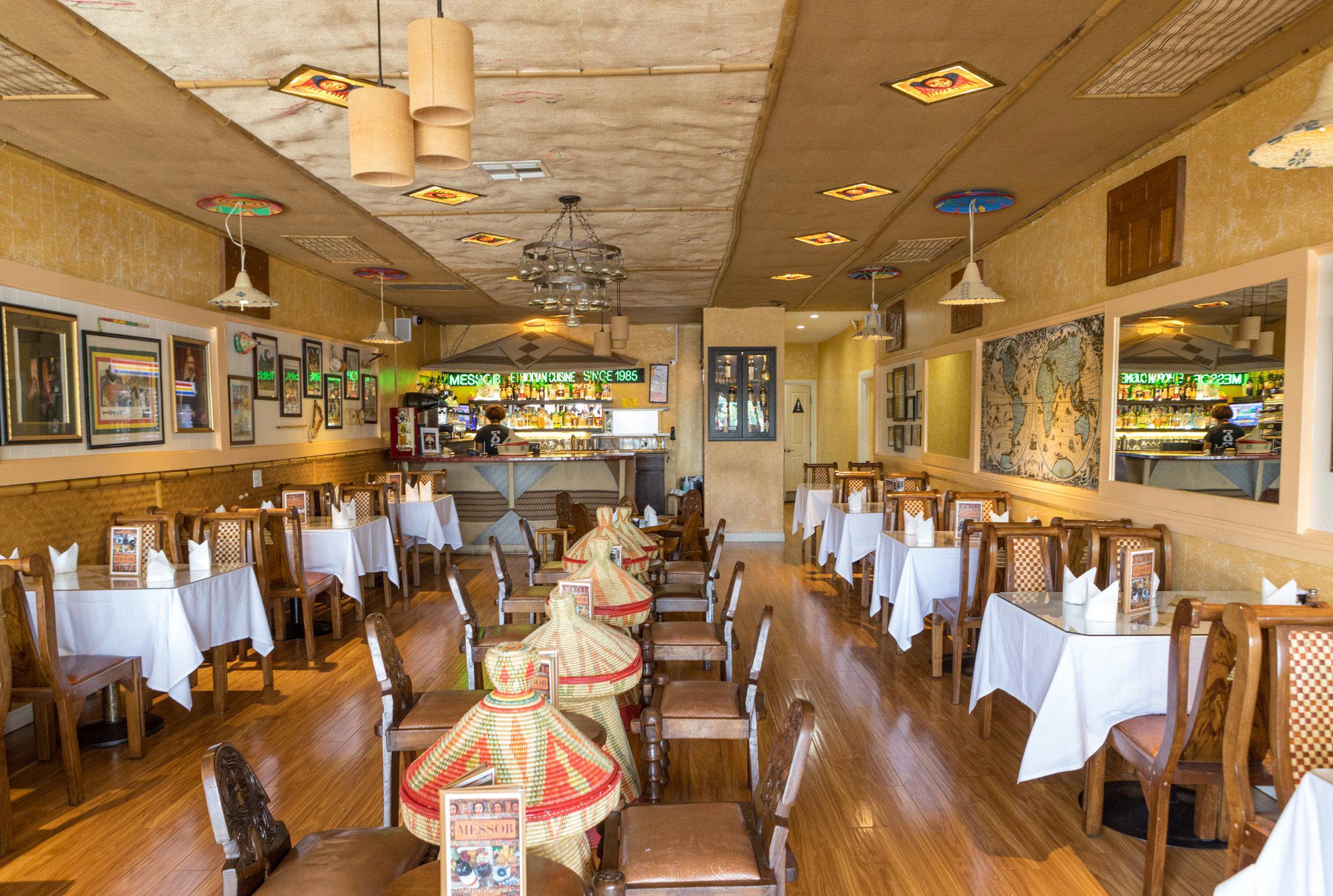
South Fairfax and the Architecture of the Everyday Restaurant
South Fairfax Avenue sits at an interesting fault line in Los Angeles dining. The neighborhood runs south from the Museum District and Farmers Market corridor, threading through a stretch that is neither the high-gloss restaurant row of Beverly Hills nor the self-consciously cool blocks of Silver Lake or Highland Park. What it offers instead is something less photogenic but more durable: a commercial strip with genuine local tenure, where restaurants tend to survive on repeat custom rather than opening buzz. Rosalind's, at 1044 S Fairfax Ave, occupies exactly that kind of position. The address alone signals something about the intended relationship between the room and its guests.
In Los Angeles, independent restaurants at this address-type tend to fall into a legible category: neither the $300-per-head omakase tier represented by venues like Hayato or the tasting-menu architecture of Kato, nor the casual-fast end of the spectrum. Rosalind's sits somewhere in the committed middle, where the physical room and the cooking are expected to hold their own weight without institutional support from a hotel group or a celebrity chef media apparatus.
The Space as Editorial Statement
In any city's dining culture, the physical container of a restaurant communicates before the food arrives. The seating arrangement, ceiling height, lighting temperature, and material palette all function as a kind of advance declaration about what kind of experience is being proposed. Los Angeles has spent the last decade building out a tier of restaurants where the interior design is itself a primary offering, from the theatrical brutalism of Vespertine to the deliberate calm that characterizes the dining room at Somni. These rooms are designed to be legible as destinations in their own right.
The South Fairfax corridor operates on different logic. Restaurants here tend to inherit or adapt existing spaces rather than commission architects for signature interiors. The result is a design vernacular that is accumulative and often more honest: the materials, the layout, the wear of a room that has actually been used over time. This is not a lesser category. Particularly persuasive dining rooms in American cities are ones that have absorbed years of service and carry that history in their surfaces. The comparison set for Rosalind's in terms of physical environment is less the designed-for-Instagram room and more the kind of interior that rewards attention paid slowly, across multiple visits.
For context on how other serious American independent restaurants handle the relationship between space and cooking, Bacchanalia in Atlanta and Lazy Bear in San Francisco both demonstrate how a room's physical character can become inseparable from the culinary identity of a place over time. Blue Hill at Stone Barns in Tarrytown takes this further by making the architecture of the space an argument about where food comes from. Each approach reflects a different theory of what the restaurant-as-room is supposed to accomplish.
Rosalind's in the Los Angeles Independent Restaurant Context
Los Angeles has developed one of the more layered independent restaurant cultures in the United States over the past fifteen years. The city now carries a comparable set of serious non-hotel, non-group restaurants that compete on culinary ambition rather than brand recognition. Providence anchors the fine-dining seafood tier. Osteria Mozza holds a durable position in the Italian category. The newer cohort, represented by places like Kato, has pushed the city's reputation in a more internationalist, technique-forward direction. The restaurant on South Fairfax operates outside that prestige tier, which is not a dismissal but a placement. The neighborhood and the address suggest a restaurant that is making a different kind of argument: that the work of a good room is to be genuinely useful to the people who live near it and to reward the guests who find it on their own rather than through a publicist's list.
This position has its own competitive logic. Across American cities, the restaurants that tend to build the deepest local followings are not always the ones with many awards or the longest waitlists. Addison in San Diego and The French Laundry in Napa operate in a register where the recognition is the draw. The restaurant at 1044 S Fairfax operates in a register where the draw is the room itself, the consistency, and the sense that the restaurant knows who it is for. That is a harder thing to communicate in a press release, which may explain why places like this accumulate reputation more slowly but often more durably.
For readers building a longer Los Angeles itinerary, our full Los Angeles restaurants guide maps the city's dining character across neighborhoods and price tiers, from the high-commitment tasting menus to the kind of serious independent room that restaurant represents.
comparable set and Comparative Positioning
The relevant comparisons for the restaurant are not the Michelin-starred rooms or the nationally profiled openings. Within Los Angeles, the more instructive comparable set is the cohort of independent restaurants on secondary commercial streets that maintain quality without institutional scaffolding. Outside the city, the analog is the kind of committed neighborhood restaurant that appears in cities like New York or Chicago not in the first tier of critical attention but in the second: places that serious local eaters know and trust. Atomix in New York represents one extreme of that commitment, where the room and the cooking are both operating at maximum intentionality. Alinea in Chicago represents another, where the space is as formally controlled as the menu. The restaurant, by address and context, suggests something less maximalist and more embedded in its immediate geography.
The international comparison is also instructive. Restaurants that occupy mid-block addresses on neighborhood commercial streets in cities like Hong Kong or New York often carry a credibility that purpose-built dining destinations cannot manufacture. 8½ Otto e Mezzo Bombana in Hong Kong earned its reputation through sustained performance rather than inherited prestige. The principle scales down as well as up: a restaurant that does the work over time in a location that requires guests to seek it out is making a statement about priorities that the design of its room should reflect.
Planning a Visit
The restaurant is located at 1044 S Fairfax Ave, Los Angeles, CA 90019, on the South Fairfax corridor between the Miracle Mile and the Pico-Robertson neighborhoods. South Fairfax is accessible by car with street parking typically available on adjacent residential blocks, and the address falls within reasonable reach of central Los Angeles by rideshare. For broader context on where the restaurant sits within the city's dining map, the Emeril's model in New Orleans and The Inn at Little Washington offer instructive contrasts in how serious independent restaurants at different price points communicate their identities through physical space and service register. Single Thread Farm in Healdsburg and Le Bernardin in New York sit at the far end of the formality spectrum for additional reference.
The Short List
Comparable venues nearby, for context on price, style, and recognition.
| Venue | Cuisine | Price | Notes |
|---|---|---|---|
| Rosalind'sThis venue — the venue you are viewing | Not listed | $$ | Not listed |
| Casablanca Moroccan Kitchens | Not listed | $$ | Hollywood, Authentic Moroccan & Berber Cuisine |
| Palermo Pizza Club | Brentwood, Italian Pizza and Pasta | $$ | Not listed |
| Meyers Manx Cafe | Not listed | $$ | Miracle Mile, All-day American brunch cafe |
| Soregashi | Hollywood, Authentic Japanese Sushi | $$ | Not listed |
| Lemon Grove | Not listed | $$ | Yucca Corridor, Seasonal California Cuisine |
Continue exploring
More in Los Angeles
Restaurants in Los Angeles
Browse all →
Bars in Los Angeles
Browse all →
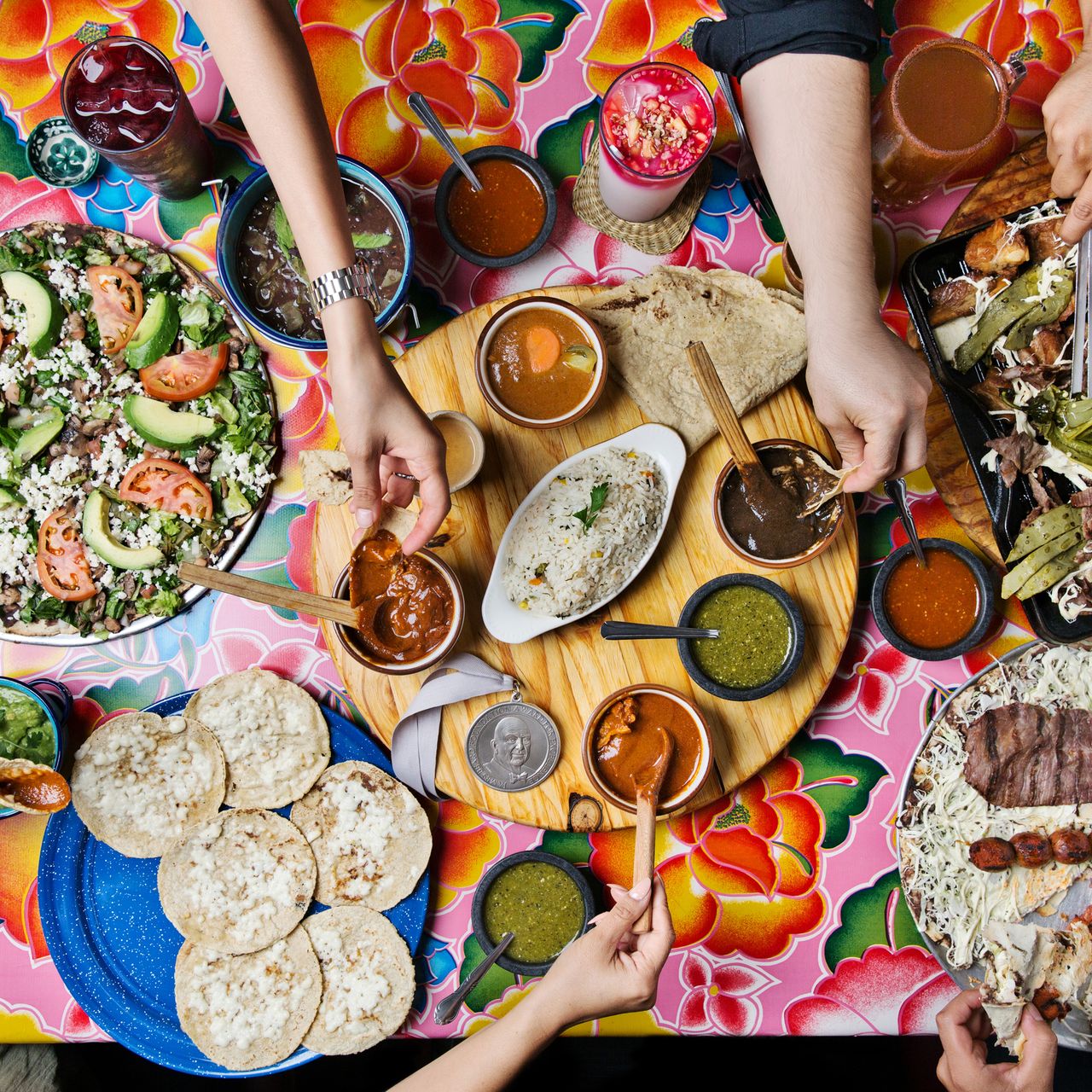
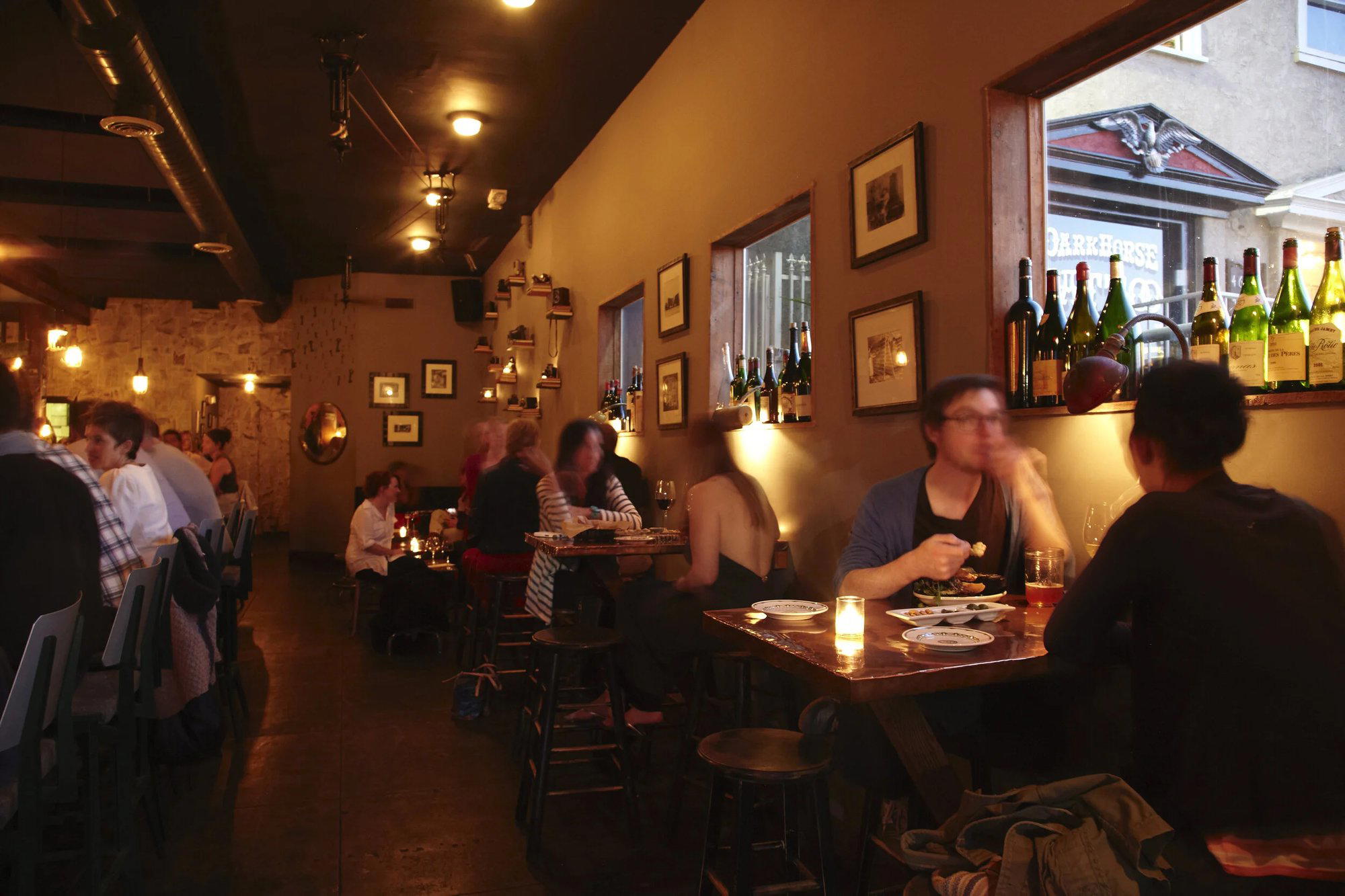
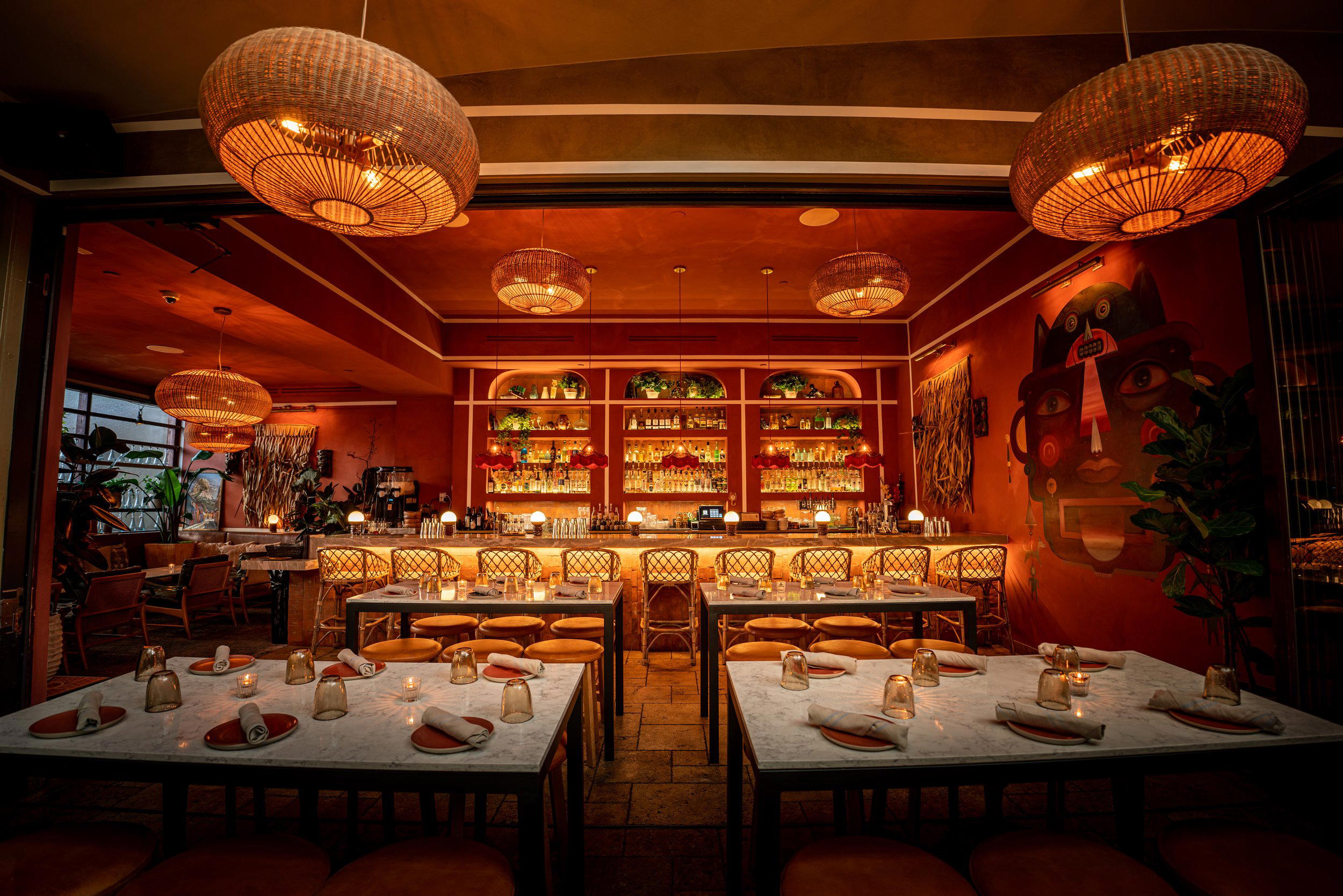
Hotels in Los Angeles
Browse all →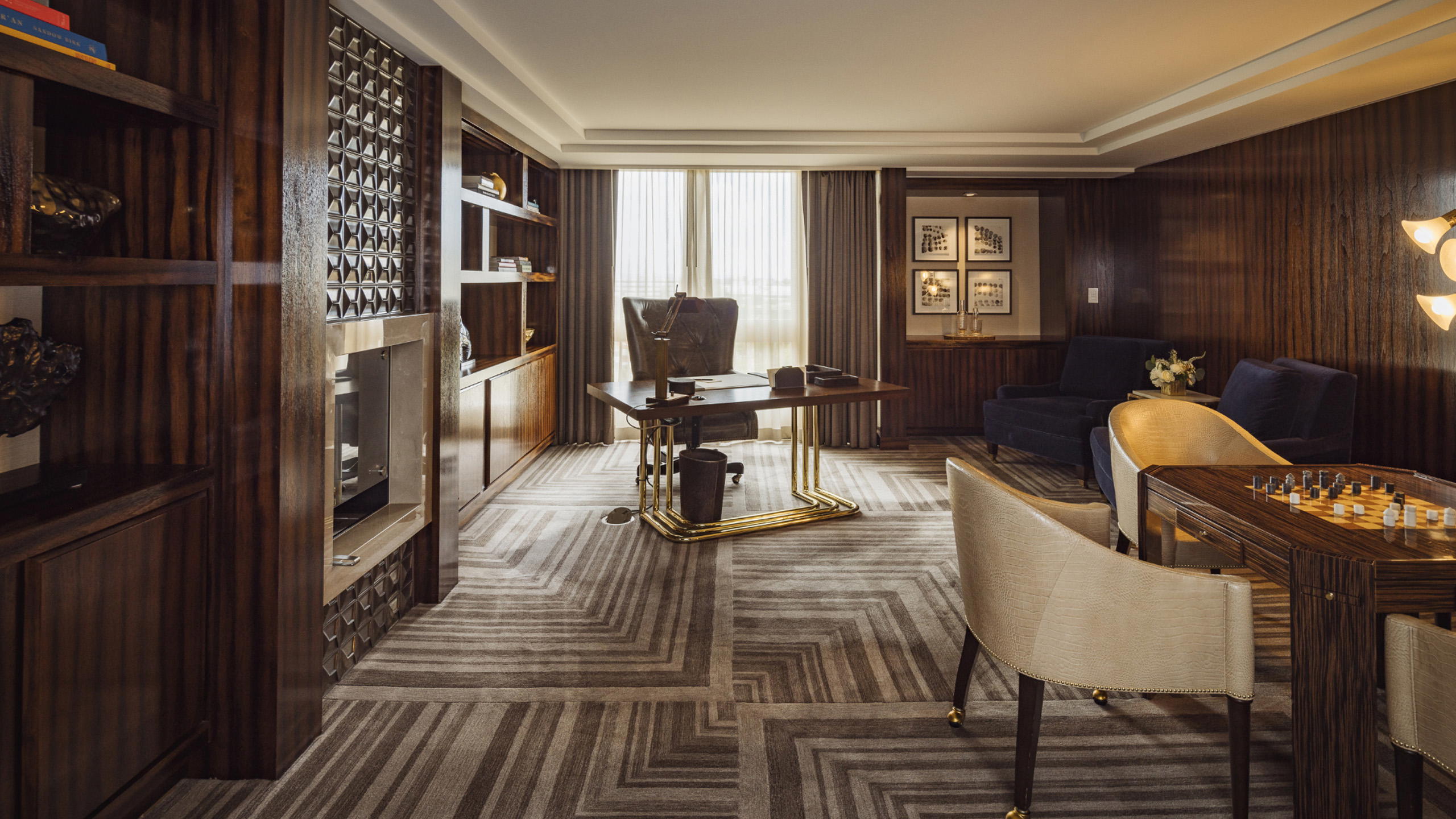
Wineries in Los Angeles
Browse all →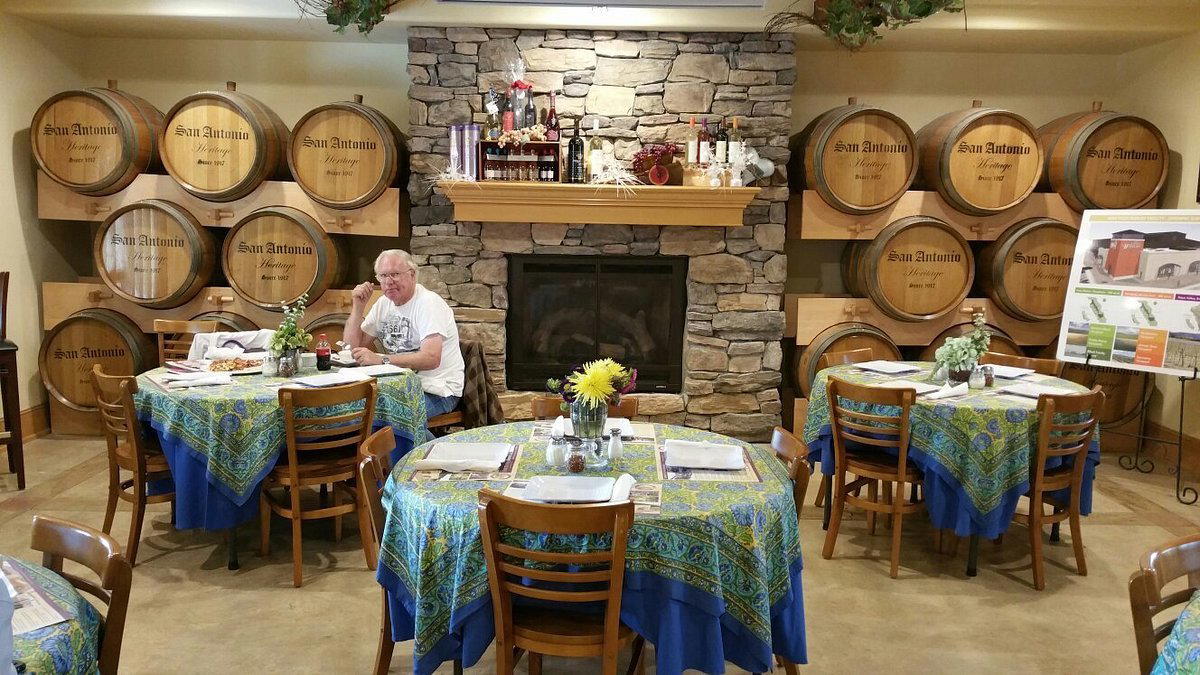
At a Glance
- Lively
- Cozy
- Family
- Group Dining
- Casual Hangout
- Standalone
- Beer Program
Current opening hours
- Monday
- 11 AM–10 PM
- Tuesday
- 4–10 PM
- Wednesday
- 11 AM–10 PM
- Thursday
- 11 AM–10 PM
- Friday
- 11 AM–11 PM
- Saturday
- 11 AM–11 PM
- Sunday
- 11 AM–10 PM
Hours can change for holidays and private events. Last verified .
Festive dining room full of families and friends sharing platters, with a warm and lively atmosphere.