Casablanca Moroccan Kitchens
On Melrose Avenue in Hollywood, Casablanca Moroccan Kitchens brings North African cooking to a Los Angeles neighbourhood better known for its fashion boutiques and concept restaurants. The kitchen draws on Moroccan culinary tradition — spice-layered tagines, slow-cooked braises, and aromatic grain dishes — placing it in a city where Middle Eastern and North African dining still occupies a relatively thin slice of the premium restaurant market.
Pearl is the En Primeur Club membership app — saves, bookings, and concierge access live there. Same editors, same standards.
- Address
- 6919 Melrose Ave, Los Angeles, CA 90038
- Phone
- +13232724777
- Directions
- Get directions
 Saves & bookings on Pearl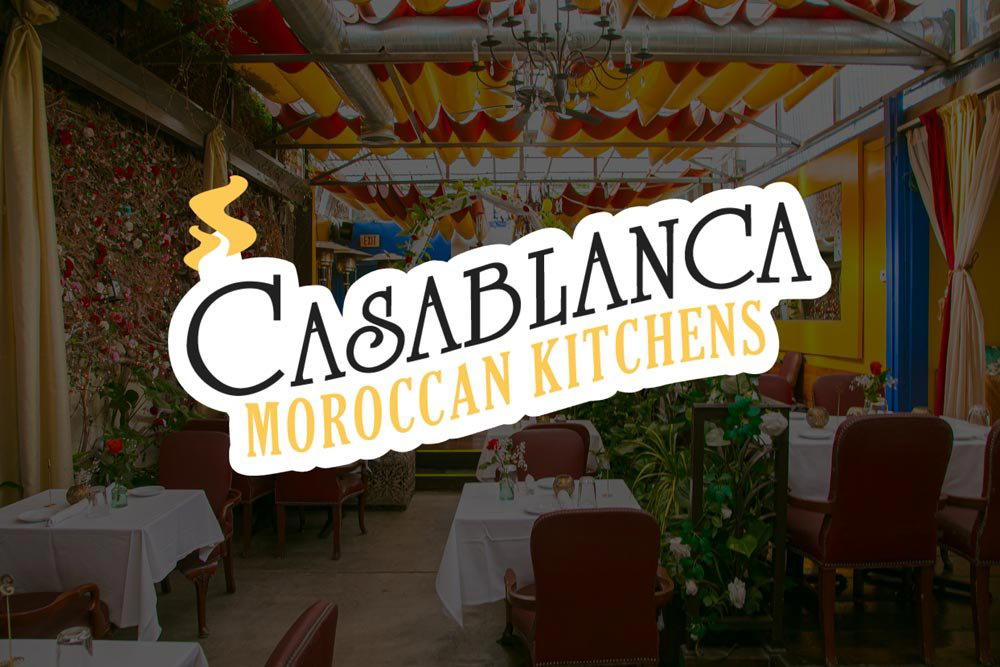
Moroccan Cooking on Melrose: Where the Tradition Lands
Hollywood's Melrose Avenue corridor is dense with restaurants chasing novelty — new formats, fusion concepts, chef-driven tasting menus aimed squarely at the Instagram-first diner. Against that backdrop, a kitchen committed to the slow-cooked logic of Moroccan cuisine makes a different kind of argument. North African cooking does not reward impatience. Its soups develop over hours, its spice blends require time to bloom and mellow, and its most recognisable vessel — the conical tagine, is a piece of equipment built entirely around the principle of captured steam and unhurried heat. Casablanca Moroccan Kitchens, at 6919 Melrose Ave, operates within that tradition.
Los Angeles has one of the more diverse restaurant populations of any American city, yet Moroccan and broader North African cooking remains underrepresented relative to the city's size and its appetite for global cuisines. The handful of Moroccan kitchens operating across greater LA sit in a distinct category: they are not fast-casual, nor are they occupying the tasting-menu tier where venues like Kato, Hayato, or Somni compete. They occupy a middle register defined by communal eating formats, aromatic cooking, and a cuisine where the cultural weight of the table, shared platters, poured mint tea, bread as utensil, is part of the experience itself.
The Sourcing Logic Behind Moroccan Spice
Any serious engagement with Moroccan cooking begins with ingredients, and specifically with the spice architecture that gives the cuisine its character. Ras el hanout, a blend that can contain upward of thirty individual spices, is the clearest example of how Moroccan cooking encodes sourcing and supply chain into its flavour profile. The blend varies by region, by market, and by the individual seller: saffron from Taliouine, cumin from the Drâa Valley, rose petals, dried ginger, cardamom. In the leading kitchens, whether in Marrakech's medina or in diaspora restaurants abroad, the composition of that blend is not standardised but sourced deliberately.
This matters because it separates kitchens that treat Moroccan food as a category from those that treat it as a practice. Preserved lemons, another cornerstone, require weeks of curing and carry a flavour that no quick substitute replicates. Argan oil, pressed from the fruit of trees native to southwestern Morocco, has a distinct nuttiness that differs entirely from olive oil's profile. These are not interchangeable pantry items. Restaurants elsewhere that take sourcing with comparable seriousness, Blue Hill at Stone Barns in Tarrytown, Single Thread Farm in Healdsburg, or Smyth in Chicago, do so within frameworks built around traceability and provenance. The principle is the same for Moroccan cooking: the ingredient's origin is the first decision, and everything downstream follows from it.
California's agricultural infrastructure is, in this context, an advantage. The state produces saffron in small quantities, grows excellent stone fruit for preserved preparations, and has established import channels for North African specialty products that kitchens on the East Coast often cannot access with the same reliability. A Moroccan kitchen in Los Angeles, given the sourcing options available, has fewer excuses than one operating in a less agriculturally connected city.
How Moroccan Dining Translates to a Los Angeles Room
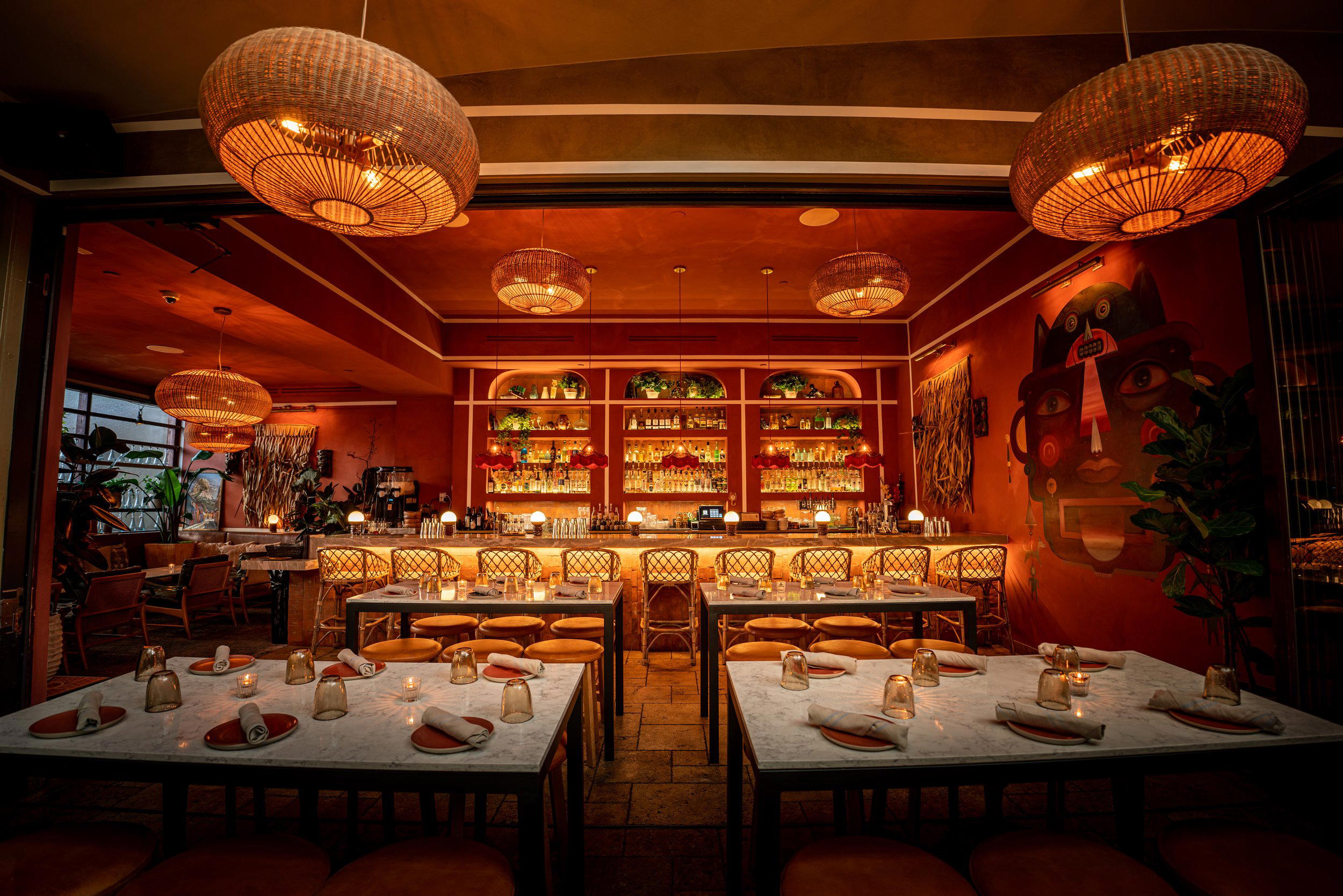
The physical experience of a Moroccan restaurant in the US has historically split between two registers. One is theatrical: low seating, lantern lighting, belly dance performances, and a setting that functions more as ambient export of a tourist-facing medina than as a serious dining environment. The other is quieter and more focused on the food itself, allowing the cooking to carry the room rather than the decor doing that work. This shift mirrors what has happened across many ethnic cuisine categories in American cities over the past decade, a move away from cultural performance and toward culinary confidence. Venues like Osteria Mozza demonstrated early that a cuisine's serious registers could anchor a Los Angeles room without requiring theatrical distraction.
Melrose Avenue as a location positions Casablanca Moroccan Kitchens within reach of the Hollywood and West Hollywood dining circuits, where the spending profile supports mid-to-upper casual dining and where food-literate regulars are common. The corridor draws from Fairfax, Larchmont, and the denser residential grid to the south, meaning a kitchen here has access to a neighbourhood customer base that dines out frequently rather than treating the area as a destination-only strip.
The North African Kitchen in the American Context
Moroccan cuisine's influence on American fine dining has grown steadily, if quietly. The spice palette has been absorbed into the broader Middle Eastern-inflected cooking that now appears across many US urban menus, and preserved lemon has become common enough to appear in non-Moroccan contexts from Brooklyn delis to California farm-to-table menus. But that diffusion is different from the cuisine itself being well-represented at the restaurant level. The tradition of cooking whole animals low and slow in a clay tagine, of building harira over a full morning, or of finishing couscous by hand-rolling the grain rather than using machine-processed product, these practices are not widely preserved outside of dedicated Moroccan kitchens.
For context, the category of cooking that takes provenance and method as seriously as Moroccan tradition demands sits alongside, though in a different register from, kitchens like Providence in Los Angeles or Le Bernardin in New York, where sourcing traceability and technique discipline define the kitchen's identity. The comparison is not one of cuisine or price point but of underlying philosophy: the leading version of any cooking tradition is one where the ingredients are taken seriously before a single preparation decision is made. Comparable standards of sourcing rigour can be seen at The French Laundry, Addison, Frasca Food & Wine, and Atelier Moessmer Norbert Niederkofler, kitchens that treat supply chain as a culinary decision rather than a logistical afterthought.
For the Los Angeles diner looking to move beyond the city's well-documented Japanese, Korean, and Mexican restaurant depth, North African cooking offers a genuinely different set of flavour logic, technique history, and communal table traditions. See the full Los Angeles restaurants guide for broader context on where Moroccan and Middle Eastern kitchens fit within the city's dining map, alongside venues from across the spectrum including Lazy Bear, Emeril's, The Inn at Little Washington, and Atomix.
Planning Your Visit
Casablanca Moroccan Kitchens is located at 6919 Melrose Ave, Los Angeles, CA 90038, on a walkable block of Melrose with street parking and nearby metered lots. The Melrose and Highland intersection is a useful orientation point.
Quick reference: 6919 Melrose Ave, Hollywood. Moroccan cuisine. Confirm hours and booking status directly with the venue.
How Casablanca Moroccan Kitchens compares with similar nearby venues.
| Venue | Cuisine | Price |
|---|---|---|
| Pink's Hot Dogs | American Hotdogs | Not listed |
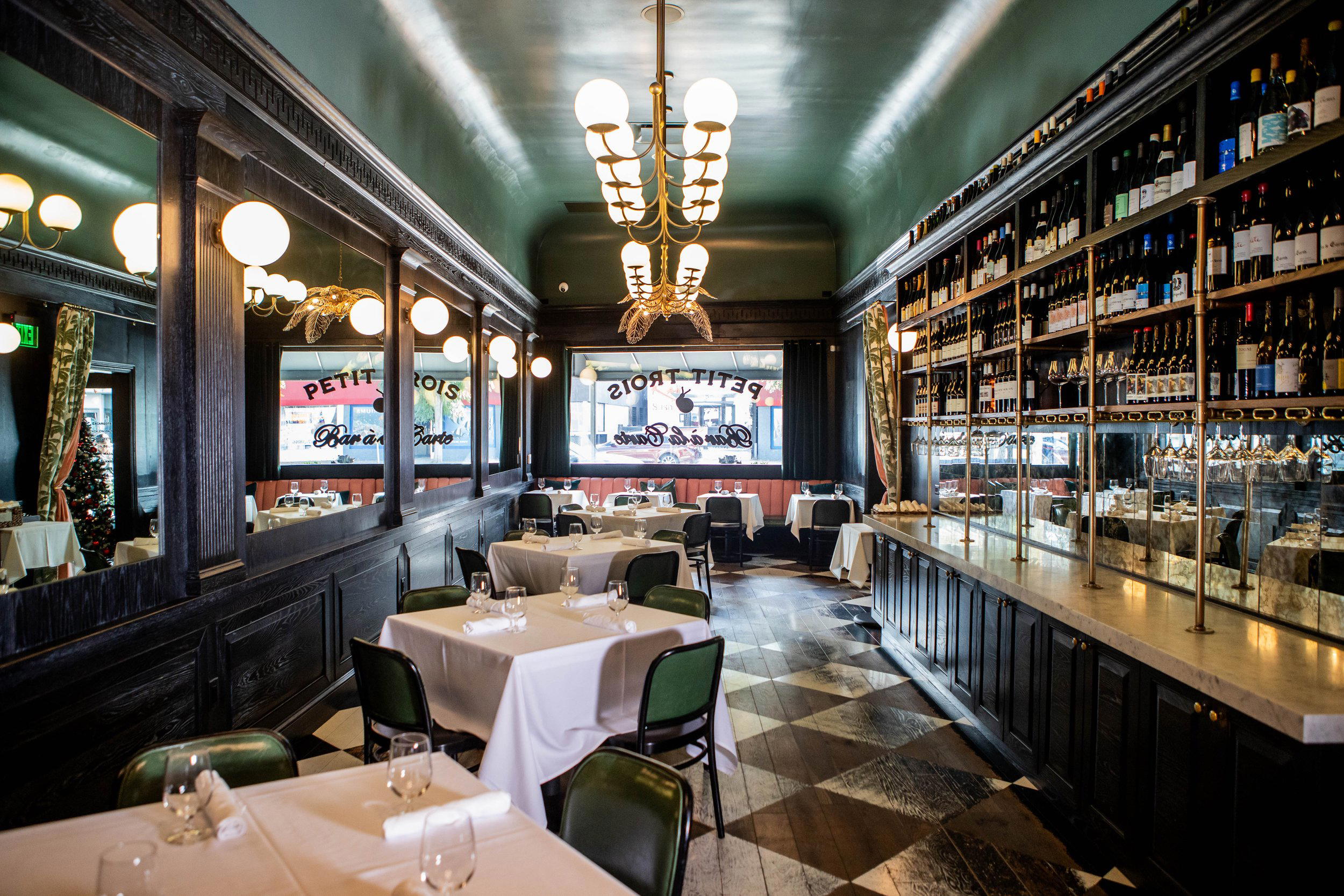
| Meteora | Grill Restaurant, Creative | $$$$ |
Continue exploring
More in Los Angeles
Restaurants in Los Angeles
Browse all →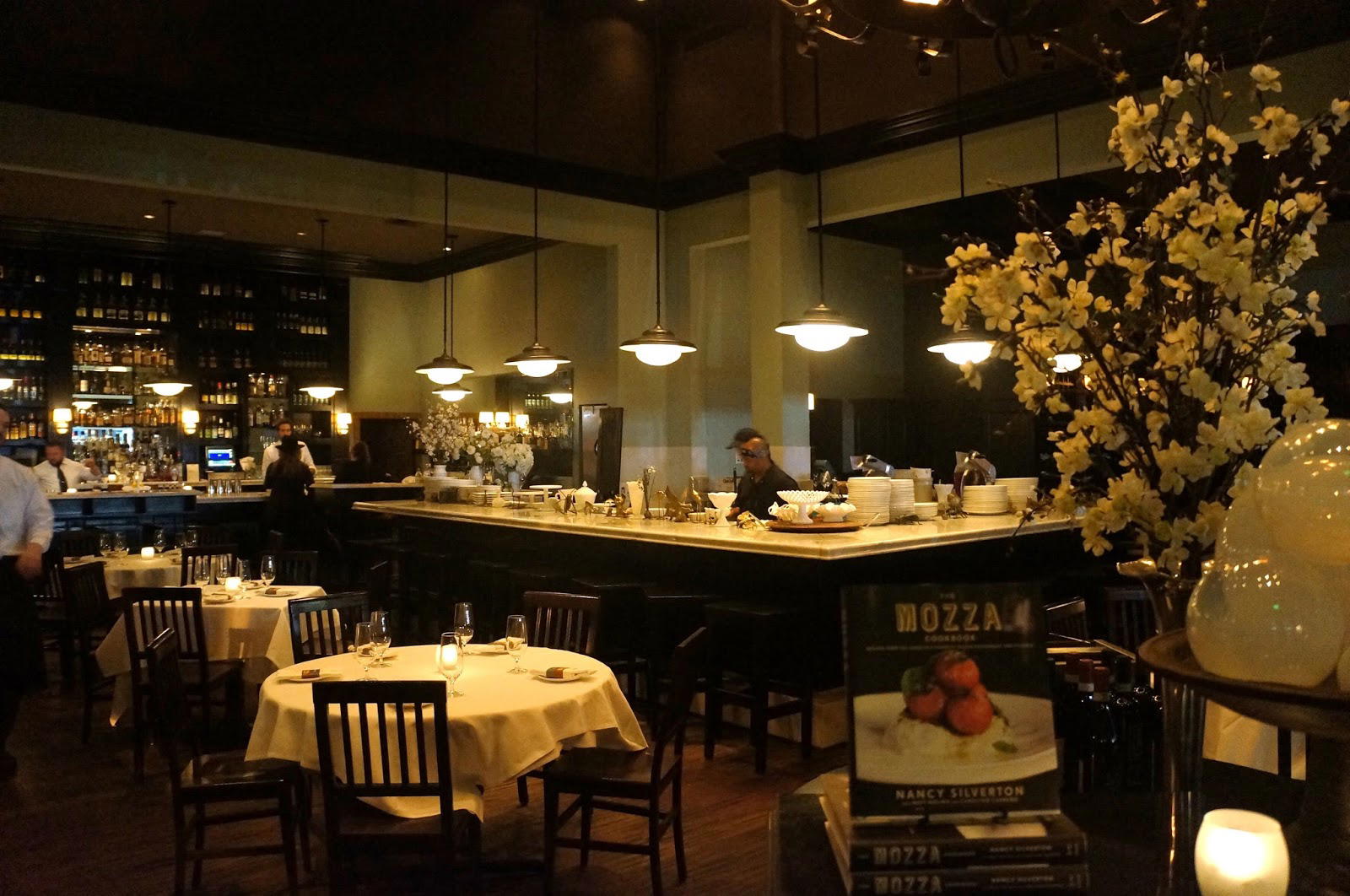
Bars in Los Angeles
Browse all →
Hotels in Los Angeles
Browse all →
Wineries in Los Angeles
Browse all →
At a Glance
- Romantic
- Intimate
- Cozy
- Elegant
- Date Night
- Celebration
- Group Dining
- Special Occasion
- Live Music
- Private Dining
- Standalone
- Byob
Current opening hours
- Monday
- Closed
- Tuesday
- 3–10 PM
- Wednesday
- 3–10 PM
- Thursday
- 3–10 PM
- Friday
- 3–10 PM
- Saturday
- 3–10 PM
- Sunday
- 3–9 PM
Hours can change for holidays and private events. Last verified .
Warm and inviting with authentic Moroccan decor, oud guitar music, and atmospheric lighting that creates a romantic and intimate setting reminiscent of dining in Marrakech.
Know Before You Go
- Getting there
- 6919 Melrose Ave, Los Angeles, CA 90038