Palermo Pizza Club
Los Angeles has its share of Neapolitan devotees and Roman al taglio experiments, but Sicilian-style pizza occupies a narrower, more deliberate lane. Palermo Pizza Club plants its flag in that tradition, bringing the thick-crusted, herb-bright conventions of western Sicily to a city that increasingly rewards regional specificity over category breadth.

Pearl is the En Primeur Club membership app — saves, bookings, and concierge access live there. Same editors, same standards.
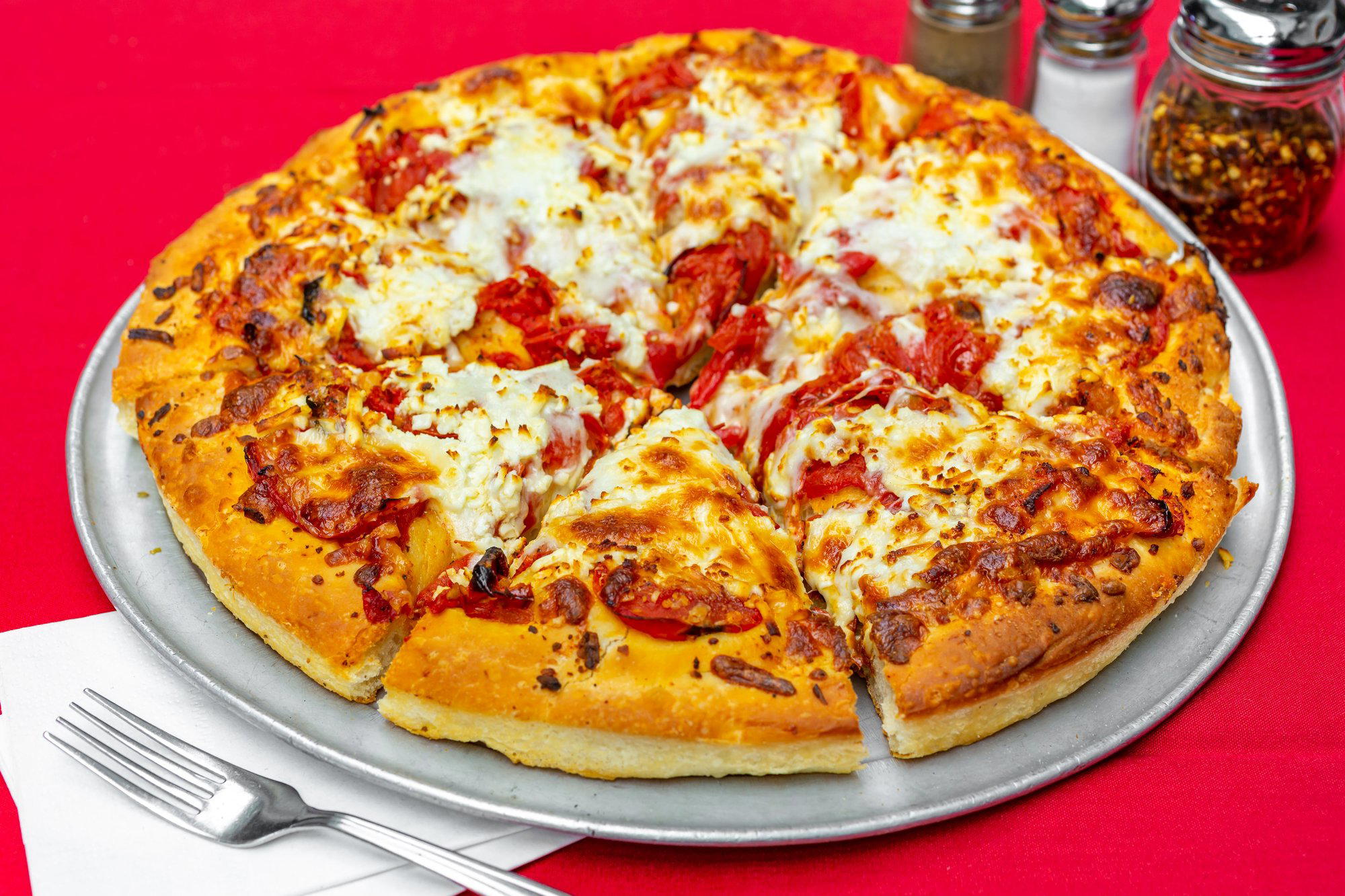
Sicilian Pizza in a City That Rewards Specificity
Los Angeles does not lack for pizza. What it has historically lacked is regional discipline. For years, the dominant conversation ran between Neapolitan-certified importers chasing the 90-second bake and California-inflected hybrids that borrowed the format without the grammar. Sicilian pizza, as a distinct tradition, remained peripheral — appreciated in abstraction, rarely executed with the kind of commitment that the sfincione-adjacent canon actually demands. Palermo Pizza Club positions itself inside that narrower lane, staking a claim on western Sicily's conventions in a market where the category is still open.
The Sicilian distinction matters here. Sicilian pizza is not simply a thick-crust variant of the Neapolitan, any more than a Milanese risotto is a variant of Roman pasta. The tradition draws from Palermo specifically, where sfincione — a thick, olive-oil-saturated base topped with onion, anchovy, and breadcrumbs, predates the modern pizza conversation by centuries. What arrives from that tradition is a bread-forward product with a spongy interior, a crisped underside, and a topping logic that runs toward restrained layering rather than the generous hand common in American interpretations. For a city that has become increasingly literate about regional Italian cooking, witness the durability of Osteria Mozza, which anchors its credibility in Ligurian and Roman references, a Sicilian-specific pizza operation fills a real gap.
What the Setting Communicates
The most useful signal a pizza venue sends before you order is physical. Counter formats, open kitchens, and tightly packed rooms communicate a specific operating philosophy, one that prioritizes throughput and informality, where the product is the theater. Casual Italian formats in Los Angeles increasingly lean into that logic, separating themselves from the white-tablecloth register occupied by venues like Providence or the omakase-adjacent formality of Hayato. Palermo Pizza Club operates in the register below that ceiling, where the room's job is to stay out of the way of the food.
That positioning is not a compromise. Across Italian dining, the most durable category is the trattoria model, a place with a clear regional identity, a focused menu, and prices that allow for repeat visits. The fine-dining tier, even at its finest, demands occasion. The Palermo Pizza Club tier, done well, earns regulars.
Regional Identity as Editorial Framework
The regional Italian pizza map is worth understanding before placing any one venue inside it. Neapolitan pizza, the reference point for most American pizza culture, is defined by its DOP associations, its soft wet centre, and its char-spotted cornicione. Roman pizza al taglio trades the round for the rectangular, the softness for a more open, airy crumb, and the single-serving for the cut-to-order format. Sicilian pizza, in its Palermo expression, takes a third path: a thicker, more substantial base with a different hydration logic, typically baked in an oiled rectangular pan, with a crust that holds structural integrity without the chewiness of Roman formats or the pliability of Neapolitan ones.
What this means in practice is that Sicilian pizza eats differently. It is slower. The base has more presence. The topping-to-dough ratio is calibrated toward dough dominance in a way that requires confidence in the bread itself. When that confidence is justified, the result is a cohesive thing, not a delivery vehicle for cheese and sauce, but a completed object. That is the standard Palermo Pizza Club operates against, and it is a harder standard than it looks.
Los Angeles as a Context for Serious Pizza
Los Angeles has moved, over the past decade, from a city with a defensible pizza culture to one with a genuinely competitive one. The concentration of serious operators has tightened. Audiences that once reserved their regional specificity radar for Japanese cuisine, where the distinctions between Kato's Taiwanese-Californian grammar and the kaiseki formalism of Somni's tasting architecture are well understood, are now applying similar frameworks to Italian.
That shift creates an audience for what Palermo Pizza Club is doing. The city's pizza conversation has matured enough that Sicilian regionalism is not an explanation that needs defending, it is a positioning that needs delivering. The venues that have built durable followings in Los Angeles's casual Italian tier tend to do so through consistency and specificity, not novelty. The question for any operation in this space is whether the execution matches the identity claim.
Where This Fits in the Los Angeles Dining Order
The price architecture of Los Angeles dining runs wide. At the leading end, tasting menus at venues like Somni operate in the $300-plus-per-head bracket. At the casual Italian tier, Palermo Pizza Club competes with a set of operators where value-per-dollar is the primary critical measure. In that bracket, what separates the durable from the transient is usually product discipline: a focused menu, a clearly articulated regional logic, and execution that holds across services.
For the broader EP Club perspective on where this fits inside Los Angeles, our full Los Angeles restaurants guide maps the city's dining tiers in detail, from the fine-dining ceiling down to the neighbourhood operations earning the most consistent critical attention.
By comparison, the regional-specificity approach that works in pizza in Los Angeles has equivalents across the country's serious dining cities. Frasca Food and Wine in Boulder built its identity on Friulian specificity in a market that did not demand it, and sustained a decades-long following as a result. Smyth in Chicago operates through a similar logic at a higher price point. Regional commitment, wherever it is applied, tends to compound over time.
Planning a Visit
Specific logistics for Palermo Pizza Club, including hours, booking method, and address, were not confirmed at the time of publication. Readers should verify current details directly before visiting. For reference, the competitive casual pizza tier in Los Angeles generally does not require advance reservations in the same way that tasting-menu venues do, but peak weekend evenings tend to draw waits at the most established operators.
| Venue | Cuisine | Price Tier | Booking Format |
|---|---|---|---|
| Palermo Pizza Club | Sicilian pizza / Italian | Not confirmed | Not confirmed |
| Osteria Mozza | Italian | $$$ | Reservations advised |
| Kato | New Taiwanese | $$$$ | Reservations required |
| Hayato | Japanese | $$$$ | Reservations required |
At-a-Glance Comparison
Comparable venues nearby, for context on price, style, and recognition.
| Venue | Cuisine | Price | Notes |
|---|---|---|---|
| Palermo Pizza ClubThis venue — the venue you are viewing | Palermo-style Pizza | $$ | Not listed |
| Colombo's | Italian Steakhouse | $$ | Eagle Rock |
| Cosa Buona | Italian-American Pizzeria | $$ | Echo Park |
| Mozza2Go | Italian Pizza Take-Out | $$ | Hollywood |
| Stella Barra Pizzeria & Wine Bar | Modern Artisanal Pizza | $$ | Hollywood |
| Downtown Dough | California-Neapolitan Wood-Fired Pizza | $$ | Jewelry District |
Continue exploring
More in Los Angeles
Restaurants in Los Angeles
Browse all →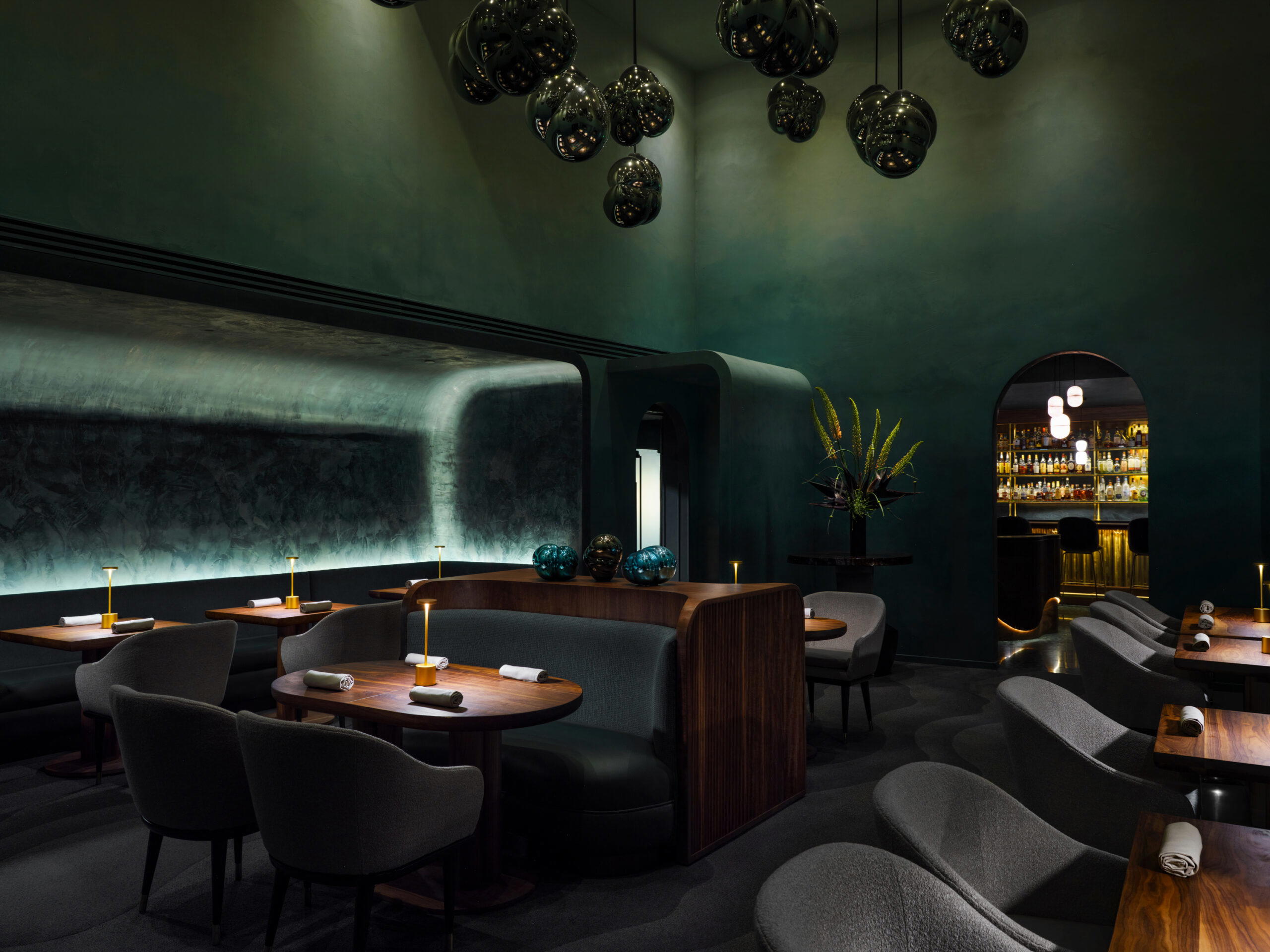
Bars in Los Angeles
Browse all →

Hotels in Los Angeles
Browse all →
Wineries in Los Angeles
Browse all →
At a Glance
- Trendy
- Casual Hangout
Trendy casual pizza spot with Italian influences.