Meyers Manx Cafe
Meyers Manx Cafe sits along Wilshire Boulevard in the Mid-Wilshire corridor, occupying a stretch of Los Angeles where the pace of the street and the ethos of the kitchen tend to align. The cafe takes its name from the storied Meyers Manx dune buggy, a California counter-culture artifact, and brings that spirit of stripped-back resourcefulness to its approach to food and sourcing.
Pearl is the En Primeur Club membership app — saves, bookings, and concierge access live there. Same editors, same standards.
- Address
- 6060 Wilshire Blvd, Los Angeles, CA 90036
- Phone
- +13239993242
- Website
- meyersmanxcafe.com
- Directions
- Get directions
 Saves & bookings on Pearl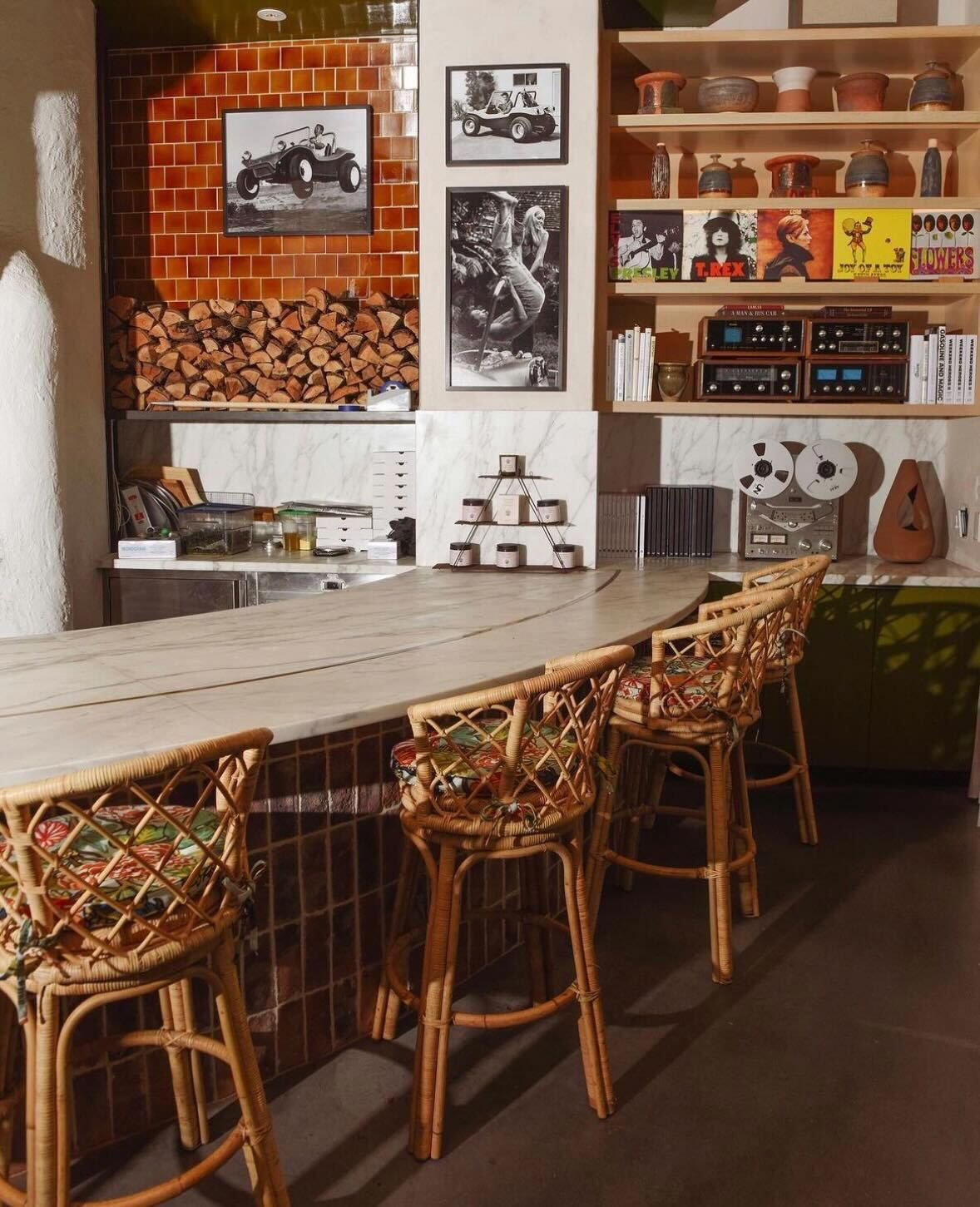
Wilshire Boulevard and the Ethics of the Plate
Mid-Wilshire is not the address Los Angeles diners typically associate with the city's most considered restaurants. That distinction usually falls to the Arts District, to Koreatown's late-night corridors, or to the tasting-menu rooms clustered around West Hollywood and Beverly Hills, where Kato and Somni have anchored a particular tier of the city's dining ambitions. But the Wilshire stretch between Fairfax and La Brea has its own logic: it is a working boulevard, dense with foot traffic and cultural institutions, and it has historically rewarded restaurants that understand the neighbourhood rather than perform above it.
Meyers Manx Cafe is an all-day American brunch cafe at 6060 Wilshire Blvd, Los Angeles. Meyers Manx Cafe, at 6060 Wilshire Blvd, belongs to that second category. The name is a deliberate reference to the Meyers Manx dune buggy, designed by Bruce Meyers in the 1960s as a lightweight, go-anywhere vehicle built from Volkswagen parts and fiberglass. The philosophy embedded in that object, taking what exists, reducing it to essentials, and using it more intelligently, carries into the cafe's approach to sourcing and waste. In a city where sustainability rhetoric often outpaces practice, that framing is worth examining on its own terms.
The Sustainability Frame in Los Angeles Dining
California's farm-to-table movement is now old enough to have produced its own backlash. The language of sourcing, seasonality, and local provenance became so ubiquitous across Los Angeles menus through the 2010s that it lost much of its signal value. What has replaced it, at least in the more serious rooms, is a harder-edged commitment to reduction: less waste in the kitchen, tighter relationships with fewer suppliers, and menus structured around what is actually available rather than what allows for the attractive menu copy.
This shift is visible across different price tiers and formats. At the upper end, Blue Hill at Stone Barns in Tarrytown has made the farm-kitchen relationship its central editorial argument for years. In Northern California, Single Thread Farm in Healdsburg has built an entire hospitality model around integrated agricultural sourcing. Closer to Los Angeles, Addison in San Diego has pursued a similar precision within a fine-dining register. The cafe format, however, operates under different constraints and different freedoms: lower ticket prices mean sourcing decisions are more exposed to margin pressure, which makes genuine commitment more legible when it exists.
Meyers Manx Cafe positions itself within that cafe-format conversation, where the question is not whether to use the word sustainable but whether the kitchen structure actually reflects it. What is clear from the address and the concept is that the venue is working in a neighbourhood context rather than an aspirational fine-dining one, which tends to produce more durable, less performative versions of ethical sourcing.
What the Name Signals About the Approach
The Meyers Manx dune buggy was not a luxury product. It was an exercise in ingenuity under constraint: take a mass-produced chassis, remove what is unnecessary, and arrive at something more capable and more honest than what you started with. Applied to a cafe kitchen, that logic points toward a specific set of choices. It suggests a preference for whole-animal or whole-vegetable thinking over premium cuts and presentation-led plating. It suggests a skepticism toward long, elaborately sourced ingredient lists in favour of fewer, better-understood relationships with suppliers. And it suggests that waste reduction is not an afterthought but a structural principle.
This kind of ethos has precedent in Los Angeles and beyond. Osteria Mozza has long operated with a clarity of ingredient focus that resists unnecessary complexity. Hayato in the Arts District brings a Japanese precision to ingredient use that minimises waste by design. In San Francisco, Lazy Bear has built its communal format around a similar respect for the full value of what comes into the kitchen. These are different registers and price points, but they share a commitment to not wasting what has been carefully sourced.
At the cafe level, that commitment tends to show up in rotating menus tied to what is arriving from suppliers, in daily specials that use trim and secondary cuts effectively, and in a floor team that can explain the sourcing rather than simply recite it.
Where It Sits in the Los Angeles Scene
Los Angeles dining in the mid-2020s is genuinely plural. The city supports a tier of tasting-menu restaurants, including Providence on Melrose and Hayato in the Arts District, that compete with particularly considered rooms in the country. It also supports a vast and serious middle register: neighbourhood restaurants and cafes where the cooking is sharp, the sourcing is legible, and the experience is repeatable rather than occasional. That middle register is where most Los Angeles residents actually eat, and it is where the city's food culture is most accurately read.
The restaurant occupies the latter space. The Wilshire Boulevard address places it in daily-use territory rather than special-occasion territory. That is a practical advantage for a cafe with sustainability ambitions: the volume of covers across a week creates more consistent demand on suppliers, which in turn supports more reliable sourcing relationships. The restaurants that do this most effectively, from Bacchanalia in Atlanta to Emeril's in New Orleans, have understood that ethical sourcing is a supply-chain problem as much as a culinary one, and that consistency of demand is part of the solution.
For visitors to Los Angeles approaching the city's dining with an interest in how environmental thinking intersects with everyday cooking, the restaurant is worth including alongside the higher-profile entries in our full Los Angeles restaurants guide. The cafe format does not carry the same critical infrastructure as a Michelin-tracked room, but it often reflects the city's actual food values more accurately than the rooms that do.
Know Before You Go
Address: 6060 Wilshire Blvd, Los Angeles, CA 90036
Neighbourhood: Mid-Wilshire, between Fairfax and La Brea
Price range: About $20 per person
Hours: Mon to Sun, 8 AM to 3 PM
Booking: Walk-in friendly
Getting there: 6060 Wilshire Blvd, Los Angeles, CA 90036
Standing Among Peers
Comparable venues nearby, for context on price, style, and recognition.
| Venue | Cuisine | Price | Notes |
|---|---|---|---|
| Meyers Manx CafeThis venue — the venue you are viewing | All-day American brunch cafe | $$ | Not listed |
| NADC Burger | Wagyu Smashburgers | $$ | Westwood |
| Cole's French Dip | Classic French Dip Sandwiches | $$ | Gallery Row |
| Justice Urban Tavern | American Gastropub | $$ | Civic Center |
| Umami Burger | Gourmet Umami Burgers | $$ | Fairfax |
| Jane Q | California-Mediterranean Cafe | $$ | Hollywood |
Continue exploring
More in Los Angeles
Restaurants in Los Angeles
Browse all →
Bars in Los Angeles
Browse all →
Hotels in Los Angeles
Browse all →
Wineries in Los Angeles
Browse all →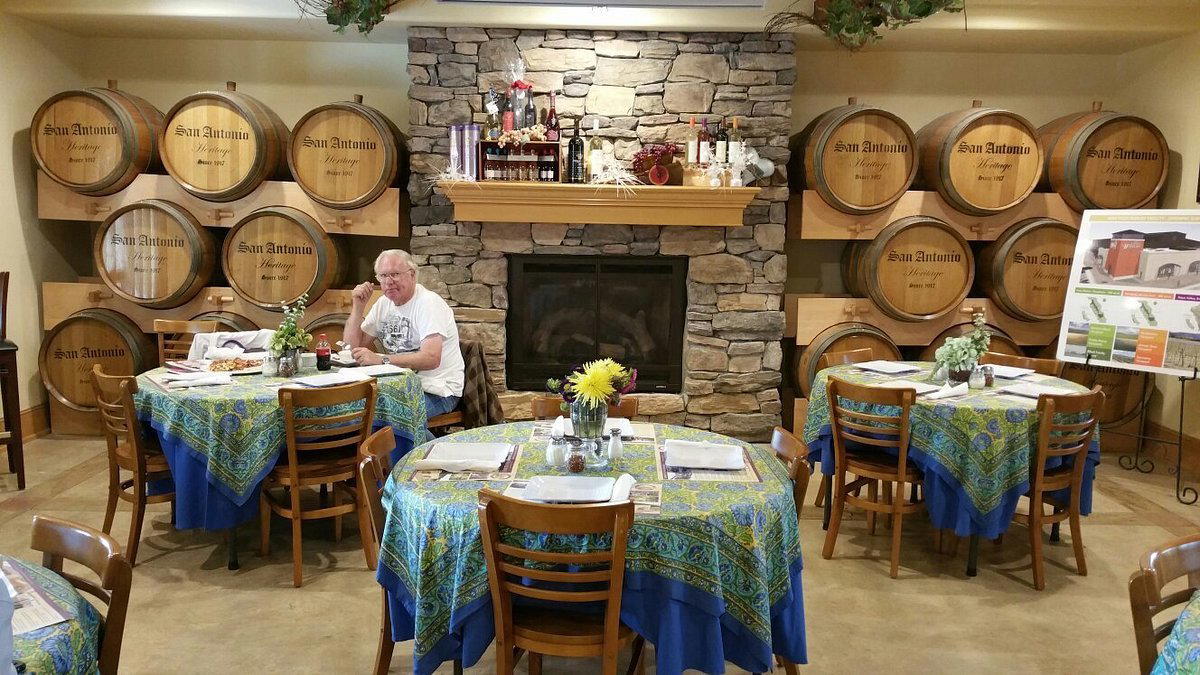
At a Glance
- Retro
- Cozy
- Rustic
- Well Known
- Brunch
- Casual Hangout
- Historic Building
- Craft Cocktails
Current opening hours
- Monday
- 8 AM–3 PM
- Tuesday
- 8 AM–3 PM
- Wednesday
- 8 AM–3 PM
- Thursday
- 8 AM–3 PM
- Friday
- 8 AM–3 PM
- Saturday
- 8 AM–3 PM
- Sunday
- 8 AM–3 PM
Hours can change for holidays and private events. Last verified .
Cozy and rustic interior with shades of green, 1960s retro surf-inspired decor featuring dune buggies and memorabilia.