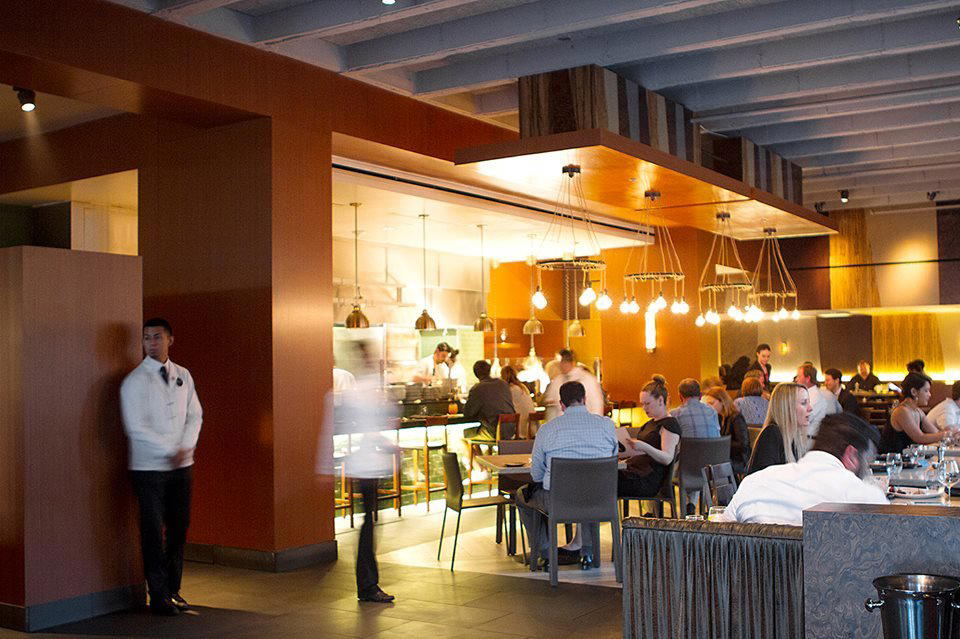
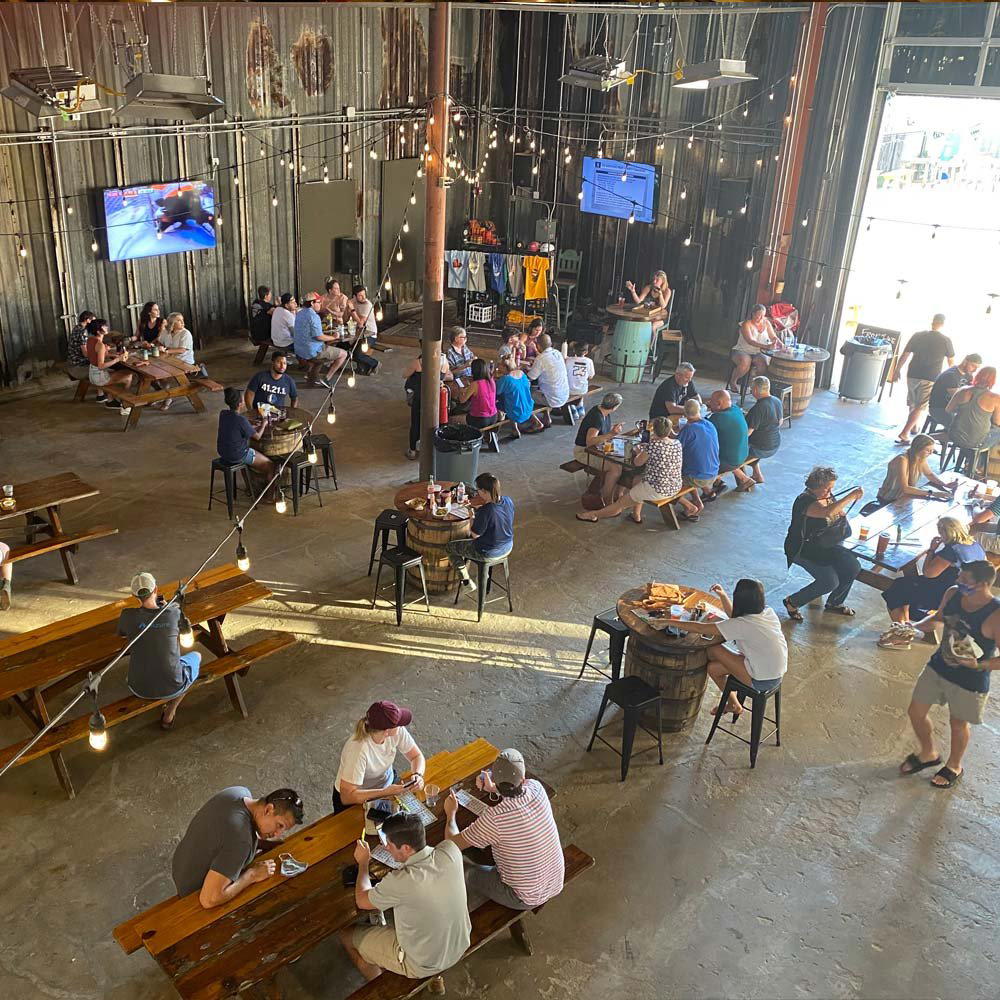
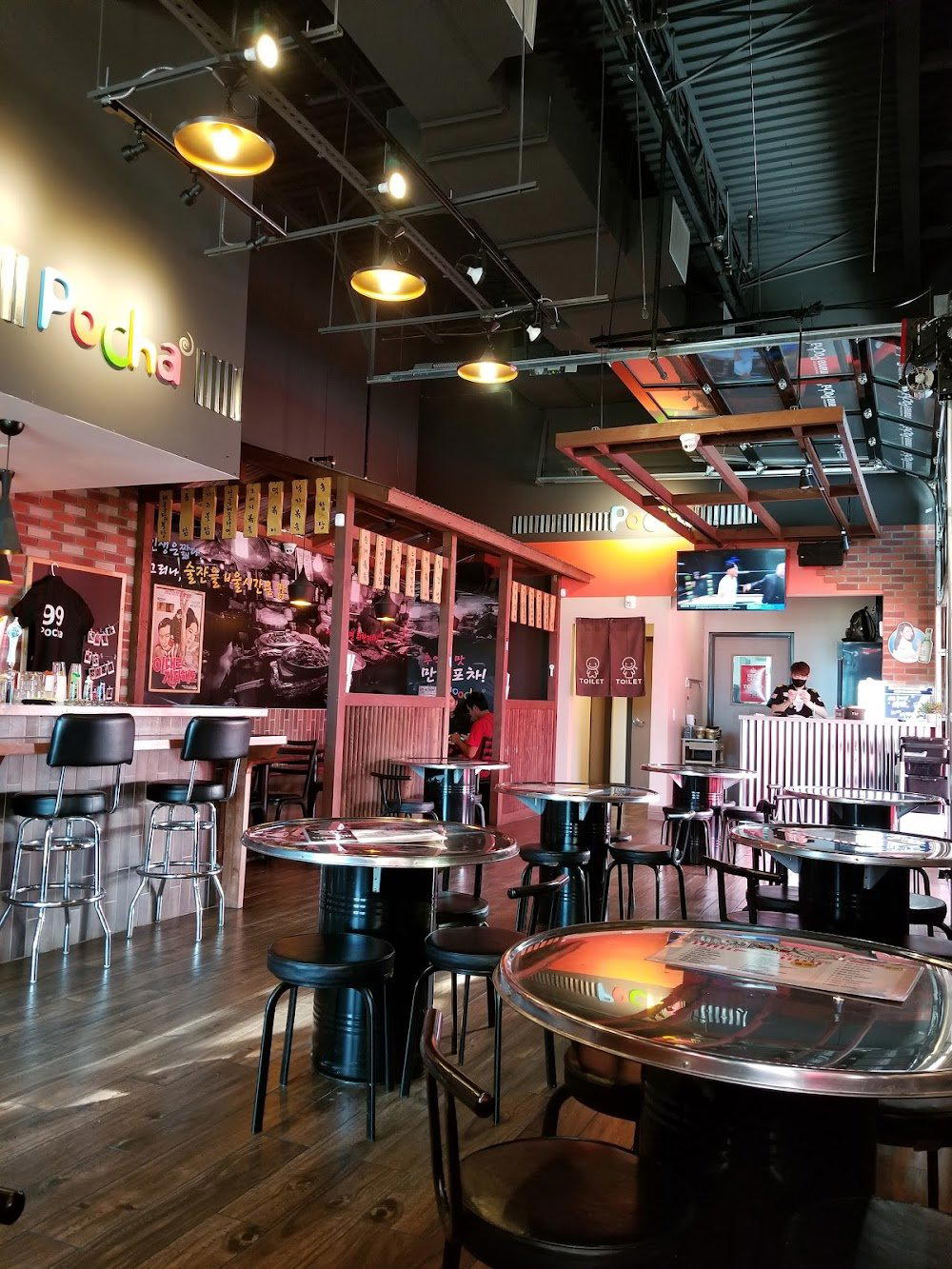
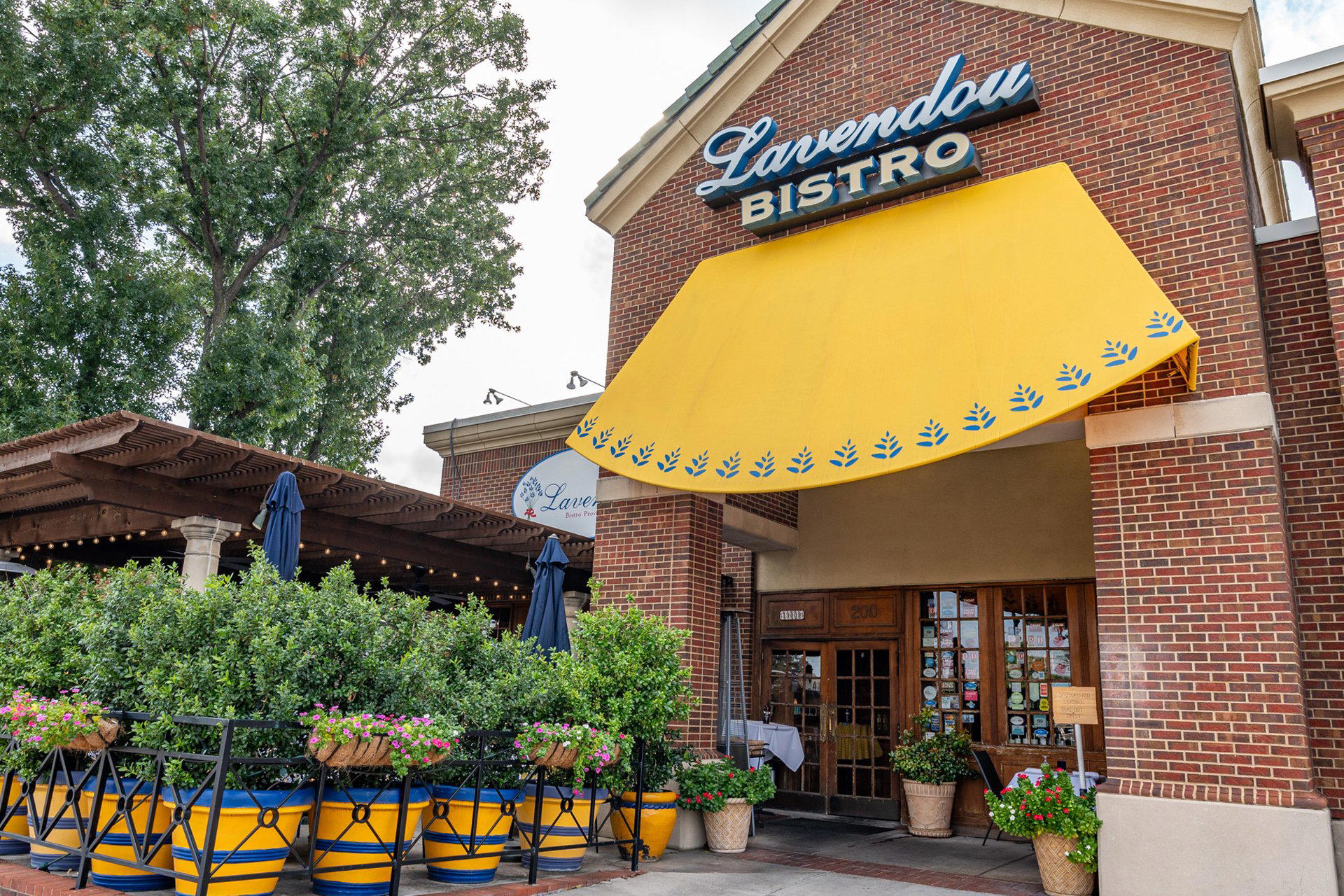
Roots Southern Table

Esquire Best New Restaurants #21
Our verdict
Roots Southern Table in Farmers Branch brings Creole-inflected Southern cooking to the Dallas dining circuit, earning a spot on Esquire's Best New Restaurants list in 2021. The kitchen works at the intersection of Louisiana tradition and broader American fusion, producing food that reads as regional but draws from a wider culinary vocabulary.

Pearl is the En Primeur Club membership app, where members save venues, book tables and use the concierge.
The menu
What to order
- Duck-fat fried chicken
- Shrimp and grits
- My Mama's Gumbo
- Skillet cornbread
Where Southern Cooking Meets Its Own Contradictions
Farmers Branch sits just northwest of the Dallas city limits, far enough from the Design District and Uptown to operate outside the usual media gravity. That geographic remove has a culinary consequence: restaurants in this corridor tend to build audiences through word of mouth and repeat business rather than opening-week press cycles. Roots Southern Table arrived into that environment in time to earn a spot at number 21 on Esquire's Leading New Restaurants list for 2021, a national credential that confirmed what local diners had already started circulating among themselves.
Southern cooking in a major American city occupies a particular tension. The tradition is deeply codified, roux-based sauces, long-braised proteins, cornbread in some form, and yet the most compelling practitioners tend to fracture that code in ways that reveal where the food actually came from. Creole cuisine in particular arrives already hybridised, absorbing French technique, West African spicing, and Spanish pantry ingredients across centuries of Louisiana history. A kitchen working in that idiom has built-in permission to keep moving, and Roots Southern Table operates with that permission clearly in mind.
The Fusion Logic Behind Creole-Inflected Southern Food
American cuisine's most durable argument is that fusion is not a departure from tradition but the mechanism through which tradition forms. The original Creole table in New Orleans was never a single thing: it was the product of forced and voluntary migration, colonial trade routes, and the particular ingredients that survived the journey. By the time that tradition reached Texas, it had already crossed several borders. Restaurants like Emeril's in New Orleans have spent decades making that layered history legible on the plate; the more interesting question in 2024 is what happens when Southern food moves into cities without Louisiana's specific geography and demographic history.
Dallas has its own version of this negotiation. The city's restaurant scene now runs from hyper-precise Japanese omakase at Tatsu Dallas to the legacy steakhouse formalism of Al Biernat's, with contemporary Latin cooking at Mamani and fire-led Brazilian technique at Casa Brasa filling out the middle range. Italian cooking holds a separate lane, represented by more restrained, ingredient-forward rooms like Barsotti's. In that company, a Southern table working the Creole register occupies a distinct position: it is one of the few formats in the city where the food's American identity is the explicit subject rather than the background assumption.
Chef Helder Sequeira Amaral's presence at the stove is relevant here not as personal biography but as a calibration signal. A chef name attached to a regional American kitchen in a suburban Dallas address, earning national press recognition within its first year of operation, suggests a level of technical discipline that the cuisine's comfort-food surface can obscure. Southern cooking at its more serious end requires the same precision as any other codified tradition: timing on a braise, fat management in a roux, the exact point at which sweetness tips into cloying. The Esquire recognition in 2021 indicates the kitchen was operating at that level from early on.
How Roots Sits in the National Conversation on American Regional Cooking
The broader American fine-dining conversation has moved steadily toward regionalism over the past decade. Places like Lazy Bear in San Francisco and Single Thread Farm in Healdsburg have built their entire identity around a specific geographic and seasonal frame. Alinea in Chicago works in a different mode entirely, but even there the question of what American cooking can mean at the highest technical level is implicit. The French Laundry in Napa has long operated at the intersection of French classical technique and California produce logic. Atomix in New York City demonstrates how a non-Western tradition can arrive at the highest critical tier by treating its source culture with genuine seriousness rather than as aesthetic shorthand.
Roots Southern Table is not operating at that price point or format scale, and the comparison is not about equivalence. What it shares with those rooms is the underlying editorial premise: that a specific culinary tradition, treated with knowledge and without condescension, produces food worth traveling for. For a suburban Dallas address without a hotel lobby or a downtown location to generate foot traffic, sustaining that score requires the food to do most of the work.
Nationally, Creole and Southern cooking has attracted renewed critical attention as part of a wider reconsideration of which American regional traditions have been systematically undervalued. Le Bernardin in New York City represents one pole of the American dining canon, French-derived, maximally refined, while the Southern table represents a different lineage, one rooted in necessity, abundance, and improvisation in roughly equal measure. Restaurants working that territory seriously are fewer in number than the cuisine's cultural presence might suggest.
Planning Your Visit to Roots Southern Table
The restaurant is located at 13050 Bee Street, Suite 160, in Farmers Branch, a drive from central Dallas but accessible by car without significant complexity. The Farmers Branch address places it outside the weekend-night congestion that affects Uptown and the Design District, which has practical advantages for tables earlier in the evening. Hours and current booking methods are best confirmed directly with the restaurant before planning around a specific time. For a broader orientation to where Roots fits in the Dallas dining circuit, our full Dallas restaurants guide maps the city's main dining categories by neighbourhood and price tier. If you are building a longer trip around the city, our Dallas hotels guide, bars guide, wineries guide, and experiences guide cover the full range of options.
Frequently asked questions
What part of town is Roots Southern Table in?
Roots Southern Table is located at 13050 Bee St Suit 160, Farmers Branch, TX 75234, Dallas.
Who's behind the kitchen at Roots Southern Table?
The chef associated with Roots Southern Table is Helder Sequeira Amaral.
What's the best thing to order at Roots Southern Table?
The menu draws on Creole-inflected Southern cooking, a tradition built on layered technique rather than single showpiece dishes. Given that Esquire singled out Roots as one of the 21 best new restaurants in the country in 2021, the kitchen's approach to regional Southern flavours is worth exploring broadly rather than anchoring to one item. Consult the current menu directly for seasonal offerings.
How would you describe the cuisine at Roots Southern Table?
What's Roots Southern Table known for in terms of accolades?
Roots Southern Table has received recognition including: Esquire Best New Restaurants #21 (2021).
Do they take walk-ins at Roots Southern Table?
Given the restaurant's national recognition from Esquire in 2021, securing a reservation in advance is the more reliable approach. Contacting the restaurant directly before arriving is advisable.
Same-City Peers
Comparable venues nearby, for context on price, style, and recognition.
| Venue | Cuisine | Price | Awards | Notes |
|---|---|---|---|---|
| Roots Southern TableThis venue (the venue you are viewing) | Modern Southern | $50–100 | Esquire Best New Restaurants #21 | Not listed |
| Republic Texas Tavern | Texas Tavern American | $30–50 | Not listed | Preston Hollow |
| National Anthem | New American | Not listed | Not listed | Main Street District |
| Maple Landing | Texas BBQ & Gourmet Burgers | $20–30 | Not listed | Stemmons Corridor |
| Emerald City Bar & Grill | Southern Comfort Bar Food | $10–20 | Not listed | South Dallas |
| Twisted Root Burger Co. | Gourmet American Burgers | $20–30 | Not listed | Deep Ellum |
Recognition history
Dated appearances from independent guides and award organizations, with the underlying list record or original source where available.
Esquire Best New Restaurants #21
Esquire