Mābo



Mābo brings yakitori to a serious register in North Dallas, earning a spot on Esquire's Best New Restaurants list for 2024 and Resy's Best of the Hit List for 2025. Chef Bounahcree Kim works a format rooted in Japanese skewer tradition, drawing critical attention in a city still building its Japanese dining identity..
Pearl is the En Primeur Club membership app — saves, bookings, and concierge access live there. Same editors, same standards.
- Address
- 6109 Berkshire Ln B, Dallas, TX 75225
- Website
- resy.com
- Directions
- Get directions
 Saves & bookings on Pearl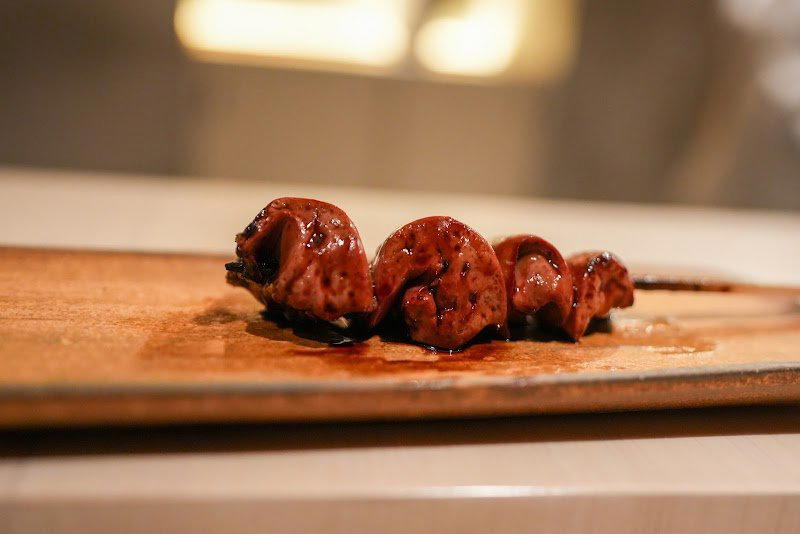
Where Dallas Yakitori Found Its Critical Footing
Mābo is a Dallas yakitori restaurant at 6109 Berkshire Ln B, Dallas, TX 75225. The stretch of North Dallas retail and low-profile commercial space that frames its entrance is the kind of setting that filters out the incurious, and in the yakitori category, that tends to be a reasonable signal. In Japan, the leading binchōtan-fired counters are rarely on main thoroughfares. They are the places you find because someone who knows told you where to look.
Yakitori as a serious dining format has been slower to establish itself in American cities than ramen or omakase, partly because the format's precision is invisible to anyone who hasn't sat at a real counter. The skewer appears simple. What separates a technically accomplished yakitori kitchen from a casual grilled-chicken spot is the quality of the bird, the control of the charcoal, and the calibration of tare, the basting sauce that develops over months, sometimes years, of accumulated use. When the national press started paying attention to Mābo in 2024, it was recognizing that this particular register of yakitori had arrived in Dallas.
Critical Reception and What It Signals
Two awards in back-to-back cycles place Mābo in a specific tier of new-restaurant recognition. Esquire's Leading New Restaurants list for 2024 ranked Mābo at number 33 nationally, a list that in recent years has included properties like Lazy Bear in San Francisco and ambitious format-driven openings across the country. Landing on that list in a first year of operation is less a statement about perfection and more a signal that the format and execution are coherent enough to hold up under scrutiny from critics who cover the full national field.
Resy's Best of the Hit List recognition for 2025 adds a separate data point. Resy's editorial team operates independently of the Esquire selection and covers a different set of considerations, weighted toward booking behavior and sustained diner engagement. Appearing on both lists is not redundant, it means two different critical frameworks arrived at the same conclusion through different methodologies. For context, Resy's Hit List in other markets has recognized places like Atomix in New York City, a restaurant that went on to deeper institutional recognition. Early Resy placement is often a leading indicator, not a trailing one.
At this stage of a restaurant's life, a score that high with no obvious outliers suggests the kitchen is executing reliably rather than relying on opening-buzz momentum.
Yakitori in the Dallas Japanese Dining Context
Dallas has been building a more serious Japanese dining scene across multiple formats over the past several years. Tatsu Dallas anchors the high-end Japanese end at the $$$$ tier, operating in a different register than yakitori but part of the same broader expansion of format diversity. Tei-An, the izakaya reference point in the city, has held its position for years and established that Dallas diners will engage seriously with Japanese formats beyond sushi. Mābo arrives into that context not as an anomaly but as the next format to receive national validation.
Yakitori as a category occupies an interesting price position. At serious counters in Tokyo, the format runs at premium omakase pricing. In the American market, it sits more often in a mid-to-upper range depending on the market, the sourcing, and whether the kitchen operates an omakase format or à la carte skewer ordering. At about $200 per person, Mābo sits firmly in the premium end of the yakitori category.
Chef Bounahcree Kim leads the kitchen. The critical recognition attaches directly to the execution under that name, which in a format as technique-dependent as yakitori matters more than it might in a cuisine category with more margin for variation. Yakitori requires consistency across hundreds of skewers in a service, and the fact that the national press found that consistency worth noting is useful information available.
Where Mābo Sits in the Broader Dallas Dining Picture
The North Dallas dining corridor has seen sustained investment in serious restaurants across a range of categories. Al Biernat's has long anchored the steakhouse and power-dining end of that geography. Mamani and Barsotti's represent the Italian and broader European-influence end of the neighborhood's current restaurant mix. Casa Brasa operates in the grilled and fire-focused format space that yakitori also occupies, though from a different culinary tradition.
What sets Mābo apart in this competitive field is not geography but category specificity. Yakitori at a nationally recognized level is, as of 2024 and 2025, a format with few American practitioners receiving this kind of press. The comparison set is not other Dallas Japanese restaurants, it is the small number of yakitori counters nationally that have earned equivalent recognition. That is a narrower peer group, and Mābo's presence in it is the editorial point.
Planning a Visit
Mābo is located at 6109 Berkshire Lane, Suite B, in North Dallas. Reservations are essential. Mābo is open Tuesday through Saturday from 5:30 to 8:30 PM and closed Sunday and Monday.
Comparable Spots
Comparable venues nearby, for context on price, style, and recognition.
| Venue | Cuisine | Price | Notes |
|---|---|---|---|
| MāboThis venue — the venue you are viewing | Yakitori Omakase | $$$$ | Not listed |
| Takumi Hachi | Japanese Omakase | $$$$ | Addison |
| Sugoi Sushi | Edomae-Style Sushi | $$$$ | La L'aceate |
| Little Katana | Asian-Fusion Sushi | $$$ | Uptown |
| Domodomo Kō | Korean-Japanese Fusion | $$$ | Uptown |
| Uchi Dallas | Modern Japanese Omakase | $$$$ | Uptown |
Recognition history
Dated appearances from independent guides and award organizations, with the underlying list record or original source where available.
James Beard Award Semi Finalist
James Beard Award
Resy Best of the Hit List
Resy
Esquire Best New Restaurants #33
Esquire
At a Glance
- Minimalist
- Intimate
- Elegant
- Modern
- Special Occasion
- Date Night
- Chefs Counter
- Open Kitchen
- Sake Program
- Garden
Current opening hours
- Monday
- Closed
- Tuesday
- 5:30–8:30 PM
- Wednesday
- 5:30–8:30 PM
- Thursday
- 5:30–8:30 PM
- Friday
- 5:30–8:30 PM
- Saturday
- 5:30–8:30 PM
- Sunday
- Closed
Hours can change for holidays and private events. Last verified .
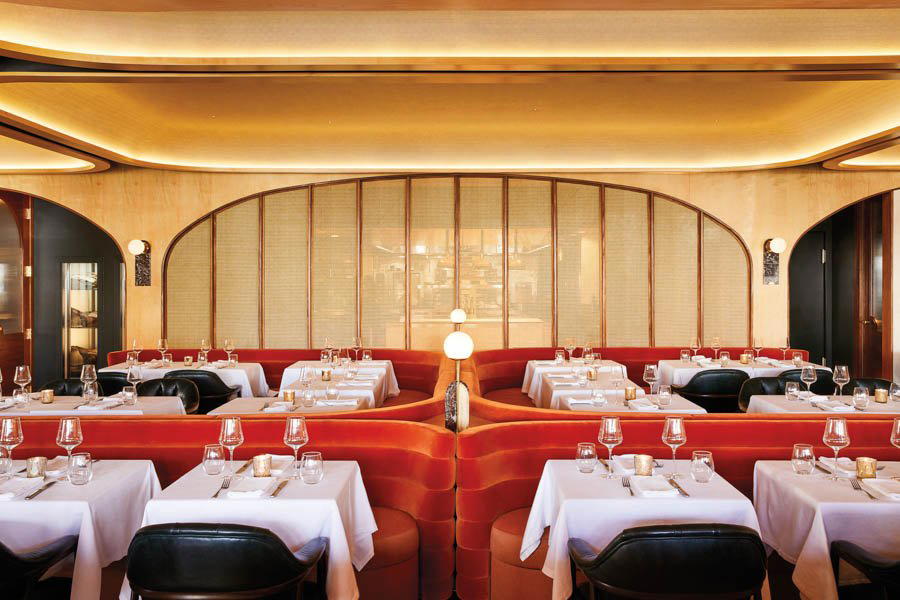
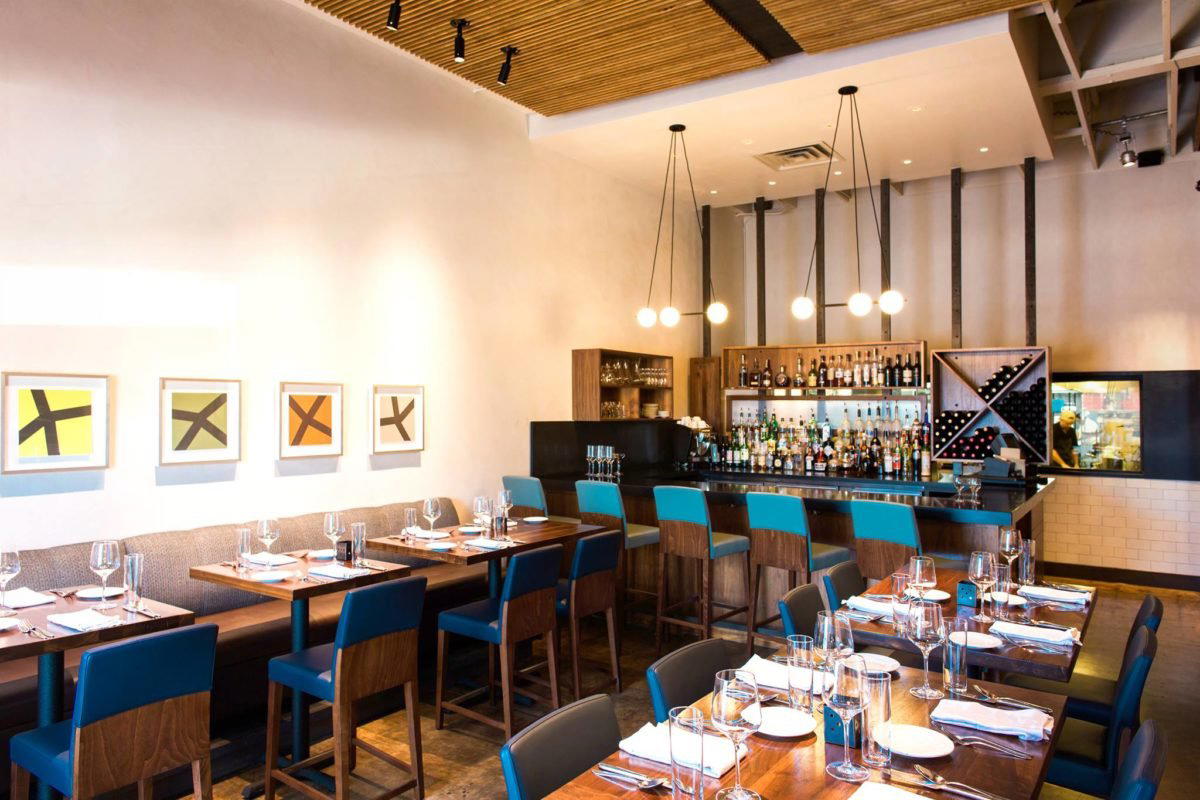
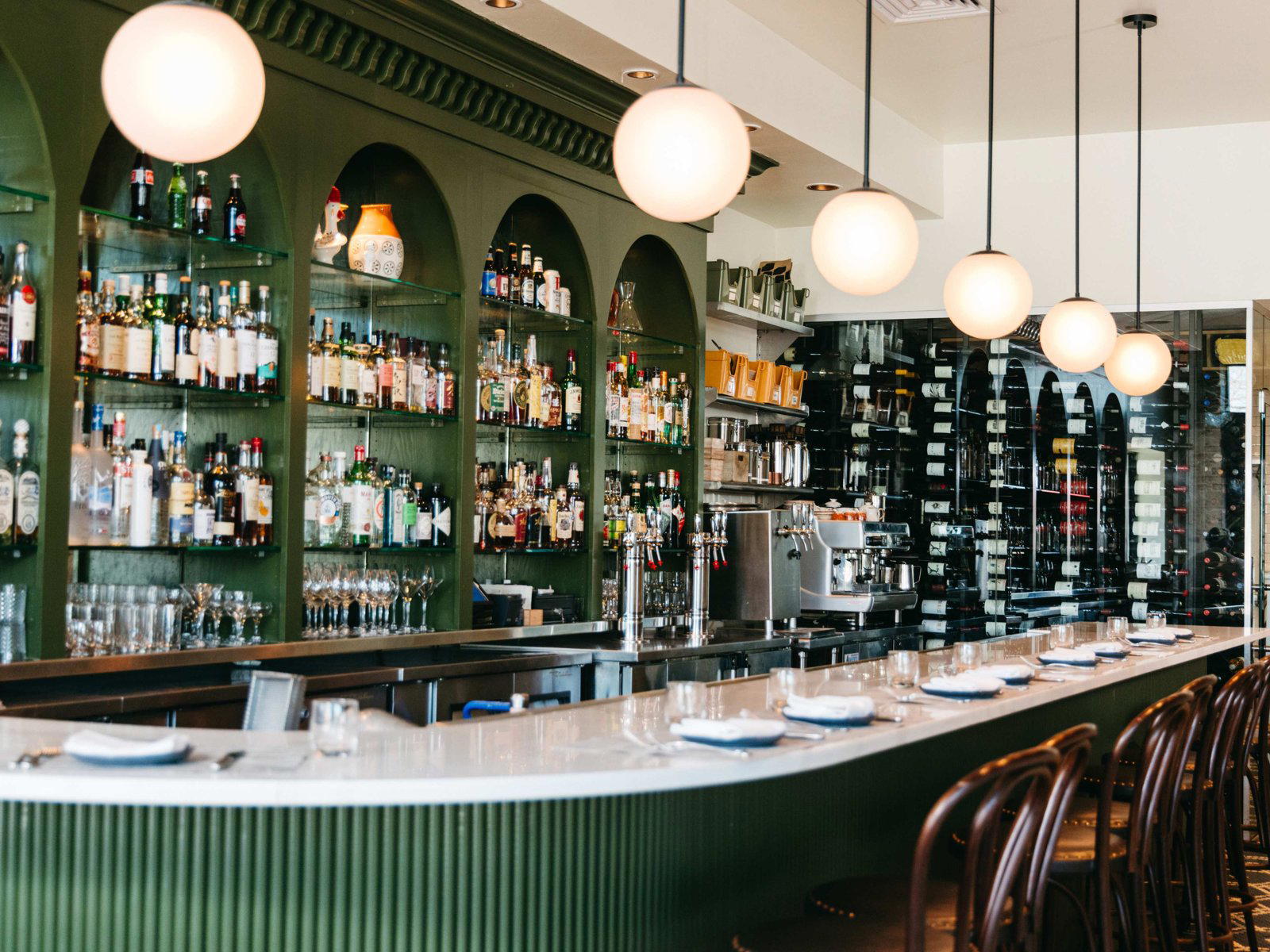
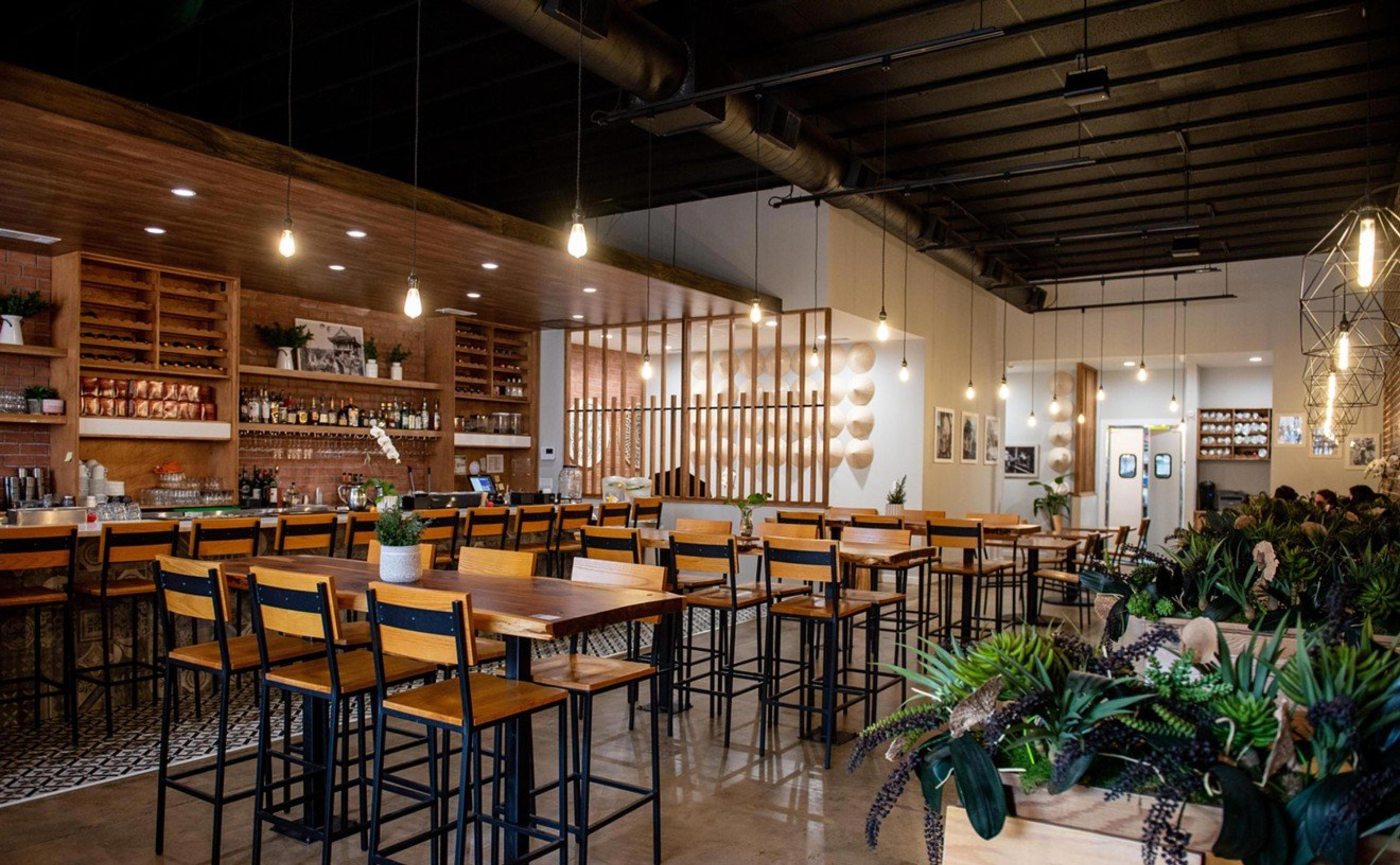
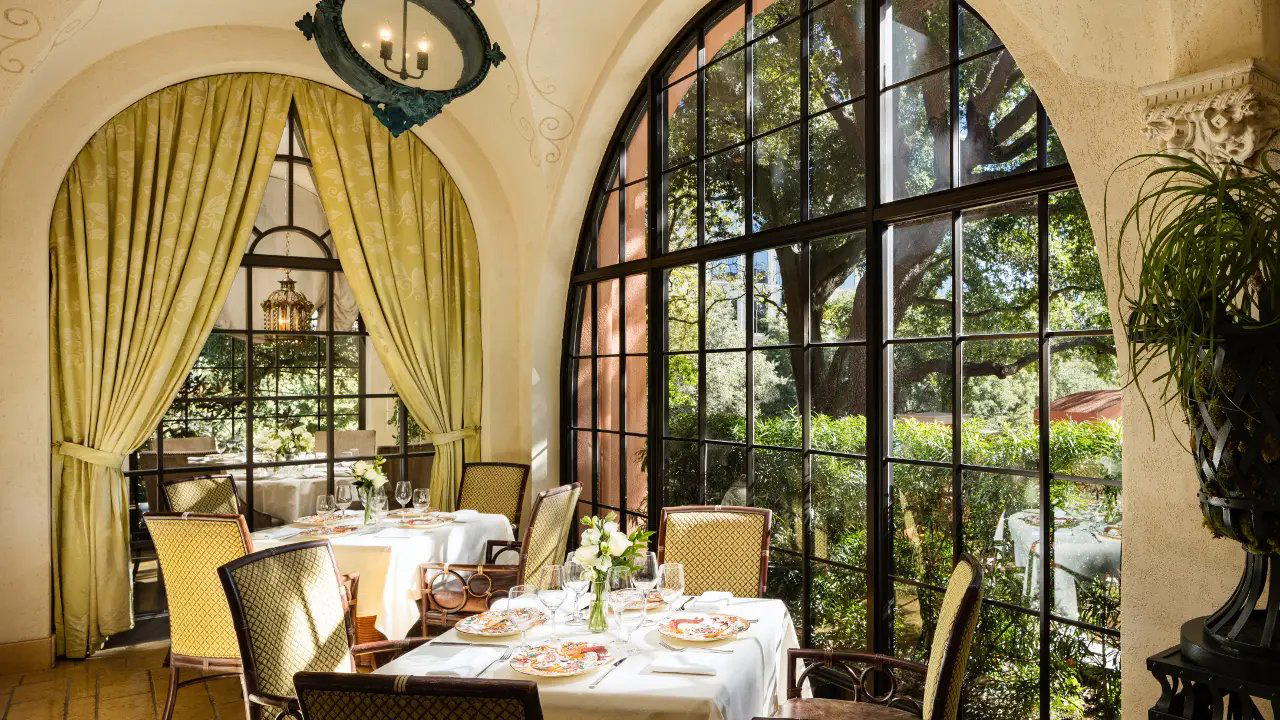
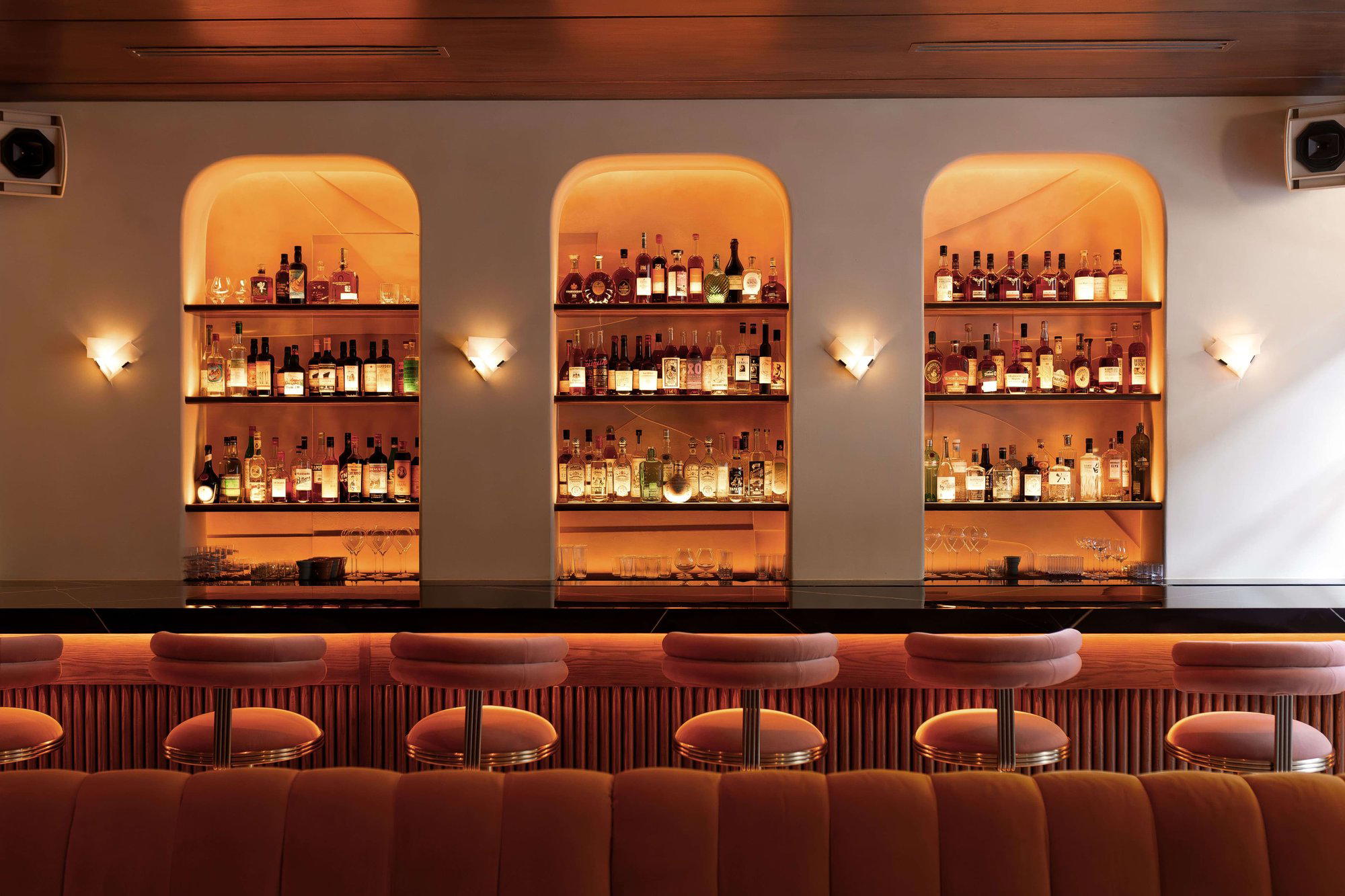
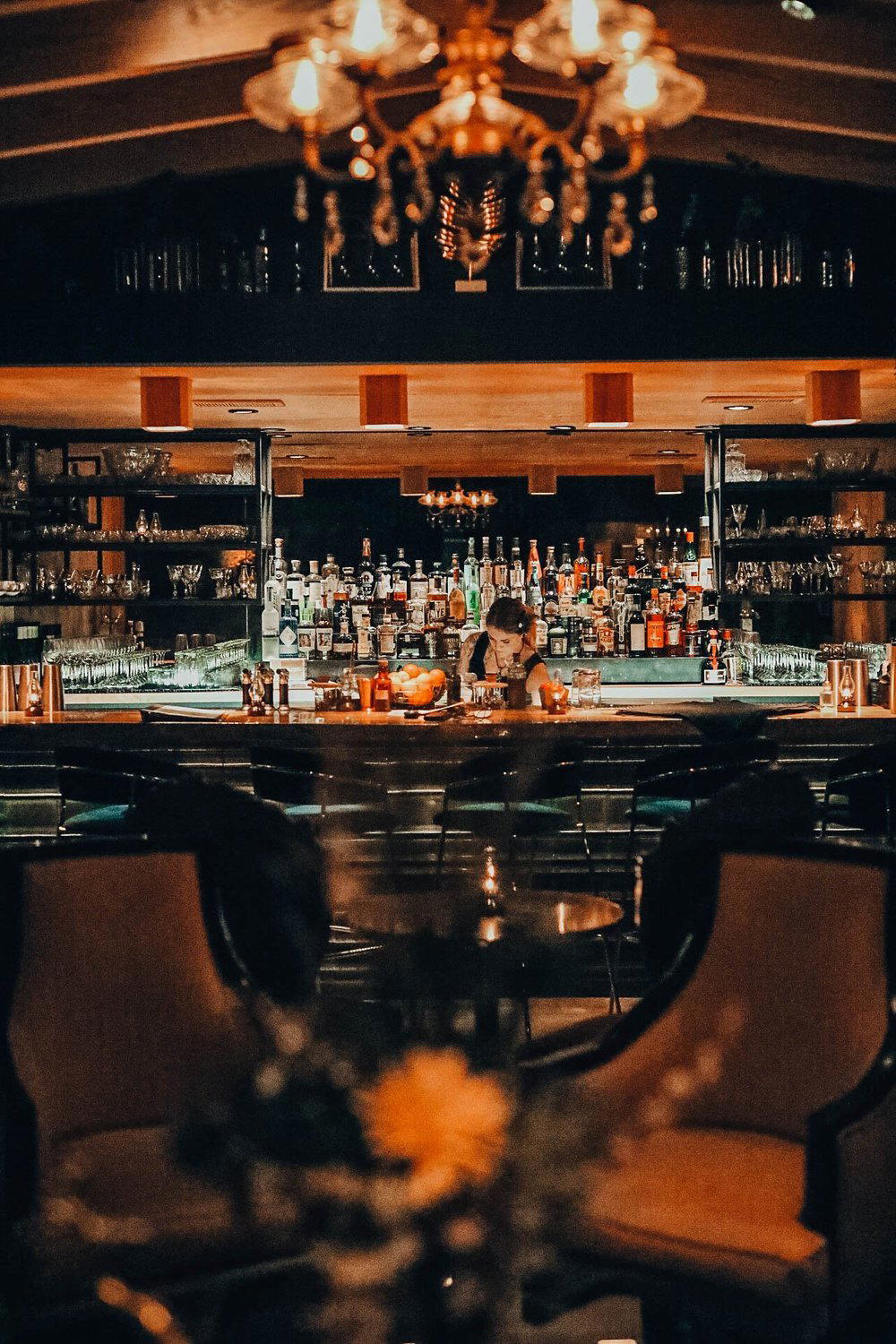
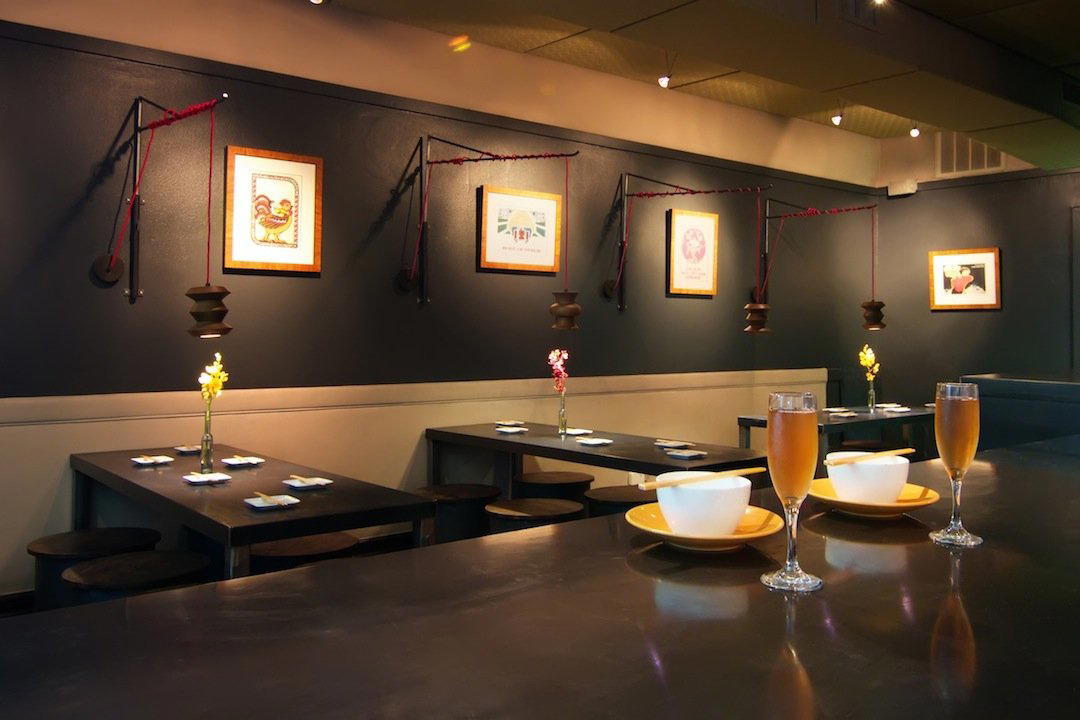
Serene minimalist space with stark black design, Japanese rock garden visible through glass wall, and open kitchen counter for intimate chef performance.