Rong Klan Nuea sits within Bangkok's broader northern Thai dining conversation, a city where regional cuisine from Chiang Mai and beyond increasingly earns serious attention alongside the capital's high-end contemporary tables. The restaurant trades in the flavors and formats of northern Thailand, positioning itself in a niche that rewards regulars willing to seek out regional specificity rather than pan-Thai familiarity.

Pearl is the En Primeur Club membership app — saves, bookings, and concierge access live there. Same editors, same standards.
Northern Thai in a City That Rewards the Search
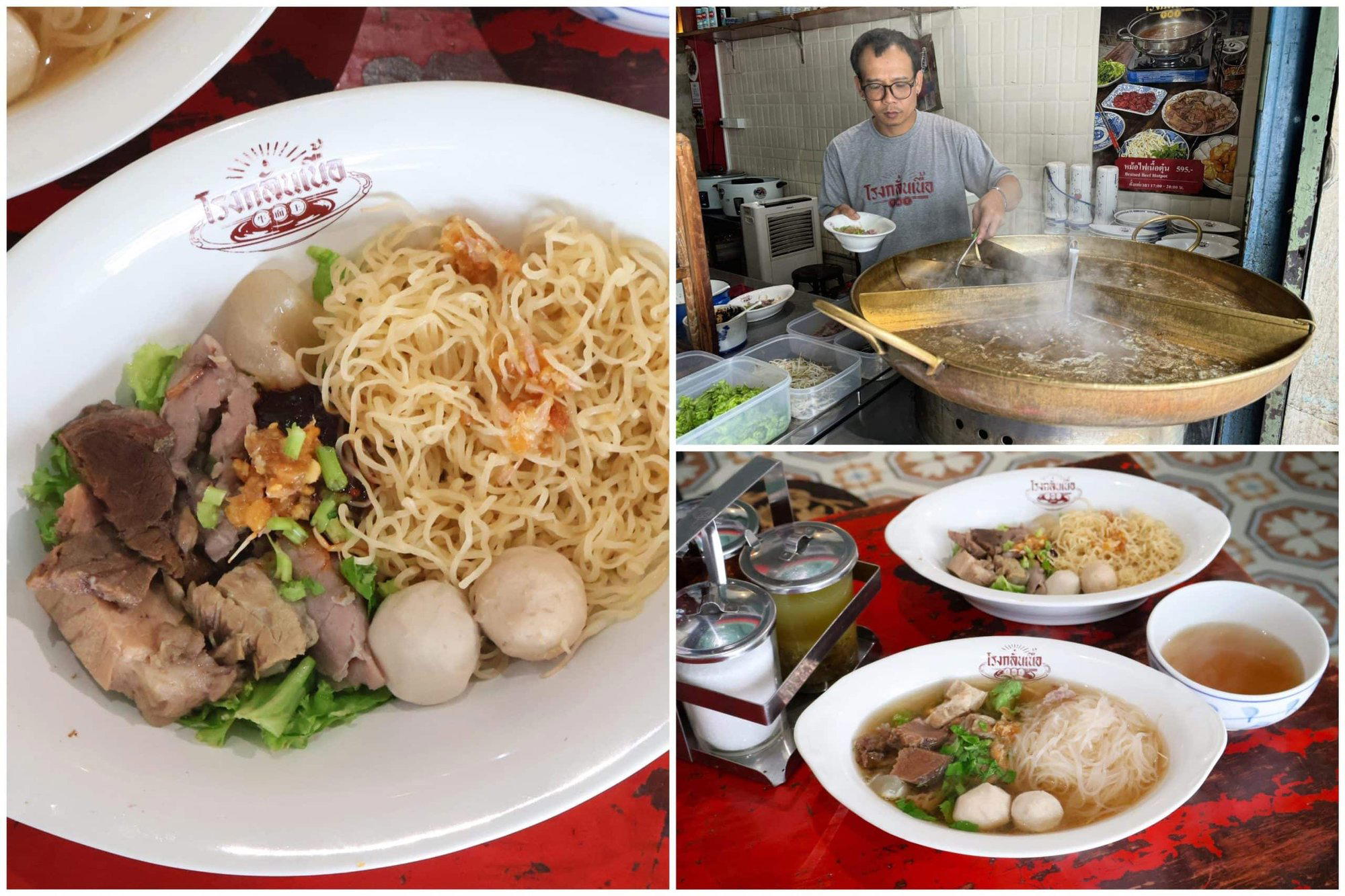
Bangkok's dining scene has long been dominated by two poles: the capital's own central Thai canon and a tier of destination restaurants where international technique shapes the conversation. The city's northern Thai offer, rooted in the food traditions of Chiang Mai, Lamphun, and the broader Lanna cultural zone, occupies a more specific, harder-to-find position. These are the places where diners come not for fusion or spectacle but for the disciplines of a regional tradition that developed independently of Bangkok's culinary mainstream. Rong Klan Nuea is a restaurant in Bangkok serving braised beef noodles with northern Thai Lanna influences.
That shift matters as context. Over the past decade, Bangkok restaurants rooted in Thai regional specificity have pulled serious critical attention. Sorn (Southern Thai) built its case around southern Thai precision and earns regular recognition from Michelin. Baan Tepa (Thai contemporary) took a garden-to-table approach at the ฿฿฿฿ tier. Northern Thai sits in that conversation, though it operates at a different register than Michelin-adjacent fine dining.
The Space as Argument
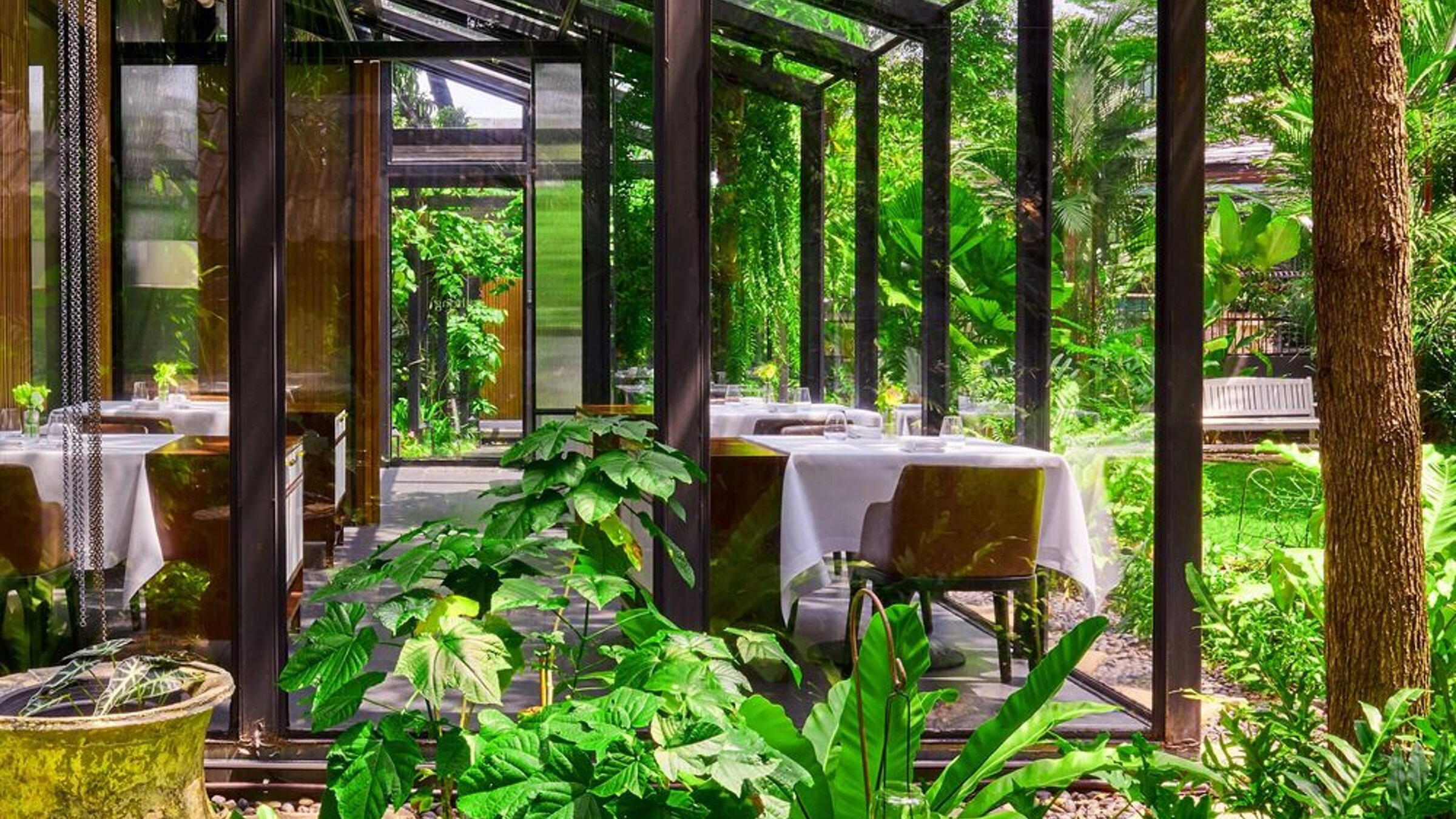
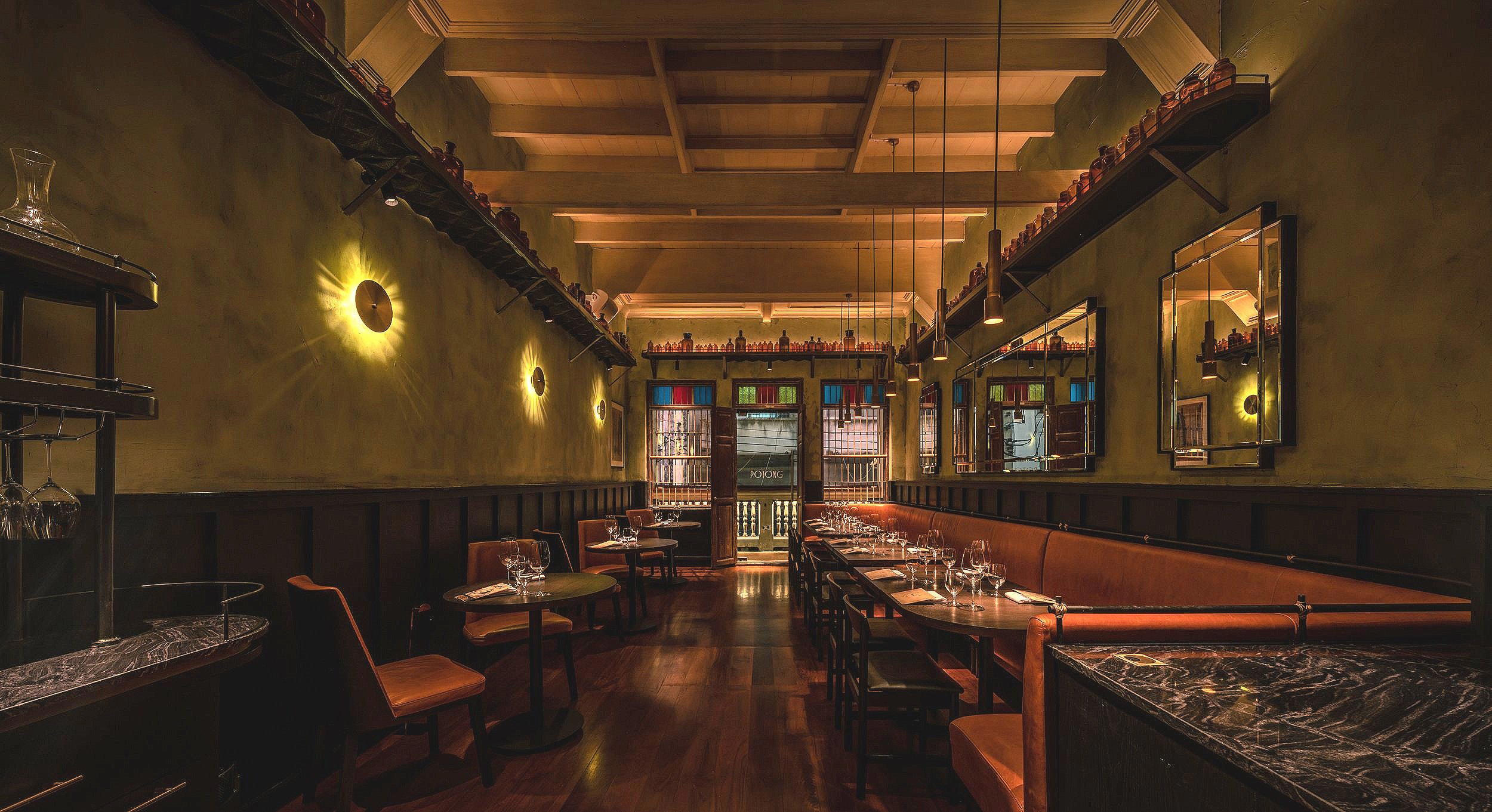
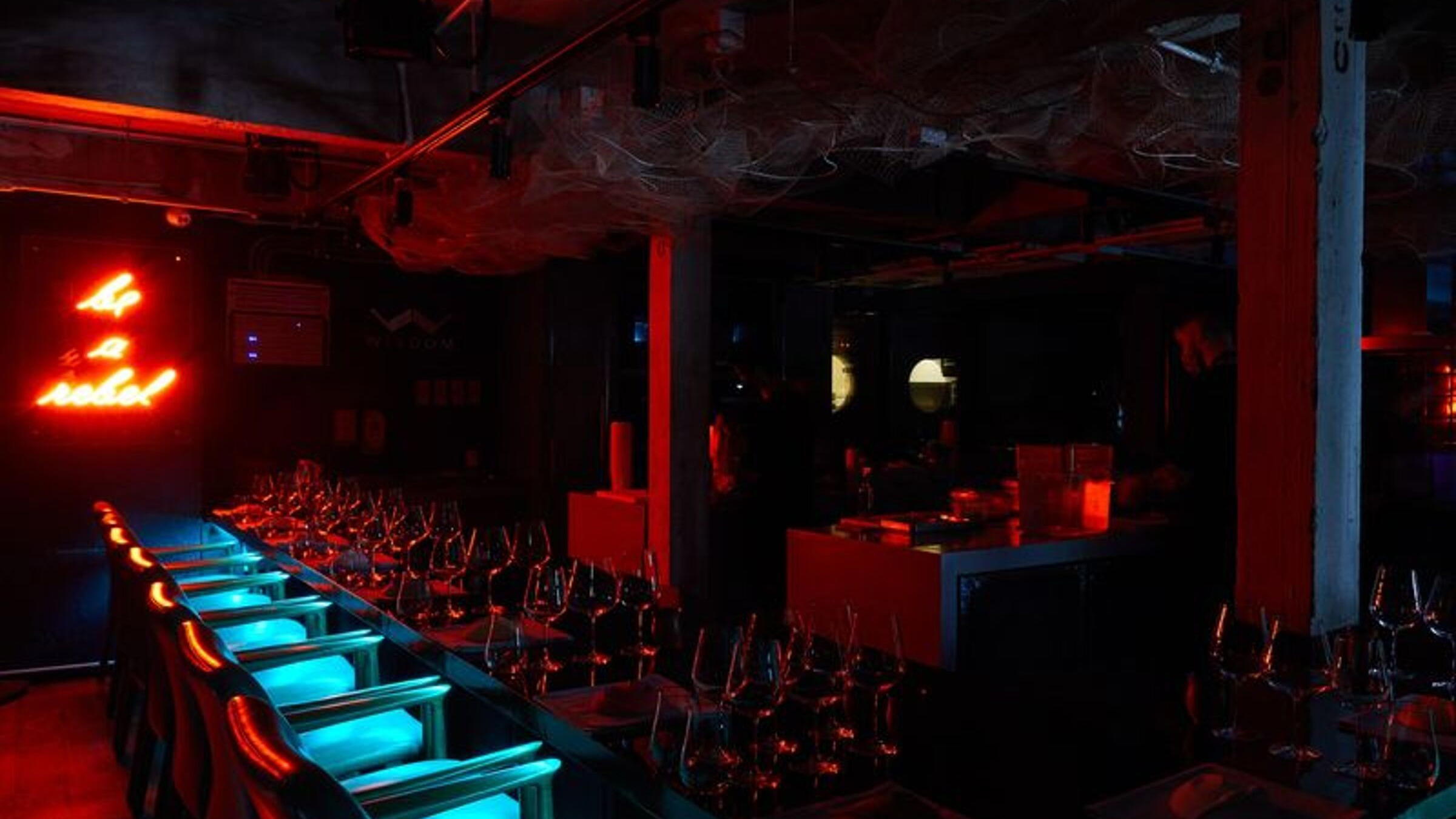
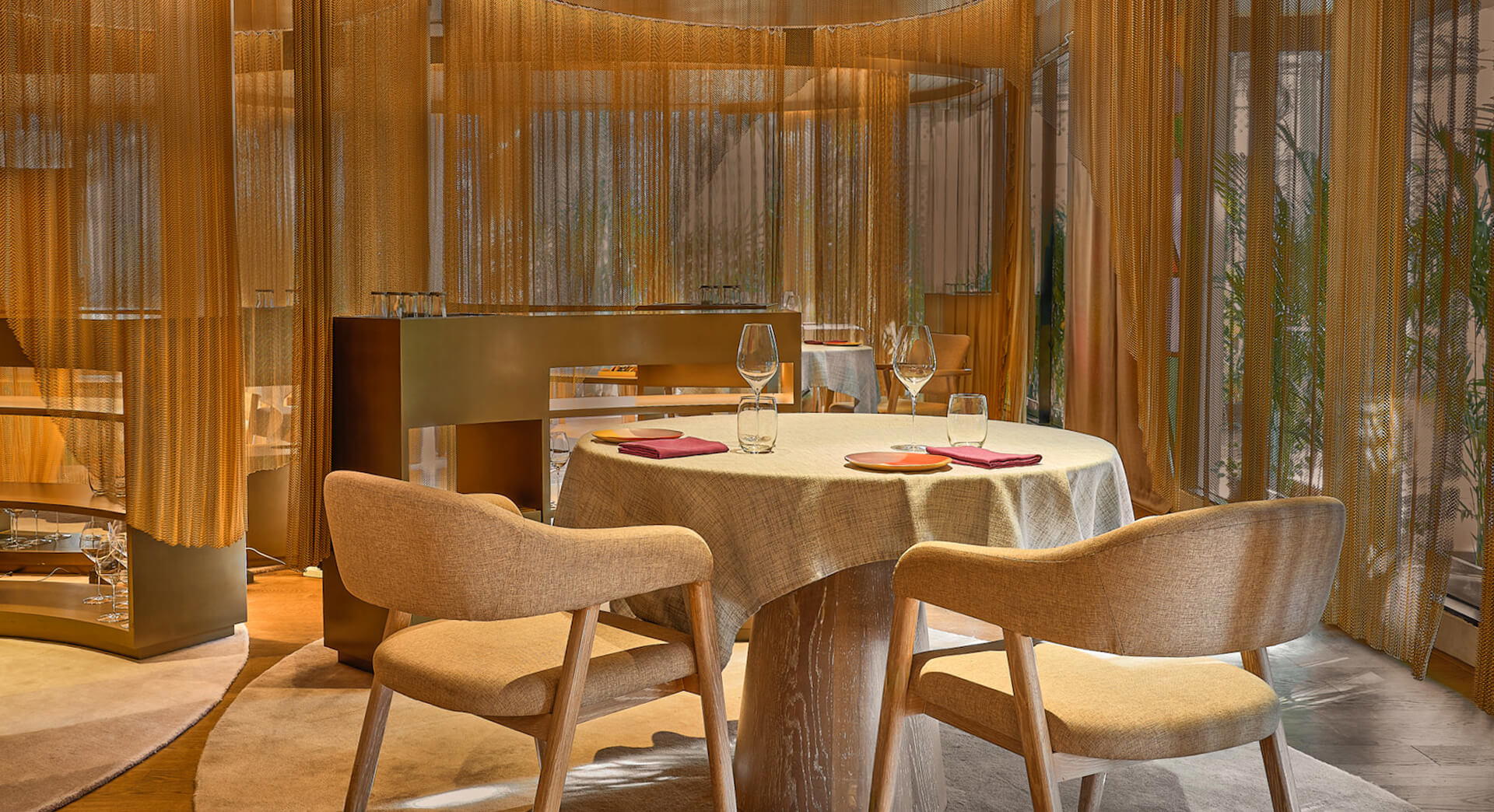
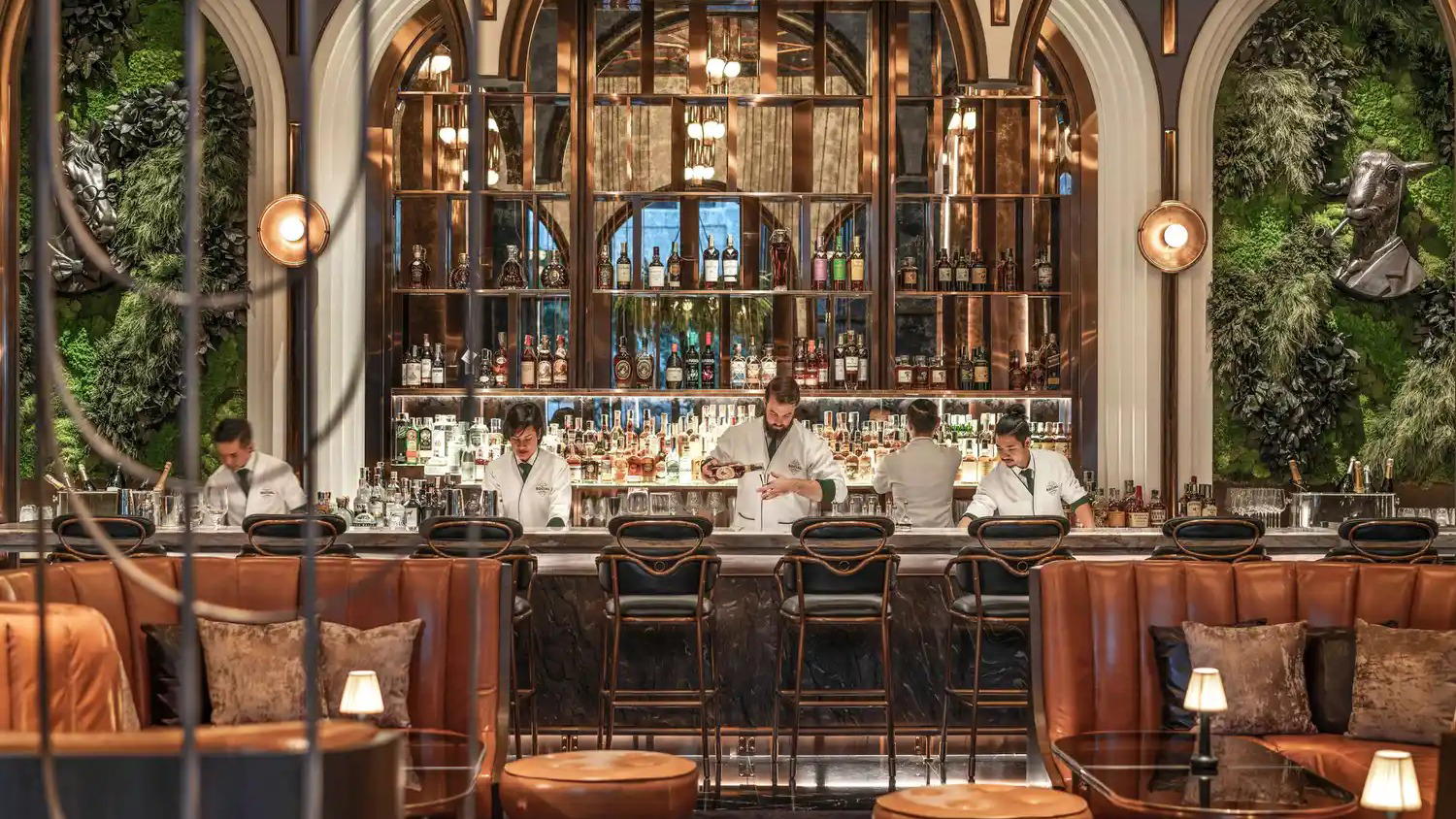
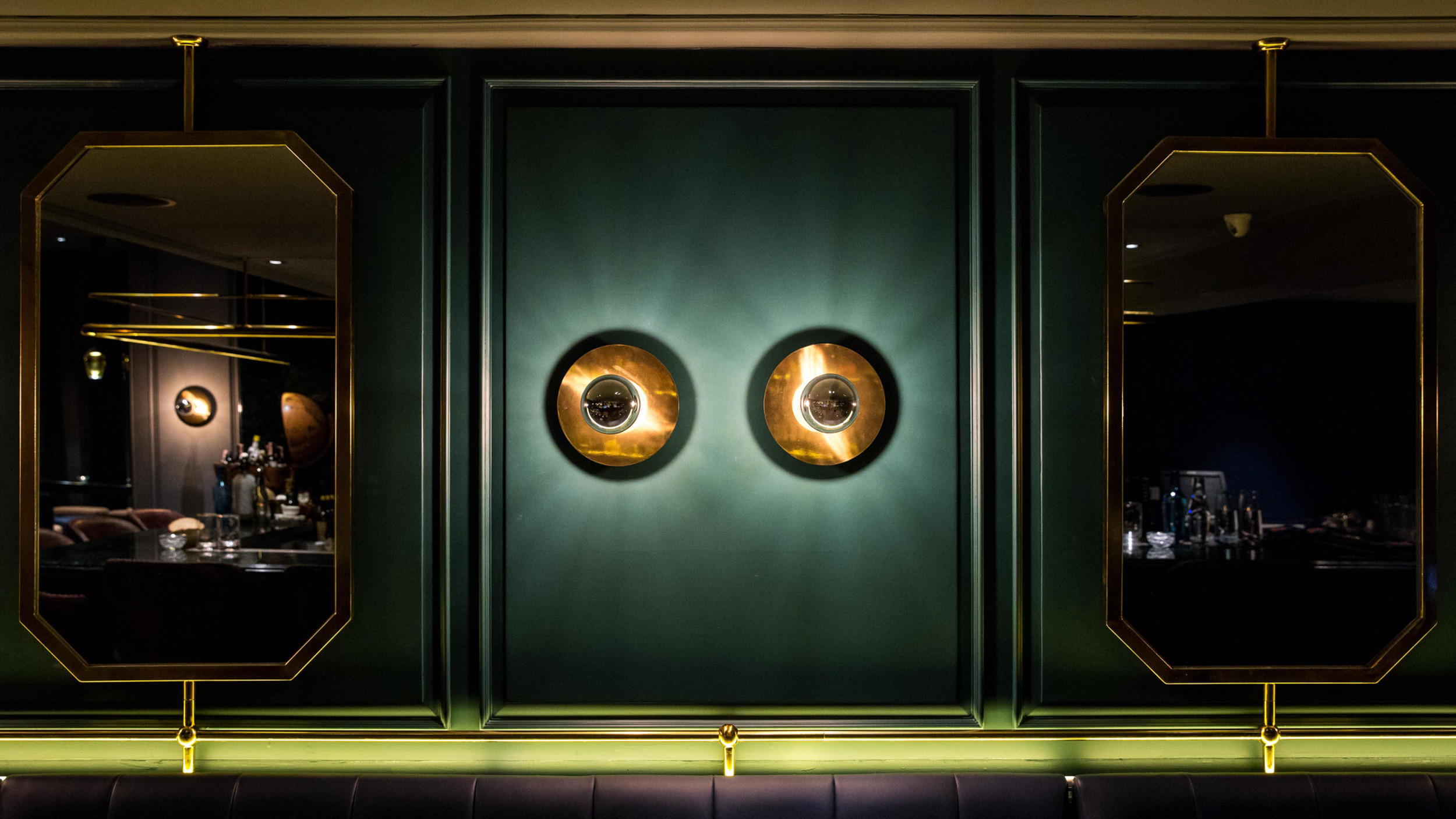
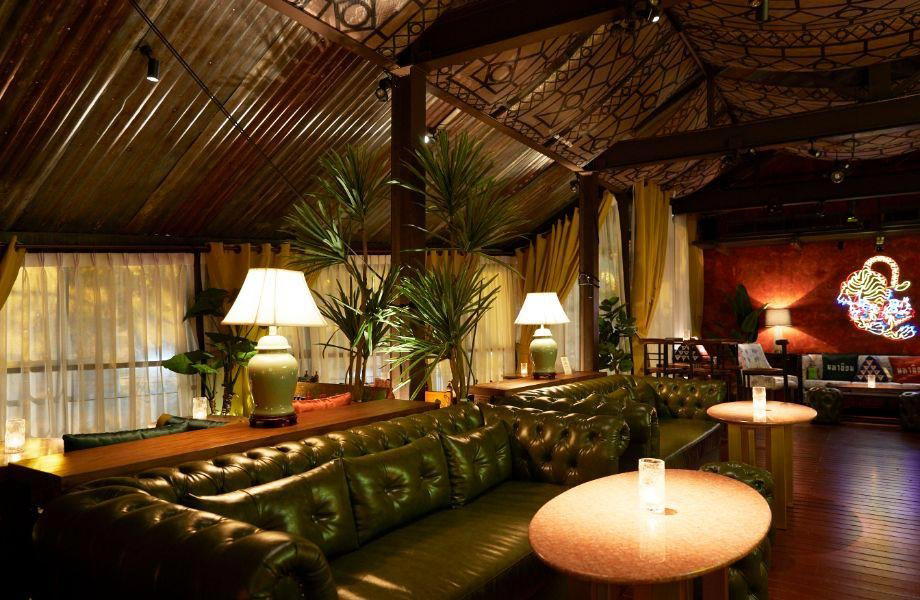
In Bangkok's northern Thai dining tier, the physical environment tends to signal intent before a single dish arrives. Restaurants drawing on Lanna heritage often work with teak-adjacent materials, low-lit interiors, and spatial arrangements that echo the communal eating traditions of the north, long shared tables, earthenware serving vessels, and a deliberate quietness that separates the experience from the noise of Bangkok's street-food circuit. This is a design language with a point of view: it asks the diner to slow down, to read the food in context rather than consume it as a series of plates.
Across Bangkok's regional Thai tier, the dividing line often falls between restaurants that use northern aesthetic cues decoratively, as atmosphere, and those where the physical container genuinely shapes the dining format, influencing how dishes arrive, how they are shared, and how long a meal runs. The latter group tends to draw more committed regulars and benefits from a format that supports the cuisine rather than merely frames it.
Cherng Doi Roast Chicken (ไก่ย่างเชิงดอย) in Chiang Mai and Loet Rot in Mueang Chiang Mai offer a direct regional baseline against which Bangkok's northern Thai interpretations are usefully measured. A restaurant that holds up against that comparison earns its position; one that softens for the capital audience answers a different question.
Regional Thai and Bangkok's Premium Tier
Bangkok's ฿฿฿฿ restaurant tier is occupied by a diverse comparable set. Côte by Mauro Colagreco (Mediterranean, Modern Cuisine), Gaa (Modern Indian, Indian), and Sühring (German) each represent international culinary traditions executed at high commitment in the capital. Regional Thai sits adjacent to this tier rather than inside it, rarely matching the formal tasting-menu pricing of those rooms, but often competing for the same evening slot in a visitor's itinerary.
That competition is instructive. The case for choosing northern Thai over a European tasting menu in Bangkok is partly about difference: this is food that exists nowhere else in quite the same form, rooted in a highland agricultural tradition, herb profiles distinct from the central Thai baseline, and fermentation practices that have no European parallel. For a visitor who has eaten broadly across Bangkok's international offer, a meal grounded in Lanna cooking registers as something with genuine distinction. For regulars, it is the consistency of that regional specificity, not novelty, that builds loyalty.
Planning a Visit
Bangkok's regional Thai restaurants vary considerably in their booking logistics. High-demand venues in the Thai contemporary tier, where Baan Tepa and Sorn both require advance planning, book weeks out. Northern Thai at the mid-tier generally operates with more flexibility, though specific reservation details for Rong Klan Nuea are best confirmed directly before travel. As with most Bangkok dining in this category, visiting outside peak tourist season, roughly April through June, tends to ease availability.
Diners planning a broader Thailand itinerary should note that the regional cooking traditions that inform Rong Klan Nuea's menu are alive across multiple geographies. Little Edo Suratthani リトル江戸 in Mueang Surat Thani, DEVASOM BEACH GRILL in Takua Pa, and Krua Laew Tae R-Rom in Pattaya illustrate how broadly Thai regional cooking distributes itself across the country's dining geography.
Price Lens
Comparable venues nearby, for context on price, style, and recognition.
| Venue | Cuisine | Price | Notes |
|---|---|---|---|
| Rong Klan NueaThis venue — the venue you are viewing | Samphanthawong, Braised Beef Noodles | $$ | Not listed |
| Jok Khlong San | Bang Wa, Porridge Shop | $$ | Not listed |
| Hia Mug Chinese Dessert | Traditional Chinese Dessert | $ | Not listed |
| The Loft | Siam Square, Authentic Burmese | $$ | Not listed |
| Chakki | Not listed | $$ | Thanon Phaya Thai, Traditional Cantonese Noodles |
| Smalls | Si Lom, French Bistro with Bar Bites | $$ | Not listed |
At a Glance
- Rustic
- Cozy
- Casual Hangout
- Historic Building
- Street Scene
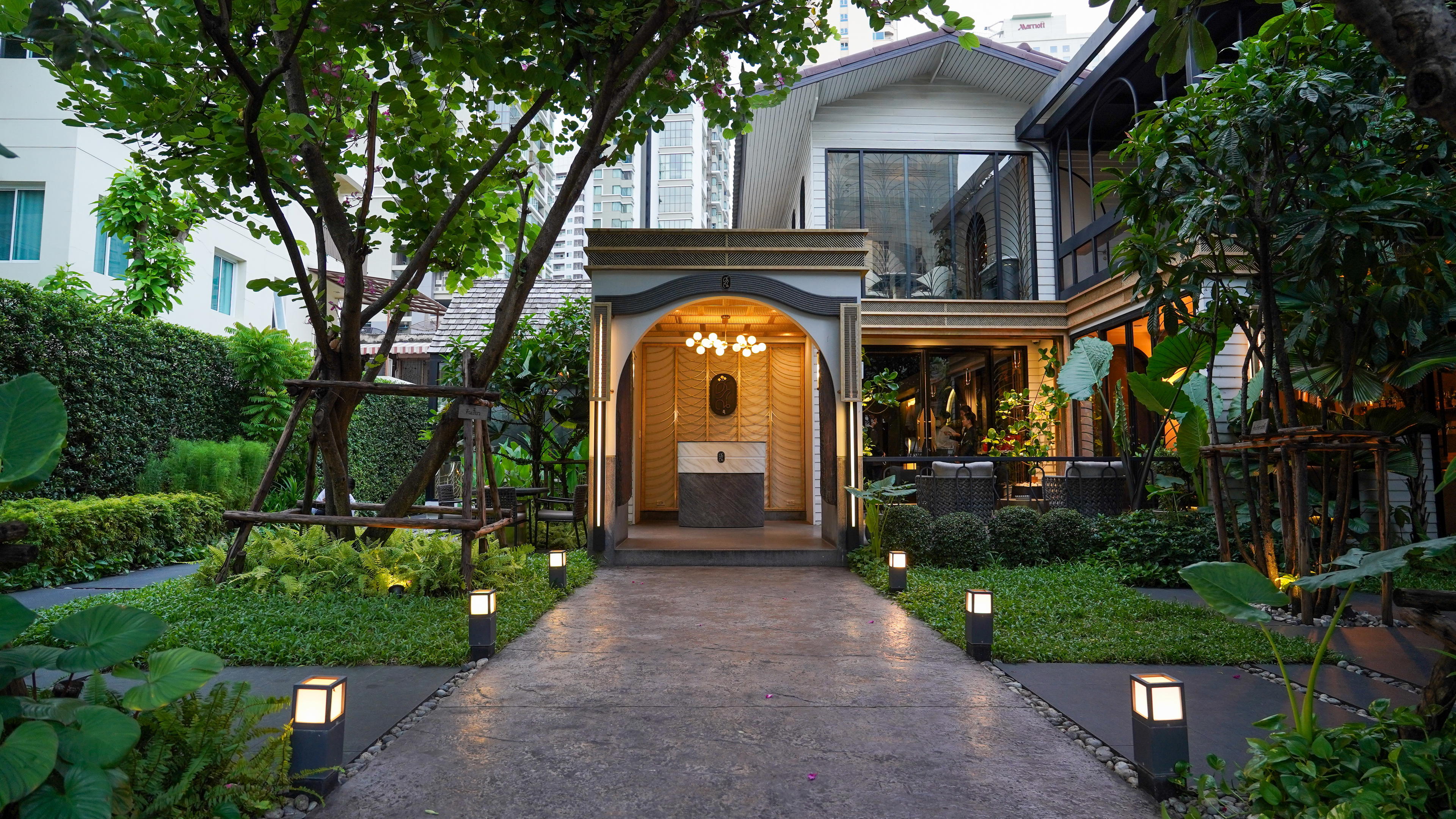
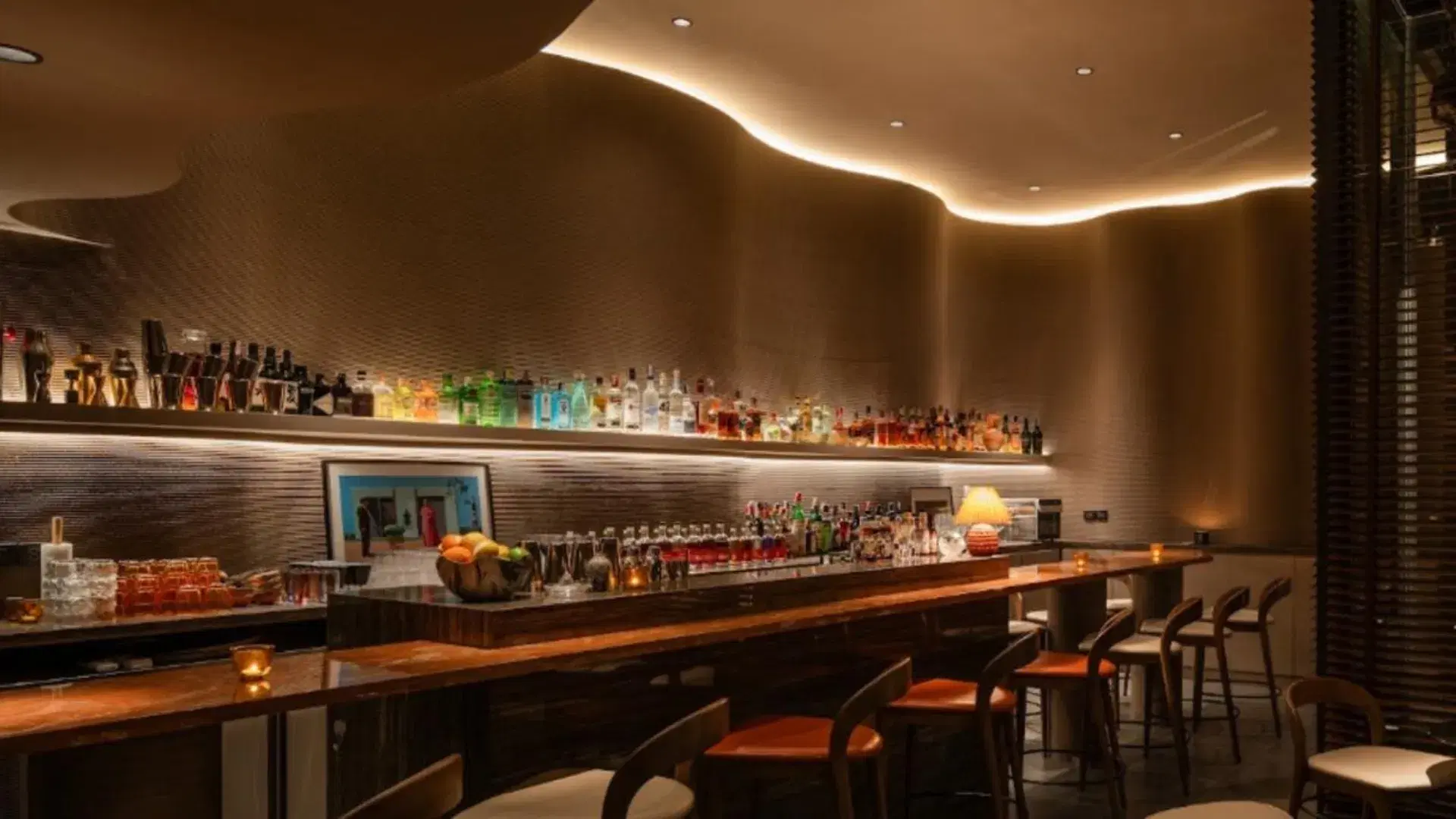
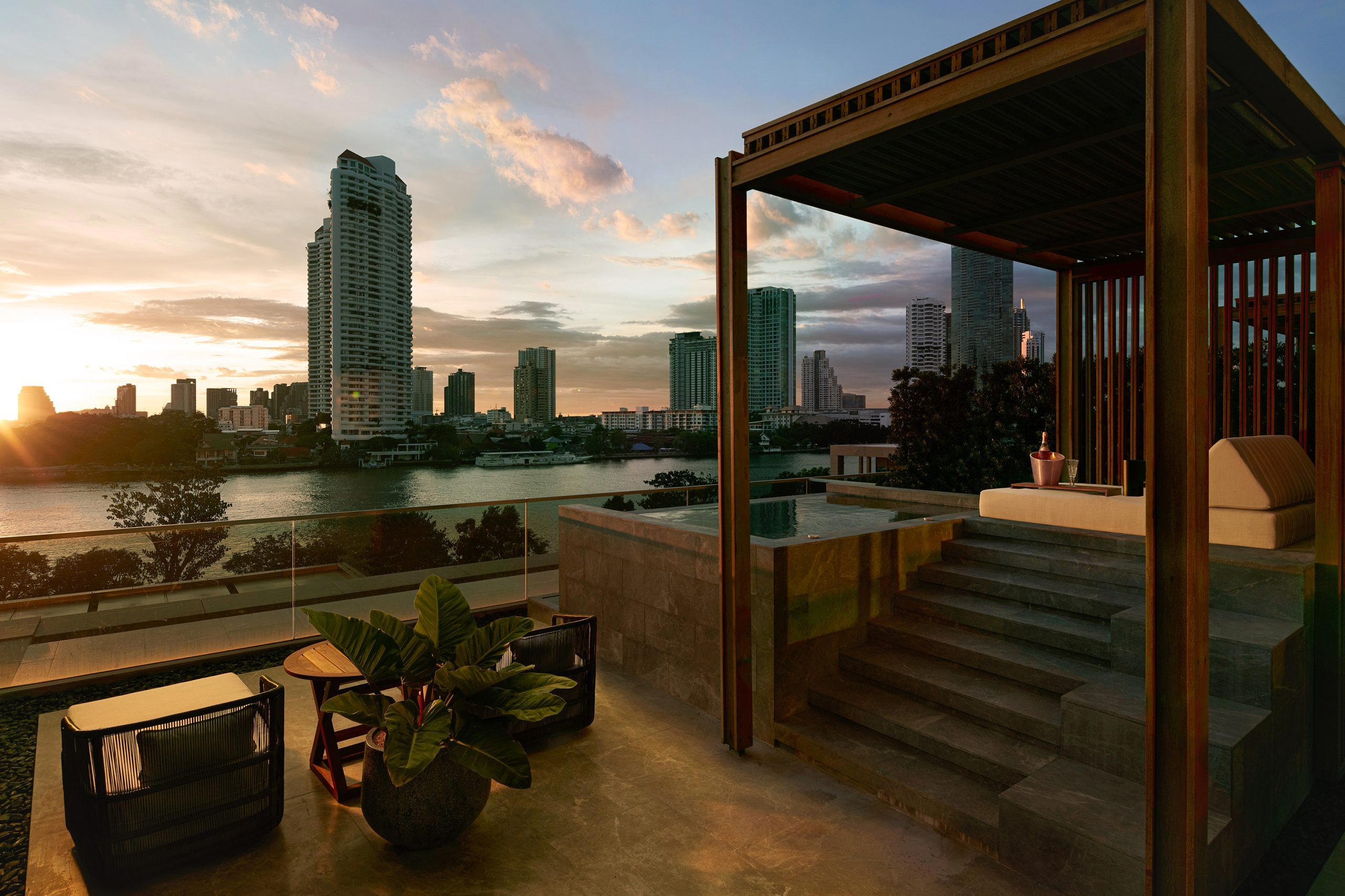
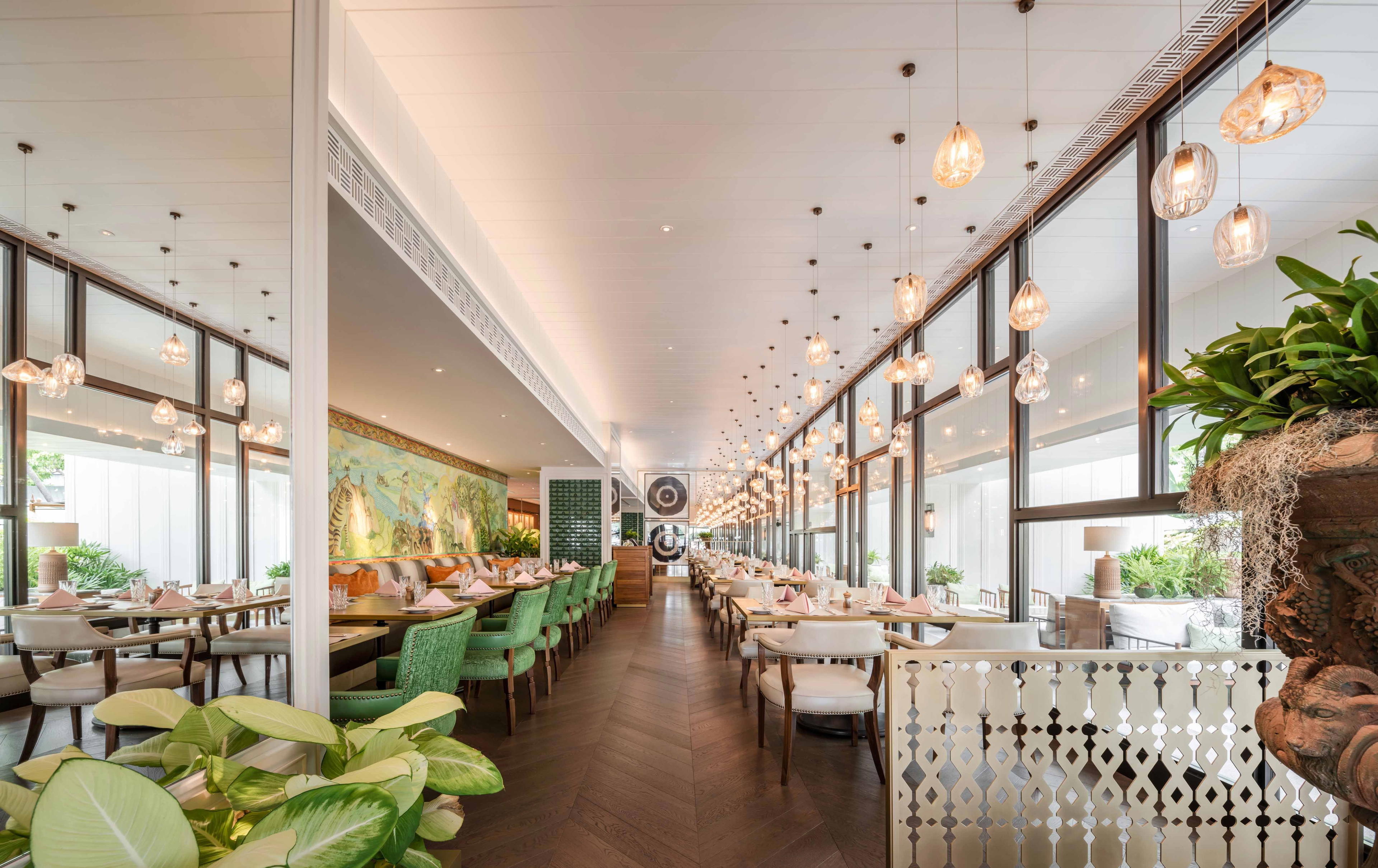
Vintage classic atmosphere in a rustic shophouse with cool air conditioning and comfortable seating.