Romani

A Michelin Bib Gourmand-recognised farmhouse trattoria on the plains south of Parma, Romani holds to the classic Emilian playbook without revision: cured meats from the surrounding Po Valley, hand-rolled fresh pasta, and grilled meats served in a room layered with regional decoration. An on-site shop selling local products gives the whole operation a producer-facing credibility that sits well beyond its modest price point.
Pearl is the En Primeur Club membership app — saves, bookings, and concierge access live there. Same editors, same standards.
- Address
- Str. dei Ronchi, 2, 43056 Vicomero PR, Italy
- Phone
- +39 0521 314117
- Website
- ristoranteromani.it
 Saves & bookings on Pearl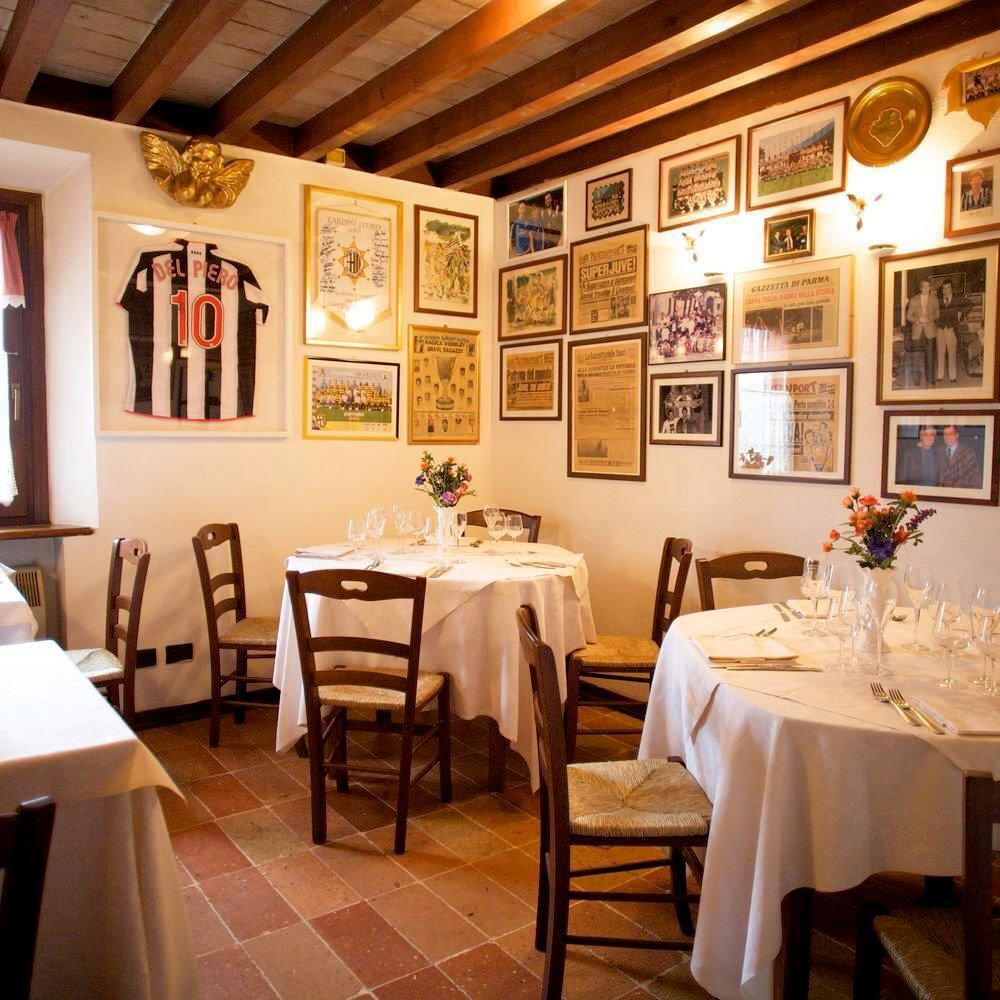
Farmhouse Cooking on the Parma Plain
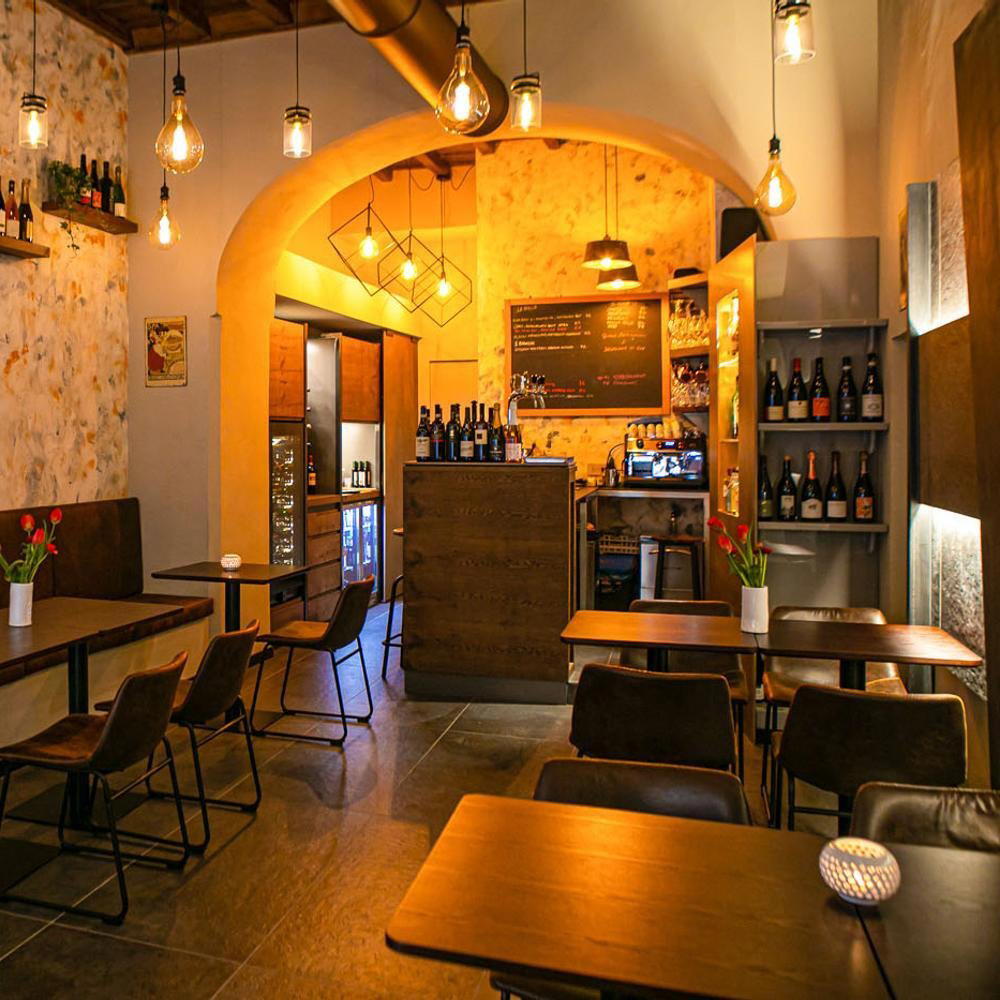
The Po Valley farmhouse trattoria is among the more durable formats in Italian dining: a large room with heavy wood furniture, walls dense with local objects, a kitchen that operates from a fixed idea of what this territory tastes like, and a garden that functions as a second dining room when the weather allows. Romani, in the small settlement of Vicomero di Torrile a few kilometres north of Parma, works squarely within that format. The decor is accretive rather than curated, the kind of room assembled over decades rather than designed in a single sitting. Driving out from the city through flat agricultural land, past fields producing the grain and fodder that underpin this region's food culture, the setting prepares you for what follows.
Romani is not a restaurant that positions itself against the creative tasting-menu scene. Venues like Osteria Francescana in Modena or Le Calandre in Rubano represent the other pole of Italian fine dining, where technique and reinterpretation are the point. Romani's intent is explicitly opposite: to confirm the Parmesan classics rather than challenge them. That self-awareness is its own editorial position.
Where the Food Comes From
Emilia-Romagna's cuisine derives much of its authority from a geography that concentrates extraordinary raw materials within a narrow corridor. Parmigiano-Reggiano requires specific pasture and specific milk; Prosciutto di Parma depends on air that moves off the Apennines and through the curing halls of Langhirano; Culatello di Zibello, one of Italy's most restricted designations, comes from the wettest, foggiest stretch of the Po plain, the Bassa Parmense. Romani sits inside this production zone. The cured meats on the table at the start of a meal are not shipped from elsewhere: they are the local product in the literal sense, drawn from a network of small producers whose operations you pass on the way in.
The on-site shop selling typical local food products makes that sourcing geography explicit. It is a reliable signal in this part of Italy: restaurants that operate a direct-sale shop alongside the kitchen tend to have tighter producer relationships than those that do not. The commercial logic aligns with the culinary one. You can buy at the table and take the same ingredients home, which clarifies the relationship between what Romani serves and where it comes from.
This sourcing model places Romani in a specific comparable set within the Emilian trattoria tradition, alongside operations like Arnaldo - Clinica Gastronomica in Rubiera and Osteria del Viandante in Rubiera, where the kitchen's authority rests on proximity to the ingredient rather than transformation of it. For broader context on what else the region offers, see our full Vicomero di Torrile restaurants guide.
The Menu: No Revisitations
Romani is a restaurant for those who do not like revisitations and exotic searches. That framing deserves attention. In a national food culture where even provincial trattorias increasingly layer in technique signals and imported references, staying completely within the local canon is a deliberate editorial choice, not a default. Cured meats, fresh pastas, roasts and grilled meats are the structural pillars of the Parma farmhouse menu, and that is what Romani delivers.
Fresh pasta in this zone means tortelli d'erbetta, anolini in brodo, tagliatelle with ragù built from local pork and beef: forms that take time to make correctly and that reward exactly the kind of kitchen that has been making them for years without change. Roasts and grilled meats reflect the farmhouse's agricultural origins, where the animal was central to the household economy. The menu reads as a document of the territory's food history as much as a list of dishes available today.
Michelin has recognised Romani with a Bib Gourmand for 2024 and 2025. The Bib Gourmand is specifically calibrated for value: it is not awarded to restaurants operating at luxury price points regardless of quality. At the two-euro price tier, Romani occupies a position in the wider Italian restaurant field that is quite different from the three-Michelin-star operations further along the region, such as Enoteca Pinchiorri in Florence or Enrico Bartolini in Milan, or the multi-starred addresses elsewhere in Italy, including Dal Pescatore in Runate, Uliassi in Senigallia, Quattro Passi in Marina del Cantone, Piazza Duomo in Alba, Reale in Castel di Sangro, Atelier Moessmer Norbert Niederkofler in Brunico, or Casa Perbellini 12 Apostoli in Verona. Romani's recognition sits in an entirely different register, one that validates accessibility rather than ambition.
5 from 1,895 ratings. That figure carries weight in this context: country farmhouse trattorias in agricultural communes outside major cities depend on neighbourhood loyalty and word of mouth in a way that urban restaurants do not.
Planning a Visit
Romani is located at Strada dei Ronchi 2 in Vicomero di Torrile, a small commune in the province of Parma. The address is rural. The drive from Parma city centre takes around fifteen to twenty minutes through flat agricultural landscape. The large garden suggests outdoor seating is available in warmer months. The single-euro price tier makes Romani accessible for a full group meal without the advance budget planning that Parma's smarter address in the city might require.
- tortelli di erbette
- tortelli di zucca
- anolini in brodo
- guancialini
- tagliatelle
- torta fritta
- carne alla griglia
Quick Comparison
Comparable venues nearby, for context on price, style, and recognition.
| Venue | Cuisine | Price | Awards | Notes |
|---|---|---|---|---|
| RomaniThis venue — the venue you are viewing | Traditional Emilian Trattoria | $$ | Bib Gourmand | Not listed |
| Trattoria Antichi Sapori | Traditional Emilian Trattoria | $$ | Bib Gourmand | Gaione |
| Locanda Mariella | Emilian Trattoria | $$ | Bib Gourmand | Fragnolo |
| Trattoria da Probo | Traditional Emilian Trattoria | $$ | Bib Gourmand | Bagnolo In Piano |
| Caffè Grande | Emilian Trattoria | $$ | Bib Gourmand | Rivergaro |
| L'Ostreria Fratelli Pavesi | Modern Piacenza Country Cooking | $$ | Bib Gourmand | Gariga |
Recognition history
Dated appearances from independent guides and award organizations, with the underlying list record or original source where available.
Michelin Bib Gourmand
Michelin
Michelin Bib Gourmand
Michelin
Michelin Bib Gourmand
Michelin
Continue exploring
More in Vicomero di Torrile
Restaurants in Vicomero di Torrile
Browse all →
Hotels in Vicomero di Torrile
Browse all →
At a Glance
- Rustic
- Cozy
- Classic
- Intimate
- Family
- Group Dining
- Celebration
- Date Night
- Garden
- Private Dining
- Standalone
- Extensive Wine List
- Local Sourcing
- Farm To Table
- Garden
Current opening hours
- Monday
- Closed
- Tuesday
- Closed
- Wednesday
- Closed
- Thursday
- Closed
- Friday
- 12:30–2:30 PM, 7:45–10 PM
- Saturday
- 12–3 PM, 7:45–10 PM
- Sunday
- 12–3 PM, 7:30–10 PM
Hours can change for holidays and private events. Last verified .
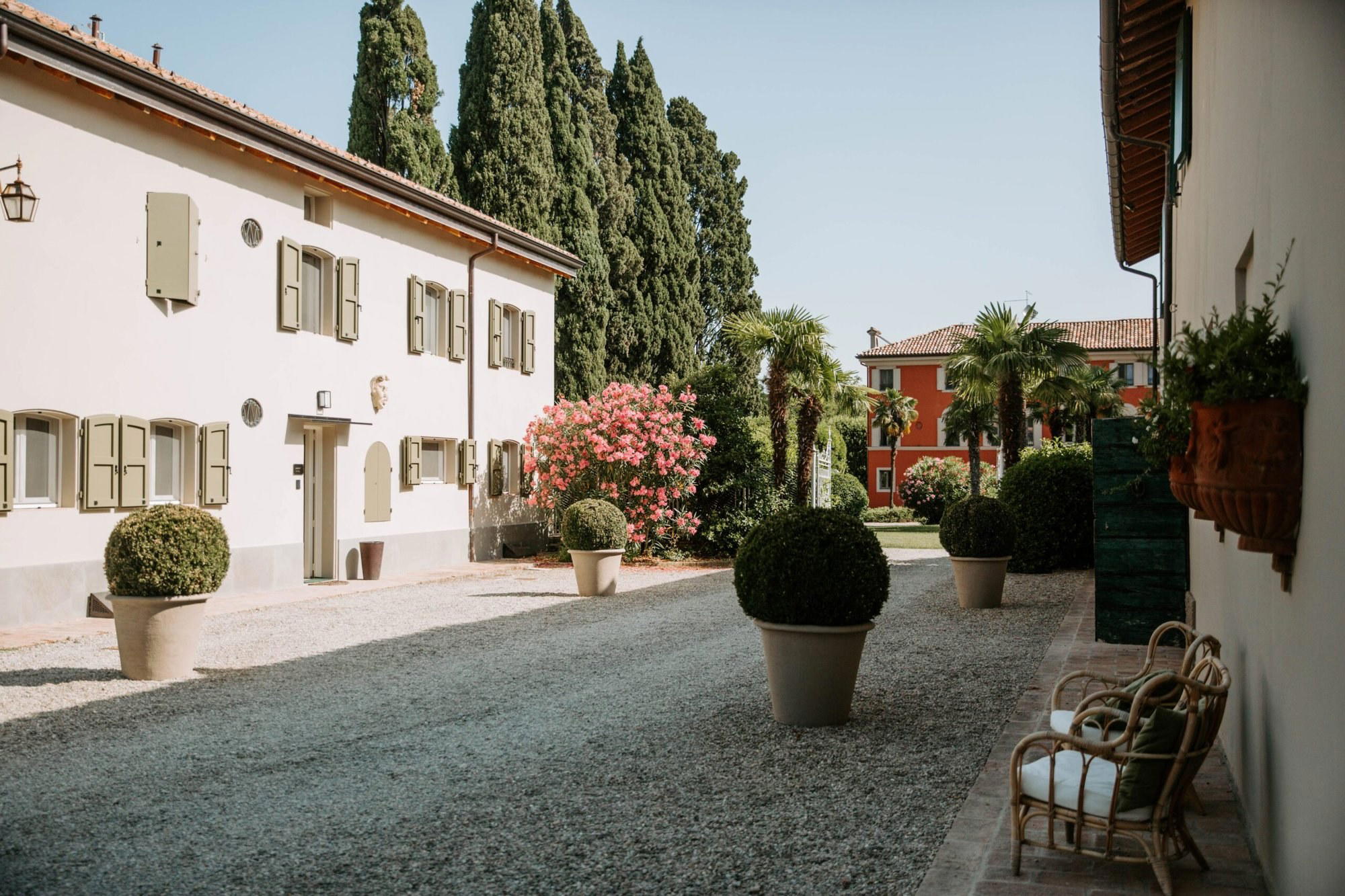
Rustic yet refined atmosphere in a restored countryside farmhouse with decorated dining rooms, warm lighting, and a blend of traditional and modern spaces that maintain country character while providing comfort.