Antica Corte Pallavicina



A 14th-century former customs house on the Po river in Emilia-Romagna, Antica Corte Pallavicina holds one Michelin star and an Opinionated About Dining Classical ranking (no. 337 in Europe, 2025). Chef Massimo Spigaroli's kitchen draws on the deep larder of the Po Valley, including the culatello produced on the estate itself. The property combines a restaurant, guestrooms, and a dedicated culatello museum.
Pearl is the En Primeur Club membership app — saves, bookings, and concierge access live there. Same editors, same standards.
- Address
- Strada Palazzo due Torri, 3, 43016 Polesine Parmense PR, Italy
- Phone
- +39 0524 936539
- Directions
- Get directions
 Saves & bookings on Pearl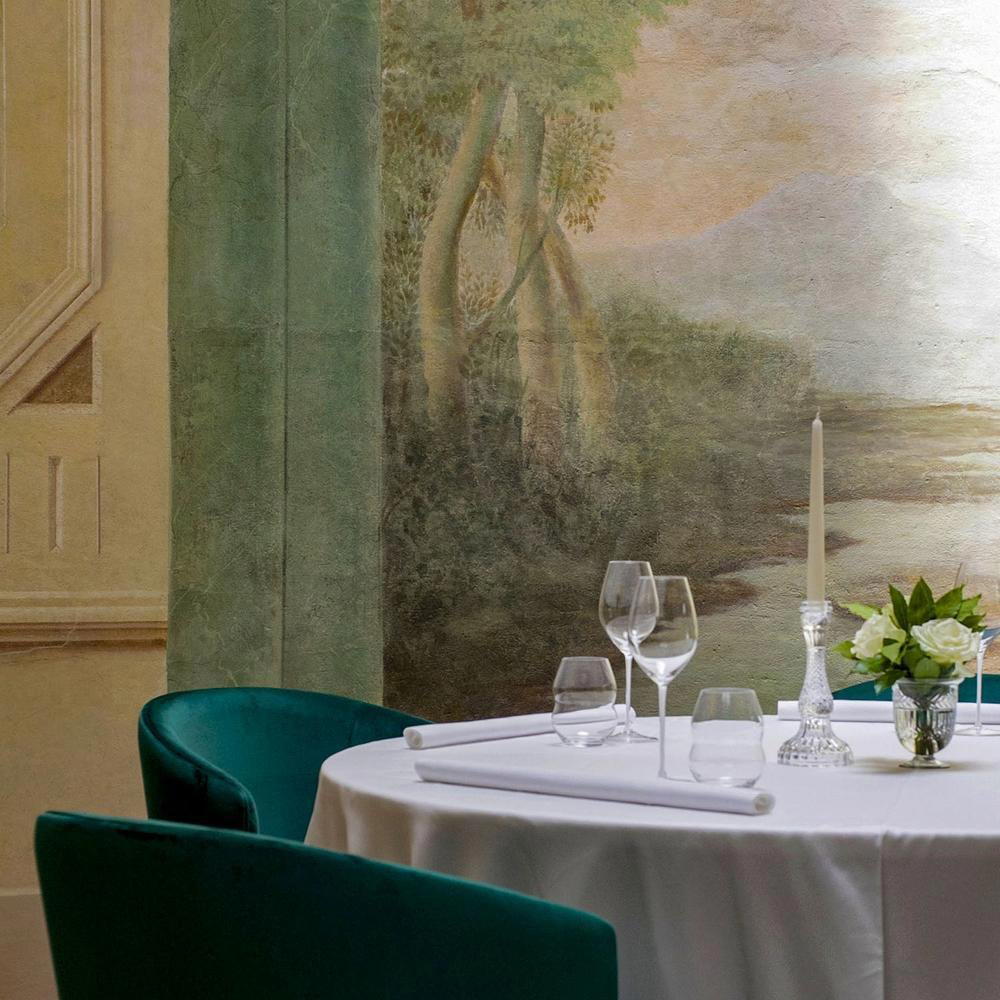
Where the Po Valley Sets the Terms
The flatlands between Parma and the Po river represent one of Italy's most concentrated food-production zones: Parmigiano-Reggiano, prosciutto di Parma, and the rarer culatello di Zibello all originate within a relatively tight radius. Antica Corte Pallavicina sits directly inside that zone, in a 14th-century building originally constructed as a customs house where goods moved along the Po. The river remains central to the experience here, both as physical backdrop and as the framing logic of a cuisine the kitchen describes as "gastrofluviale", food that takes its identity from the waterway and the valley it sustains.
That framing is worth taking seriously. Where many starred restaurants in Emilia-Romagna, Osteria Francescana in Modena or Le Calandre in Rubano, built their identities on progressive reinterpretation, the kitchen at Antica Corte Pallavicina operates from a different premise: that the ingredients of the Po Valley are already so specific, so place-defined, that the cook's role is to clarify rather than transform. A small number of ingredients, given time and care, are asked to carry the full weight of the plate. That is the editorial angle that runs through everything here.
The Building and the Approach to the Meal
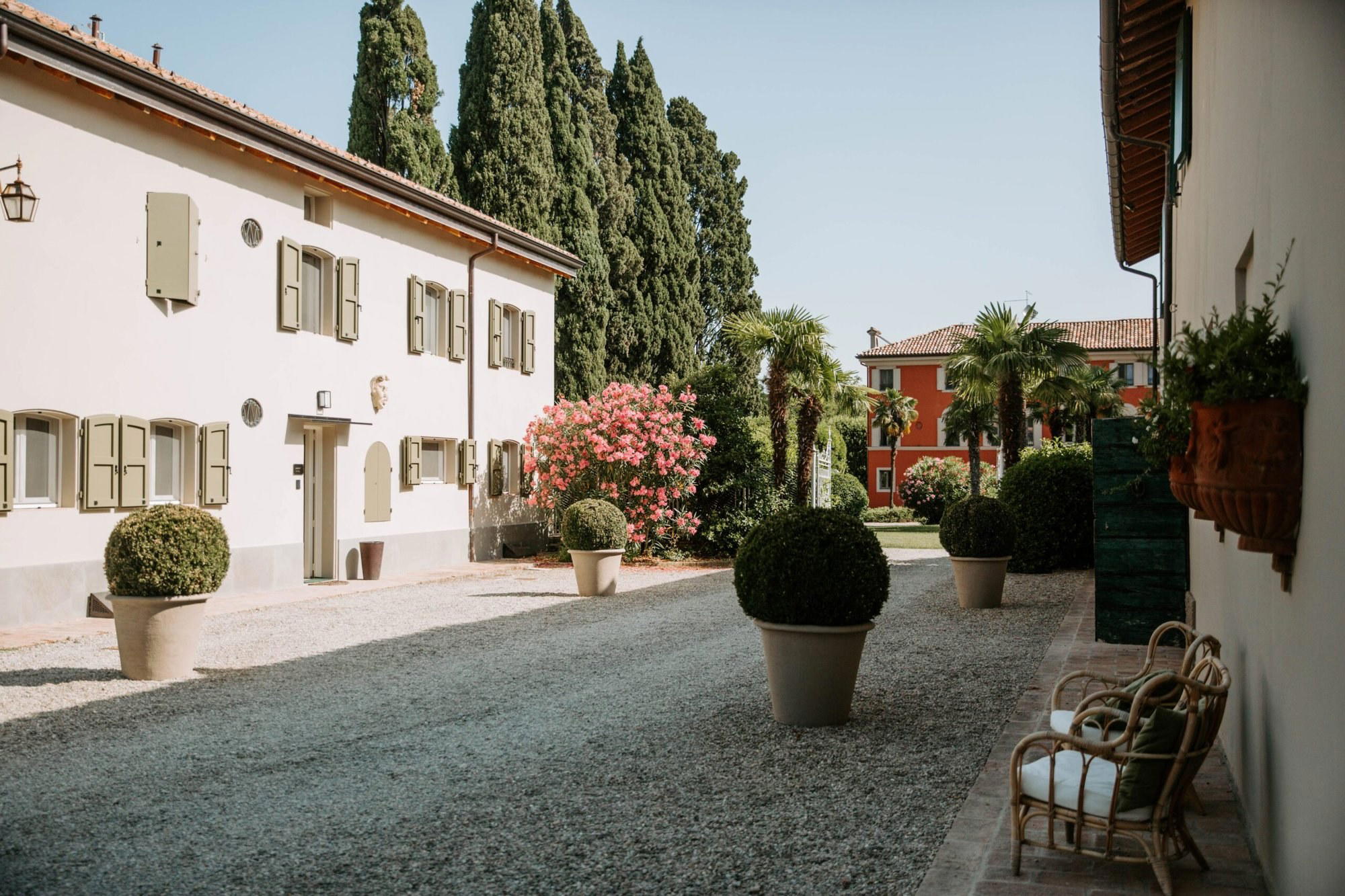
Arriving at Polesine Parmense by road from Parma (roughly 40 kilometres northwest), the property announces itself as a working compound rather than a polished destination. Cured meats age in the cellar below the dining rooms. The Museo del Culatello, housed within the complex, documents the production of what is Italy's most geographically restricted salume: culatello di Zibello, produced only in the foggy flood plain between the Po and the Apennine foothills. Dinner here begins, in a practical sense, before anyone reaches the table.
The scale of the property matters editorially because it situates the restaurant inside a living production system rather than a hospitality concept built around food as spectacle. Compare this model to the detached destination format of Reale in Castel di Sangro or Piazza Duomo in Alba, where the creative framework of the kitchen is the primary proposition. At Antica Corte Pallavicina, the kitchen is one expression of a broader argument about place. Chef Massimo Spigaroli, who now owns the estate his family's ancestors once worked as labourers, holds a Michelin star and an Opinionated About Dining Classical in Europe ranking of no. 337 in 2025 (up from no. 329 in 2024 and a recommendation in 2023). Those credentials, read together, describe a kitchen that is climbing in international critical recognition without repositioning its culinary identity to chase that recognition.
The Kitchen's Argument: Simplicity as Method
Italian country cooking, at its most disciplined, is an argument against excess: the fewer the ingredients, the more precisely each one must perform. The OAD "Classical" designation is telling here. Where Atelier Moessmer Norbert Niederkofler in Brunico or Enrico Bartolini in Milan sit in creative or progressive categories with three Michelin stars apiece, this kitchen operates with one star in a classical register. That is a different competitive conversation, and a conscious one.
The dishes that have drawn critical attention reflect this logic. Chicken ravioli cooked in a bladder borrows a French technique to seal and concentrate flavour, but applies it to the pasta tradition of Emilia rather than any imported culinary grammar. The Nero Spigaroli suckling pig, served with its rind, prawns, and green shoots, places a named-breed animal at the centre of the plate and lets contrast, crispy against soft, sea against land, do the rhetorical work that complexity might do elsewhere. Neither dish requires a long list of components to make its point. This is the culinary tradition that La Trota in Rivodutri and Osteria di Passignano also work within: Italian country kitchens that treat ingredient quality and classical technique as sufficient arguments, without the need for transformation as a point of style.
The culatello itself, aged in the building's own cellars, is the clearest expression of this philosophy. Time and the fog of the Po Valley do the work that a chef's hand cannot replicate or shortcut. The Museo del Culatello on the estate makes that process visible to visitors who choose to engage with it.
How This Fits in the Italian Starred Tier
Italy's €€€€ restaurant tier at the Michelin level is heavily weighted toward creative or progressive formats. Enoteca Pinchiorri in Florence, Dal Pescatore in Runate, and Uliassi in Senigallia each represent significant operations with larger kitchen brigades, longer wine lists, and formats built around sustained multi-course progression. Quattro Passi in Marina del Cantone operates from a coastal Italian identity with similarly high production values.
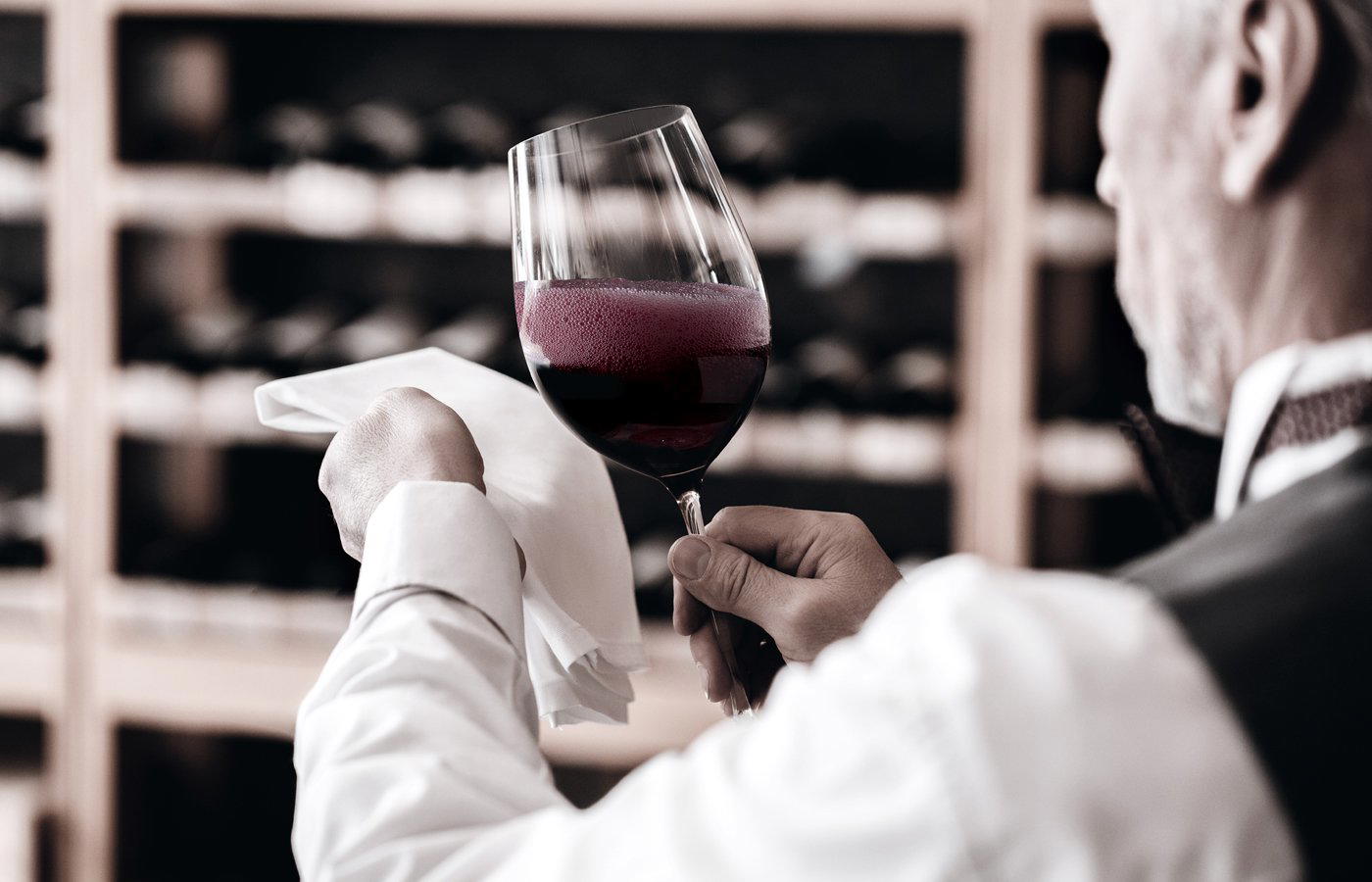
Antica Corte Pallavicina occupies a different position: a one-star classical house at a four-symbol price point, in a location that requires deliberate travel. The OAD ranking trajectory (recommended in 2023, ranked in 2024, climbed in 2025) suggests growing recognition from a critical audience that prizes ingredient-led cooking in well-defined geographical context. A White Star listing on Star Wine List, published August 2025, adds a signal about the depth of the wine program, though specific list details are not available here.
For readers calibrating Italy against this comparable set, the practical comparison is Dal Pescatore: another rurally located, family-run Italian table operating at four symbols. The Gonzalez family in Runate has three stars and a longer international track record; Spigaroli has one star and a narrower, more place-specific brief. Both make the case that the destination itself is part of what you are paying for.
Planning a Visit
Polesine Parmense is a small village on the south bank of the Po, and reaching it requires either a car from Parma (approximately 40 kilometres) or coordination from Cremona on the Lombardy side of the river.
The on-site Hosteria del Maiale functions as a lower-threshold entry point for the same estate ingredients, useful for guests who want exposure to the culatello and the setting without committing to the full restaurant format. For dining-focused visitors staying in the area, Al Cavallino Bianco is the other local Emilian address worth noting.
The price range sits at €€€€, and a visit to the Museo del Culatello is part of the compound's offer rather than an add-on.6 rating from 1,775 reviews.
A Pricing-First Comparison
Comparable venues nearby, for context on price, style, and recognition.
| Venue | Cuisine | Price | Awards | Notes |
|---|---|---|---|---|
| Antica Corte PallavicinaThis venue — the venue you are viewing | Italian, Country cooking | $$$$ | Michelin 1 Star | Not listed |
| Al Cavallino Bianco | Not listed | $$$ | Michelin Plate | Polesine Parmense, Traditional Emilian with Culatello |
| Contrada Bricconi | Val Seriana, Modern Alpine Farm-to-Table | $$$$ | Michelin 1 Star | Not listed |
| Horto | Brera, Contemporary Italian Fine Dining | $$$$ | Michelin 1 Star | Not listed |
| Arnaldo - Clinica Gastronomica | Rubiera, Traditional Emilian | $$$$ | Michelin 1 Star | Not listed |
| Sadler | Brera, Modern Italian Fine Dining | $$$$ | Michelin 1 Star | Not listed |
Recognition history
Dated appearances from independent guides and award organizations, with the underlying list record or original source where available.
Michelin 1 Star
Michelin
Star Wine List
Star Wine List
Michelin 1 Star
Michelin
Opinionated About Dining Classical in Europe Ranked #337
Opinionated About Dining
Michelin 1 Star
Michelin
Opinionated About Dining Classical in Europe Ranked #329
Opinionated About Dining
Opinionated About Dining Classical in Europe Recommended
Opinionated About Dining
Continue exploring
More in Polesine Parmense
Restaurants in Polesine Parmense
Browse all →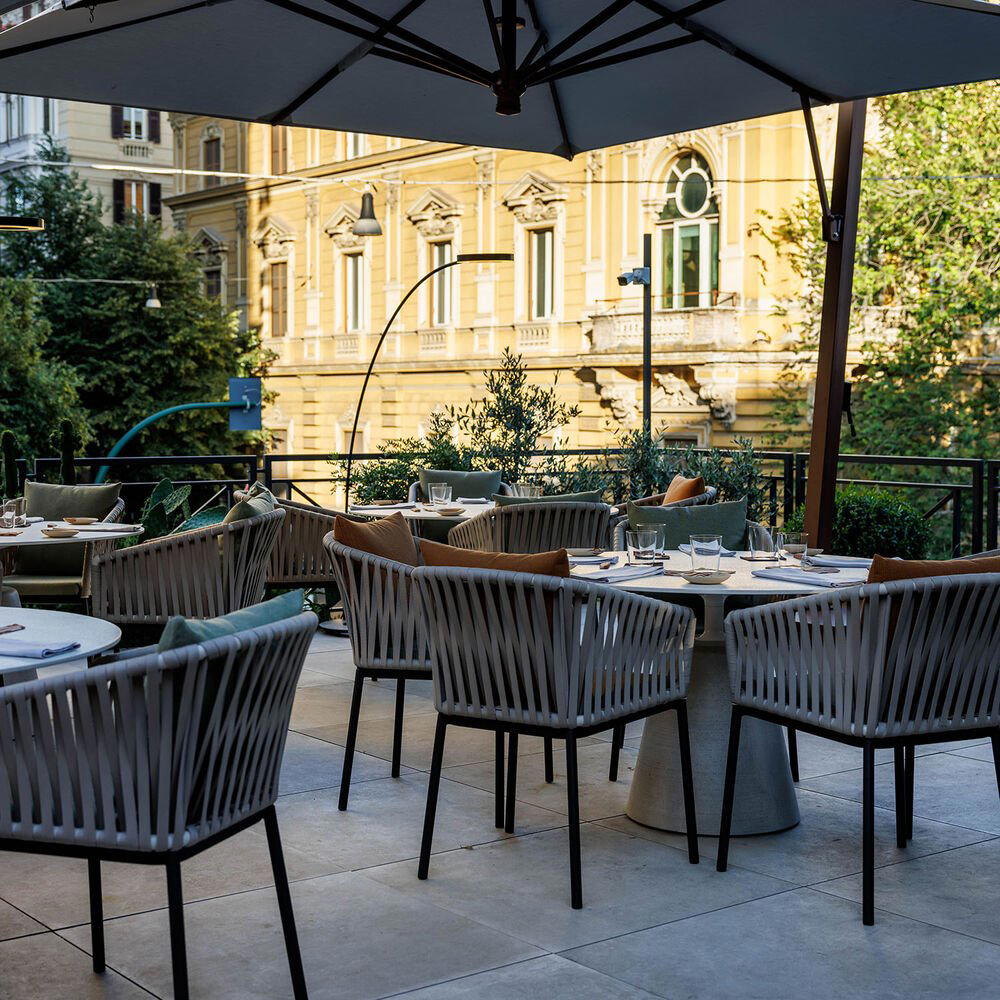
Bars in Polesine Parmense
Browse all →
Hotels in Polesine Parmense
Browse all →


At a Glance
- Rustic
- Elegant
- Scenic
- Historic
- Intimate
- Special Occasion
- Date Night
- Historic Building
- Terrace
- Wine Cellar
- Extensive Wine List
- Farm To Table
- Local Sourcing
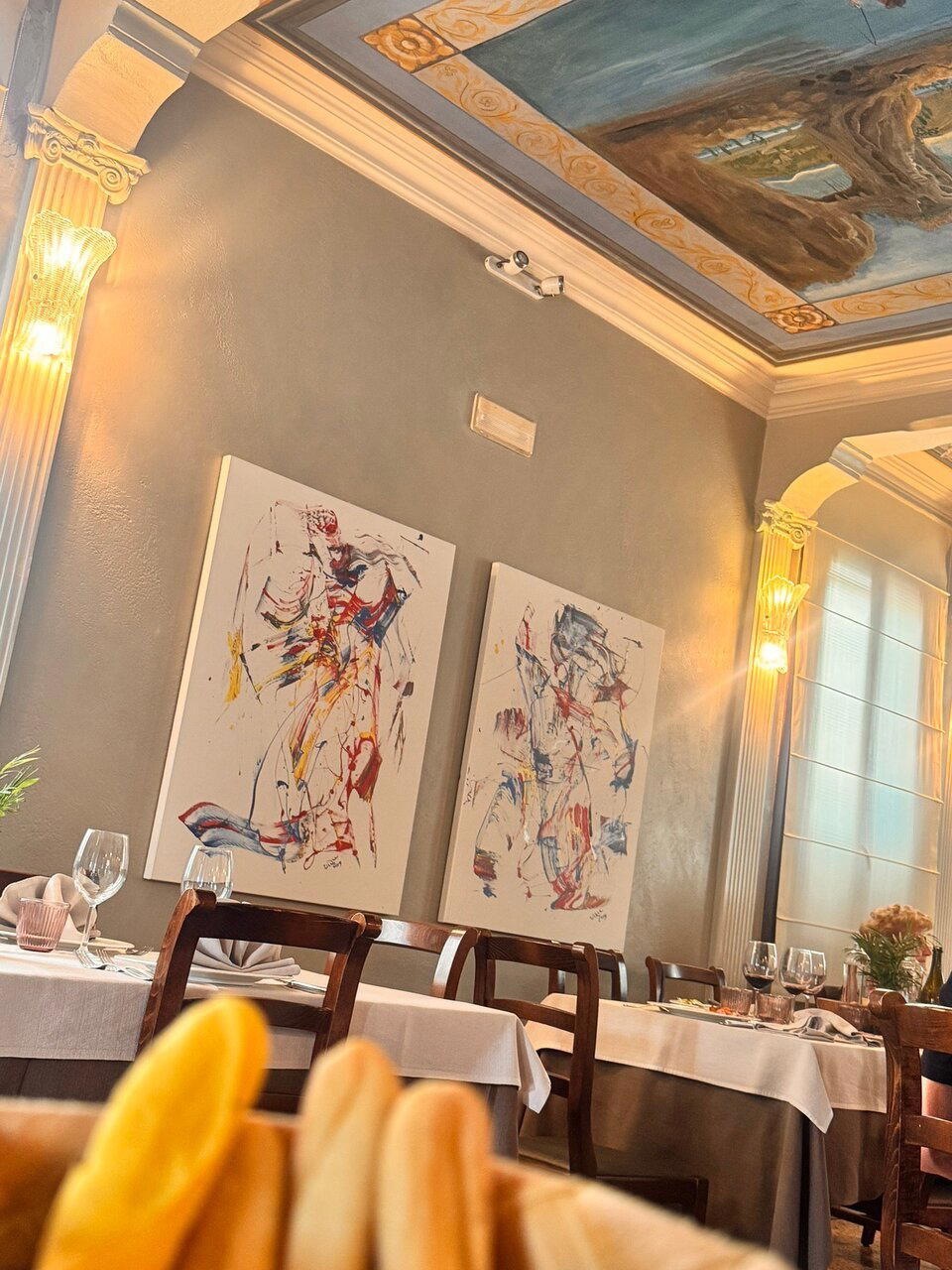
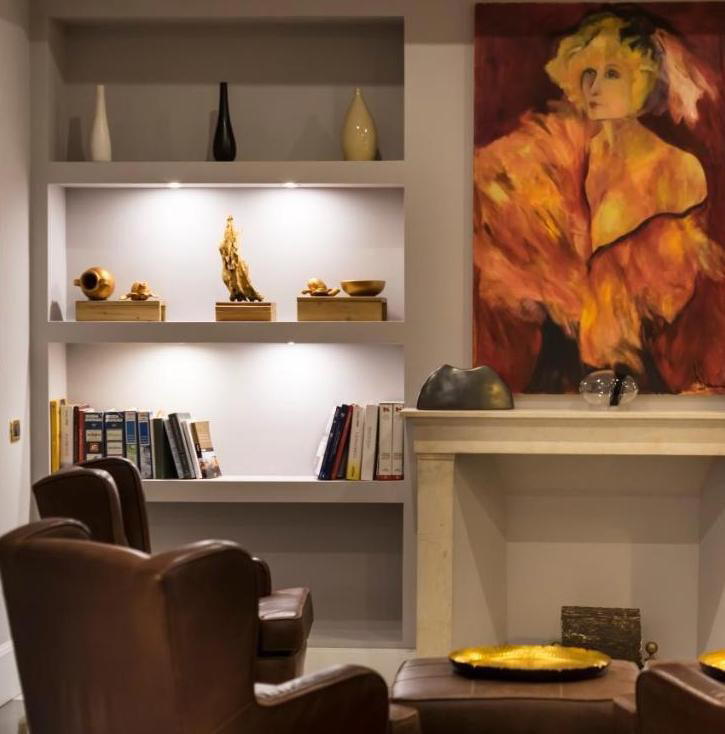
Cozy historic farmhouse with 16th-century frescos, warm terrace overlooking the River Po, and an authentic rural Italian atmosphere.