

1 Michelin Star · The Best Chef One Knife
Our verdict
Parma's sole Michelin-starred table takes an unlikely direction for a city defined by cured meats and aged cheese: Calabrian-born chef Salvatore Morello draws on international experience to build menus that fold exotic ingredients into technically precise courses. The drinks programme matches that ambition, pairing an extensive wine list with sake, craft beer, and spirits selections that few restaurants in Emilia-Romagna attempt at this price tier.

Pearl is the En Primeur Club membership app — saves, bookings, and concierge access live there. Same editors, same standards.
- Address
- Via S. Leonardo, 124, 43123 Parma PR, Italy
- Phone
- +39 0521 776047
- Website
- ristoranteinkiostro.it
- Directions
- Get directions
- Booking
- Book on TheFork
The menu
What to order
- Risotto al Tartufo
- Inkiostro Pasta
- Amberjack with kujonegi daikon
Where the Wine List Does Some of the Talking
Parma has a strong claim to being the most food-serious mid-sized city in Italy. It is the home of Parmigiano-Reggiano, Prosciutto di Parma, culatello, and a restaurant culture that has spent generations refining those materials rather than departing from them. Against that backdrop, a Michelin-starred room that stocks sake alongside Burgundy, and places a 24-month aged Parmesan dessert on the menu rather than a cheese board, registers as a genuine counterpoint. Inkiostro, on Via S. Leonardo in the southern stretch of the city, occupies exactly that position.
The drinks programme here deserves attention before the food does, which is itself a signal. Most creative restaurants in northern Italy — and there are strong ones within reach, from Le Calandre in Rubano to Enrico Bartolini in Milan — build wine lists that track the Italian classics with a predictable French supplement. Inkiostro goes further. The cellar covers the expected territory but extends into beer, sake, and spirits with enough depth and curation to function as a serious programme in each category. That breadth is not incidental: it reflects a kitchen that borrows ingredients and techniques from outside the Italian canon and expects the drinks side of the table to follow.
The Sommelier's Role in a Multi-Strand Programme
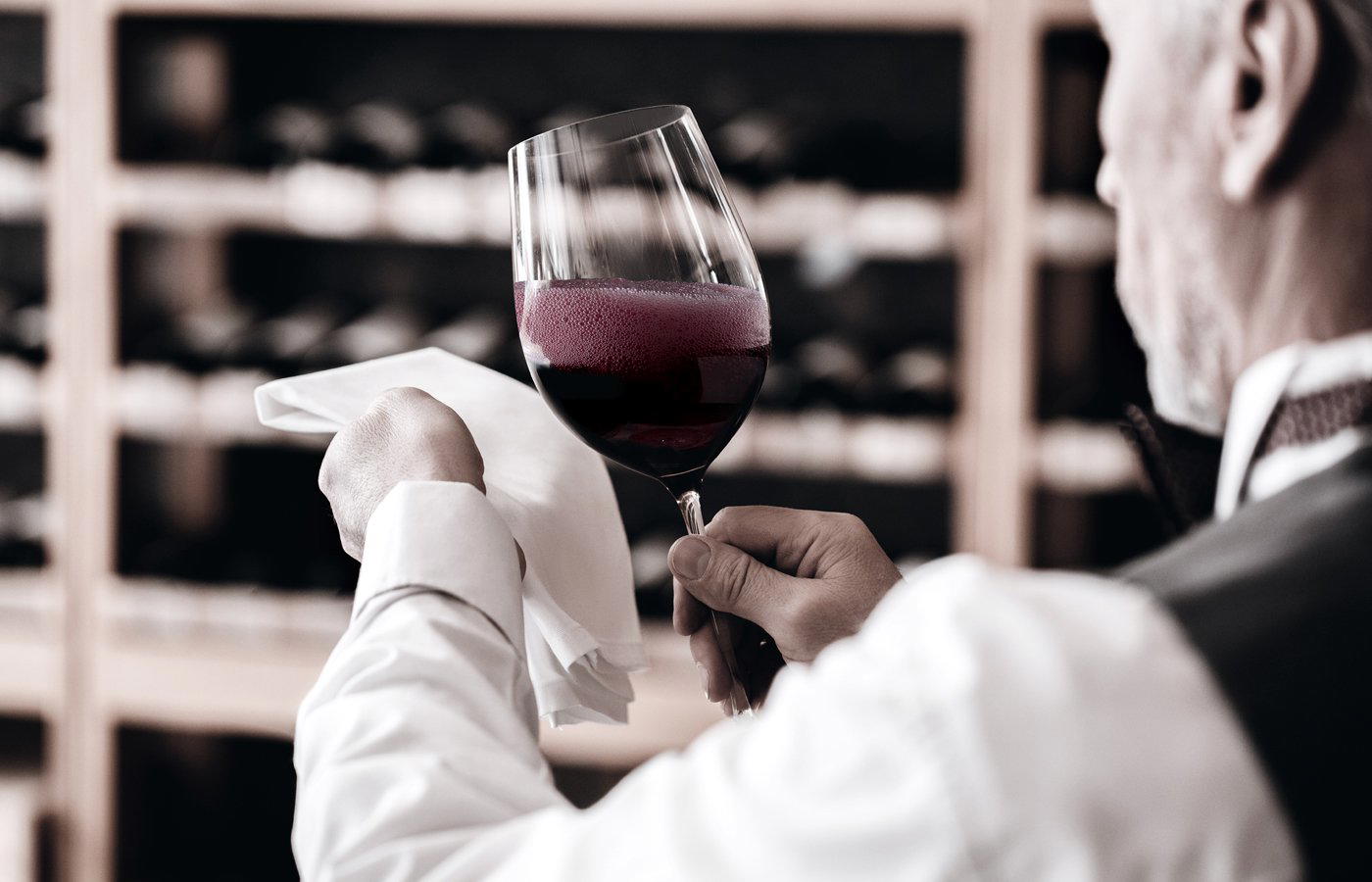
Multi-category beverage programmes succeed or collapse on the quality of guidance at the table. When a list spans Italian Nebbiolo, natural wine, Japanese sake, and craft ale, the reader cannot navigate it unaided, at least not without time and expertise most diners lack. At Inkiostro, the sommelier function carries specific weight. The Michelin notes reference a sommelier whose role is to provide direction through the wine selection in particular, and that guidance becomes more significant given the kitchen's reach toward Asian and global ingredients.
Sake pairing with food at this technical level is still unusual in Italian fine dining. Japan's broader influence on European creative cooking, most visible at places like Mirazur in Menton, which holds three Michelin stars and has brought Japanese seasonal philosophy into a French coastal context, has filtered into how progressive chefs in Italy build courses. When a dish involves pickled Asian vegetables or ramen-adjacent broth elements, a sommelier who can recommend a junmai daiginjo rather than defaulting to Soave is performing a distinctly modern function. Whether that expertise is deployed on any given service is the kind of detail only a visit confirms, but the programme's architecture suggests the intention.
For context within Parma itself, no other restaurant in the city operates at this drinks tier. The trattoria end of the market, which includes strong rooms like Cocchi, I Tri Siochètt, and Osteria del 36, focuses on regional wine pairings for regional food, which is the correct approach for that format. Inkiostro is operating on a different axis entirely, and the price point, €€€€, the highest available tier, reflects the cost of stocking and staffing a programme of this scope.
What the Kitchen Produces
The cuisine classification is Modern French with a creative orientation, which in practice means the techniques lean European and the palette of ingredients reaches beyond Europe. Salvatore Morello trained and worked internationally before arriving in Parma, and that trajectory shows in the menu logic. Calabrian origin provides a southern Italian sensibility toward heat, intensity, and contrasting textures; the international experience adds the technical layer through which those instincts are refined.
The Modern French and Creative category in northern Italy occupies a middle position between the pure regional tradition and the avant-garde experimentation associated with places like Osteria Francescana in Modena. Inkiostro's Michelin citation specifies dishes involving white skate, pickled Asian vegetables, beans, and ramen as representative examples, combinations that signal Japanese technique applied to European ingredients, a pairing approach that has become more common at the starred level across the continent. For comparison, La Grenouillère in Paris has long used northern French terroir as a base for building internationally inflected courses; Inkiostro applies a similar logic to the Emilian context.
Dessert sequence merits particular mention because it defines the kitchen's tone most clearly. A pre-dessert, then a dessert built around 24-month aged Parmigiano-Reggiano, then petit fours: this is a three-stage closing act that treats the local product not as an afterthought but as the centrepiece of the most technically demanding moment in the meal. Using Parmesan in a sweet application at this maturation level requires confidence in the product and precision in the preparation. The Michelin citation flags this sequence specifically, which suggests it functions as one of the clearest expressions of what the kitchen can do.
Inkiostro in the Context of Parma's Dining Spectrum
Parma's restaurant options distribute across a wide range. At one end, the traditional Emilian format, braised meats, egg pasta, long-aged cured products served in rooms that have been doing the same thing for decades. Places like Brisla or Meltemi represent specific points on that spectrum: one focused on Emilian classics, the other on seafood. At the other end sits Inkiostro, the city's single Michelin-starred address, operating a creative menu that departs from the local tradition while remaining aware of it.
That positioning means the choice between Inkiostro and its Parma neighbours is rarely about quality differential, rooms like Cocchi carry significant historical weight and consistent execution, but about what kind of meal you want. Inkiostro answers a different question: what does Parma's food culture look like when a trained chef with international experience is given space to move away from the established grammar? The one Michelin star earned in 2024 is the current market assessment of that answer.
For visitors already planning a northern Italian itinerary that includes Modena's starred addresses or wants to extend toward Dal Pescatore in Runate or Atelier Moessmer Norbert Niederkofler in Brunico, Inkiostro fits naturally into that circuit as Parma's representative at the creative fine dining tier. It also offers an interesting contrast with the Emilia-Romagna food tourism reflex, which tends to route visitors toward acetaia tours and salumeria visits rather than toward a Franco-Asian tasting menu with sake on the side.
Planning a Visit
Inkiostro closes on Mondays and Sundays, with service running from 12:30 to 14:30 at lunch and 19:30 to 22:30 at dinner Tuesday through Saturday. The kitchen's Michelin recognition and the €€€€ price positioning mean demand is not incidental; booking ahead is advisable, particularly for dinner and on Fridays and Saturdays. Via S. Leonardo 124 is in a residential section of Parma south of the city centre, removed from the concentrated hotel and bar activity around Piazza Garibaldi, so arrival by taxi or car is more practical than on foot from central hotels. For those assembling a full Parma programme, the full Parma restaurants guide covers the range of options across price tiers. The city's hotel, bar, and wine scene are covered in the Parma hotels guide, Parma bars guide, and Parma wineries guide, with cultural and food experiences mapped in the Parma experiences guide. Also consider Enoteca Pinchiorri in Florence for one of Italy's most storied wine programmes if the cellar dimension here sparks further interest.
Frequently asked questions
What price level is Inkiostro?
Pricing at Inkiostro is listed as €€€€.
When is Inkiostro open?
Hours at Inkiostro: Monday closed Tuesday 12:30 PM-2:30 PM 7:30 PM-10:30 PM Wednesday 12:30 PM-2:30 PM 7:30 PM-10:30 PM Thursday 12:30 PM-2:30 PM 7:30 PM-10:30 PM Friday 12:30 PM-2:30 PM 7:30 PM-10:30 PM Saturday 12:30 PM-2:30 PM 7:30 PM-10:30 PM Sunday closed.
The Short List
| Venue | Cuisine | Price | Awards | Notes |
|---|---|---|---|---|
| InkiostroThis venue — the venue you are viewing | Modern Italian Fine Dining | $50–100 | 1 Michelin Star · The Best Chef One Knife | Not listed |
| Cocchi | Traditional Emilian Trattoria | $30–50 | Michelin Plate | Tuscan, Emilian |
| I Tri Siochètt | Traditional Emilian Trattoria | $30–50 | Michelin Bib Gourmand | Emilian |
| Meltemi | Seafood Pesceria | $50–100 | Michelin Plate | Seafood |
| Osteria del 36 | Traditional Emilia-Romagna Osteria | $30–50 | Michelin Plate | Emilian |
| Parizzi | Modern Emilian Fine Dining | Not listed | Michelin Plate | Creative |
Recognition history
Dated appearances from independent guides and award organizations, with the underlying list record or original source where available.
Michelin 1 Star
Michelin
The Best Chef One Knife
The Best Chef
Full recognition history (4 entries)
Michelin 1 Star
Michelin
Michelin 1 Star
Michelin


Details
- Elegant
- Modern
- Sophisticated
- Minimalist
- Date Night
- Special Occasion
- Open Kitchen
- Wine Cellar
- Extensive Wine List
- Sommelier Led
- Local Sourcing
- Tasting Menu
- A La Carte
- Wine
- Sake
- Vegetarian Friendly
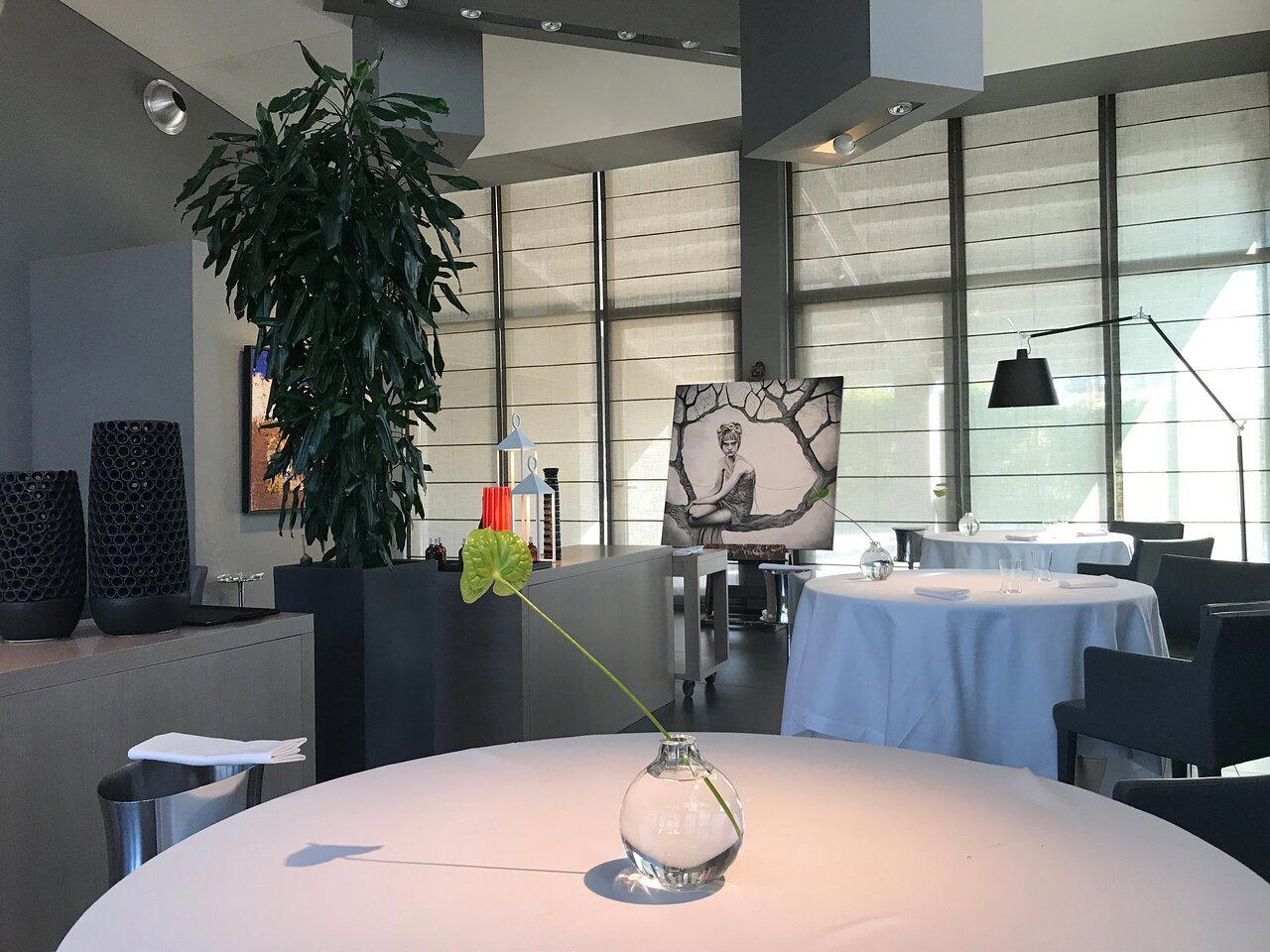
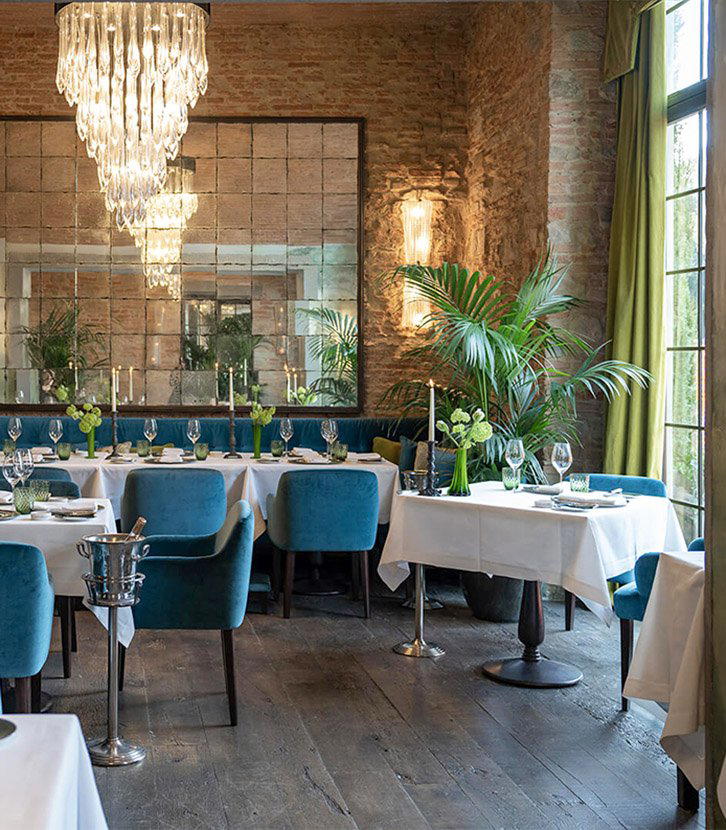
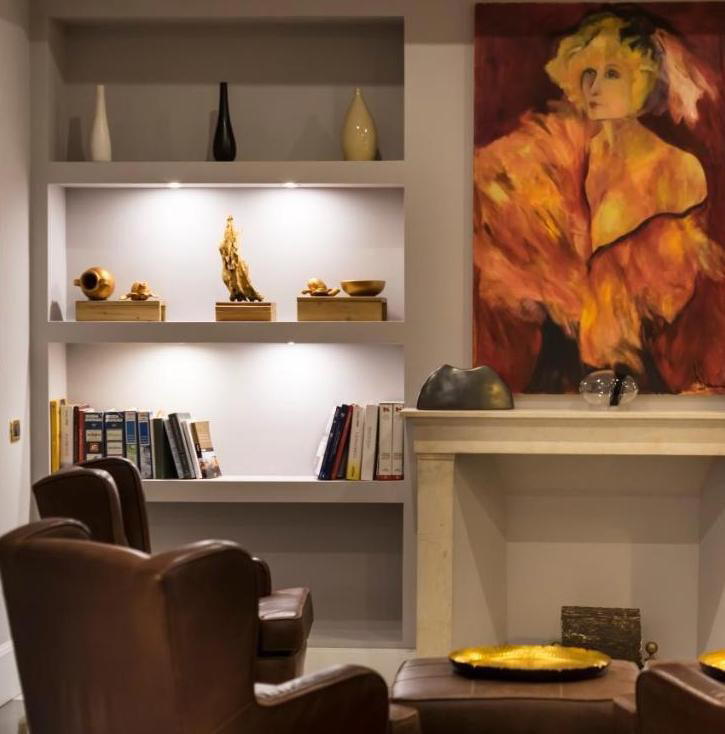
Contemporary decor with minimalist, elegant, light and bright interiors, well-spaced tables, and refined mise en place creating an inviting and sophisticated atmosphere.