Roka
Our verdict
Roka brings its signature robatayaki-anchored format to As Sulimaniyah, Riyadh's most restaurant-dense district, where the Japanese-inflected dining scene has grown markedly in the past three years. The format — live charcoal cooking, shared plates, a sustained bar program — attracts a clientele that returns on rhythm rather than occasion. For those tracking Riyadh's evolving upper-mid dining tier, it is a useful reference point.

Pearl is the En Primeur Club membership app — saves, bookings, and concierge access live there. Same editors, same standards.
- Address
- 5140 Prince Muhammad Ibn Abd Al Aziz, As Sulimaniyah, Riyadh 12243, Saudi Arabia
- Phone
- +966920012327
- Hours
- Mon–Wed 1 PM–12 AMThu–Fri 1 PM–12:30 AMSat–Sun 1 PM–12 AM
- Website
- rokarestaurant.com
- Directions
- Get directions
- Booking
- Book on SevenRooms
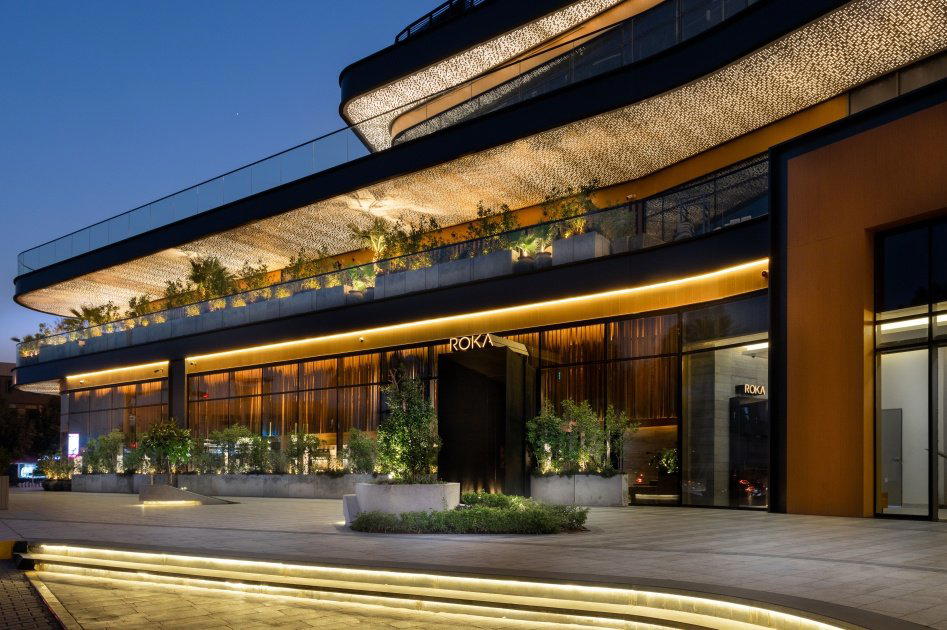
The menu
What to order
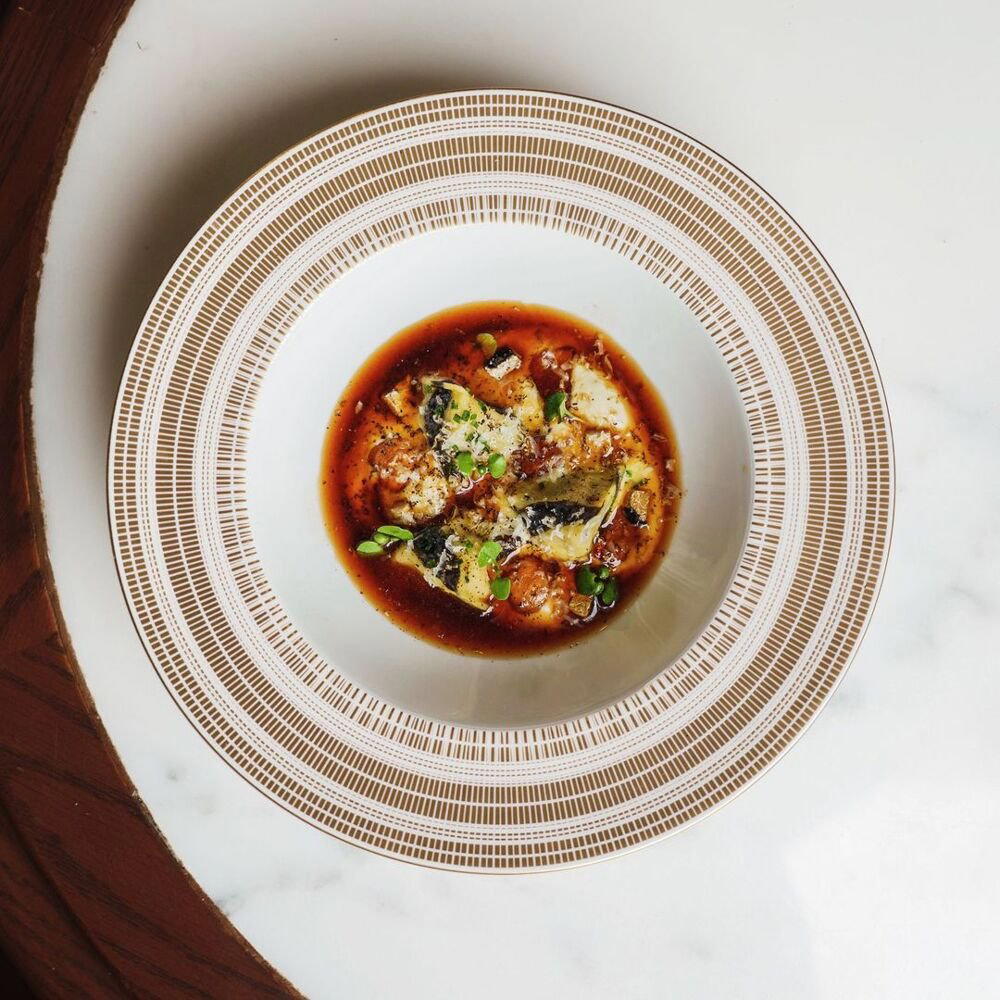
- Dynamite spicy shrimp tempura roll
- Yuzu miso black cod
- Braised beef short rib
What the Regulars Know About Roka Riyadh
As Sulimaniyah has quietly become the neighbourhood that sets the register for Riyadh's mid-to-upper dining scene. Prince Muhammad Ibn Abd Al Aziz road runs through a corridor where the competition is dense and the audience is both local and internationally well-travelled. In this context, venues don't survive on novelty alone — they earn repeat custom through consistency of format, quality of execution, and the kind of unwritten hospitality that regulars notice long before critics do. Roka, on this stretch, is precisely that kind of operation.
The Roka group established its reputation across London, Miami, and Dubai before arriving in the Saudi capital, and the global footprint matters here not as a marketing credential but as a signal of format discipline. Japanese robatayaki — grilling over bincho charcoal at the counter, is a technique that requires both the right sourcing infrastructure and a team that understands heat management at the level of craft. In cities where that infrastructure exists, the format creates a distinctive dining rhythm: slower than a standard à la carte meal, more communal than a tasting menu, and driven as much by the counter experience as by what arrives on the plate.
The Format That Keeps People Coming Back
What robatayaki dining does particularly well, and what its regulars understand instinctively, is that the meal isn't front-loaded. In formats where dishes arrive in a fixed sequence, the experience is linear. At a robatayaki counter, the meal breathes, proteins arrive when the grill dictates, small plates fill gaps, and the pace adjusts to the table rather than to a kitchen timer. Regulars exploit this: they know which plates to order early, which to hold back, and where the kitchen's attention is sharpest during service.
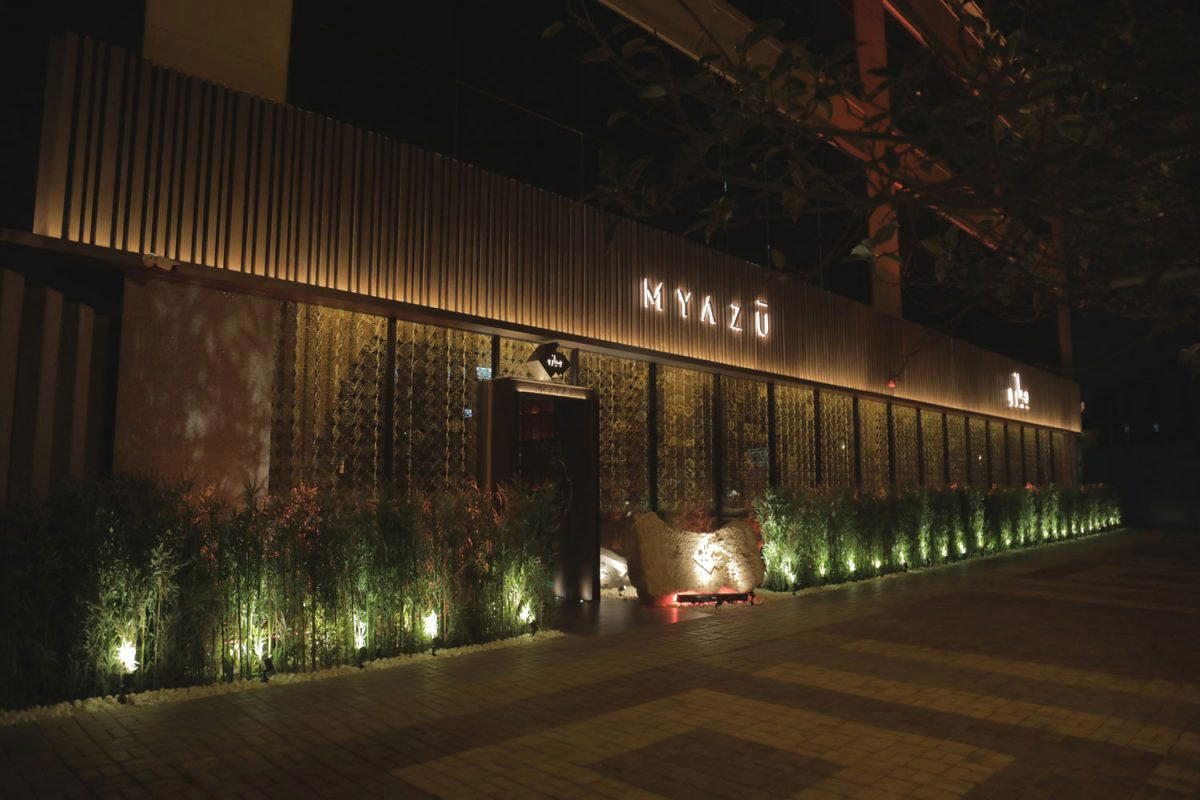
This dynamic is familiar to anyone who has tracked the Japanese dining category across the Gulf. Myazu in Riyadh operates within a similar Japanese-inflected register, while Takara in Khobar and Kuuru in Jeddah reflect how Japanese technique has spread across the Kingdom's dining circuit. Roka's position in this network is as the format's most internationally tested version, a benchmark against which the others are often measured, fairly or not.
What makes regulars return to a robatayaki venue specifically is rarely a single dish. It is the counter itself: the visibility of the fire, the directness of the relationship between cook and guest, and the way the menu functions as a frame rather than a script. Experienced diners at this kind of venue tend to build their own ordering logic over visits, and that accumulated knowledge is the real draw.
Where Roka Sits in Riyadh's Restaurant Scene
Riyadh's dining sector has undergone a documented shift since 2019, accelerated through Vision 2030 hospitality investment. The upper tier now includes venues operating at price points and format ambitions that would have been unusual five years ago. But not all of this growth has been in the same direction: some venues have chased scale and spectacle, while others have stayed closer to craft-driven, lower-capacity formats. Roka belongs to the latter group, where the dining room's energy comes from proximity rather than volume.
Peers in Riyadh's upper-mid tier include Marble, which operates in the premium steakhouse register, and Benoit, which leans into classic French bistro form. Aseeb represents a different point on the spectrum, Saudi cuisine rendered with contemporary technique, a category that has grown significantly in visibility and critical attention.
What distinguishes Roka's position is the relative scarcity of credentialed robatayaki in the city. Japanese dining in Riyadh has expanded rapidly, but robatayaki as a live-fire counter format remains less common than sushi or ramen-adjacent concepts. That scarcity gives Roka a specific niche, one that its regulars have claimed with some loyalty.
Riyadh in a Wider Saudi Context
Saudi Arabia's restaurant circuit now extends well beyond Riyadh and Jeddah, as the openings in AlUla and the growing scene in secondary cities demonstrate. Banyan Tree AlUla in AlUla reflects the heritage-adjacent hospitality model that has attracted significant international attention, while the casual end of the market, represented by operators like Shawarmer (شاورمر) in Shaqra, shows how quickly national chains have industrialised Saudi street food. Roka operates at neither extreme: it is a full-service, technically demanding restaurant format positioned for a metropolitan audience that travels internationally and eats comparatively.
That audience matters for understanding what Roka's regulars actually want. These are diners who have eaten at Roka's London or Dubai outposts, or who have benchmarked this style of dining against venues like Le Bernardin in New York City or Atomix in New York City, references that set a standard for format discipline and precision. Consistency with those reference points, rather than novelty, is what keeps the regulars' bookings on the calendar.
Planning Your Visit
Roka Riyadh is located at 5140 Prince Muhammad Ibn Abd Al Aziz, As Sulimaniyah, a district well-served by ride-hailing apps and centrally positioned relative to Riyadh's main hotel cluster. For first-time visitors, the most practical approach is to book in advance: As Sulimaniyah venues at this level fill on weekend evenings, and the robatayaki counter specifically rewards a seat that gives you sight lines to the grill. Tables further from the counter function more like conventional dining; the counter experience is different in tempo and feel. Walk-in availability exists on quieter weeknights but is not reliable on Thursdays and Fridays, when the neighbourhood's foot traffic peaks. Booking through the venue's reservation line or a concierge at one of the nearby hotels is the more dependable route.
Frequently asked questions
How do I find Roka?
Roka is located at 5140 Prince Muhammad Ibn Abd Al Aziz, As Sulimaniyah, Riyadh 12243, Saudi Arabia, Riyadh.
How does Roka Riyadh compare to other locations in the global Roka group?
The Roka group operates across London, Dubai, Miami, and now Riyadh, with each location built around the same robatayaki-anchored format that established the brand in London. The As Sulimaniyah address places Roka within Riyadh's mid-to-upper dining corridor, a neighbourhood that has drawn significant restaurant investment since 2019 under Vision 2030 hospitality development. The core format and grill-centred menu structure remain consistent across the group.
What do people recommend at Roka?
Regulars at Roka Riyadh anchor their orders around the robatayaki grill program — dishes cooked over bincho charcoal — rather than the supplementary menu sections. The charcoal-driven format is the through-line across all Roka locations, from London to Dubai, and Riyadh follows the same structure. Starting with the grill is the approach that repeat visitors consistently return to.
Do they take walk-ins at Roka?
Walk-ins are possible at Roka Riyadh, particularly on Sunday through Tuesday evenings when foot traffic in As Sulimaniyah runs lighter. Thursday and Friday nights, which align with the Saudi weekend, see heavier demand across the neighbourhood. A reservation is the more reliable approach if your schedule is fixed.
Category Peers
Comparable venues nearby, for context on price, style, and recognition.
| Venue | Cuisine | Price | Awards | Notes |
|---|---|---|---|---|
| RokaThis venue — the venue you are viewing | Modern Japanese Robatayaki | $100–150 | Not listed | Not listed |
| Tokyo (طوكيو) | Authentic Japanese Fusion | $100–150 | Not listed | As Sulimaniyah |
| The Rubi Room at Hōchō | Creative Omakase with Halal Kobe Beef | Not listed | Michelin Plate | Al Hada |
| PORTERHOUSE | Modern Steakhouse | $50–100 | Not listed | العليا |
| TOKYO | Authentic Japanese Fusion | $100–150 | Not listed | Al Woroud |
| MAMO Michelangelo | Italian-Provençal | $50–100 | Not listed | Al Olaya |

Details
- Modern
- Elegant
- Sophisticated
- Trendy
- Date Night
- Business Dinner
- Group Dining
- Special Occasion
- Open Kitchen
- Terrace
- Sake Program
- A La Carte
- Small Plates
- Tasting Menu
- Pescatarian Friendly
Current opening hours
- Monday
- 1 PM–12 AM
- Tuesday
- 1 PM–12 AM
- Wednesday
- 1 PM–12 AM
- Thursday
- 1 PM–12:30 AM
- Friday
- 1 PM–12:30 AM
- Saturday
- 1 PM–12 AM
- Sunday
- 1 PM–12 AM
Hours can change for holidays and private events. Last verified .
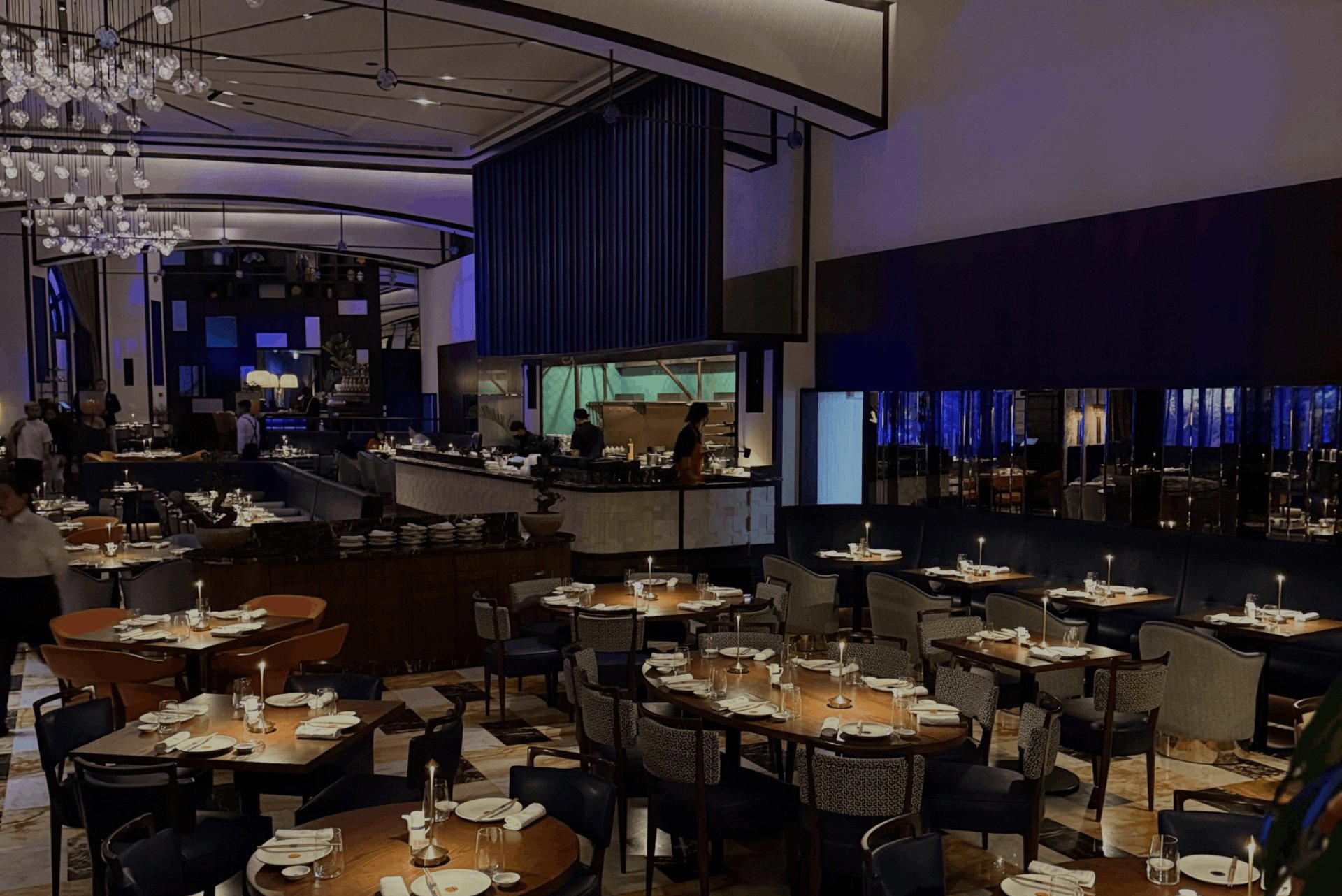
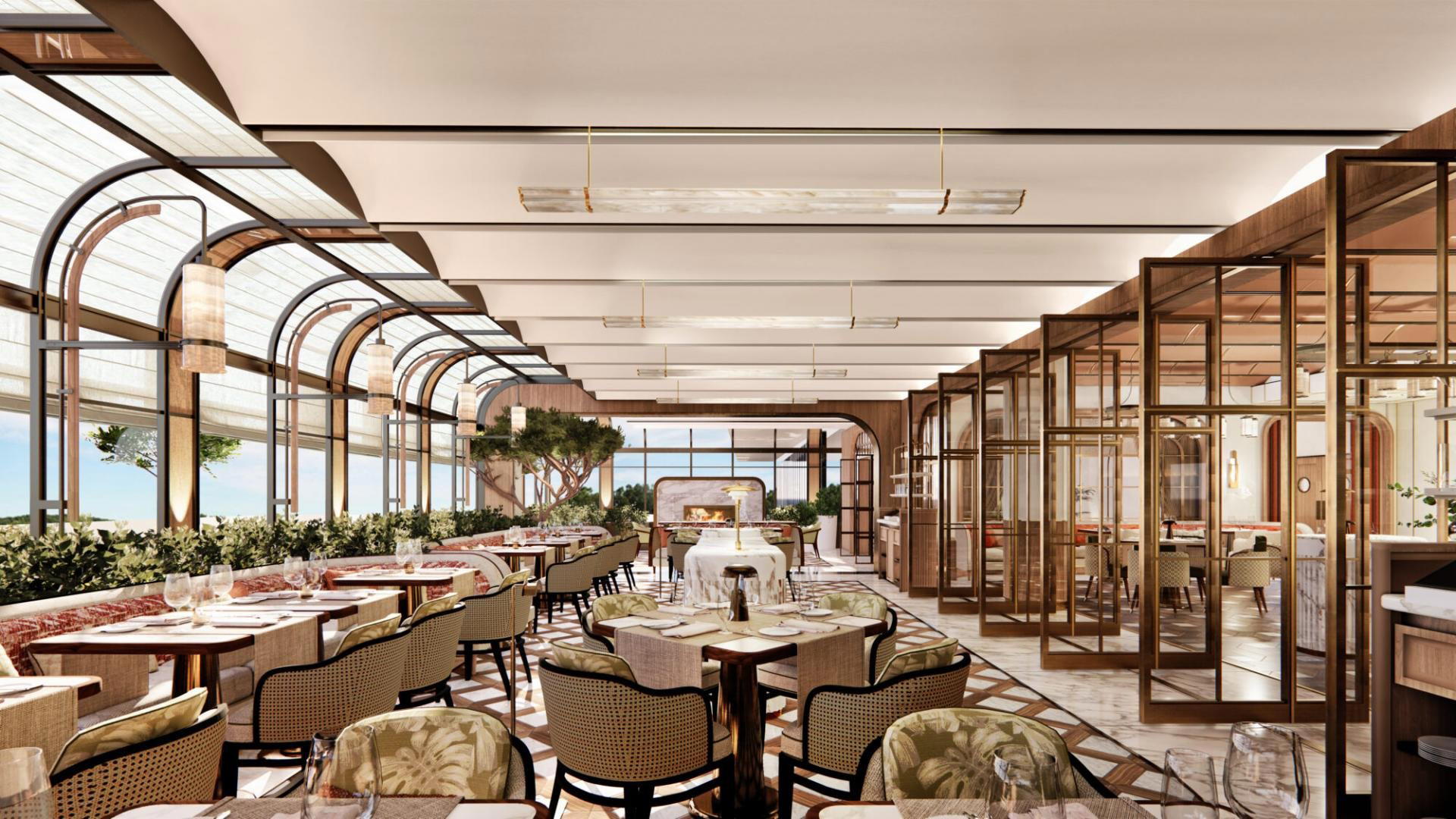
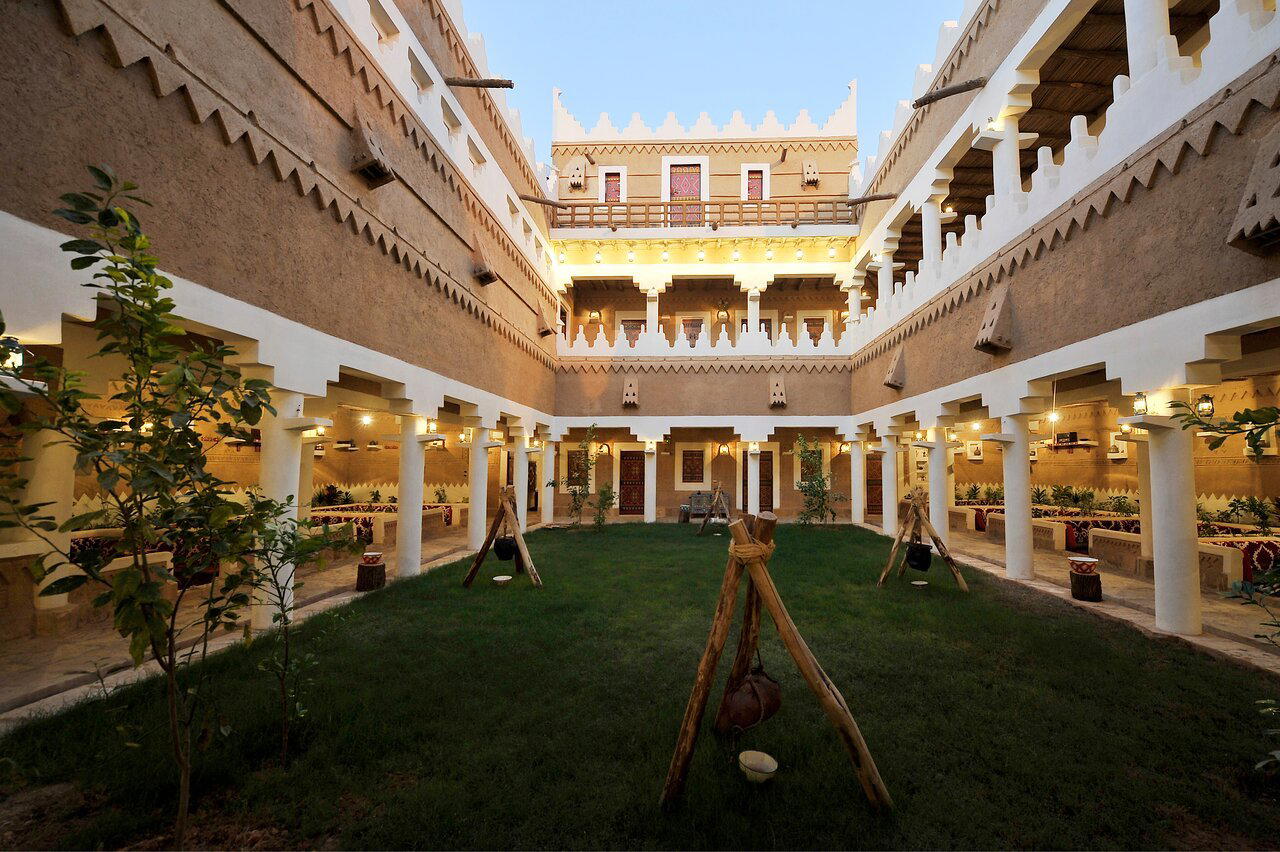
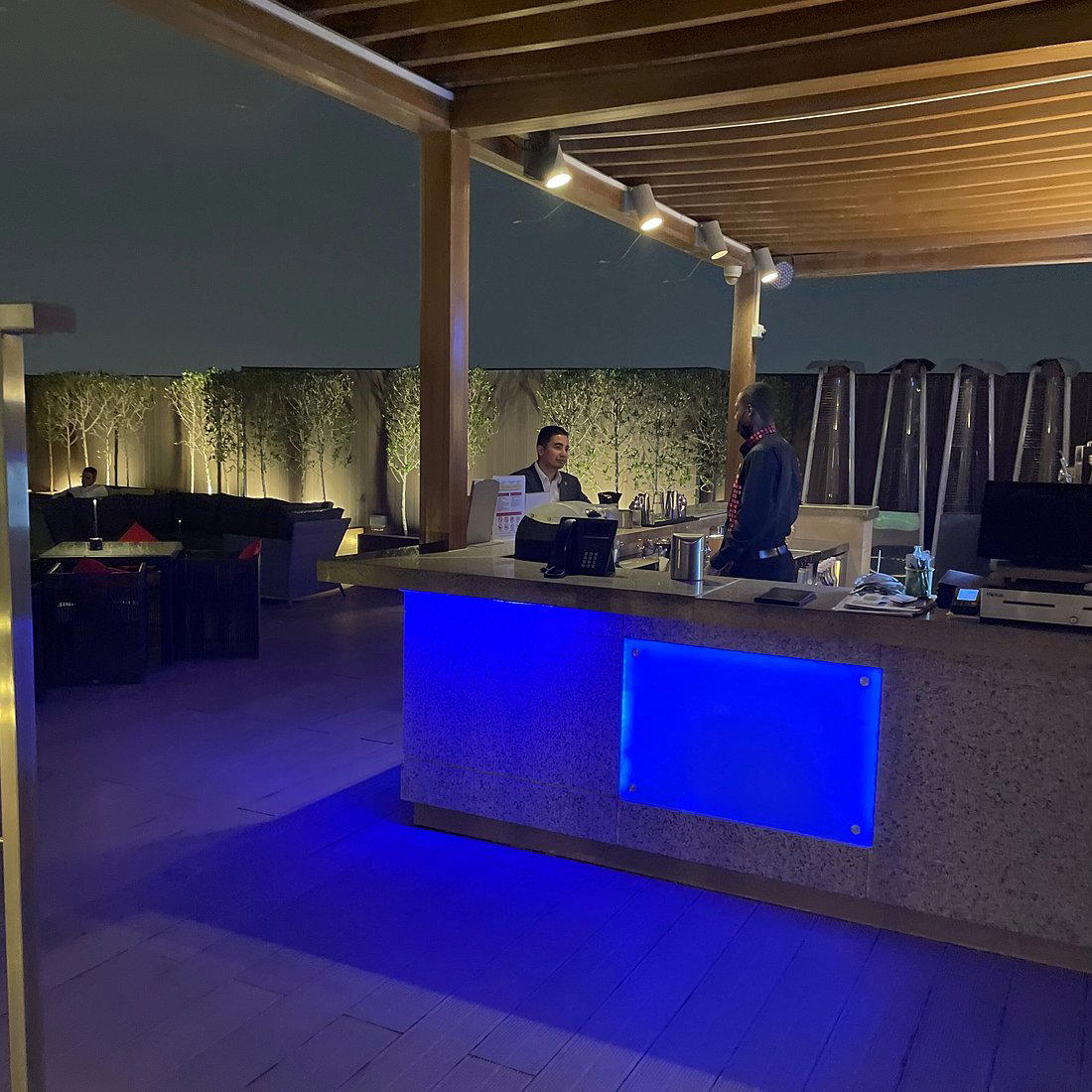
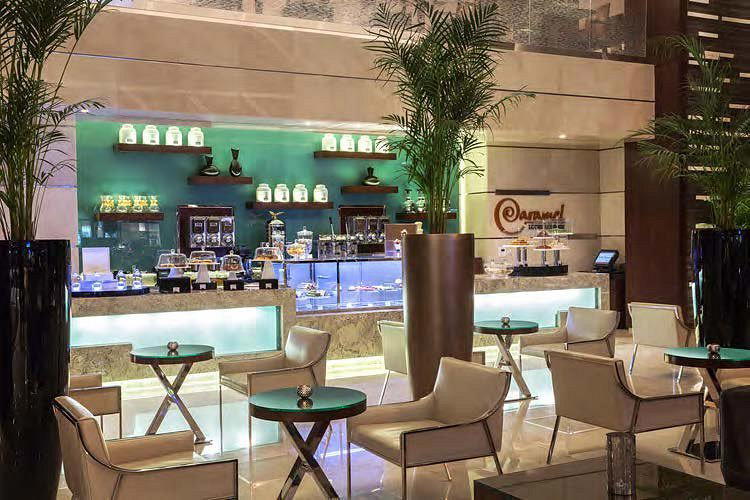
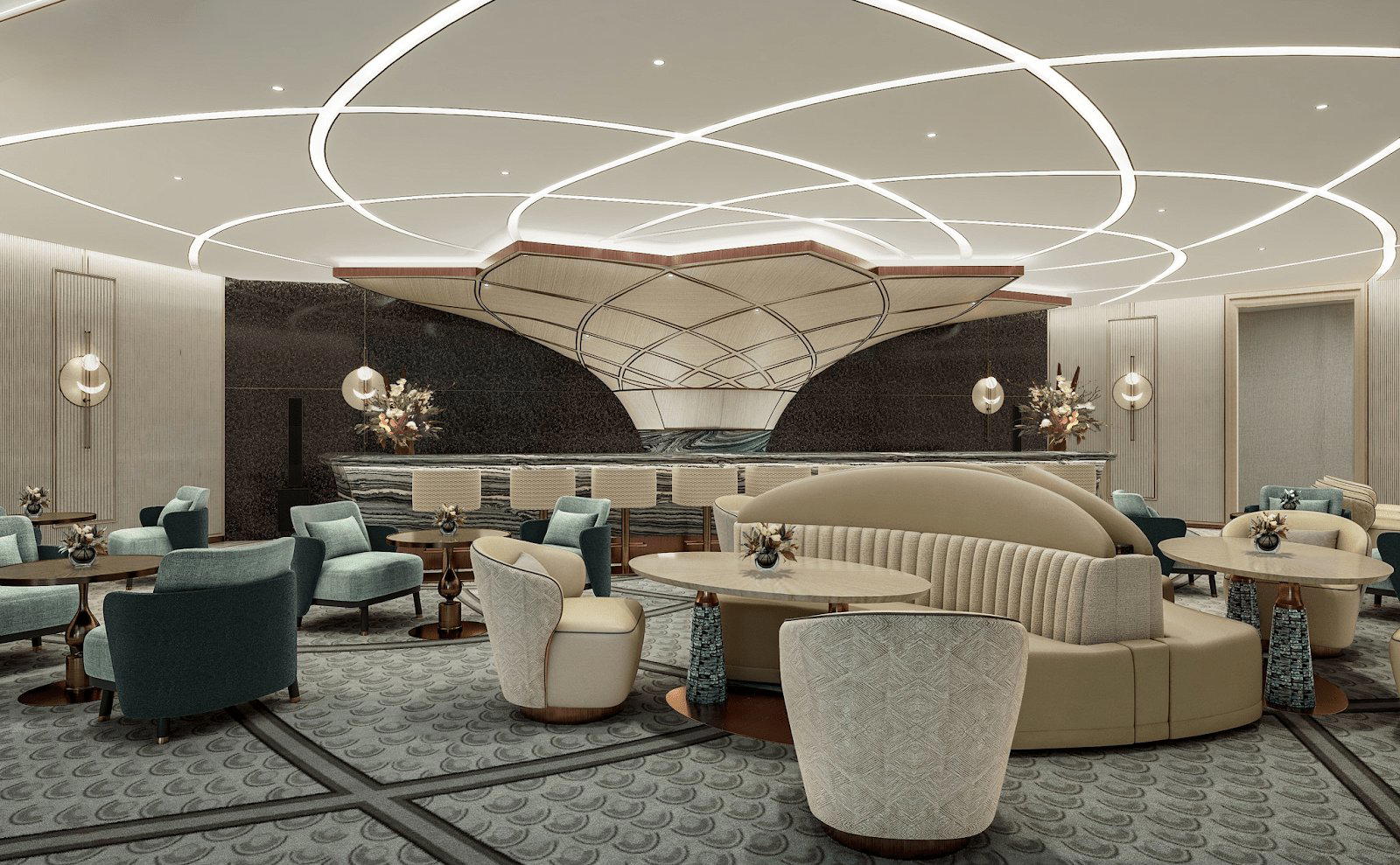
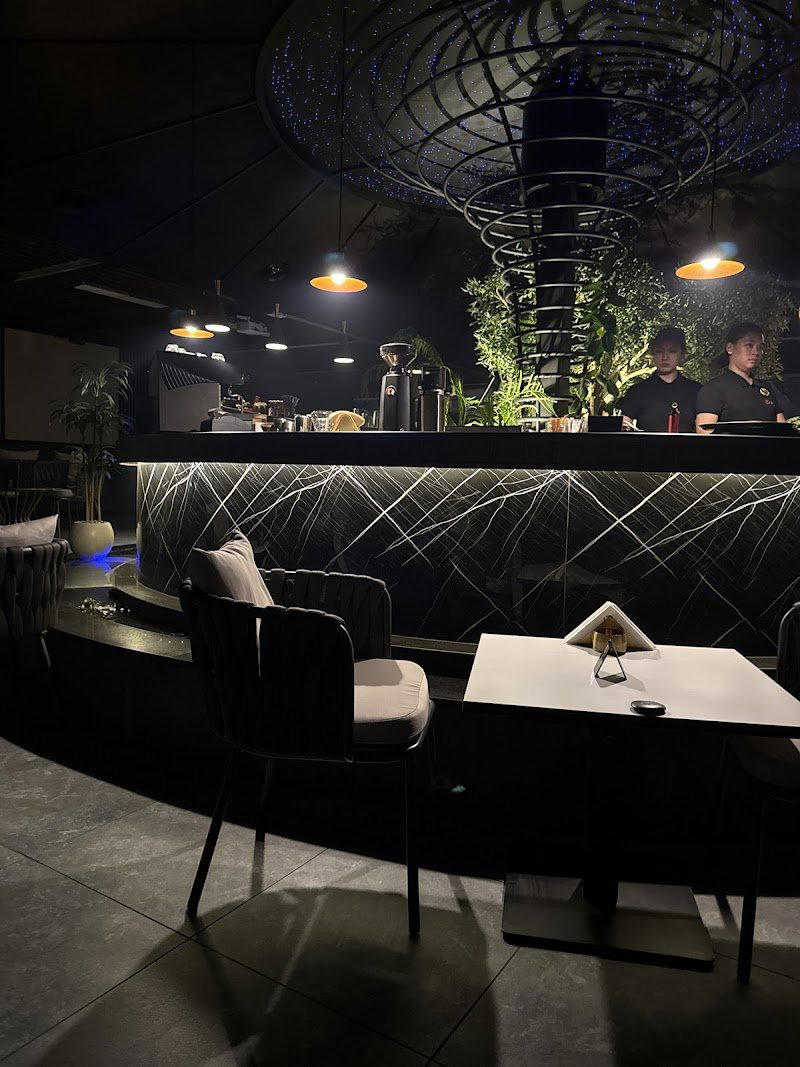
Sleek modern interior with live edge wooden counters, antique timber, Japanese rice paper walls, well-suited lighting, cozy and classy atmosphere, and a serene landscaped terrace oasis.