Takara

Our verdict
In Al Khobar's Al Yarmouk district, Takara occupies a position worth understanding in the context of the Eastern Province's evolving dining scene. The name — Japanese for 'treasure' — signals culinary intent in a city where Japanese cuisine has carved a serious niche among Gulf residents who travel frequently and eat accordingly. A reservation here requires planning, and the neighbourhood setting rewards those who know where to look.

Pearl is the En Primeur Club membership app — saves, bookings, and concierge access live there. Same editors, same standards.
- Address
- 3952 7332 22nd St, Al Yarmouk, Al Khobar 34412, Saudi Arabia
- Phone
- +966503830505
- Hours
- Mon–Wed 3 PM–12 AMThu–Fri 1 PM–1 AMSat 1 PM–12 AMSun 3 PM–12 AM
- Website
- takarasaudi.com
- Directions
- Get directions
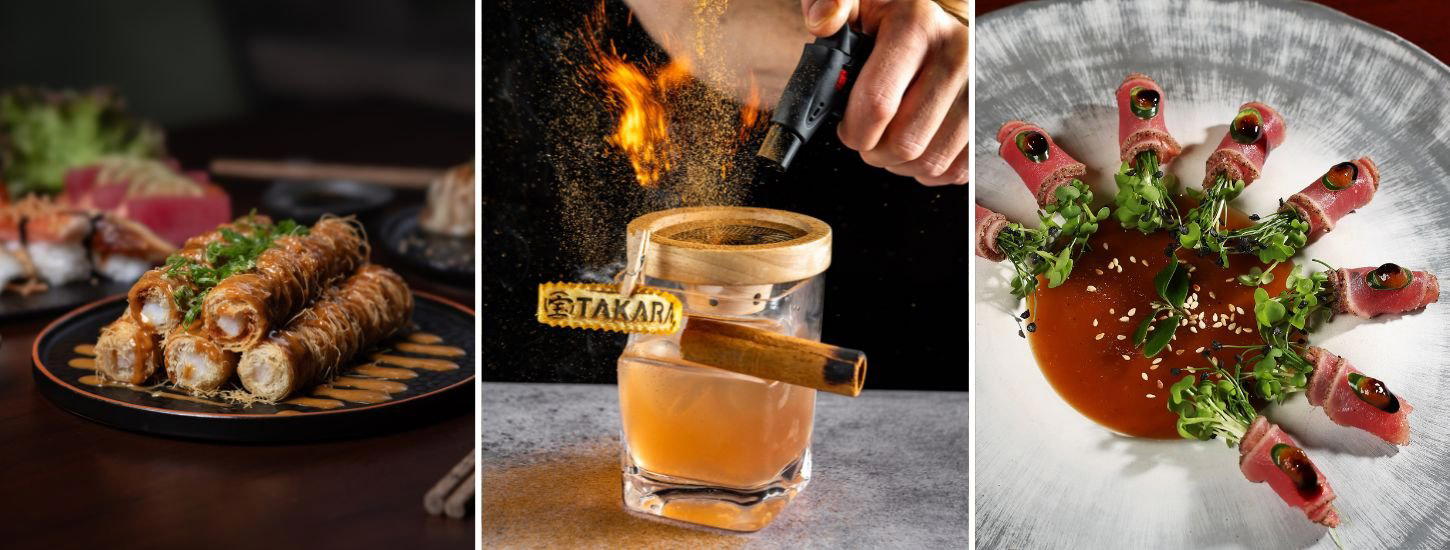
The menu
What to order
- Kunafa Shrimp
- Reema Maki
- Wagyu in Hot Stone
- TAKARA Miso
Al Khobar and the Japanese Dining Tier
The Eastern Province has developed a dining culture shaped by two forces: the oil industry's decades-long import of international professionals, and a Saudi middle class with increasingly specific expectations about what Japanese food should actually taste like. Al Khobar, sitting across the causeway from Bahrain, has absorbed both influences more directly than Riyadh or Jeddah. The result is a city where Japanese restaurants are not novelties but compete on technique, sourcing, and format. Takara, located on 7332 22nd Street in the Al Yarmouk district, operates within that competitive tier.
Al Yarmouk is one of Al Khobar's more established residential and dining corridors, with a density of mid-to-upper-range venues that draw a consistent local and expat crowd rather than tourist traffic. The area has none of the spectacle of newer Saudi dining precincts, which is part of its functional appeal: the crowd here is eating, not performing. For a venue whose name translates from Japanese as 'treasure,' the low-profile address is appropriate. You find it because you already know about it, not because a developer pointed you there. For a broader map of where Takara fits in the city's dining options, our full Khobar restaurants guide provides the context.
Ingredient Sourcing and What It Means in This Market
Japanese cuisine's credibility anywhere outside Japan depends heavily on one question: where does the protein come from? In the Gulf, this matters more than in most markets because the supply chain is genuinely complex. Premium Japanese ingredients — A5 wagyu, live seafood, aged fish — arrive via a small number of specialist importers serving the UAE, Bahrain, and Saudi Arabia. The venues that commit to sourcing from those channels look and taste different from those that substitute regional alternatives and dress them in Japanese aesthetics.
The Eastern Province's geographic position helps. Al Khobar is close enough to Bahrain's more permissive import infrastructure that sourcing options are wider than in landlocked Saudi cities. Restaurants in this corridor have historically had earlier and more consistent access to chilled Japanese imports than their counterparts in, say, Riyadh's interior districts. That structural advantage does not guarantee quality, but it creates the conditions under which quality becomes possible. Venues in Jeddah face different logistical realities, as you can see in how a place like Kuuru in Jeddah has addressed the Red Sea city's distinct supply environment.
The comparison point worth making is regional: Japanese restaurants in Gulf cities that source credibly tend to anchor their menus around a smaller number of preparations that showcase the ingredient rather than a broad menu that dilutes sourcing discipline. The direction of a menu, focused versus expansive, often tells you more about a kitchen's sourcing commitments than any marketing claim about freshness.
The Scene on a Given Evening
Al Yarmouk's dining rhythm is characteristically Gulf: dinner service begins late by European standards, with the serious crowd arriving after nine. The neighbourhood's relative quietness compared to the newer entertainment districts means that atmosphere inside a venue carries more weight. Lighting, acoustics, and table spacing become the primary variables, because there is no street theatre outside to set the mood on arrival.
Japanese dining formats in the Gulf have split into two visible streams. The first is the high-volume, theatrical sushi-and-teppanyaki model aimed at families and group celebrations, with menus running to dozens of items. The second is a tighter, more deliberate format where the menu is shorter, preparation is more visible, and the transactional noise is lower. The Eastern Province supports both, and the distinction matters when you are choosing where to go. A venue's address in Al Yarmouk, rather than a busier entertainment strip, is a mild signal about which stream it occupies, though format specifics require verification on the ground or through current booking channels.
For reference points on what focused Japanese dining looks like at the format's international ceiling, Atomix in New York City and 8 1/2 Otto e Mezzo Bombana in Hong Kong each illustrate how disciplined sourcing and compressed menus operate in award-context environments. The Gulf's leading Japanese venues are not there yet in critical recognition terms, but the trajectory is clear in cities like Al Khobar, where the demand has been running ahead of the supply of venues that can meet it credibly.
How Takara Sits Against Regional Peers
Saudi Arabia's wider restaurant scene has been developing rapidly, with Riyadh attracting the most international attention and investment. Aseeb in Riyadh represents the kind of concept that has emerged from the capital's recent dining surge. Al Khobar's development has been quieter but longer-running, built on the city's established expat infrastructure rather than Vision 2030 investment cycles. That means venues here have often had to earn their audience through consistency over years rather than through launch momentum.
The broader Saudi dining picture includes a wide range of formats and price points across the Kingdom's cities, from kol restaurant in Jizan to the kind of neighbourhood staples you find documented in places like Shawarmer in Shaqra. Japanese dining in Al Khobar occupies a specific middle-upper tier in that landscape, priced above casual and below the white-tablecloth international hotel formats. For international comparison, the way Le Bernardin in New York City has made ingredient sourcing the foundation of its entire critical reputation illustrates how sourcing discipline translates into sustained recognition, a model the Gulf's better Japanese venues are beginning to apply at a regional scale.
Other Saudi destinations worth referencing for comparative context include Banyan Tree AlUla in AlUla, which represents the premium resort dining model, and yello in Ad Diriyah, positioned within the heritage district development. Al Khobar's independent dining scene, where Takara operates, is a distinct category from both. For those approaching the Eastern Province from an international dining reference frame, venues like Lazy Bear in San Francisco and Emeril's in New Orleans offer different models of how a committed regional restaurant builds a reputation over time outside a capital city context. Also worth noting for Gulf-region contrast: Khayal Restaurant in Jeddah and Camel Burger Food Truck in Medina illustrate the range of format and price point operating simultaneously across Saudi Arabia's dining moment.
Planning a Visit
Takara's address, 3952, 7332 22nd Street, Al Yarmouk, Al Khobar 34412, places it in a navigable residential grid. Al Yarmouk is accessible by car from central Al Khobar in a short drive, and street parking is available in the district. Additional Saudi city dining context can be found across the EP Club network, including venues like 56th Avenue Diner, بيتوتي in Burayda, and Beirut Restaurant in Hafar Al Batin, which together map the breadth of the Kingdom's dining geography.
Frequently asked questions
Does Takara work for a family meal?
Takara's Al Yarmouk location in Al Khobar puts it in a residential neighbourhood that draws local families as a core demographic. Gulf dining culture runs late and multigenerational, so the evening crowd typically includes family groups alongside couples and professionals.
Is Takara better for a quiet night or a lively one?
Al Yarmouk's dining rhythm skews toward the latter half of the evening, with the serious crowd arriving after nine — a pattern consistent across Al Khobar's restaurant scene. Takara on 22nd Street sits within that residential grid, which tends to produce a more contained atmosphere than venues on the main commercial strips. Expect animated rather than rowdy: the Eastern Province dining culture is social by default, but rarely loud in the way a city-centre bar district would be.
Is Takara one of the few Japanese restaurants in Al Khobar's Eastern Province dining scene?
The Eastern Province has historically had fewer Japanese dining options than Riyadh, where international investment has been concentrated in recent years. Al Khobar's restaurant scene, shaped in part by decades of international professionals in the oil industry, does have Japanese representation, but venues with serious sourcing credibility remain a short list. Takara's position in Al Yarmouk places it within reach of the city's main residential and commercial clusters, making it a practical reference point for Japanese cuisine in the region.
What dish is Takara famous for?
Japanese restaurants operating in the Gulf market typically anchor their menus around imported protein quality — sashimi and nigiri grades are often the clearest indicator of a kitchen's sourcing commitment in this region. For the current menu, contact Takara directly at their Al Khobar address on 22nd Street, Al Yarmouk.
What's Takara's location?
Takara is located at 3952 7332 22nd St, Al Yarmouk, Al Khobar 34412, Saudi Arabia, Khobar.
In Context: Similar Options
Comparable venues nearby, for context on price, style, and recognition.
| Venue | Cuisine | Price | Notes |
|---|---|---|---|
| TakaraThis venue — the venue you are viewing | Luxury Japanese Fusion | $100–150 | Not listed |
| Benoit Riyadh | Alain Ducasse French Bistro | Not listed | King Abdullah Financial District |
| Tokyo (طوكيو) | Authentic Japanese Fusion | $100–150 | As Sulimaniyah |
| Anasa | Modern Greek coastal restaurant and bar | Not listed | Shura Island |
| Roka | Modern Japanese Robatayaki | $100–150 | Al Sulaimaniyah |
| SPAGO Saudi Arabia | Modern California Fusion | $200–300 | Al Hada |
Recognition history
Dated appearances from independent guides and award organizations, with the underlying list record or original source where available.
World Culinary Awards Saudi Arabia's Best Restaurant 2025 #1
World Culinary Awards
Details
- Elegant
- Sophisticated
- Modern
- Date Night
- Special Occasion
- Business Dinner
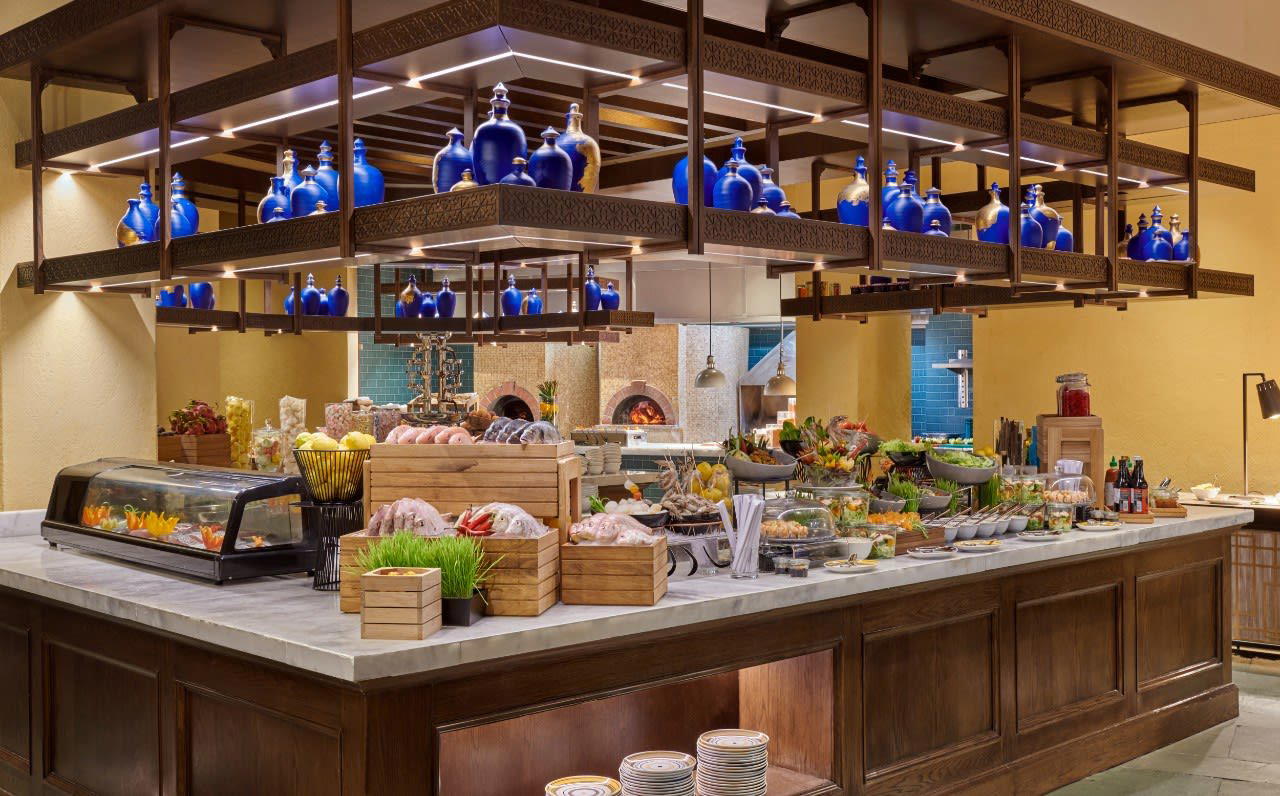
- Open Kitchen
- Sake Program
- Local Sourcing
- A La Carte
- Halal
Current opening hours
- Monday
- 3 PM–12 AM
- Tuesday
- 3 PM–12 AM
- Wednesday
- 3 PM–12 AM
- Thursday
- 1 PM–1 AM
- Friday
- 1 PM–1 AM
- Saturday
- 1 PM–12 AM
- Sunday
- 3 PM–12 AM
Hours can change for holidays and private events. Last verified .
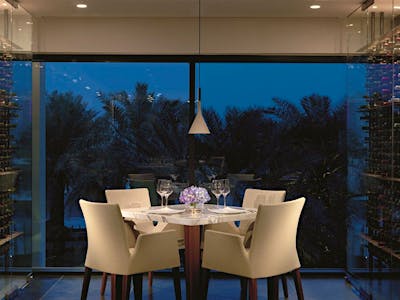
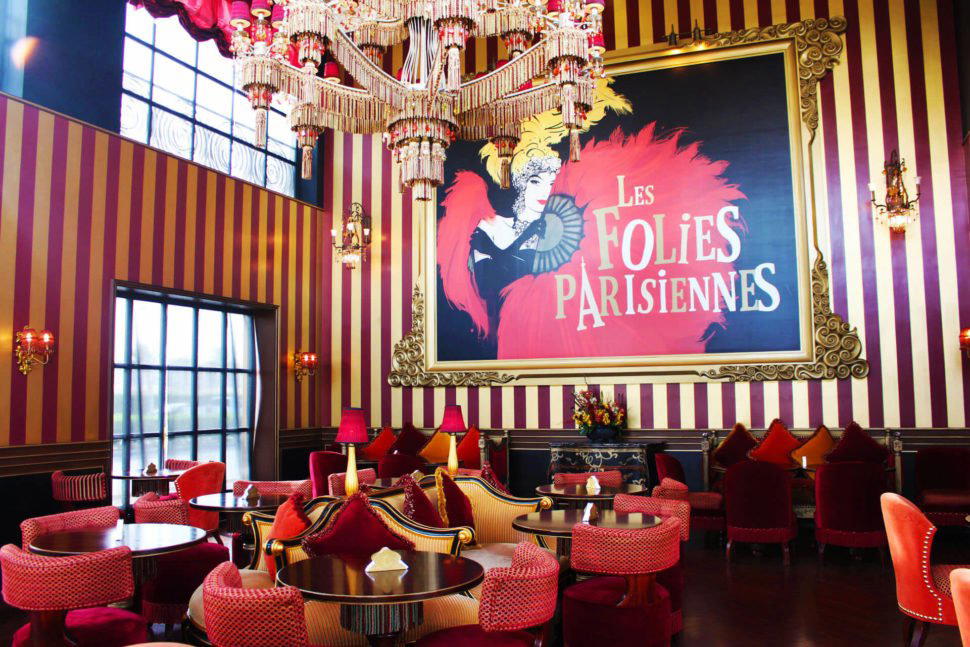
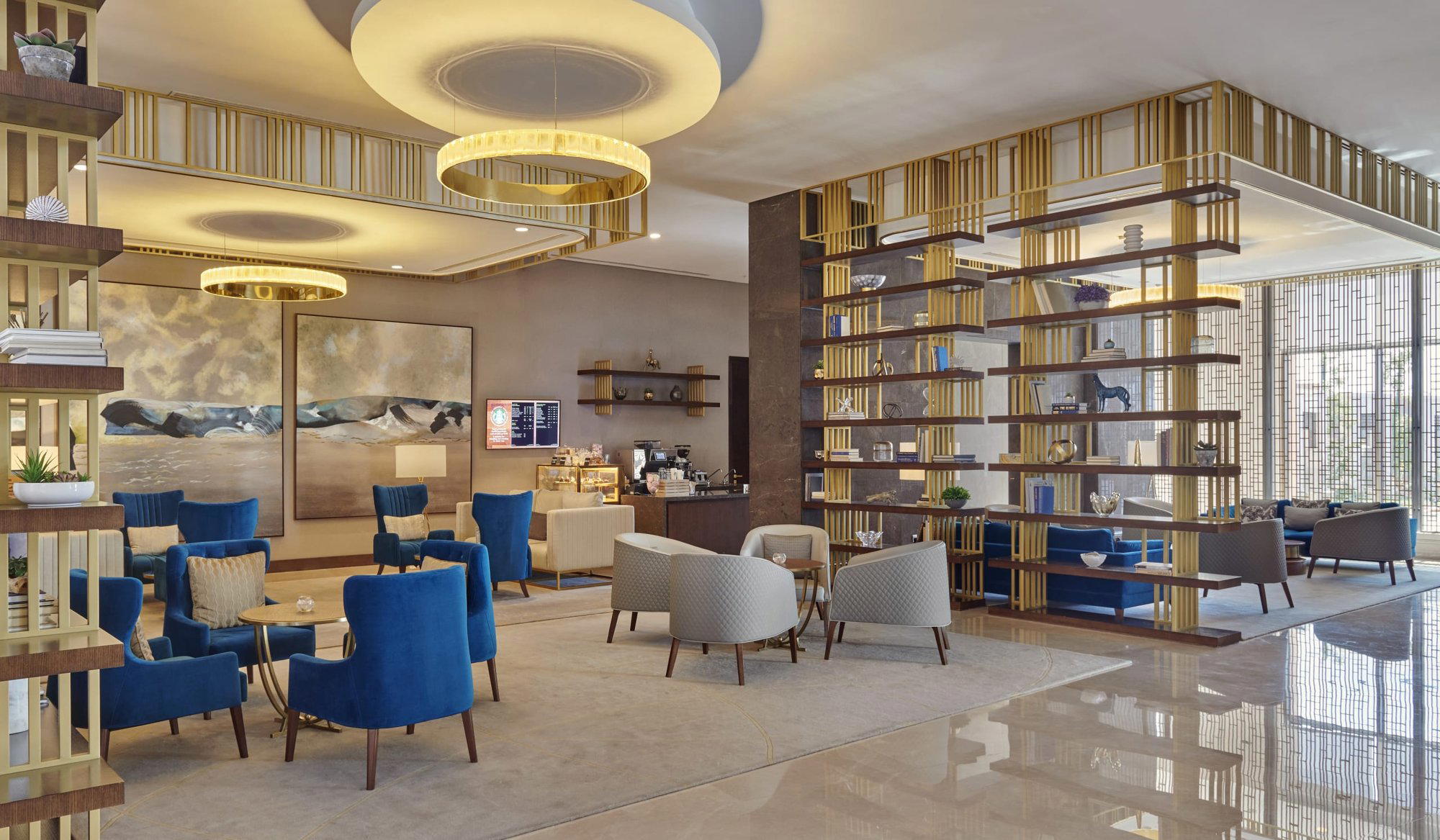
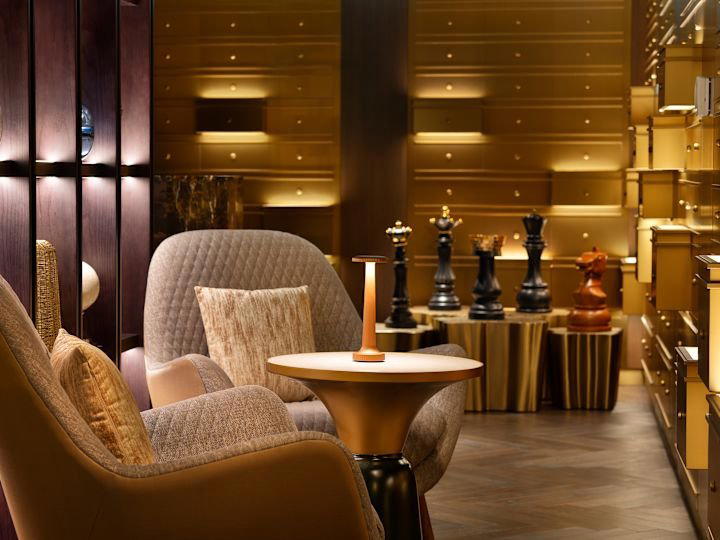
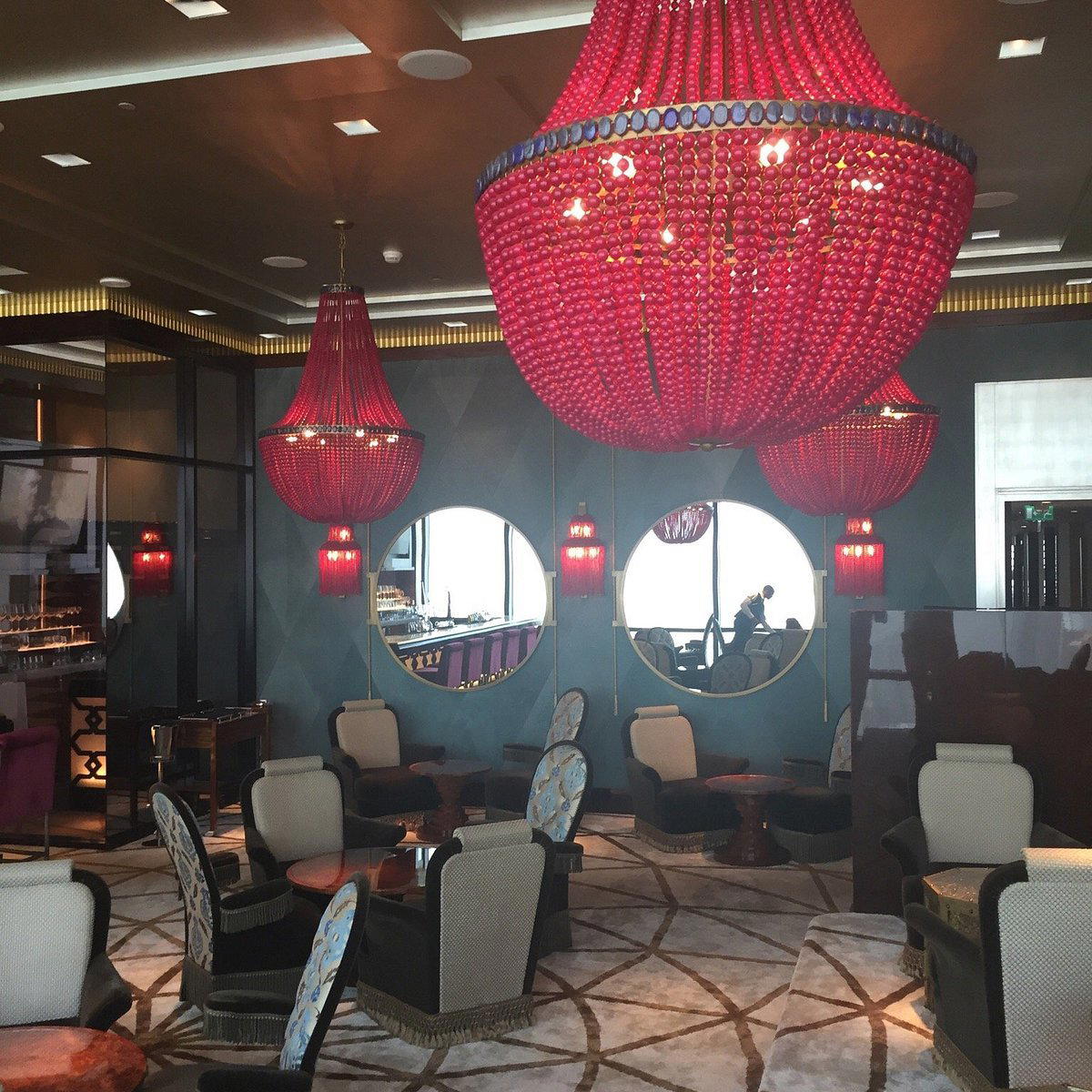
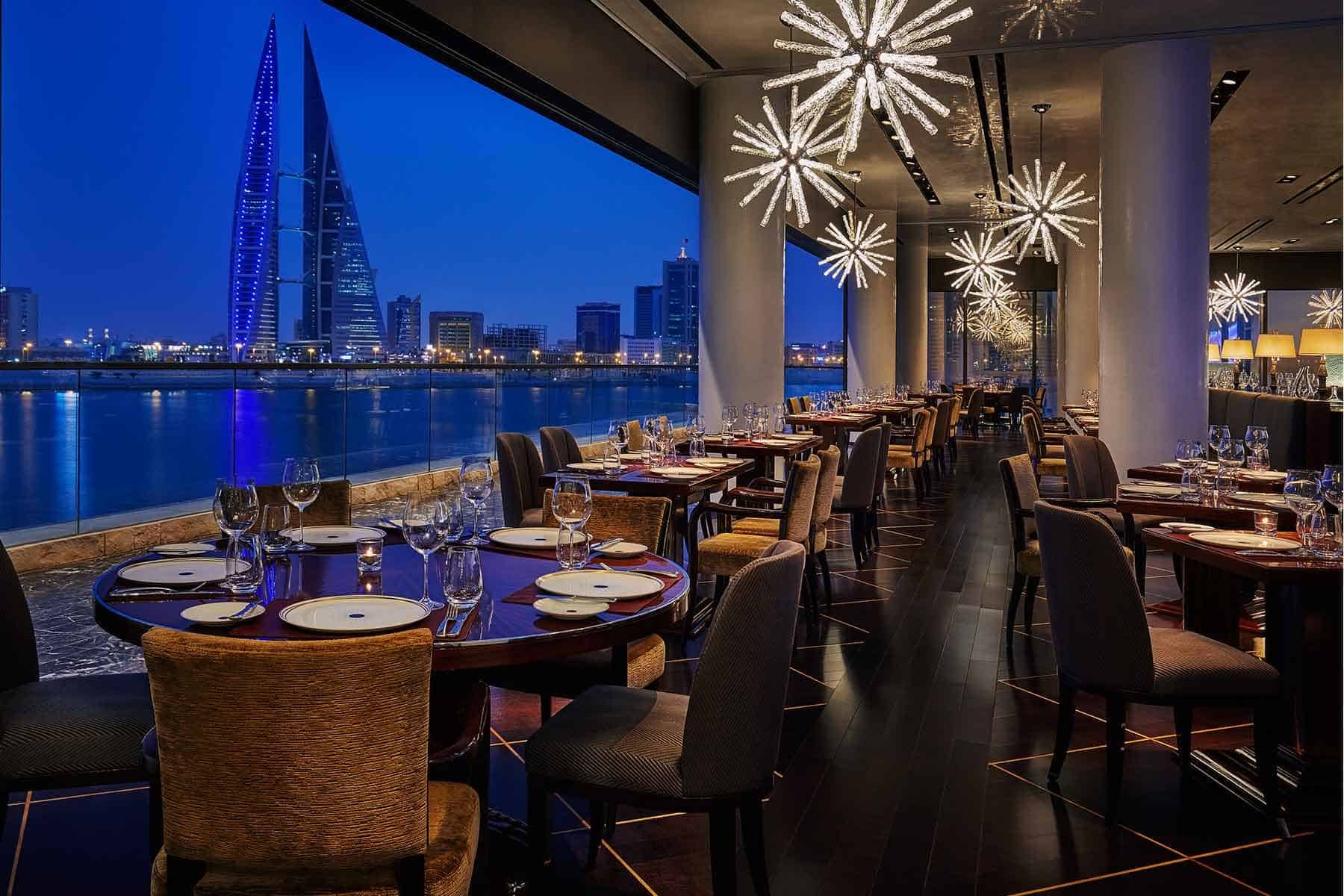
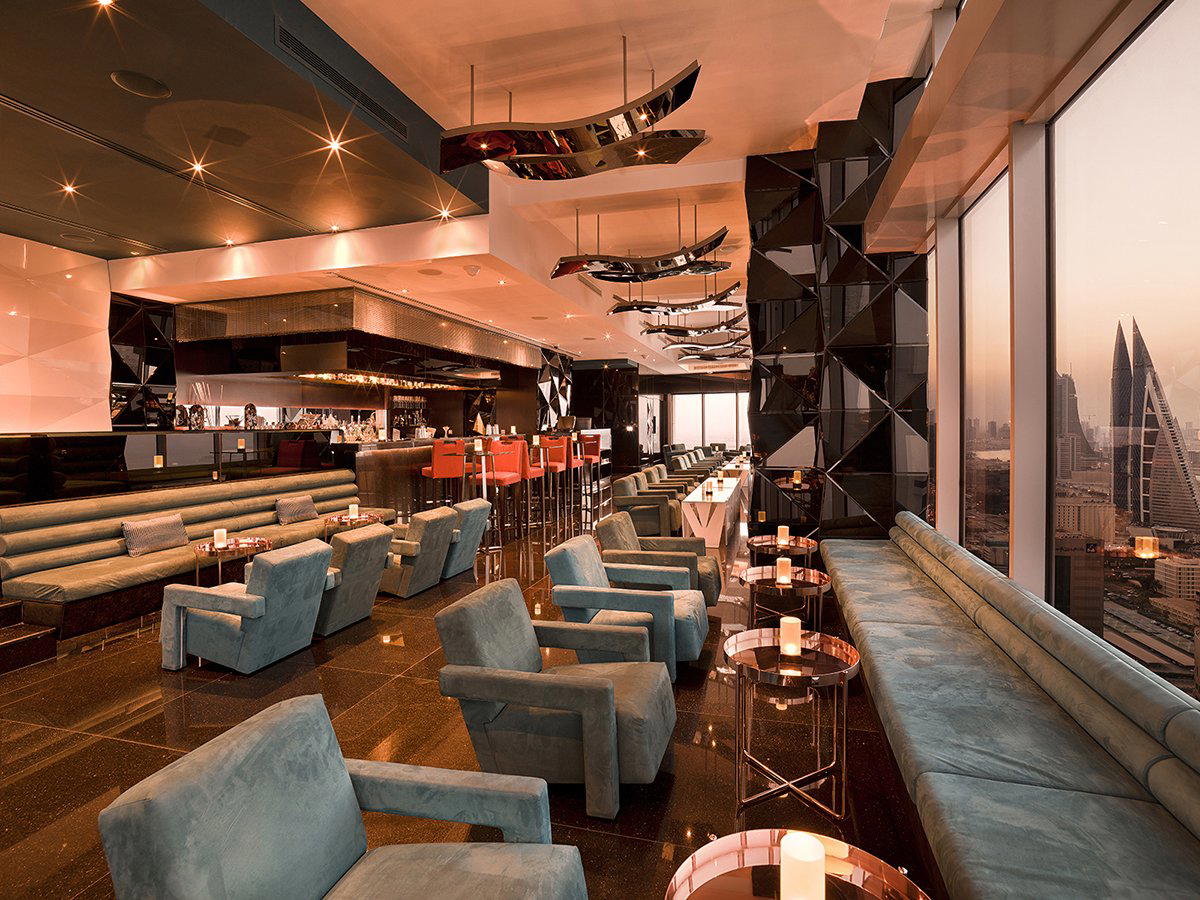
Visually dramatic and emotionally engaging luxury atmosphere celebrating Japanese gastronomy with contemporary finesse.