The Rubi Room at Hōchō

Michelin Plate
Our verdict
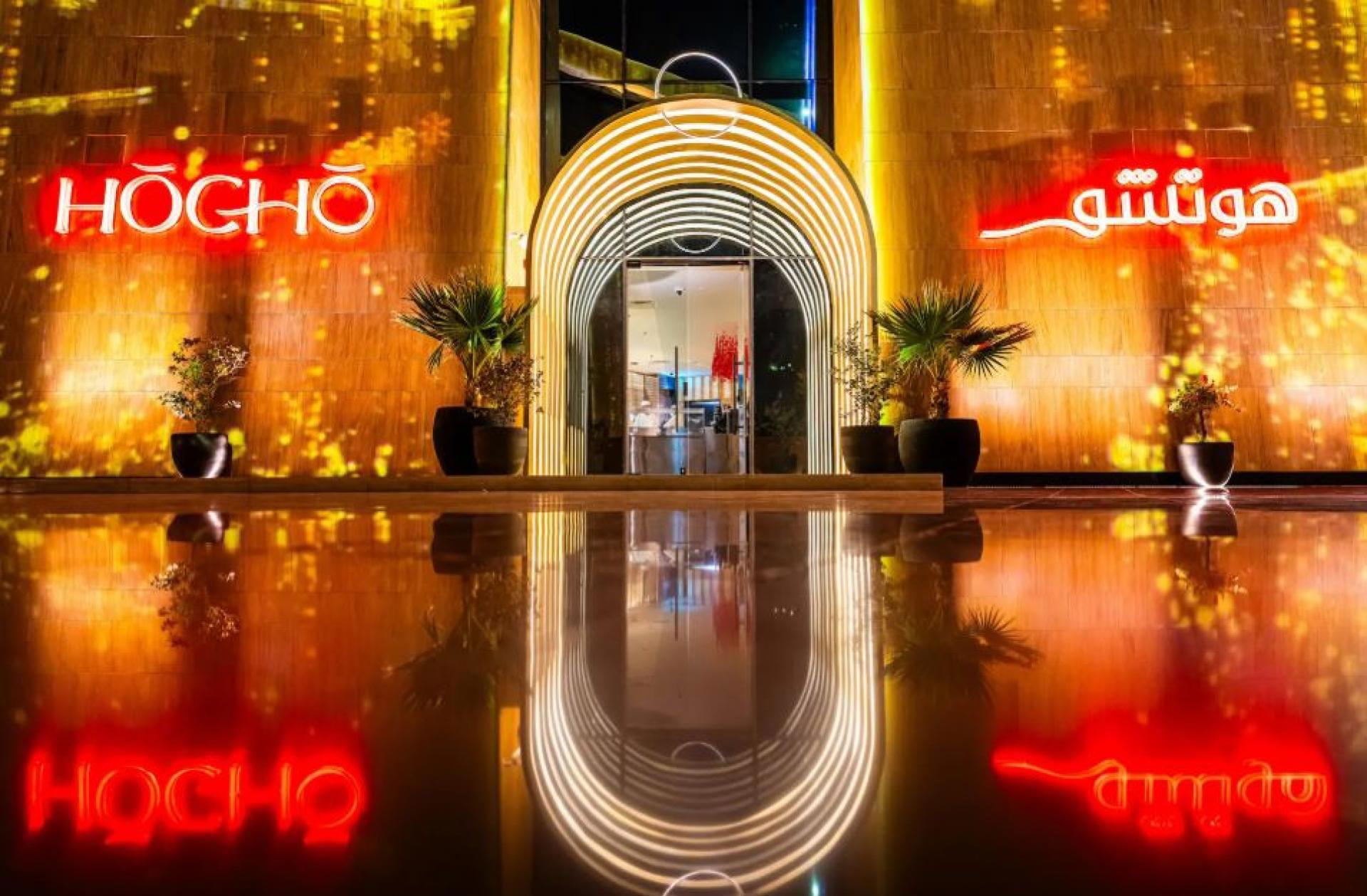
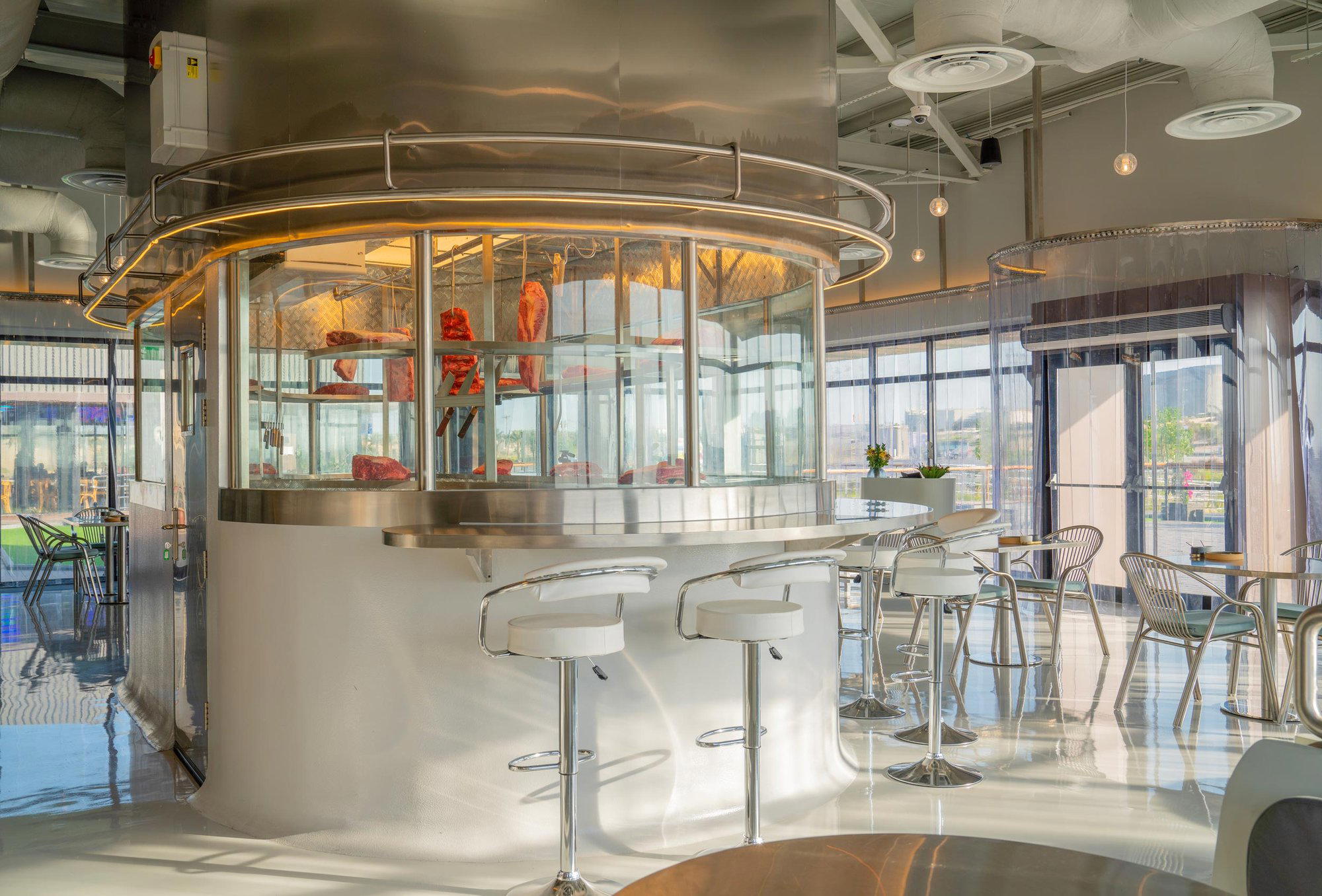
Inside VIA Riyadh's Hōchō restaurant, the Rubi Room is a private omakase counter where Chef Hassan's 19-course menu centres on halal Kobe beef prepared across multiple cuts and techniques. The format sits at the intersection of Japanese precision and modern creativity, making it one of the more considered tasting experiences in the city.

Pearl is the En Primeur Club membership app, where members save venues, book tables and use the concierge.

Inside the Room: Riyadh's Omakase Turn
The journey to the Rubi Room begins, perhaps counterintuitively, inside a mall. VIA Riyadh, the destination retail complex on Makkah Al Mukarramah Road in Al Hada, is not the kind of place that typically signals culinary seriousness. But premium dining within high-concept retail environments has become a deliberate strategy across the Gulf, where the controlled atmosphere and footfall of a curated shopping district can support formats that require advance commitment and undivided attention. The Rubi Room operates within Hōchō, and the physical layering, mall to restaurant to private room, creates a progressive separation from the outside world that the omakase format demands. By the time you are seated, the surrounding city has been architecturally edited out.
That spatial logic matters. Omakase, by its nature, asks guests to relinquish control and follow a sequence set entirely by the kitchen. The format has migrated from Tokyo counters to dining rooms across Asia, Europe, and now the Gulf, adapting as it travels. In Riyadh, where licensed alcohol is absent and ingredient sourcing follows halal requirements, the format acquires a different texture. The drama of a sake pairing or a wine progression is replaced entirely by the food itself, which concentrates attention on the cooking in a way that can, when the kitchen is confident enough, work in its favour. At the Rubi Room, that confidence is expressed through approximately 19 servings built around halal Kobe beef, a specific and deliberate anchor that gives the menu coherence across its full length.
Halal Kobe Beef as a Structural Choice
Wagyu and Kobe beef have become reference points in premium dining globally, but halal-certified Kobe beef occupies a narrower lane. The certification process for halal slaughter of Kobe-grade cattle is logistically demanding, and menus that centre on it at tasting-menu length are comparatively rare even in cities with significant Muslim populations and high purchasing power. The Rubi Room's decision to build its entire sequence around this ingredient is therefore a structural statement as much as a culinary one. It signals a kitchen that understands its audience, Riyadh guests who expect premium provenance without compromise on halal standards, and has resolved the tension between the two in a way that avoids substitution or apology.
The menu moves through multiple preparations and cuts of the beef, which is a format seen at counters like Alinea in Chicago for progressive ingredient exploration, or in the focused protein sequences at Lazy Bear in San Francisco. The logic is the same: a single ingredient seen through different lenses reveals range in the kitchen's technique rather than breadth in its sourcing. At the Rubi Room, the beef is treated with what the venue describes as numerous processes and techniques, with playful elements woven through. That combination, technical rigour alongside moments of levity, is a balance that the leading long-format tasting menus manage deliberately. It keeps a 19-course sequence from becoming an endurance test.
The Team Behind the Counter
Long-form tasting menus live or die on the quality of their service choreography as much as their cooking. At a counter format like this, the team is visible throughout, there is no fourth wall between the kitchen and the guest. That transparency places particular pressure on the front-of-house and kitchen team to work as a single unit. The Rubi Room's approach, as noted by observers, involves comprehensive dish explanation at each stage of the meal. In an omakase context, this is not merely hospitality courtesy; it is part of the format's fundamental contract with the guest, who has surrendered menu choice in exchange for guided understanding.
Chef Hassan's kitchen leads the creative direction, but the service team's role in translating that creativity to the guest is, at this kind of table, equally load-bearing. The sense of wonder that guests report leaving with is not produced by the food alone, it depends on how the team builds context around each course, when they offer explanation and when they allow silence, and how they calibrate the pacing of 19 servings across an evening. At high-investment tasting menus globally, from Le Bernardin in New York City to Alain Ducasse's Louis XV in Monte Carlo, the consistency of that service choreography is what separates a memorable sequence from a formally correct but inert one. At the Rubi Room, the described guest experience suggests the team has found that balance.
Riyadh's Fine Dining Context
Riyadh's upper-tier restaurant scene has changed substantially in the past four years. The city now hosts a range of formats that would have been speculative propositions not long ago: contemporary Saudi cooking, Japanese precision counters, European tasting menus, and hybrid formats that do not map neatly onto any single tradition. The omakase format sits within a broader Japanese influence on Riyadh's premium dining; Myazu operates in a different register within the same city, while Aseeb and Marble represent distinct approaches to premium experience. The Rubi Room's particular position, a private room within a restaurant, within a mall, built around a single star ingredient and a fixed sequence, is a more unusual format within that mix.
For context outside the city, comparable omakase-driven formats that have developed reputations for ingredient-specific programming include 8½ Otto e Mezzo Bombana in Hong Kong, where the fixed sequence is built around sourcing conviction. Regionally, Harrat in AlUla and Kuuru in Jeddah indicate how Saudi Arabia's fine dining spectrum is extending across geography and format. The Rubi Room occupies its own position within that picture, not duplicated elsewhere in Riyadh's current offer.
For guests whose preference runs to French bistro formats rather than Japanese sequencing, Benoit offers a contrasting mode of dining in the city. Those planning a broader trip can consult our full Riyadh restaurants guide, alongside our Riyadh hotels guide, our Riyadh bars guide, our Riyadh wineries guide, and our Riyadh experiences guide.
Planning Your Visit
The Rubi Room sits inside Hōchō at VIA Riyadh on Makkah Al Mukarramah Road, Al Hada. Given the format, a private room, a 19-course sequence, and a kitchen that operates to a fixed creative programme, this is not a walk-in proposition. Advance reservation is strongly advised, and prospective guests should contact Hōchō directly through VIA Riyadh's channels to confirm availability, as the Rubi Room operates as a distinct booking from the main restaurant floor. The format runs long by design, so scheduling the Rubi Room as the anchor of an evening rather than a prelude to other plans is the practical approach.
Frequently asked questions
Has The Rubi Room at Hōchō won any awards?
The Rubi Room at Hōchō has received recognition including: Tucked away within Hōchō – in the luxurious VIA Riyadh shopping mall – this place is where chef Hassan's imagination runs free. The omakase-style menu has around 19 servings and is made up of dishes that will certainly intrigue you. Halal K….
What's the address for The Rubi Room at Hōchō?
The Rubi Room at Hōchō is located at VIA Riyadh, Makkah Al Mukarramah Road, Al Hada, Riyadh.
What's the best thing to order at The Rubi Room at Hōchō?
There is no à la carte menu. The Rubi Room runs a single 19-course omakase sequence built around halal Kobe beef, with multiple preparations and cuts appearing across the meal. Ordering is not a choice you make, the kitchen makes it for you, which is precisely the point of the format.
Do they take walk-ins at The Rubi Room at Hōchō?
The Rubi Room is a private omakase room within Hōchō at VIA Riyadh, not a drop-in dining space. A 19-course counter format of this kind requires advance booking to secure a seat. Arriving without a reservation is unlikely to yield a table.
What do critics highlight about The Rubi Room at Hōchō?
Coverage of the Rubi Room consistently returns to two points: the use of halal-certified Kobe beef as the structural spine of the menu, and the service team's ability to explain each course in full without reducing the sense of surprise. Guests report leaving with genuine curiosity about what they ate, which is a harder outcome to engineer than it sounds across 19 courses.
Is The Rubi Room at Hōchō allergy-friendly?
The menu is built around halal Kobe beef across multiple courses, so guests with beef restrictions will find the format incompatible. For other dietary requirements, the counter format and attentive service team at Hōchō mean specific needs are best communicated at the time of booking rather than on arrival.
What It’s Closest To
Comparable venues nearby, for context on price, style, and recognition.
| Venue | Cuisine | Price | Awards | Notes |
|---|---|---|---|---|
| The Rubi Room at HōchōThis venue (the venue you are viewing) | Creative Omakase with Halal Kobe Beef | Not listed | Michelin Plate | Not listed |
| Hōchō | Japanese-Silk Road Fusion with Halal Kobe Beef | Not listed | Michelin Plate | Al Hada |
| Yokari | Modern Japanese Fine Dining | $50–100 | Michelin Plate | Al Olaya |
| Julien by Daniel Boulud | Modern French Contemporary Chef's Table | $300–500 | Michelin Plate | Al Olaya |
| Il Baretto | Authentic Northern Italian | $100–150 | Michelin Plate | Al Aqeeq |
| Benoit | Classic French Bistro | $100–150 | Michelin Plate | Al Aqeeq |
Recognition history
Dated appearances from independent guides and award organizations, with the underlying list record or original source where available.
Michelin Plate
Michelin