KAYZŌ

Michelin Bib Gourmand
Our verdict
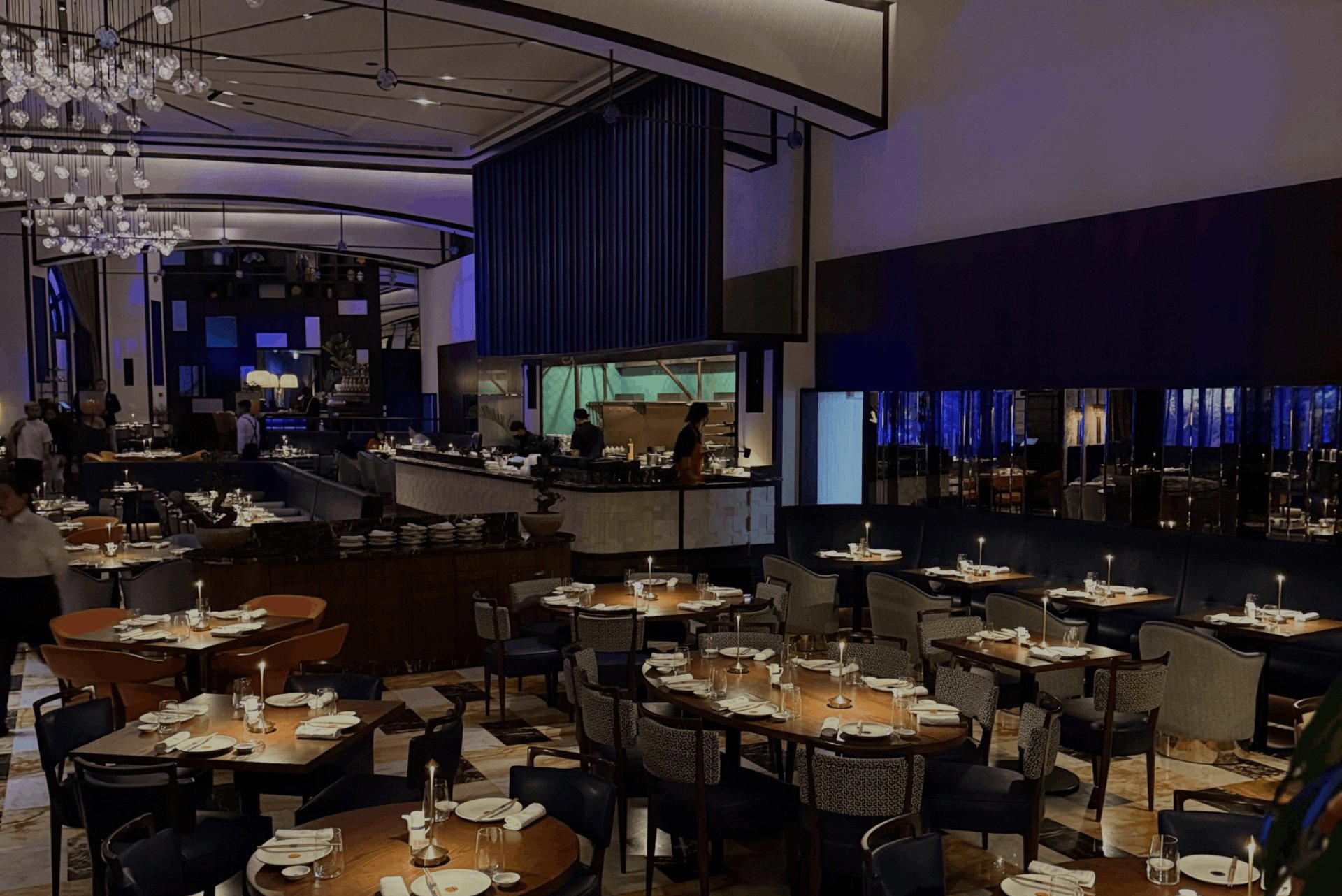
KAYZŌ in Riyadh's As Sulimaniyah district brings Japanese contemporary cooking to a wide-format sharing menu built around colour, technique, and layered flavour. The open kitchen counter sets the tone for an evening that moves between traditional sushi, creative maki, and dishes like beef takikomi gohan — all best experienced after dark when the lighting drops and the room finds its rhythm.

Pearl is the En Primeur Club membership app — saves, bookings, and concierge access live there. Same editors, same standards.
- Address
- 2752 Prince Musaid bin Abdulaziz bin Jalawi Street, As Sulimaniyah
- Phone
- +966 9200 14156
- Hours
- Mon–Wed 1 PM–12 AMThu–Fri 1 PM–1 AMSat–Sun 1 PM–12 AM
- Website
- kayzo.com
- Directions
- Get directions
- Booking
- Book on the venue's website
The menu
What to order
- Signature sushi rolls
- Robata-grilled delicacies
- Kimchi fried rice
Japanese Contemporary Dining in Riyadh's As Sulimaniyah
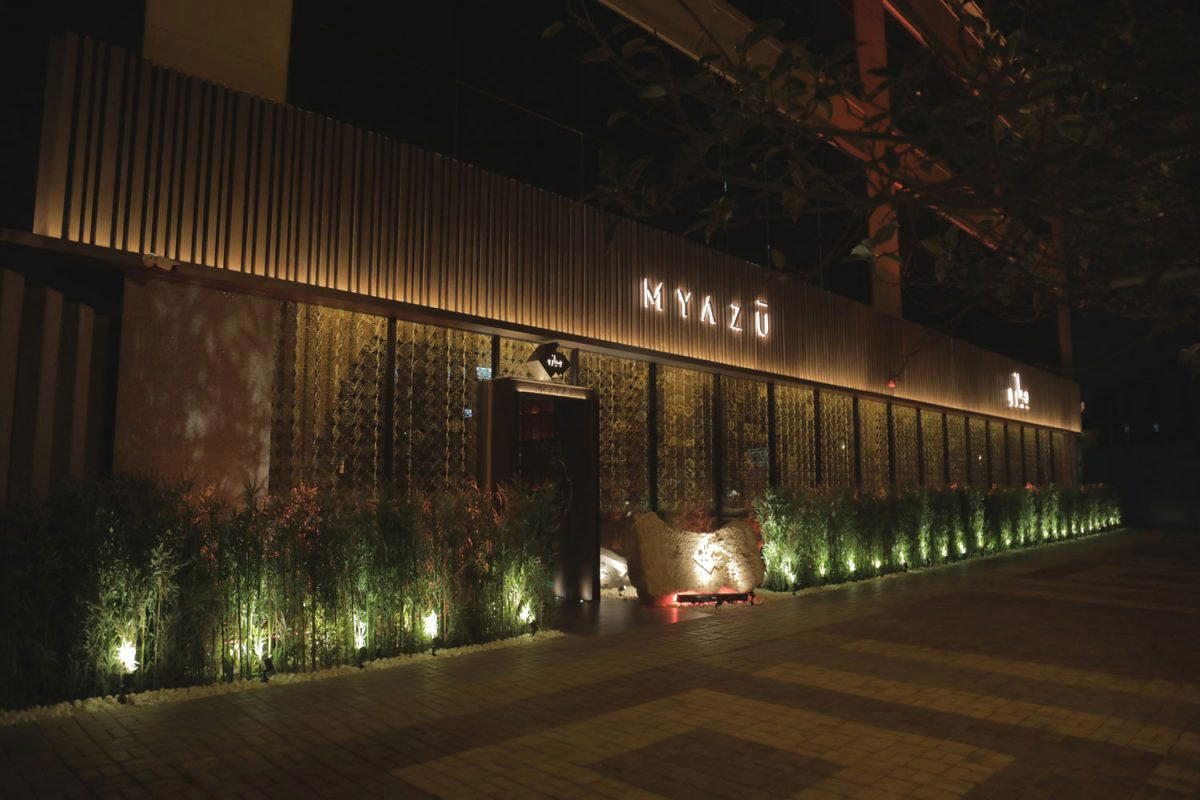
Riyadh's restaurant scene has developed a distinct tier of Japanese-influenced dining that sits apart from both the formal omakase format common in Tokyo and the casual pan-Asian hybrid menus found across the Gulf. The city's appetite for Japanese contemporary cooking, which layers technique with visual presentation and strong sharing formats, has produced a handful of addresses in As Sulimaniyah and its surrounding districts that operate with genuine kitchen ambition. Myazu represents one end of that register; KAYZŌ occupies a different position, trading formality for energy and a menu architecture designed explicitly around the table rather than the individual diner.
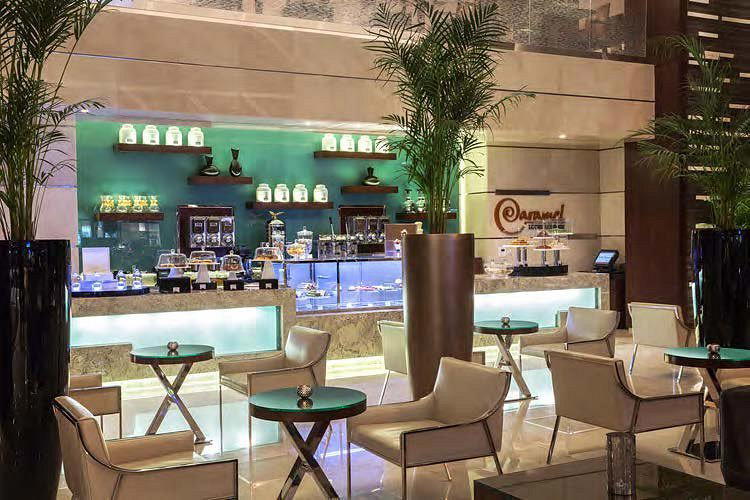
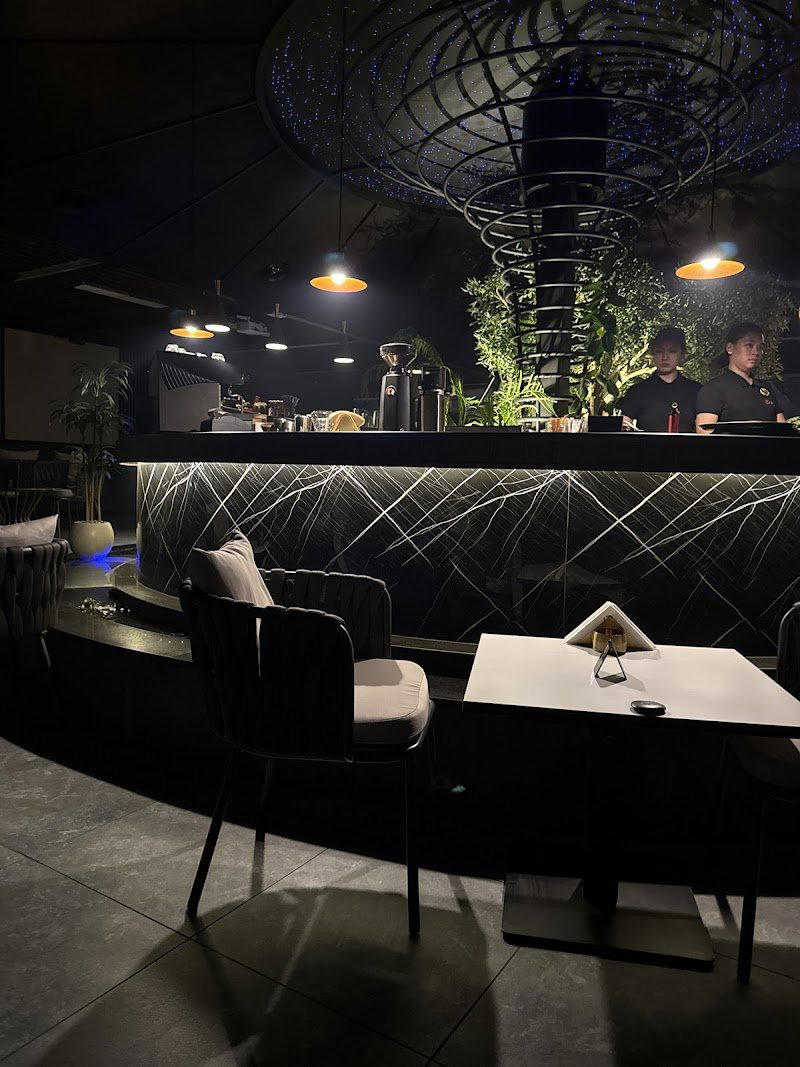
The address on Prince Musaid bin Abdulaziz bin Jalawi Street places KAYZŌ within the denser commercial corridor of As Sulimaniyah, a neighbourhood that has absorbed much of Riyadh's recent dining investment alongside older stalwarts. The building's large open kitchen counter is visible immediately on entry — a deliberate design choice that signals what kind of evening is on offer. In dining rooms where the kitchen is hidden, the theatre is in the plate. Here, the theatre begins earlier, with movement and preparation readable from the first moment inside.
A Menu Built for Sharing, Not Ceremony
The format at KAYZŌ reflects a broader shift in how Japanese food is being served across cities where the cuisine has moved beyond its traditional counter-and-course structure. Sharing plates have become the dominant delivery mechanism for Japanese contemporary menus outside Japan itself — a format that prioritises discovery over progression and suits larger groups better than sequential omakase ever could. KAYZŌ's menu applies this logic consistently, with an extensive range of dishes designed to arrive and be distributed rather than consumed individually in order.
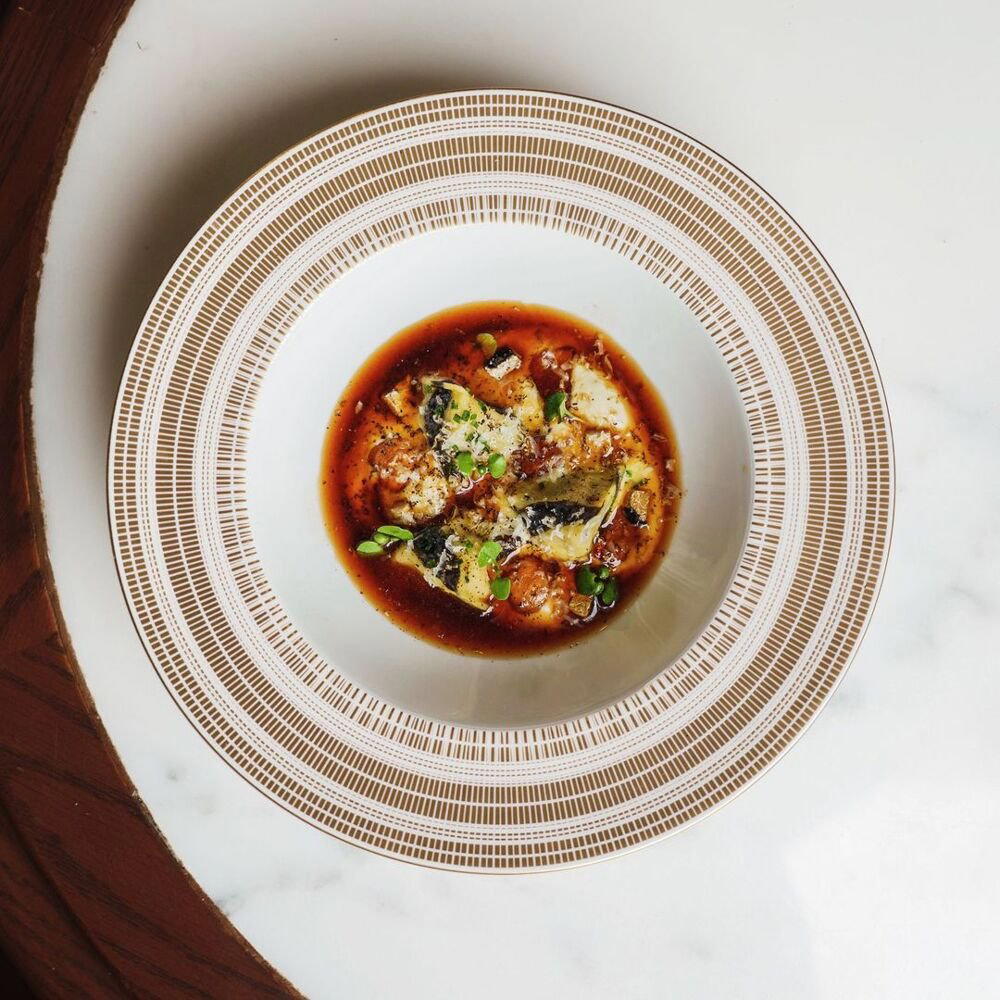
Menu moves across sushi, maki, and cooked preparations, with dishes that balance visual impact against flavour depth. The beef takikomi gohan, a rice dish that draws on a traditional Japanese cooking method, sits alongside salmon filo, a pairing that signals the kitchen's willingness to work with borrowed technique rather than defaulting to purity for its own sake. This kind of well-judged creativity, where the reference point is clear but the execution isn't derivative, defines the better end of Japanese contemporary cooking. The plates read as colourful without being superficial, imaginative without losing coherence.
Riyadh's non-alcoholic beverage programmes have improved considerably as the city's restaurant offer has matured, and KAYZŌ's mocktail list is positioned as a genuine pairing vehicle rather than an afterthought. For diners familiar with the limitations of non-alcoholic menus in cities that operate dry, a kitchen that treats its mocktail programme with the same creative attention as its food is worth noting. The pairings function here the way a wine list functions elsewhere: as a means of extending what the food is doing rather than simply providing hydration.
Team Coordination Across a Complex Menu
An extensive sharing menu of the kind KAYZŌ operates requires a higher degree of coordination across kitchen, service, and bar than a fixed tasting format does. When dishes are designed to land together and be distributed at a table, the sequencing decisions that a front-of-house team makes become as important as the cooking itself. Plates arriving in the wrong order, or at the wrong pace, fragment the logic the kitchen has built into the menu. The consistency of that coordination, kitchen to floor to bar, is what separates restaurants operating this format well from those where the sharing concept is more aspiration than execution.
At KAYZŌ, the mocktail pairings and the dish sequence function as a joined system, which means the service team carries real responsibility for the quality of the experience. Japanese contemporary menus of this scope, running across raw preparations, cooked sharing plates, and rice dishes alongside a creative drinks list, place demands on a team's ability to read a table's pace and respond accordingly. That dynamic, front-of-house reading the room while kitchen and bar maintain output quality, is what gives a restaurant with this format its character on a given night. Other Riyadh addresses with strong team coordination include Aseeb and Marble, both of which operate in similarly demanding formats.
After Dark: When KAYZŌ Finds Its Register
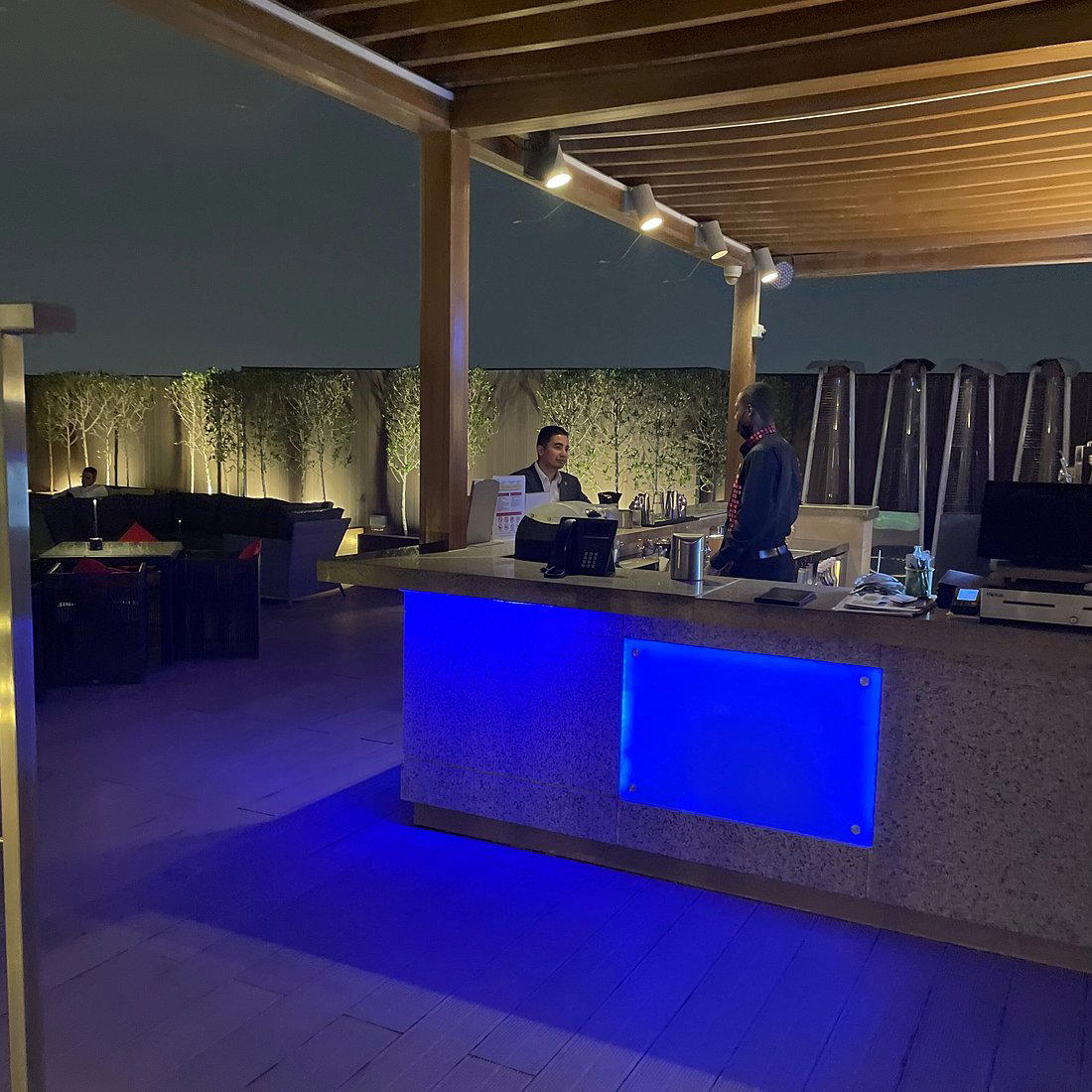
Timing matters more at KAYZŌ than at many of Riyadh's comparable restaurants. The low lighting and music that define the evening service shift the room into a different mode from what a daytime visit would offer, the energy is higher, the room feels more considered, and the visual presentation of the plates lands differently under the right conditions. This is not a lunch destination. It is an evening restaurant, and the design has been calibrated for that specific context. Arriving after dark is not just a preference; it's the version of KAYZŌ the room was built for.
The value proposition across the menu is noted as solid, which in a city where Japanese contemporary dining can price steeply, particularly at addresses with imported seafood and lengthy drinks programmes, places KAYZŌ in a more accessible bracket than its presentation might suggest. This positions it differently from the formal high-spend Japanese addresses in the city, making it a stronger option for groups who want the quality and visual ambition of contemporary Japanese cooking without the per-head commitment of a counter-only omakase format. For comparable experience-led Japanese dining in Saudi Arabia, Kuuru in Jeddah represents a useful point of reference in a different city register.
Riyadh's Japanese Dining in Context
Japanese cuisine has established a durable presence in Gulf cities in part because it maps onto local dining preferences more naturally than European fine dining: the sharing format suits large tables, the visual presentation rewards the kind of social documentation that drives restaurant selection, and the flavour profiles are broad enough to work across varied palates. The format KAYZŌ operates has parallels in how ambitious Japanese contemporary restaurants function globally, from the precision of 8½ Otto e Mezzo Bombana in Hong Kong to the creative collaboration visible at Lazy Bear in San Francisco, though the local context of Riyadh gives it its own specific character.
Saudi Arabia's dining culture has been reshaping itself at pace since 2019, and the question of which cuisines embed with lasting depth rather than passing as trend is still being answered. Japanese contemporary looks like one of the more durable transplants, both because the technique base is demanding enough to attract serious kitchen talent and because the format adapts to local hospitality expectations without requiring significant compromise. KAYZŌ sits within that trajectory. For a broader read of what Riyadh's restaurant scene currently offers, see our full Riyadh restaurants guide, or explore our full Riyadh bars guide and our full Riyadh experiences guide for a complete picture of the city's broader offer.
Planning Your Visit
KAYZŌ is located at 2752 Prince Musaid bin Abdulaziz bin Jalawi Street in As Sulimaniyah, Riyadh. The evening session is the recommended time to visit, the room operates with lower lighting and a more active atmosphere after dark, which is the context the design and menu are calibrated for. The sharing format works well for groups of three or more, where the range of the menu can be explored across multiple plates simultaneously. No booking contact details are available through EP Club at this time; checking directly via the venue's social presence is the most reliable route for reservations. For further dining options in the area, Benoit offers a contrasting French register, while our full Riyadh restaurants guide maps the broader scene across cuisines and price points. Further afield in the Kingdom, Harrat in AlUla represents a compelling alternative for travellers moving between cities.
What dish is KAYZŌ famous for?
KAYZŌ's menu covers sushi, maki, and cooked sharing plates, with the beef takikomi gohan and salmon filo among the most noted dishes in its creative contemporary Japanese range. The kitchen's strength lies less in a single signature and more in the way the full menu coheres, each plate is designed to be part of a shared table rather than a standalone statement. Pair with a mocktail from the drinks list for the full intended experience.
Can I walk in to KAYZŌ?
As Sulimaniyah restaurants at this level of recognition can fill during peak evening hours, particularly on weekends. While no formal booking policy is confirmed through EP Club's data, arriving without a reservation at a busy Riyadh dining address on a Thursday or Friday evening carries risk. Checking availability in advance through the venue's direct channels is the more reliable approach.
What has KAYZŌ built its reputation on?
KAYZŌ's standing in Riyadh's Japanese contemporary dining category rests on a combination of considered presentation, a sharing menu with genuine creative range, and an evening atmosphere that the room's design actively supports. The kitchen's ability to move between traditional references and more imaginative constructions, without losing coherence in either direction, and the value the menu delivers relative to its ambition level are the two factors most frequently associated with the restaurant's recognition.
Frequently asked questions
Where do I go for KAYZŌ?
KAYZŌ is located at 2752 Prince Musaid bin Abdulaziz bin Jalawi Street, As Sulimaniyah, Riyadh.
What awards or recognition does KAYZŌ have?
KAYZŌ has received recognition including: The vibe is set from the moment you enter this chic and stylish restaurant with its large open kitchen counter. The extensive menu of Japanese contemporary dishes are all designed for sharing. Plates are colourful, at times traditional and ….
What dish is KAYZŌ famous for?
The beef takikomi gohan and salmon filo are the most noted dishes on a menu that spans sushi and maki alongside imaginative cooked plates. Both sit within a broader sharing format designed to cover traditional and creative Japanese contemporary ground across a single table order.
Can I walk in to KAYZŌ?
Arriving early in the evening session is the safer approach if you have not reserved.
What has KAYZŌ built its reputation on?
KAYZŌ's standing in Riyadh's Japanese contemporary category rests on a sharing menu that pairs considered presentation with genuine creative range, from sushi and maki to cooked plates with layered flavour. The combination of strong value, creative mocktails, and an after-dark atmosphere defined by low lighting and music distinguishes it within As Sulimaniyah's dining tier.
Cuisine Context
Comparable venues nearby, for context on price, style, and recognition.
| Venue | Cuisine | Price | Awards | Notes |
|---|---|---|---|---|
| KAYZŌThis venue — the venue you are viewing | Contemporary Japanese Fusion | Not listed | Michelin Bib Gourmand | Not listed |
| Thara | Modern Saudi Cuisine | Not listed | Michelin Plate | Al Narjis |
| Najd Village | Authentic Saudi Najdi Cuisine | $20–30 | Michelin Bib Gourmand | Al Olaya |
| Sasani | Authentic Persian | $30–50 | Michelin Bib Gourmand | Hitteen |
| MLLE | Modern Lebanese | Not listed | Michelin Plate | Umm Al Hamam Al Gharbi |
| TOKYO | Authentic Japanese Fusion | $100–150 | Not listed | Al Woroud |
Recognition history
Dated appearances from independent guides and award organizations, with the underlying list record or original source where available.
Michelin Bib Gourmand
Michelin

Details
- Cozy
- Modern
- Trendy
- Sophisticated
- Group Dining
- Family
- Casual Hangout
- Open Kitchen
- Local Sourcing
- Street Scene
- Small Plates
- A La Carte
Current opening hours
- Monday
- 1 PM–12 AM
- Tuesday
- 1 PM–12 AM
- Wednesday
- 1 PM–12 AM
- Thursday
- 1 PM–1 AM
- Friday
- 1 PM–1 AM
- Saturday
- 1 PM–12 AM
- Sunday
- 1 PM–12 AM
Hours can change for holidays and private events. Last verified .
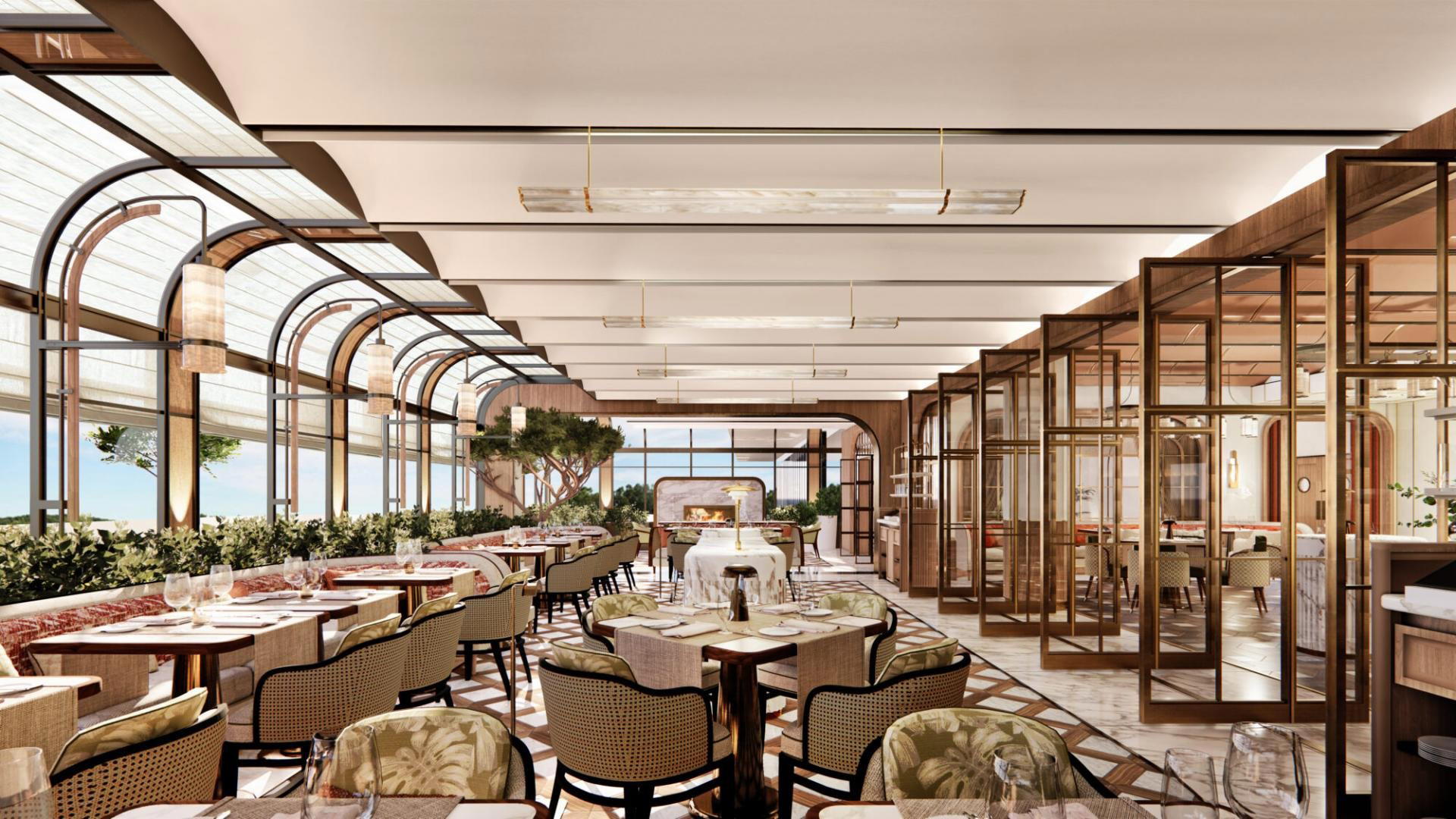
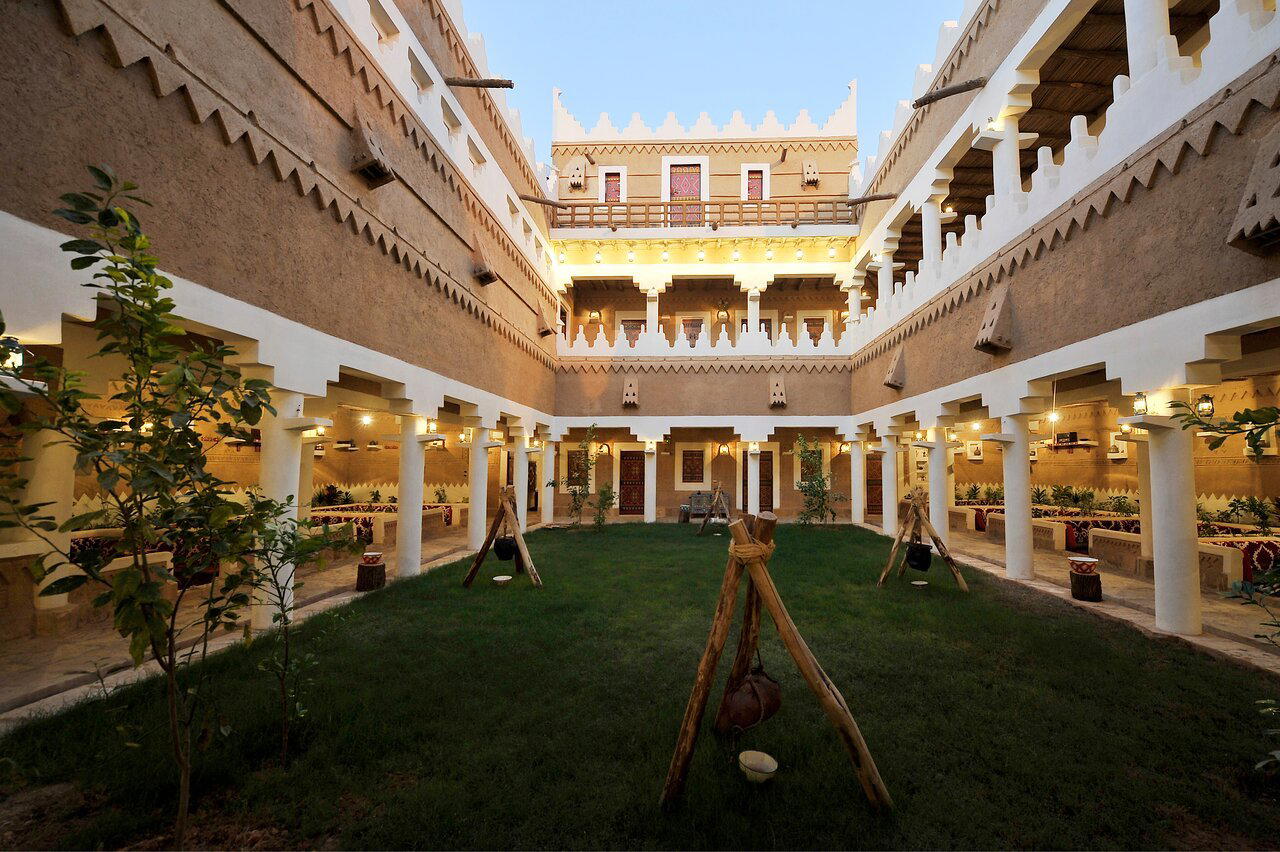
Earthy cozy atmosphere with inviting ambiance, personalized service, and engaging live entertainment creating hospitality and connection.