COYA
Our verdict
The Riyadh outpost joins a global network of COYA addresses that have established the concept across London, Dubai, and beyond, offering Riyadh diners a well-defined alternative to the city's growing roster of high-end international restaurants.

Pearl is the En Primeur Club membership app, where members save venues, book tables and use the concierge.

The menu
What to order
- Signature Ceviche Platter
- Truffle Snapper Ceviche
- Anticuchos
Peruvian Dining in a City Rewriting Its Restaurant Map
Riyadh's international dining scene has undergone a structural shift in the past five years. What was once a market dominated by hotel restaurants and a handful of imported chains now includes a denser tier of concept-led international addresses, each staking out a distinct culinary position.
The Nikkei tradition, the culinary fusion that emerged from Japanese immigration to Peru in the late nineteenth century, now sits as one of the more credible international dining categories precisely because it has documented roots rather than invented ones. Peruvian cooking already draws on Chinese, Japanese, African, and indigenous Andean techniques, and the Nikkei strand in particular built a coherent grammar of raw fish preparations, soy-inflected sauces, and fire-cooked proteins that feel neither purely Latin American nor conventionally Japanese. COYA has positioned itself internationally as a carrier of that tradition, with a format that pairs the food with a visual and sonic environment designed to read as premium rather than casual.
The Format and What It Signals
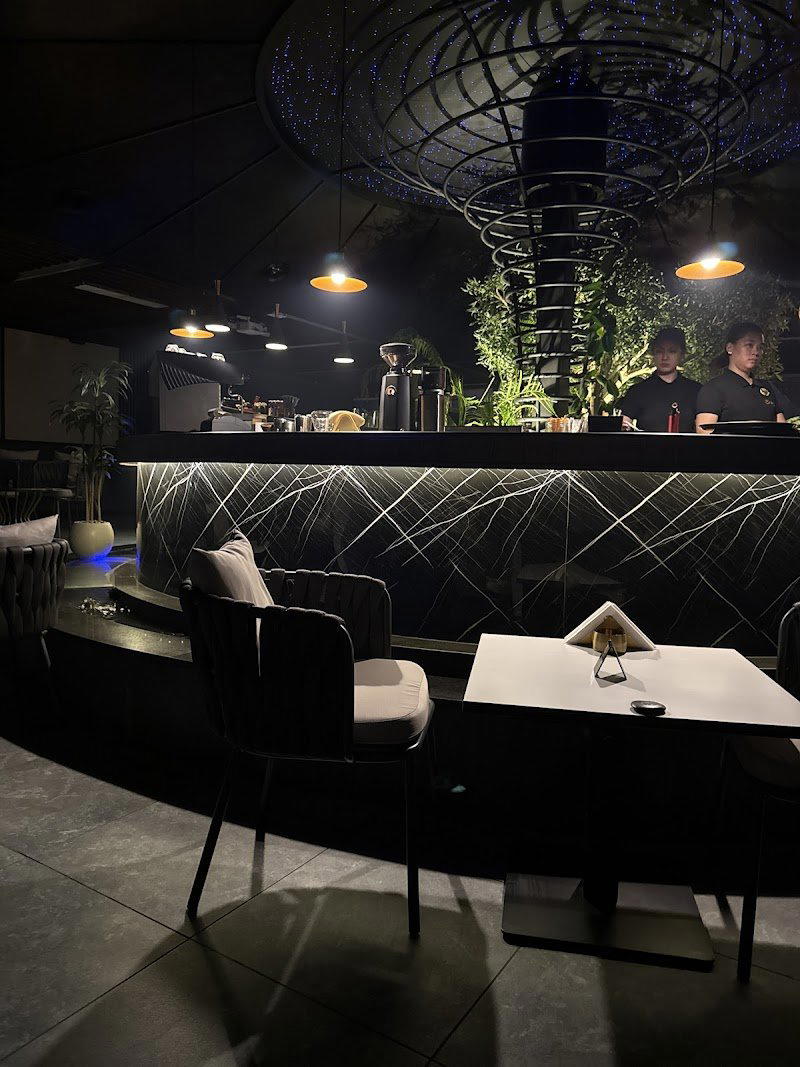
Across its network, COYA operates as an evening-led venue, with design language that typically involves dark interiors, textured materials, and a bar program running parallel to the kitchen. In cities like Riyadh, where the licensed alcohol environment differs from Western markets, the bar component adapts to local regulation, which in practice means the non-alcoholic beverage program carries more of the atmosphere-building work than it might elsewhere. For diners accustomed to COYA in London or Dubai, the Riyadh iteration will read as a variation on a familiar template rather than an entirely new proposition.
That template has proven durable across different markets, and its durability is partly what makes a Riyadh address legible to an internationally mobile clientele. In that sense, COYA's positioning in Riyadh is less about introducing Peruvian food to a new market and more about anchoring a specific tier of dining experience in a city that is assembling the full range of premium international categories. For context on how COYA fits within the broader Riyadh dining scene, see our full Riyadh restaurants guide.
Riyadh's International Tier: Where COYA Lands
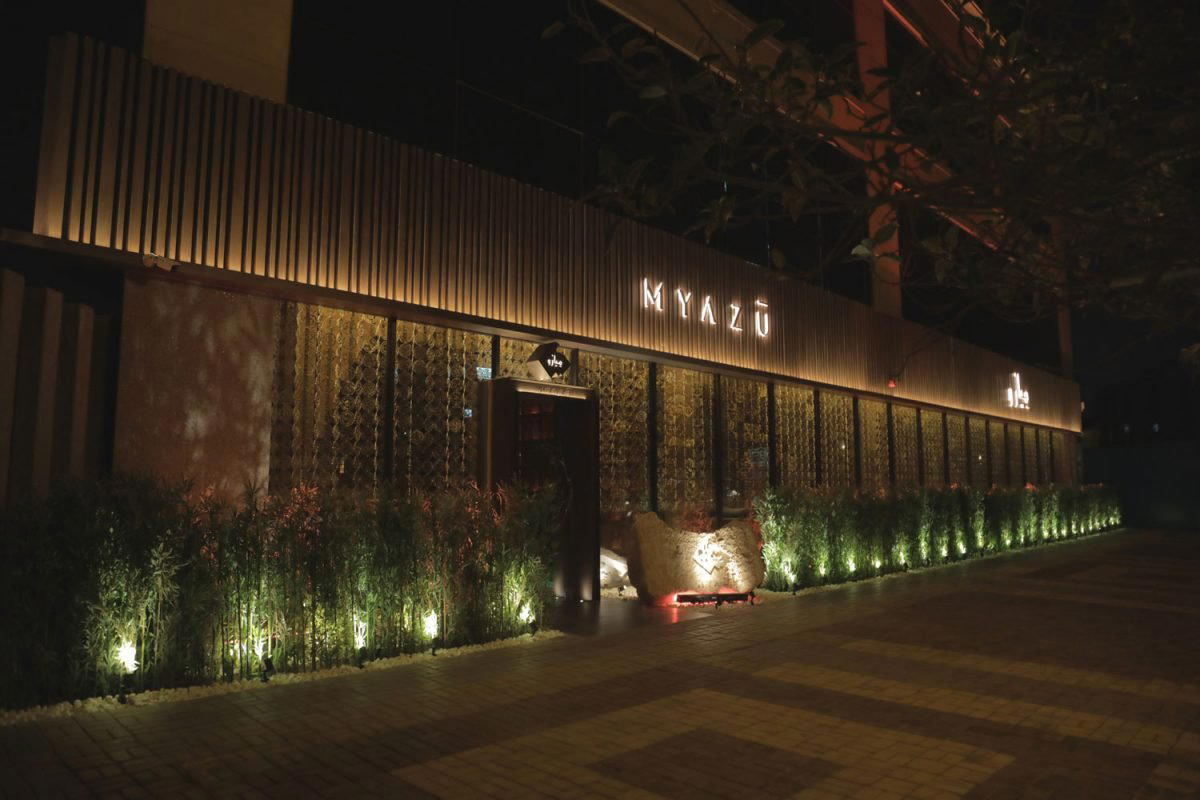
Riyadh's premium international dining bracket now includes addresses across Japanese, French, and contemporary Middle Eastern categories. Myazu holds the Japanese-contemporary position with a format that has earned recognition in the city's fine dining conversation, while Benoit covers the French bistro register at the higher end of that category.enprimeurclub.com/restaurants/aseeb-riyadh-restaurant">Aseeb, which approaches local cuisine with a level of precision that now competes directly with international imports for the same dinner occasion. Marble represents the contemporary steakhouse format in the same tier.
COYA does not compete directly with any of those categories. Latin American cooking, and specifically the Peruvian strand, remains a distinct and less crowded position in Riyadh's restaurant map. The closest international comparison point is COYA's own Dubai presence, which has operated long enough to demonstrate that the Gulf market sustains genuine appetite for Nikkei-style formats. For diners curious about what that Gulf context looks like from a different angle, Lunch Room in Dubai offers a point of comparison within the broader regional dining conversation.
Cultural Roots and What They Mean for the Menu
The Nikkei culinary tradition is worth understanding on its own terms before arriving at any table that claims to represent it. Peru's Japanese community, concentrated initially in Lima, developed a cooking style that grafted Japanese knife technique and raw-fish sensibility onto Peruvian citrus-cured preparations and aji-based heat. The result is a cuisine where ceviche and tiradito sit in a continuum with sashimi rather than in opposition to it, and where soy sauce and leche de tigre can appear in the same dish without the combination feeling contrived. The tradition has its own internal logic, and the better international versions of it hold to that logic rather than treating Nikkei as a license for arbitrary fusion.
COYA has built its brand around a relatively faithful engagement with that framework, and the Riyadh location inherits the menu architecture and sourcing approach that the brand has developed across its network. Diners unfamiliar with the category will find it more structured and historically grounded than the term fusion might suggest. Those with experience of the format elsewhere in the COYA network will be assessing execution consistency rather than encountering anything conceptually new.enprimeurclub.com/restaurants/kuuru-jeddah-restaurant">Kuuru in Jeddah brings a distinct culinary position to that city's evolving restaurant market, while destinations like AlUla are developing hospitality infrastructure at a different pace, with venues such as Tama and Banyan Tree AlUla representing the resort-adjacent dining tier. Across the country, the range of formats has expanded enough that comparisons now operate at a meaningful level of specificity, from kol restaurant in Jizan to Takara in Khobar and yello in Ad Diriyah.
Internationally, the Nikkei and Peruvian-Japanese format has earned serious critical attention. Venues like Le Bernardin in New York City and Lazy Bear in San Francisco represent the kind of benchmark precision that international travellers carry as a reference point when assessing new market entrants. COYA's position is not in the same category as those venues, but the reference is useful for calibrating what a genuinely precise fish-led or concept-led kitchen looks like at its ceiling. Given the brand's positioning and the general booking behaviour for premium international venues in Riyadh, reservations are advisable, particularly for Thursday and Friday evenings when demand across the city's higher-end restaurants is at its peak. Specific booking contact details, current hours, and pricing are best confirmed directly with the venue, as these can shift with seasonal programming. For a broader picture of what the city's dining tier looks like across categories, the EP Club Riyadh guide covers the full range of options with venue-level detail.
Frequently asked questions
Where is COYA in Riyadh?
COYA is located at 8710 Prince Abdulaziz Ibn Musaid Ibn Jalawi St, As Sulimaniyah, 4237, Riyadh 12223, Saudi Arabia, Riyadh.
How does COYA Riyadh fit into the broader Nikkei dining category in Saudi Arabia?
Nikkei cuisine, the fusion of Japanese technique with Peruvian ingredients developed by Japanese communities in Lima from the late 19th century, remains one of the least represented categories in Saudi Arabia's premium dining market. COYA, which operates the format across cities including London, Dubai, and Paris, brings a consistent global interpretation of that tradition to Riyadh's As Sulimaniyah district. That makes it one of the few addresses in the country where Nikkei cooking sits at the centre of the concept rather than appearing as a peripheral menu element.
What should I order at COYA?
COYA's menu is structured around the Nikkei tradition, the culinary language built by Japanese immigrants in Peru that brings raw-fish technique into contact with Latin American acidity and spice. Ceviches and tiraditos are the category anchors at COYA locations globally, and the bar programme typically runs alongside the food as a parallel focus rather than an afterthought. Arriving with a clear interest in the raw preparations gives the menu its clearest through-line.
Is COYA reservation-only?
For a venue operating at COYA's format and positioning in Riyadh, booking ahead is the practical approach for any planned visit. As Sulimaniyah has become a concentration point for premium international addresses, and evening demand across that district runs high on weekends. Contacting the venue directly to confirm current booking arrangements is the reliable step before any visit.
What do critics highlight about COYA?
Across COYA's international network, critical attention has consistently focused on the coherence of its Nikkei approach rather than novelty alone. The quality of the raw fish preparations and the integration of the bar programme into the overall format are the two elements that recur in editorial assessments. In Riyadh, that positioning is amplified by the relative scarcity of Latin American addresses in the city's premium dining bracket.
Price and Recognition
Comparable venues nearby, for context on price, style, and recognition.
| Venue | Cuisine | Price | Awards | Notes |
|---|---|---|---|---|
| COYAThis venue (the venue you are viewing) | Modern Peruvian Fusion | $100–150 | Not listed | Not listed |
| PORTERHOUSE | Modern Steakhouse | $50–100 | Not listed | العليا, Modern American Steakhouse |
| Benoit Riyadh | Not listed | Not listed | Not listed | King Abdullah Financial District, Alain Ducasse French Bistro |
| The Globe | Modern European | $100–150 | Michelin Plate | Al Olaya, Modern European |
| تكية - TAKYA | Modern Saudi Fusion | $50–100 | La Liste Top Restaurants | Al Diriyah, Modern Saudi Fusion |
| 56th Avenue Diner | All-American Diner | Not listed | Not listed | Al Aqiq, All-American Diner |
Continue exploring
More in Riyadh
Restaurants in Riyadh
All restaurants in Riyadh →
Bars in Riyadh
All bars in Riyadh →

Details
- Lively
- Elegant
- Trendy
- Ornate
- Energetic
- Sophisticated
- Date Night
- Group Dining
- Celebration
- Special Occasion
- Live Music
- Terrace
- Private Dining
- Design Destination
- Craft Cocktails
- A La Carte
- Small Plates
- Pisco Infusions
- Vegetarian Friendly
Current opening hours
- Monday
- 1 PM–12 AM
- Tuesday
- 1 PM–12 AM
- Wednesday
- 1 PM–12 AM
- Thursday
- 1 PM–1 AM
- Friday
- 1 PM–1 AM
- Saturday
- 1 PM–12 AM
- Sunday
- 1 PM–12 AM
Hours can change for holidays and private events. Hours as of .
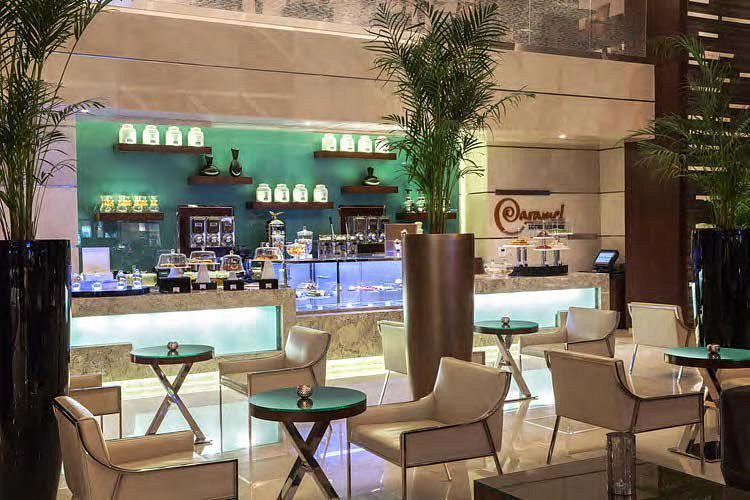
Upbeat and lively atmosphere with bold turquoise and gold decor, tasselled lampshades, bronze lighting, and lively South American beats.