Al Mashreq Boutique Hotel


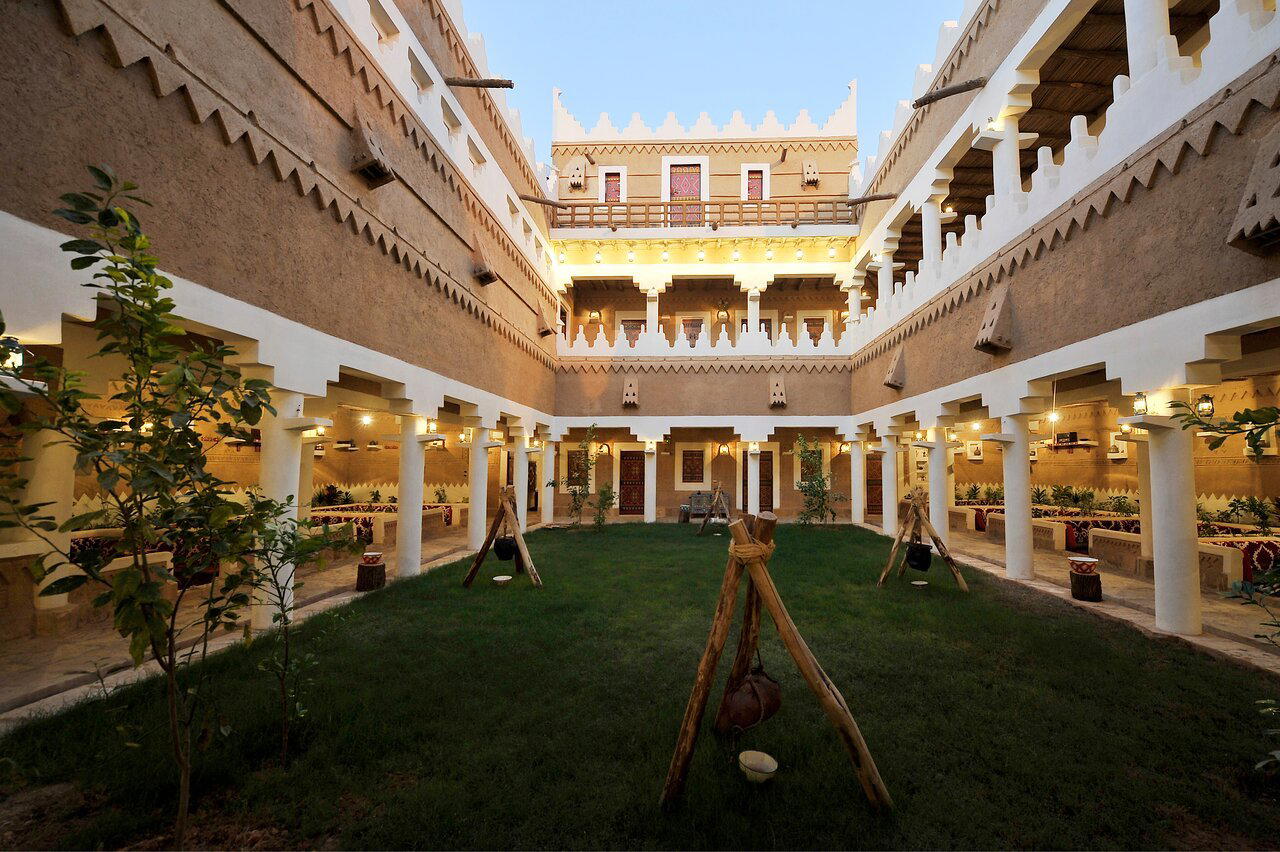
Al Mashreq Boutique Hotel occupies a prominent corner on Ourouba Street in northern Riyadh, where traditional Arabian architectural language meets contemporary interiors across a curated collection of rooms and suites. Named Saudi Arabia's Leading Boutique Hotel at the 2025 World Travel Awards and recognised as a Regional Winner in the Luxury Boutique category, it sits in a distinct tier from the city's large-footprint international chains, offering a more contained and personalised guest experience in one of Riyadh's key business and retail corridors.
Pearl is the En Primeur Club membership app — saves, bookings, and concierge access live there. Same editors, same standards.
- Address
- 2519, 8015 طريق العروبة، المعذر الشمالي، الرياض 12334
- Phone
- +966 800 122 2222
- Website
- almashreq.sa
- Directions
- Get directions
 Saves & bookings on Pearl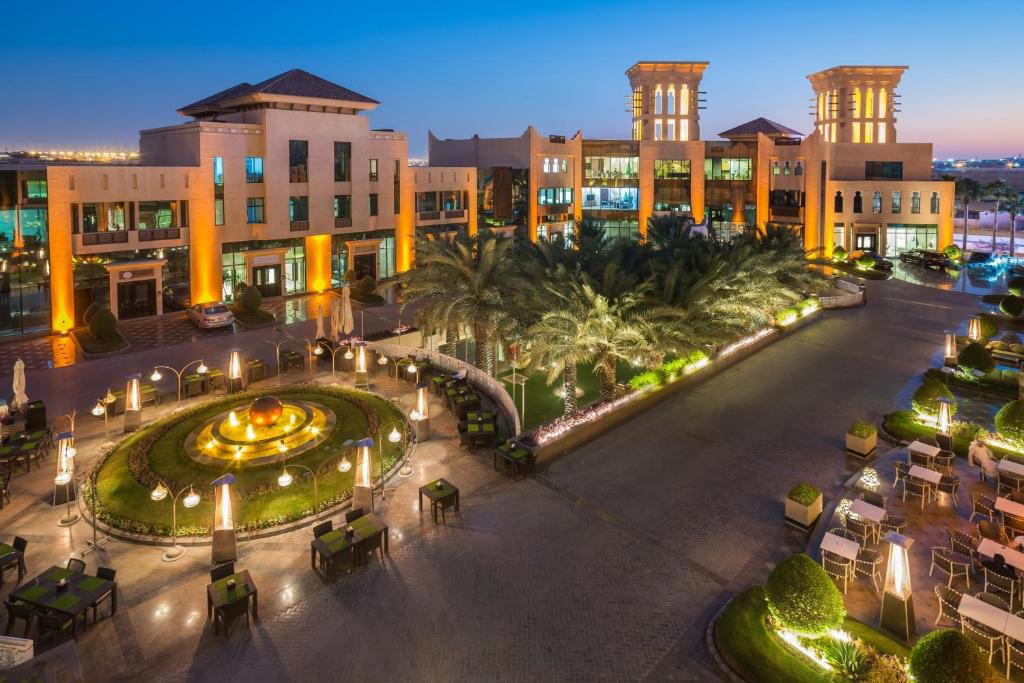
Where Ourouba Street Places You in Riyadh
The intersection of Ourouba Street and Prince Turki Road functions as one of Riyadh's more legible addresses. From here, the city's main retail corridors are within direct reach, and the business districts that have expanded rapidly across northern Riyadh over the past decade surround the area on multiple sides. For a traveller arriving to work, meet, or move efficiently around the city, the address is a practical one. But the neighbourhood also carries something the newer districts to the west do not: a layered urban texture that predates the current construction boom, where older commercial blocks sit beside updated facades and the pace of the street feels less curated than the planned zones further out.
Al Mashreq Boutique Hotel occupies this corner with intention. The architectural approach draws from traditional Arabian forms, applying them to a building that reads as contemporary without dismissing its context. That balance is increasingly rare in Riyadh's hotel market, where the dominant grammar remains either international-chain minimalism or overt luxury spectacle. The boutique category here operates differently: smaller in scale, more specific in character, and priced against a different set of expectations than the tower hotels that define the city's skyline.
The Boutique Tier in a City of Grand Hotels
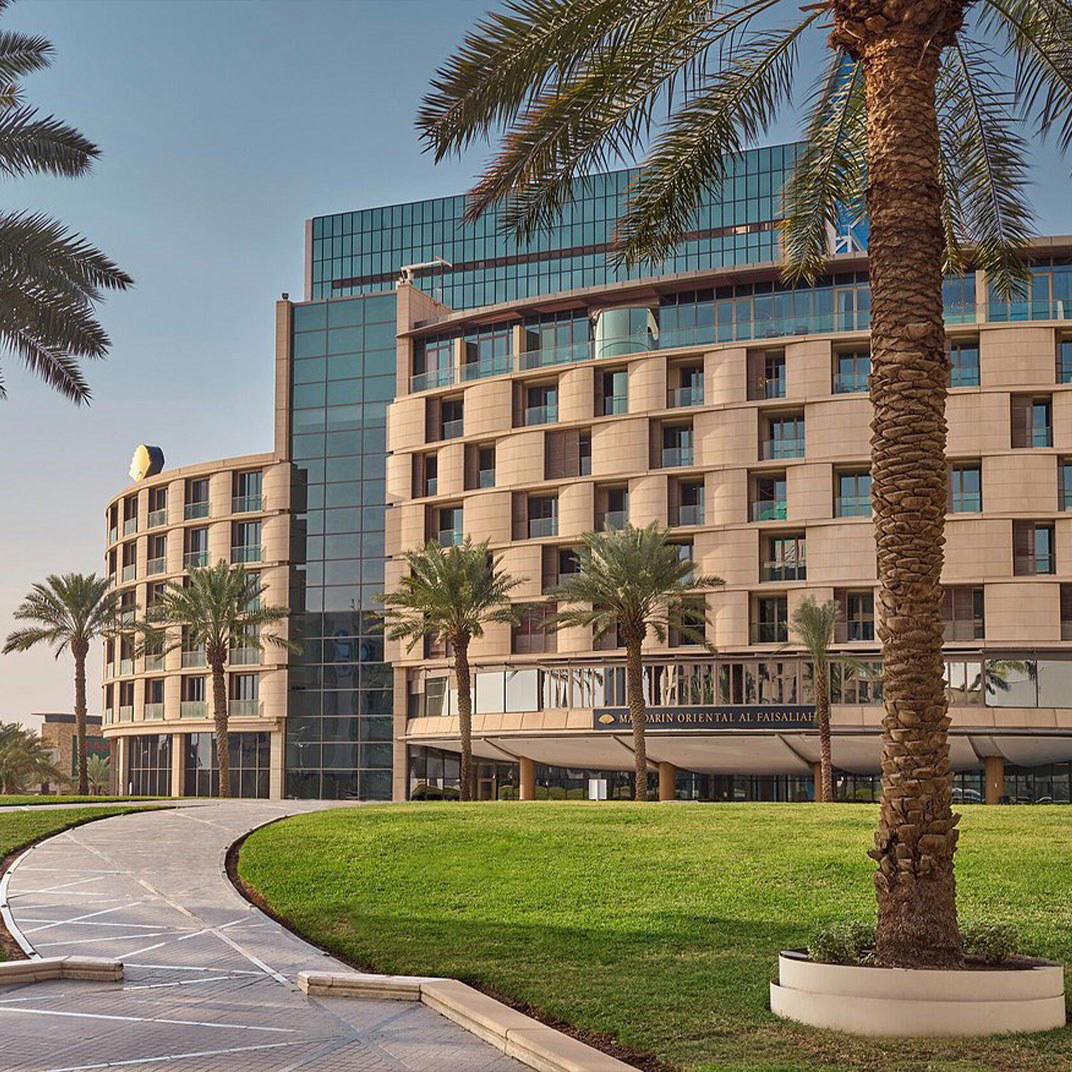
Riyadh's hotel market has, for most of its modern history, organised itself around large-footprint properties. The Four Seasons Hotel Riyadh at Kingdom Centre anchors the upper end of the scale-and-spectacle category, occupying the tower above one of the city's landmark retail destinations. The Fairmont Riyadh occupies a similar register, with a large conference footprint that makes it a natural choice for delegations and corporate events. The Mandarin Oriental Al Faisaliah Hotel, Riyadh brings a design-led international identity to the market. These properties compete primarily on scale, brand recognition, and facility breadth.
Al Mashreq operates in a structurally different position. The boutique tier in any city tends to attract guests who are either fatigued by the impersonality of large-footprint properties or specifically seeking an environment where the interaction between staff and guest is not mediated through a tiered corporate service framework. In Riyadh, where the international hotel sector has historically prioritised scale over intimacy, that niche has remained underserved. The World Travel Awards panel's 2025 recognition of Al Mashreq as Saudi Arabia's Leading Boutique Hotel and a Regional Winner in the Luxury Boutique category is, in part, a recognition of how few properties genuinely occupy that space at a credible level.
For comparison within Riyadh's emerging boutique conversation, the Bab Samhan, a Luxury Collection Hotel, Diriyah represents a different approach to the same instinct: heritage-coded, place-specific, and positioned away from the commercial centre. The two properties address similar guest motivations through different geographic and design strategies.
Anticipatory Service as a Structural Choice
In hotels of this scale, the service model is not a product of departmental policy so much as the direct outcome of staff-to-guest ratios. When a property operates with a contained number of rooms and suites, the opportunity for staff to register individual preferences, remember returning guests, and anticipate needs before they are stated is structurally present in a way that it simply cannot be in a 400-key tower. That structural advantage is either realised through careful hiring and training, or it goes unrealised and the property competes only on design and location.
The recognition Al Mashreq has accumulated suggests the service dimension is being handled seriously. World Travel Awards assessments are drawn from industry and public nomination processes, and the Luxury Boutique regional award in particular places the property in competition with properties across a geographically broad comparable set. Winning that category requires performance that is legible beyond the local market, which implies that the guest experience is being delivered with consistency rather than only on occasion.
For guests used to the formalised service choreography of large international chains, the difference in a well-run boutique is typically felt in the absence of scripted handoffs. A question directed at a staff member does not get referred two departments away. A preference noted at arrival is present at dinner. The rhythm is quieter and the attention more direct. That is the register Al Mashreq appears to be operating in, and it is a register that the broader Riyadh market offers relatively rarely.
Rooms and Positioning
The property offers a selection of rooms and suites styled to reflect the building's core design logic: traditional Arabian architectural language applied through contemporary execution. The interior palette and material choices place it in a distinct visual register from the international-flag properties nearby, where brand standards often override local character. This matters increasingly to a segment of travellers who are sensitive to place and who find the sameness of global hotel design actively discouraging.
For those considering alternatives elsewhere in the Saudi network, the country's hotel sector is expanding across multiple cities simultaneously. Banyan Tree AlUla represents the design-led end of Saudi Arabia's new heritage-destination push. Assila, A Luxury Collection Hotel, Jeddah anchors the western city's premium tier. Grand Hyatt Al Khobar Hotel and Residences serves the Eastern Province's business traveller base. Al Mashreq's Riyadh address keeps it close to the decision-making centre of a rapidly evolving economy, which for a significant portion of its guests is the primary consideration.
Those planning extended stays or serviced-apartment alternatives in the same part of the city might also consider Fraser Suites Riyadh or Al Nakhla Residential Resort, both of which address longer-stay needs with different formats. The Edge Riyadh Al Rabie and Edge Riyadh Al Rabie by Rotana address a more northerly residential district for guests whose schedules place them in that corridor.
For the Saudi context more broadly, the country's tourism infrastructure is developing quickly enough that the landscape a traveller encountered three years ago differs materially from today's options. Newer properties like the InterContinental The Red Sea Resort and Miraval The Red Sea signal the ambition of the kingdom's coastal development pipeline. But for those whose purpose is Riyadh itself, the city remains the focal point, and the question of where to stay within it is answered differently depending on whether scale or specificity is the priority.
Planning a Stay
Al Mashreq sits at the Ourouba Street and Prince Turki Road intersection in the Al Maathar Al Shamali district, putting it within practical distance of northern Riyadh's commercial core. Given the property's boutique scale, room availability is more constrained than at large-footprint competitors, and booking in advance is advisable particularly during peak conference and event periods in the city, which have grown substantially as Riyadh has increased its international meeting calendar. Pricing sits around $250 a night; for those accustomed to the rate structures of properties like the Four Seasons or Fairmont, the boutique tier can represent a meaningfully different value equation when the service experience is factored in alongside the rate.
Category Peers
Comparable venues nearby, for context on price, style, and recognition.
| Venue | Cuisine | Price | Awards | Notes |
|---|---|---|---|---|
| Al Mashreq Boutique HotelThis venue — the venue you are viewing | Luxury boutique hotel blending Arabian heritage with contemporary design; positioned as Riyadh's premier individualistic boutique property with emphasis on personalized service and cultural authenticity. | $$$$ | 4-Star | Not listed |
| Mandarin Oriental Al Faisaliah, Riyadh | Contemporary luxury with Arabian heritage elements | $$$$ | 5-Star | Al Olaya |
| Al Nakhla Residential Resort | Luxury family residential resort with resort-style amenities in a gated community | $$$$ | 4-Star | Qurtubah |
| JW Marriott Hotel Riyadh | Modern Najdi architecture with serene landscaped exteriors | $$$$ | 5-Star | Al Sahafah |
| Radisson Hotel Riyadh Airport | resort-style airport hotel with villas and extensive leisure facilities | $$$ | 4-Star | Airport area |
| Fraser Suites Riyadh | Upper upscale serviced residence combining luxury apartment living with full hotel services for extended and short-term stays. | $$$$ | 4-Star | Al Olaya |
Recognition history
Dated appearances from independent guides and award organizations, with the underlying list record or original source where available.
Small Luxury Hotels of the World Member
Small Luxury Hotels of the World
World Luxury Hotel Awards WLHA Regional Winner
World Luxury Hotel Awards
World Travel Awards
World Travel Awards
Continue exploring
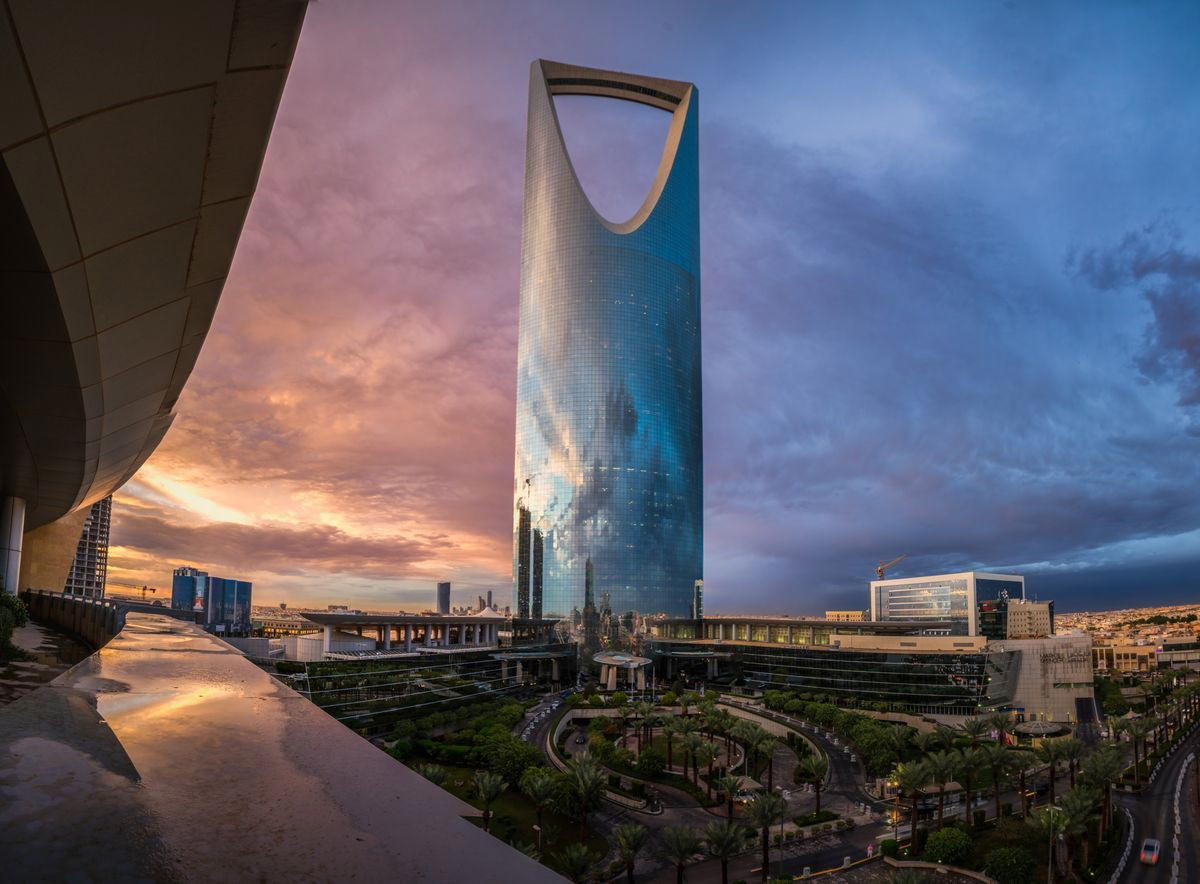
More in Riyadh
Hotels in Riyadh
Browse all →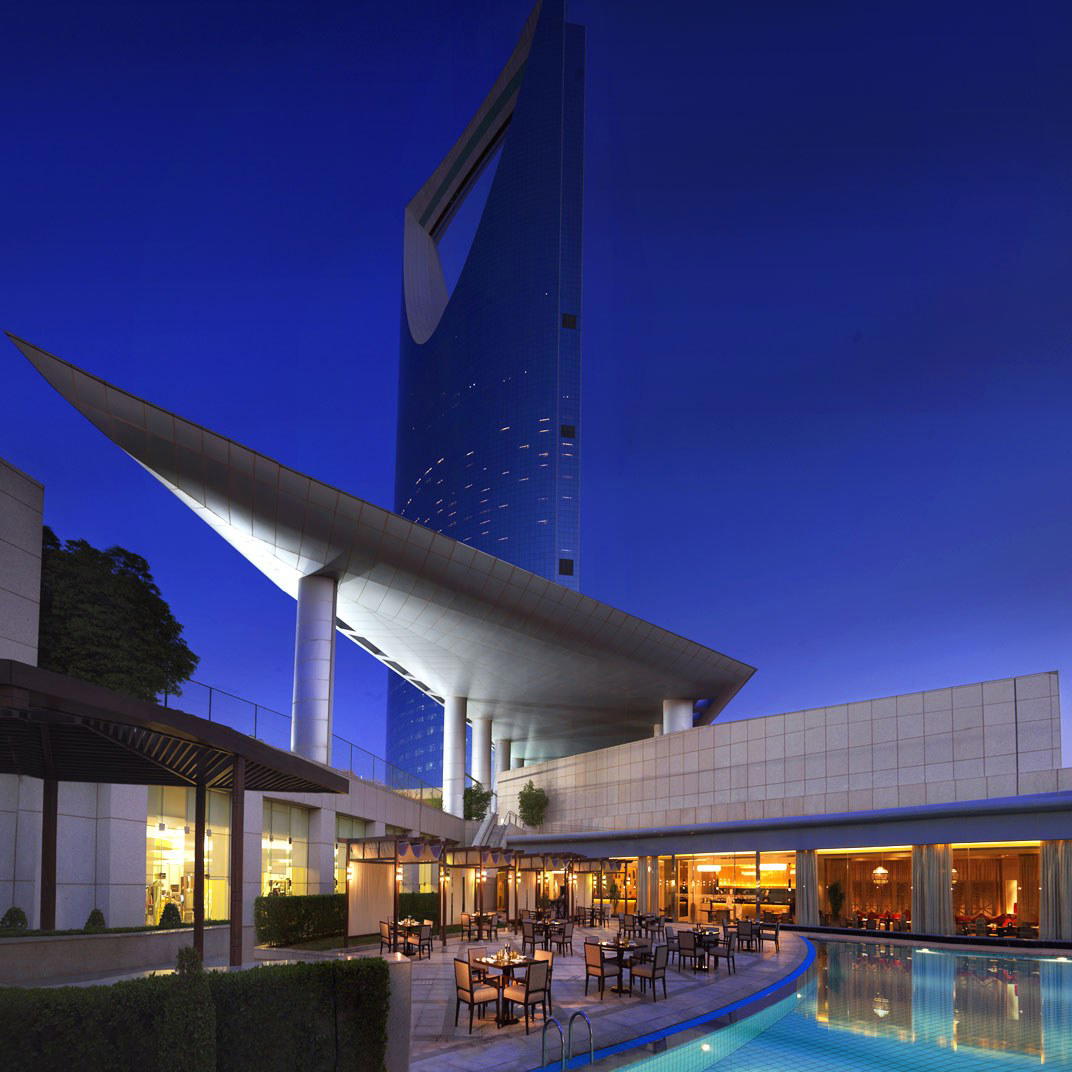
At a Glance
- Elegant
- Sophisticated
- Quiet
- Classic
- Business Trip
- Wellness Retreat
- Romantic Getaway
- Destination Spa
- Garden
- Terrace
- Design Destination
- Wi Fi
- Pool
- Spa
- Fitness Center
- Room Service
- Concierge
- Business Center
- Restaurant
- Sauna
- Garden
- Wi Fi
- Pool
- Spa
- Fitness Center
- Room Service
- Concierge
- Business Center
- Restaurant
- Sauna
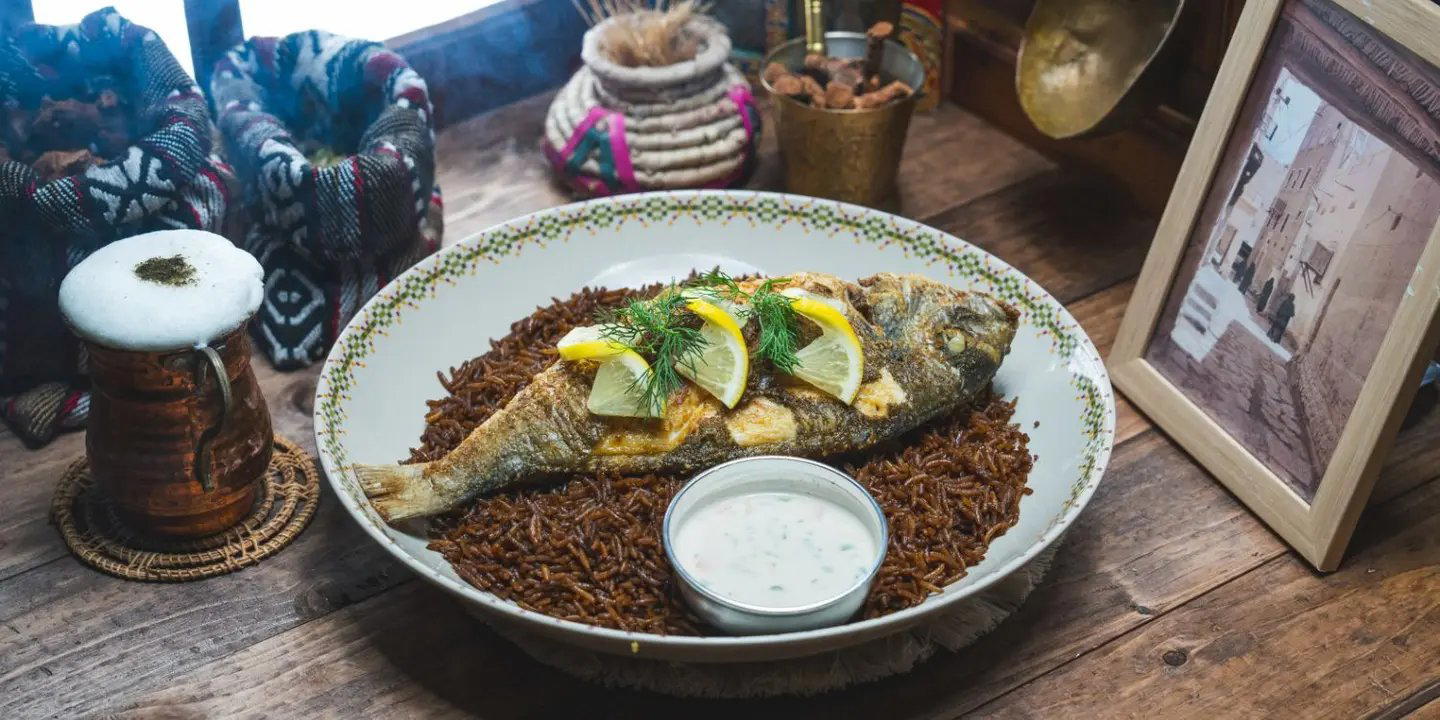
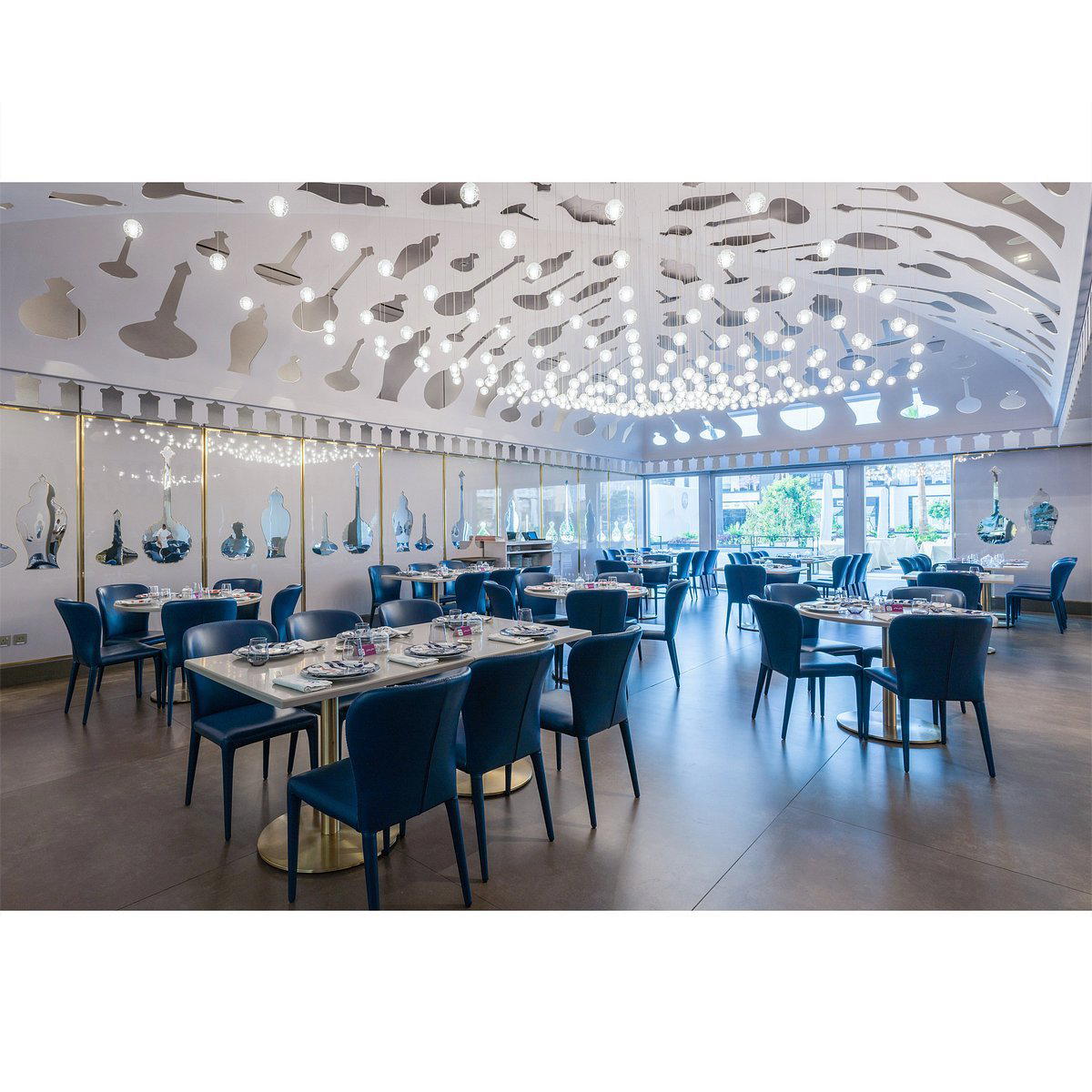
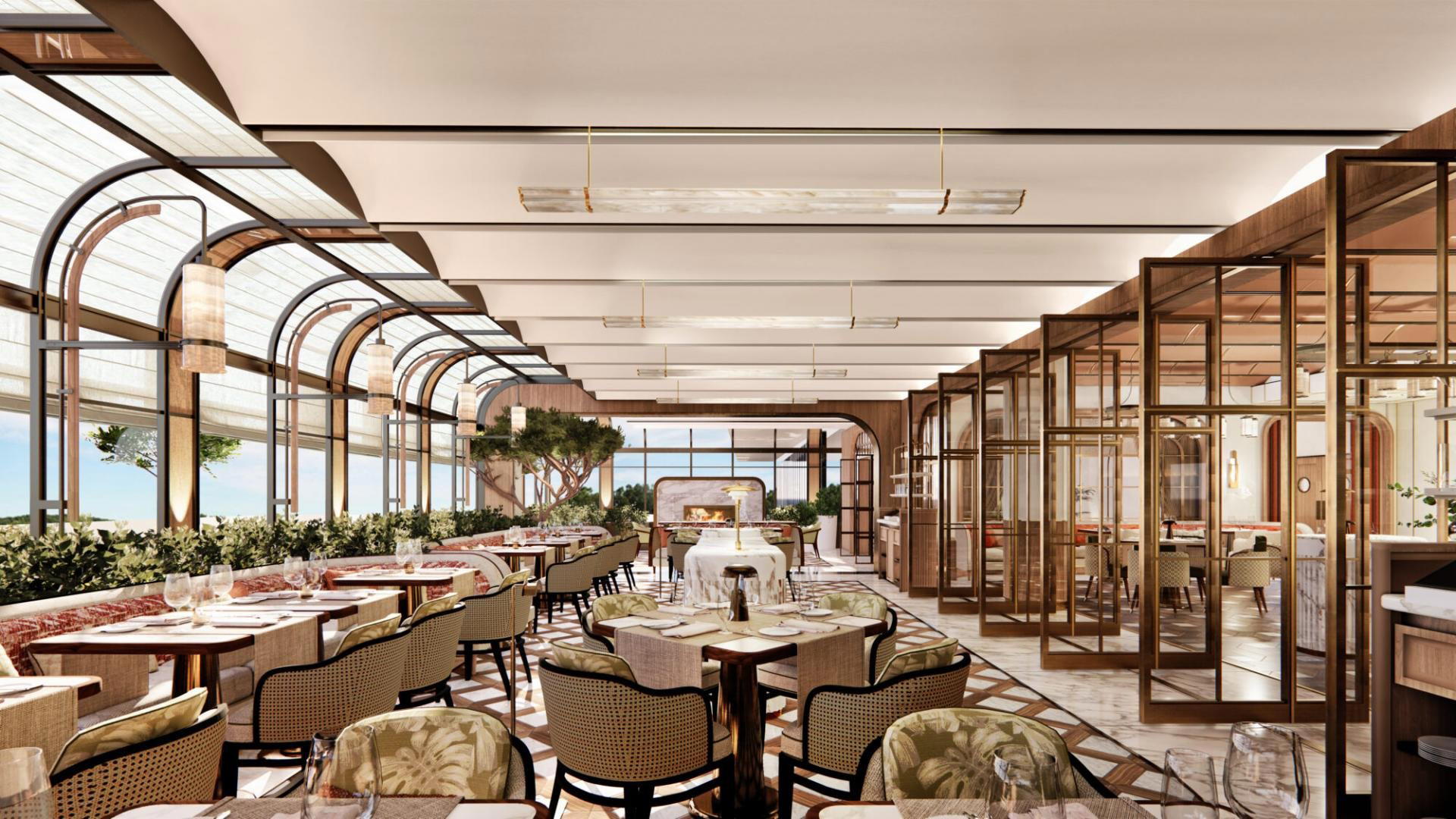
Calm, Arabesque atmosphere with warm Arabian heritage design, soft lighting, and serene spa ambiance; described as stylish and relaxing without being ostentatious.