Tokyo (طوكيو)
Tokyo (طوكيو) brings Japanese dining to the As-Sulaimanyah district of Riyadh, positioned along Oruba Road in one of the capital's established commercial and dining corridors. The restaurant sits within a growing category of Japanese-concept venues now operating across Saudi Arabia's major cities, offering Riyadh diners an alternative to the Gulf's broader regional dining scene.
 Discover on Pearl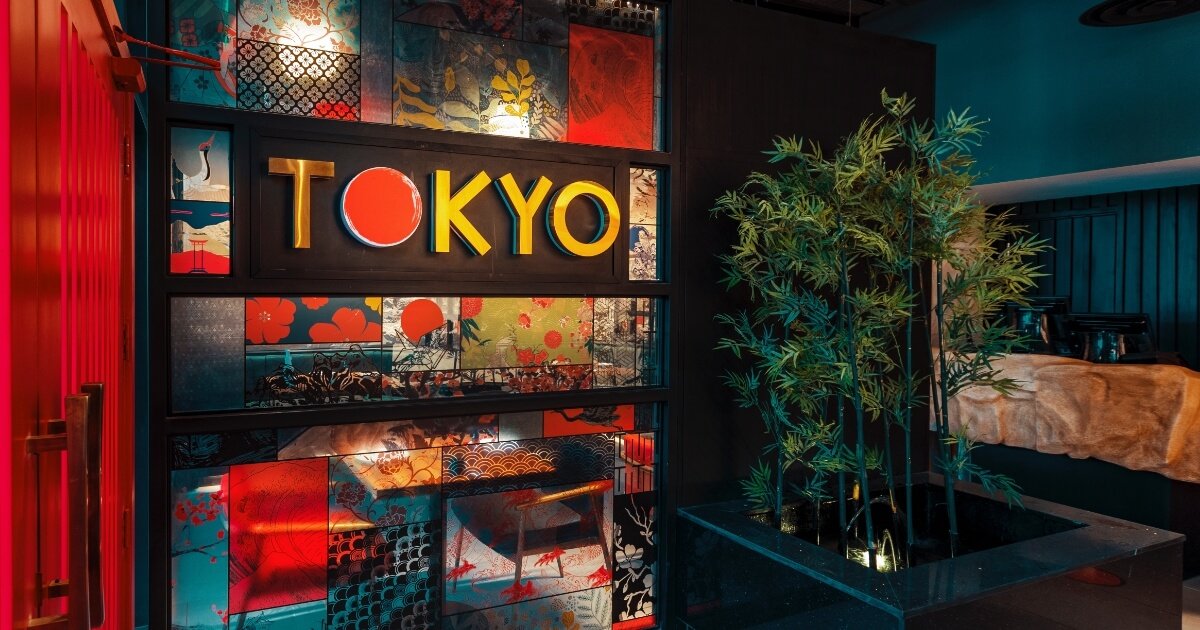
Japanese Dining in Riyadh's As-Sulaimanyah District
Riyadh's dining scene has diversified considerably over the past decade, with international cuisine formats moving from novelty to fixture. Japanese restaurants occupy a specific tier within that shift: they demand a higher level of ingredient sourcing discipline than most international formats, and diners who follow the category closely tend to hold them to comparative standards set elsewhere in the region. Tokyo (طوكيو), located on Oruba Road in As-Sulaimanyah, sits within this broader context, operating in one of Riyadh's more established commercial corridors where dining expectations have risen in step with the city's wider hospitality expansion.
As-Sulaimanyah is not a neighbourhood defined by a single culinary identity, but it has accumulated a density of mid-to-upper-tier restaurants that gives it weight as a destination in its own right. The area draws a mix of professional and residential footfall, which shapes what restaurant formats survive there. Venues on Oruba Road compete less on novelty and more on consistency, which is a harder standard to sustain. For a Japanese-concept restaurant in this setting, the pressure to hold a recognisable format while meeting local palate expectations is a defining operating condition.
The shortlist, unlocked.
Hard-to-book tables, cellar releases, and concierge-planned trips.
Get Exclusive Access →What the Menu Structure Signals
In Japanese restaurant formats globally, menu architecture tends to reveal the kitchen's actual ambitions more clearly than almost any other cuisine. The distance between a Japanese menu built around approachable crowd formats — teriyaki, tempura, broadly Westernised rolls — and one structured around precision categories like omakase, kaiseki, or single-protein focus is significant. The former targets volume and familiarity; the latter targets a narrower, more informed audience and requires a different supply chain, different kitchen tempo, and different front-of-house training.
Riyadh's Japanese restaurant category has followed a pattern visible across Gulf cities: an early wave of pan-Asian venues with nominal Japanese sections, followed by more focused concepts as consumer literacy around Japanese food has grown. The city now has enough Japanese-format restaurants that a new entrant cannot rely on novelty alone. Takara in Khobar represents the kind of more focused Japanese positioning that has emerged across Saudi Arabia's major cities, and Riyadh is seeing comparable moves. Where Tokyo (طوكيو) sits within that spectrum, whether closer to accessible Japanese-international or to format-disciplined Japanese, is the question most relevant to a diner making a booking decision.
Without confirmed menu data, the most honest framing is this: As-Sulaimanyah's commercial character and the restaurant's positioning on Oruba Road suggest a concept aimed at regulars rather than one-off visitors, which typically pushes kitchen teams toward consistency over theatrical set-pieces. That is, in practice, a reasonable foundation for a Japanese restaurant trying to hold ground in a competitive city.
The Riyadh Context for Japanese Cuisine
Saudi Arabia's broader restaurant sector has undergone structural change since 2016, with Vision 2030 policy changes opening entertainment and hospitality investment at a scale that has materially altered what diners expect. Riyadh in particular has seen rapid expansion in the upper tiers of international dining, with formats that would previously have been Dubai-exclusive now operating in the Saudi capital. Japanese cuisine has benefited from this: the category carries status associations that translate well to the premium-casual and premium-formal segments Riyadh's dining market has been building.
For comparison, Khayal Restaurant (مطعم خيال) in Jeddah and Kuuru in Jeddah illustrate how Saudi Arabia's second city has developed its own distinct dining character, with international formats sitting alongside strongly local concepts. Riyadh's trajectory is similar but faster-moving, driven by a larger population base and greater institutional investment in the capital's hospitality infrastructure. Aseeb in Riyadh is one example of how local-identity dining has carved out space even as international formats expand, a pattern that tends to sharpen the competitive positioning of venues in every category.
Japanese cuisine in this environment competes not only with other Japanese restaurants but with the full spread of international formats now operating in the city. A diner choosing between a Japanese evening and one of Riyadh's expanding Korean, Italian, or Levantine fine-casual options is making a category decision as much as a venue decision. The restaurants that hold their position in this environment tend to be those that have a clear answer to what they do that the adjacent formats do not.
Planning a Visit
Tokyo (طوكيو) is located at As-Sulaimanyah on Oruba Road, Riyadh 11323. As-Sulaimanyah is accessible from central Riyadh and sits in a district with established parking infrastructure, which matters in a city where driving remains the primary mode of movement. For current hours, reservation availability, and menu information, contacting the venue directly or checking current listings is advisable, as operational details for this category of restaurant can shift with demand and season. Riyadh's dining peak falls in the cooler months between October and March, when outdoor terraces and evening culture operate at full capacity across the city, and when booking ahead becomes more relevant across most mid-to-upper-tier restaurants.
For a broader view of where Tokyo (طوكيو) sits within Riyadh's full dining picture, our full الرياض restaurants guide covers the city's categories in depth. Diners with an interest in Japanese formats elsewhere in the region should also consider Takara in Khobar and Kuuru in Jeddah as reference points for how the category is developing across Saudi Arabia's major cities.
Other venues in Riyadh's diverse dining corridor, including PORTERHOUSE and Shawarma House (بيت الشاورما), illustrate the breadth of formats now operating in the capital, from premium protein-focused dining to casual street-food concepts. yello in Ad Diriyah and Banyan Tree AlUla in AlUla extend that picture further, showing how Saudi Arabia's hospitality offer now spans very different settings and formats. For reference on how Japanese-adjacent and international fine dining operates at the leading of the global market, Le Bernardin in New York City and Atomix in New York City offer useful benchmarks on what format discipline looks like at the highest level.
Frequently Asked Questions
- What do people recommend at Tokyo (طوكيو)?
- Confirmed dish-level recommendations require current menu data, which is not available in our database at this time. In Japanese restaurant formats operating in Gulf cities, the most consistently ordered categories tend to be sushi and sashimi selections, grilled items, and signature rolls adapted for local palates. For the most accurate picture of what the kitchen does well, recent diner reviews on local platforms are the most reliable source.
- Do they take walk-ins at Tokyo (طوكيو)?
- Walk-in availability at Riyadh restaurants in the mid-to-upper tier varies significantly by day and season. During Riyadh's peak dining months (October through March) and on weekend evenings (Thursday and Friday in the Saudi calendar), demand across As-Sulaimanyah's restaurant corridor tends to be higher. Contacting the venue directly is the safest approach before arriving without a reservation.
- What is Tokyo (طوكيو) leading at?
- Without confirmed menu or kitchen data, a specific claim about the restaurant's strongest category would be speculative. What can be said is that Japanese restaurants operating in Riyadh's As-Sulaimanyah district typically anchor their offer around either a sushi-led format or a broader Japanese-international menu. The kitchen's actual strengths are leading assessed through current local reviews or a direct enquiry to the venue.
- Can Tokyo (طوكيو) adjust for dietary needs?
- Japanese cuisine has structural advantages for some dietary requirements: sashimi and many grilled preparations are naturally gluten-light, and seafood-focused menus can accommodate pescatarian preferences without significant adaptation. That said, confirmed allergen protocols and specific dietary accommodation policies at this venue are not in our current database. If dietary adjustments are a priority, contacting the restaurant ahead of your visit is advisable, as kitchen capacity to accommodate varies by format and staffing.
- Does Tokyo (طوكيو) justify its prices?
- Price benchmarking for this venue is not available in our database. Across Riyadh's Japanese restaurant category broadly, pricing tends to reflect ingredient sourcing costs, which are non-trivial for a cuisine that depends on quality protein and imported components. The question of value is better answered by cross-referencing current menu prices against the range now operating in As-Sulaimanyah and comparable Riyadh dining corridors.
- How does Tokyo (طوكيو) compare to other Japanese restaurants in Saudi Arabia's major cities?
- Saudi Arabia's Japanese restaurant category is developing unevenly across cities, with Riyadh and Jeddah leading in format diversity. Riyadh's As-Sulaimanyah location places Tokyo (طوكيو) in a high-footfall commercial zone where it operates alongside a wide range of international formats. For comparison across cities, Takara in Khobar and Kuuru in Jeddah represent the Japanese dining category in the Kingdom's other major markets, giving diners a regional reference point for how the cuisine is being interpreted and positioned.
Reputation Context
A quick look at comparable venues, using the data we have on file.
| Venue | Awards | Cuisine | Notes |
|---|---|---|---|
| Tokyo (طوكيو) | This venue | ||
| 56th Avenue Diner | |||
| Japan Village | |||
| PORTERHOUSE | |||
| Shawarma House (بيت الشاورما) |
Need a table?
Our members enjoy priority alerts and concierge-led booking support for the world's most difficult tables.
Get Exclusive AccessThe shortlist, unlocked.
Hard-to-book tables, cellar releases, and concierge-planned trips.
Get Exclusive Access →