Benoit

Alain Ducasse's Benoit brings classic French bistro de luxe to the King Abdullah Financial District, with red banquettes, vintage chandeliers, and a menu anchored in Paris-trained tradition. Escargot, pâté en croûte, and soufflé au chocolat sit alongside Saudi-inflected additions like Camel Rossini and lamb kafta. The result is a rare French institutional format transplanted into one of Riyadh's most architecturally ambitious districts.
Pearl is the En Primeur Club membership app — saves, bookings, and concierge access live there. Same editors, same standards.
- Address
- King Abdullah Financial District, Area 1
- Phone
- +966 55 779 5184
- Website
- benoit-riyadh.com
- Directions
- Get directions
 Saves & bookings on Pearl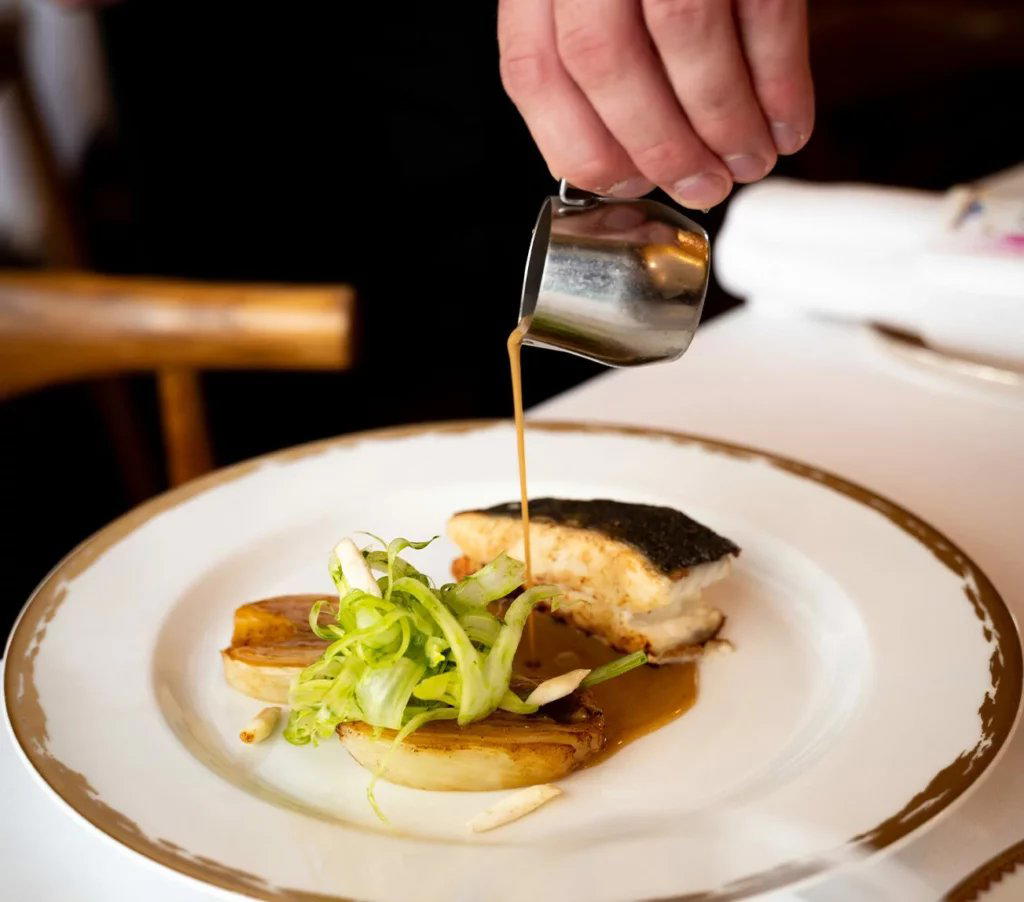
France in the Financial District
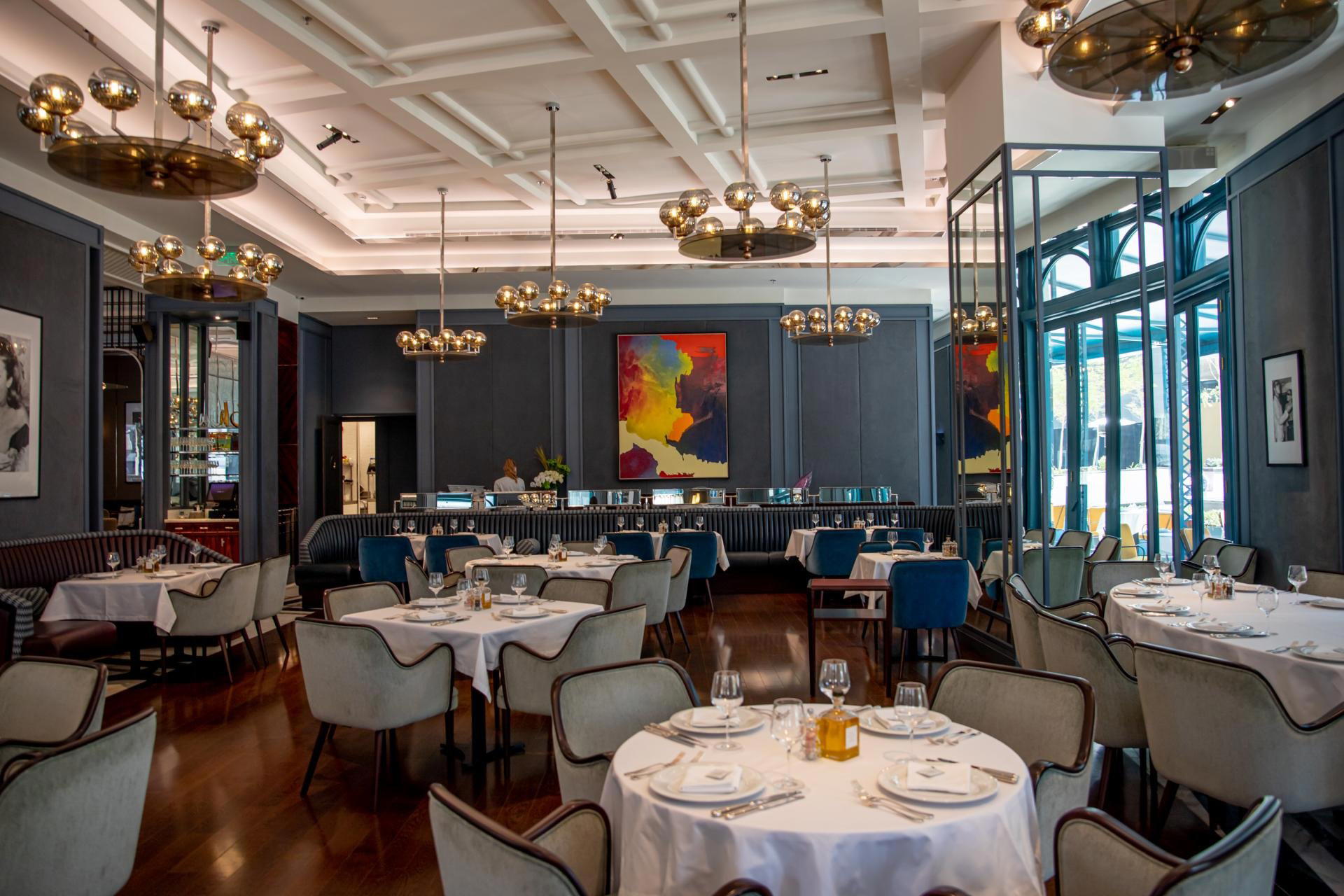
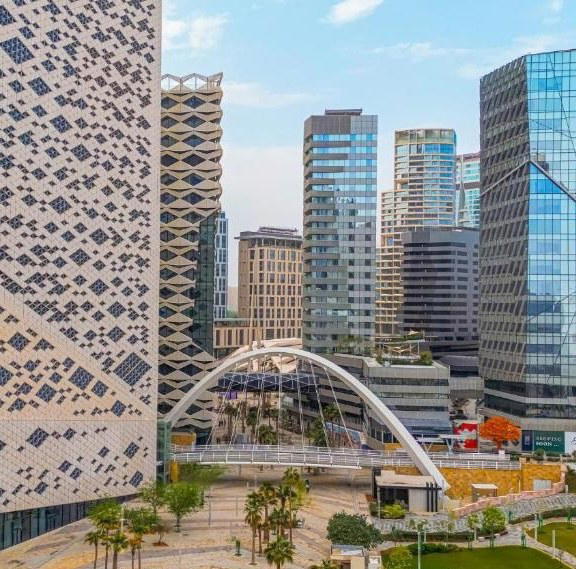
The King Abdullah Financial District was designed to signal ambition: glass towers, refined walkways, and a master plan built for a Riyadh that didn't yet exist when ground was first broken. Against that backdrop, Benoit plays a deliberate counterpoint. Step inside and the soundtrack shifts to Édith Piaf and Charles Aznavour. Red banquettes run along the walls. Vintage chandeliers hang from ceilings that otherwise belong to the twenty-first century. The dissonance is the point. French bistro culture has always operated by its own temporal rules, and the KAFD branch of Alain Ducasse's Benoit transplants those rules wholesale into one of the Gulf's most forward-facing urban environments.
The original Benoit in Paris dates to 1912. Ducasse acquired it in 2005, and the brand now operates across multiple cities. That lineage matters here not as a marketing credential but as a guide to what the kitchen is actually doing. Benoit is a bistro de luxe format: technically grounded, ingredient-driven cooking in a register that sits below the white-tablecloth grand restaurant but well above the neighbourhood brasserie. In Riyadh's current dining scene, where European fine dining and local Saudi concepts are both expanding rapidly, that middle register is relatively underrepresented. For reference points in the Ducasse orbit at the finer end of the dial, Alain Ducasse at Louis XV in Monte Carlo operates at a different altitude entirely. Benoit's proposition is more approachable, more rooted in everyday French culinary logic.
What the Menu Is Actually Doing
Dishes named in the Benoit Riyadh menu tell you something about sourcing philosophy before you taste anything. Escargot requires Burgundian-style preparation and a supply chain capable of delivering the molluscs in acceptable condition. Pâté en croûte is a technique-intensive preparation that rewards pastry discipline and quality forcemeat. Soufflé au chocolat is the kind of dish that can only be carried by a kitchen with the timing and confidence to execute it consistently. These are not decorative classics placed on a menu for nostalgia. They are dishes that demand either strong sourcing or strong technique, and usually both.
More interesting editorial question in KAFD is how a French kitchen operating in Saudi Arabia adapts its sourcing model without compromising the foundational logic of its cuisine. Benoit's answer, based on the menu, is selective integration rather than wholesale localisation. The core of the menu remains French in structure and reference: classic preparations, French culinary vocabulary, a format that would read legibly in Lyon or Lyonnais-influenced kitchens globally. But two dishes signal a deliberate engagement with local ingredients and palate. The Camel Rossini applies a French preparation framework (the Rossini typically refers to sautéed meat with foie gras and truffle, named after the composer) to camel meat, a protein with deep roots in Saudi and wider Arabian food culture. The lamb kafta places a regional preparation directly on a French bistro menu without attempting to assimilate it into French technique. That duality is worth noting because it represents a more sophisticated localization model than either full French purity or fusion dilution.
In a regional comparison, this approach has parallels at places like Harrat in AlUla, where the conversation between global technique and Saudi ingredients is also a central editorial subject. Closer in Riyadh, the question of how imported culinary frameworks interact with local identity runs through the scene broadly. Aseeb and Marble approach it from different angles, as does Myazu, which situates Japanese technique in the same fast-evolving KAFD dining environment.
Two Formats, One Address
The physical split between ground floor and first floor at Benoit KAFD is not cosmetic. The ground floor operates as the restaurant proper, with the full bistro de luxe experience. The first floor runs as a café, a lighter-format offering that allows the venue to serve the working population of the financial district across different occasions and time pressures. That dual-format model is well-suited to KAFD's function as a live-work district. A senior financial professional might use the café for a working lunch and the restaurant for a client dinner without the venue change. The architectural contrast between Benoit's interior and the surrounding KAFD development works differently in each format: in the café, the vintage details read as a styling choice; in the full restaurant, they frame the dining experience with more deliberate intent.
For French bistro comparison in Riyadh, Café Boulud occupies adjacent territory, placing another internationally recognised French name in the city. The competitive set for Benoit is therefore defined partly by that peer group of internationally pedigreed European formats, and partly by the wider KAFD dining cluster. Internationally, the bistro de luxe tradition that Benoit represents has proved durable across very different cities: 8½ Otto e Mezzo Bombana in Hong Kong demonstrates how European culinary institutions can operate with authority in non-European urban contexts, and that model has clear relevance to what Benoit is doing in Riyadh.
Planning Your Visit
Benoit sits within KAFD's Area 1, overlooking the Financial Plaza. The district is accessible by Riyadh Metro (the KAFD station connects to Line 4), which makes it reachable from central Riyadh without relying on road traffic during peak commuting hours. For dinner at the restaurant level, booking ahead is advisable, particularly on weekday evenings when the KAFD professional population fills the district's dining options. The café format on the first floor is likely more walk-in friendly, though KAFD sees significant footfall from the surrounding office towers during lunch hours. Smart casual dress fits the bistro de luxe register: the room has formality built into its design without imposing a strict dress requirement.
For a broader picture of what Riyadh's dining scene looks like in 2024, our full Riyadh restaurants guide maps the city's categories and neighbourhoods. Lunch Room in Dubai offers a point of comparison for how European daytime dining formats are being received across the Gulf more widely. Riyadh's hospitality picture extends beyond restaurants: our Riyadh hotels guide, bars guide, and experiences guide cover the wider city.
How Benoit Riyadh compares with similar nearby venues.
| Venue | Awards |
|---|---|
| Benoit | Michelin Guide Saudi Arabia 2026, Plate, Benoit |
Recognition history
Dated appearances from independent guides and award organizations, with the underlying list record or original source where available.
Michelin Plate
Michelin
At a Glance
- Elegant
- Classic
- Romantic
- Sophisticated
- Date Night
- Business Dinner
- Celebration
- Special Occasion
- Private Dining
- Open Kitchen
- Extensive Wine List
- Sommelier Led
Current opening hours
- Monday
- 12 PM–12 AM
- Tuesday
- 12 PM–12 AM
- Wednesday
- 12 PM–12 AM
- Thursday
- 12 PM–12 AM
- Friday
- 12 PM–12 AM
- Saturday
- 12 PM–12 AM
- Sunday
- 12 PM–12 AM
Hours can change for holidays and private events. Last verified .
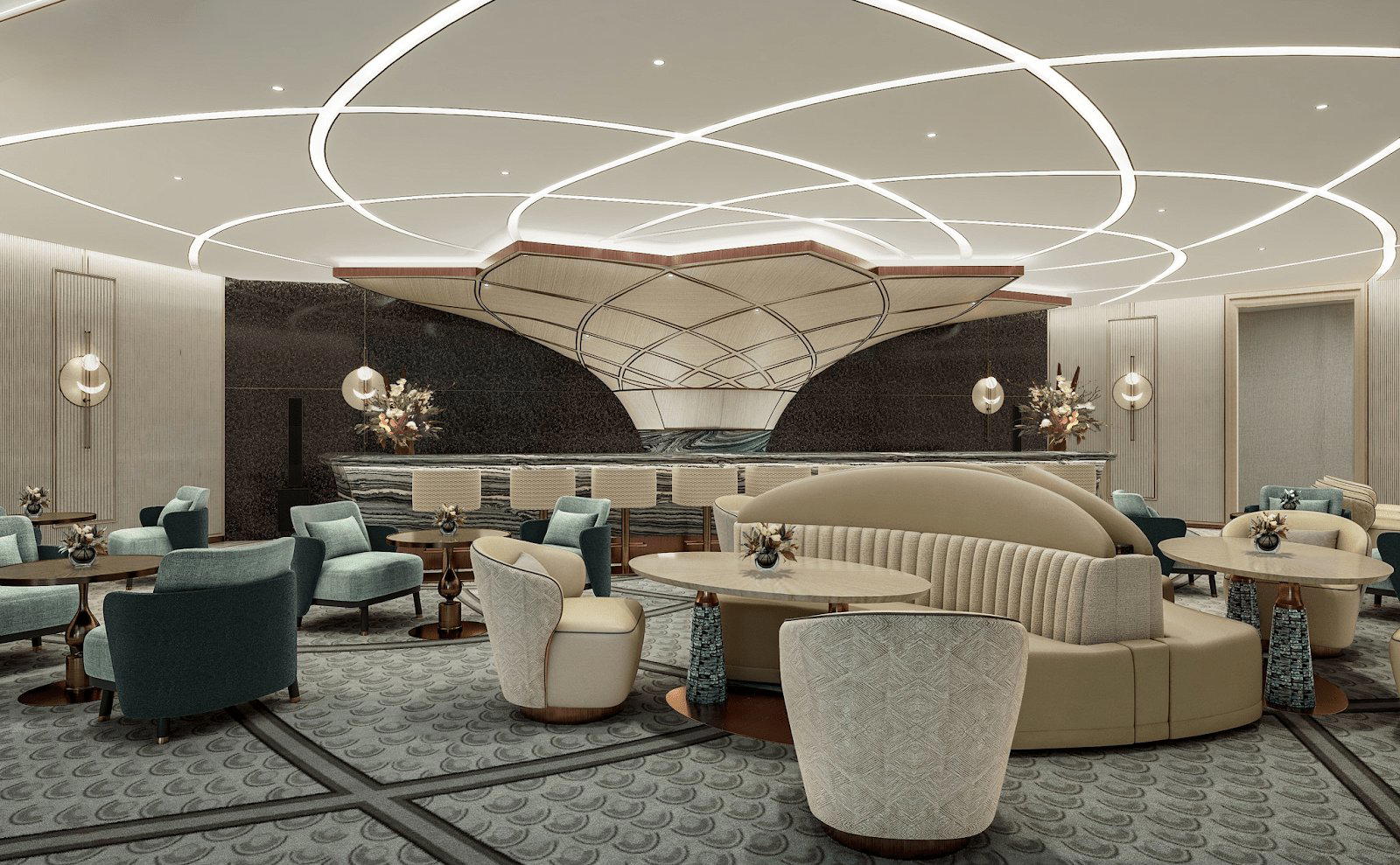
Polished brass details, marble columns, plush red velvet banquettes, crisp white tablecloths, vintage chandeliers, and classical French music create an intimate corner of Paris within a modern financial district setting.
Know Before You Go
- Getting there
- King Abdullah Financial District, Area 1