TOKYO
Our verdict
TOKYO brings a Japanese dining format to Al Urubah Road in Riyadh's Al Wurud district, positioning itself within a city that has absorbed an accelerating wave of Asian-influenced restaurants over the past several years. The address places it in a well-trafficked corridor for the Saudi capital's mid-to-upper dining tier, where competition from dedicated Japanese concepts has grown considerably.

Pearl is the En Primeur Club membership app — saves, bookings, and concierge access live there. Same editors, same standards.
- Address
- Al Urubah Rd, Al Wurud, Riyadh 12245, Saudi Arabia
- Phone
- +966920009662
- Hours
- Daily 12:30 PM–12 AM
- Website
- tokyoarabia.com
- Directions
- Get directions
- Booking
- Book on SevenRooms
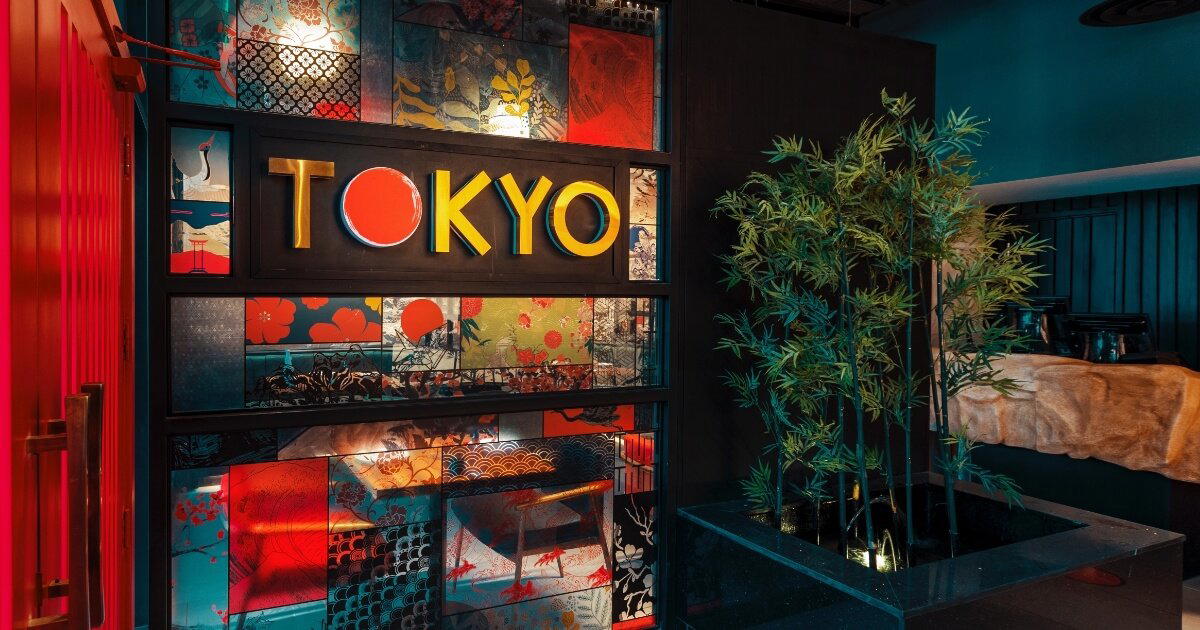
Japanese Dining in Riyadh: The Competitive Frame
Riyadh's appetite for Japanese cuisine has expanded faster than almost any other foreign format in the city over the past decade. Where the early market was dominated by pan-Asian menus that treated sushi as one component among many, the current scene has fractured into more specialized positions: dedicated omakase counters, robatayaki-led formats, ramen specialists, and broader Japanese brasserie-style rooms that serve a wider demographic. TOKYO, addressed on Al Urubah Road in the Al Wurud district, enters a market that is both more crowded and more demanding than it was five years ago. That context matters because it sets the benchmark against which any Japanese restaurant in the Saudi capital now competes — not just locally, but against the regional tier that includes concepts in Dubai, Abu Dhabi, and Jeddah.
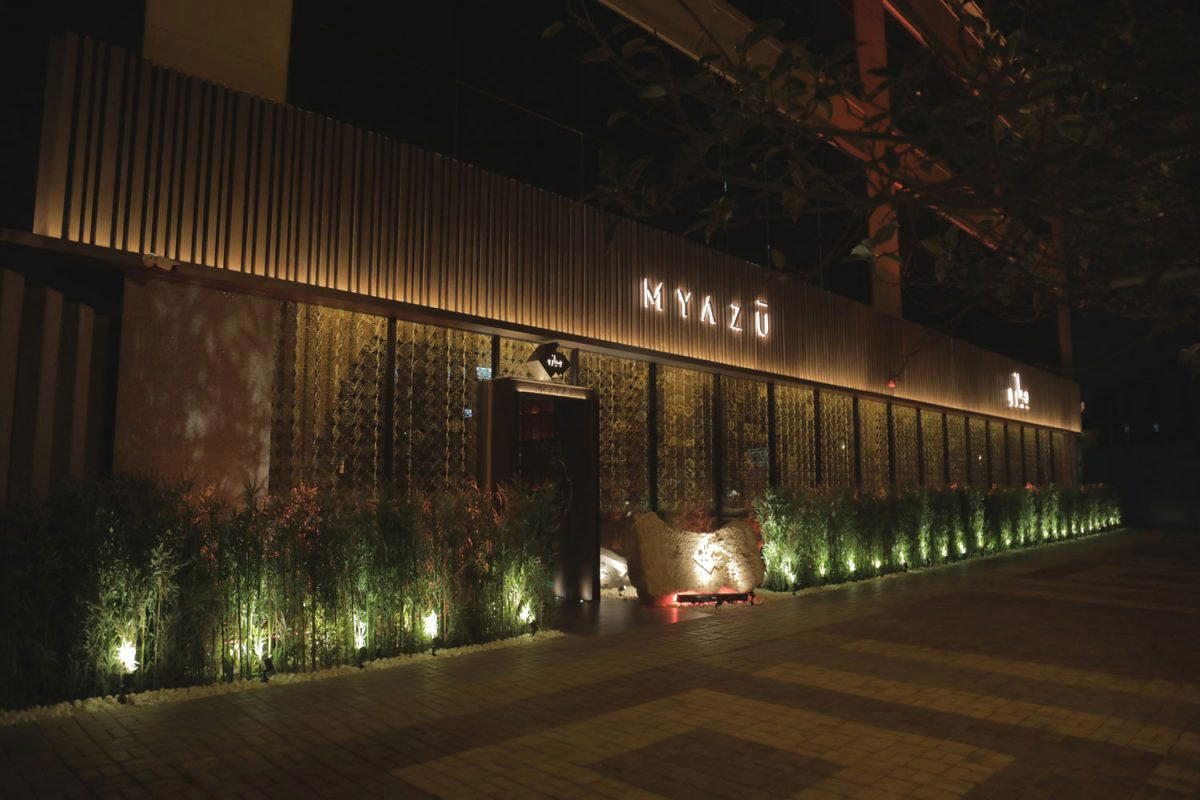
Al Wurud sits within a stretch of Al Urubah Road that has become one of Riyadh's more recognizable dining corridors, drawing a clientele that tracks new openings and has clear expectations about format, quality, and service pace. For any Japanese concept operating in this postcode, the competition is not abstract. Myazu represents one benchmark in the city's Japanese category, while Marble and Aseeb illustrate how Riyadh's broader premium dining tier has raised the floor for interior quality and menu coherence across cuisines. TOKYO's placement on Al Urubah Road puts it squarely inside that competitive conversation.
The Beverage Question in a Non-Alcohol Market
Any discussion of wine lists and cellar depth in Riyadh requires an immediate acknowledgment of the regulatory environment. Saudi Arabia does not permit the sale of alcohol, which means the editorial angle of sommelier expertise and cellar curation that defines premium dining in most global markets takes a different form here. What replaces it — and this is where serious operators distinguish themselves, is the architecture of the non-alcoholic beverage program. In the cities where this constraint has been handled with the most sophistication, the response has been to treat zero-proof pairing with the same structural seriousness that a European sommelier brings to a cellar. Fermented teas, house-made shrubs, Japanese-influenced cold infusions, and temperature-specific still and sparkling water selections have become the signifiers of a beverage program that takes pairing seriously rather than treating it as an afterthought.
The Japanese dining tradition offers particular resources for this kind of program. Japan's own tea culture, from gyokuro to hojicha, provides a pairing vocabulary that maps onto umami-forward dishes with more coherence than most European still wines manage. For comparison, concepts like Takara in Khobar illustrate how Japanese formats across Saudi Arabia have approached the beverage pairing challenge with varying degrees of ambition.
What the Address Signals
Al Urubah Road in Al Wurud is not a peripheral location. The area draws a consistent professional and upper-income demographic, and restaurants operating here carry implicit positioning signals before a menu is ever read. The street-level context means footfall is available, but the clientele that matters most in this corridor makes deliberate booking decisions rather than walk-in choices. That behavioral pattern has implications for format: a concept in this postcode that operates without advance reservation infrastructure is leaving a significant share of its potential demographic on the table.
Riyadh's dining scene has matured to a point where address alone no longer compensates for format gaps. Benoit demonstrates how European formats have found traction in the capital by committing fully to their reference point rather than hedging toward local preferences at every turn. The same logic applies to Japanese concepts: the most successful operators in the Gulf's non-alcohol market have generally been those who lean into the integrity of the format rather than diluting it for perceived accessibility. For readers planning a visit, arriving with a specific set of questions about the beverage program and menu structure is the most efficient way to assess whether TOKYO is operating at the level its address implies.
The Broader Saudi Japanese Dining Map
Japanese cuisine has achieved a different kind of traction in Saudi Arabia than in most markets, partly because the flavor profile, restrained salt, precision presentation, high-quality protein, aligns well with local preferences that don't require alcohol as a structural pillar of the meal. Kuuru in Jeddah represents one node in this expanding network, and the direction of travel across the Kingdom suggests that the category will continue to grow in both volume and specialization. Riyadh, as the capital and the largest urban market, hosts the densest concentration of these concepts, and the competition between them is becoming more granular, it is no longer enough to offer sushi; the question is what kind, at what counter configuration, with what sourcing provenance.
For readers building a broader picture of dining in the region, our full Riyadh restaurants guide maps the city's current dining tier across cuisines and price points. The guide situates concepts like TOKYO within the full competitive field rather than in isolation, which is the more useful frame for anyone making informed decisions about where to spend serious dining budget in the Saudi capital. Cross-referencing with options like yello in Ad Diriyah or the culturally specific offer at Banyan Tree AlUla gives a fuller sense of how varied the Kingdom's dining geography has become.
For those comparing premium Japanese against the international tier more broadly, the reference points don't have to stay local. Le Bernardin in New York City and Atomix in New York City represent what the best of the format looks like when every variable, sourcing, beverage pairing, counter design, service pace, is resolved at the same level of intention. That benchmark is worth holding in mind when assessing what any concept calling itself TOKYO is actually delivering.
Planning a Visit
TOKYO is located at Al Urubah Rd, Al Wurud, Riyadh 12245. Given the corridor's dining density and the competitive positioning implied by the location, booking ahead rather than arriving as a walk-in is the sensible approach for anyone treating this as a deliberate dining decision rather than a casual stop. Hours of operation should be confirmed at the time of booking, as schedules in Riyadh frequently shift around prayer times and seasonal calendar changes.
Frequently asked questions
Would TOKYO be comfortable with kids?
Al Urubah Road in Al Wurud draws a professional and upper-income demographic, and restaurants along it tend to calibrate their format accordingly. TOKYO sits within that tier, which generally means a composed room oriented toward adult dining rather than family-casual settings. For a visit with younger children, Riyadh has more overtly family-oriented options worth considering first.
Is TOKYO a good option for business dinners in Riyadh?
Al Urubah Road in Al Wurud carries a consistent reputation as a business-friendly dining corridor, with the restaurants along it accustomed to professional entertaining. A Japanese concept at that address fits the format: the cuisine's structural quietness suits deal-making better than a loud grill or casual-counter environment.
What should I order at TOKYO?
In any serious Japanese restaurant, the practical move is to ask staff which preparations change with the season and anchor there. Riyadh's Japanese dining scene has matured enough that kitchens at Al Wurud-tier addresses generally handle both sushi formats and cooked courses competently.
Fast Comparison
Comparable venues nearby, for context on price, style, and recognition.
| Venue | Cuisine | Price | Notes |
|---|---|---|---|
| TOKYOThis venue — the venue you are viewing | Authentic Japanese Fusion | $100–150 | Not listed |
| Tokyo (طوكيو) | Authentic Japanese Fusion | $100–150 | As Sulimaniyah |
| Berenjak Riyadh | Modern Persian Restaurant | Not listed | Al Hada |
| Bistro & Co. | Chinese Seafood Bistro | Not listed | Al Rabih |
| PORTERHOUSE | Modern Steakhouse | $50–100 | العليا |
| Flour & Firewood | Italian Artisan Bakery & All-Day Brunch | $20–30 | Al Sulaimaniyah |
Details
- Modern
- Elegant
- Sophisticated
- Date Night
- Business Dinner
- Group Dining
- Open Kitchen
- Private Dining
- Sake Program
- A La Carte
- Small Plates
- Vegetarian Friendly
- Vegan Options
- Gluten Free Options
- Halal
Current opening hours
- Monday
- 12:30 PM–12 AM
- Tuesday
- 12:30 PM–12 AM
- Wednesday
- 12:30 PM–12 AM
- Thursday
- 12:30 PM–12 AM
- Friday
- 12:30 PM–12 AM
- Saturday
- 12:30 PM–12 AM
- Sunday
- 12:30 PM–12 AM
Hours can change for holidays and private events. Last verified .
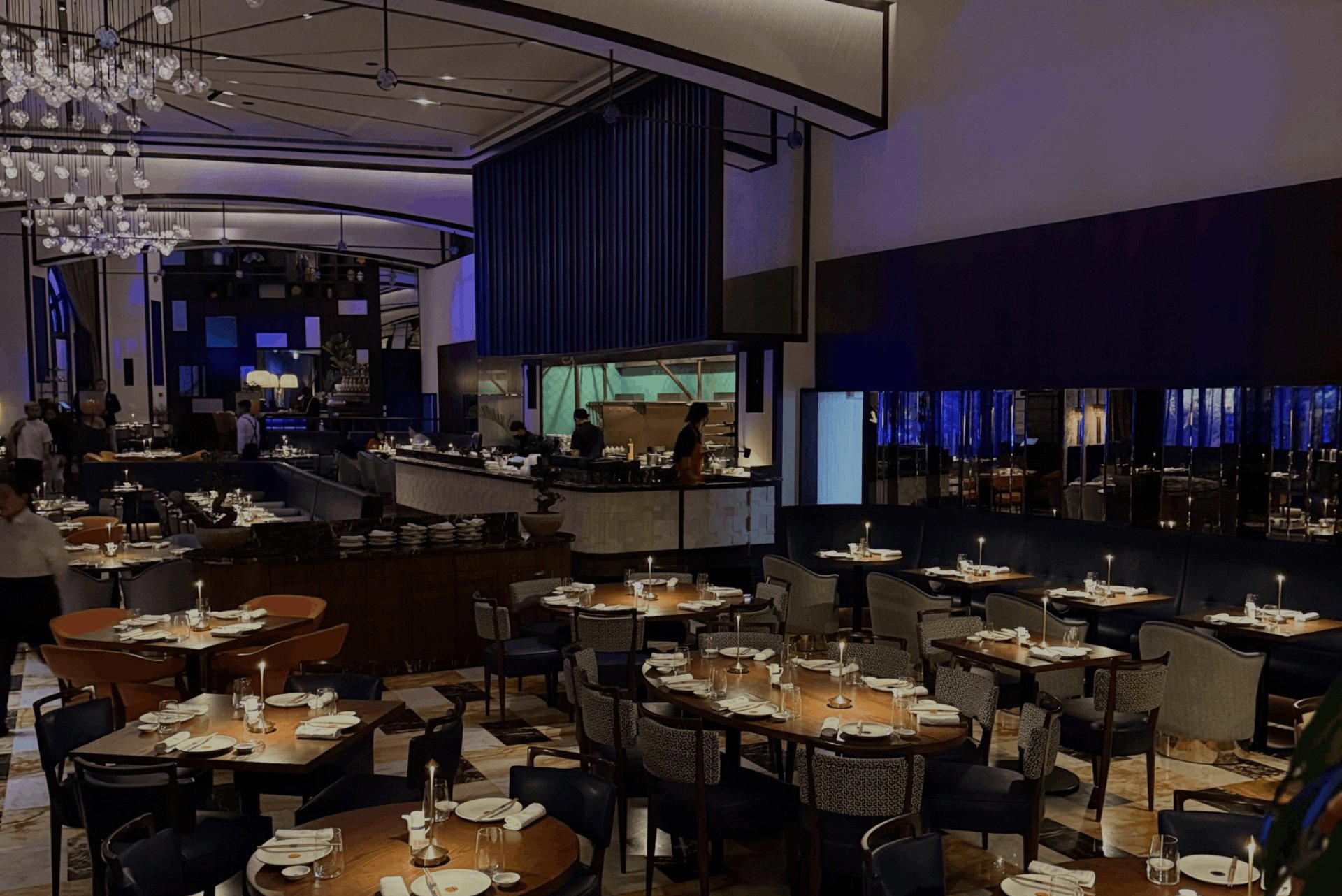
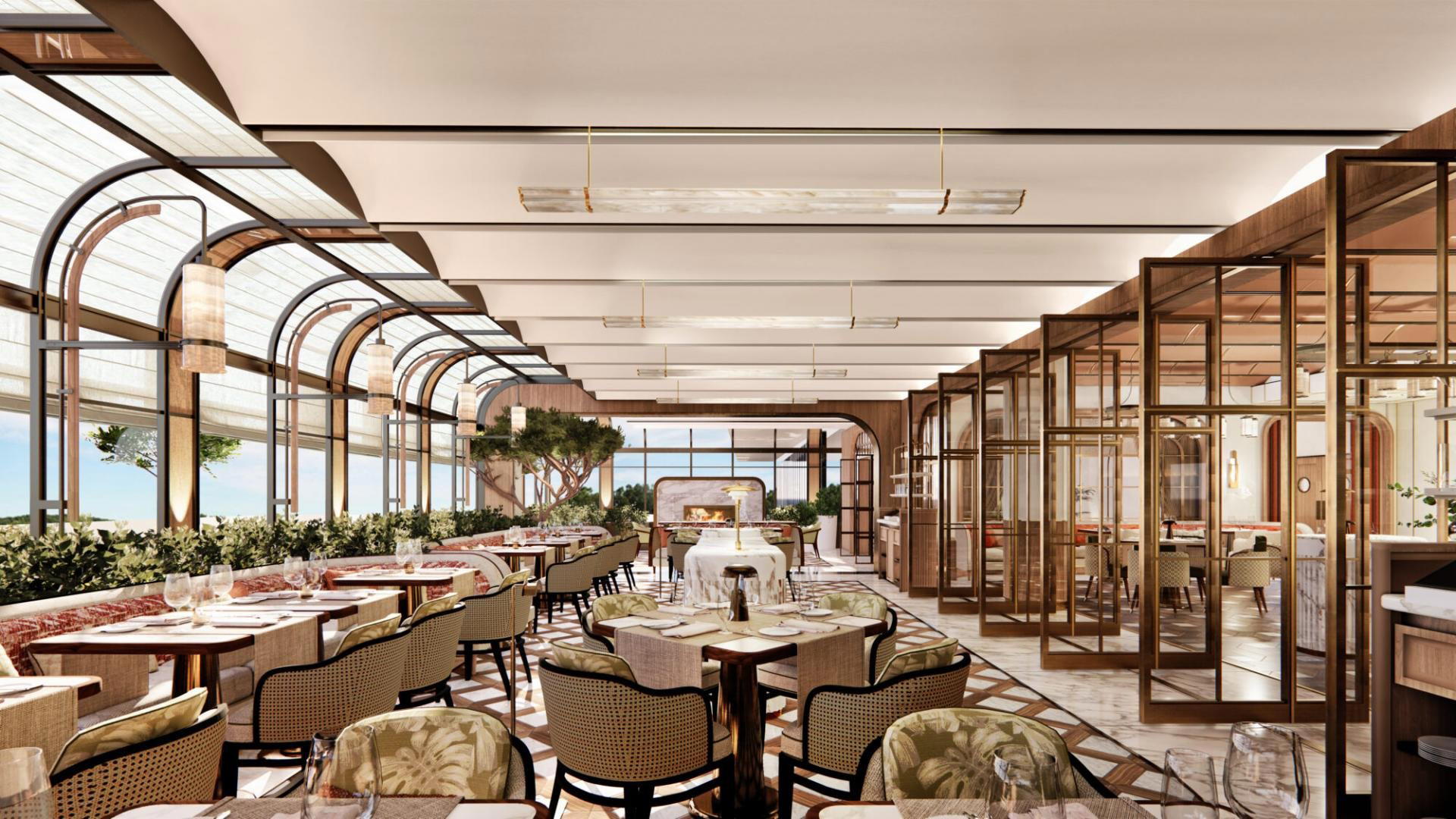
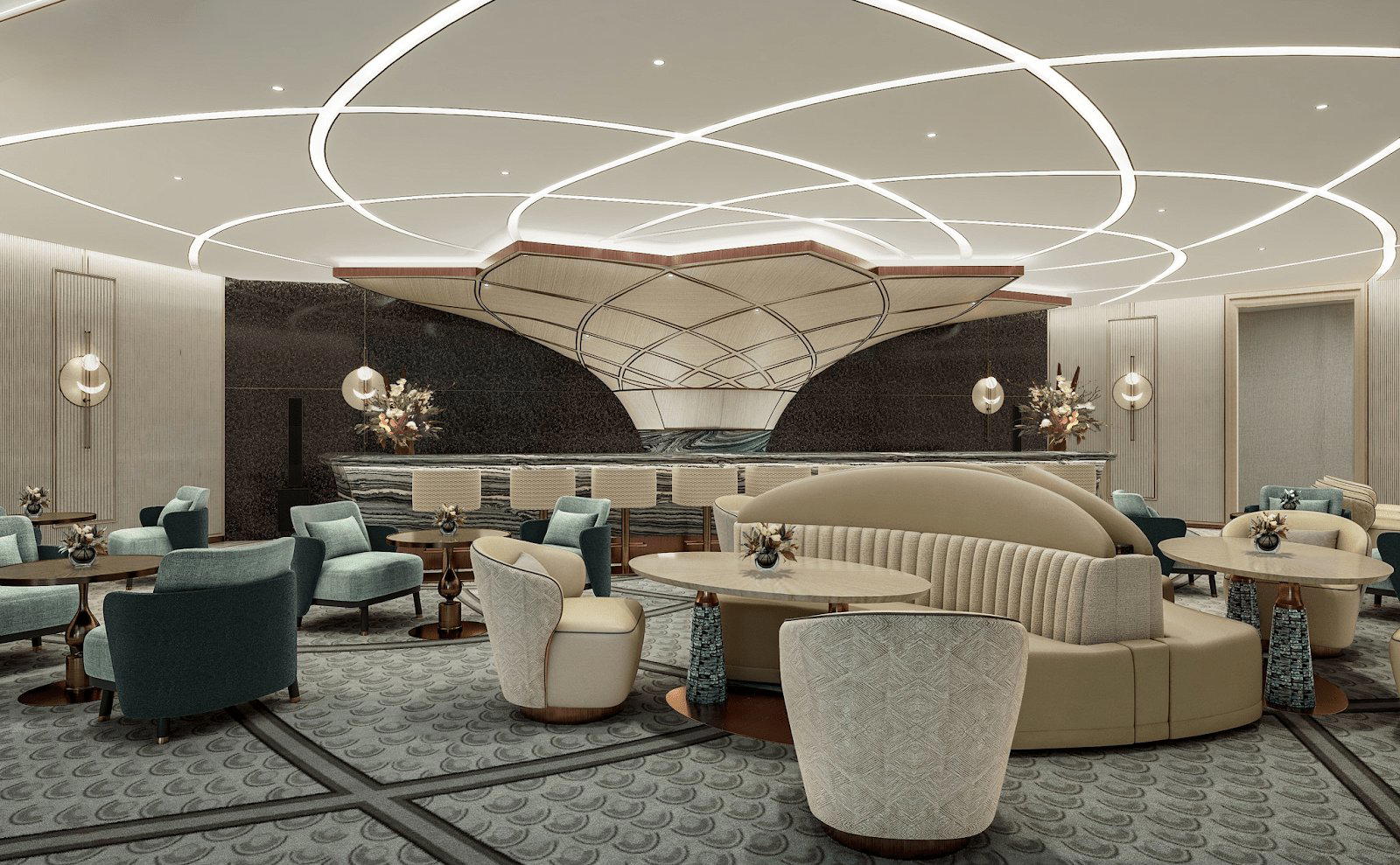
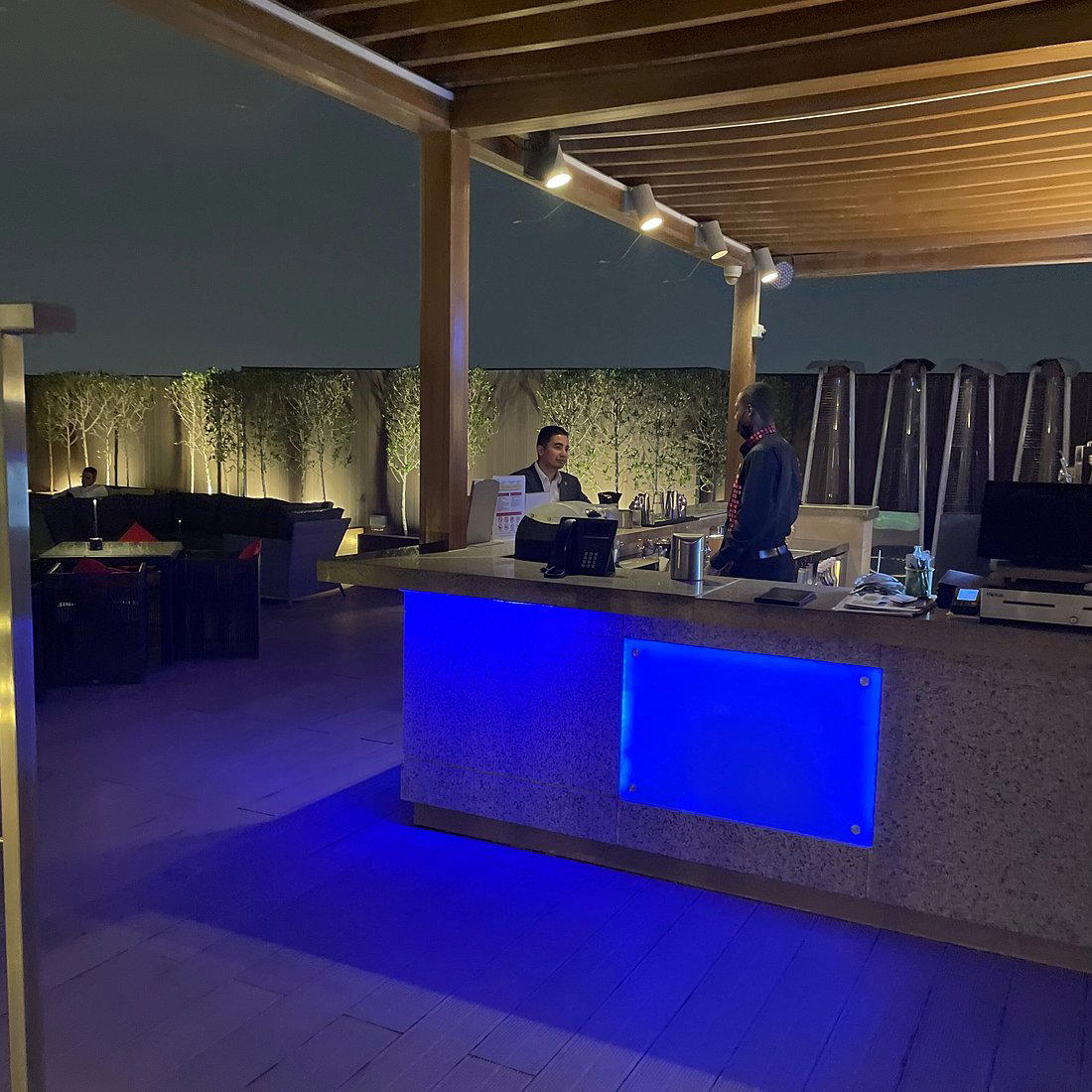
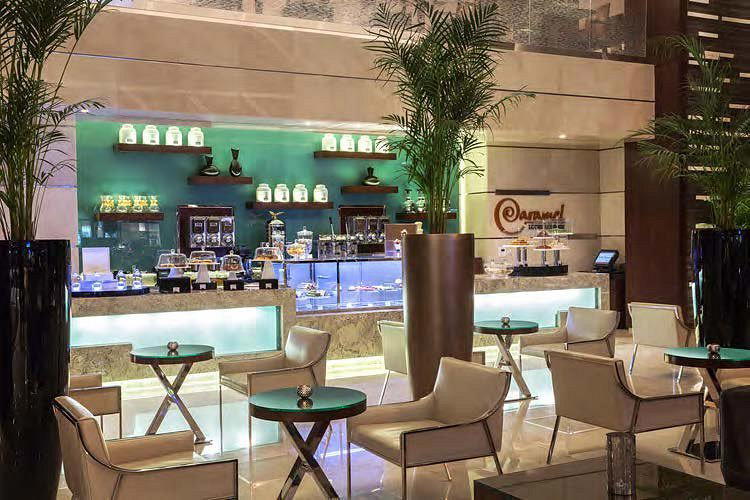
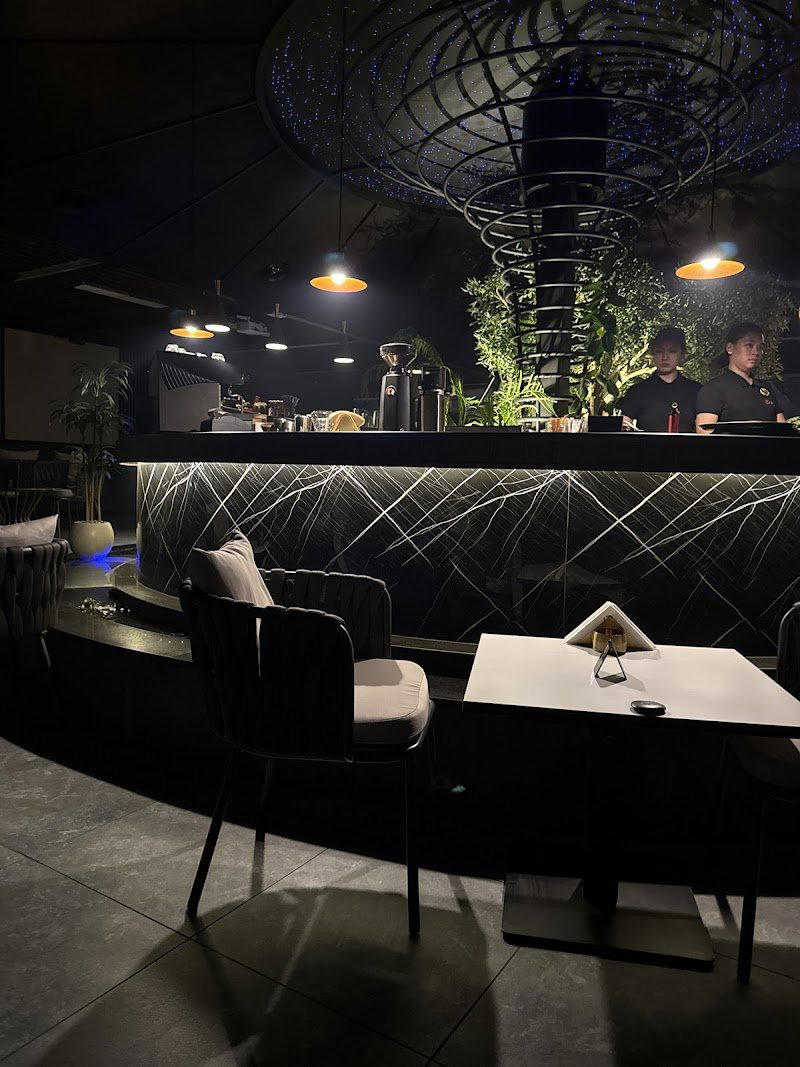
Sophisticated modern Japanese-inspired interiors with atmospheric lighting, murals, wooden screens, and paper crane installations, praised for welcoming and immersive atmosphere.