Marble

Marble belongs to Riyadh’s new casual-premium dining tier: local-born, late-running, and serious enough to place #16 on the World’s 50 Best Restaurants MENA 2024 list. Its move from a makeshift wooden stall on Prince Turki Road in 2018 to a permanent restaurant two years later says as much about the city’s appetite for homegrown formats as it does about the venue itself.
Pearl is the En Primeur Club membership app — saves, bookings, and concierge access live there. Same editors, same standards.
- Address
- 6182 طريق الامير تركي بن عبدالعزيز الأول ، ام الحمام الشرقي ، الرياض 5867, Riyadh 12321, Saudi Arabia
- Phone
- +966 11 430 0040
- Website
- marblecuisine.com
- Directions
- Get directions
 Saves & bookings on Pearl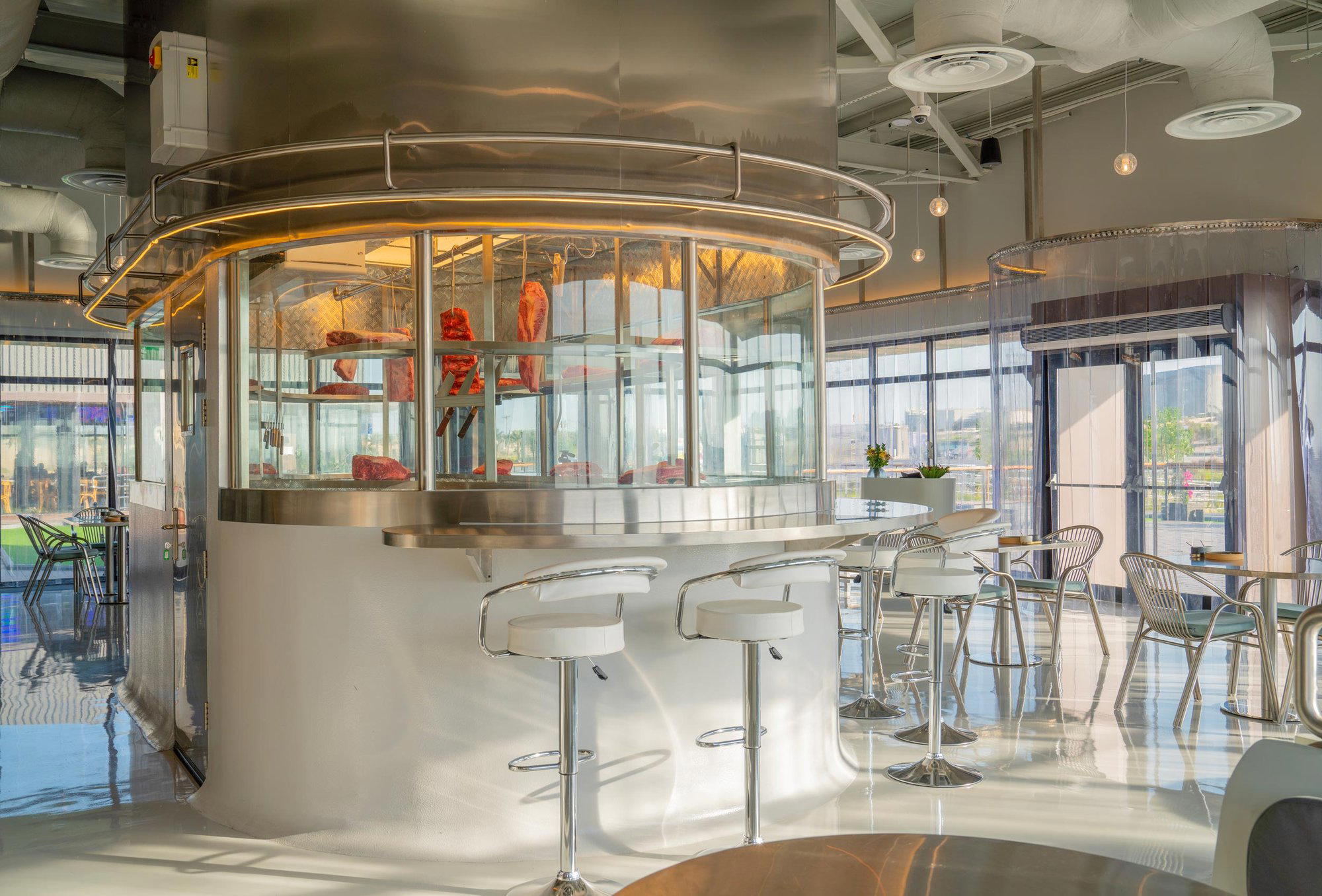
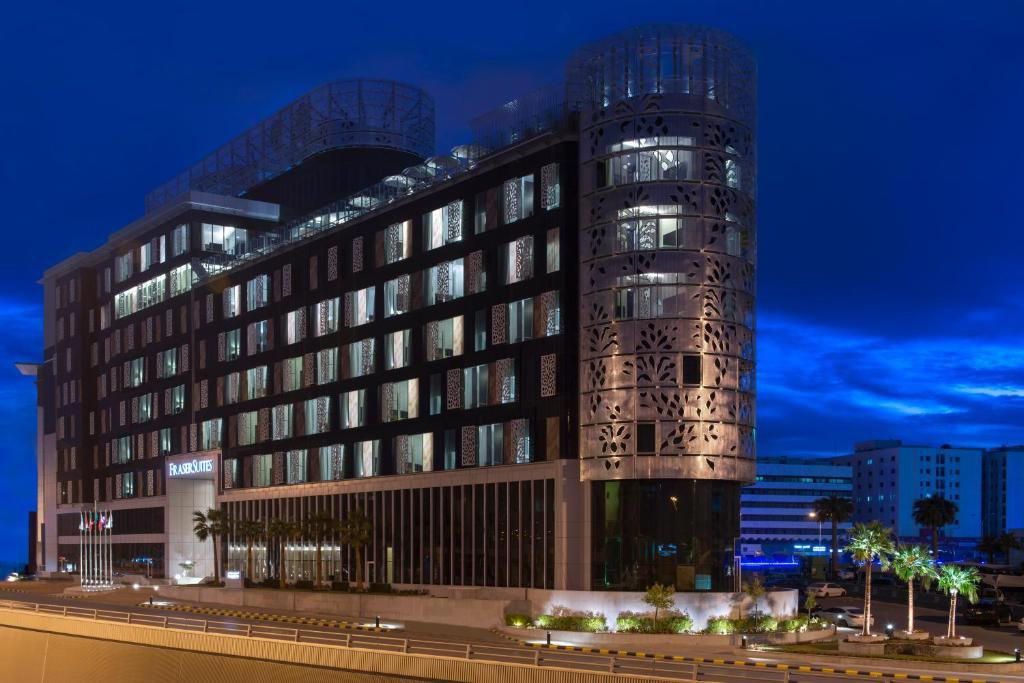
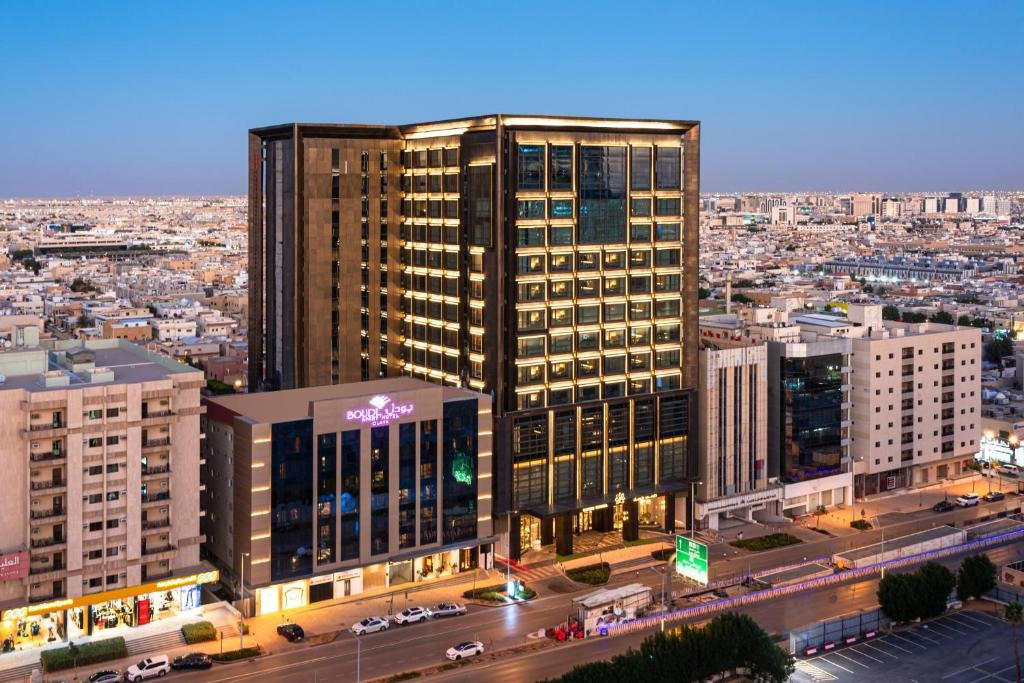
Riyadh after dusk is a useful lens on the city’s dining: cars keep moving, dinner starts late, and the line between casual food and serious restaurant culture has become harder to draw. Marble enters that scene with the grammar of a street-side origin rather than hotel dining: a local story, an evening rhythm, and a reputation built before the room became permanent.
That matters in a city where imported names have arrived with polished dining rooms and international playbooks. Julien by Daniel Boulud, Café Boulud, The Globe, MAMO Michelangelo, and PORTERHOUSE all speak to Riyadh’s appetite for recognizable luxury formats. Marble sits in a different lane. Its credibility comes from a Saudi growth story: Abdulrahman Alsowailem and Meshal Alakeel began with a makeshift wooden stall in Riyadh in 2018, then opened a restaurant two years later after building a loyal local following.
From roadside demand to regional ranking
Riyadh’s dining culture has changed quickly, but local traction remains harder to manufacture than imported prestige. A stall-to-restaurant trajectory carries a different kind of proof: people returned before there was a fully formed brand architecture around the meal. Marble’s #16 ranking on the World’s 50 Best Restaurants MENA 2024 list gives that local momentum a regional credential, placing it inside the conversation about Gulf restaurants that have moved beyond novelty and into sustained attention.
The more useful reading is not that awards make a restaurant serious; it is that this award recognizes a category Riyadh has been building for years. The city’s premium dining used to lean heavily on hotels, malls, and international franchises. Now, homegrown restaurants can compete for the same evening spend by offering tighter concepts and a stronger sense of local demand. For a broader map of that shift, Our full Riyadh restaurants guide places Marble alongside rooms with different service codes, from locally rooted dining to international imports.
Ingredient sourcing is the quiet pressure point in this part of the market. In Riyadh, a casual-premium restaurant cannot rely on theatre alone; repeat customers tend to notice consistency, pacing, heat, and portion control. Marble’s public story does not rest on a named chef or formal tasting menu. It rests on whether a format born at street level can keep its sourcing and execution disciplined once scale, rent, and recognition enter the picture.
Riyadh's ingredient question is about consistency, not ornament
The city’s current restaurant scene splits between two instincts. One side imports finished dining languages: polished service, comfort, and ceremony. The other side translates local appetite into sharper independent formats. Marble belongs to the second camp, where ingredients have to perform without the cover of ceremony. The test is direct: if a restaurant starts with a compact idea and builds a following, growth exposes every supply decision.
That is why the stall origin is more than a charming anecdote. Street-adjacent food in the Gulf depends on repetition: the same order, the same timing, the same expectation on the next visit. When that format enters a permanent restaurant, procurement becomes part of the identity even when suppliers are not named. The value is not in ornamented plating or long menu explanation. It is in whether the core product can survive nightly volume and late service without losing its point.
This is also where Marble differs from Riyadh’s more formal dining rooms. Some imported rooms operate in recognizable luxury registers, while other local addresses frame tradition more directly. Marble’s position is less ceremonial: local, demand-led, and built for diners who read quality through repetition rather than formality.
How to place Marble in a Riyadh itinerary
For visitors, Marble works less as a once-a-trip trophy meal than as a reading of contemporary Riyadh taste. The city’s dining calendar often runs late, and Marble fits that broader evening rhythm. It is better understood as an evening stop within a broader food map than as a formal dining anchor. Pair it with locally rooted dining on another night, or with one of the international rooms that show how quickly Riyadh has absorbed outside operators.
Travelers building a fuller city plan should keep the categories separate. Restaurants explain how Riyadh eats; hotels explain how the city hosts; bars and experiences explain how social formats are adapting within local rules. EP Club’s city guides cover those lanes separately through Our full Riyadh hotels guide, Our full Riyadh bars guide, Our full Riyadh wineries guide, and Our full Riyadh experiences guide.
The wider Saudi restaurant circuit adds useful contrast without needing to turn Marble into a copy of another format. Casual rooms, mass-market favorites, regional cafés, and imported comfort concepts all show how Saudi dining changes by setting and audience. Internationally, small-format food cultures offer another reminder: compact ideas travel only when their sourcing and execution hold together.
The editorial case for Marble is clear: Riyadh’s restaurant credibility is no longer measured only by imported names or formal dining rooms. A local stall-born concept earning a World’s 50 Best Restaurants MENA 2024 ranking signals a city confident enough to reward its own appetite. That is the reason to pay attention.
Recognition history
Dated appearances from independent guides and award organizations, with the underlying list record or original source where available.
World's 50 Best MENA's Best Restaurants #12
World's 50 Best
World's 50 Best MENA's Best Restaurants #16
World's 50 Best
At a Glance
- Intimate
- Modern
- Trendy
- Date Night
- Group Dining
- Open Kitchen
- Farm To Table
Current opening hours
- Monday
- 5:30 PM–3:30 AM
- Tuesday
- 5:30 PM–3:30 AM
- Wednesday
- 5:30 PM–3:30 AM
- Thursday
- 5:30 PM–3:30 AM
- Friday
- 5:30 PM–3:30 AM
- Saturday
- 5:30 PM–3:30 AM
- Sunday
- 5:30 PM–3:30 AM
Hours can change for holidays and private events. Last verified .
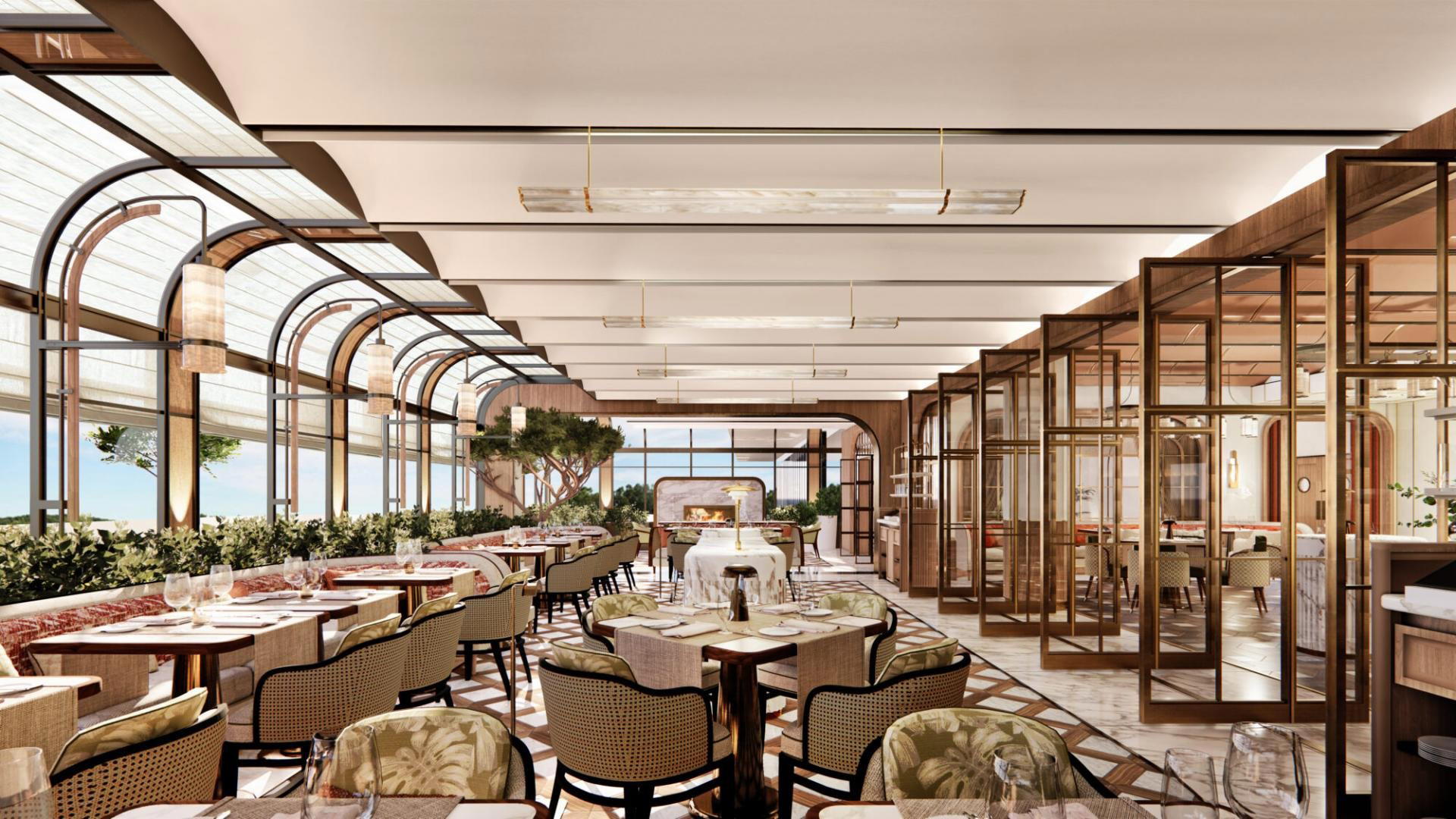
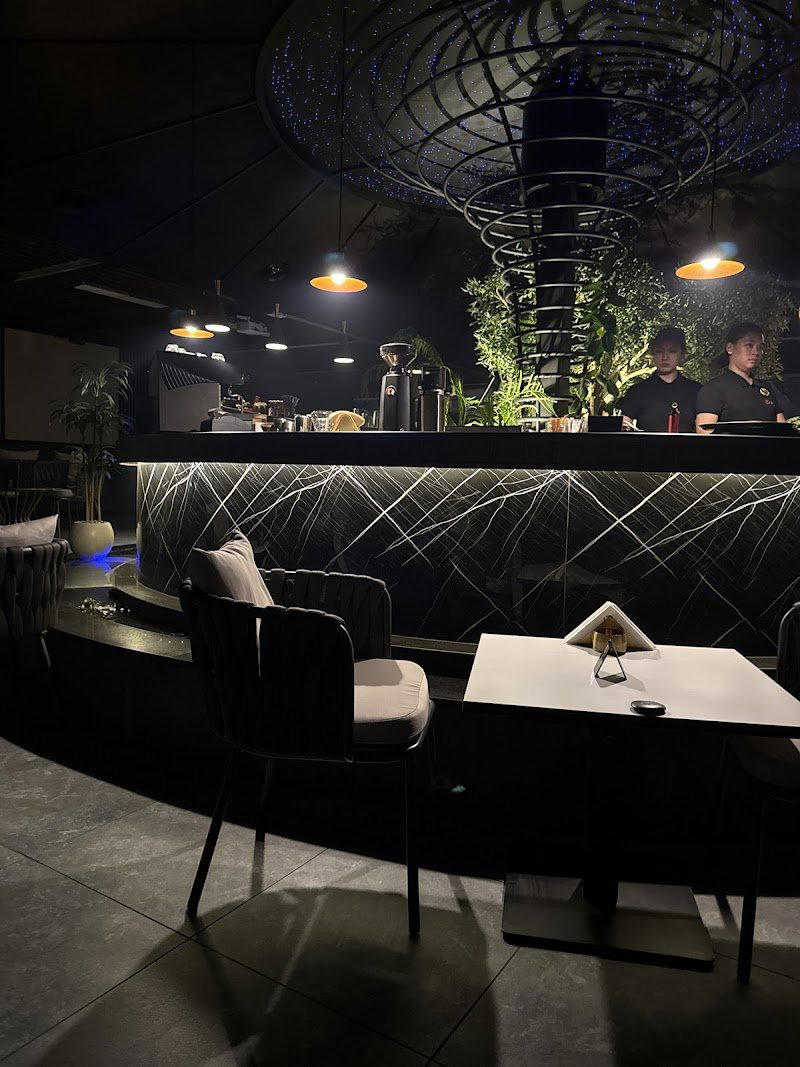
Intimate art deco-inspired atmosphere with casual and simple design.
Know Before You Go
- Reservations
- Recommended
- Dress code
- Smart casual
- Getting there
- 6182 طريق الامير تركي بن عبدالعزيز الأول ، ام الحمام الشرقي ، الرياض 5867, Riyadh 12321, Saudi Arabia