Rodeo Grill
Rodeo Grill sits at 401 Biscayne Boulevard in the heart of downtown Miami, where the city's transient energy and waterfront ambition converge. The address places it squarely in a corridor that has absorbed significant dining investment over the past decade, making it a practical base for visitors oriented toward Biscayne Bay and the cultural district. Check current hours and availability directly before visiting.
Pearl is the En Primeur Club membership app — saves, bookings, and concierge access live there. Same editors, same standards.
- Address
- 401 Biscayne Blvd #2175, Miami, FL 33132
- Phone
- +17862320040
- Website
- opentable.com
- Directions
- Get directions
 Saves & bookings on Pearl
Downtown Miami's Dining Axis and Where Rodeo Grill Fits
Biscayne Boulevard has spent the better part of a decade shedding its reputation as a corridor you passed through rather than stopped in. The stretch running from Bayside Marketplace toward the Adrienne Arsht Center now anchors a dining and hospitality cluster that draws both convention visitors and residents who work in the financial district. Rodeo Grill occupies suite 2175 at 401 Biscayne, which places it inside that evolving downtown core, a location that carries specific implications for who eats there, when, and at what pace.
Downtown Miami dining operates differently from the chef-driven neighborhoods further south. In Coconut Grove, venues like Ariete have built neighborhood loyalty over years of consistent, locally grounded Modern American cooking. In the MiMo corridor, Boia De runs an Italian-contemporary program that rewards repeat visits from a dedicated local following. The Biscayne Boulevard zone serves a different function: it absorbs the transient professional and visitor population that clusters around Bayside and the performing arts venues, and its restaurants tend to reflect that mix of accessibility and volume.
The Steakhouse Category in Miami's Current Moment
Miami has proven hospitable to the premium steakhouse format in recent years. Cote Miami, the Korean steakhouse that arrived in Wynwood, illustrates how the category has diversified: rather than competing on the traditional American chophouse template, newer entrants layer in distinct national grilling traditions. The name Rodeo Grill suggests a similar orientation toward open-fire or grill-led cooking, a format with deep roots across the Americas and one that Miami's Latin-inflected dining culture has always supported.
Argentina's asado tradition, for instance, has influenced Miami menus for decades, and venues built around live-fire technique occupy a recognizable niche between casual parrilla and the full fine-dining register. ITAMAE's Peruvian counter demonstrates how Miami absorbs South American cooking traditions at the premium level, while Los Fuegos by Francis Mallmann, priced at the $$$$ tier, represents the category's formal ceiling. A grill-forward concept on Biscayne sits somewhere in that range, serving a constituency that skews toward occasion dining and business meals rather than the neighborhood regulars who sustain the more intimate venues further south.
Location as Context: What the Biscayne Address Delivers
The 401 Biscayne address carries practical advantages that shape the dining experience before a guest sits down. Bayside Marketplace's proximity means foot traffic from waterfront visitors throughout the day and into the evening. The American Airlines Arena (now Kaseya Center) sits nearby, generating pre-event demand that fills downtown restaurants on game nights and concert evenings. For visitors staying in the downtown hotel cluster or attending events at the Adrienne Arsht Center, the address is logistically useful in a way that a destination in Wynwood or Coconut Grove simply is not.
That utility cuts in a specific direction. Diners arriving from outside the neighborhood are less likely to compare Rodeo Grill against its immediate neighbors and more likely to evaluate it against what they know of grill-format restaurants in other American cities. Miami's downtown dining corridor competes, in a sense, with the steakhouse and grill programs in comparable urban cores: the kind of serious, fire-led cooking found at Lazy Bear in San Francisco at one end of the ambition spectrum, or the Argentinian live-fire tradition that has influenced grills across the country at the more accessible end. The address attracts that comparison set.
How Downtown Miami Compares to Other American Grill Destinations
At the national level, the premium American grill and steakhouse format has produced some of the country's most decorated dining rooms. Le Bernardin in New York City represents the precision end of the fine-dining spectrum, while The French Laundry in Napa and Alinea in Chicago anchor the formal tasting-menu tier. The grill-forward format, by contrast, tends to operate at a different register: more direct in its pleasures, built around protein quality and fire technique rather than elaboration.
Miami's version of that format benefits from the city's supply lines. South Florida's proximity to Latin American markets, combined with its established relationships with domestic beef suppliers, gives grill-oriented restaurants access to a range of protein options that northern cities cannot match as easily. Whether Rodeo Grill draws on that geographic advantage is a question leading answered by consulting current menu information directly, since the venue's current offering is not documented in available records.
For travelers comparing Miami against other American destinations, the broader EP Club network covers grill and protein-forward programs at venues including Providence in Los Angeles, Addison in San Diego, Blue Hill at Stone Barns in Tarrytown, and Emeril's in New Orleans, each of which anchors a different regional tradition. Internationally, 8 1/2 Otto e Mezzo Bombana in Hong Kong and Atomix in New York City represent how the premium dining tier extends well beyond the American grill tradition. See our full Miami restaurants guide for a broader view of where Rodeo Grill sits within the city's dining options.
Planning a Visit: What to Verify in Advance
Downtown Miami's dining corridor shifts with the events calendar. Kaseya Center events fill nearby restaurants quickly, and the convention schedule at the Miami Beach Convention Center (a short drive across the causeway) creates secondary demand in the Biscayne zone. Visiting during Art Basel Miami Beach in early December or during major Heat playoff runs means the area operates at higher-than-usual capacity, and reservation lead times compress accordingly.
Miami's shoulder seasons, roughly May through October, offer more accessible dining across the downtown corridor, with the tradeoff of summer heat and humidity that shape how the city uses its outdoor and semi-outdoor spaces. For a grill-format restaurant, the winter season, when Miami's outdoor dining conditions are at their most agreeable, typically represents peak demand.
Know Before You Go
- Address: 401 Biscayne Blvd, Suite 2175, Miami, FL 33132
- Neighborhood: Downtown Miami, adjacent to Bayside Marketplace and Kaseya Center
- Peak periods: Art Basel (early December), Heat season playoff games, major Adrienne Arsht Center events
- Practical note: Hours, pricing, and current menu format should be confirmed directly with the venue before visiting
- Getting there: Accessible via Metromover (College/Bayside station) and street parking along Biscayne; valet options vary by building
How Rodeo Grill Miami compares with similar nearby venues.
| Venue | Cuisine | Price |
|---|---|---|
| ViceVersa | Pizza | $$$ |
Continue exploring
More in Miami
Restaurants in Miami
Browse all →
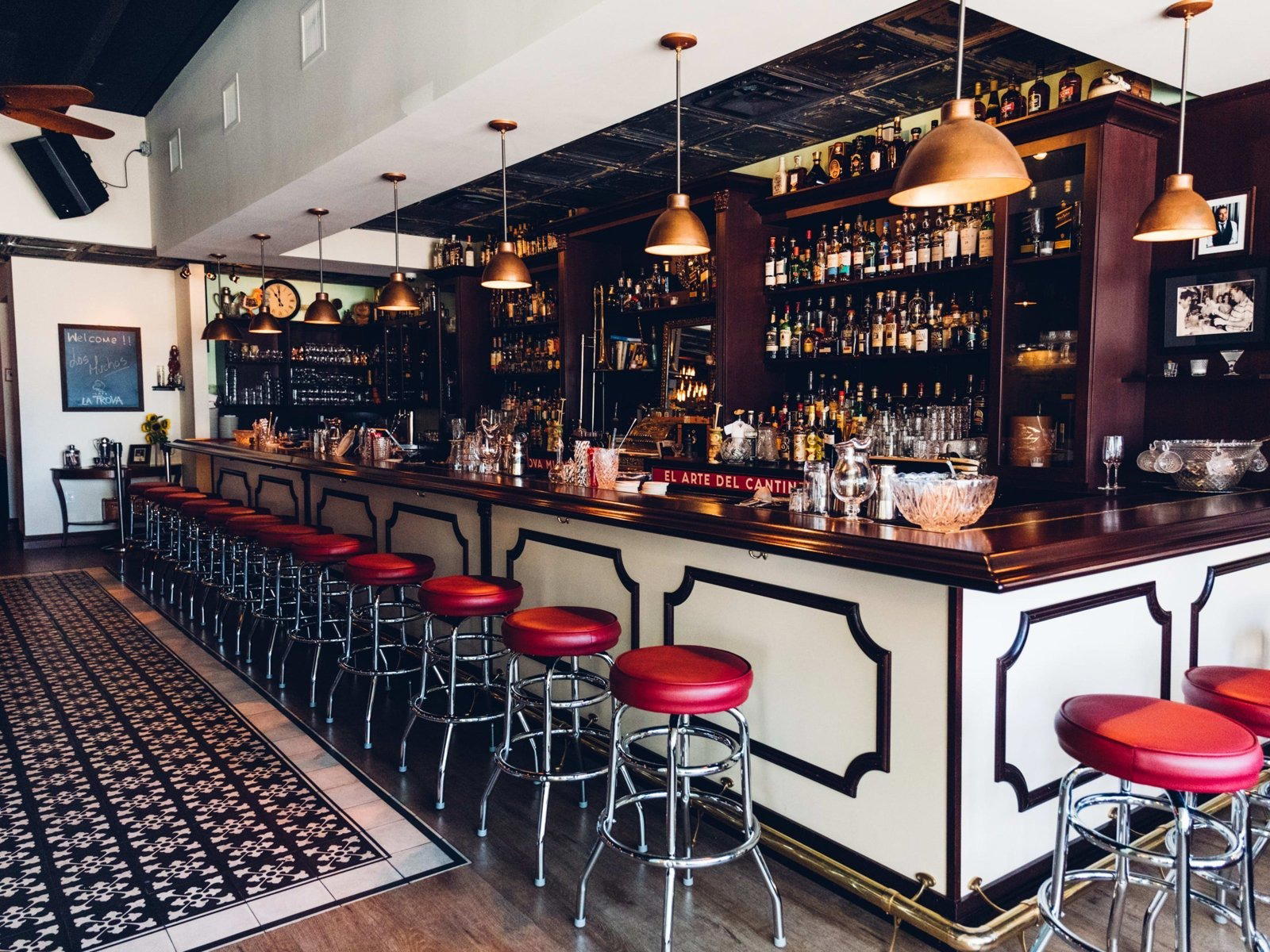
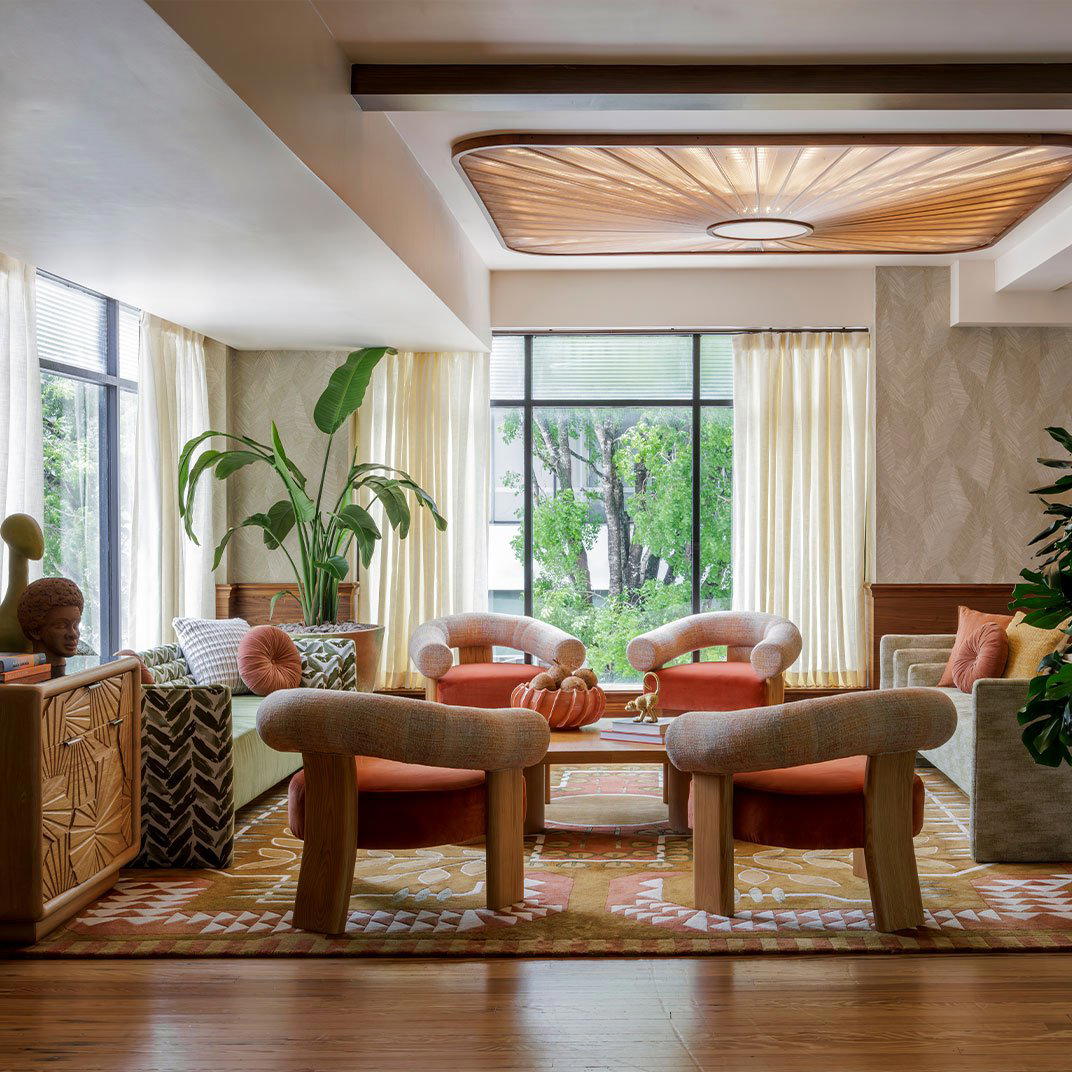
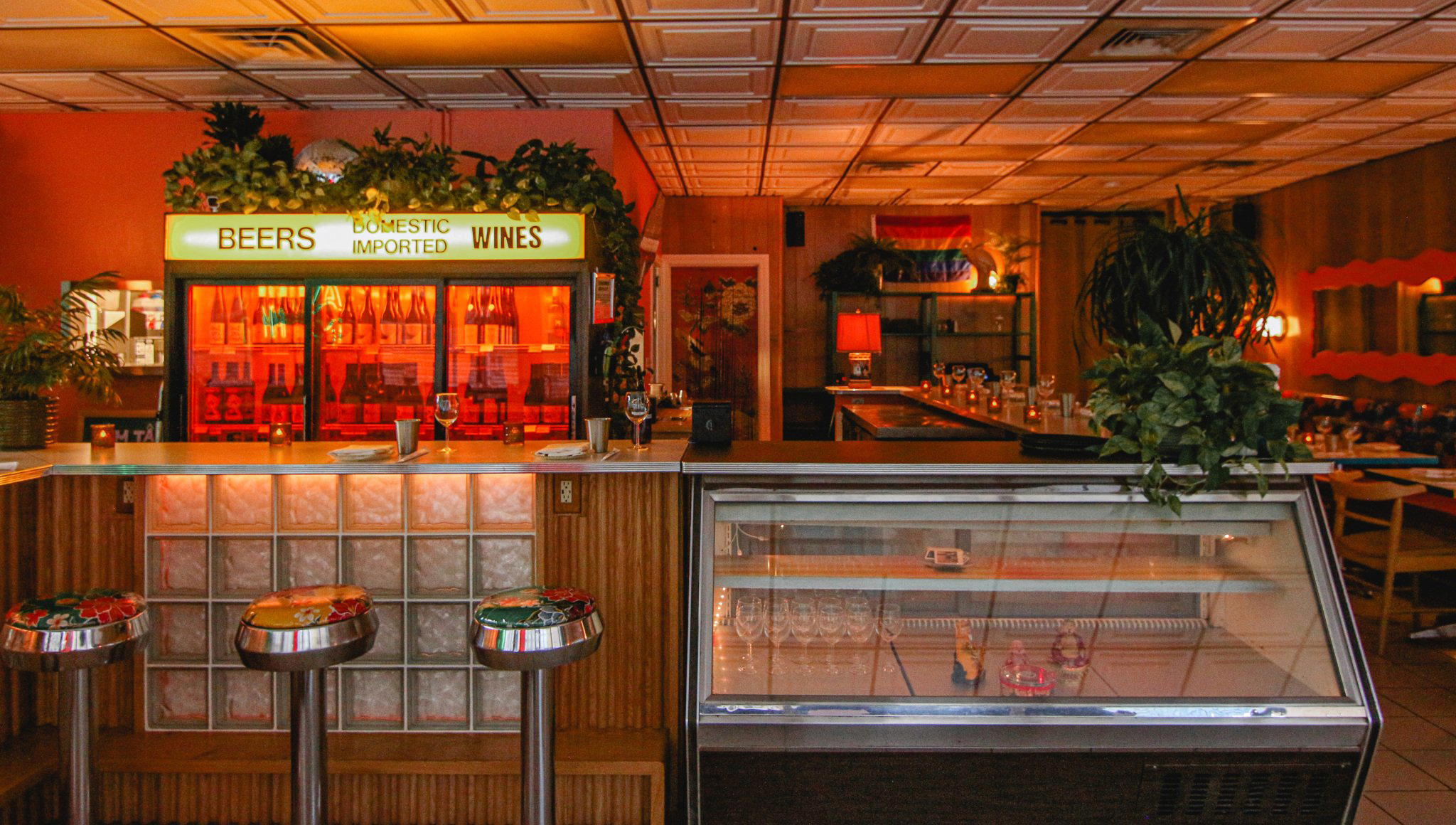
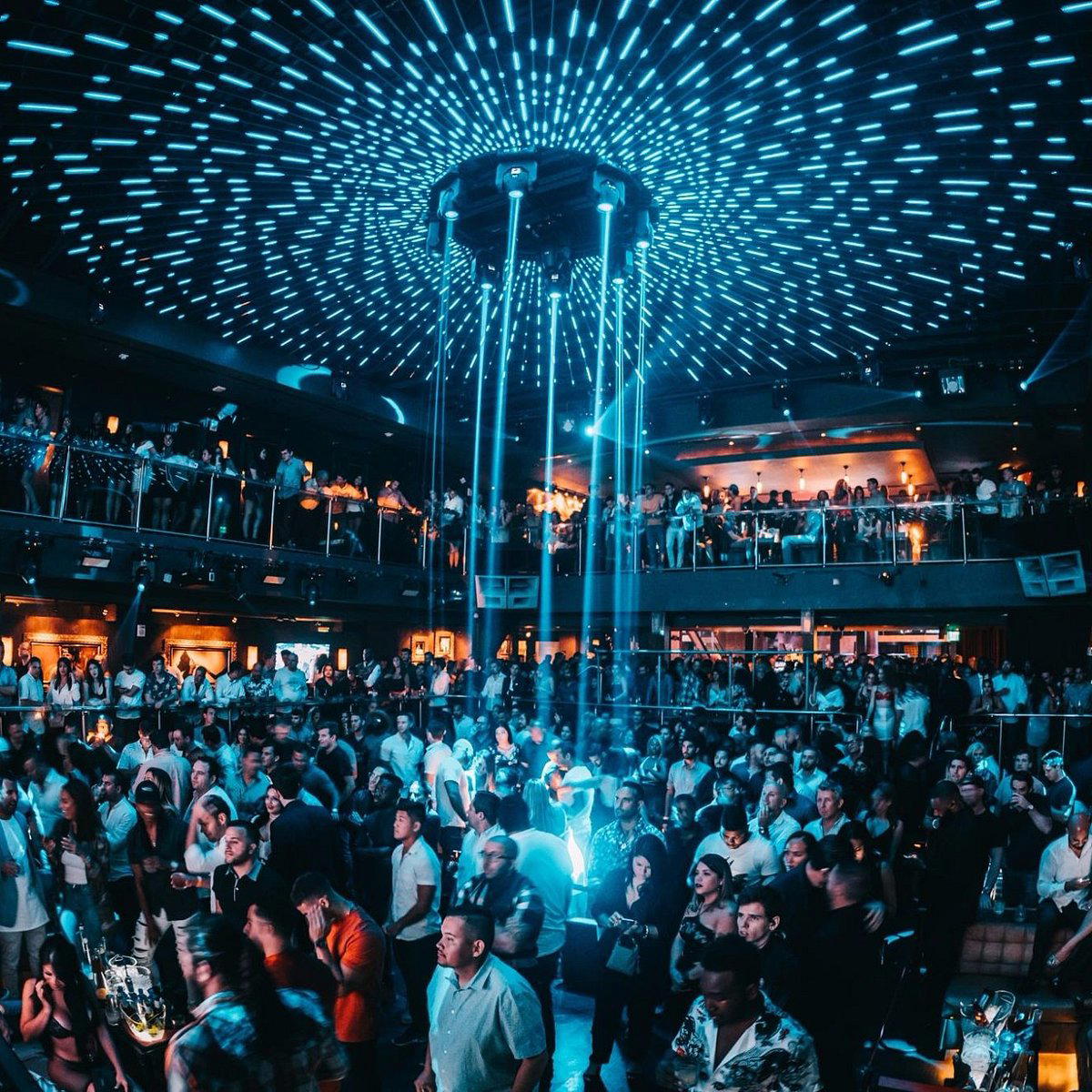

At a Glance
- Lively
- Casual
- Group Dining
- Casual Hangout
- Waterfront
- Private Dining
- Waterfront
Current opening hours
- Monday
- 12–11 PM
- Tuesday
- 12–11 PM
- Wednesday
- 12–11 PM
- Thursday
- 12–11 PM
- Friday
- 12 PM–12 AM
- Saturday
- 12 PM–12 AM
- Sunday
- 12 AM–11 PM
Hours can change for holidays and private events. Last verified .
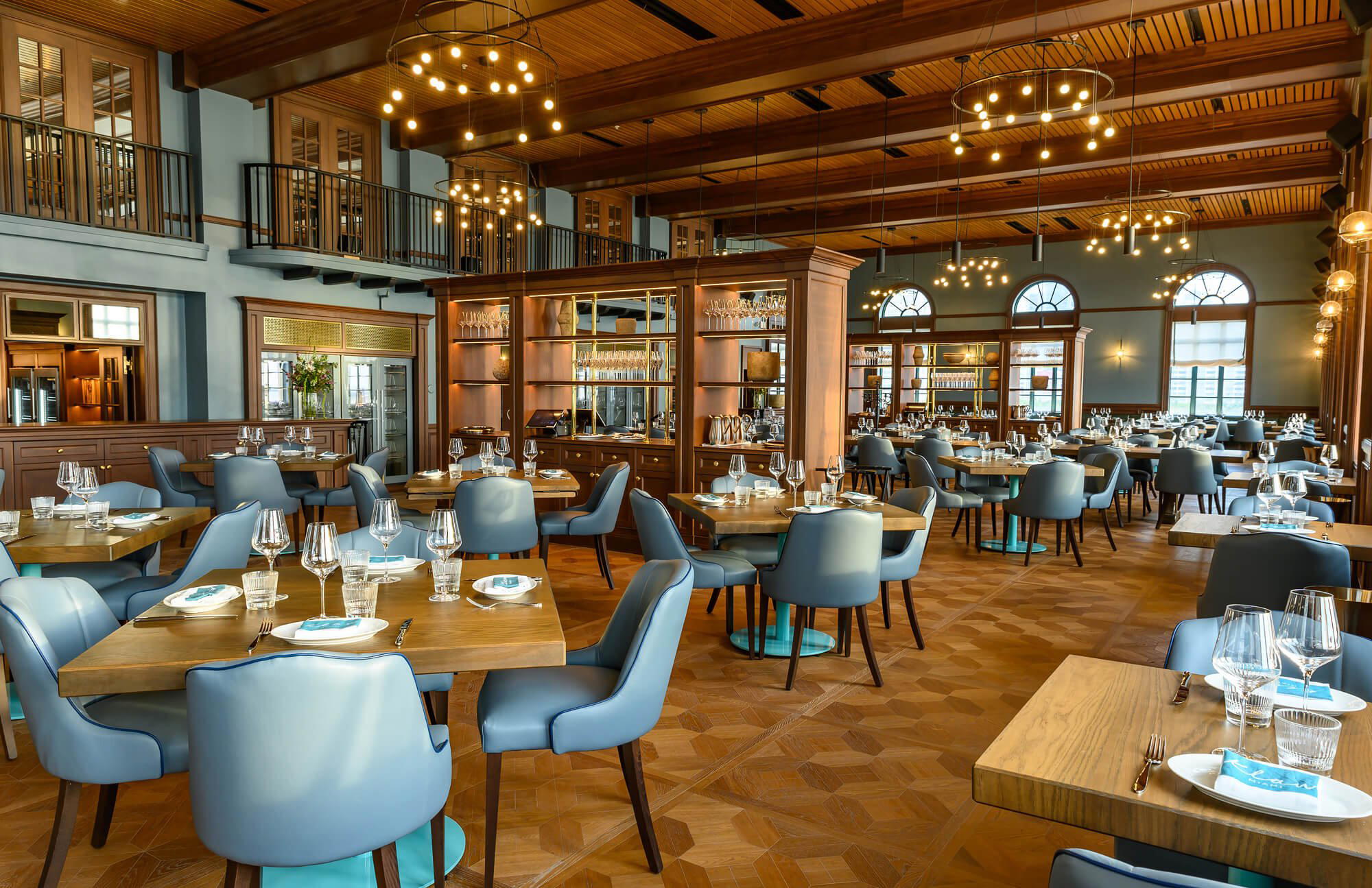
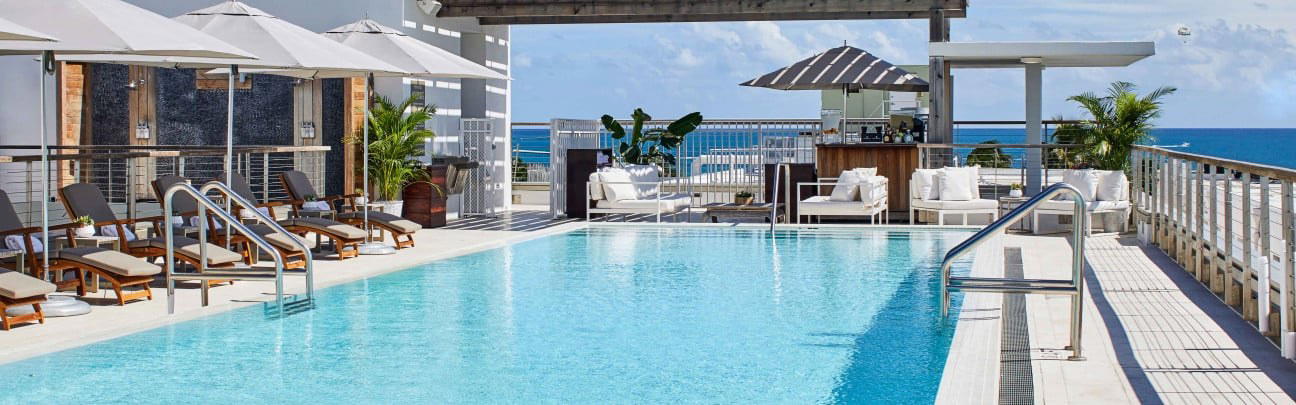
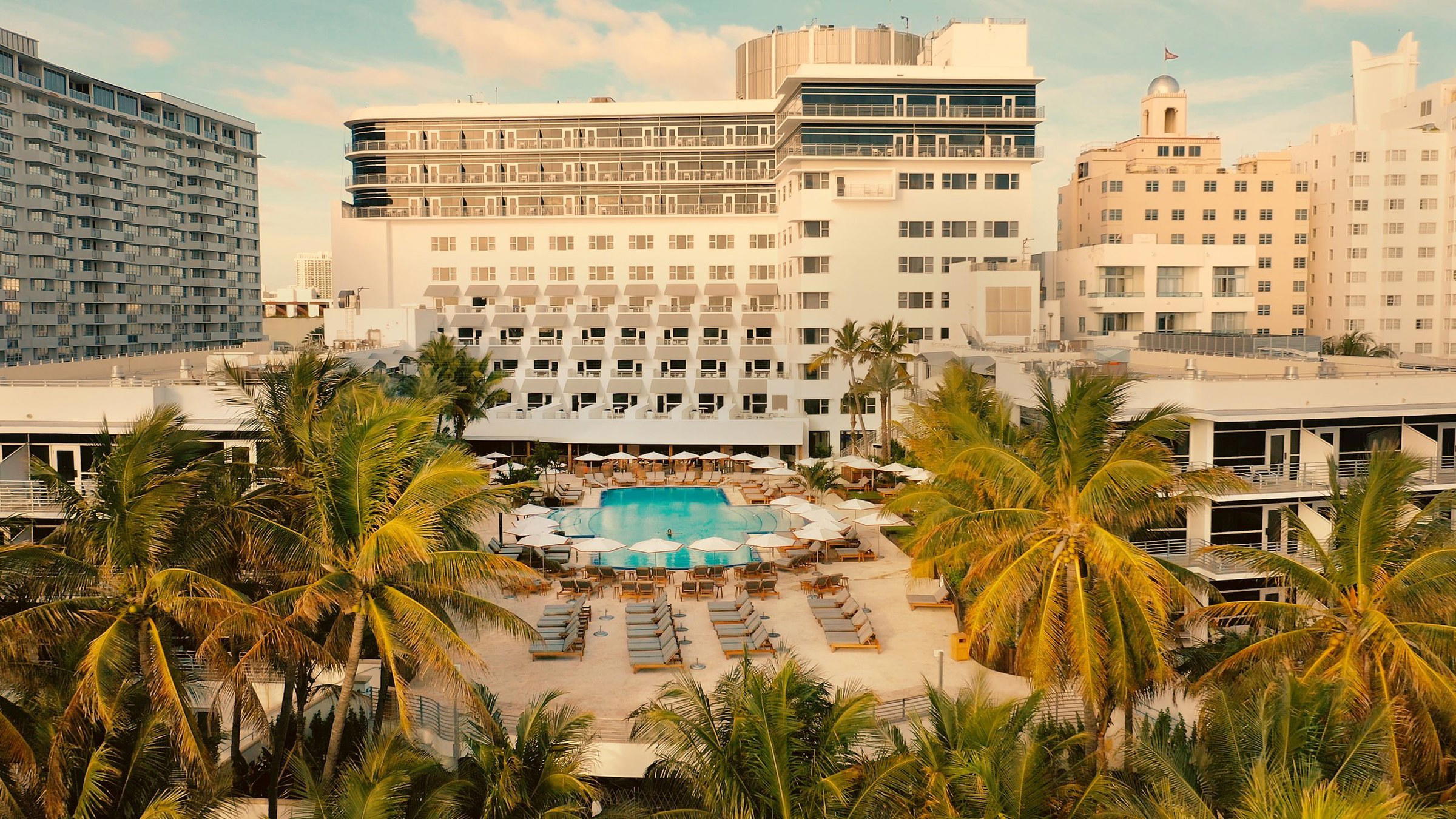
Relaxed casual atmosphere with scenic bayside views and friendly service.
Know Before You Go
- Getting there
- 401 Biscayne Blvd #2175, Miami, FL 33132