Dando La Brasa
Dando La Brasa operates on SW 3rd Ave in Miami's Coral Way corridor, where live-fire cooking traditions from Latin America meet the city's appetite for smoke-forward dining. The address places it in a neighbourhood that has quietly developed one of Miami's more coherent independent restaurant clusters, distinct from the South Beach spectacle and Wynwood art-crowd scene.
Pearl is the En Primeur Club membership app — saves, bookings, and concierge access live there. Same editors, same standards.
- Address
- 1836 SW 3rd Ave, Miami, FL 33129
- Phone
- +13054562700
- Website
- dandolabrasa.us
- Directions
- Get directions
 Saves & bookings on Pearl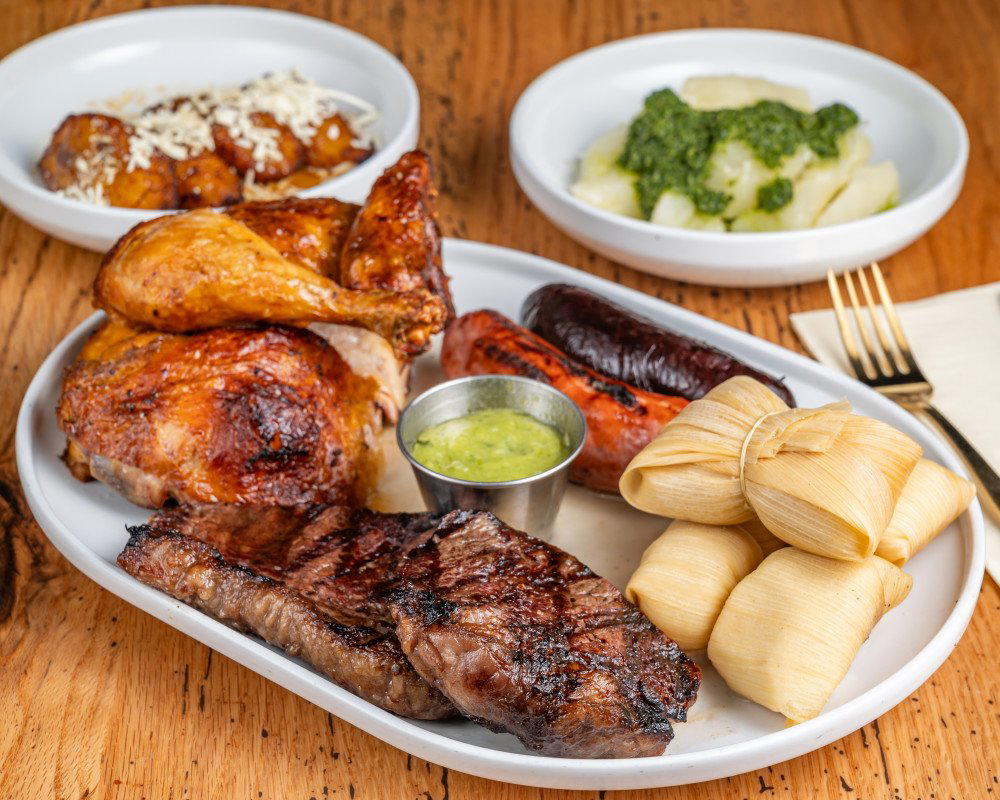
Fire as Ritual: Live-Fire Dining in Miami's Coral Way Corridor
The ritual of cooking over live fire is older than any cuisine taxonomy, but its current restaurant revival is specific and dateable. Across Latin America, the asador tradition, whether Argentine parrilla, Brazilian churrasco, or the Peruvian concept of brasa, treats the fire not as technique but as ceremony. The meal begins before the first plate arrives, measured in the time it takes to bring charcoal or wood to the right temperature. Miami has increasingly embraced this unhurried model, and Dando La Brasa, on SW 3rd Ave in the Coral Way neighbourhood, belongs to that shift.
Coral Way sits south of Brickell and east of Coconut Grove, an address that carries different associations than the waterfront dining corridors most out-of-town visitors default to. The street grid here is older, the clientele more locally rooted. For fire-forward dining in Miami, the neighbourhood context matters: this is not a scene built on hotel F&B or nightlife spillover. The regulars arrive with the meal in mind.
The Brasa Tradition and What It Demands of the Diner
The word brasa means live ember or glowing coal in Spanish, and restaurants that take the name seriously operate differently from conventional kitchens. Timing is not the kitchen's alone to control. In an asador or brasa-driven format, the fire dictates when proteins are ready, not the clock. That pacing restructures the dining ritual: ordering early, letting courses arrive when the cook judges them ready, and treating the meal as a sequence rather than a transaction.
This is the framework Dando La Brasa works within. The name itself, Spanish for roughly "giving the ember" or "working the grill," signals the orientation. Across the broader category of live-fire restaurants in Miami, the dining etiquette is consistent: plan for a longer table, order with curiosity rather than efficiency, and resist the impulse to rush. Miami's live-fire scene, which includes the Argentinian open-fire theater of Los Fuegos by Francis Mallmann at the Four Seasons and the Korean steakhouse format at Cote Miami, each offer a different model of how fire structures a meal. Dando La Brasa reads as the more neighbourhood-scale version of that tradition.
Where Dando La Brasa Sits in Miami's Independent Restaurant Picture
Miami's independent restaurant sector has matured considerably over the past decade. The city that once imported its culinary credibility now produces it locally, with a cluster of chef-driven, neighbourhood-anchored venues that hold their own against major market comparators. Ariete in Coconut Grove operates in the modern American idiom with a hyperlocal sourcing commitment. Boia De on NE 2nd Ave has built a reservation-ahead following on serious Italian-inflected cooking in a stripped-back room. Dando La Brasa on SW 3rd Ave occupies a different but adjacent tier: Latin American fire traditions, an address that serves residents as much as explorers, and a format built around the meal rather than the moment.
The comparison to destination-format restaurants in other American cities is instructive. Venues like Smyth in Chicago, Lazy Bear in San Francisco, or Single Thread Farm in Healdsburg have built reputations around the idea that a meal is a ritual with a beginning, middle, and end, and that the kitchen's relationship to ingredient sourcing and cooking method is the content of the experience. At a smaller scale and without the tasting-menu apparatus, live-fire neighbourhood restaurants operate on a version of the same logic: the method is the message.
For readers comparing across Miami's serious dining options, the price tier context is also useful. L'Atelier de Joël Robuchon Miami represents the formal fine-dining tier. ITAMAE runs a Peruvian-Japanese counter format with its own distinct following. Dando La Brasa, without published price-range data in available records, sits somewhere in the independent neighbourhood restaurant band, more accessible by format than the destination tasting rooms, but no less intentional in its approach to fire and ingredient.
The Miami Fire-Cooking Scene and Where It Connects Globally
The current live-fire restaurant movement in the United States draws on a specific set of influences: Argentine asado culture, Basque txoko tradition, the wood-fire renaissance in Scandinavia, and the open-hearth revival across American farm-to-table cooking that venues like Blue Hill at Stone Barns helped normalise. Miami's Latin American population density means the brasa tradition here has different roots than in a city like Portland or Nashville. The cooking methods arrive with deep cultural memory attached, not as trend adoption.
That distinction shapes the dining ritual. In a Miami brasa restaurant, the reference point is often family asado, Sunday parrilla, the kind of meal where timing is loose and the act of eating is inseparable from the act of gathering. The restaurant version formalises that, but the spirit of the tradition remains. For visitors accustomed to the controlled pacing of tasting-menu formats, the live-fire neighbourhood restaurant asks for a different adjustment: less structure, more attention to the fire.
Globally, this places Miami's brasa scene in conversation with restaurants like Atelier Moessmer Norbert Niederkofler in Brunico, where cooking method and regional tradition are inseparable, even if the specific traditions involved are entirely different. The common thread across these formats is that the method precedes the menu, and the diner's role is to follow the kitchen's relationship with its heat source, not to direct the tempo from the table.
Planning Your Visit to Dando La Brasa
For readers building a broader Miami dining itinerary, the full Miami restaurants guide offers neighbourhood-by-neighbourhood context. Dando La Brasa sits in Coral Way, which is not a typical first-night destination for hotel guests in South Beach or Brickell, but it rewards the decision to move away from the obvious corridors. The SW 3rd Ave address is accessible by car or rideshare; street context is residential-commercial mixed, without the valet infrastructure of the waterfront dining strips.
Booking approach, hours, and current pricing are not confirmed in available records. Contacting the restaurant directly before visiting is advisable, particularly for larger groups or weekend evenings, when live-fire kitchens across the city tend to fill their capacity early.
Know Before You Go
- Address: 1836 SW 3rd Ave, Miami, FL 33129
- Neighbourhood: Coral Way, south of Brickell, east of Coconut Grove
- Reservations: Not confirmed; recommend calling or visiting in person to check policy
- Hours: Not confirmed in current records
- Parking: Street parking available on SW 3rd Ave and adjacent blocks
- Format: Live-fire / brasa-tradition cooking; expect a relaxed, unhurried pace
At a Glance
- Lively
- Trendy
- Energetic
- Casual Hangout
- Group Dining
- Open Kitchen
Current opening hours
- Monday
- 11:30 AM–10 PM
- Tuesday
- 11:30 AM–10 PM
- Wednesday
- 11:30 AM–10 PM
- Thursday
- 11:30 AM–10 PM
- Friday
- 11:30 AM–11 PM
- Saturday
- 11:30 AM–11 PM
- Sunday
- 11:30 AM–10 PM
Hours can change for holidays and private events. Last verified .
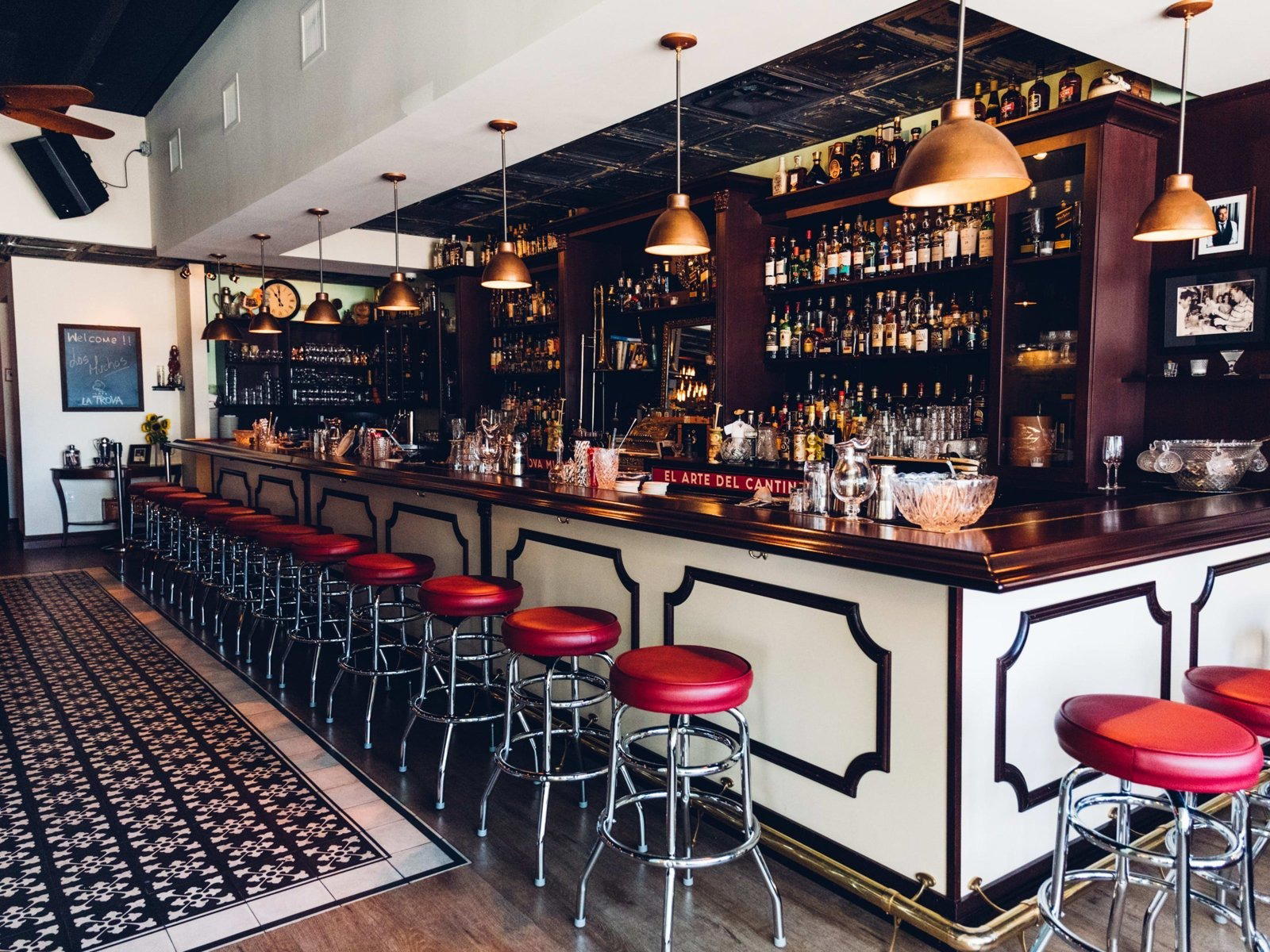
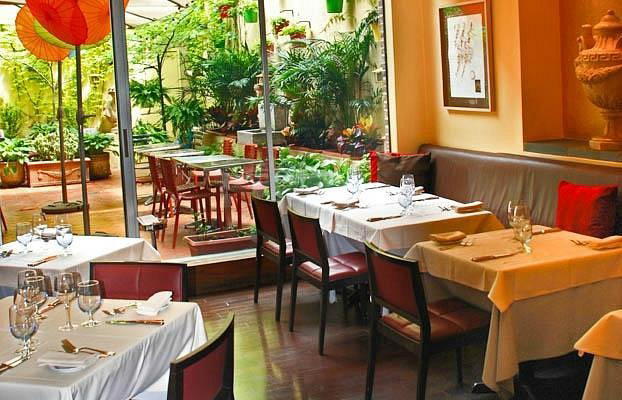
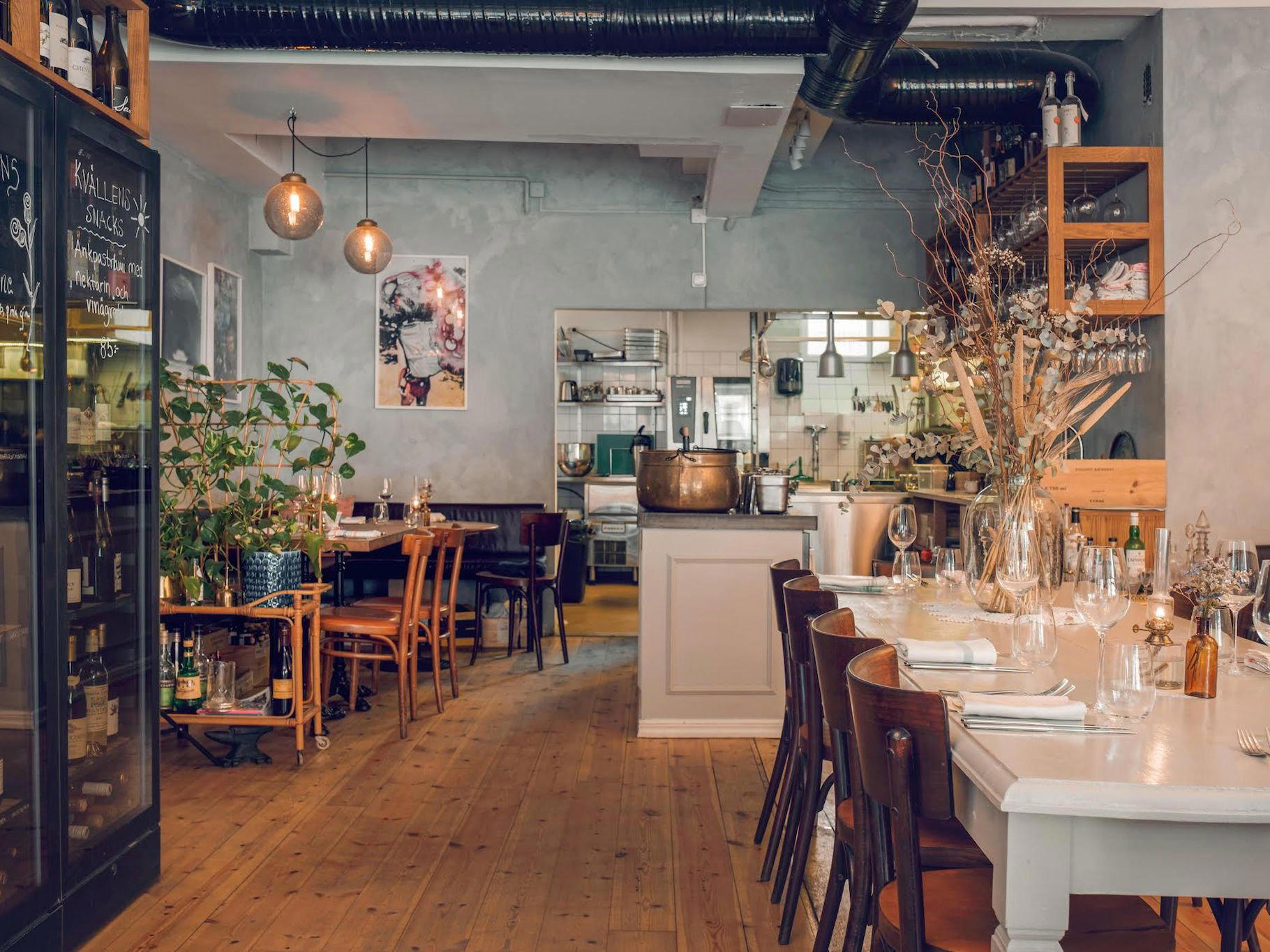
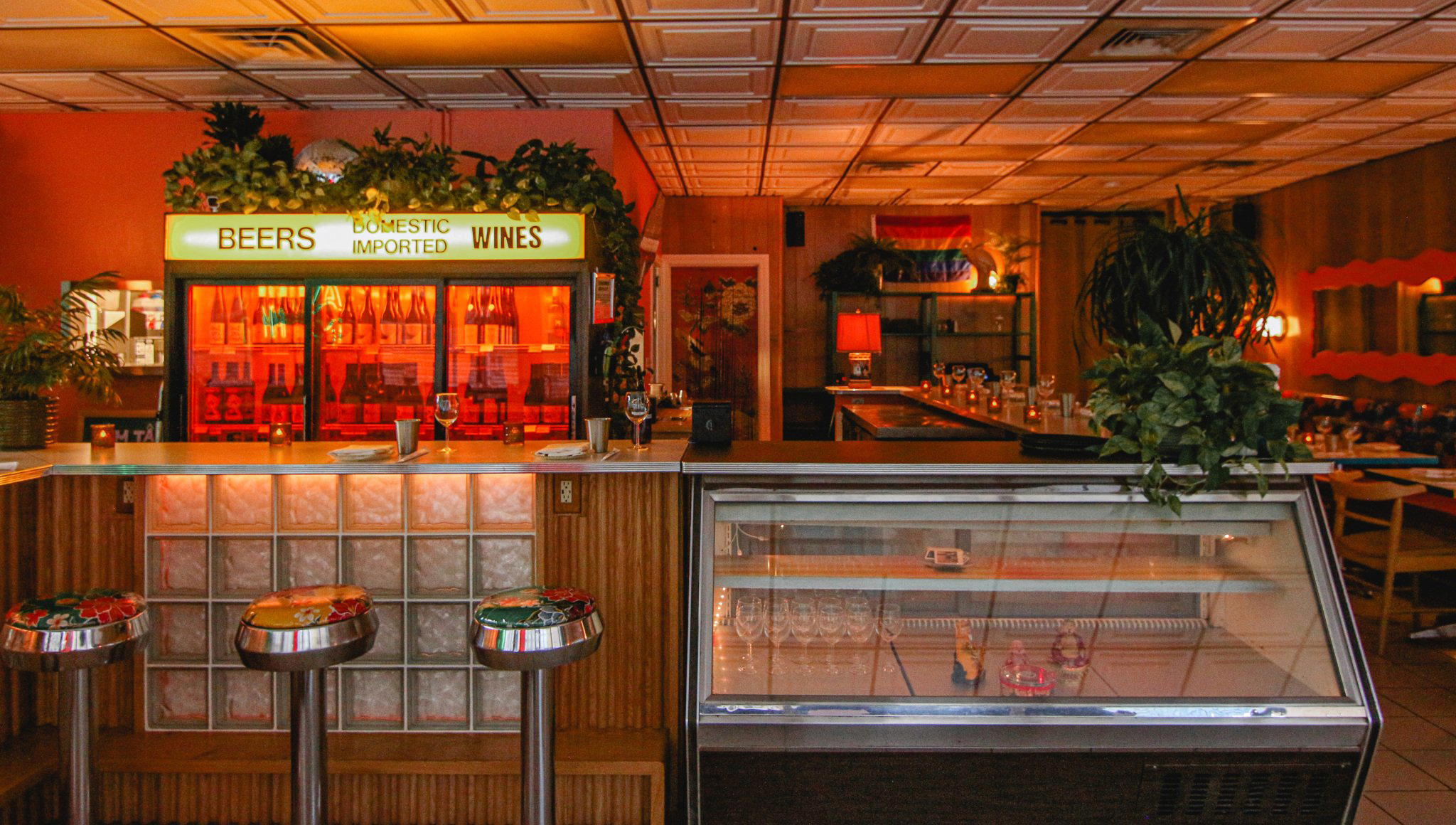
Warm and welcoming atmosphere ideal for lunch with colleagues or weeknight dates, away from Brickell noise.
Know Before You Go
- Getting there
- 1836 SW 3rd Ave, Miami, FL 33129