
Michelin Plate
Our verdict
Rive Gauche places French contemporary cooking inside Beijing’s hotel-dining circuit, with a Michelin Plate in 2024 and 2025 and a ¥¥¥ price tier that puts it among the city’s polished mid-luxury rooms. Its sharper point is regional: classic French technique is used as a frame for southwestern Chinese flavor, a useful lens on how Beijing now absorbs imported formats without treating them as static replicas.

Pearl is the En Primeur Club membership app — saves, bookings, and concierge access live there. Same editors, same standards.
- Address
- China, 1, Dongcheng, Wangfujing Ave, 1号CN 北京市2层璞瑄酒店 邮政编码: 100006
- Phone
- +86 10 5393 2495
- Website
- thepuxuan.com
- Directions
- Get directions
- Booking
- Book on OpenTable
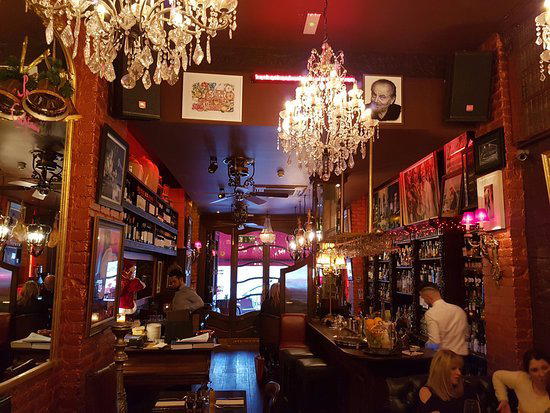
Inside Beijing’s luxury hotel dining tier, French cooking tends to split in two directions: familiar brasserie comfort on one side, formal tasting-room precision on the other. Rive Gauche occupies the more interesting middle ground. The room belongs to a hotel environment, but the cooking is not presented as imported nostalgia. It puts a modern spin on classic French cuisine, using traditional technique as a framework for the bolder flavors associated with southwestern China.
That matters in Beijing, a city where hotel restaurants often become international dining stages for diplomatic, business, and high-spend local audiences. The stronger addresses are not judged only by how faithfully they reproduce Europe. They are judged by whether the kitchen can make a foreign format feel fluent in the city. Rive Gauche has enough external validation to be taken seriously in that conversation: Michelin awarded it a Plate in both 2024 and 2025, a recognition that places it in the guide’s recommended tier rather than the star category.
French technique, southwestern Chinese pressure
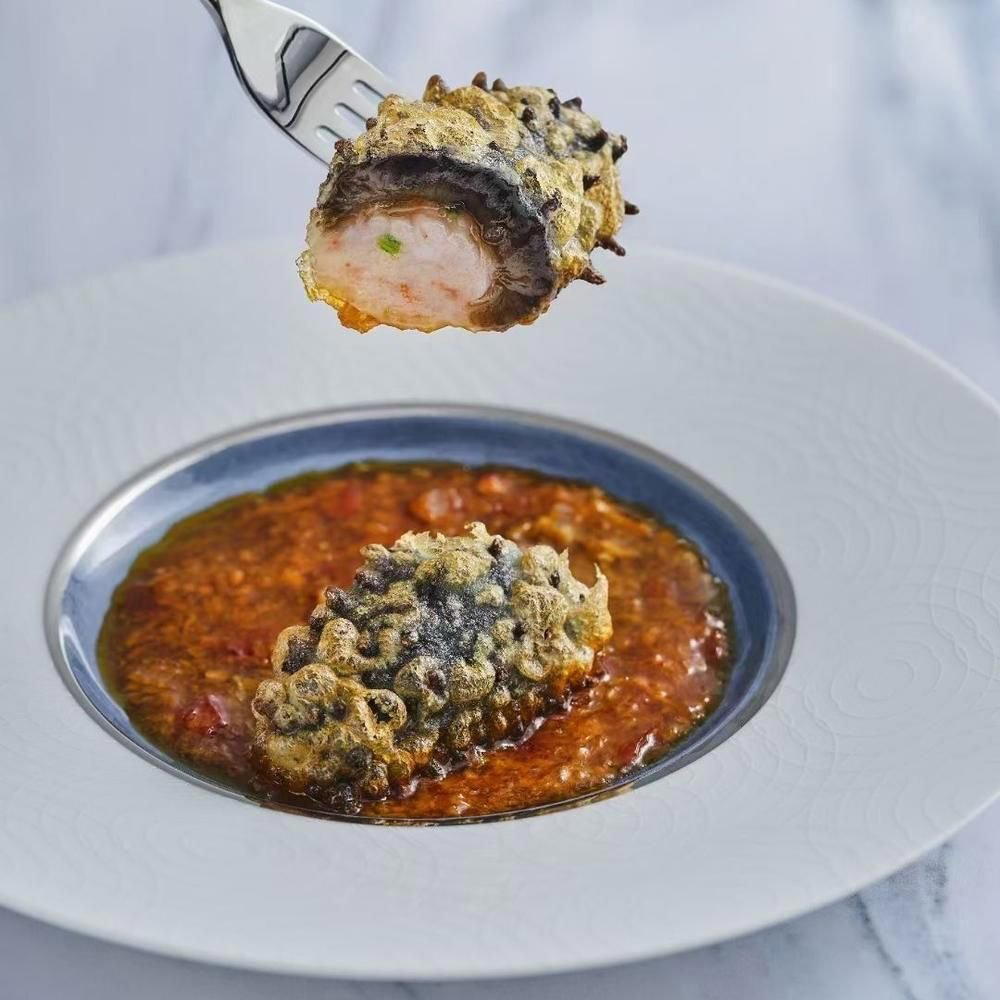
The useful way to read the menu is through technique and seasoning rather than nationality alone. Classic French cooking supplies the grammar: sauces, sequencing, controlled richness, and the expectation that produce should carry a dish rather than act as decoration. Southwestern Chinese influence changes the temperature of that grammar. In Beijing, where regional Chinese inflections are familiar to serious diners, that pressure gives the kitchen a local argument instead of a purely imported accent.
This is not fusion as a novelty label. The point is provenance, or at least the perception of provenance, in a city that has become increasingly confident about asking international restaurants to answer to Chinese appetite. A French room in Beijing cannot operate as though the surrounding food culture is incidental. Diners who move between banquet settings, regional Chinese menus, international hotel dining, and more casual meals bring a wider reference set than the old European fine-dining template assumes.
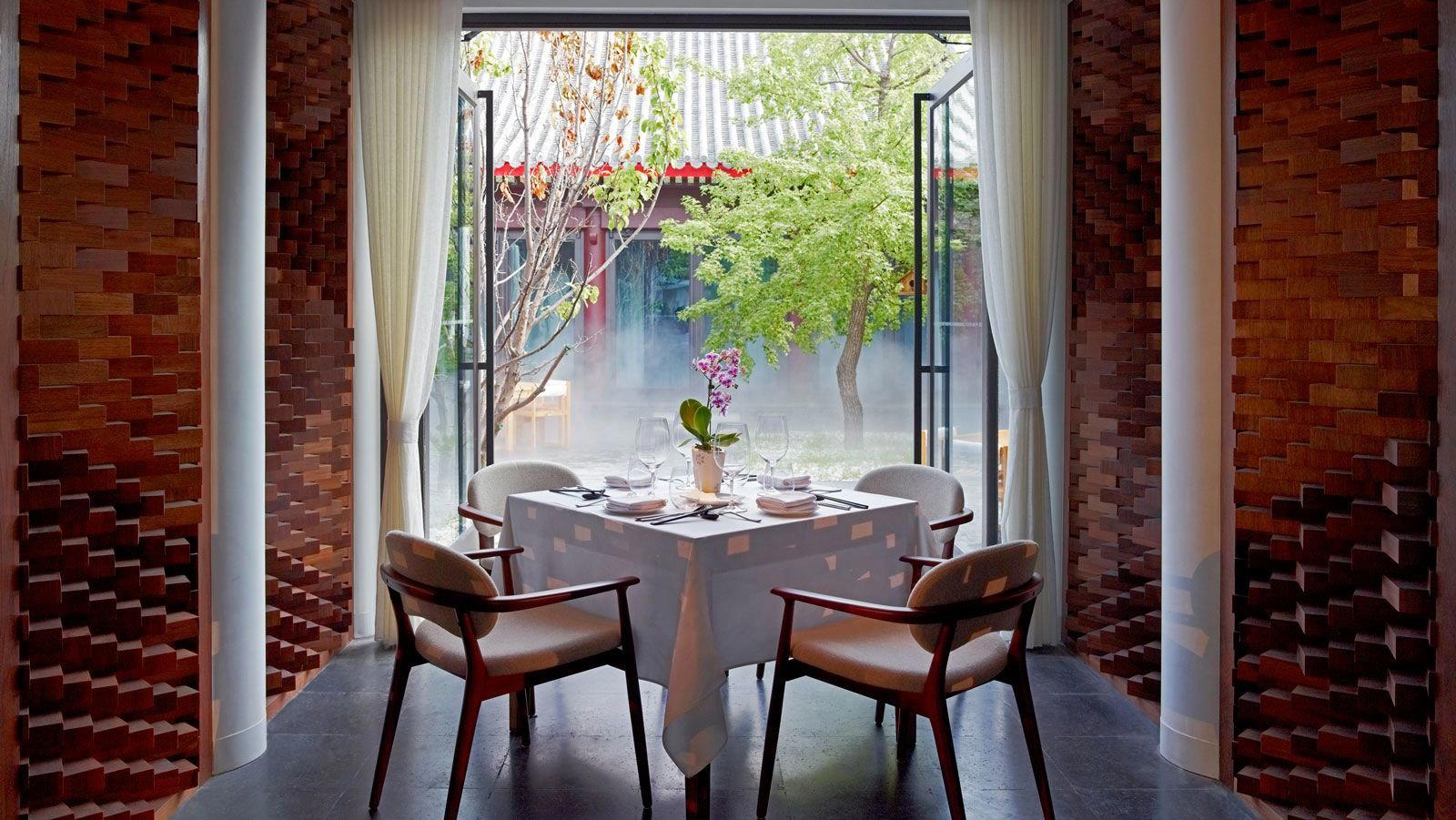
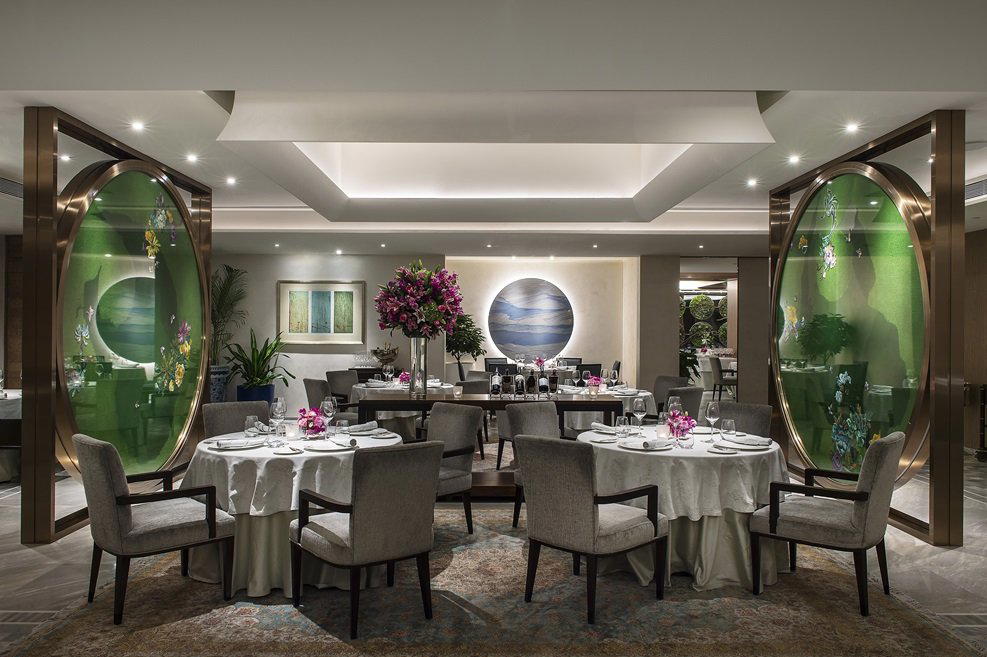
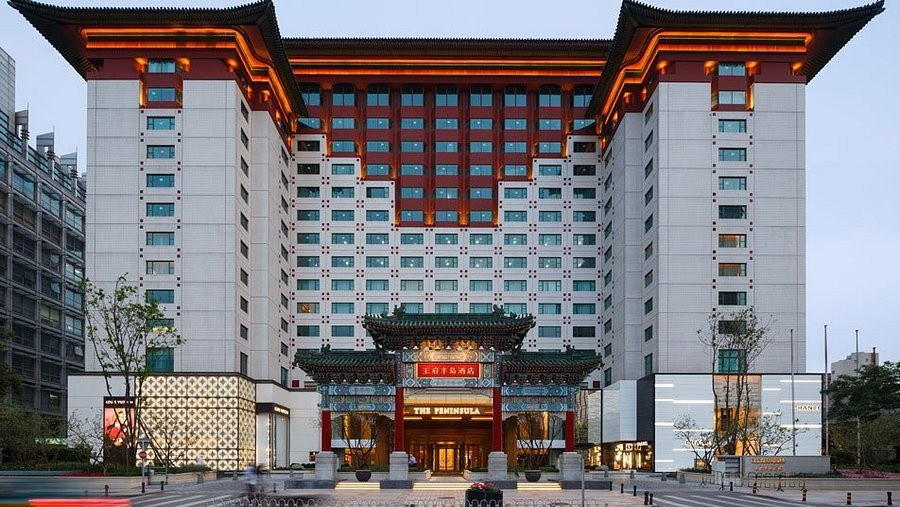
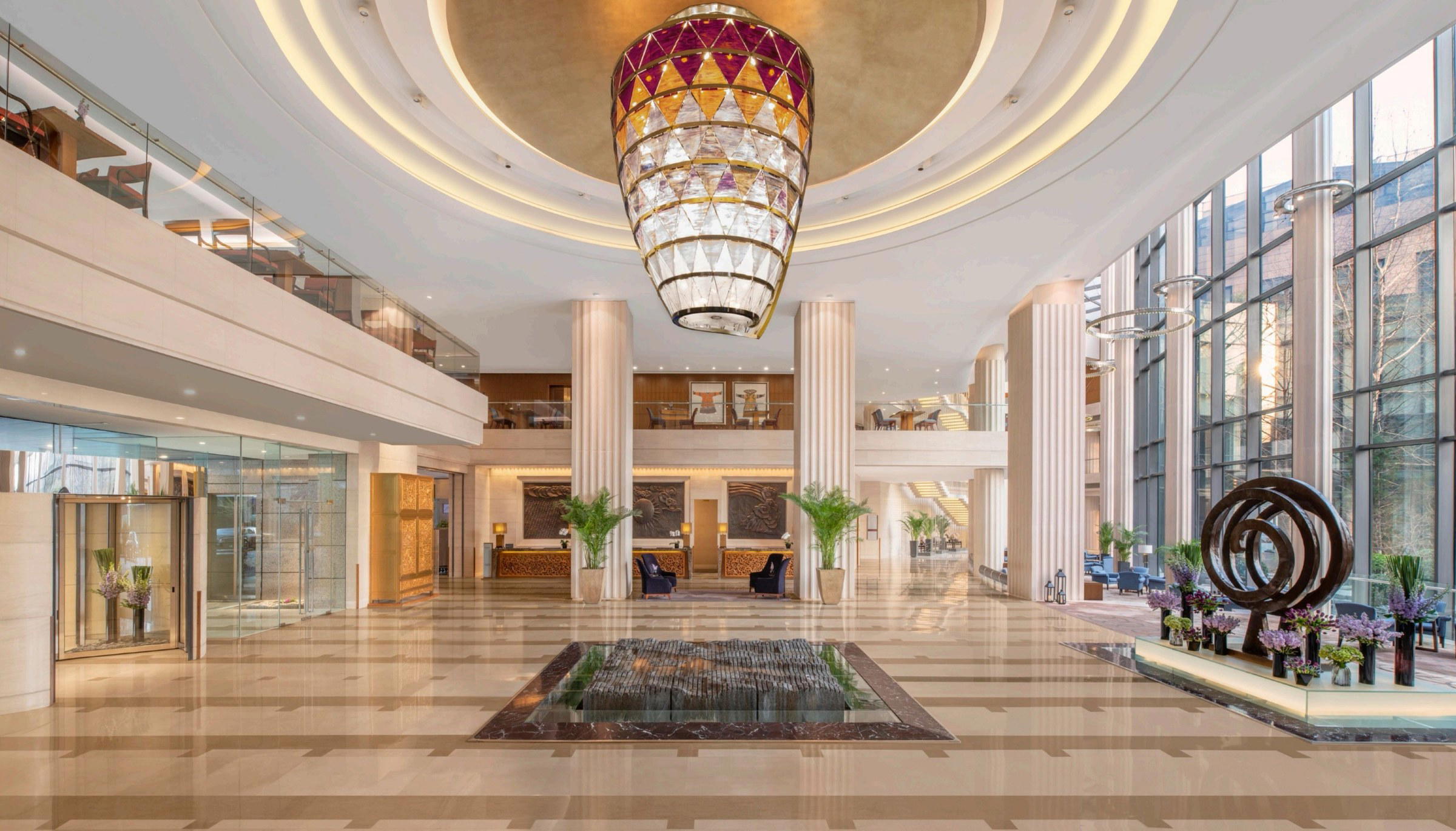
Rive Gauche’s hotel setting also shapes expectations. It belongs to the city’s polished planned-dinner category, where service, pacing, and atmosphere matter alongside the plate, but the restaurant’s identity rests less on spectacle than on whether the French framework can justify itself through balance and a clear point of view. Among Beijing peers, Brasserie 1893, Jing, and Les Morilles offer useful points of comparison, while Blackswan sits elsewhere in the city’s more rarefied dining conversation. That spread is useful: it marks Rive Gauche as a polished restaurant for a serious dinner rather than a generic hotel stop.
Beijing's hotel restaurants are becoming more regional, not less
The broader trend is clear across China’s major cities. International luxury dining no longer wins attention simply by importing European codes. The stronger rooms use those codes to interpret local ingredients, regional habits, and the dining rhythms of their host city. Beijing, with its political formality and deep banquet culture, has been slower to loosen up than some coastal dining capitals, but its hotel restaurants now have to speak to diners who know the difference between borrowed polish and meaningful adaptation.
Rive Gauche’s appeal lies in that adaptation. Classic French cuisine can feel anonymous when it relies on butter, reduction, and plating discipline alone. The southwestern Chinese element gives the restaurant a more legible identity within Beijing’s international dining scene. It also places the kitchen in a wider Chinese conversation, where regional specificity is increasingly a marker of seriousness. Compare that with the way modern restaurants across the country use place as a central argument: in different cities and different formats, the same national shift is visible, with regional identity carrying more critical weight than imported prestige alone.
The comparison also explains why a French room in Beijing needs more than imported technique. A diner can find polished hotel dining, regional Chinese cooking, and international menus across Beijing and beyond. Rive Gauche has to answer a more specific question: how much of the city, and how much of China, is allowed into the French frame? Its answer is to keep the structure familiar while letting the bolder register of southwestern China shape the meal.
Where it fits in a Beijing itinerary
For travellers building a Beijing dining sequence, Rive Gauche works as the international counterpoint rather than the whole argument. It makes sense after a meal focused on one of the city’s classic Chinese traditions, or between more regionally Chinese bookings. The hotel setting gives it a controlled, adult mood; the Michelin Plate recognition gives the choice a credible guidepost; and the cooking gives the evening a clear reason to exist beyond the fact that it is French in a luxury setting.
The editorial case is not that Beijing needs another French restaurant. It is that the city’s better hotel dining rooms are becoming testing grounds for how imported formats absorb Chinese regional force. Rive Gauche is strongest when read through that lens: a French address in Beijing where southwestern Chinese flavor is not decoration, but the pressure that keeps the format from becoming generic.
For a broader map of the city, start with our full Beijing restaurants guide. Travellers pairing dinner with a stay can cross-reference our full Beijing hotels guide, while longer itineraries can use our full Beijing bars guide, our full Beijing wineries guide, and our full Beijing experiences guide to build the rest of the evening around the same Beijing logic.
Frequently asked questions
Can I bring kids to Rive Gauche?
Rive Gauche sits inside a hotel in Beijing, so it can work for families staying nearby. Its polished French-leaning format points to a more formal room than a casual kid-focused restaurant.
What's the overall feel of Rive Gauche?
The room reads as polished hotel dining rather than a neighbourhood bistro. Its modern take on classic French cooking, Beijing setting, and Michelin Plate recognition in 2024 and 2025 frame it as a serious dining stop with a regional Chinese accent.
Is Rive Gauche award-winning?
Rive Gauche has received Michelin Plate recognition in 2024 and 2025. It is also noted for its hotel setting in Beijing, where the kitchen gives classic French cuisine a modern spin with bold southwestern Chinese flavors.
Is Rive Gauche focused on a specific cuisine style?
Rive Gauche puts a modern spin on classic French cuisine, blending traditional techniques with the bold flavors of southwestern China.
What price level is Rive Gauche?
Check current menus or booking channels for the latest pricing at Rive Gauche.
Where do I go for Rive Gauche?
Beijing.
Can I walk in to Rive Gauche?
A walk-in may be possible, but Rive Gauche is a polished hotel restaurant in Beijing, so planning ahead makes more sense. The Michelin Plate mentions for 2024 and 2025 also suggest a restaurant where demand can be steady.
In Context: Similar Options
Nearby venues at a similar price tier for orientation.
| Venue | Cuisine | Price | Awards | Notes |
|---|---|---|---|---|
| Rive GaucheThis venue — the venue you are viewing | Modern French Bistronomy | $50–100 | Michelin Plate | Not listed |
| Brasserie 1893 | Modern French Brasserie with Asian Fusion | $150–200 | Michelin Plate | French Contemporary |
| Blackswan | Modern French Fine Dining | Not listed | 1 Michelin Star · La Liste Top Restaurants | French Contemporary |
| Jing | Modern French with Asian Influences | $300–500 | 1 Michelin Star · Black Pearl 1 Diamond | French Contemporary |
| Les Morilles | Modern French Contemporary | $50–100 | Michelin Plate · Black Pearl 1 Diamond | French Contemporary |
Recognition history
Dated appearances from independent guides and award organizations, with the underlying list record or original source where available.
Michelin Plate
Michelin
Full recognition history (2 entries)
Michelin Plate
Michelin
Details
- Elegant
- Sophisticated
- Romantic
- Intimate
- Date Night
- Special Occasion
- Business Dinner
- Hotel Restaurant
- Private Dining
- Terrace
- Extensive Wine List
- Sommelier Led
- Local Sourcing
- Street Scene
- A La Carte
- Tasting Menu
- Prix Fixe
- Allergy Accommodating
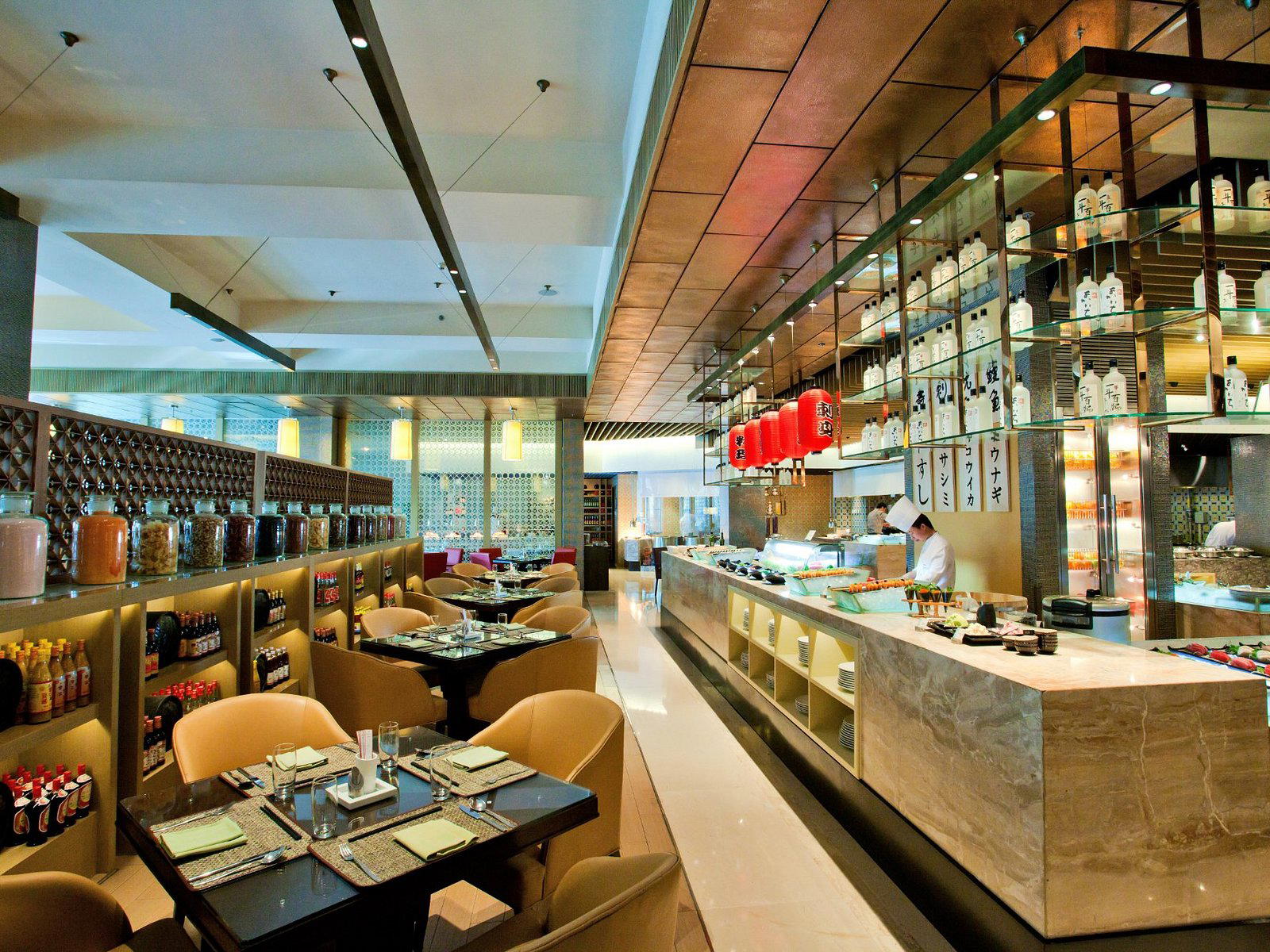
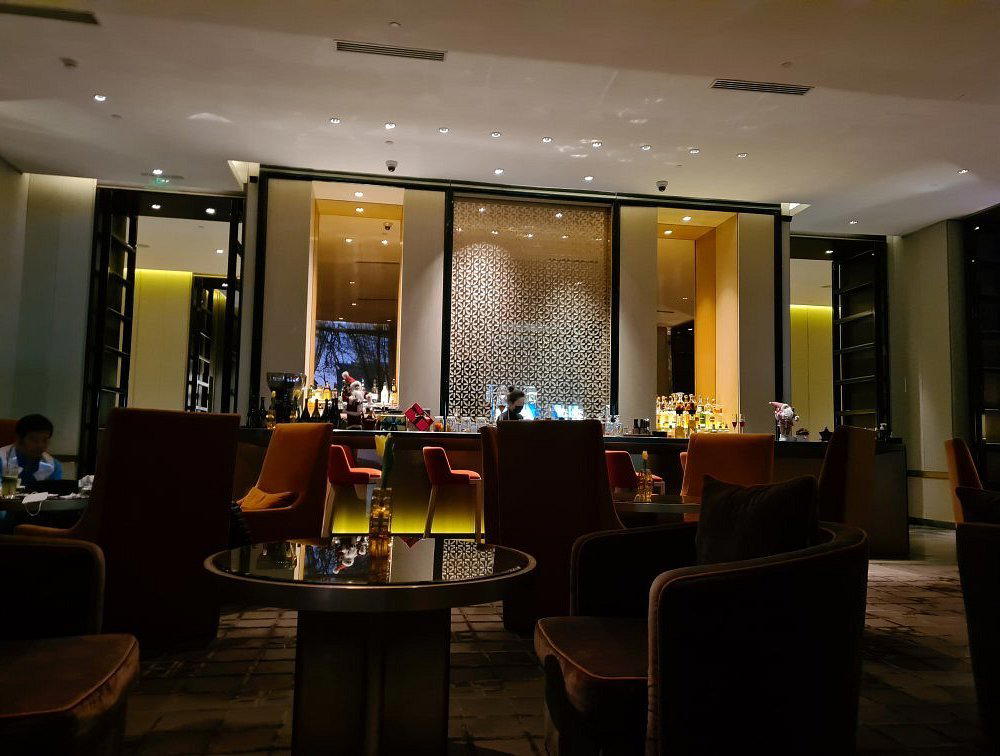
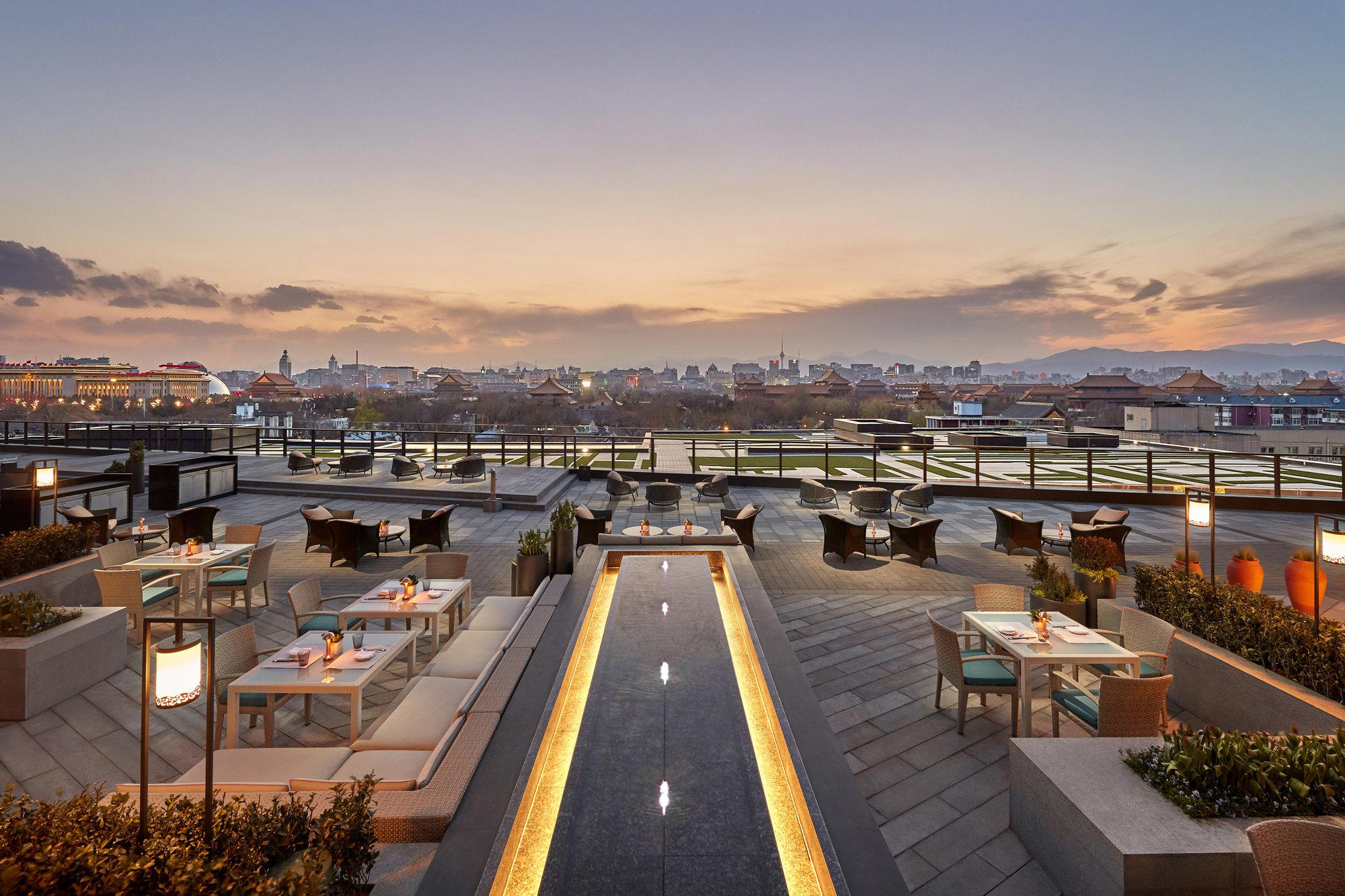
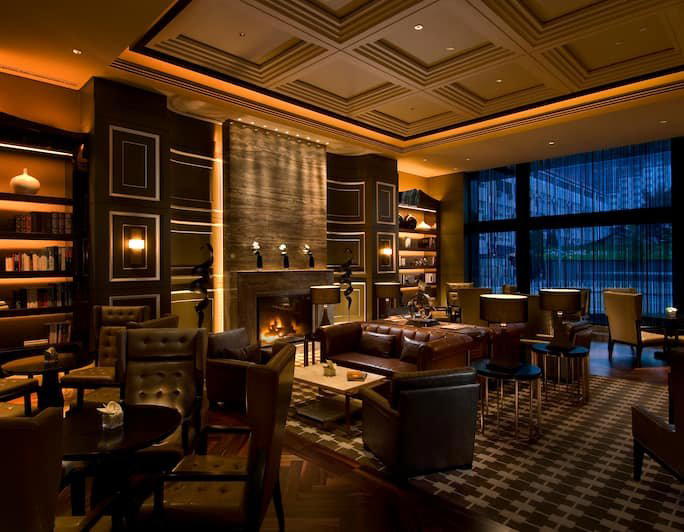
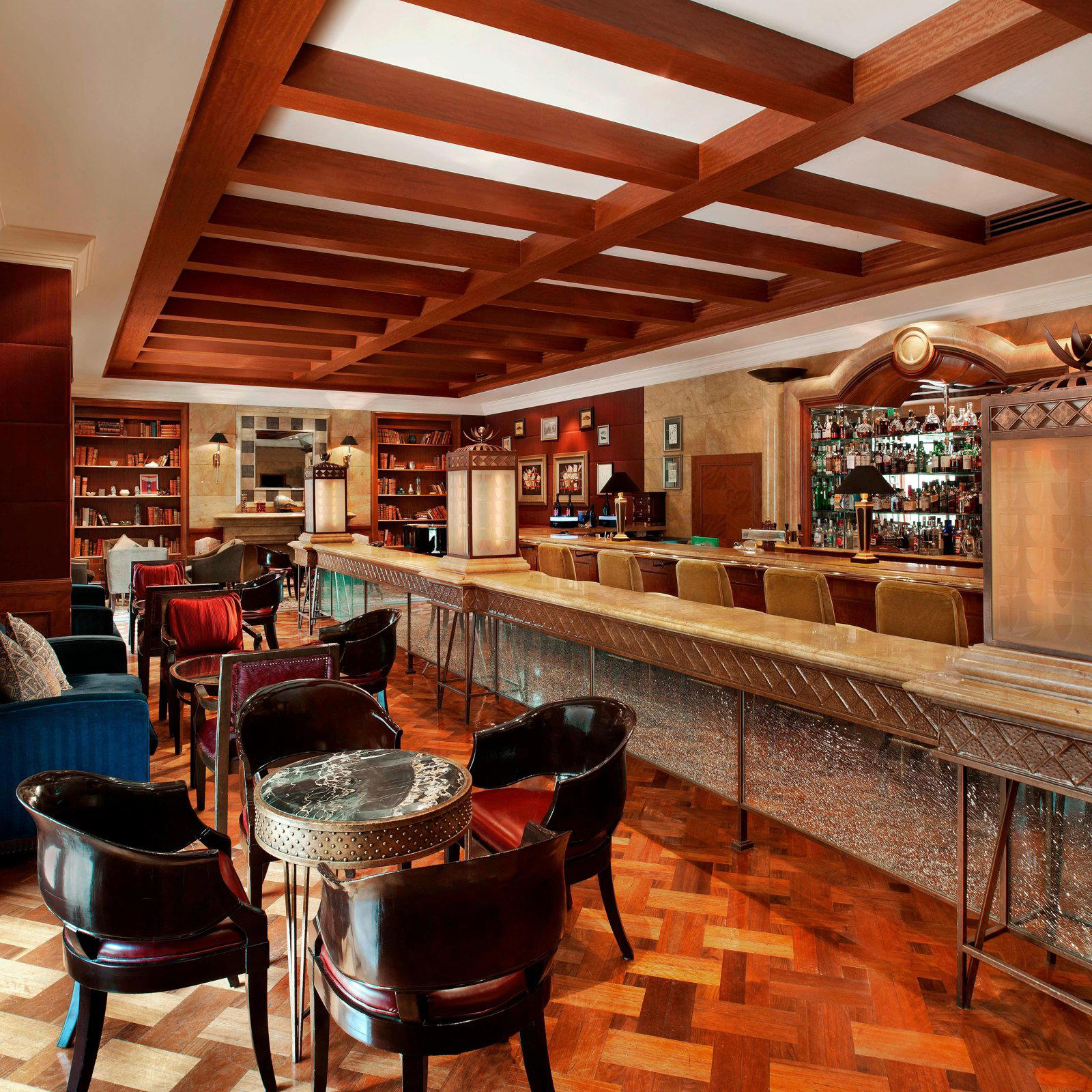
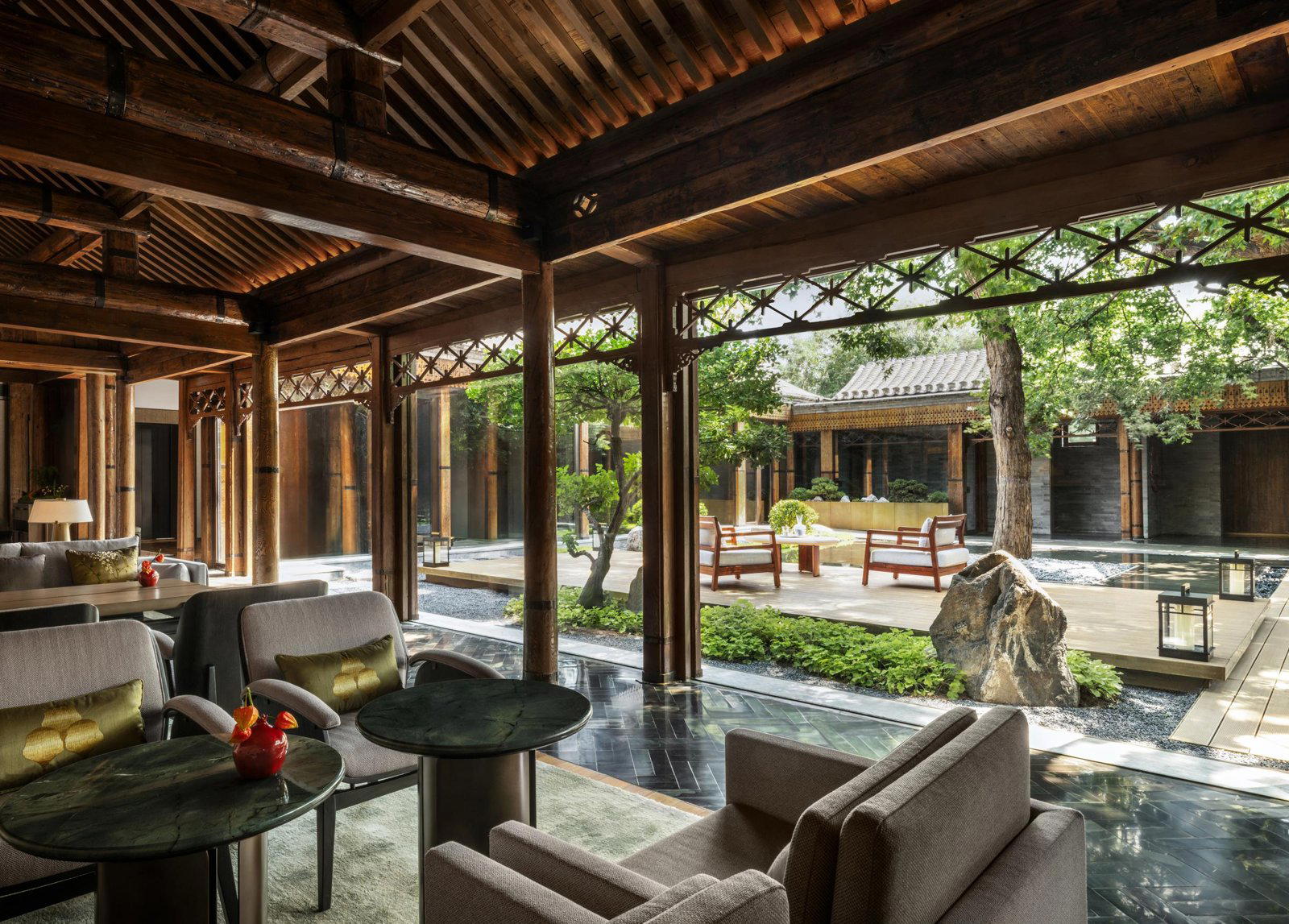
Serene and elegant Parisian romance with sophisticated lighting, warm ambiance, and terrace views.