
Brasserie 1893 brings French contemporary cooking to Beijing's Dongcheng district, holding a Michelin Plate in both 2024 and 2025. Set along Jinyu Hutong, it occupies a tier where European technique meets the particular rhythms of dining in the Chinese capital, a reference point for French-leaning meals in a city whose fine dining map has grown considerably more complex.
Pearl is the En Primeur Club membership app — saves, bookings, and concierge access live there. Same editors, same standards.
- Address
- 5-15 Jinyu Hu Tong, Dongcheng, Beijing, China, 100006
- Phone
- +86 10 8520 8989
- Website
- hilton.com
- Directions
- Get directions
 Saves & bookings on Pearl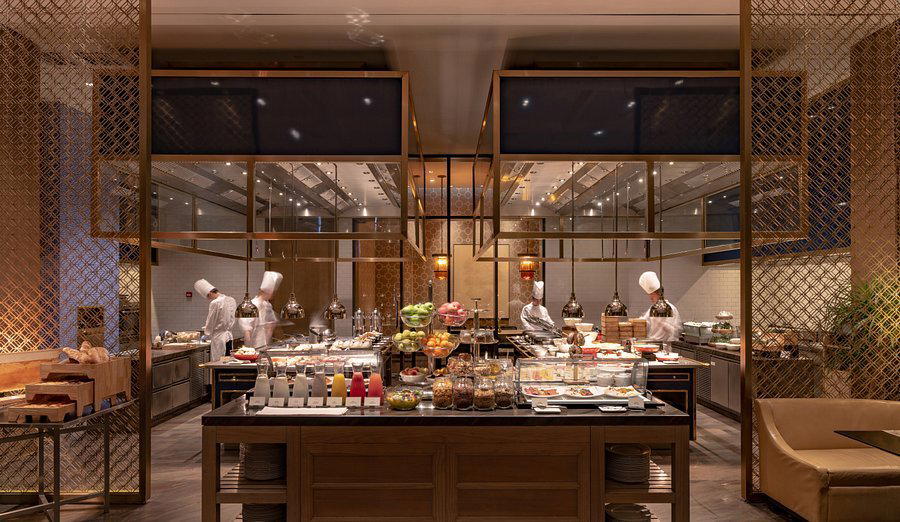
A Hutong Address for French Cooking
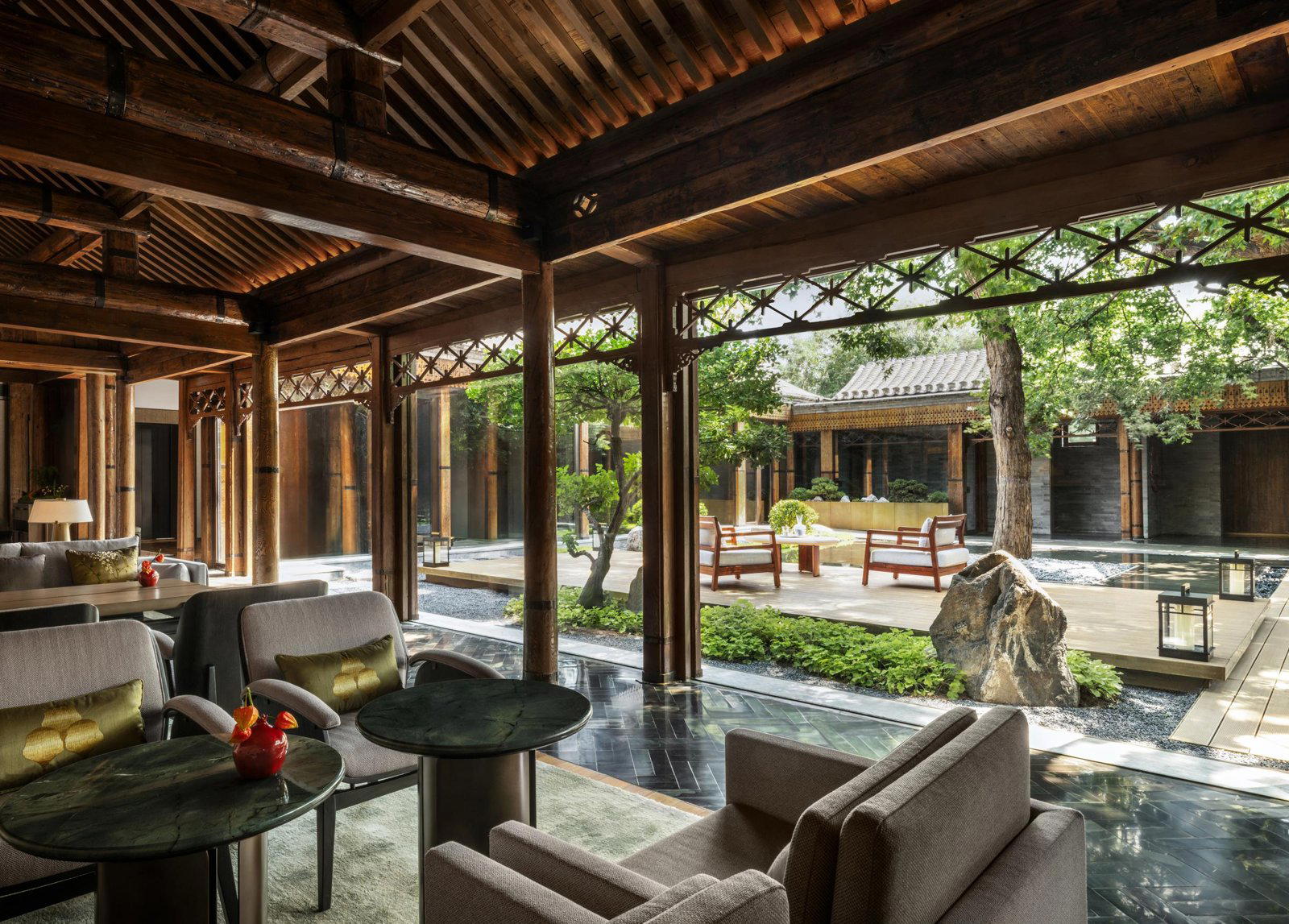
Jinyu Hutong runs through Dongcheng with the unhurried geometry of old Beijing, narrow, grey-walled, more foot traffic than cars. Finding a contemporary French restaurant here, rather than in one of the city's glass-and-steel hotel towers, says something about how the capital's dining scene has matured. A decade ago, European fine dining in Beijing clustered almost exclusively inside international hotel properties. Today, stand-alone addresses in historic lanes have become a credible format for serious cooking, and Brasserie 1893 sits inside that shift.
The venue holds a Michelin Plate for both 2024 and 2025, a designation that places it in a large and competitive Beijing cohort. For context, the same guide awards three stars to Xin Rong Ji (Xinyuan South Road) for Taizhou cuisine, and starred recognition to several Chinese-cuisine addresses. French contemporary cooking at the Plate tier in Beijing is not a thin category, Jing holds a full star at the same price bracket, so the positioning requires the restaurant to do more than simply serve classical French technique.
The Rhythm of a French Meal in Beijing
French dining has its own internal clock: the amuse-bouche that sets the register, the pause between courses that asks you to recalibrate, the cheese moment that European diners treat as punctuation and Chinese guests often approach with genuine curiosity. These rituals arrive at Brasserie 1893 inside a city whose dominant dining culture moves at a different tempo. Beijing's traditional banquet format front-loads the table, dishes arrive in sequence but the table fills quickly, conversation drives the meal, and the experience is collective rather than course-by-course. A French brasserie format proposes something different: a more linear progression, a meal whose structure is the point as much as any individual dish.
That tension between imported ritual and local dining habit is not a problem to be solved; it is what makes French-format restaurants in Chinese cities interesting to watch. The Michelin Plate, sustained across consecutive years, suggests Brasserie 1893 has found a version of that translation that works in practice. Price point at ¥¥¥ positions it as a considered spend, with an expectation of formal pacing and ingredient quality to justify the spend.
French Contemporary in a Chinese Capital
Across Greater China, French contemporary cooking occupies a distinct niche at each major dining destination. In Hong Kong, Amber operates with two Michelin stars and an established critical record. In Singapore, Odette holds three stars and has appeared consistently in the Asia's 50 Best rankings. In Shanghai, 102 House represents French-inflected dining in another context entirely. Beijing's French dining scene operates with less international profile than any of those cities, partly because the capital's fine dining story has been told primarily through regional Chinese cuisines, the Taizhou precision of Xin Rong Ji, the Beijing-tradition cooking that places like Blackswan and Rive Gauche sit alongside, and partly because the city's Western dining addresses have historically been easier to find inside five-star hotel dining rooms than in independent formats.
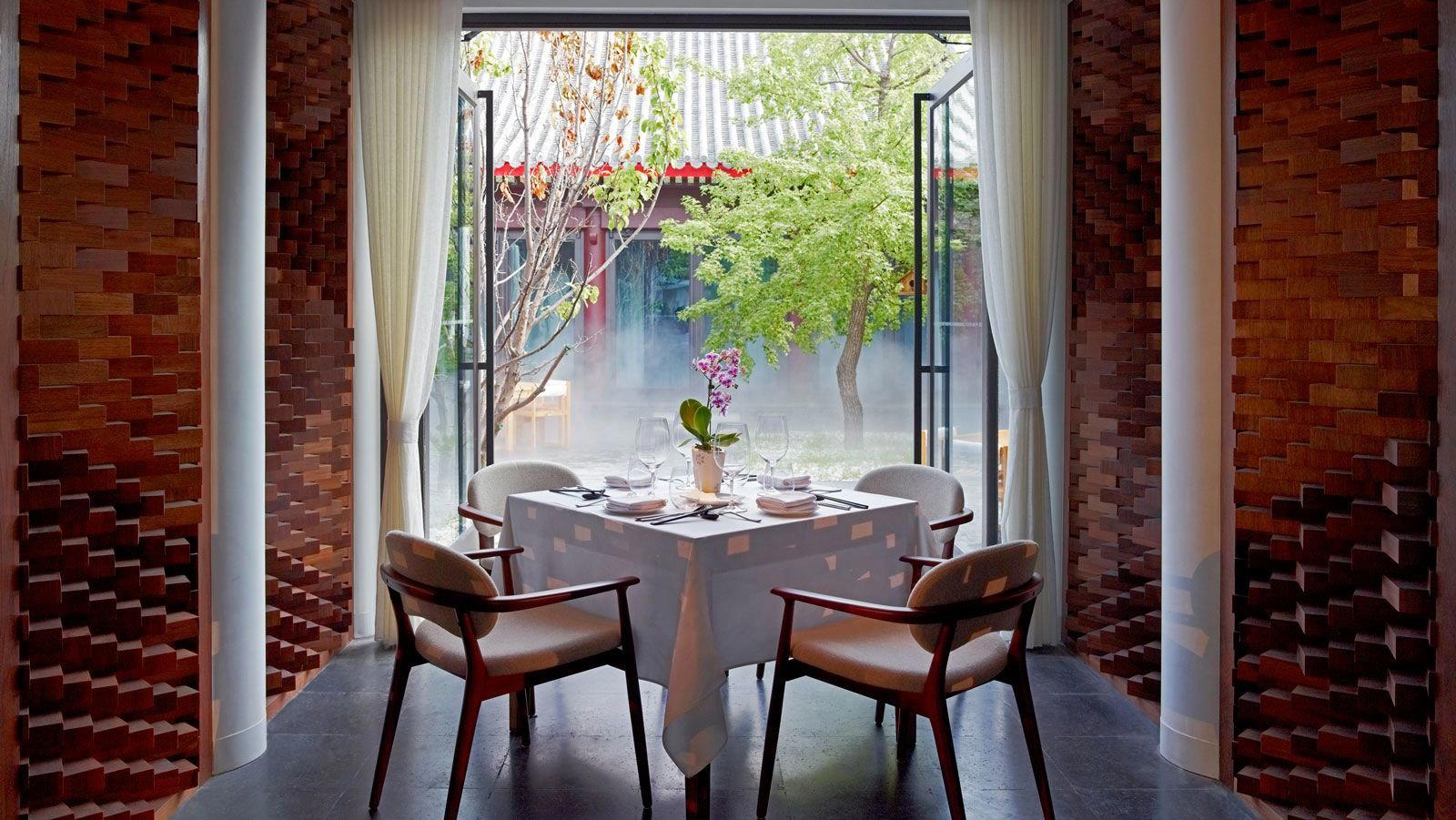
A Hutong address changes the experiential frame. Arriving through a lane rather than a hotel lobby shifts the meal's opening chapter before a dish appears. That environmental context has become more important as Beijing diners, particularly those who travel frequently, have grown accustomed to the idea that setting and spatial narrative contribute to what a meal means.
Planning Your Visit
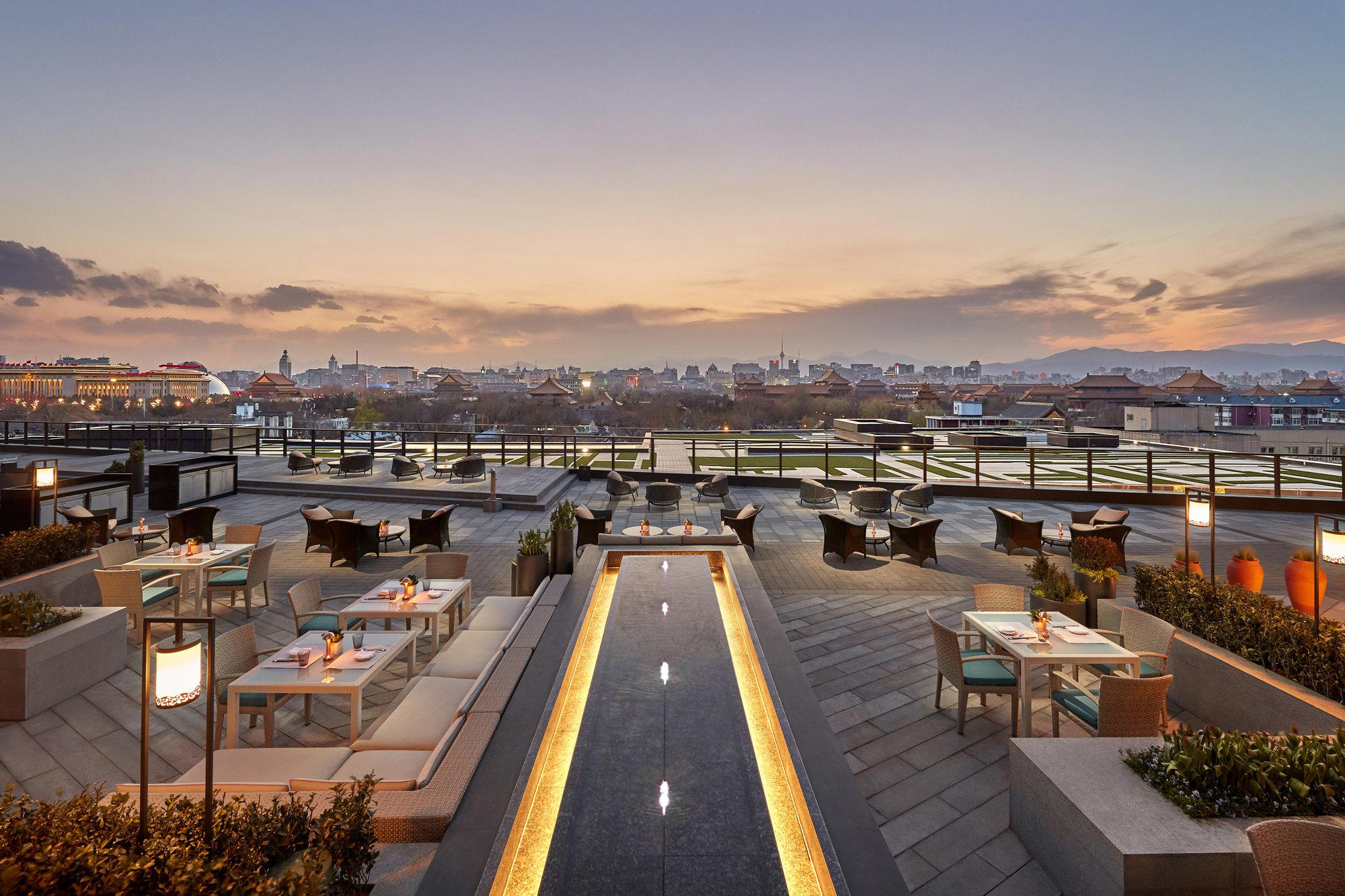
The restaurant sits at 5-15 Jinyu Hutong in Dongcheng, within reach of the palace quarter and the city's older northeastern grid. The ¥¥¥ price tier places an evening here in the range of a considered spend rather than a casual dinner, which means arriving with enough time to let the meal unfold at its intended pace. Dongcheng has many reasons to extend an evening, and the area's bar and cultural programming gives a French dinner a logical neighbourhood frame. For anyone building a longer itinerary around the capital's table, nearby Beijing restaurants and hotels offer plenty of options.
Beijing's version, hutong-situated, Plate-recognised, mid-premium in price, is its own answer to the question.
Quick Comparison
Comparable venues nearby, for context on price, style, and recognition.
| Venue | Cuisine | Price | Awards | Notes |
|---|---|---|---|---|
| Brasserie 1893This venue — the venue you are viewing | Modern French Brasserie with Asian Fusion | $$$$ | Michelin Plate | Not listed |
| La Chansonniére | Contemporary French Fine Dining | $$$$ | Not listed | Gongrentiyuchang |
| Chu Shan Si Ji | Authentic Hubei Cuisine | $$$$ | Michelin Plate | Chuiyangliu |
| Char (South Sanlitun Road) | Modern Steakhouse | $$$$ | Michelin Plate | Sanlitun |
| L. Bodhi (Guanghua Road) | Vegan Fine Dining | $$$$ | Michelin Plate | Dashanzi |
| Rive Gauche | Modern French Bistronomy | $$$$ | Michelin Plate | Dongcheng |
Recognition history
Dated appearances from independent guides and award organizations, with the underlying list record or original source where available.
Michelin Plate
Michelin
Michelin Plate
Michelin
At a Glance
- Elegant
- Sophisticated
- Intimate
- Modern
- Date Night
- Business Dinner
- Special Occasion
- Open Kitchen
- Hotel Restaurant
- Extensive Wine List
Current opening hours
- Monday
- 7–10:30 AM
- Tuesday
- 7–10:30 AM, 12–2:30 PM, 6–9:30 PM
- Wednesday
- 7–10:30 AM, 12–2:30 PM, 6–9:30 PM
- Thursday
- 7–10:30 AM, 12–2:30 PM, 6–9:30 PM
- Friday
- 7–10:30 AM, 12–2:30 PM, 6–9:30 PM
- Saturday
- 7–10:30 AM, 12–2:30 PM, 6–9:30 PM
- Sunday
- 7–10:30 AM, 12–2:30 PM, 6–9:30 PM
Hours can change for holidays and private events. Last verified .
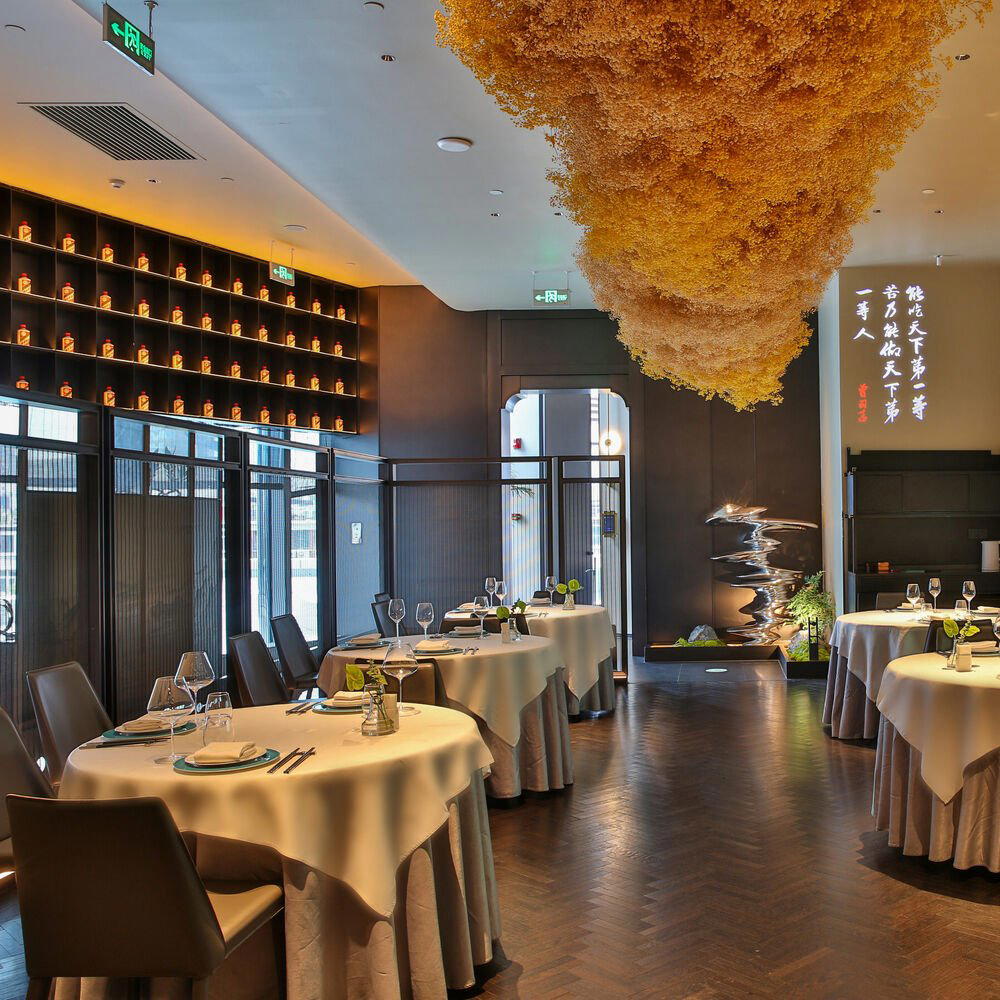
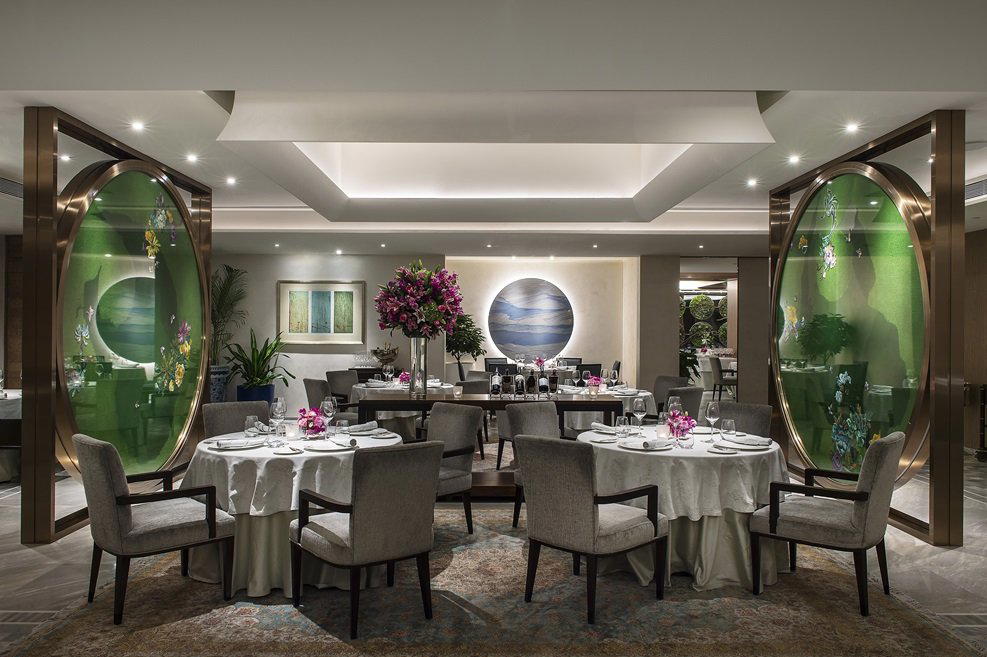
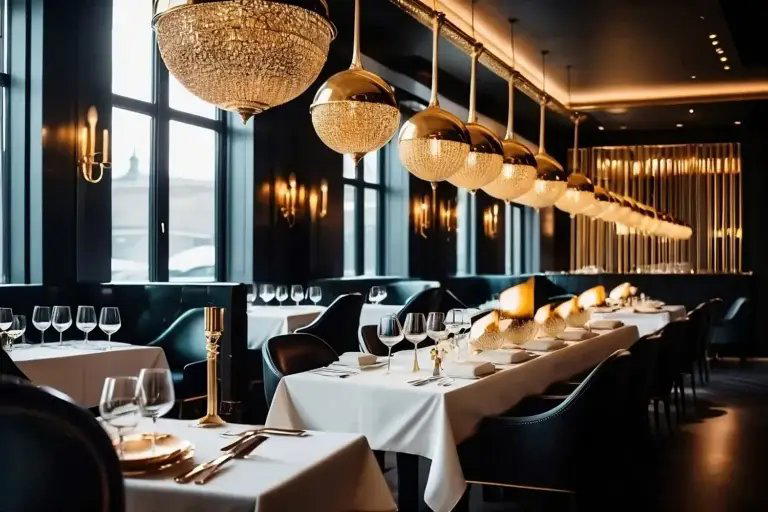
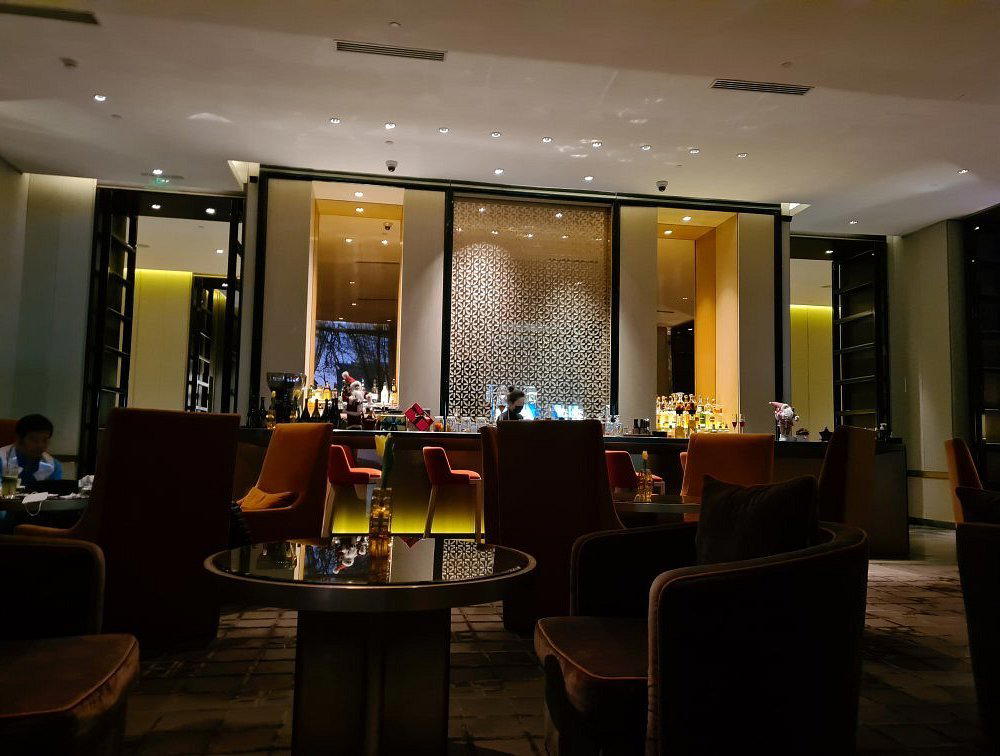
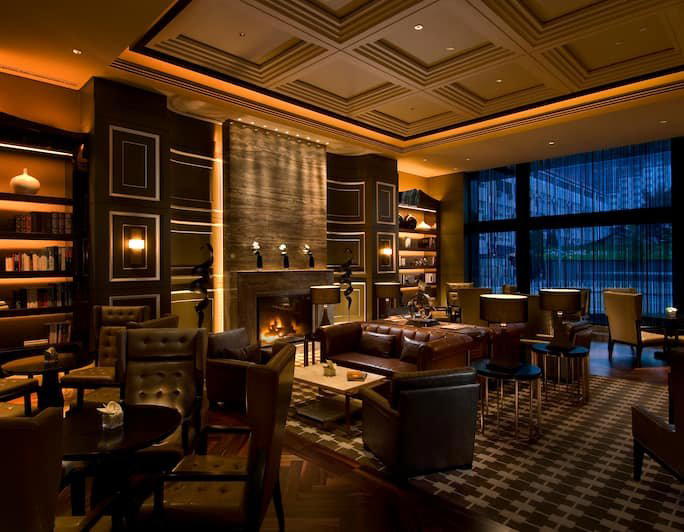
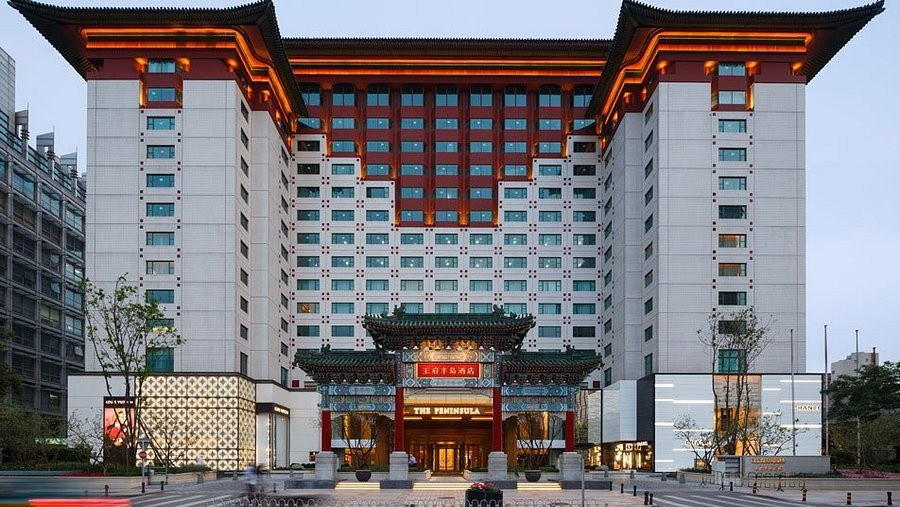
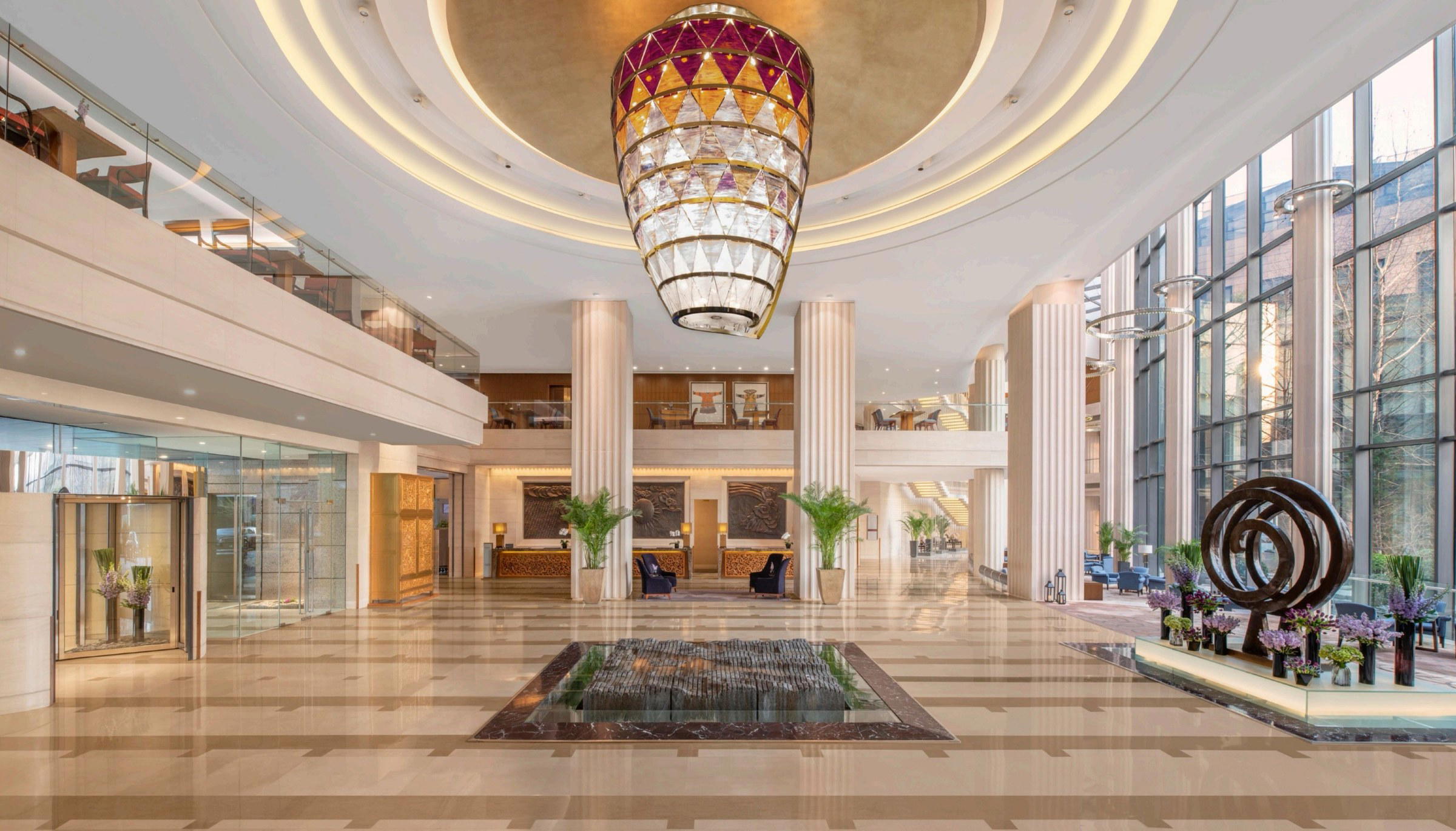
Refined and elegant atmosphere blending oriental tradition with modern luxury, featuring precise artwork and a lively show kitchen.