On Favoritenstraße in Vienna's 4th district, Riva Favorita occupies a stretch of the city where neighbourhood dining still holds its ground against the grand-boulevard formality of the inner rings. The address places it in a practical, working residential quarter, a different register from the Innere Stadt, and one that shapes the kind of dining experience the room is built around.
Pearl is the En Primeur Club membership app — saves, bookings, and concierge access live there. Same editors, same standards.
- Address
- Favoritenstraße 4/6, 1040 Wien, Austria
- Phone
- +434313534040
- Website
- riva.pizza
- Directions
- Get directions
 Saves & bookings on Pearl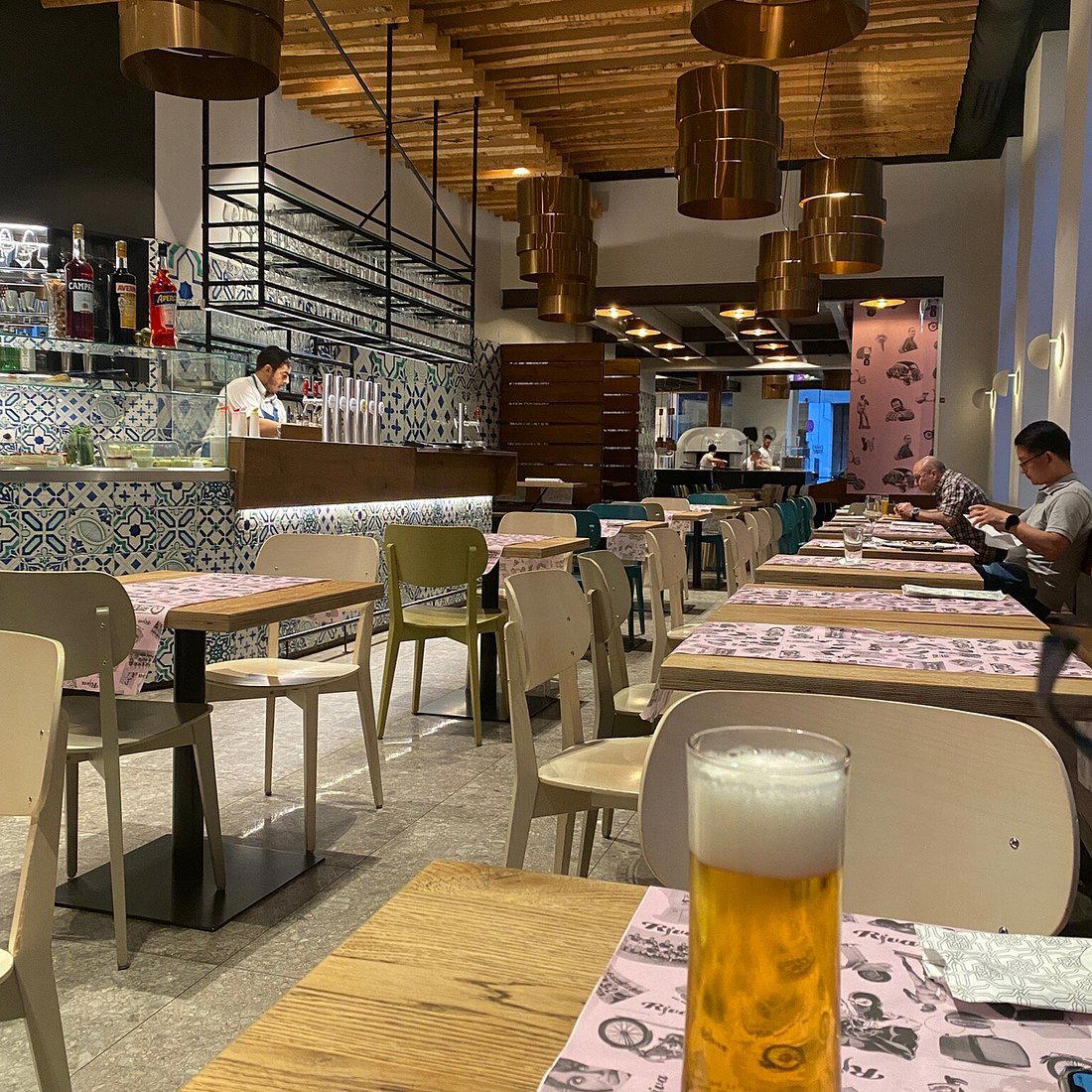
The Fourth District and What It Asks of a Restaurant
Riva Favorita is a restaurant in Vienna's 4th district, serving authentic Neapolitan pizza at a casual, walk-in-friendly address. Venues like Steirereck im Stadtpark and Konstantin Filippou operate in that register: formal, tasting-menu-led, and priced against a global comparable set. Move south into the 4th district, Wieden, and the character of dining shifts. Favoritenstraße is a long, working artery that runs from the Ringstraße edge down toward the 10th district border. The buildings are Gründerzeit stock, the street level is mixed-use, and the residents are not primarily there for destination dining. A restaurant on this address is answering to a different brief than one in Palais Liechtenstein.
Riva Favorita sits at Favoritenstraße 4/6, at the northern end of the street, close enough to the 1st district to draw from that audience but set clearly within the 4th's residential grain. That address sets the terms: the space has to work as a neighbourhood room first, a destination second.
Reading the Room: Space as Editorial Statement
In Vienna, the physical container of a restaurant communicates social register as precisely as the menu does. The city's grand dining rooms, coffeehouses with marble columns, Beisln with dark wood panelling and generations of accumulated patina, carry a visual language that guests read immediately. Newer venues have had to decide whether to inherit that language or reject it. The wave of creative Austrian cooking that brought venues like Mraz & Sohn and Amador to international attention largely chose to work in stripped, contemporary interiors, signalling a break from the heavy formality of the Viennese dining tradition.
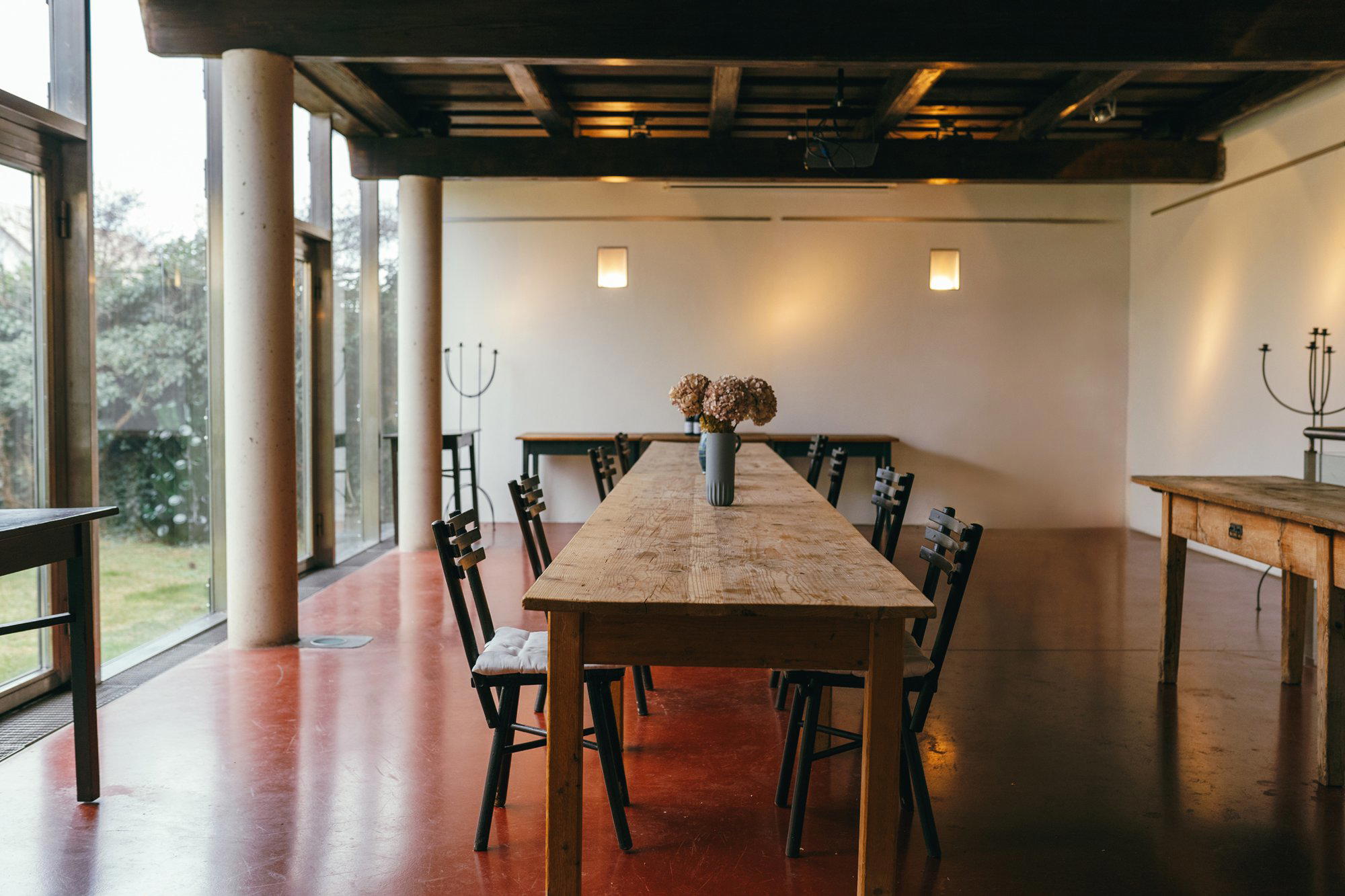
A venue on Favoritenstraße operates in a different spatial economy. The building stock on this part of the street is late 19th-century Historicist, which means high ceilings, deep window reveals, and floor plans that were designed for commercial ground-floor use. The architectural bones of the neighbourhood tend toward generosity of volume, even in rooms that have been subdivided or modernised over the decades. How a restaurant engages with that inheritance, whether it strips back to raw plaster, restores period detail, or layers contemporary furniture into a historic shell, tells you something about who it is trying to reach and what kind of meal it is framing.
What can be said is that this location, in this building typology, in this neighbourhood, creates a set of spatial possibilities that differ materially from the purpose-built fine-dining rooms of the Innere Stadt. The 4th district's restaurants tend to compress the distance between kitchen and table, between formality and ease, not by accident, but because the room and the street outside demand it.
Where Riva Favorita Sits in the Vienna Dining Picture
Vienna's restaurant tier immediately below the Michelin-starred bracket is competitive and, in recent years, increasingly confident in its own identity. The city has a generation of cooks and operators who trained in international kitchens, in Lyon, in Copenhagen, in Tokyo, and returned to open rooms that are harder to categorise than the traditional Viennese categories allow. Doubek represents one expression of this: a neighbourhood address with technical seriousness. Austria's broader fine dining scene extends this pattern into the regions, with destinations like Döllerer in Golling an der Salzach, Obauer in Werfen, and Ikarus in Salzburg drawing serious attention outside the capital.
In Vienna itself, the middle tier of the market, above the traditional Beisl, below the full tasting-menu rooms, is where most of the interesting movement is happening. Restaurants in this bracket need to offer enough culinary credibility to justify a deliberate visit while keeping a format that sustains regular neighbourhood use. That balance is harder than it looks. Venues that tilt too far toward occasion dining lose the weeknight trade; those that prioritise accessibility sometimes fail to hold the attention of guests who are weighing them against the full fine-dining roster. The Favoritenstraße address puts the restaurant in a position where it is likely navigating exactly this balance.
The Austrian Kitchen and Its Current Moment
Austrian cuisine at the serious end is no longer simply the cuisine of Wiener Schnitzel and Tafelspitz, though those dishes remain reference points of real cultural weight. The country's leading tables have spent two decades developing a vocabulary that draws on alpine ingredients, game, wild herbs, freshwater fish, regional dairy, and applies contemporary technique to them without erasing their provenance. The international frame of reference for Austrian fine dining now includes venues as technically demanding as Le Bernardin in New York City and as conceptually distinct as Atomix in New York City, not because Austrian cooking resembles either, but because the audience travelling for Austrian food is now calibrated to those global standards of execution.
At the regional level, Austria has a dense network of serious kitchens: Landhaus Bacher in Mautern an der Donau, Griggeler Stuba in Lech, Gourmetrestaurant Tannenhof in Sankt Anton am Arlberg, Kräuterreich by Vitus Winkler in Sankt Veit im Pongau, Restaurant 141 by Joachim Jaud in Mieming, Ois in Neufelden, and Schwarzer Adler in Hall in Tirol among them. Vienna benefits from this ecosystem: the capital's restaurants draw on the same supplier networks and, increasingly, the same talent pool.
Planning a Visit
The restaurant is on Favoritenstraße 4/6 in Vienna's 4th district, accessible from the Karlsplatz U-Bahn hub and within walking distance of the Südbahnhof axis. The 4th district is compact and walkable; arriving by public transport is direct from anywhere in the central city. The restaurant is walk-in friendly and open daily from 11:30 AM to 11 PM Monday through Saturday, with Sunday service from 12 PM to 10 PM. The price per person is about $20.
Recognition, Side-by-Side
Comparable venues nearby, for context on price, style, and recognition.
| Venue | Cuisine | Price | Notes |
|---|---|---|---|
| Riva FavoritaThis venue — the venue you are viewing | Authentic Neapolitan Pizza | $$ | Not listed |
| La Stella | Italian Apericafe & Deli | $$ | Staatsoper |
| San Carlo Ristorante | Authentic Neapolitan Italian | $$ | Staatsoper |
| Da Moritz | Italian Pizza and Pasta | $$ | Staatsoper |
| La Tavolozza | Authentic Italian Trattoria | $$ | Josefstadt |
| Don't call it pizza | Modern Neapolitan Pizza | $$ | Landstraße |
Continue exploring
More in Vienna
Restaurants in Vienna
Browse all →
Bars in Vienna
Browse all →
Hotels in Vienna
Browse all →
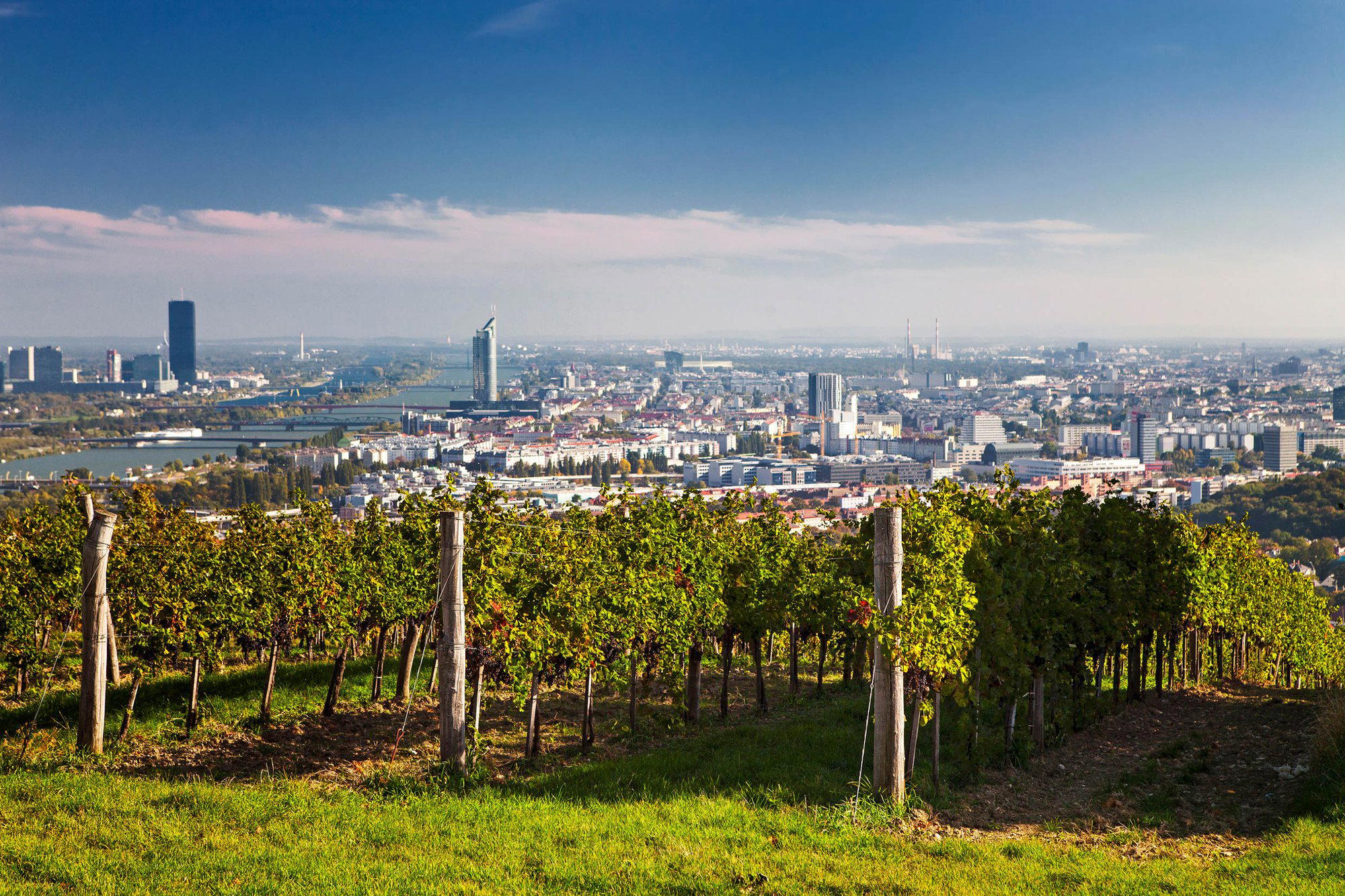
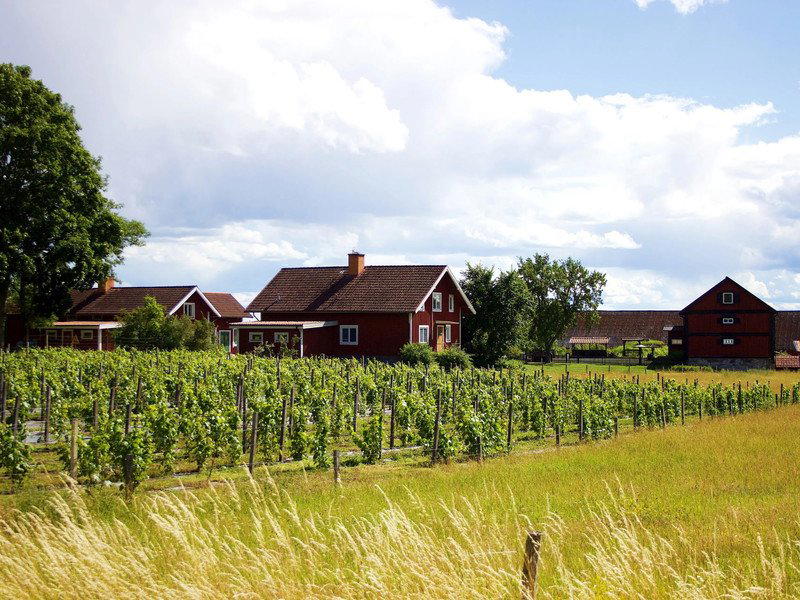
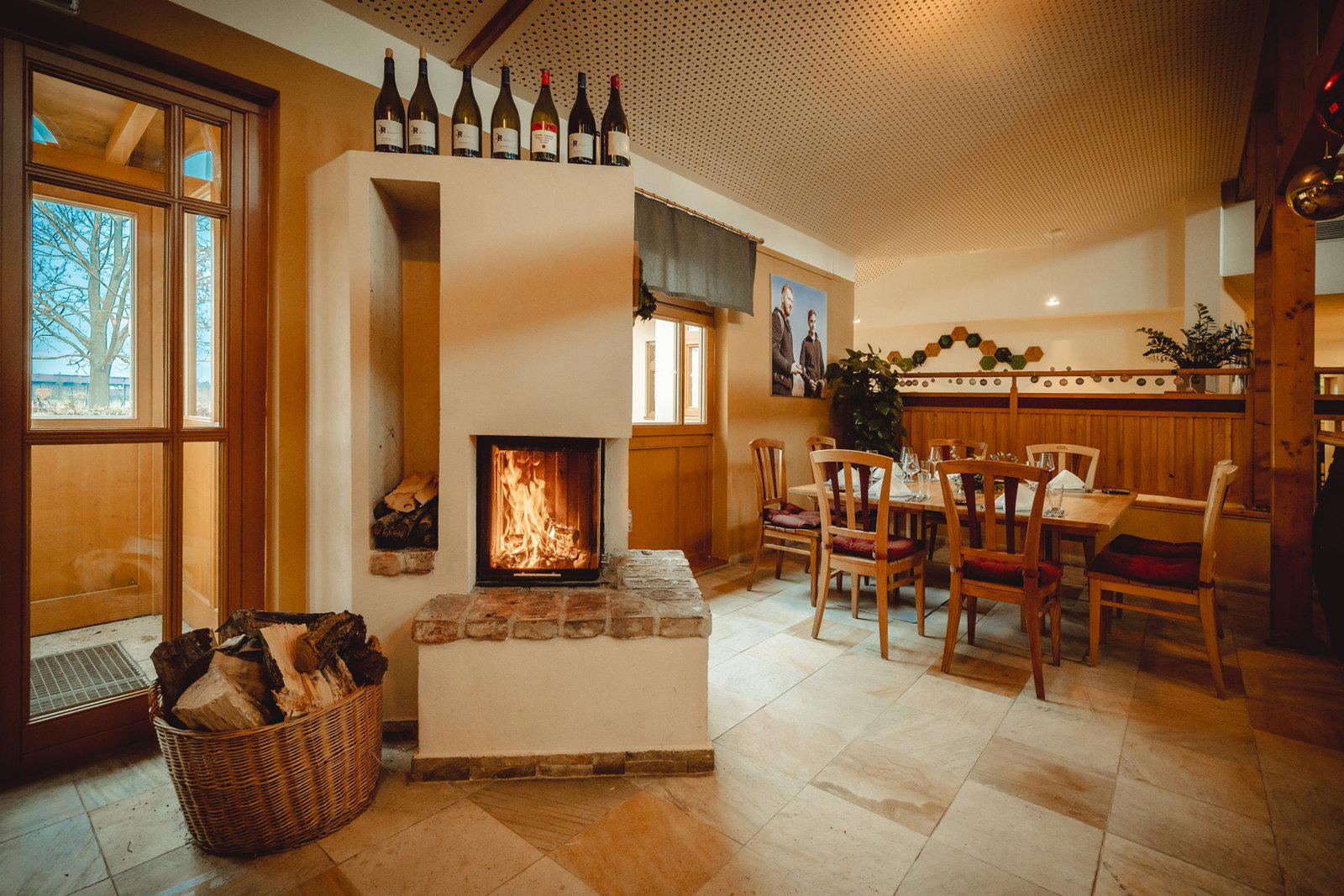
At a Glance
- Modern
- Casual
- Lively
- Casual Hangout
- Group Dining
- Family
- Celebration
- Garden
- Open Kitchen
- Standalone
- Beer Program
- Local Sourcing
- Garden
Current opening hours
- Monday
- 11:30 AM–11 PM
- Tuesday
- 11:30 AM–11 PM
- Wednesday
- 11:30 AM–11 PM
- Thursday
- 11:30 AM–11 PM
- Friday
- 11:30 AM–11 PM
- Saturday
- 11:30 AM–11 PM
- Sunday
- 12–10 PM
Hours can change for holidays and private events. Last verified .
Light and modern decor with hand-painted tiles from Vietri and copper lamps; summer garden seating for 75 guests creates a relaxed, welcoming atmosphere.