A trattoria on Corso Umberto I in Syracuse, Rittufilu operates within the honest, ingredient-led tradition of Sicilian family dining rather than the creative-modern tier that has gained ground in Ortigia. The address places it on one of the city's main arteries, within walking distance of the island's baroque core and the daily fish market that supplies much of the neighbourhood's cooking.
Pearl is the En Primeur Club membership app — saves, bookings, and concierge access live there. Same editors, same standards.
- Address
- Corso Umberto I, 65, 96100 Siracusa SR, Italy
- Phone
- +393282038530
- Website
- rittufilu.com
- Directions
- Get directions
 Saves & bookings on Pearl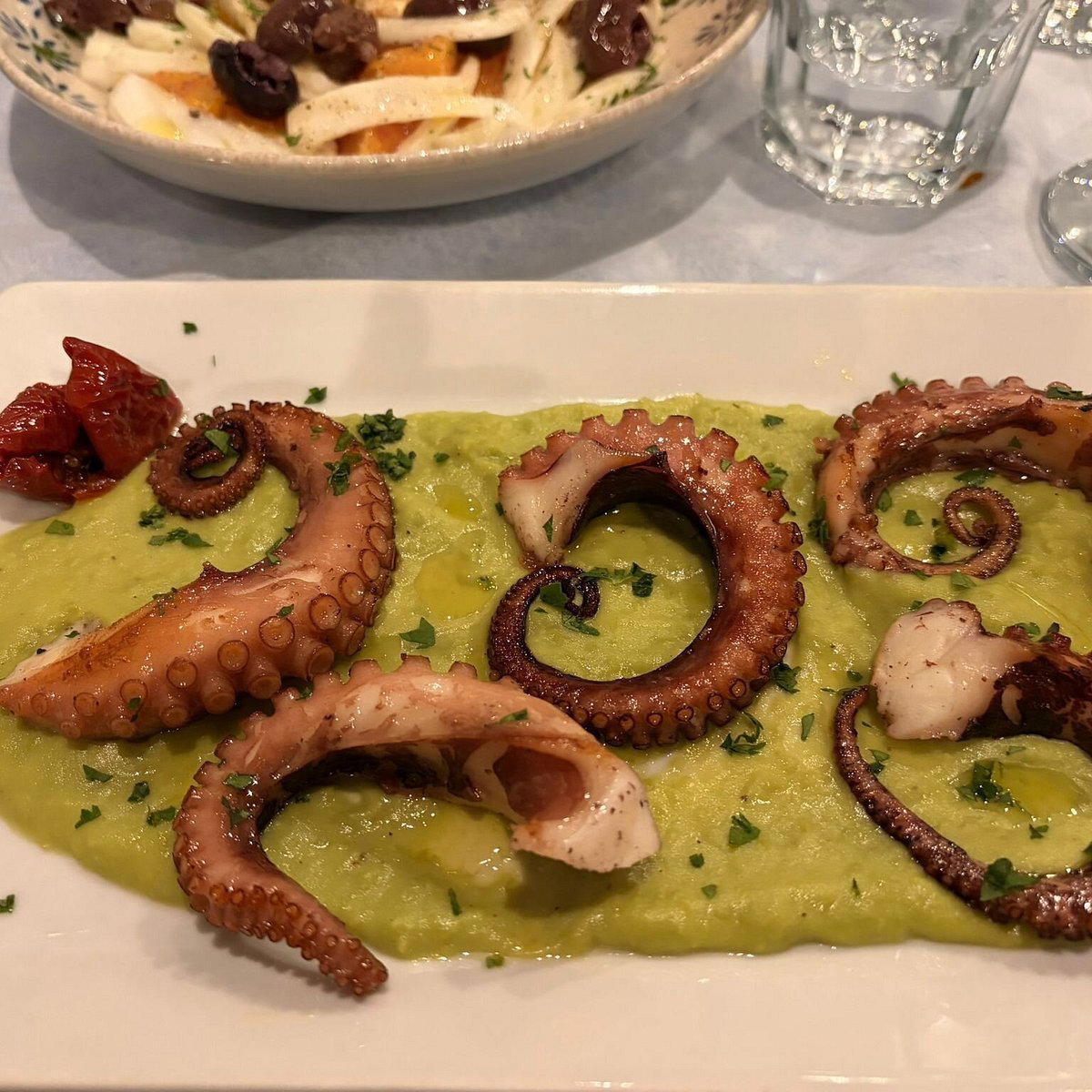
Sicilian Trattoria Tradition on Corso Umberto I
Syracuse sits at a complicated juncture in Sicilian dining. On one side, Ortigia's baroque island has attracted a wave of modern and creative kitchens, venues like Cortile Spirito Santo and Davè Sicilian Taste that reframe local ingredients through a contemporary lens. On the other, the city retains a quieter, less photographed tier of family-run trattorias that have no interest in that conversation. These are places where the format has not changed because the format works: a short menu built around what the market offered that morning, a room that fills with locals at lunch, and a bill that reflects effort rather than theatre.
Corso Umberto I is one of Syracuse's main commercial arteries on the mainland side, running parallel to the water before the bridge crosses to Ortigia. It is a working street, not a tourist promenade, and a trattoria operating there is positioning itself for a local clientele rather than a visitor audience. That distinction matters when reading what a restaurant is doing. The proximity to the fish market that supplies Ortigia's kitchens means the supply chain for good seafood is genuinely short here, and the Sicilian trattoria tradition is built almost entirely around that fact.
What the Trattoria Format Means in Sicily
In southern Italy broadly, and in Sicily in particular, the trattoria occupies a specific cultural position. It is not the osteria, which skews wine-led and snack-focused, and it is not the ristorante, which signals a more formal contract between kitchen and guest. The trattoria promises a meal in the original sense: a daily-changing selection of dishes tied to what is seasonal and local, cooked without ceremony, and served in a room where nobody is performing. For a city with Syracuse's geography, anchored to the Ionian Sea and surrounded by agricultural land producing almonds, citrus, and olives, that format has a natural integrity. The raw material argument for Sicilian cooking is not abstract; it is one of the stronger cases in the Italian south.
The Sicilian table has absorbed Arab, Greek, Norman, and Spanish influence over centuries, and that layering shows up in ways that are often invisible to a casual diner. Caponata, for instance, is not simply a vegetable dish; the agrodolce technique that defines it carries a direct line to Arabic sweet-and-sour cooking from the medieval period. The use of almonds in both savoury and sweet preparations reflects the same inheritance. A trattoria working within this tradition is, whether consciously or not, carrying a long culinary history forward in its daily menu. Italy's most formally recognised kitchens, places like Osteria Francescana in Modena or Piazza Duomo in Alba, engage with regional tradition through an intellectual and technical frame. The trattoria does something different: it transmits the tradition without annotation.
Where Rittufilu Sits in the Syracuse Scene
Syracuse's restaurant tier has expanded noticeably in the past decade as the city has grown as a cultural destination, with the Greek Theatre at Neapolis drawing summer audiences and Ortigia's baroque architecture attracting a longer-stay visitor. That growth has created space for multiple dining registers to operate simultaneously. At the higher end of the casual-creative bracket, Ammucca and BOATS represent different angles on modern Sicilian hospitality. Further up the formality and price scale, venues like Ciauru Anticu Ortigia signal a more curated approach to the regional pantry.
Rittufilu does not compete in those tiers. Its Corso Umberto I address and trattoria format place it in a neighbourhood-dining bracket that operates on different terms: repeat local custom, accessible pricing, and a kitchen that does not need to explain itself. That is not a lesser position in the dining ecosystem; it is a different function. The trattorias that survive in Italian cities across multiple decades do so because they are genuinely useful to the people who live nearby, not because they have attracted external attention. In that sense, longevity itself becomes a form of credential in this category, one that no award body formally measures but that regulars can read clearly.
For a broader map of where this fits within the city's dining options, the full Syracuse restaurants guide sets out the different tiers from formal dining rooms to casual neighbourhood tables. Italy's most decorated kitchens across the north and centre, from Dal Pescatore in Runate to Le Calandre in Rubano to Enoteca Pinchiorri in Florence or Enrico Bartolini in Milan, represent one end of the Italian dining spectrum. The southern trattoria tradition, at its honest leading, anchors the other end, and both ends are necessary to understand Italian food culture in full.
Planning Your Visit
Corso Umberto I runs on the mainland section of Syracuse, and the walk to Ortigia's bridge takes only a few minutes, making the area accessible whether you are staying on the island or in the newer city. Sicilian trattorias in this bracket typically operate a strong lunch service and may close between afternoon and evening; arriving at the standard Italian lunch window, roughly 12:30 to 14:30, is the surest approach. The format generally does not require advance booking for solo diners or couples, though groups should call ahead when possible. For the wider context of what to expect from Syracuse's dining scene across different price points and styles, including what separates the trattoria tier from the creative kitchens, the Syracuse dining guide is the more complete reference. Internationally, the honest regional cooking that places like Rittufilu represent has a counterpart in ambitious seafood-led kitchens at venues like Uliassi in Senigallia, Quattro Passi in Marina del Cantone, or further afield at Le Bernardin in New York City and Atomix in New York City, though the comparison is one of shared seriousness about ingredient provenance rather than format or price. The ambition at Atelier Moessmer Norbert Niederkofler in Brunico or Reale in Castel di Sangro flows from the same southern Italian instinct to cook from place, expressed through a different technical and financial register.
Budget and Context
Comparable venues nearby, for context on price, style, and recognition.
| Venue | Cuisine | Price | Awards | Notes |
|---|---|---|---|---|
| Rittufilu Trattoria SiracusaThis venue — the venue you are viewing | Ortigia, Authentic Sicilian Trattoria | $$ | Not listed | Not listed |
| Ciauru Anticu Ortigia Restaurant Daniele Genovese | Not listed | $$$$ | Not listed | Isola di Ortigia, Authentic Sicilian Seafood |
| Trattoria La Pigna | Ortigia, Sicilian Seafood Trattoria | $$ | Not listed | Not listed |
| Ostaria | Siracusa, Modern Italian Steakhouse | $$$ | Michelin Plate | Not listed |
| MOON - Move Ortigia Out of Normality | Ortigia, Sicilian Vegan | $$ | Not listed | Not listed |
| Don Camillo | Ortigia, Modern Sicilian Fine Dining | $$$ | Michelin Plate | Not listed |
At a Glance
- Rustic
- Cozy
- Classic
- Casual Hangout
- Family
- Date Night
- Open Kitchen
- Terrace
- Extensive Wine List
- Local Sourcing
- Street Scene
Current opening hours
- Monday
- 12:30–11 PM
- Tuesday
- Closed
- Wednesday
- 12:30–11 PM
- Thursday
- 12:30–11 PM
- Friday
- 12:30–11 PM
- Saturday
- 12:30–11 PM
- Sunday
- 12:30–11 PM
Hours can change for holidays and private events. Last verified .
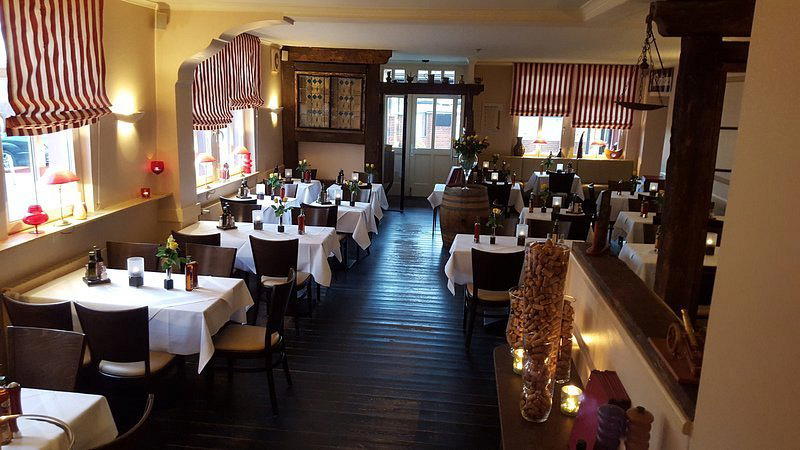
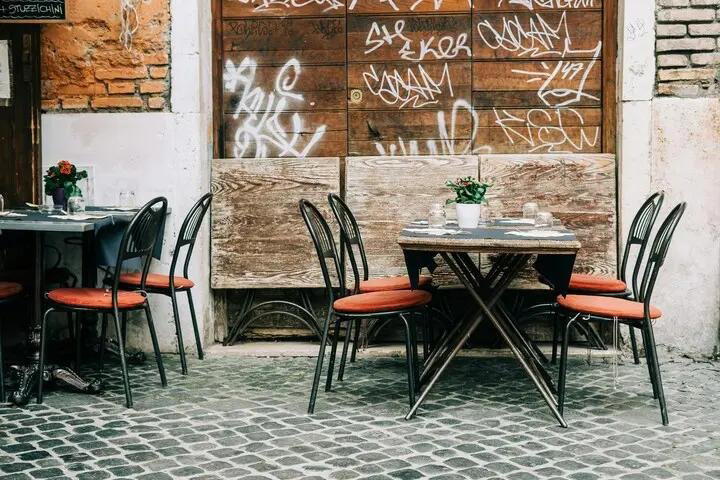
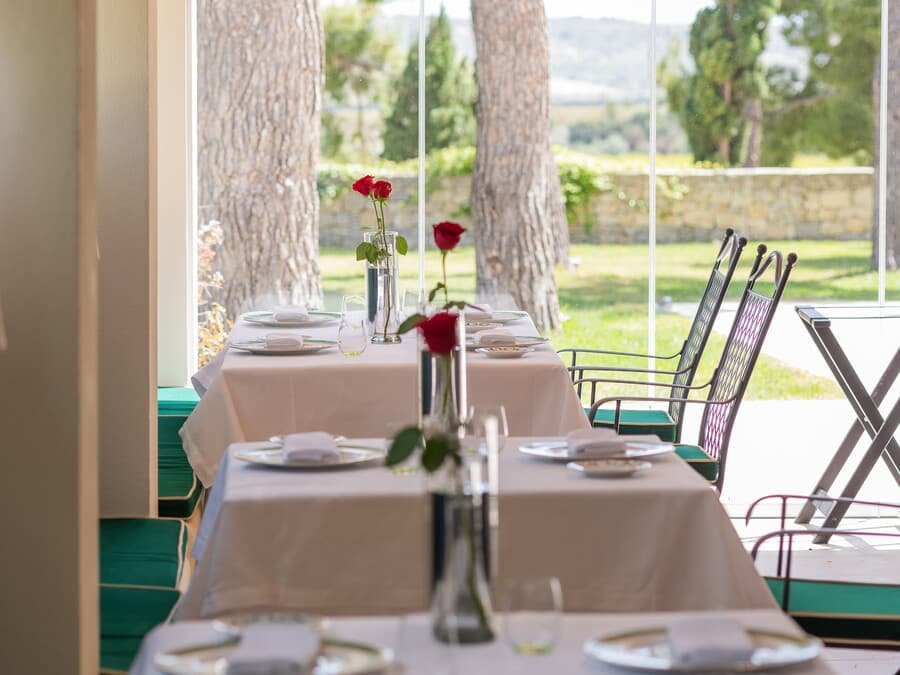
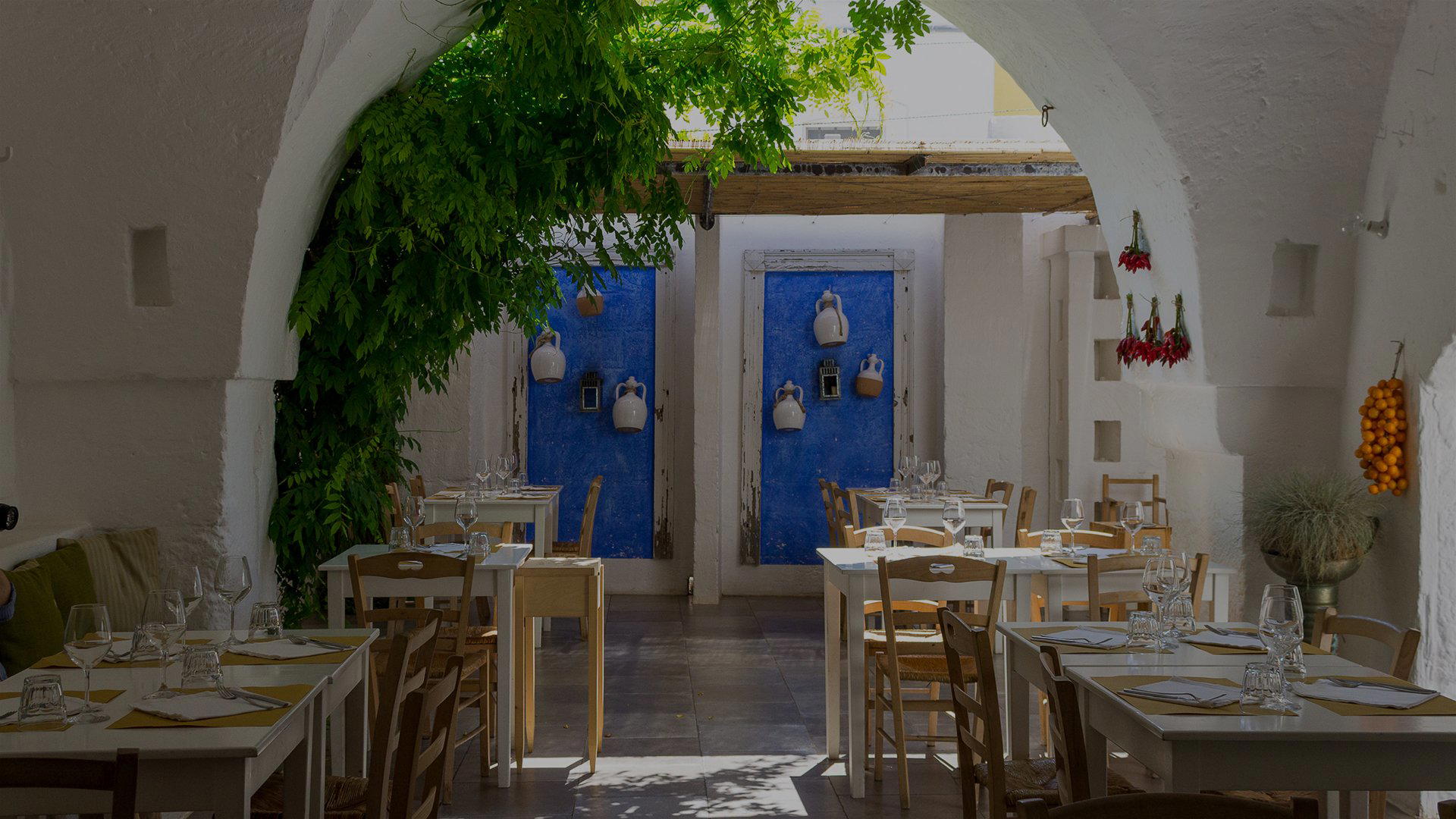
Welcoming and unpretentious Sicilian atmosphere with friendly family-run service, cozy indoor seating, and outdoor tables on a lively street near Ortigia.