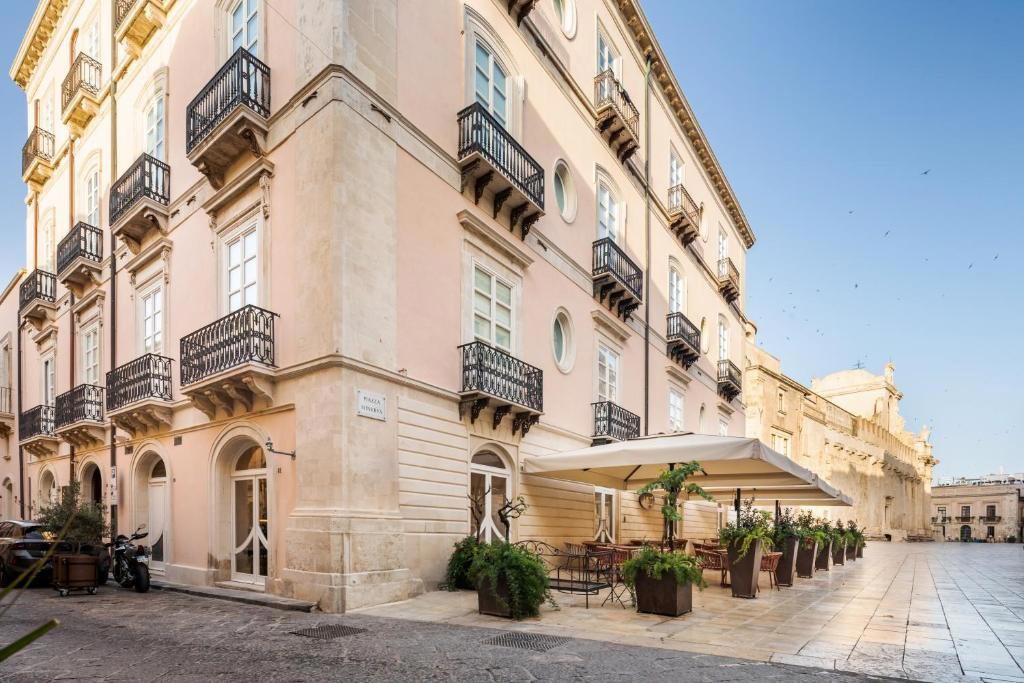
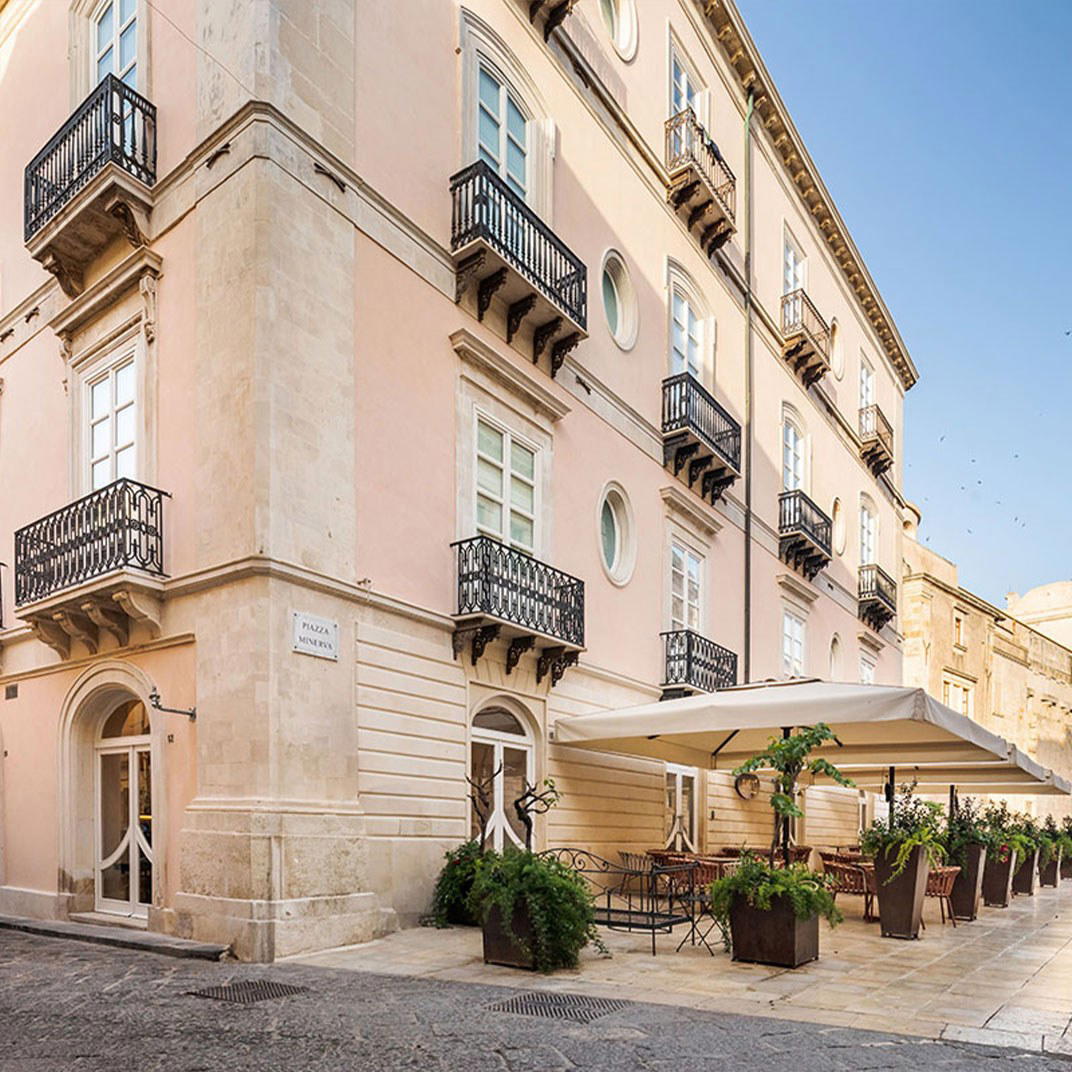
BOATS occupies a striking address on Via dell'Apollonion in the heart of Syracuse's Ortigia island, where the ancient and the contemporary share the same narrow limestone streets. The restaurant draws on the deep culinary traditions of southeastern Sicily, positioning it alongside the city's more considered dining options. Visiting requires engagement with one of Italy's most historically layered dining cities.
 Discover on Pearl
Pearl is the En Primeur Club membership app — saves, bookings, and concierge access live there. Same editors, same standards.
- Address
- Via dell'Apollonion, 5, 96100 Siracusa SR, Italy
- Phone
- +393288818373
- Website
- boatsortigia.it
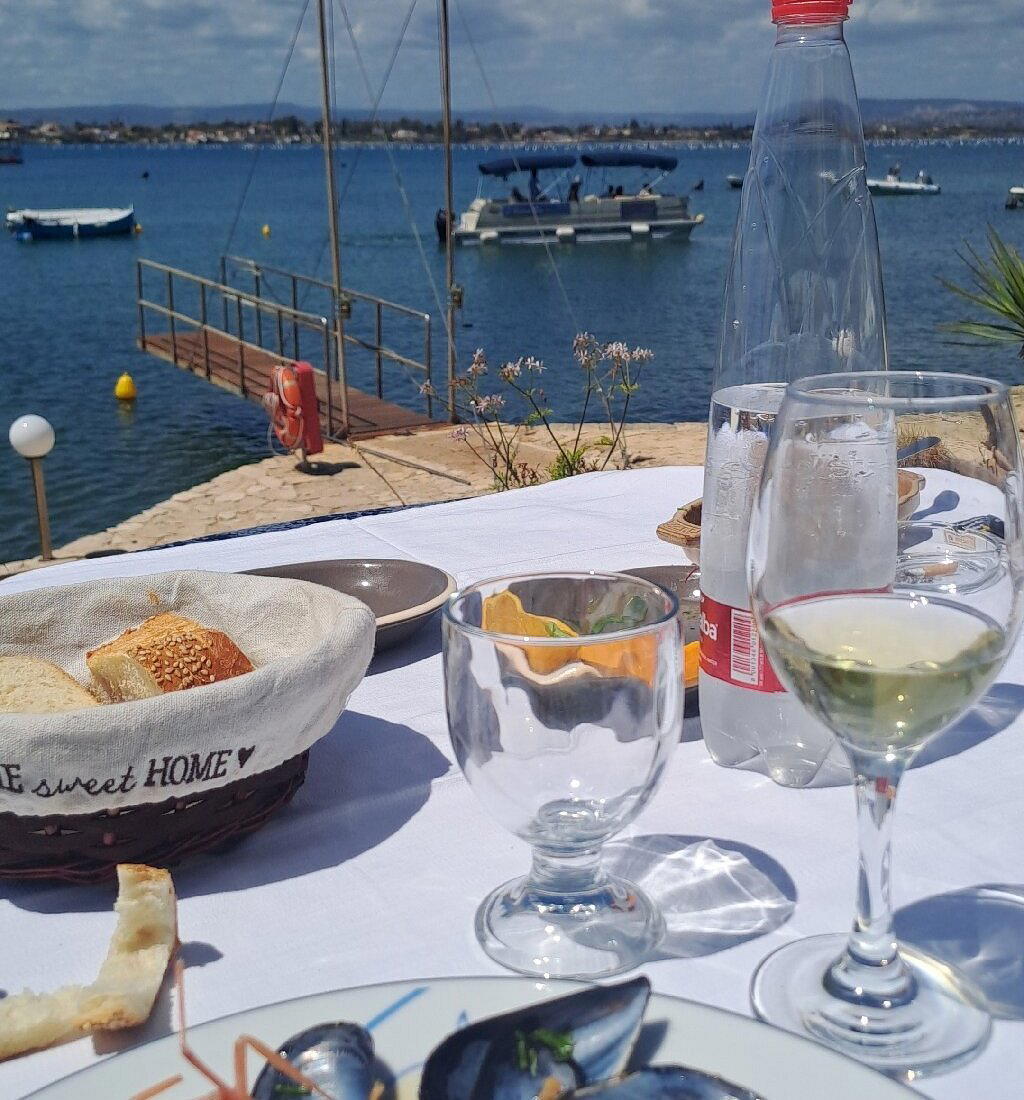
Where Ortigia's Stones Meet the Table
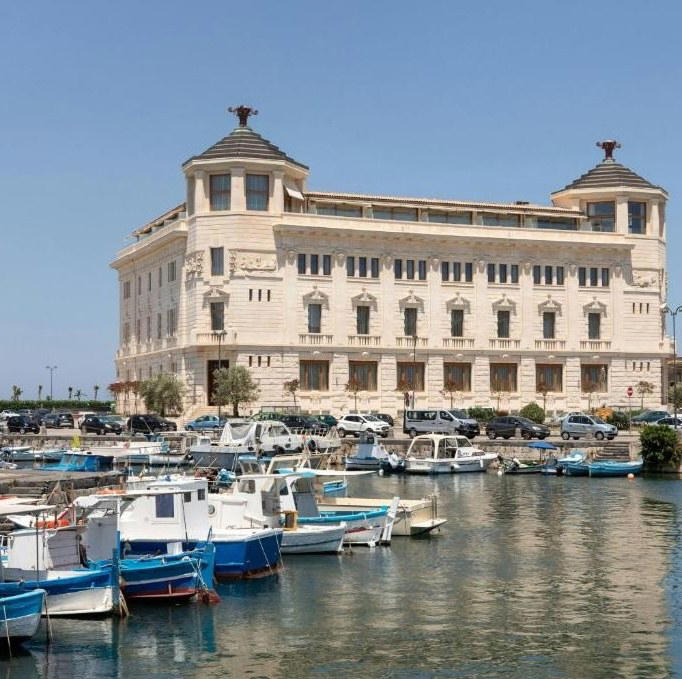
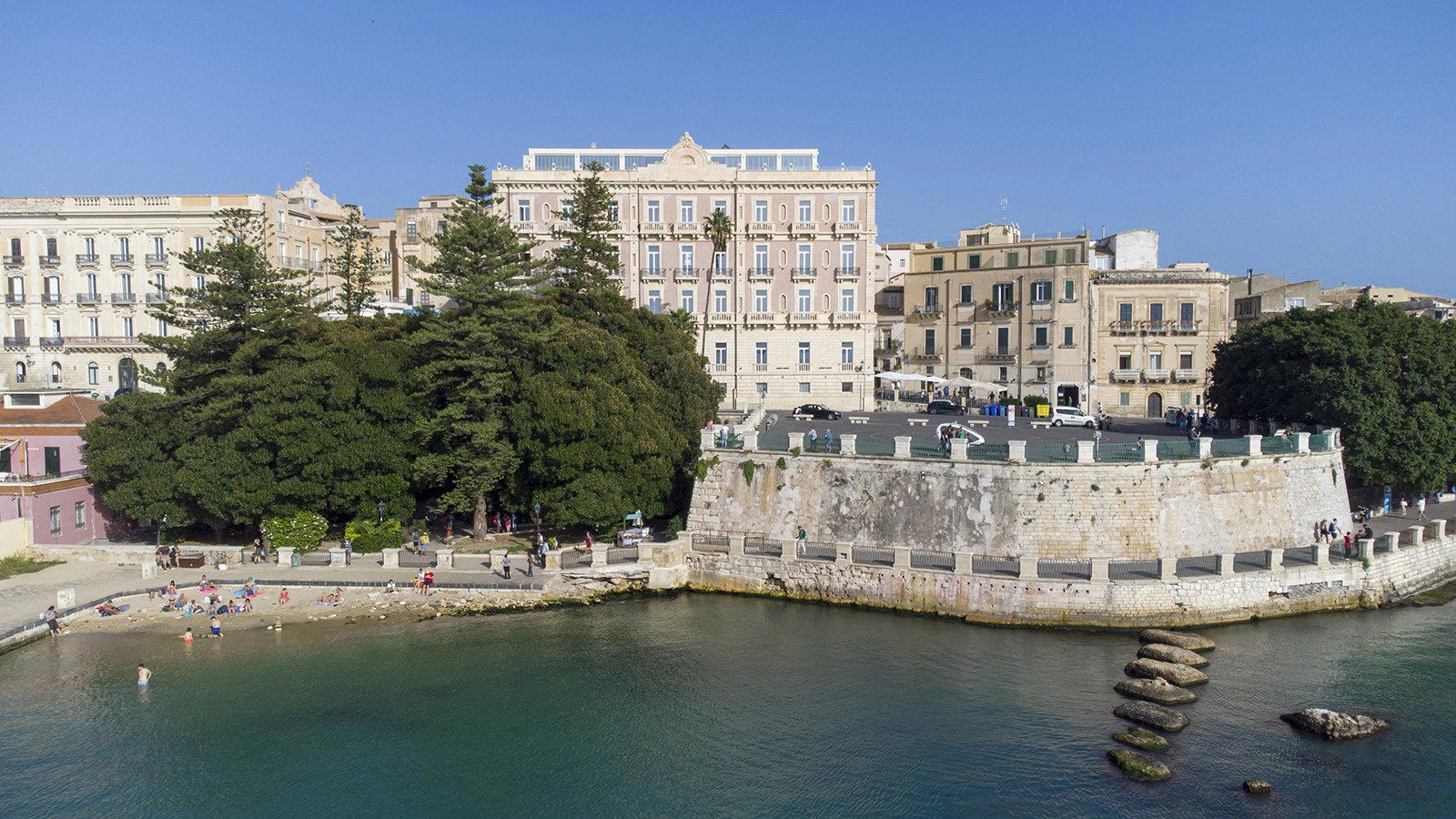
Via dell'Apollonion cuts through the oldest part of Ortigia, the small island at the centre of Syracuse that has been continuously inhabited since the eighth century BC. The street takes its name from the Temple of Apollo, whose weathered Doric columns still stand at the island's edge, a few hundred metres from BOATS's address at number five. Arriving on foot from the Ponte Nuovo, the walk alone frames the meal: salt air off the Ionian, pale Baroque stone underfoot, the sound of the city at a remove from the tourist-heavy Piazza del Duomo axis.
Sicily's Southeast as a Culinary Reference Point
Understanding BOATS requires understanding what Syracuse's food culture represents within Sicily's broader culinary geography. The island's cuisine is not uniform. The northwest, anchored by Palermo and Trapani, runs on street food tradition, couscous influence, and tuna. The Catania plain is defined by volcanic agriculture and pork-forward cooking. Syracuse and the Val di Noto, the southeastern corner, occupy a different register: one shaped by Arab, Norman, and Greek layers, where almonds, carob, and citrus from the Ibleo plateau meet the Ionian's catch of swordfish, red prawns, and ricci di mare.
What arrives at tables in this part of Sicily tends to be ingredient-led by structural necessity: the raw materials, from Pachino tomatoes to Noto almonds to Ispica carob, carry enough specificity that skilled cooking means restraint as much as technique. This is the tradition BOATS enters when it operates on Ortigia's central streets.
Within Syracuse's dining spread, the restaurant sits alongside properties like Cortile Spirito Santo, which takes a creative approach at the €€€ tier, and Don Camillo, a long-running Sicilian address at the same price point. Ammucca and Ciauru Anticu, the latter guided by chef Daniele Genovese, add further reference points for a city that has quietly developed a restaurant culture worth mapping with some precision. Davè Sicilian Taste rounds out a group that collectively signals Syracuse's shift from purely tourist-dependent dining toward a more locally grounded offer.
The Ortigia Dining Pattern
Ortigia operates on a dining rhythm that differs from mainland Italian cities. The island's small footprint, roughly one kilometre by half a kilometre, means that restaurants compete within walking distance of one another and are evaluated in comparison by visitors who, on any given day, have already passed four or five alternatives. This creates pressure toward differentiation that benefits the diner: operators who rely on location alone rarely last, while those with a clear culinary point of view tend to accumulate a returning clientele from both Italian and international visitors.
The period from late September through November offers a different dynamic: produce from the Ibleo harvests is at its peak, the summer crowds have thinned, and the light over the Porto Grande in the late afternoon is as good as anywhere in the Mediterranean. For a city of this culinary depth, that window represents the most considered time to visit.
Italy's Fine Dining Frame: Where Syracuse Sits
Italy's highest-profile restaurant addresses tend to cluster in the north: Osteria Francescana in Modena, Le Calandre in Rubano, Enoteca Pinchiorri in Florence, Enrico Bartolini in Milan, and Piazza Duomo in Alba. The south's most compelling operations, from Uliassi in Senigallia to Quattro Passi in Marina del Cantone to Reale in Castel di Sangro, have increasingly drawn critical attention southward, and Sicily now attracts writers and critics who would previously not have considered the island part of Italy's serious dining map. Dal Pescatore in Runate and Atelier Moessmer Norbert Niederkofler in Brunico illustrate how Italy's regional depth operates across radically different culinary registers; Syracuse is one more node in that geography.
For international reference, the precision-led seafood work visible at addresses like Le Bernardin in New York and the format experimentation at Lazy Bear in San Francisco represent how different cities have resolved the question of what refined fish-and-sea-produce cooking looks like in a formal context. Syracuse, with its Ionian coastline and centuries of fishing tradition, has its own answer to that question, one that predates any of those references by several thousand years.
Planning a Visit to BOATS
BOATS is located at Via dell'Apollonion, 5, in the Ortigia district of Syracuse. The address places it in the island's historic core, accessible on foot from the main bridge connection and from the city's principal parking areas on the island's perimeter. Syracuse is served by Catania Fontanarossa airport, approximately 60 kilometres to the north, with connections from major Italian hubs and several European cities.
Price Lens
Comparable venues nearby, for context on price, style, and recognition.
| Venue | Cuisine | Price | Awards | Notes |
|---|---|---|---|---|
| BOATSThis venue — the venue you are viewing | Ortigia, Mexican-Inspired Cocktail Bar | $$ | , | |
| Ammucca | $$ | , | :null, Sicilian Quality Meat Food | |
| Trattoria La Pigna | Ortigia, Sicilian Seafood Trattoria | $$ | , | |
| Rittufilu Trattoria Siracusa | Ortigia, Authentic Sicilian Trattoria | $$ | , | |
| Ciauru Anticu Ortigia Restaurant Daniele Genovese | $$$$ | , | Isola di Ortigia, Authentic Sicilian Seafood | |
| Regina Lucia | $$$ | Michelin Plate | Ortigia, Contemporary Sicilian Fine Dining |
At a Glance
- Trendy
- Modern
- Lively
- Casual Hangout
- After Work
- Standalone
- Craft Cocktails
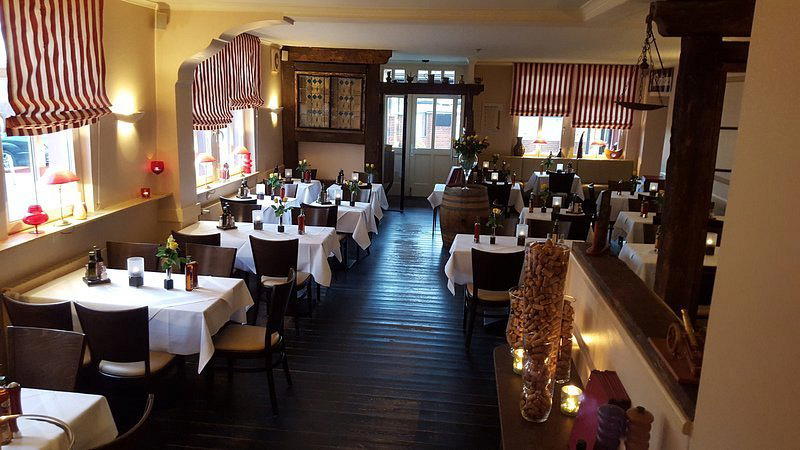
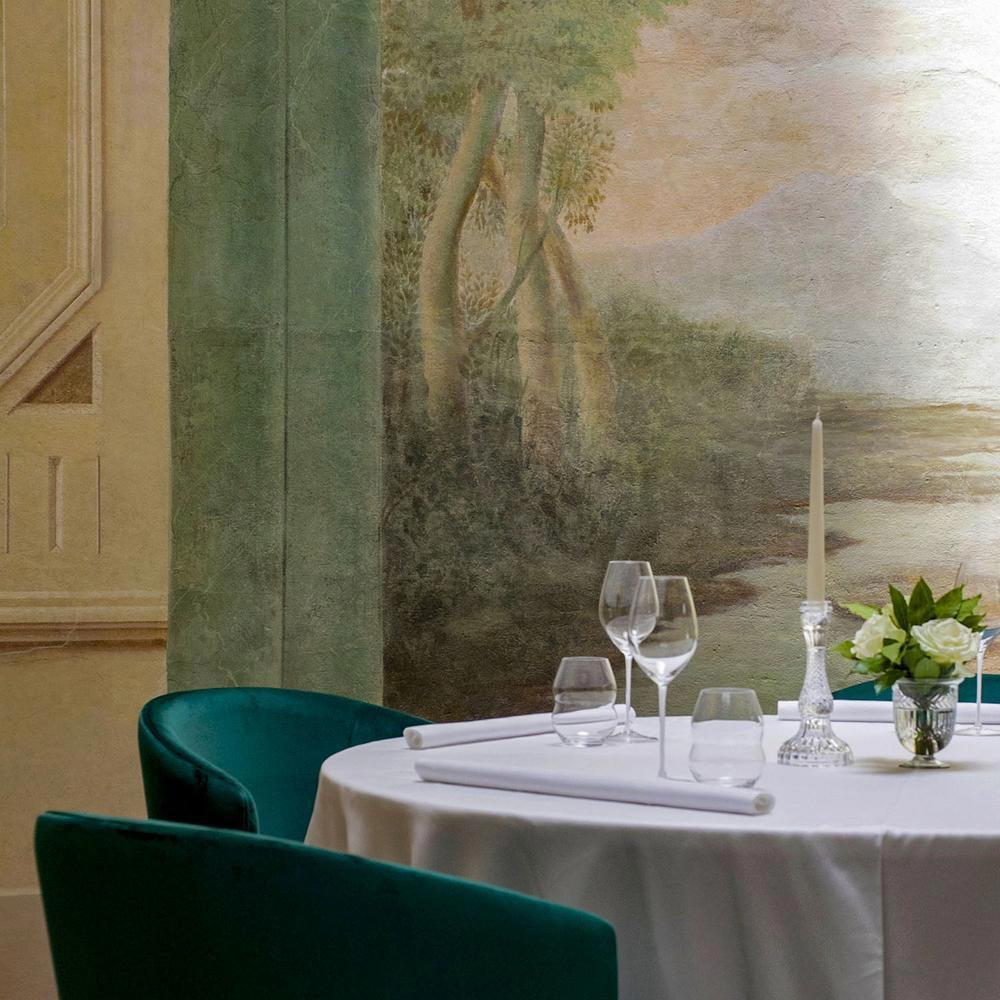
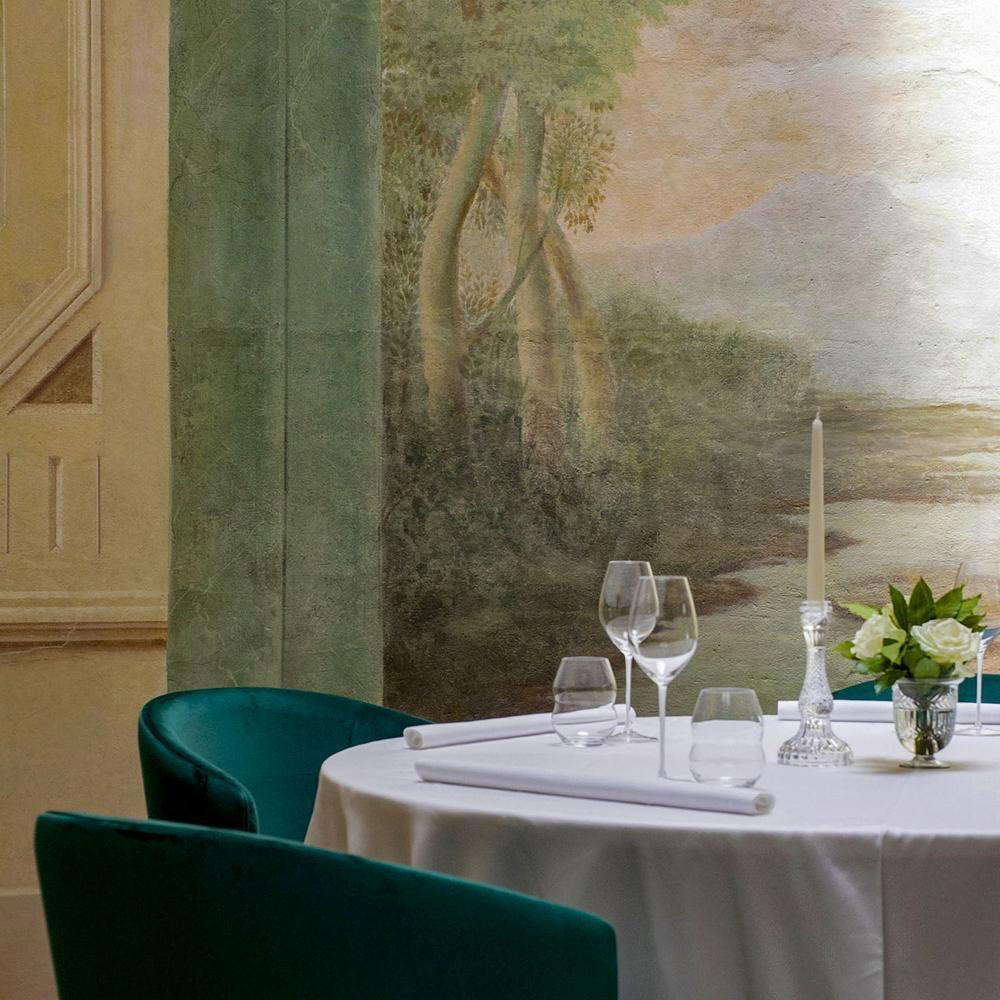
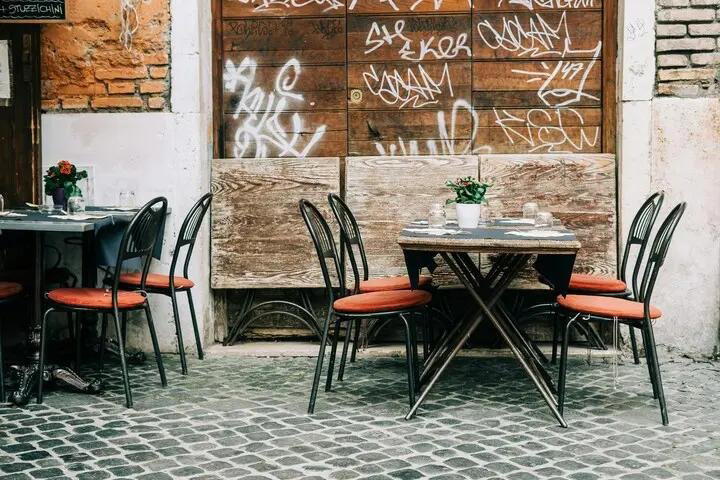
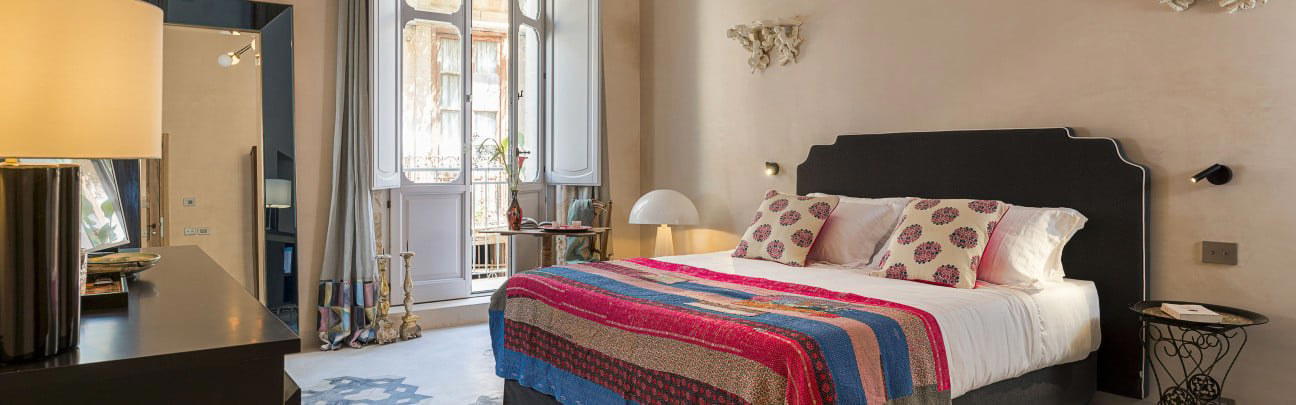
Fun, exploratory atmosphere with well-priced menu offerings and contemporary design aesthetic.