On a quiet stretch of Via Vittorio Veneto in Ortigia, Ciauru Anticu sits within Syracuse's oldest inhabited island, where Sicilian dining traditions run deep and the pace of a meal is treated as seriously as the food itself. The kitchen draws on the island's layered culinary heritage, positioning it among Ortigia's more considered trattoria-style addresses. Visitors looking to move past tourist-facing menus and into something with more local conviction tend to find their way here.
Pearl is the En Primeur Club membership app — saves, bookings, and concierge access live there. Same editors, same standards.
- Address
- Via Vittorio Veneto, 199, 96100 Siracusa SR, Italy
- Phone
- +399311757964
- Website
- sumupbookings.com
- Directions
- Get directions
 Saves & bookings on Pearl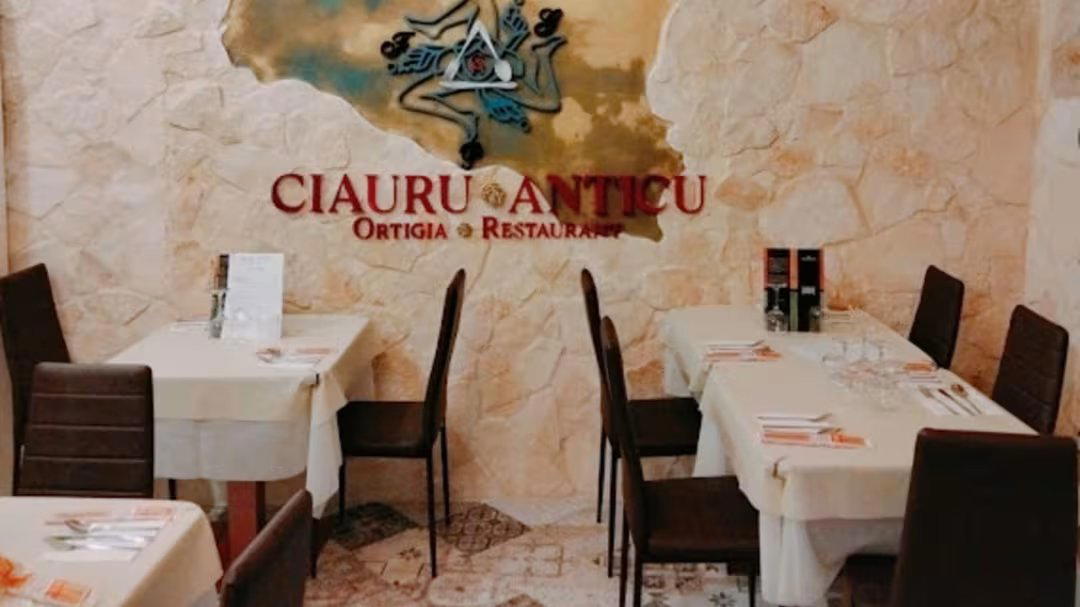
The Street, the Island, and the Ritual of Sitting Down
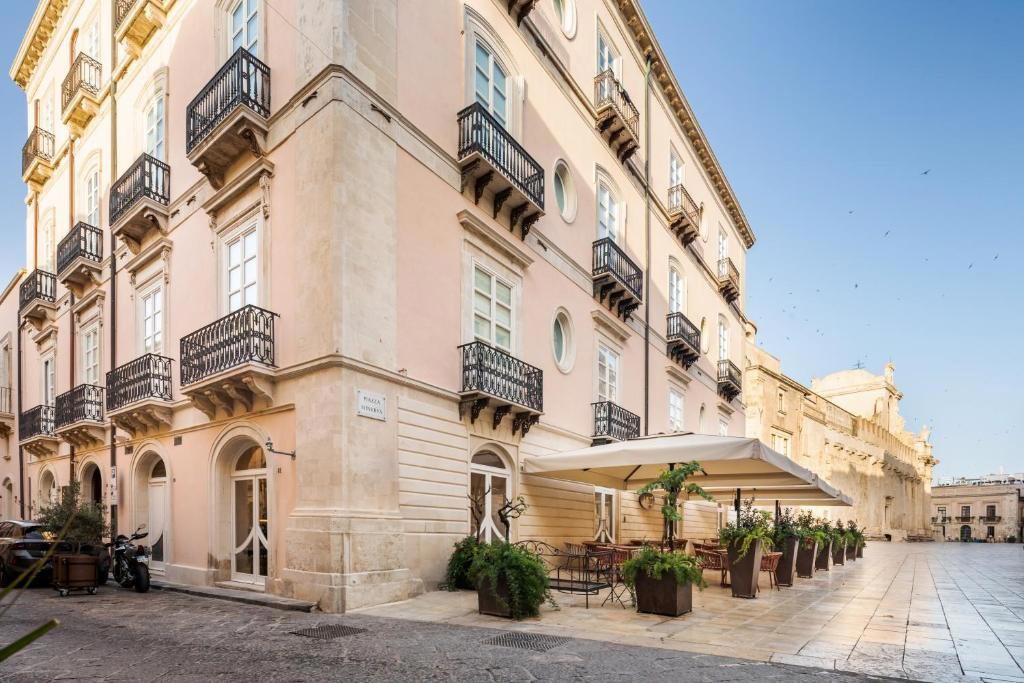
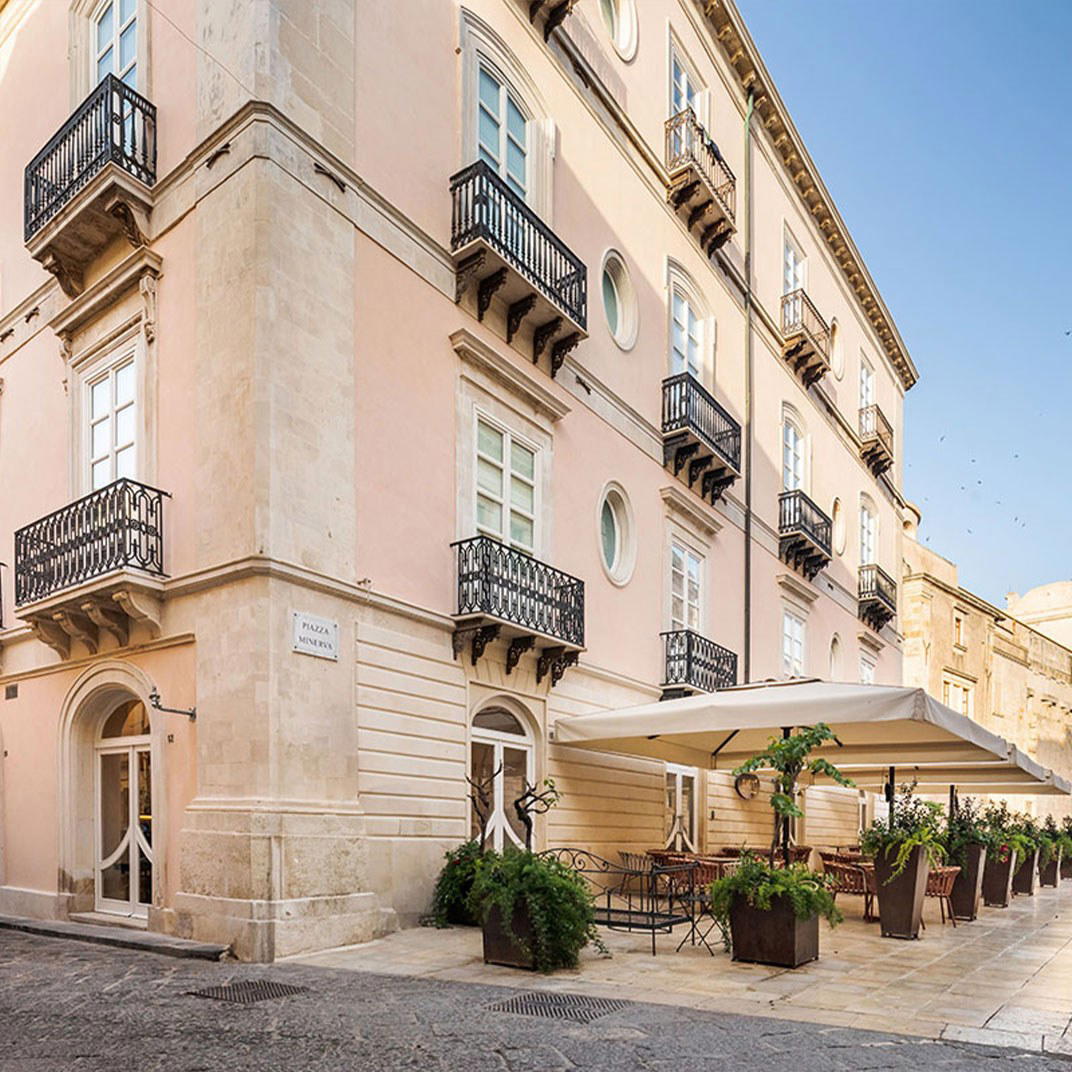
Ciauru Anticu Ortigia Restaurant Daniele Genovese is a restaurant in Syracuse, serving authentic Sicilian seafood at Via Vittorio Veneto, 199. Ortigia is not a neighbourhood that announces itself. The island district of Syracuse, separated from the mainland by a narrow channel and dense with Baroque stonework, Greek ruins, and salt-stiffened air from the Ionian Sea, operates on a rhythm that resists acceleration. Via Vittorio Veneto, where Ciauru Anticu Ortigia Restaurant Daniele Genovese occupies number 199, is the kind of address you arrive at by intention rather than accident. The street is quieter than the cathedral square crowds would suggest the island allows, and that quietness is part of the point. In Ortigia, where the dining scene ranges from tourist-facing seafood plates to the more serious Sicilian kitchens of addresses like Don Camillo and Cortile Spirito Santo, a restaurant's physical placement often signals its intended audience. Ciauru Anticu reads, from the outside, as a place that has made peace with being found by those who are looking.
The name itself is Sicilian dialect, a phrase evoking old smells, ancestral aromas, the sensory memory of a kitchen that predates written recipes. That framing is a signal about what the meal is meant to be: less a performance, more a practice. Sicilian dining at this register is not about spectacle. It is about sequence, about the correct pacing between courses, about letting the fish arrive simply dressed because the fish needs nothing further. Understanding that convention is the first step to reading a meal here correctly.
Ortigia's Dining Tradition: What the Island Expects of Its Kitchens
Sicily's culinary identity is among the more archaeologically layered in the Mediterranean. Greek, Arab, Norman, and Spanish occupations left sediment in the cuisine that serious Sicilian kitchens still mine. In Syracuse specifically, a city that was once larger than Athens, that layering is particularly dense. The local pantry includes sarde a beccafico, pasta con le sarde, caponata in its eastern Sicilian register (sweeter than Palermo's version), and a seafood tradition built around the daily catch from the Ionian and the deeper waters off Portopalo. Among Ortigia's more considered restaurants, the standard is to source locally and let the ingredient carry the dish. Ammucca and BOATS occupy different registers of that conversation, while Davè Sicilian Taste takes a more contemporary approach to the same source material.
Ciauru Anticu positions itself within the trattoria-leaning end of that spectrum, a format that, in its leading Italian expression, is not a lesser version of a ristorante but a different contract with the diner entirely. The trattoria model asks for a slower pace, a more conversational table, and a greater willingness to eat what the kitchen has decided is right today rather than what a fixed tasting menu mandated last month. That informality is a discipline of its own. Italy's most formative dining experiences, from Modena's Osteria Francescana to the coastal precision of Uliassi in Senigallia, share a conviction that the structure of the meal matters as much as any individual dish. At the trattoria register, that conviction expresses itself through pacing rather than ceremony.
The Shape of a Meal at Ciauru Anticu
Eating well in Ortigia requires a willingness to move slowly. The Sicilian meal, at its most traditional, follows an arc: antipasto that often runs longer than expected, a pasta course that is the structural centre of gravity, secondi built around the day's fish or local meat, and a dessert that leans on the island's Arab-inflected pastry tradition, almonds, pistachios from Bronte, ricotta, candied citrus. That sequence is not rigid, but departing from it without reason tends to leave a meal feeling truncated.
Ciauru Anticu, operating on Via Vittorio Veneto in the quieter residential grain of Ortigia, fits within that traditional arc. The name's invocation of ancestral aromas suggests a kitchen oriented toward memory rather than reinvention, a posture that, in the current Sicilian dining scene, carries its own kind of credibility. Reinvention is available at several addresses on the island. What is rarer is the kitchen that has decided its job is to protect a set of preparations that have been correct for a long time. For context on what that ambition looks like at a higher price tier and with more formal structure, the work being done at Reale in Castel di Sangro or Quattro Passi in Marina del Cantone reflects a different but related conversation about Italian culinary heritage and how far to push it.
Planning a Visit: What to Know Before You Go
Ortigia is compact enough to walk entirely, and Via Vittorio Veneto sits within the island's residential interior rather than along its more trafficked waterfront. Arriving on foot from the Ponte Umbertino, the main bridge connecting the island to the Sicilian mainland, takes under fifteen minutes. Parking on the island is limited and the access roads are narrow; arriving by foot or taxi is the practical approach for most visitors.
Sicily's dining calendar has distinct seasonal rhythms. Ortigia's restaurants are busiest between June and September, when the island fills with Italian and European visitors. Outside peak summer, the pace slows and the kitchen tends to reflect what is actually in season, autumn brings stronger mushroom and game inflections, winter leans toward the richer legume-based preparations that appear less frequently in the tourist months. A visit in April or October sits in a productive middle period: the weather is agreeable, the island is less crowded, and the kitchens are cooking for a more local audience.
Where It Fits
Comparable venues nearby, for context on price, style, and recognition.
| Venue | Cuisine | Price | Awards | Notes |
|---|---|---|---|---|
| Ciauru Anticu Ortigia Restaurant Daniele GenoveseThis venue — the venue you are viewing | Authentic Sicilian Seafood | $$$$ | Not listed | Not listed |
| Trattoria La Pigna | Sicilian Seafood Trattoria | $$ | Not listed | Ortigia |
| Ostaria | Modern Italian Steakhouse | $$$ | Michelin Plate | Siracusa |
| Don Camillo | Modern Sicilian Fine Dining | $$$ | Michelin Plate | Ortigia |
| Davè Sicilian Taste | Modern Sicilian | $$ | Not listed | Ortigia |
| Ammucca | Sicilian Quality Meat Food | $$ | Not listed | :null |
At a Glance
- Romantic
- Cozy
- Intimate
- Rustic
- Date Night
- Family
- Special Occasion
- Historic Building
- Extensive Wine List
- Local Sourcing
Current opening hours
- Monday
- 7:30–11 PM
- Tuesday
- 7:30–11 PM
- Wednesday
- 7:30–11 PM
- Thursday
- 7:30–11 PM
- Friday
- 7:30–11 PM
- Saturday
- 7:30–11 PM
- Sunday
- 1–3 PM, 7:30–11 PM
Hours can change for holidays and private events. Last verified .
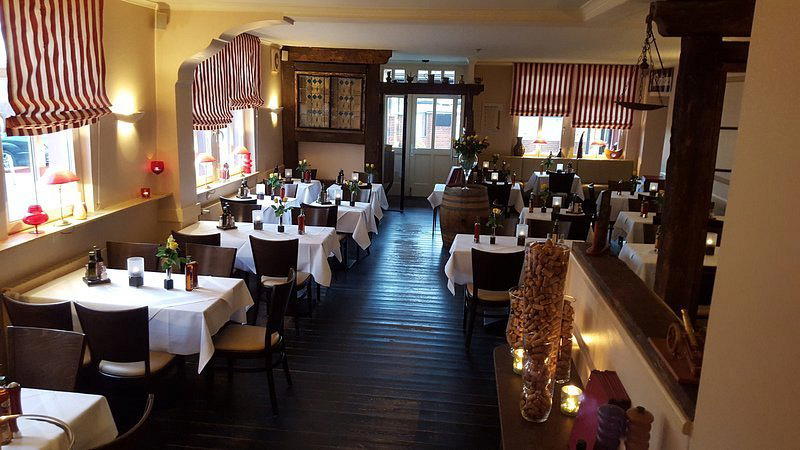
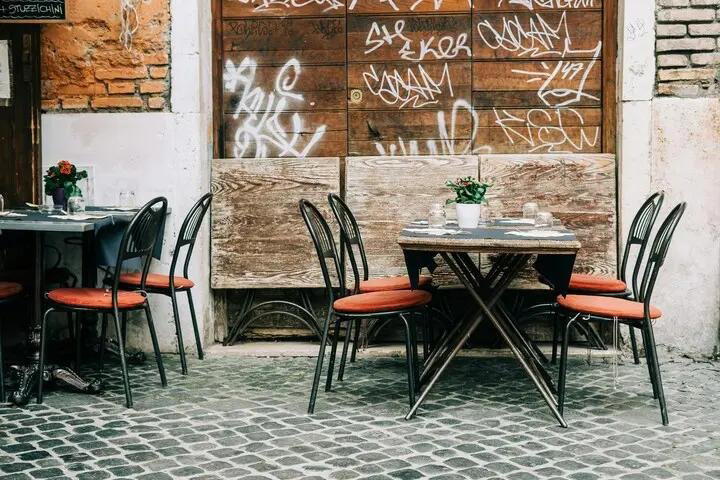
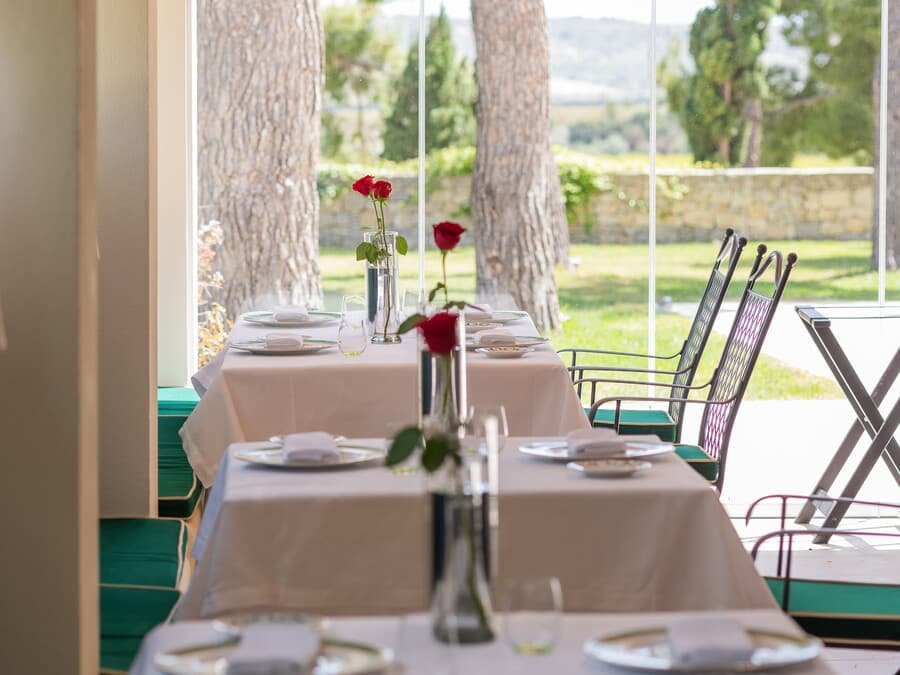
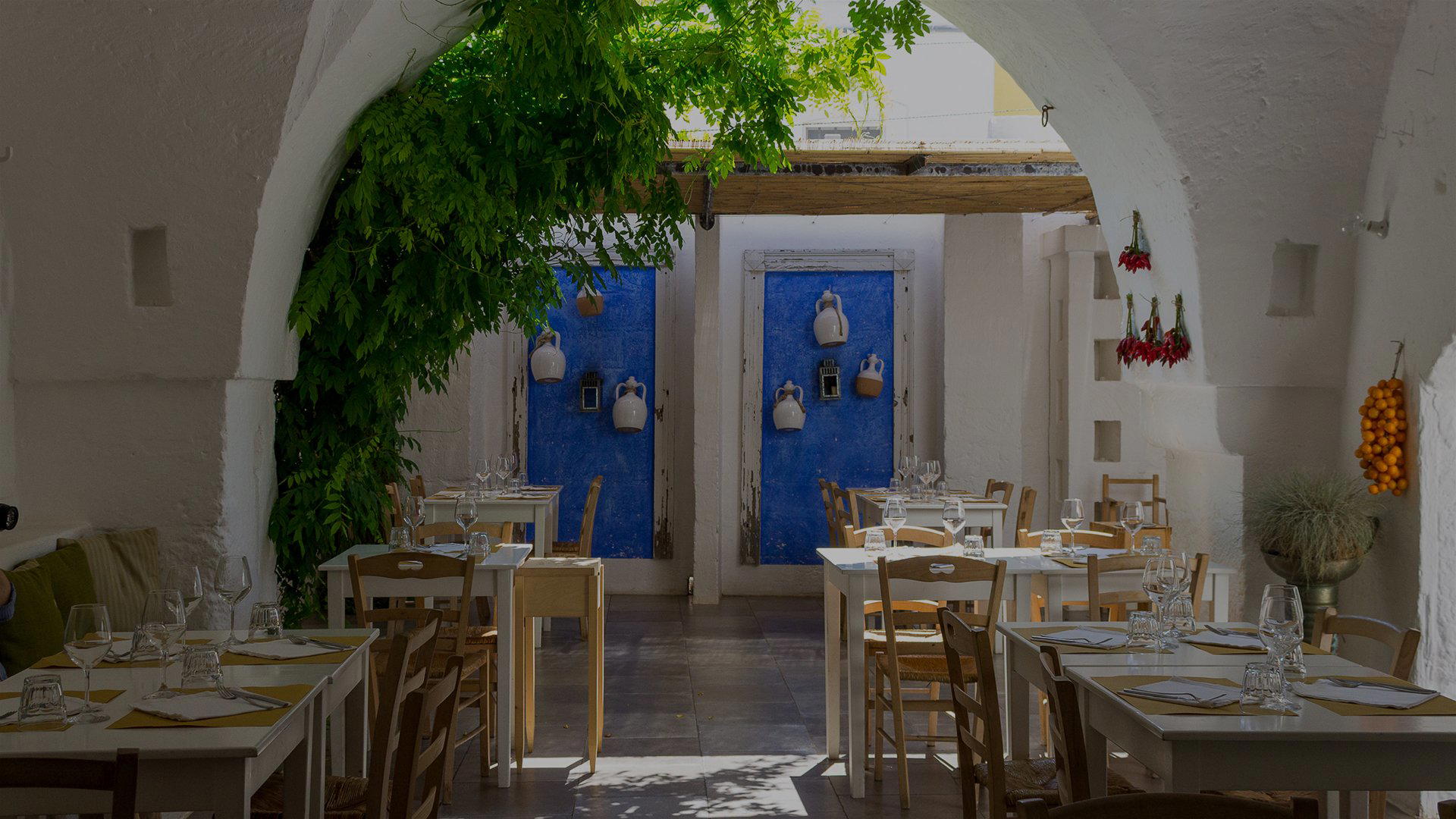
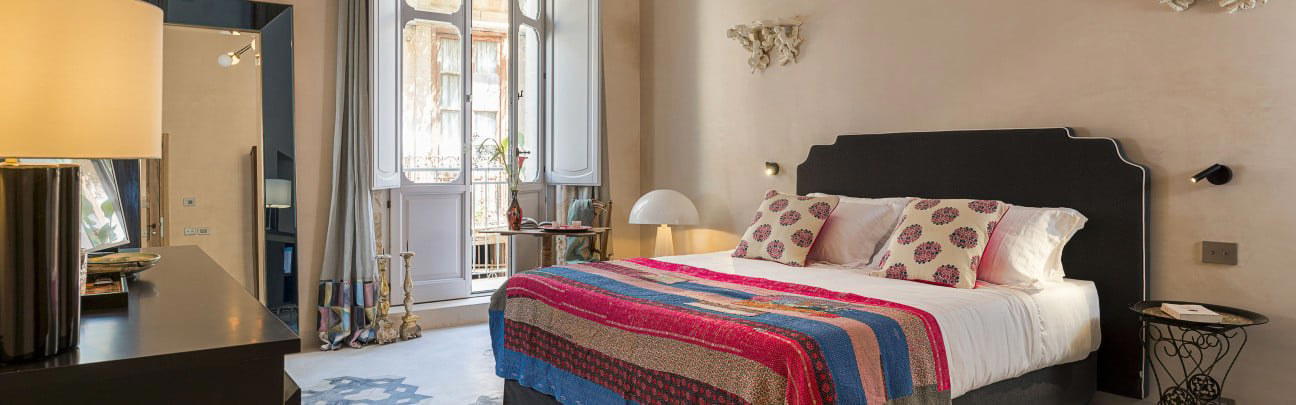
Warm, welcoming, and homely atmosphere with simple, cared-for decor evoking island tradition.