Ristorante la Volpe
An Italian restaurant at Ludenberger Str. 39 in Düsseldorf's eastern residential belt, Ristorante la Volpe occupies the quieter register of the city's dining scene, where neighbourhood trattoria tradition holds more sway than Michelin ambition. The address places it away from the Altstadt's well-worn circuits, offering a different point of entry into how Italian cooking has taken root in this Rhine city.
Pearl is the En Primeur Club membership app — saves, bookings, and concierge access live there. Same editors, same standards.
- Address
- Ludenberger Str. 39, 40629 Düsseldorf, Germany
- Phone
- +4921164138004
- Website
- ristorantelavolpe.de
- Directions
- Get directions
 Saves & bookings on Pearl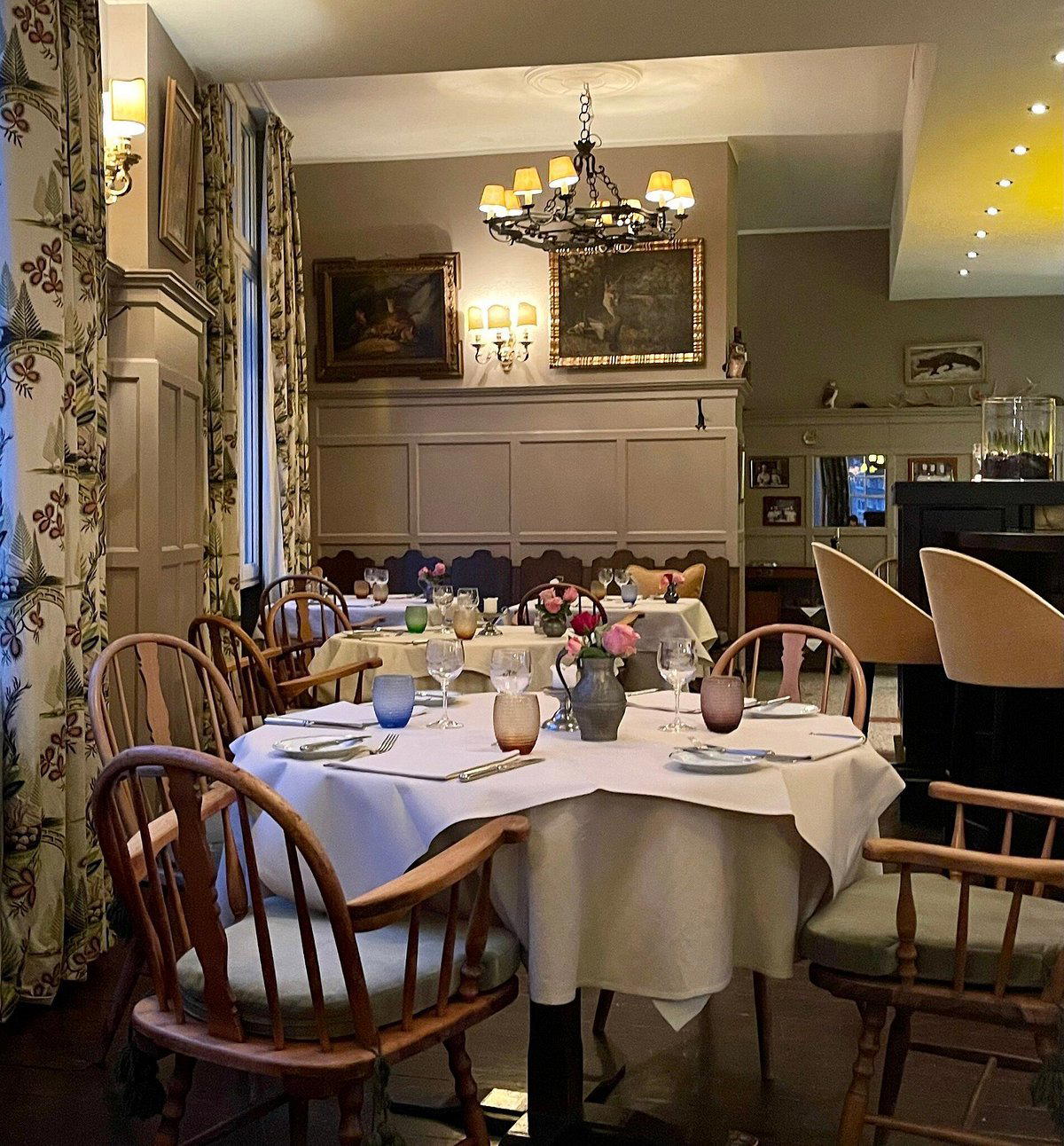
Italian Cooking in Düsseldorf's Eastern Districts
Düsseldorf's relationship with Italian cuisine runs deeper than most German cities care to acknowledge. The postwar labour migration that brought Italian workers into the Rhineland's industrial economy also brought cooks, family recipes, and a restaurant culture that has quietly persisted for decades. By the time Düsseldorf's dining scene fractured into the familiar poles of Altstadt tourist trade and upmarket Medienhafen destination dining, the neighbourhood Italian had already established its own parallel track: less visible, less decorated, but often more consistent in what it delivers night to night.
Ristorante la Volpe, at Ludenberger Str. 39 in the 40629 postal district, sits in that tradition. The address is east of the centre, in a residential corridor that produces none of the foot traffic that drives the city's more prominent venues. That geography is itself a signal: restaurants that survive in quieter districts do so on the loyalty of local regulars rather than the rotation of visitors, and that tends to shape what ends up on the plate and how the room is run.
The Neighbourhood Context
Ludenberg and its surrounding streets represent a side of Düsseldorf that rarely features in broader coverage of the city's food scene. The area is residential and low-key, the kind of neighbourhood where restaurants function as genuine local infrastructure rather than destination experiences. This matters when reading an Italian restaurant in this location: the frame of reference is not the polished pasta counters of Mitte-style urban dining, but something closer to the trattoria model, where the menu serves a community and the room feels as though it belongs to the street rather than to a brand.
For visitors more familiar with Düsseldorf's central dining corridor, this part of the city requires a deliberate detour. The Altstadt area carries its own strong current of dining options, from the casual to the formally ambitious, and the eastern residential belt operates on a different logic entirely. If you are accustomed to the denser bar and restaurant concentration around Berger Allee or the Medienhafen's more curated addresses, Ludenberger Strasse will feel like a different city. That contrast is part of what makes the venture worth considering for those interested in how Italian cooking functions outside its most visible urban formats.
Italian Culinary Tradition in a German City
Italian restaurants in German cities occupy a spectrum that runs from the industrialised pizza-and-pasta chain to the regionally specific, ingredient-focused kitchen that treats sourcing as a serious editorial decision. The middle of that spectrum has narrowed over the past decade as both ends have hardened: the casual end cheaper and more standardised, the serious end more expensive and more explicitly credentialed. Neighbourhood restaurants like Ristorante la Volpe occupy a position that the market has pressured but not eliminated, precisely because there is a category of diner for whom the point is not novelty or ambition but reliable cooking in a room that feels like it belongs to them.
The Italian culinary roots that feed this kind of restaurant are not monolithic. Regional variation across Italy, from the butter-and-rice traditions of the north to the olive oil and tomato registers of the south, produces different expressions when transplanted to a German dining room. It is worth noting that the name and address suggest an operation oriented toward the classic trattoria register rather than a format built around tasting menus or wine programs with explicit credentials. That orientation, common across German cities with established Italian communities, tends to produce cooking that prioritises familiarity and execution over spectacle.
For comparison, the upper bracket of German fine dining is well-documented: restaurants like Aqua in Wolfsburg, Schwarzwaldstube in Baiersbronn, and Vendôme in Bergisch Gladbach operate at the credentialed extreme. Further afield, JAN in Munich, ES:SENZ in Grassau, and Victor's Fine Dining by Christian Bau in Perl illustrate how seriously German kitchens at the ambitious end have pursued formal recognition. CODA Dessert Dining in Berlin, Waldhotel Sonnora in Dreis, Restaurant Haerlin in Hamburg, and Schanz in Piesport complete a picture of German fine dining that is geographically dispersed and stylistically varied. Ristorante la Volpe occupies a different tier entirely, which is not a diminishment but a different set of criteria: presence in a neighbourhood, consistency of service, and the kind of value proposition that makes a restaurant a weekly destination rather than an annual pilgrimage.
Within Düsseldorf itself, the dining scene spans a range of formats and origins. Amuni Wein- und Käsebar and Anfora represent the Mediterranean-leaning wine and food format that has grown across the city. Arca Alacati approaches the region from a Turkish coastal angle. Alanya Döner and 3h's burger and chicken operate at the casual and fast-casual end. The full picture of how Düsseldorf eats is broader than the Altstadt circuit suggests. For international reference points at the upper register, Le Bernardin in New York City and Atomix in New York City illustrate how Italian and Korean fine dining, respectively, operate at their most formally credentialed.
Planning Your Visit
Standing Among Peers
Comparable venues nearby, for context on price, style, and recognition.
| Venue | Cuisine | Price | Notes |
|---|---|---|---|
| Ristorante la VolpeThis venue — the venue you are viewing | Sophisticated Italian | $$$ | Not listed |
| Primitivo | Authentic Italian Ristorante & Weinbar | $$$ | Pempelfort |
| Pizza | Italian Pizza | $$ | Friedrichstadt |
| Zerogradi | Modern Italian Pizzeria & Pinsa | $$ | Pempelfort |
| thewaytonapoli | Neapolitan Pizza | $$$ | Düsseltal |
| Piazza Saitta | Traditional Italian Trattoria | $$$ | Oberkassel |
Continue exploring
More in Düsseldorf
Restaurants in Düsseldorf
Browse all →
Bars in Düsseldorf
Browse all →
At a Glance
- Classic
- Cozy
- Elegant
- Date Night
- Special Occasion
- Standalone
Current opening hours
- Monday
- Closed
- Tuesday
- 6–11 PM
- Wednesday
- 6–11 PM
- Thursday
- 6–11 PM
- Friday
- 6–11 PM
- Saturday
- 6–11 PM
- Sunday
- Closed
Hours can change for holidays and private events. Last verified .
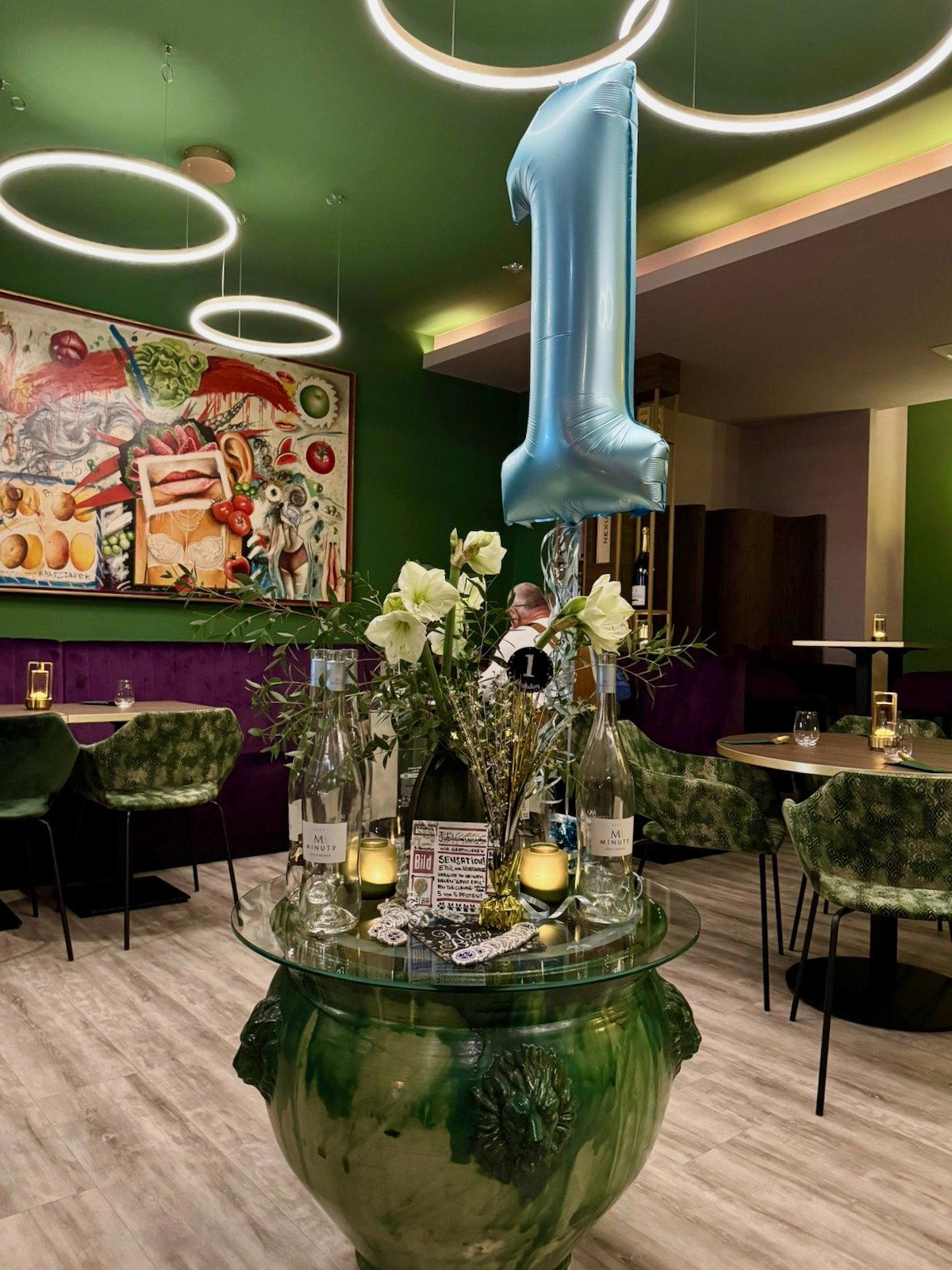
Cozy interior with incredible decor and classy yet relaxed atmosphere.