Berliner Imbiss Klemensplatz
A neighbourhood Imbiss on Klemensplatz in Düsseldorf's northern reaches, Berliner Imbiss Klemensplatz represents the kind of counter-service spot that sustains a district's daily rhythm. The format is direct, the appeal local, and the clientele largely repeat visitors who know exactly what they want. For an honest read on the city's casual eating culture, the Imbiss tradition is where to start.
Pearl is the En Primeur Club membership app — saves, bookings, and concierge access live there. Same editors, same standards.
- Address
- Klemenspl. 9, 40489 Düsseldorf, Germany
- Phone
- +4915118500235
- Website
- berlinerimbiss.eatbu.com
- Directions
- Get directions
 Saves & bookings on Pearl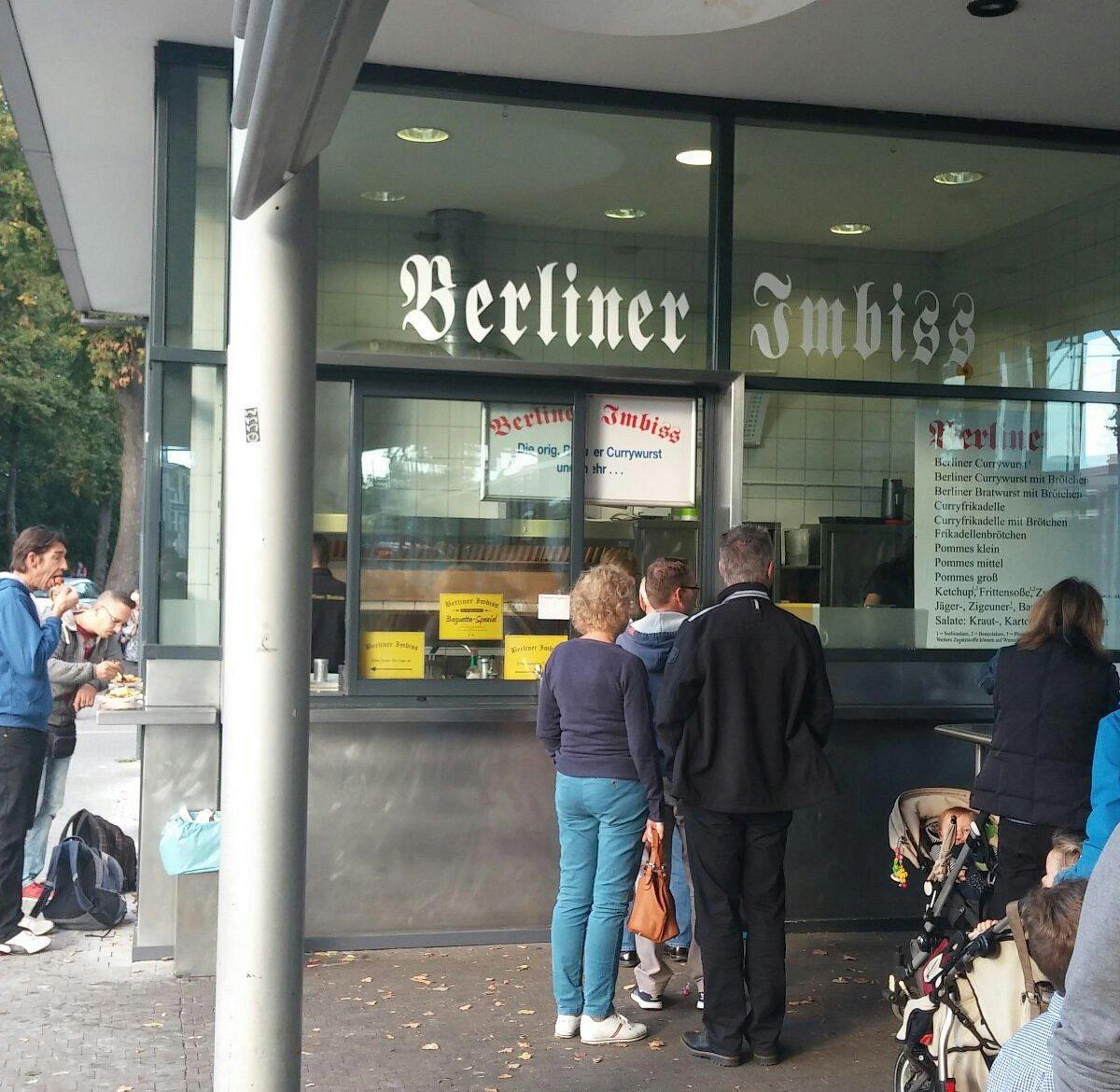
The Imbiss Counter and What It Actually Means
Düsseldorf's dining conversation tends to migrate toward the Altstadt's Rhenish taverns, the Japantown corridor around Immermannstraße, or the fine-dining addresses that position the city alongside Germany's more celebrated culinary centres. But the Imbiss — the standing counter, the grab-and-go window, the spot where a neighbourhood's working day is effectively organised — occupies a separate and arguably more socially legible register. At Klemensplatz, in the quieter northern reaches of the city, Berliner Imbiss Klemensplatz operates within that tradition. It is not trying to compete with the tasting-menu tier represented elsewhere in Germany by places like Schwarzwaldstube in Baiersbronn or Aqua in Wolfsburg. The frame of reference is entirely different, and that difference is the point.
The Imbiss format arrived in West Germany through post-war migration and Berliner street-food culture, and the category has bifurcated over the decades. One branch went upmarket, with döner and Currywurst shops cultivating premium sourcing narratives. The other stayed functional: a counter, a menu board, familiar regulars, no theatre. Berliner Imbiss Klemensplatz belongs to the second tradition. Its name signals lineage, the Berlin-style Imbiss is associated with a specific cadence of dishes, a no-ceremony approach, and a pricing logic that treats eating as infrastructure rather than occasion.
Who Actually Eats Here
The regulars' relationship with a neighbourhood Imbiss is different from the loyalty patterns at, say, a destination restaurant. There are no tasting notes to remember, no seasonal menu changes to follow, no reservation to protect. The attachment is more habitual and, in its way, more durable. A counter like this one on Klemensplatz accumulates its clientele through proximity and repetition: the lunchtime crowd from nearby offices, residents who have calibrated their orders across dozens of visits, workers who have mapped the kitchen's timing and know when throughput is fastest.
That kind of loyalty is built on consistency rather than ambition. The unwritten menu at a spot like this is the version of a dish exactly as a regular prefers it, a specific construction, a sauce ratio, a bread choice, that doesn't require explanation because the pattern is already established. This is the social function of the Imbiss that rarely appears in any review: it operates as a form of neighbourhood infrastructure, as reliable and unremarkable as a bus stop, and precisely as necessary for the people who depend on it daily.
For visitors approaching Düsseldorf's casual eating scene, the Imbiss tier sits below the mid-range restaurants where the city's dining diversity becomes more legible, the wine and cheese formats at places like Amuni Wein- und Käsebar, the Turkish cooking at Arca Alacati, or the Italian address at Anfora. The Imbiss occupies a different position entirely, one where the editorial question is less about quality comparison and more about function: what does this spot do for the people who use it every week?
The Berliner Imbiss Category in a German Context
Germany's Imbiss culture is frequently discussed in aggregate but rarely mapped with precision onto individual cities. Düsseldorf's version of the format reflects the city's mixed demographic character, a significant Japanese expatriate community, a long-established Turkish presence, and a working population that has always had access to both fast-casual international options and the German counter-service baseline. The Berliner-style Imbiss in this context is a specific subcategory: it references the capital's street-food tradition while operating inside a Rhine city with its own eating rhythms.
Across Germany, this format has faced pressure from both directions. Fast-casual chains have occupied the lower-cost urban slot, while independent casual restaurants, burger counters like 3h's burger and chicken or döner operations like Alanya Döner, have claimed the mid-tier casual space with more defined branding. The traditional Imbiss counter survives where its neighbourhood position is strong enough to make branding irrelevant. Location, habit, and a legible menu do the work that marketing would otherwise need to do.
That survival logic is worth noting for any reader interested in how casual food culture actually functions in mid-sized German cities. The fine-dining tier, which in Germany includes addresses like JAN in Munich, Vendôme in Bergisch Gladbach, or CODA Dessert Dining in Berlin, gets the critical attention. The Imbiss gets the foot traffic. Both are real expressions of how a city eats.
Finding Klemensplatz and What to Expect
Klemensplatz sits in Düsseldorf's northern district, outside the central zones that most visitors map when they arrive. Getting there requires deliberate navigation rather than a chance walk-by. The address at Klemenspl. 9, 40489 Düsseldorf places it in a residential and light-commercial pocket of the city, which is consistent with the format's logic: the clientele is local, and the spot is not designed to intercept tourist traffic. Specific hours, phone contact, and booking details are not published centrally, which is itself characteristic of the category. The operational assumption is that the people who need to know, already know.
For those arriving without prior knowledge of the spot, the practical approach is to treat it as a walk-in proposition during standard meal hours. Counter-service formats in this category do not typically require advance planning. The experience, if that word can be used without overloading it, is transactional in the leading sense: you arrive, you order from a fixed menu, you pay a modest sum, and you eat. The absence of a reservation system, a wine list, or a tasting format is not a deficit. It is the entire design.
Readers interested in Düsseldorf's wider eating picture, from this kind of neighbourhood counter through to the city's more ambitious addresses, can find the fuller context in our full Düsseldorf restaurants guide. For comparative anchoring at the opposite end of the German dining spectrum, properties like Victor's Fine Dining by Christian Bau in Perl, ES:SENZ in Grassau, Schanz in Piesport, Waldhotel Sonnora in Dreis, and Restaurant Haerlin in Hamburg represent what the country's tasting-menu circuit looks like at its most serious. At the international level, Le Bernardin in New York City and Lazy Bear in San Francisco illustrate how far the format spectrum extends globally. The Imbiss at Klemensplatz sits at the other end of that spectrum, not as a lesser version of those experiences, but as a different category operating under entirely different terms.
Continue exploring
More in Düsseldorf
Restaurants in Düsseldorf
Browse all →
Bars in Düsseldorf
Browse all →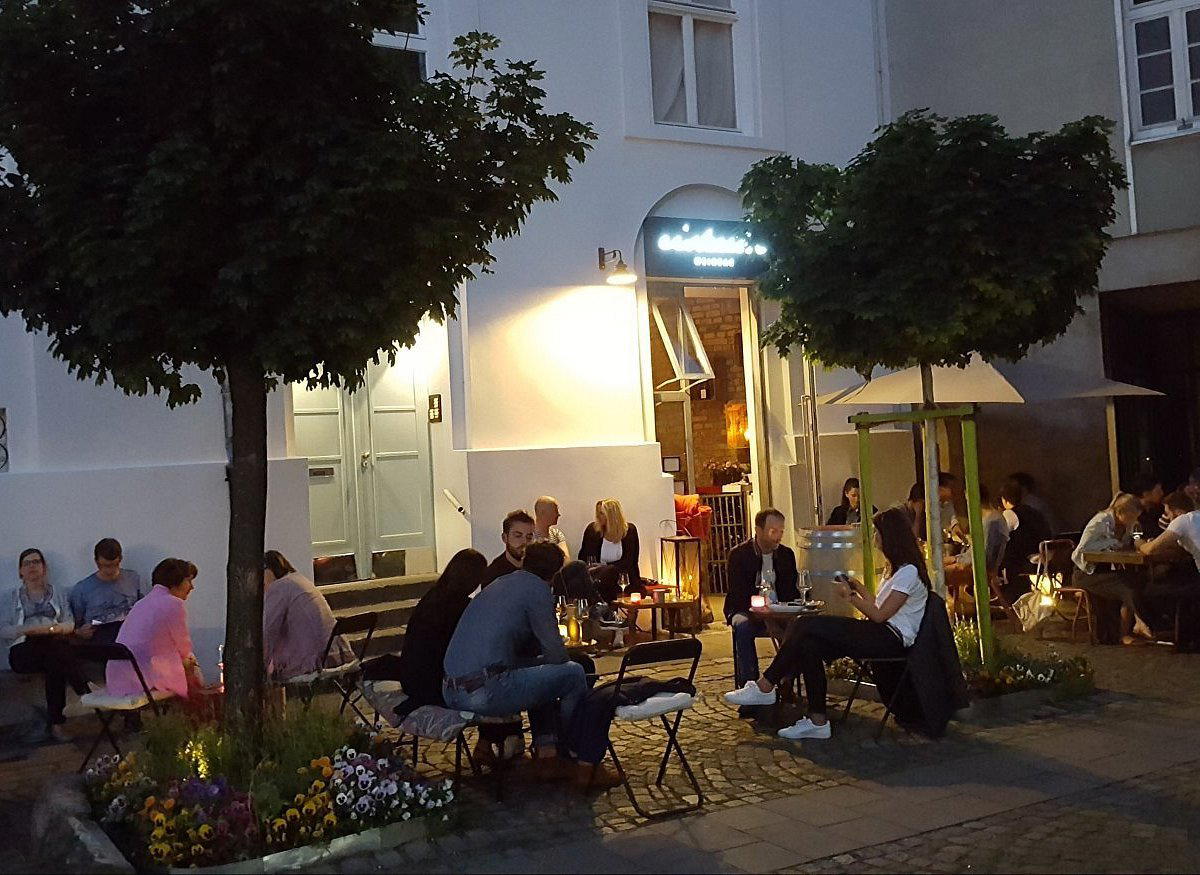
Hotels in Düsseldorf
Browse all →
Wineries in Düsseldorf
Browse all →
At a Glance
- Lively
- Casual
- Casual Hangout
- Standalone
- Street Scene
Current opening hours
- Monday
- 10 AM–10 PM
- Tuesday
- 10 AM–10 PM
- Wednesday
- 10 AM–10 PM
- Thursday
- 10 AM–10 PM
- Friday
- 10 AM–10 PM
- Saturday
- 10 AM–10 PM
- Sunday
- 10 AM–10 PM
Hours can change for holidays and private events. Last verified .
Casual fast food street atmosphere with outdoor eating options.
Know Before You Go
- Getting there
- Klemenspl. 9, 40489 Düsseldorf, Germany