Xiao Long Kan
Xiao Long Kan brings the Sichuan hotpot tradition to Düsseldorf's Friedrich-Ebert-Straße, where communal cooking at the table sits at the centre of the experience. The format is built around shared broths, raw ingredients, and the kind of meal that unfolds over two hours rather than two courses. For a city with a serious Chinese dining corridor, this is one of its most direct expressions of mainland hotpot culture.
Pearl is the En Primeur Club membership app — saves, bookings, and concierge access live there. Same editors, same standards.
- Address
- Friedrich-Ebert-Straße 31, 40210 Düsseldorf, Germany
- Phone
- +4921122088003
- Website
- xiao-long-kan.de
- Directions
- Get directions
 Saves & bookings on Pearl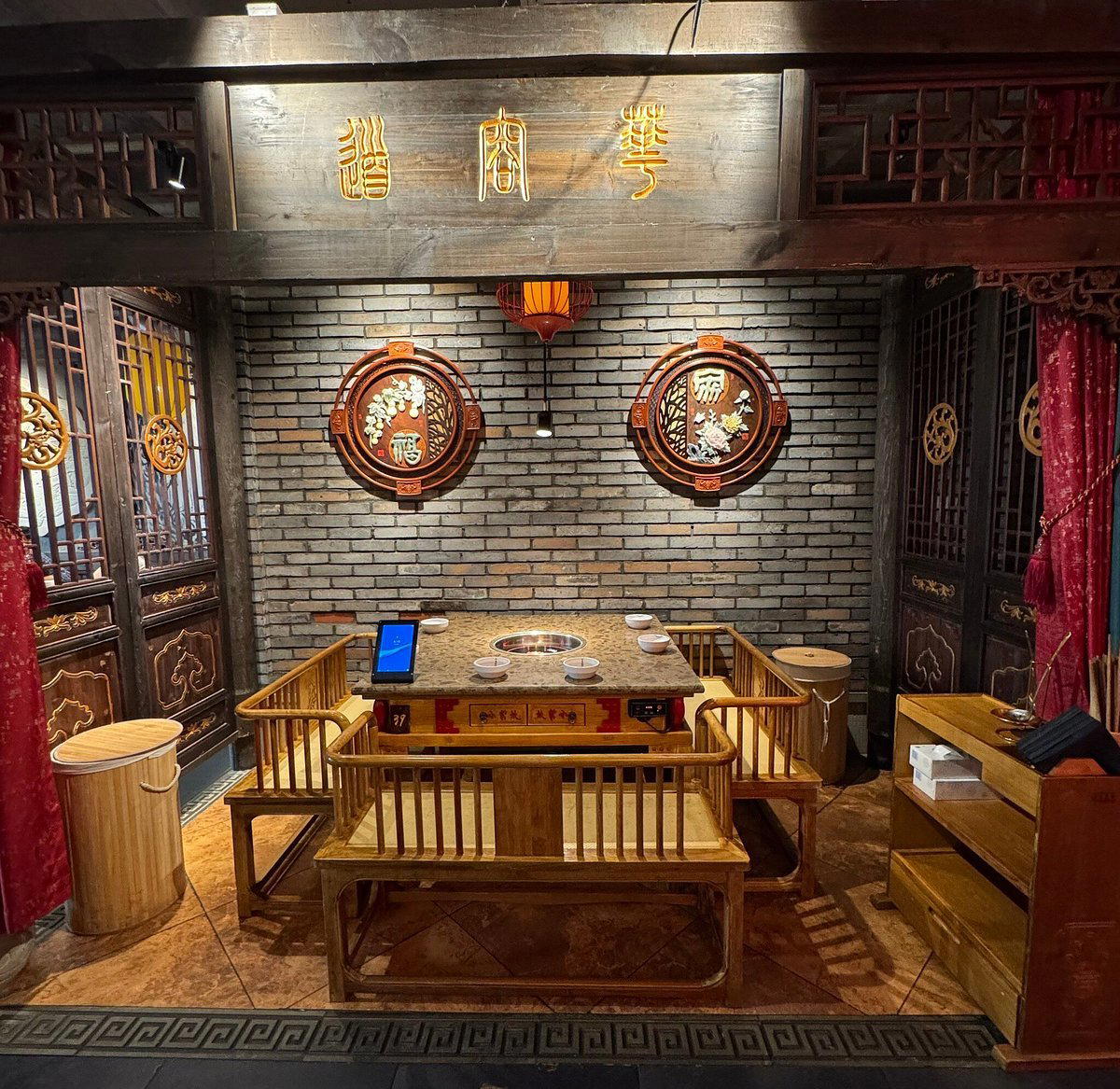
Hotpot in Düsseldorf: What the Format Demands
Sichuan hotpot is one of the few dining formats where the kitchen's role ends before the meal begins. What arrives at the table are raw ingredients, live flames, and a divided pot of broth. The cooking happens in front of you, timed by instinct and preference rather than by a chef's hand. It is a format built on sourcing discipline, because there is no sauce or technique to compensate for mediocre produce. When the ingredient goes directly into simmering liquid and then directly into your mouth, quality either shows or it doesn't.
Düsseldorf has one of Germany's most concentrated Chinese dining scenes, anchored around the Immermannstraße quarter but extending through the broader city centre. Friedrich-Ebert-Straße 31 places Xiao Long Kan within reach of that corridor, and the restaurant operates as one of the city's clearer expressions of the mainland hotpot format rather than a localised or adapted version of it. That distinction matters to the growing cohort of diners who know the difference between hotpot as spectacle and hotpot as tradition.
The Sourcing Logic Behind Hotpot
The Xiao Long Kan brand originated in Chengdu, the capital of Sichuan Province, and expanded internationally carrying that regional identity. Sichuan hotpot rests on a specific set of sourcing and spice principles: the mala profile, built from Sichuan peppercorns and dried chillies, produces a numbing heat that is categorically different from the capsaicin burn of other chilli traditions. The peppercorn's hydroxy-alpha-sanshool compound creates a tactile tingling that primes the palate rather than simply overwhelming it. Getting that profile right depends on sourcing from the right region, since the compound concentration varies significantly by growing area.
Beyond the broth, hotpot's ingredient list typically spans thinly sliced beef and lamb, offal cuts, fresh tofu, leafy greens, mushroom varieties, and handmade noodles. Each ingredient has a different optimal cooking time measured in seconds rather than minutes. The format rewards attentiveness. A good hotpot restaurant earns its reputation not just through broth quality but through the provenance and preparation of the dipping selection, and through the calibration of its dipping sauce station, which is where the diner applies their own sesame, fermented tofu, garlic, and chilli combinations to each mouthful.
The Room and the Rhythm
Hotpot dining operates at a different tempo from tasting menus or à la carte. Tables at a well-run hotpot house turn over slowly because the format resists rushing. The communal structure, multiple people cooking from a shared pot, means conversation and eating are continuous rather than sequential. In Chengdu, hotpot dinners routinely extend past two hours without any sense of inefficiency. Xiao Long Kan carries that same structure: the meal paces itself around the table's own appetite rather than a pre-set sequence.
For diners used to European service rhythms, this is an adjustment worth making consciously. You order the raw ingredients upfront, the broth arrives at temperature, and the evening's shape becomes your own. The restaurant's position at Friedrich-Ebert-Straße 31 puts it in a part of the city well connected to public transport, making late-evening departures direct. Reservations are essential, especially for larger tables.
Where Xiao Long Kan Sits in Düsseldorf's Dining Map
Düsseldorf's dining scene spans a wider range than many German cities of comparable size. At the high end of the formal spectrum, the city sits within a region that includes properties like Vendôme in Bergisch Gladbach and the starred dining represented across Germany at places like Aqua in Wolfsburg, Schwarzwaldstube in Baiersbronn, and Victor's Fine Dining by Christian Bau in Perl. At the other end, the city has quick-service operators like 3h's burger & chicken and street-format staples such as Alanya Döner.
The restaurant occupies a different category entirely. It is a casual Sichuan-Style Hot Pot restaurant where communal dining, ingredient quality, and format authenticity are the relevant metrics rather than tasting menus or service formality. Within Düsseldorf's Chinese dining corridor, it represents the kind of mainland-originated hotpot format that sits closer in spirit to a Chengdu street-level institution than to a Western-adapted Chinese restaurant.
Other Düsseldorf options worth noting for different occasions include Amuni Wein- und Käsebar for wine-focused evenings, Anfora, and Arca Alacati for a Turkish coastal register. Each addresses a different dining intention, and hotpot sits clearly apart from all of them in format and expectation.
Germany's Broader Fine Dining Reference Points
For visitors using Düsseldorf as a base for regional exploration, the German fine dining circuit offers reference points that illustrate how differently the country's restaurant scene operates at its upper registers. JAN in Munich, Waldhotel Sonnora in Dreis, Restaurant Haerlin in Hamburg, Schanz in Piesport, and ES:SENZ in Grassau all occupy the formal tasting-menu tier that restaurant's communal format deliberately doesn't pursue. For dessert-forward experimentation, CODA Dessert Dining in Berlin represents Germany's most distinctive format shift in that space.
International counterpoints for the kind of technically serious, produce-led cooking that hotpot, in its own way, exemplifies include Le Bernardin in New York City for seafood sourcing discipline and Atomix in New York City for Korean fine dining precision. The sourcing ethic that runs through all of these restaurants, the idea that ingredient quality is non-negotiable and technique is secondary, connects to what makes a properly run hotpot house worth seeking out.
Planning Your Visit
The restaurant is located at Friedrich-Ebert-Straße 31, 40210 Düsseldorf. The address sits in a part of the city centre that is walkable from multiple transport nodes. For groups of four or more, contacting the restaurant in advance to secure a table is the practical approach. The hotpot format tends to favour evening visits when the pace of the meal fits naturally into a longer window. Dress expectations for this format are casual throughout, consistent with communal dining traditions where the focus is on the table rather than the room. Pricing is about $25 per person, and the restaurant is open Mon to Thu 12 to 3 PM and 5:30 to 11 PM, Fri 12 to 3 PM and 5 to 11 PM, and Sat to Sun 12 to 11 PM.
A Quick Peer Check
Comparable venues nearby, for context on price, style, and recognition.
| Venue | Cuisine | Price | Notes |
|---|---|---|---|
| Xiao Long KanThis venue — the venue you are viewing | Sichuan-Style Hot Pot | $$ | Not listed |
| Duck & Dumplings | Peking Duck and Dumplings | $$ | Flingern Nord |
| Zhang Liang Malatang | Chinese Malatang Mini Hot Pot | $$ | Stadtmitte |
| Oberbilker Grill | Greek Grill & Street Food | $$ | Oberbilk |
| Brauerei im Füchschen | Traditional German Brewery | $$ | Altstadt |
| Louisiana Düsseldorf Altstadt | American BBQ & Burgers | $$ | Altstadt |
Continue exploring
More in Düsseldorf
Restaurants in Düsseldorf
Browse all →
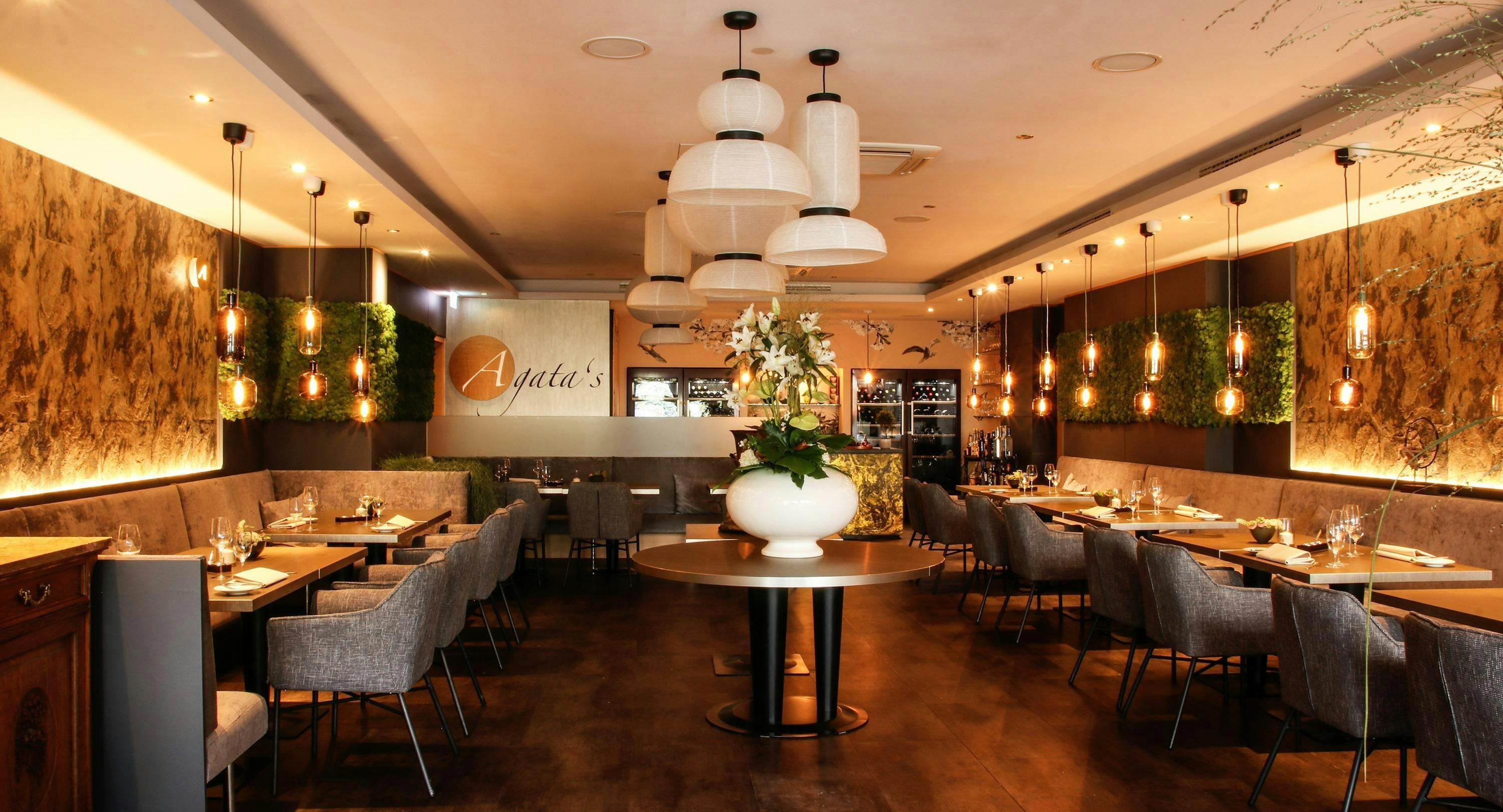
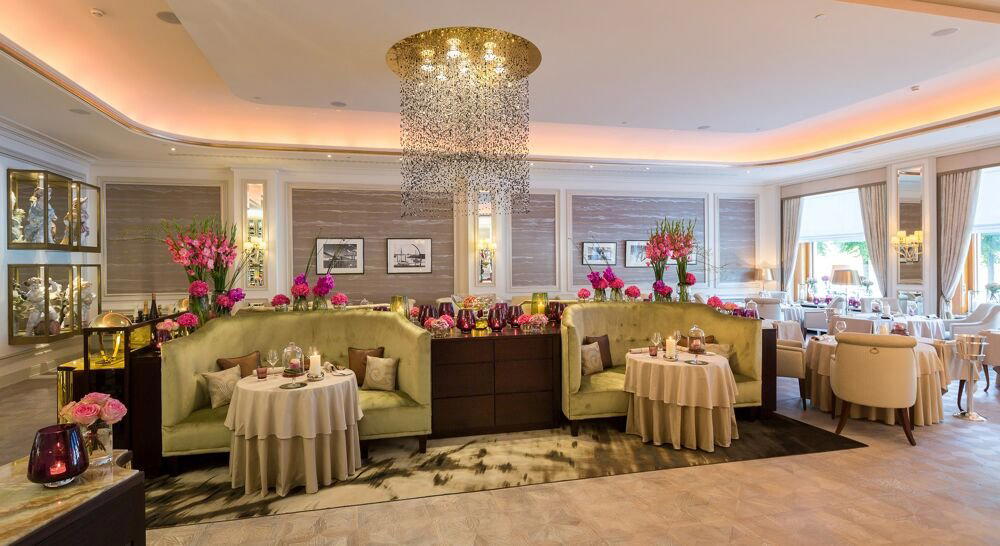
Bars in Düsseldorf
Browse all →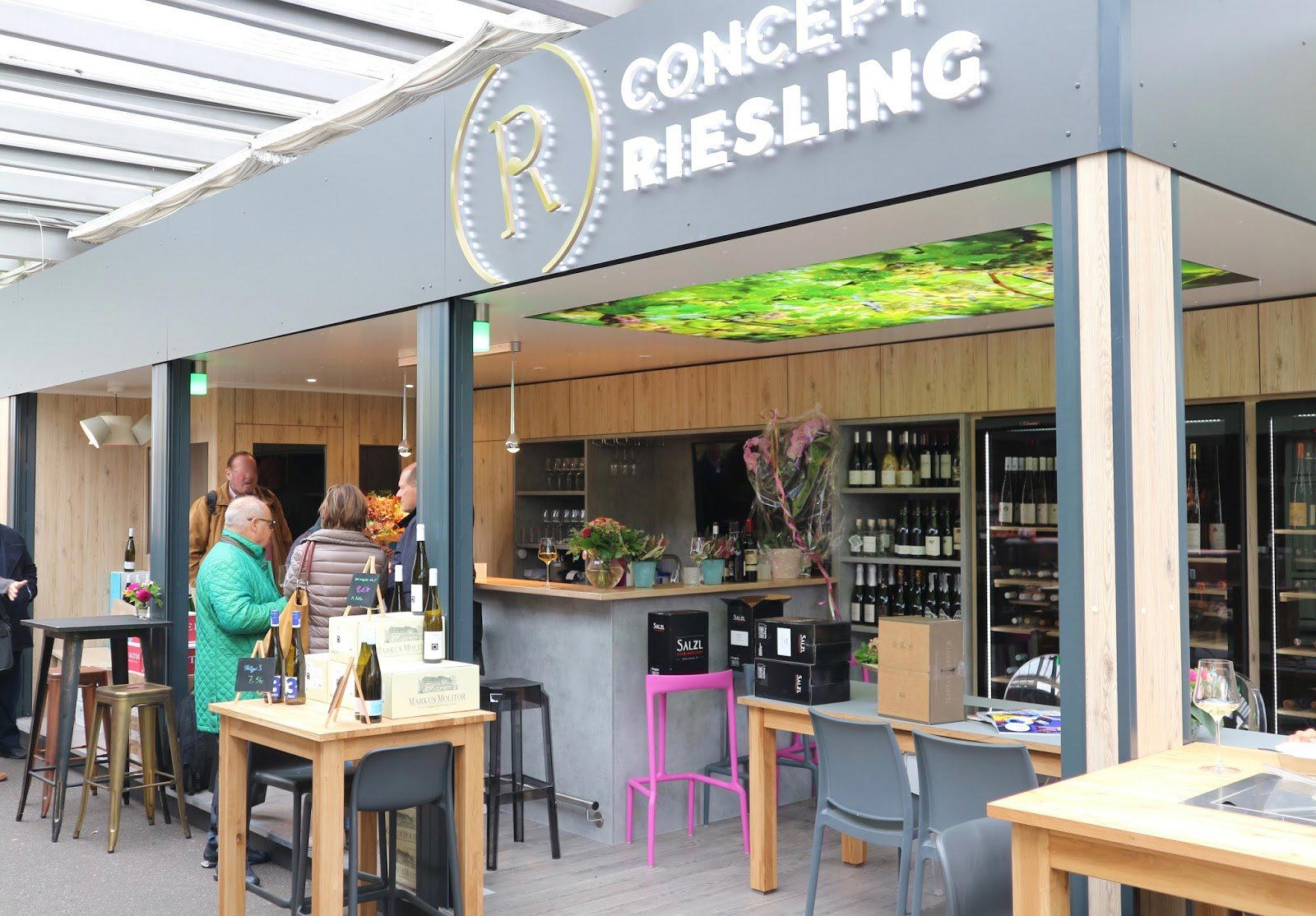
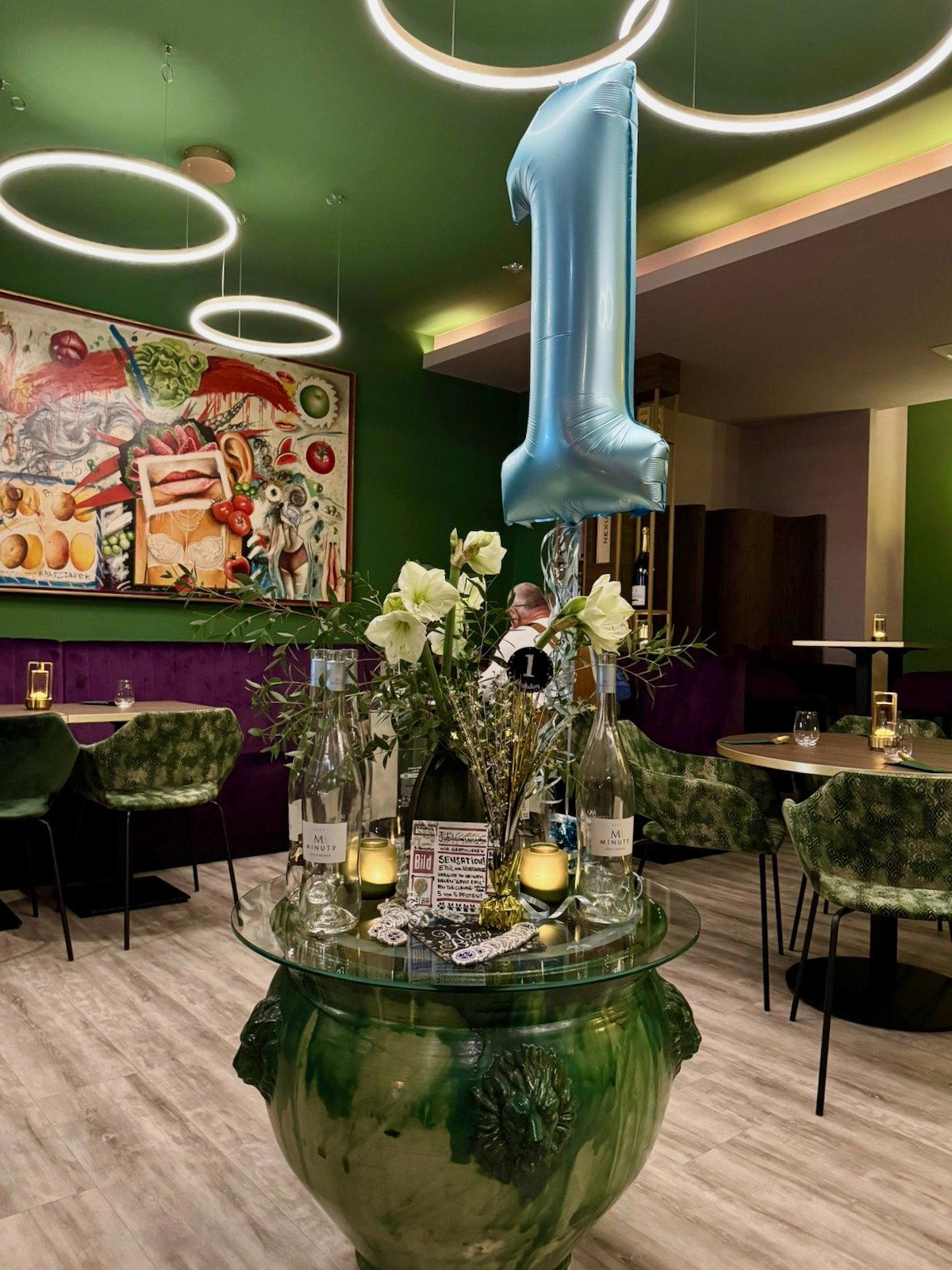
At a Glance
- Modern
- Lively
- Elegant
- Group Dining
- Family
- Casual Hangout
- Celebration
- Open Kitchen
- Design Destination
Current opening hours
- Monday
- 12–3 PM, 5:30–11 PM
- Tuesday
- 12–3 PM, 5:30–11 PM
- Wednesday
- 12–3 PM, 5:30–11 PM
- Thursday
- 12–3 PM, 5:30–11 PM
- Friday
- 12–3 PM, 5–11 PM
- Saturday
- 12–11 PM
- Sunday
- 12–11 PM
Hours can change for holidays and private events. Last verified .
Spacious with thoughtful interior design details that evoke an East Asian journey; professional and friendly service in immaculately clean dining areas with alcove seating for intimate groups and open tables for larger parties.