Ristorante di Sole... di Luna
On a stretch of the Sorrentine Peninsula where the sea defines what ends up on the plate, Ristorante di Sole... di Luna occupies a position in Vico Equense's mid-to-upper dining tier. The name itself gestures at the coastal rhythms that shape this part of Campania, and the address on Via Punta Mare places it directly in conversation with the water. For visitors working through the peninsula's restaurant options, it earns a considered look.
Pearl is the En Primeur Club membership app — saves, bookings, and concierge access live there. Same editors, same standards.
- Address
- Via Punta Mare, 3, 80069 Vico Equense NA, Italy
- Phone
- +39818799661
- Website
- opentable.com
- Directions
- Get directions
 Saves & bookings on Pearl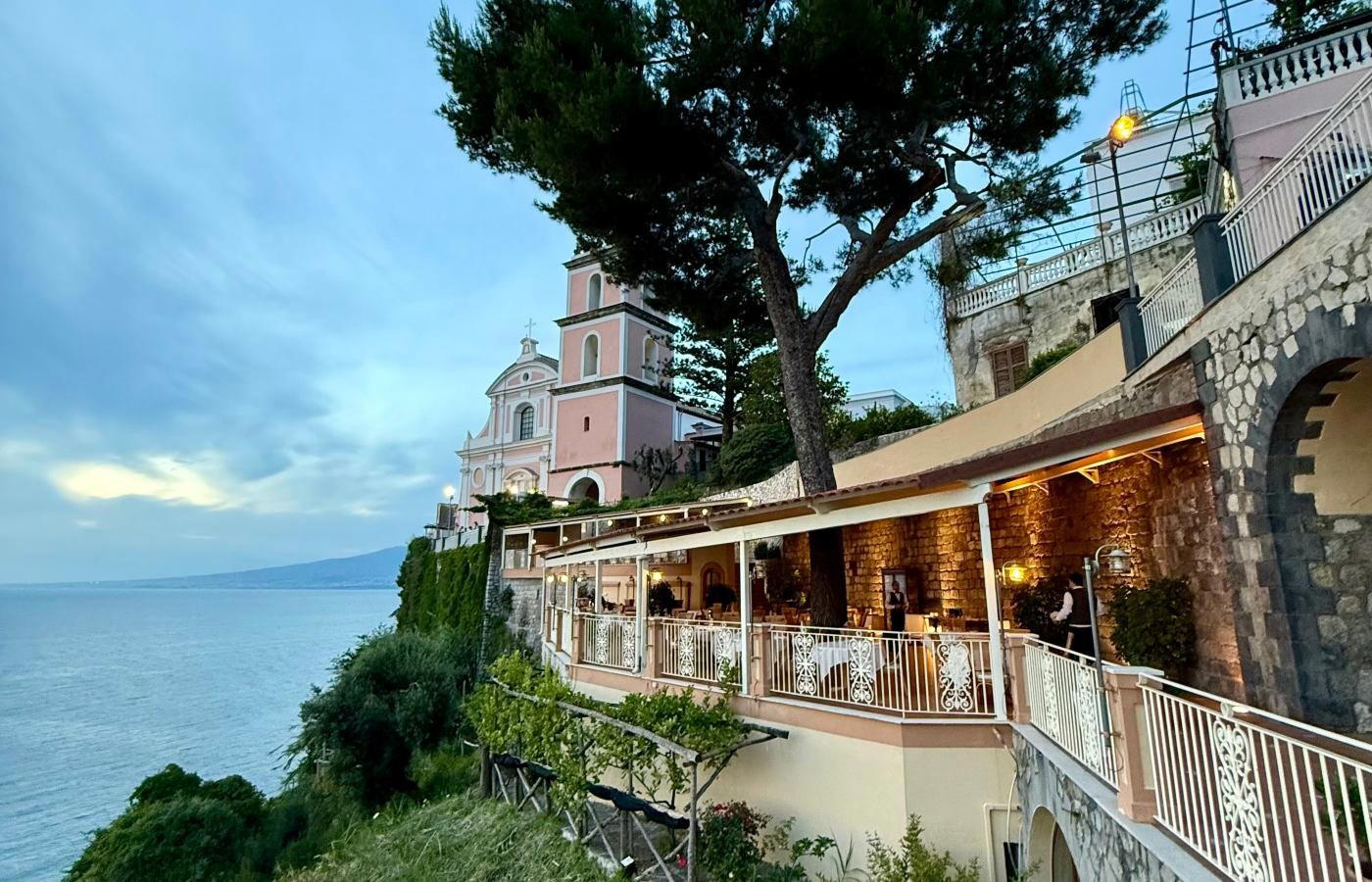
Where the Sorrentine Coast Sets the Table
The Sorrentine Peninsula operates on a particular logic when it comes to food: proximity to the sea is not a marketing point but a supply chain. The stretch of coastline running through Vico Equense has historically produced restaurants that work with what the Tyrrhenian delivers each morning, supplemented by the volcanic soils of the surrounding hills, which yield tomatoes, lemons, and olive oil with a minerality that mainland-grown equivalents rarely match. Ristorante di Sole... di Luna, at Via Punta Mare, sits within that geography in a literal sense, and the name itself, invoking sun and moon, signals an orientation toward coastal cycles rather than urban culinary trends.
Vico Equense occupies a quieter register than Sorrento to the south, which draws the bulk of tourist traffic and the restaurant infrastructure that follows it. The town's dining scene is smaller and more locally calibrated, with a comparable set that includes ambitious addresses like Torre del Saracino, which operates at the higher end of Italian coastal fine dining, and Antica Osteria Nonna Rosa, which draws on deep Campanian culinary tradition. Di Sole... di Luna positions itself within this field as a venue where the sourcing story and the coastal setting do the heavier editorial work.
The Ingredient Logic of the Sorrentine Table
Southern Italian coastal cooking is built on a hierarchy of sourcing that most international diners underestimate. The distinction between fish landed that morning at a local harbour and fish transported from a regional wholesale market is not subtle at the table; it shows in texture, temperature response, and the degree to which a kitchen can work with minimal intervention. The Campanian coastline gives restaurants here access to a supply that larger, more logistically complex operations in Naples or Rome frequently cannot replicate.
The surrounding land contributes as much as the sea. The volcanic soils of the peninsula, sitting in the shadow of Vesuvius's broader geological influence, produce San Marzano-adjacent tomatoes, Sorrento lemons with high essential oil content, and local olive cultivars pressed into oils that carry a grassy, slightly bitter finish characteristic of the region. A kitchen grounded in this sourcing framework does not need to reach far for complexity; the raw materials supply it. This is the paradigm within which Di Sole... di Luna operates, and it is the paradigm that separates the leading Campanian coastal restaurants from those borrowing the region's reputation without the supply relationships that justify it.
For broader context on how this sourcing model plays out across the Italian peninsula, it is worth comparing the approach to what drives kitchens like Dal Pescatore in Runate or Uliassi in Senigallia, both of which have built sustained recognition on hyperlocal sourcing discipline in their respective regions. Campania's version of that discipline has its own character, shaped by the density of the ingredient palette available within a short radius.
Reading the Room: Setting and Atmosphere
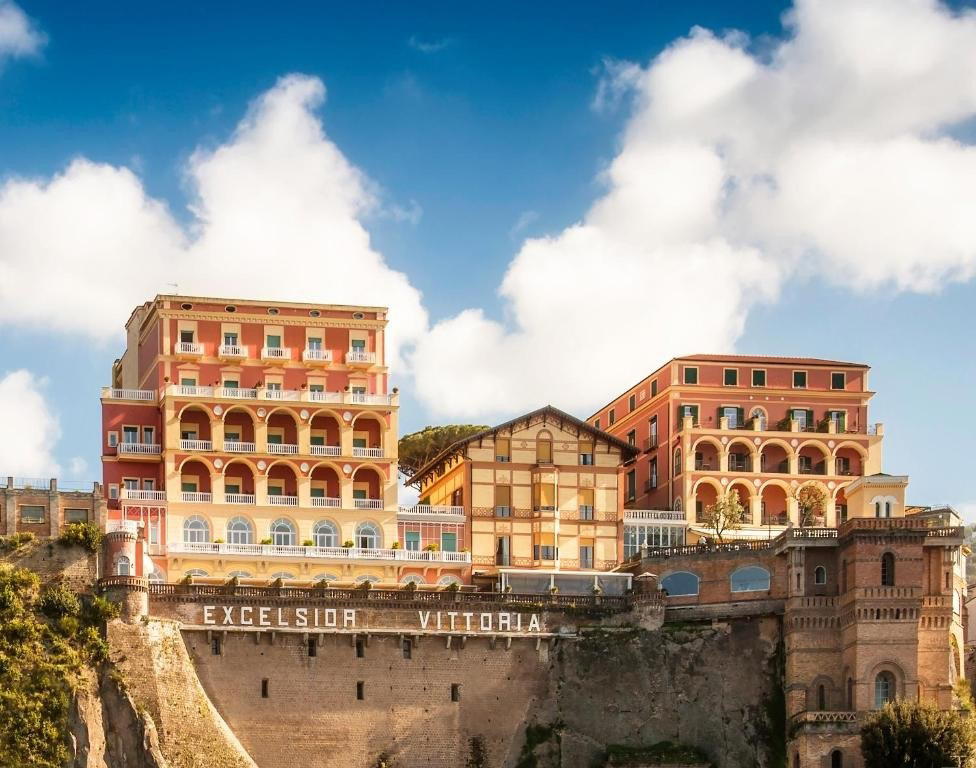
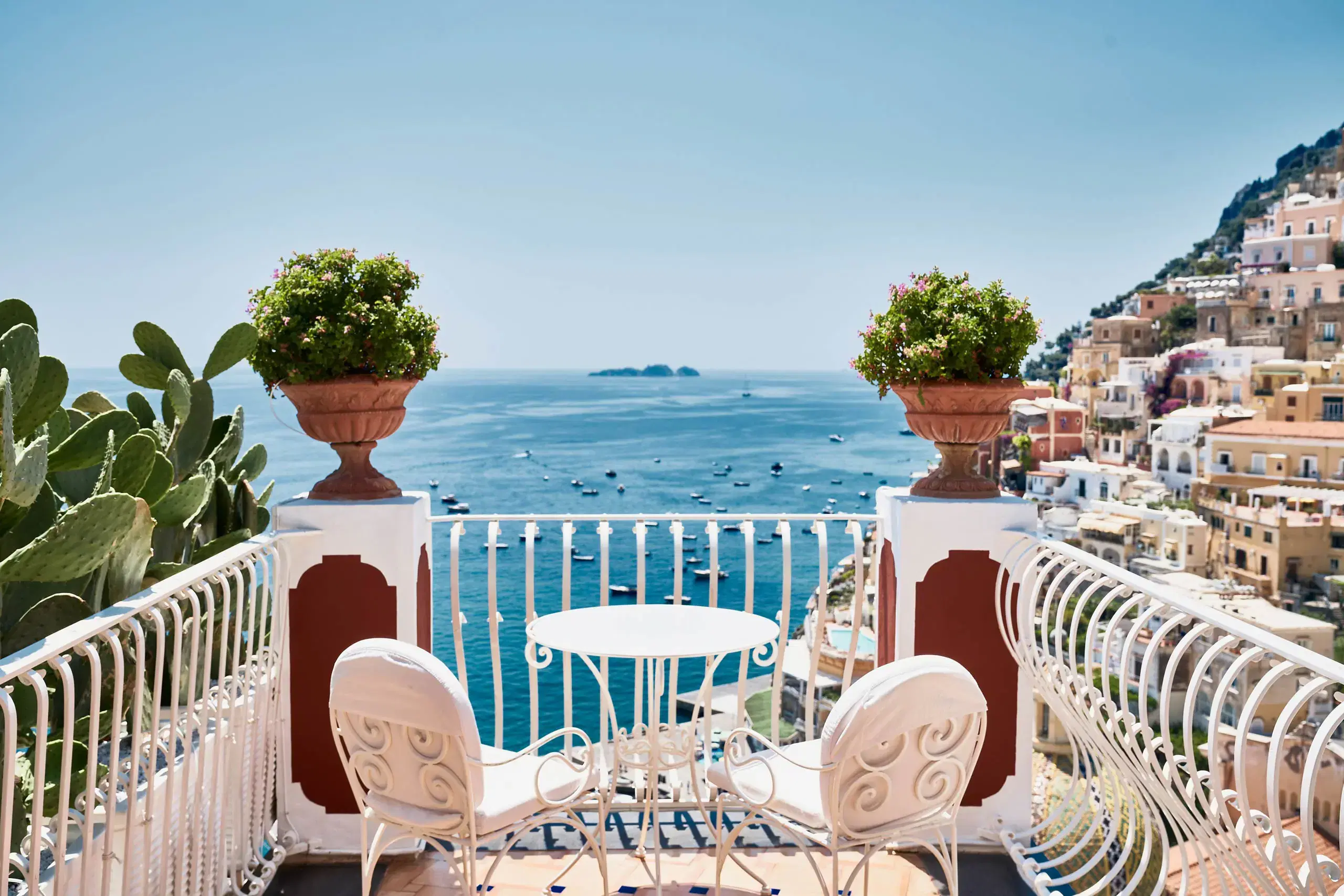
Approaching Via Punta Mare, the immediate context is coastal Campania at a residential rather than resort scale. The promontory position implied by the street name suggests views oriented toward the water, which in this part of the peninsula means the Tyrrhenian open to the southwest. That orientation matters for the experience architecture of a dinner: the shift from daylight to dusk to dark over open water has been a structural feature of serious coastal dining rooms here for generations, not a decorative accident.
The town's atmosphere at this address differs from the denser historic centre of Vico Equense, where restaurants like Il Cellaio di Don Gennaro operate within older urban fabric. The Punta Mare location carries a quieter residential character that tends to attract a local clientele alongside visitors who have done enough research to look beyond Sorrento's main drag. That mix, where the room is not dominated by tourists in transit, usually produces a different quality of service rhythm and kitchen pacing.
Vico Equense in the Wider Campanian Dining Picture
Campania's restaurant geography has always been somewhat concentrated around Naples, with the peninsula towns operating as satellites. That has changed gradually over the past two decades as several Sorrentine and Amalfi Coast addresses built reputations that drew visitors specifically for the food rather than as an extension of coastal holiday planning. Quattro Passi in Marina del Cantone, for instance, sits within the same coastal corridor and has accumulated Michelin recognition that places it in a national conversation about seafood-driven Italian fine dining.
Within Vico Equense specifically, the comparable set runs from the seafood-focused Il Bikini and L'Accanto at the mid tier to Torre del Saracino at the leading. Di Sole... di Luna occupies a position in that field defined more by its setting and sourcing orientation than by the formal recognition signals that characterize the town's most decorated addresses. For visitors who want to understand the full range of options in the area, the full Vico Equense restaurants guide maps the competitive set across cuisine type and price point.
The broader Italian fine dining context includes addresses like Osteria Francescana in Modena, Enoteca Pinchiorri in Florence, Enrico Bartolini in Milan, Piazza Duomo in Alba, Le Calandre in Rubano, Reale in Castel di Sangro, and Atelier Moessmer Norbert Niederkofler in Brunico, each of which reflects a different regional sourcing logic. Campania's version, rooted in the sea and the volcanic south, is among the more ingredient-expressive in the country. For international reference points, Le Bernardin in New York City and Atomix in New York City demonstrate how coastal and hyperlocal sourcing frameworks translate across culinary traditions.
Planning Your Visit
Vico Equense is accessible from Naples by the Circumvesuviana rail line, with journey times of approximately 45 minutes from Naples Centrale to Vico Equense station, after which Via Punta Mare requires a short taxi or local transport connection toward the coastal promontory. Visitors arriving by car from Sorrento follow the SS145 north along the coast.
At-a-Glance Comparison
Comparable venues nearby, for context on price, style, and recognition.
| Venue | Cuisine | Price | Awards | Notes |
|---|---|---|---|---|
| Ristorante di Sole... di LunaThis venue — the venue you are viewing | Modern Italian Seafood | $$$$ | Not listed | Not listed |
| Maxi | Modern Italian Fine Dining | $$$$ | Michelin Plate | Vico Equense |
| Mima | Modern Mediterranean Rooftop Dining | $$$ | Michelin Plate | Vico Equense |
| Il Cellaio di Don Gennaro | Traditional Campania Seafood | $$ | Not listed | Vico Equense |
| L'Accanto | Modern Campanian Fine Dining | $$$$ | Michelin Plate | Seiano di Vico Equense |
| L'Università della Pizza | Pizza a metro da Gigino | Neapolitan Pizza a Metro | $$ | Not listed | Vico Equense |
Continue exploring
More in Vico Equense
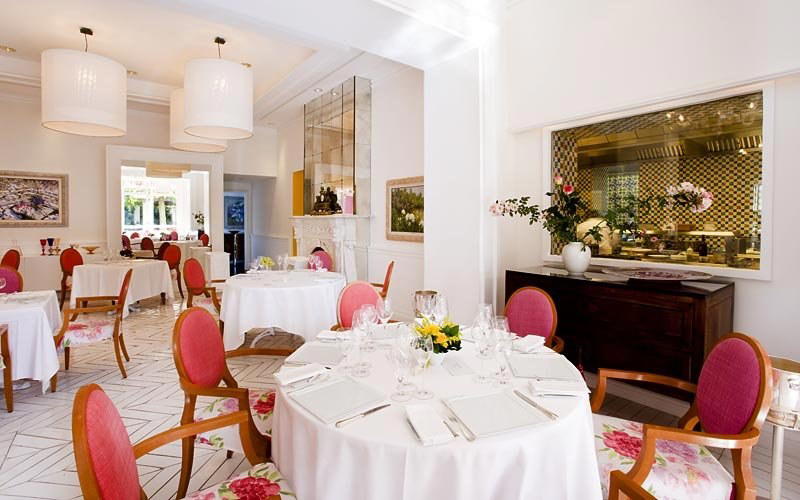
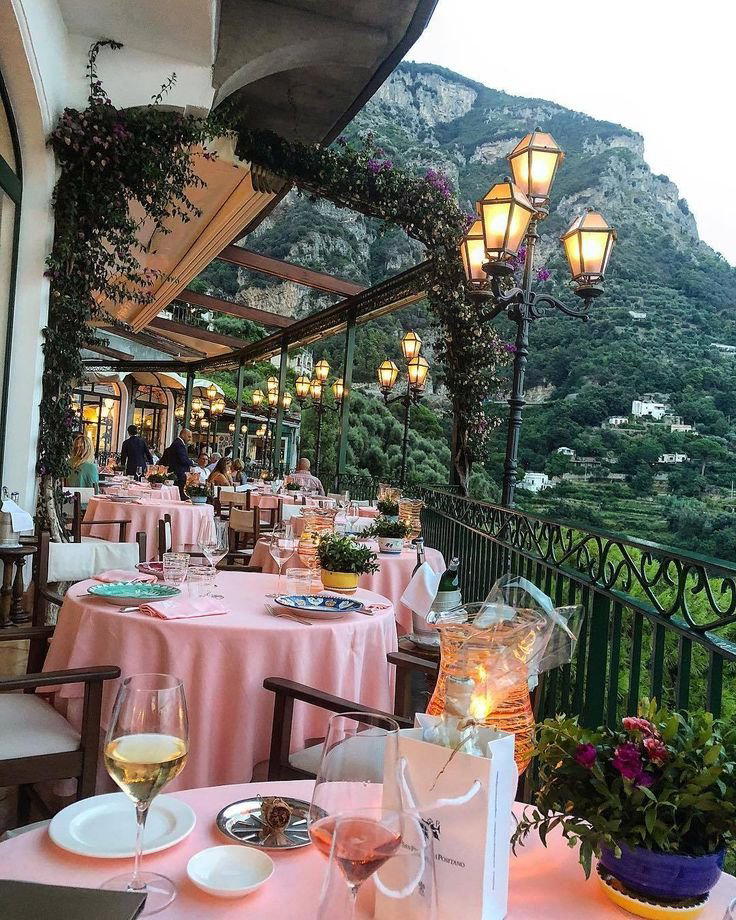
Restaurants in Vico Equense
Browse all →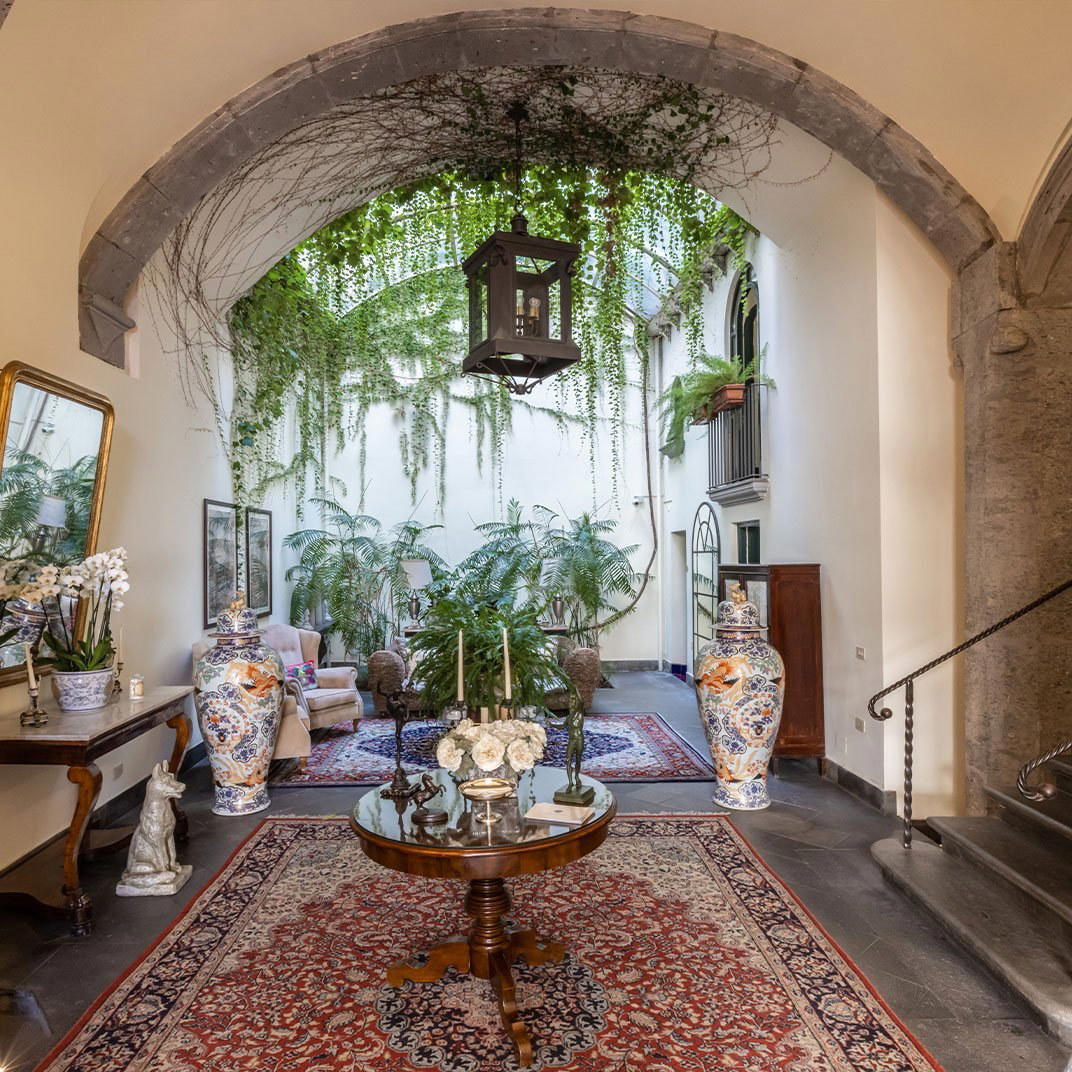
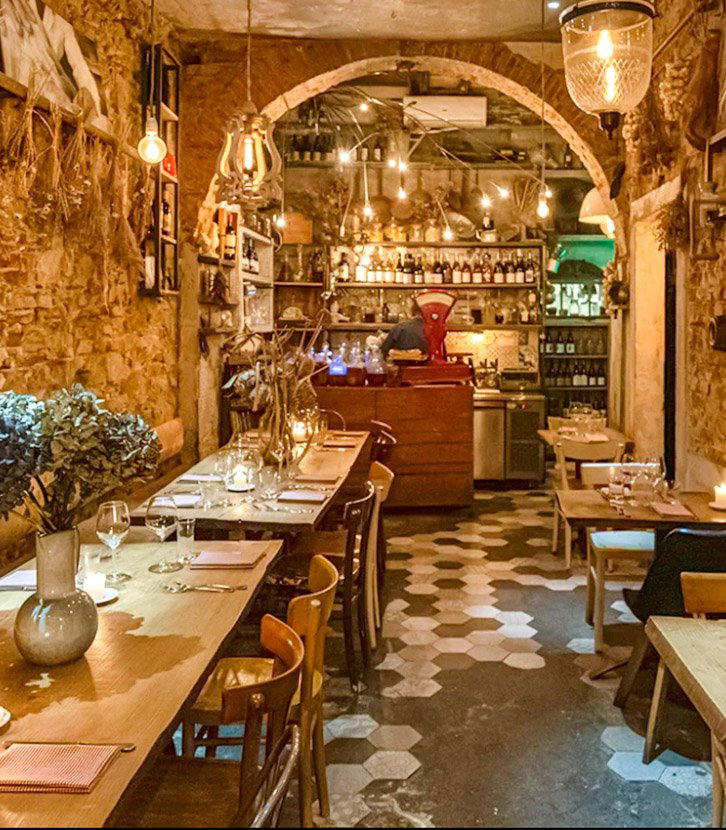
Bars in Vico Equense
Browse all →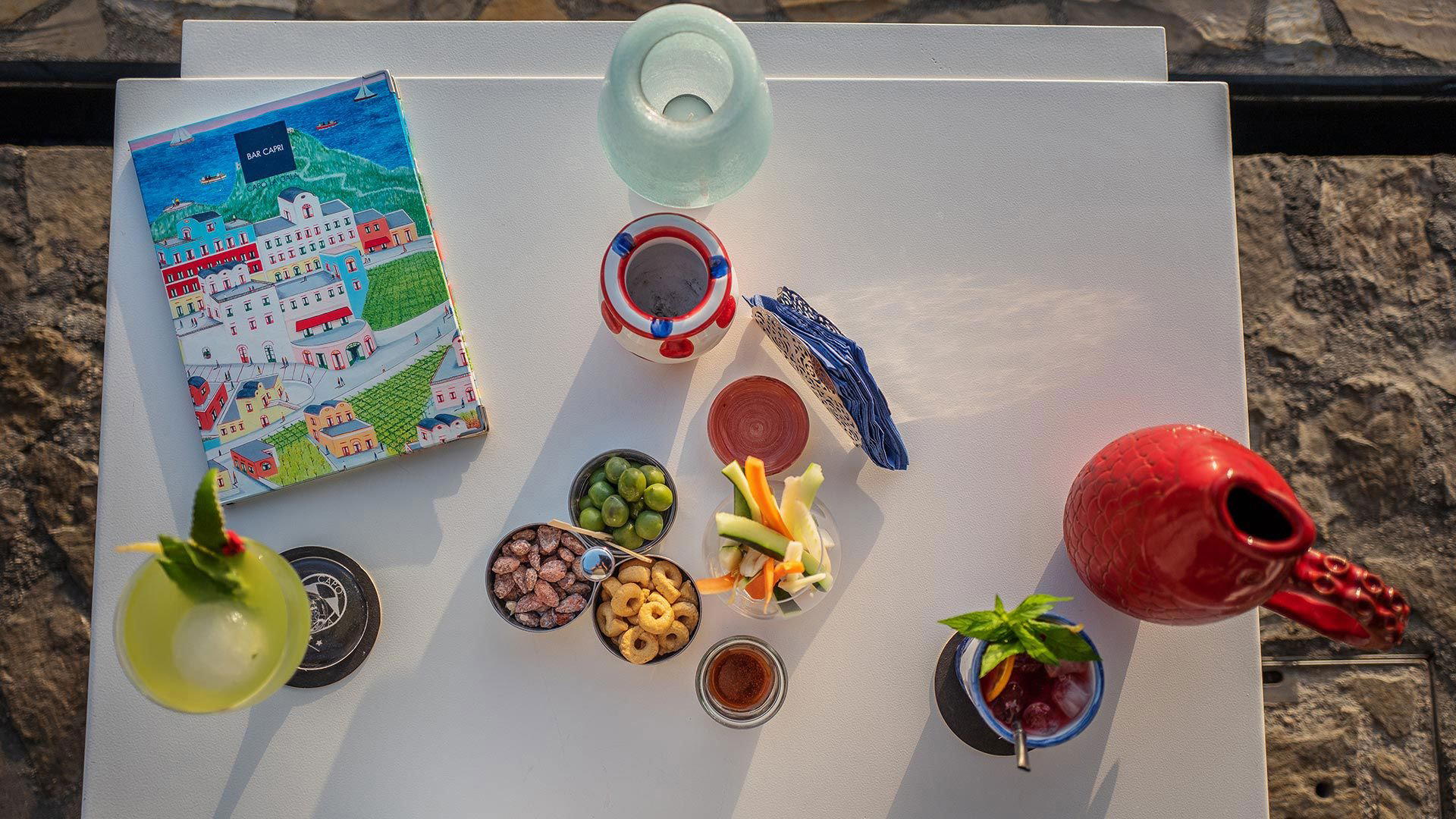
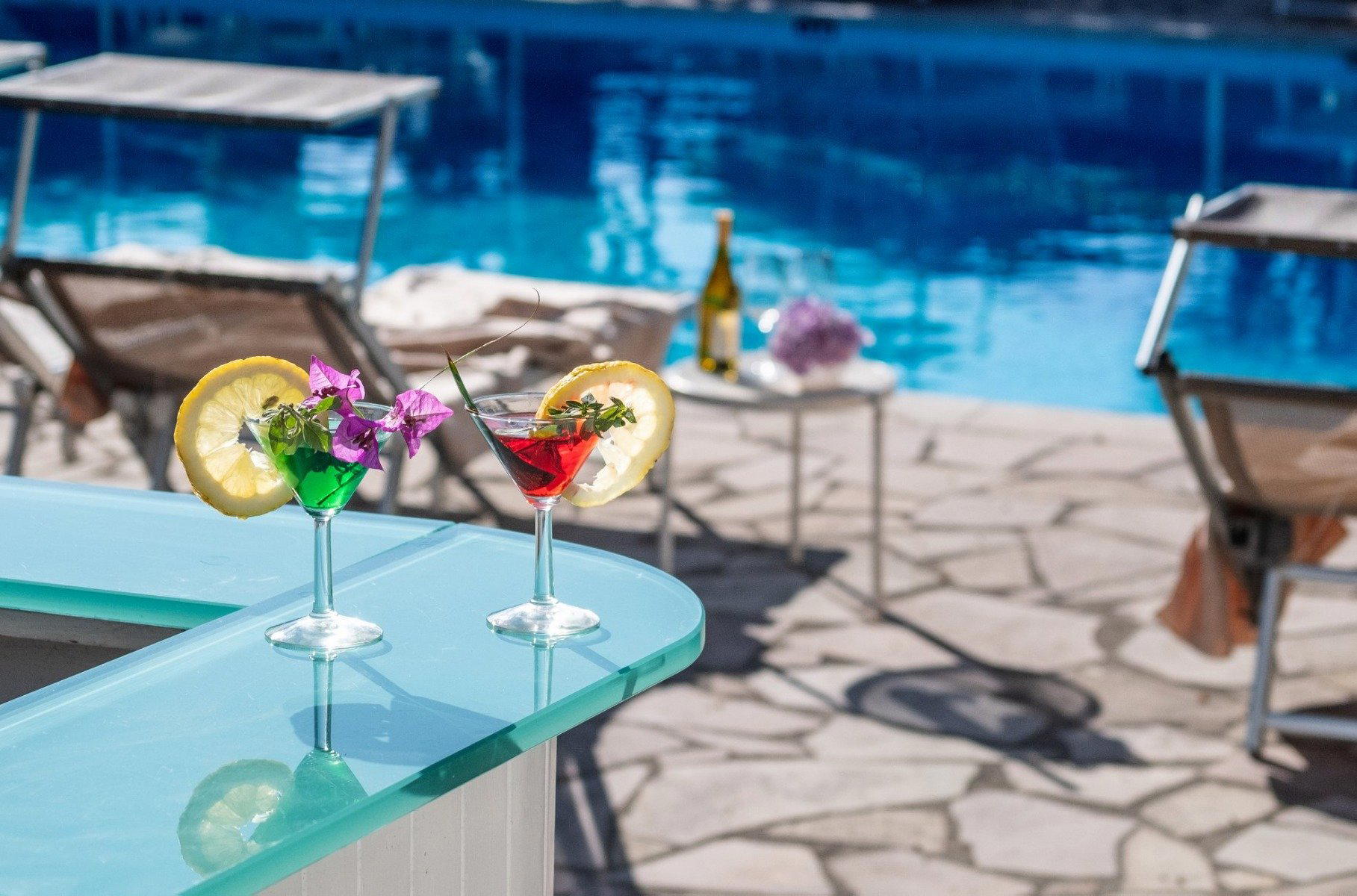
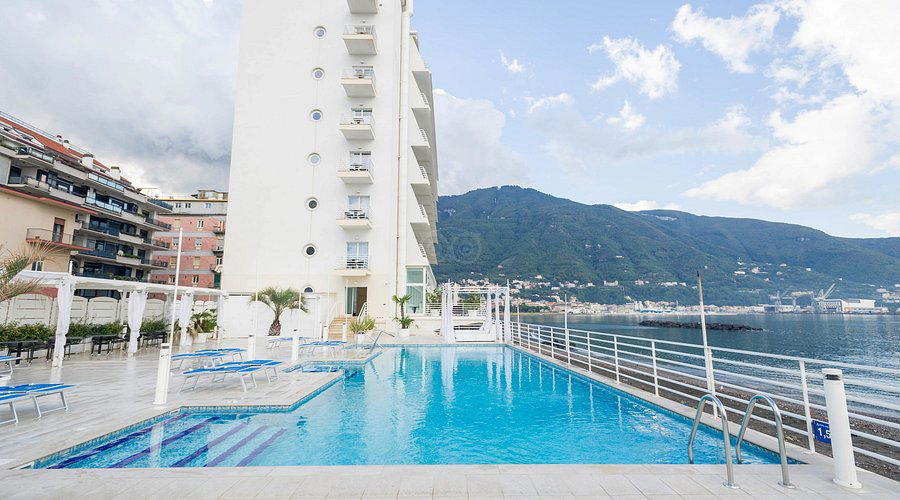
Hotels in Vico Equense
Browse all →
Wineries in Vico Equense
Browse all →
At a Glance
- Romantic
- Elegant
- Scenic
- Intimate
- Sophisticated
- Date Night
- Special Occasion
- Celebration
- Terrace
- Waterfront
- Panoramic View
- Hotel Restaurant
- Extensive Wine List
- Waterfront
Current opening hours
- Monday
- 7:30–11 PM
- Tuesday
- 7:30–11 PM
- Wednesday
- 7:30–11 PM
- Thursday
- 7:30–11 PM
- Friday
- 7:30–11 PM
- Saturday
- 7:30–11 PM
- Sunday
- 7:30–11 PM
Hours can change for holidays and private events. Last verified .
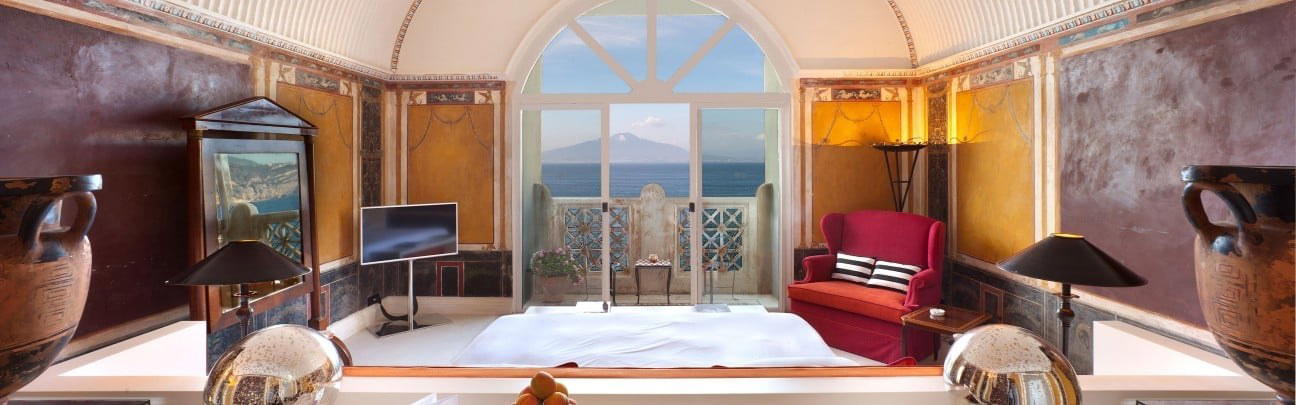
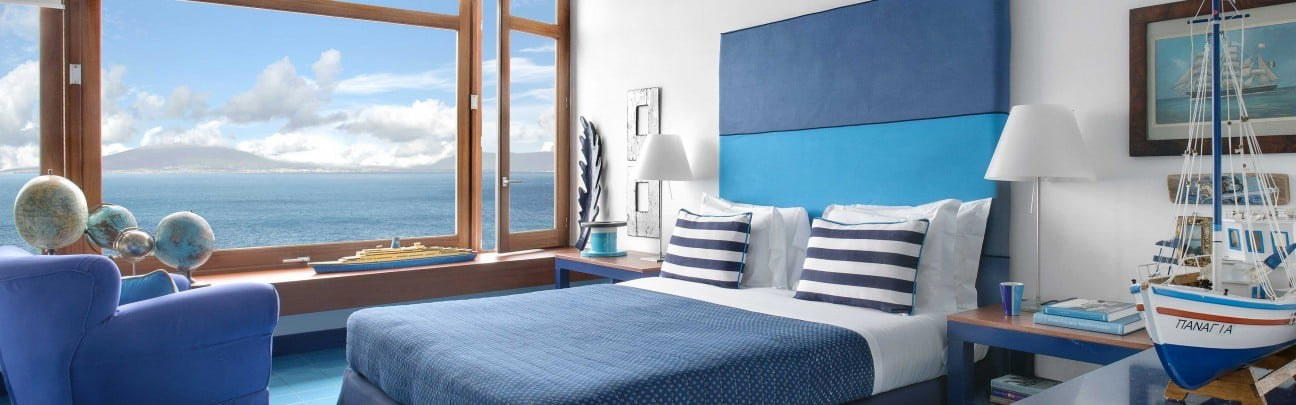
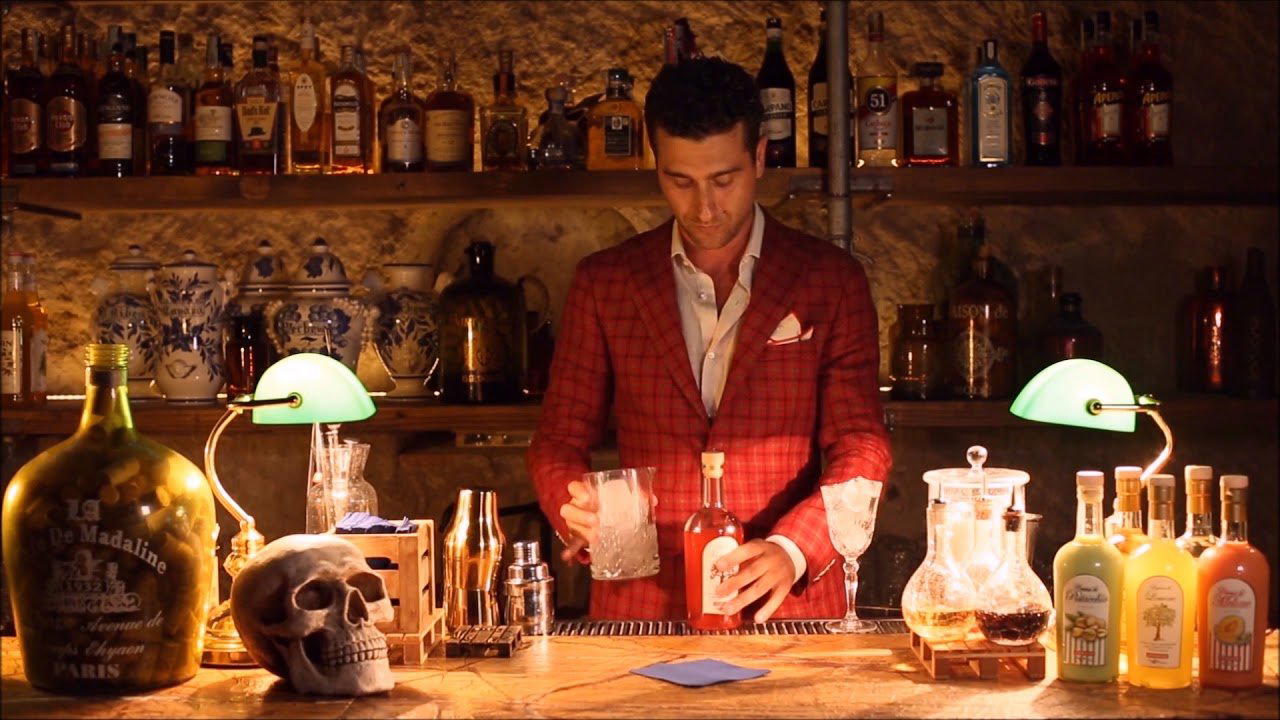
Romantic terrace atmosphere with panoramic sea views, elegant lighting, and warm welcoming service.