Il Cellaio di Don Gennaro
Il Cellaio di Don Gennaro sits on the Sorrentine Peninsula in Vico Equense, a town whose dining character is defined by proximity to Campania's most productive growing land and the Tyrrhenian coast. The name references the cellar tradition of southern Italian hospitality, where food and geography are inseparable. For visitors moving between the peninsula's trattorias and its Michelin-tracked fine dining rooms, this address occupies a distinct position in the local eating order.
Pearl is the En Primeur Club membership app — saves, bookings, and concierge access live there. Same editors, same standards.
- Address
- Via Raffaele Bosco, Via S. Vito, 92, 80069 Vico Equense NA, Italy
- Phone
- +39 339 352 9394
- Website
- facebook.com
- Directions
- Get directions
 Saves & bookings on Pearl
Where the Sorrentine Peninsula Puts Food on the Table
Vico Equense is not especially prominently mapped stop on the Amalfi Coast itinerary, which is precisely why its food culture has developed on its own terms. Perched above the Tyrrhenian Sea between Naples and Sorrento, the town sits at the intersection of two sourcing realities that define Campanian cooking: volcanic soil from Vesuvius to the north, which produces some of southern Italy's most concentrated tomatoes, basil, and provola cheese, and a coastline that delivers a daily catch shifting with the seasons. Restaurants here do not need to import theatrical provenance. The ingredients arrive from a radius that, in most of Europe, would be considered implausibly short.
Il Cellaio di Don Gennaro, addressed on Via Raffaele Bosco in the San Vito area of Vico Equense, takes its identity from the cellar tradition embedded in the name. In southern Italian domestic culture, the cantina was never just storage. It was where cured meats aged, where wine was kept, and where the logic of preservation and seasonality governed what appeared on the table. A restaurant that anchors itself to that reference is making a statement about sourcing philosophy before a single dish is described.
Vico Equense's Dining Structure: Where This Address Sits
The dining range in Vico Equense spans more ground than the town's modest size suggests. At the summit of the spectrum, Torre del Saracino operates in the creative Italian tier, with a menu that reinterprets Campanian ingredients through a contemporary technical lens. Antica Osteria Nonna Rosa holds a comparable position in the Campanian tradition, with an approach rooted in regional cooking rather than reinvention. Alongside these, Il Bikini and L'Accanto represent the mid-tier modern dining category, while L'Università della Pizza has made Vico Equense a reference point specifically for pizza al metro, a format the town effectively originated.
Il Cellaio di Don Gennaro positions itself differently from all of these. The cellar register suggests something closer to the osteria or cantina model: food tied directly to producer relationships, a format that foregrounds the ingredient rather than the technique applied to it, and an atmosphere shaped more by the architecture of the space than by any designed hospitality concept. In a town where the leading addresses are already well-documented, this kind of address often earns its following through word-of-mouth and repeat visits rather than international review coverage.
The Ingredient Logic of the Sorrentine Kitchen
Campanian cooking at its most coherent is a sourcing argument. The DOC and DOP designations attached to products from this region, Pomodoro San Marzano, Provolone del Monaco, Sorrento lemon, fior di latte from Agerola, are not marketing constructs. They reflect measurable differences in flavour produced by specific microclimates, soil composition, and production methods that have been practiced in the same area for generations. A kitchen operating in Vico Equense that takes those designations seriously has a sourcing advantage over restaurants in major cities that must source the same products at a remove.
The cellar tradition that Il Cellaio di Don Gennaro invokes is, at its core, a preservation and seasonality practice. Curated cuts of meat, aged cheeses, preserved vegetables, and local wine kept at the correct temperature are the building blocks of the southern Italian cantina table. What appears on the plate is determined as much by what was preserved in the right season as by what the kitchen decided to cook that morning. This is a fundamentally different approach to menu construction than the one practiced at the creative Italian tier, where sourcing is curated but the format is tasting-menu-driven and technically ambitious. For visitors who have moved through the fine dining end of the Italian south at addresses like Quattro Passi in Marina del Cantone or Reale in Castel di Sangro, the cantina model offers a useful counterpoint: less architectural, more agricultural.
Eating on the Peninsula: Practical Bearings
Vico Equense is accessible from Naples by the Circumvesuviana rail line, a journey of roughly 45 minutes that deposits travellers at a station within walking distance of the town centre. From Sorrento, the same line runs in reverse, making the town a logical stop on any itinerary that connects the two endpoints of the peninsula. The San Vito neighbourhood, where Il Cellaio di Don Gennaro is addressed, sits slightly outside the immediate centre of Vico Equense, meaning the visit has a degree of intentionality built into it. This is not a restaurant you walk past. It requires a decision to go there, which, in the cantina dining tradition, is entirely consistent with how this kind of place has always operated.
Southern Italy's Cantina Tradition in a Wider Frame
The cantina or cellar-restaurant model is not distinctive to Campania, but it is particularly concentrated in the south, where domestic food culture historically placed the cantina at the centre of household provisioning. Across Italy, well-regarded addresses in the country operate in the opposite register from this tradition: Osteria Francescana in Modena, Piazza Duomo in Alba, and Le Calandre in Rubano all work within a fine dining idiom where tradition is transformed rather than preserved. Further afield, addresses like Enoteca Pinchiorri in Florence, Enrico Bartolini in Milan, and Uliassi in Senigallia similarly work within a technically sophisticated framework. Even internationally, the comparison holds: Le Bernardin in New York and Lazy Bear in San Francisco both represent a format where the chef's technical intervention is the primary value proposition.
The cantina model inverts that logic. Here, the cook's role is closer to steward than auteur: the job is to source well, preserve correctly, and present with minimal interference. That restraint is not a lesser ambition. In the context of an ingredient base as strong as the Sorrentine Peninsula's, it may be one honest approach available. Addresses like Dal Pescatore in Runate and Atelier Moessmer Norbert Niederkofler in Brunico have built international reputations partly on the same principle, though operating at a different price tier and with greater institutional recognition.
For a visitor to Vico Equense whose experience of Italian dining has been shaped primarily by the country's formal dining rooms, the restaurant offers an encounter with a different part of the tradition: older, quieter, and anchored in the logic of the land rather than the ambitions of the kitchen.
How It Stacks Up
Comparable venues nearby, for context on price, style, and recognition.
| Venue | Cuisine | Price | Awards | Notes |
|---|---|---|---|---|
| Il Cellaio di Don GennaroThis venue — the venue you are viewing | Traditional Campania Seafood | $$ | Not listed | Not listed |
| L'Università della Pizza | Pizza a metro da Gigino | Neapolitan Pizza a Metro | $$ | Not listed | Vico Equense |
| Il Bikini | Modern Italian Seafood | $$$ | Michelin Plate | Vico Equense |
| L'Accanto | Modern Campanian Fine Dining | $$$$ | Michelin Plate | Seiano di Vico Equense |
| Maxi | Modern Italian Fine Dining | $$$$ | Michelin Plate | Vico Equense |
| Ristorante di Sole... di Luna | Modern Italian Seafood | $$$$ | Not listed | Vico Equense |
Continue exploring
More in Vico Equense
Restaurants in Vico Equense
Browse all →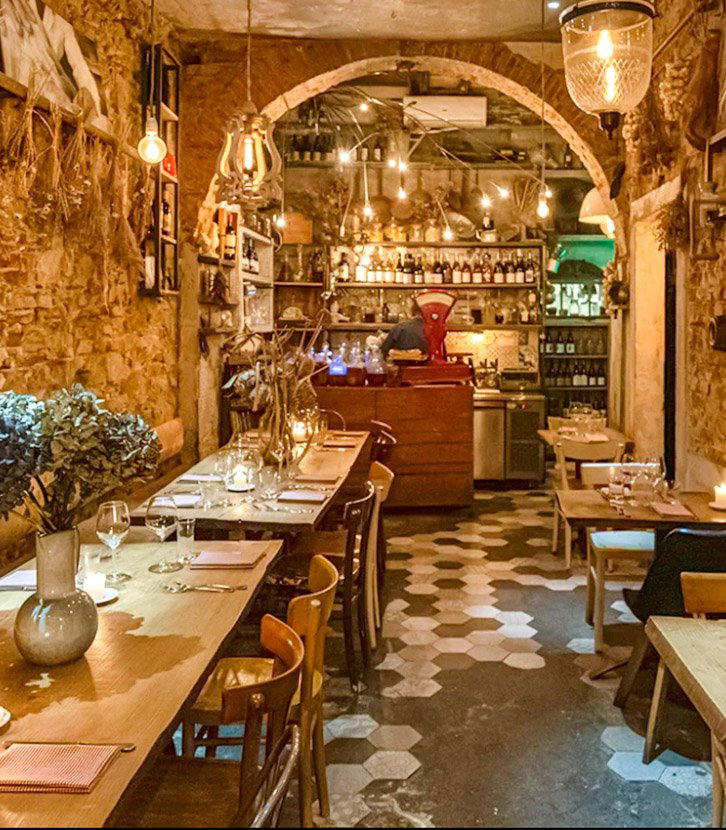
Bars in Vico Equense
Browse all →
Hotels in Vico Equense
Browse all →
Wineries in Vico Equense
Browse all →
At a Glance
- Rustic
- Cozy
- Intimate
- Date Night
- Family
- Special Occasion
- Historic Building
- Courtyard
- Open Kitchen
- Extensive Wine List
- Local Sourcing
- Mountain
Current opening hours
- Monday
- Closed
- Tuesday
- Closed
- Wednesday
- Closed
- Thursday
- 12–12:30 AM
- Friday
- Closed
- Saturday
- Closed
- Sunday
- Closed
Hours can change for holidays and private events. Last verified .
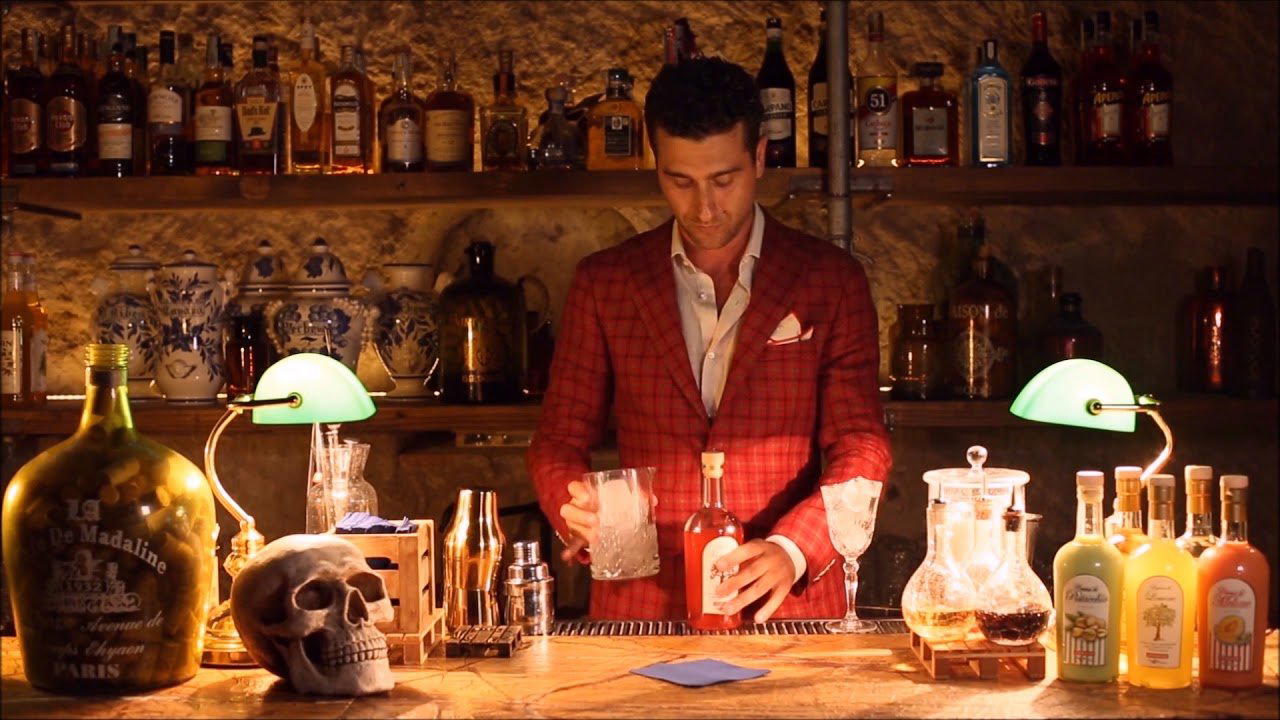
Cozy cave-like interior with warm lighting and a Mediterranean garden outdoor area surrounded by vines and fruit trees.