An Italian-named address in Kaindorf, just outside Leibnitz in southern Styria, Ristorante Da Gino sits within one of Austria's most productive agricultural corridors. The region's farm-direct supply chains and deep Italian culinary crossover give it a context that extends well beyond its modest village setting. For travellers already exploring Leibnitz's dining circuit, it is a useful local reference point.
Pearl is the En Primeur Club membership app — saves, bookings, and concierge access live there. Same editors, same standards.
- Address
- Arnfelser Str. 53, 8430 Kaindorf, Austria
- Phone
- +43345286358
- Website
- dagino.at
- Directions
- Get directions
 Saves & bookings on Pearl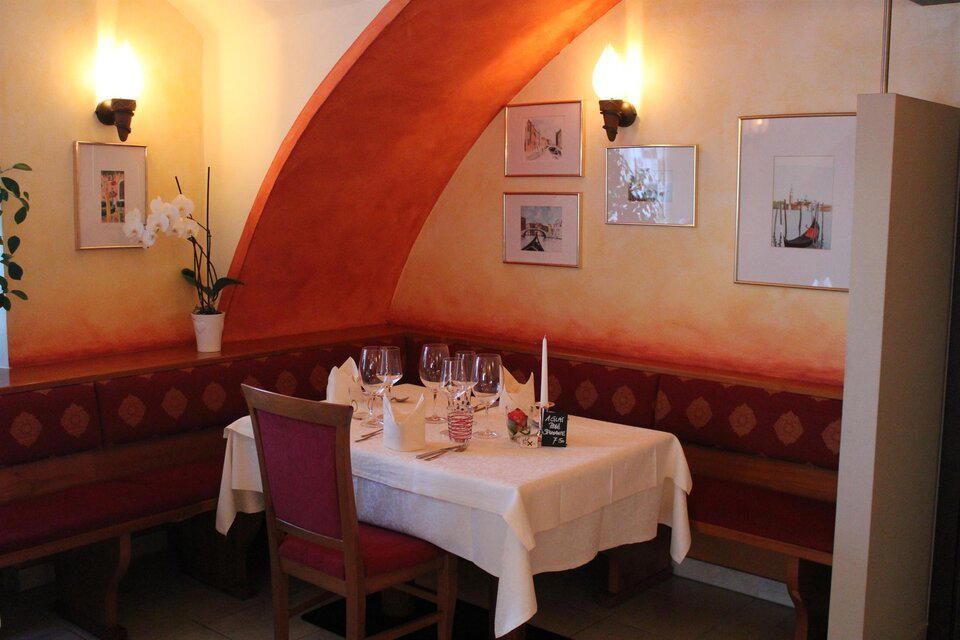
Southern Styria's Italian Thread: Where the Food Comes From
The Leibnitz district in southern Styria occupies a stretch of Austria where the culinary logic tilts south. The Slovenian border sits within easy reach, the Schilcher wine country rolls across the hills to the west, and the broad agricultural plain between Graz and the Drava has long supplied vegetables, pumpkins, poultry, and dairy to kitchens across the region. It is in this corridor that Italian-inflected dining has found a durable foothold in Austrian restaurant culture, not as a transplant, but as a natural expression of proximity, trade, and shared ingredient vocabulary. Ristorante Da Gino, an Italian Ristorante & Pizzeria in Kaindorf, Austria, sits within this tradition.
The name itself signals the Italian connection that runs through southern Styria's hospitality culture. Unlike the Alpine-focused kitchens further north, places such as Gourmetrestaurant Tannenhof in Sankt Anton am Arlberg or Griggeler Stuba in Lech, where the kitchen vocabulary is almost entirely rooted in Austrian highland produce, the restaurants of the Leibnitz basin regularly draw on Italian technique and ingredient framing. That crossover is not merely cosmetic. It reflects the actual movement of goods and culinary ideas across the Styrian-Italian-Slovenian triangle that has shaped this corner of central Europe for generations.
What the Setting Says About the Food
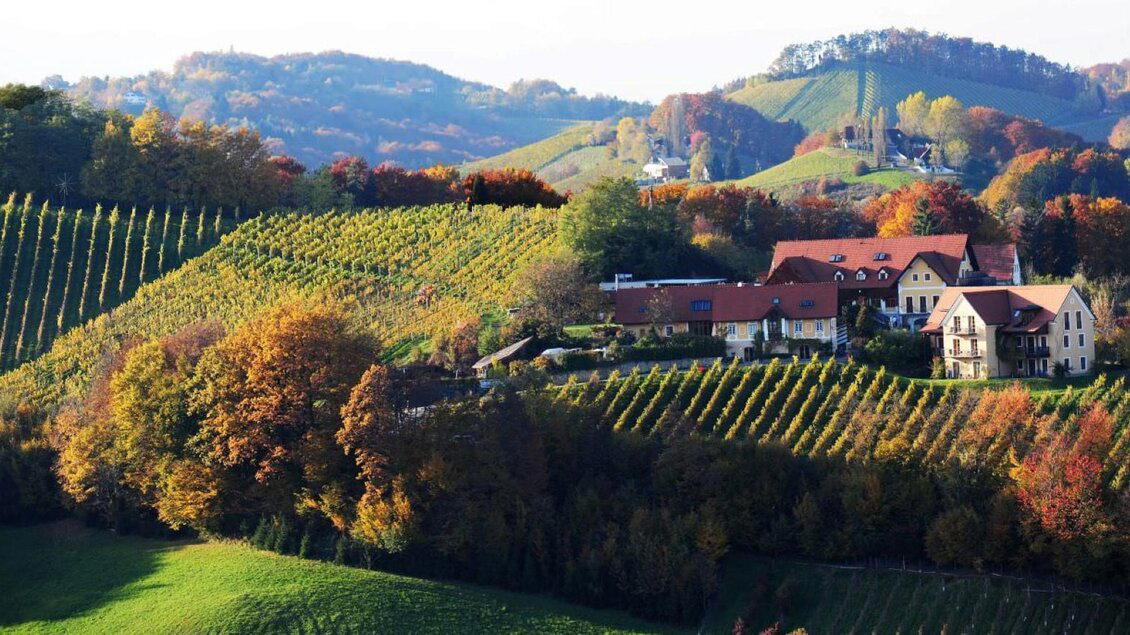
Kaindorf is a small settlement that falls within the gravitational pull of Leibnitz, the district's principal town. The address on Arnfelser Strasse places the restaurant in a semi-rural context typical of the region's working villages: agricultural land within view, the pace slower than Leibnitz's modest centre, and a clientele that skews local rather than tourist. In southern Styria, that kind of address often correlates with supply chains that city-centre restaurants cannot match, shorter distances from producer to kitchen, seasonal ingredients that arrive on the day rather than through a distribution warehouse, and a menu cycle tied to what the surrounding land is actually producing.
This ingredient logic matters when assessing Italian-named restaurants in the Austrian countryside. One convincing versions of this format, and there are several across Styria and Carinthia, work because they treat Italian culinary structure as a framework and fill it with local produce. Handmade pasta built on Styrian eggs. Sauces drawn from local tomato growers who have been supplying the same kitchens for years. Meat sourced from farms within the district rather than imported from Italian producers. Whether Da Gino operates within this model specifically is something only a visit or a direct inquiry can confirm, but it is the template that has given Italian-named kitchens in this region their credibility with local diners.
The Leibnitz Dining Circuit: How Da Gino Fits
Leibnitz supports a more layered dining scene than its size might suggest. At the upper end of the local range, Schlosskeller Gourmetstube operates a modern cuisine format at the €€€€ tier, the kind of kitchen that frames Leibnitz for visitors arriving from Graz or further afield. At the more accessible register, Schlosskeller Wirtshaus and Wirtshaus Kogel 3 both operate farm-to-table formats at the €€ level, representing the region's well-developed tradition of connecting local producers directly to the plate. Der Börgerer adds another local reference point to the mix.
Da Gino's Italian framing places it in a slightly different category from those farm-to-table Wirtshäuser, even if the underlying ingredient sourcing may overlap. Italian-format restaurants in Austrian market towns tend to serve a distinct social function: they absorb the local appetite for pasta, pizza, and grilled proteins in a format that feels neither as formal as a Gourmetstube nor as rooted in Austrian regional identity as a Wirtshaus. That positioning can be a commercial strength, drawing diners who want something outside the Styrian canon without travelling to Graz or beyond. For a broader view of how Leibnitz's dining scene is structured, the full Leibnitz restaurants guide maps the district's options across formats and price points.
Austrian Restaurant Traditions Beyond the Region
To understand where a restaurant like Da Gino sits within the wider Austrian dining conversation, it helps to hold the country's upper tier in view. Steirereck im Stadtpark in Vienna has long defined what rigorously sourced Austrian cuisine looks like at the highest level. Döllerer in Golling an der Salzach and Landhaus Bacher in Mautern an der Donau represent the country's serious regional dining tradition at its most focused. Obauer in Werfen, Ikarus in Salzburg, and Kräuterreich by Vitus Winkler in Sankt Veit im Pongau further illustrate the depth of Austria's kitchen culture across its regions. Ois in Neufelden, Schwarzer Adler in Hall in Tirol, and Restaurant 141 by Joachim Jaud in Mieming round out the map of serious Austrian addresses outside the major cities. International reference points like Le Bernardin in New York City and Atomix in New York City illustrate how far the conversation around sourcing and technique has travelled globally, useful context for understanding why ingredient provenance has become a meaningful signal at every price level, not only at the leading.
Planning a Visit
Ristorante Da Gino is located at Arnfelser Str. 53, 8430 Kaindorf, Austria, a short drive from the centre of Leibnitz. For visitors to the region, one practical approach is to combine a visit with wider exploration of the Leibnitz district: the Schilcher wine routes, the agricultural villages of the Sulm valley, and the town of Leibnitz itself are all within easy reach. The semi-rural address and Italian format suggest a kitchen calibrated primarily for the local community.
How It Stacks Up
Comparable venues nearby, for context on price, style, and recognition.
| Venue | Cuisine | Price | Awards | Notes |
|---|---|---|---|---|
| Ristorante Da GinoThis venue — the venue you are viewing | Italian Ristorante & Pizzeria | $$ | Not listed | Not listed |
| Der Börgerer | Artisanal Burgers | $ | Not listed | Leibnitz |
| Wirtshaus Kogel 3 | Modern Styrian-Austrian | $$ | Michelin Plate | Leibnitz |
| Schlosskeller Wirtshaus | Styrian Wirtshaus & Gourmet | $$ | Bib Gourmand | Seggauberg |
| Schlosskeller Gourmetstube | Modern Styrian Fine Dining | $$$$ | Michelin 1 Star | Seggauberg |
| Casa Costiera | Authentic Southern Italian | $$ | Not listed | Innere Stadt |
Continue exploring
More in Leibnitz
Restaurants in Leibnitz
Browse all →
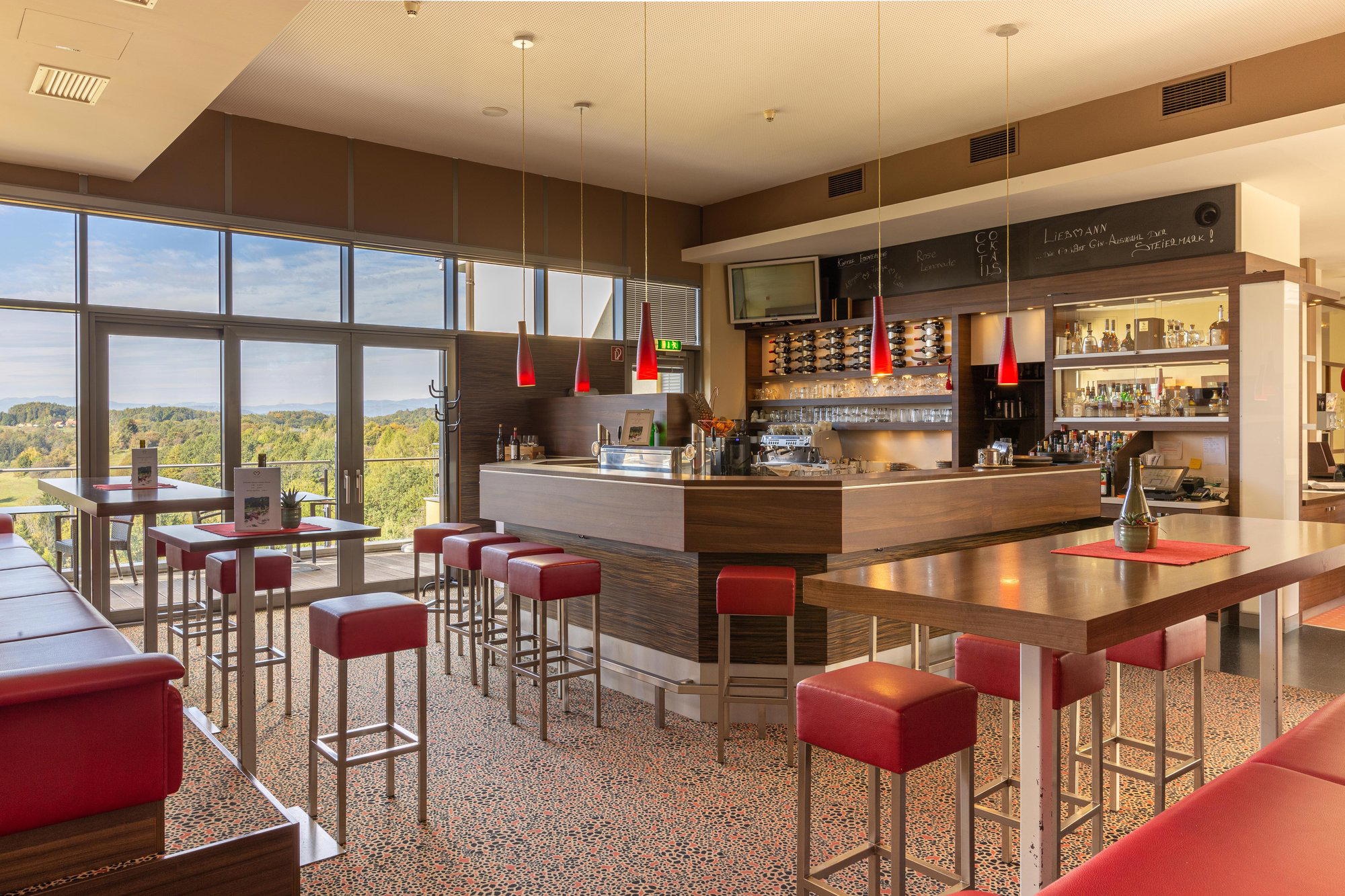
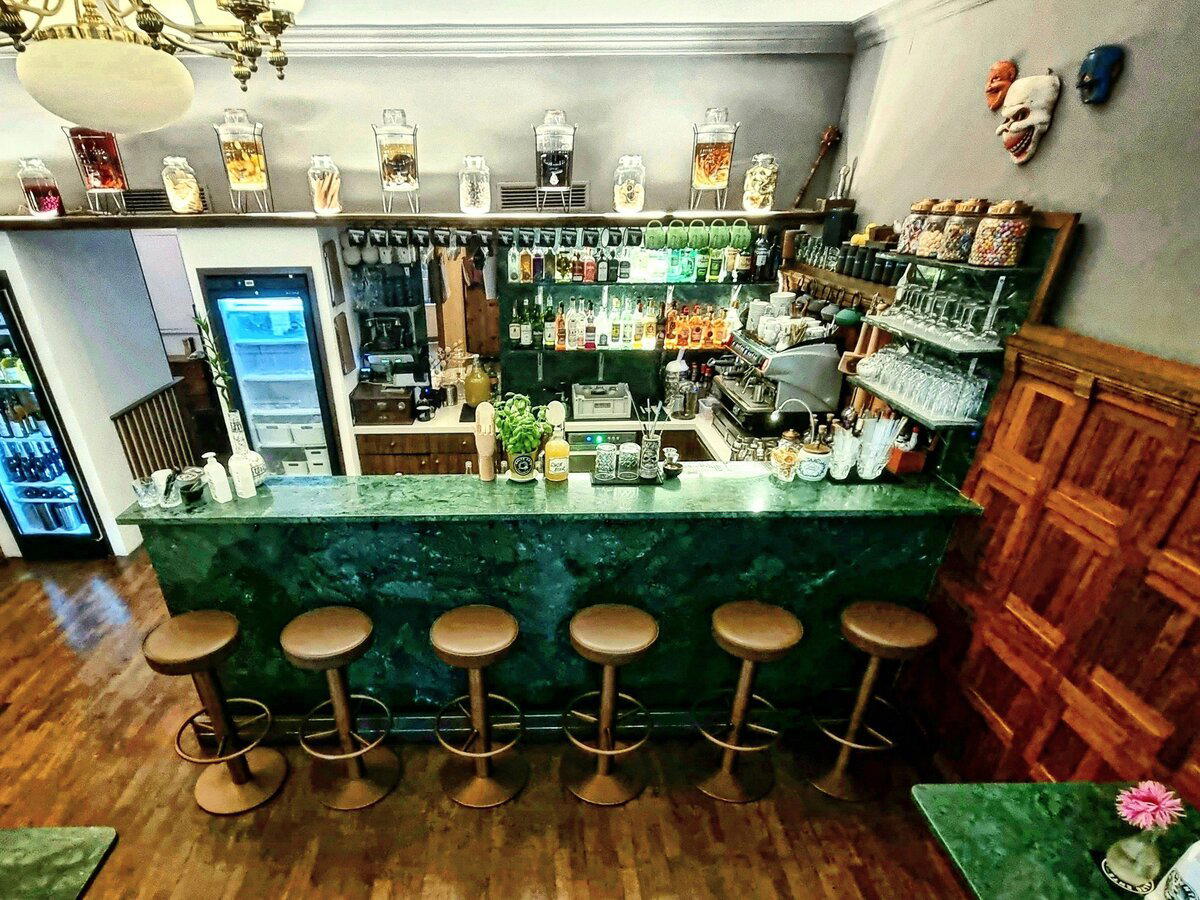
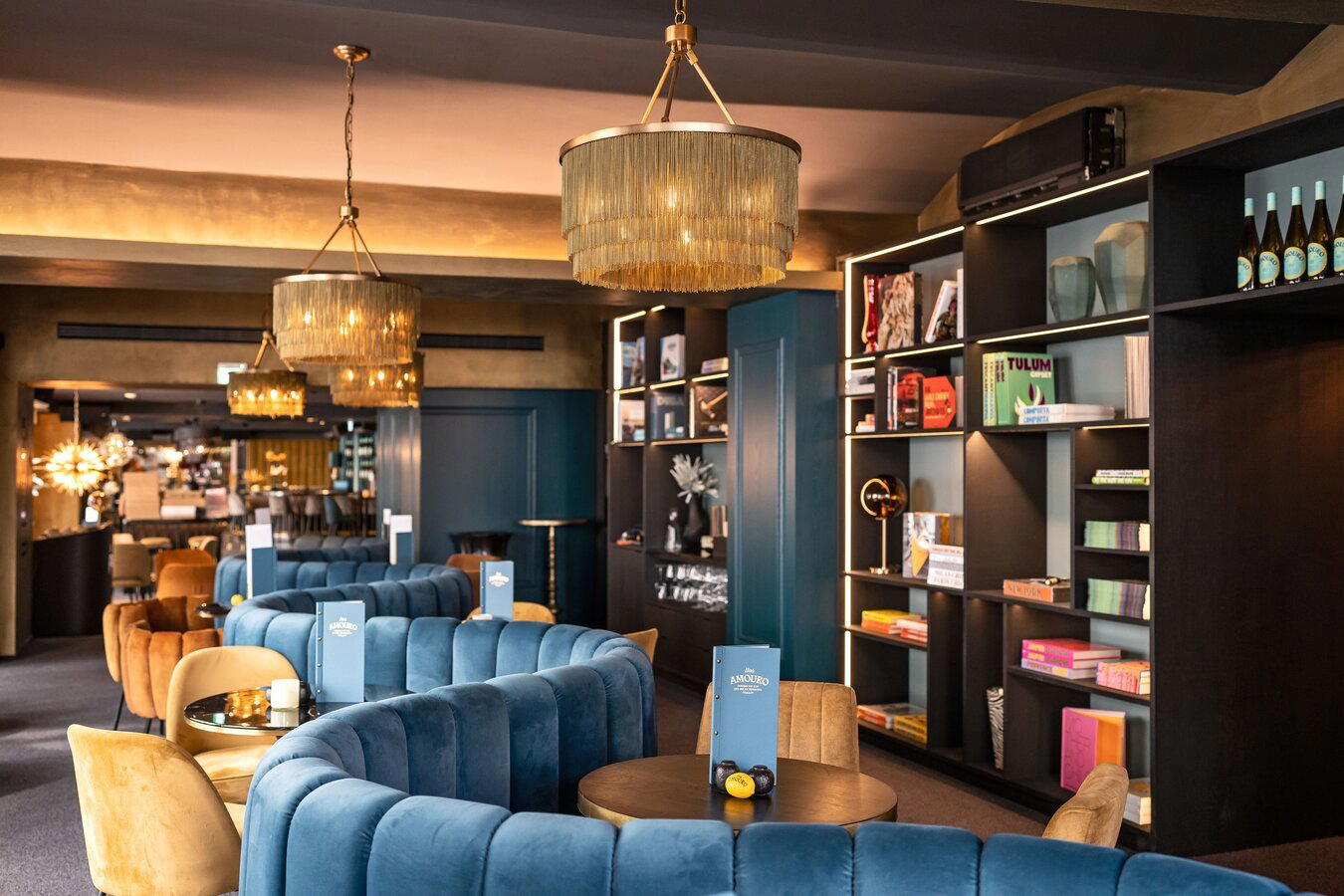
Bars in Leibnitz
Browse all →
Hotels in Leibnitz
Browse all →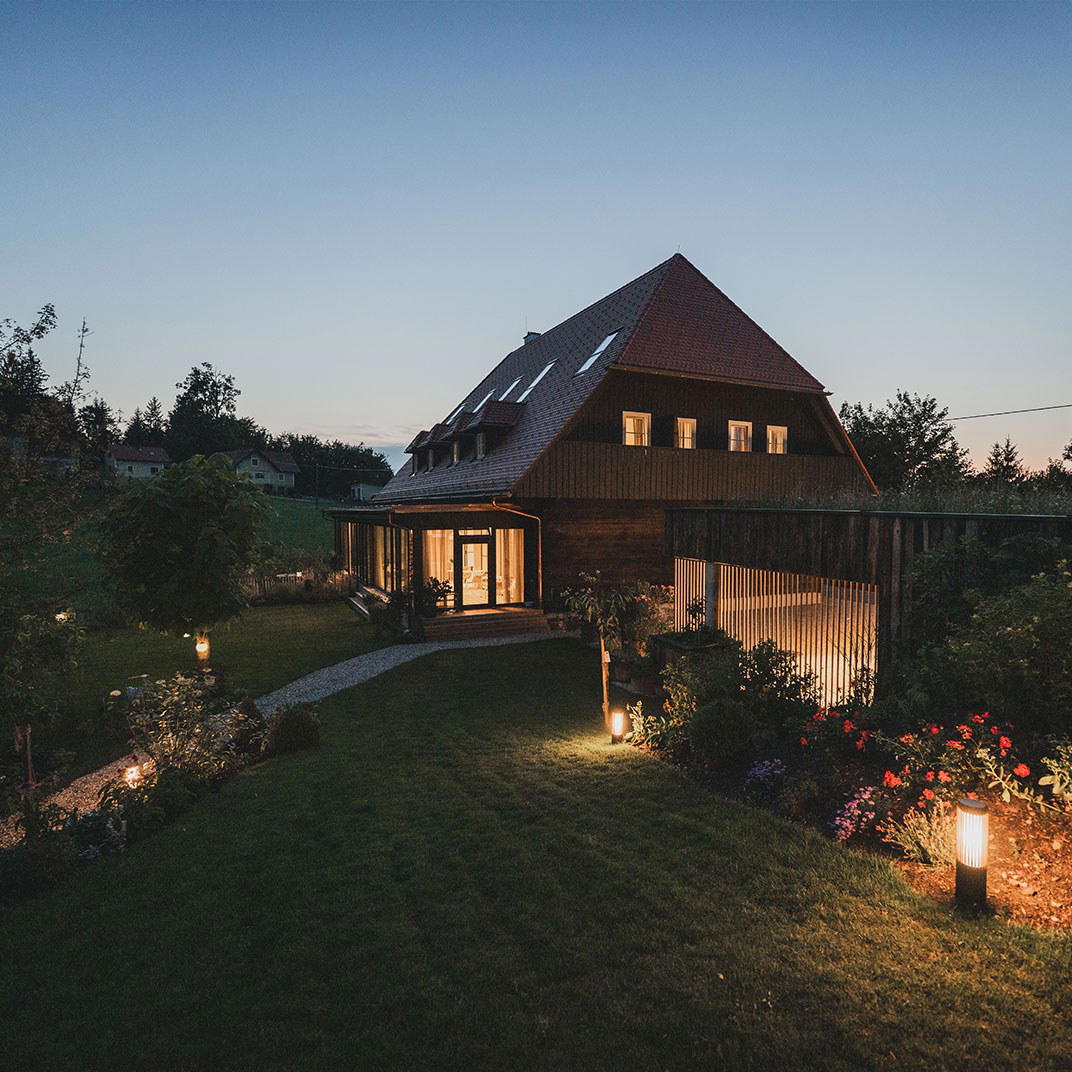


At a Glance
- Cozy
- Rustic
- Family
- Casual Hangout
Current opening hours
- Monday
- Closed
- Tuesday
- Closed
- Wednesday
- 5:30–9 PM
- Thursday
- 5:30–9 PM
- Friday
- 11:30 AM–2 PM, 5:30–9 PM
- Saturday
- 11:30 AM–2 PM, 5:30–9 PM
- Sunday
- Closed
Hours can change for holidays and private events. Last verified .
Cozy and welcoming Italian ambiance.