Ristorante Cleo brings Italian dining to the western fringes of Munich, where the city gives way to quieter residential streets along Genovevaweg. The address places it outside the central fine-dining corridor, making it a deliberate destination rather than a passing choice. For Munich diners looking beyond the Maxvorstadt and Schwabing restaurant clusters, Cleo represents the city's more dispersed dining geography.
Pearl is the En Primeur Club membership app — saves, bookings, and concierge access live there. Same editors, same standards.
- Address
- Genovevaweg 31, 80689 München, Germany
- Phone
- +498956825114
- Website
- cleo-ristorante.de
- Directions
- Get directions
 Saves & bookings on Pearl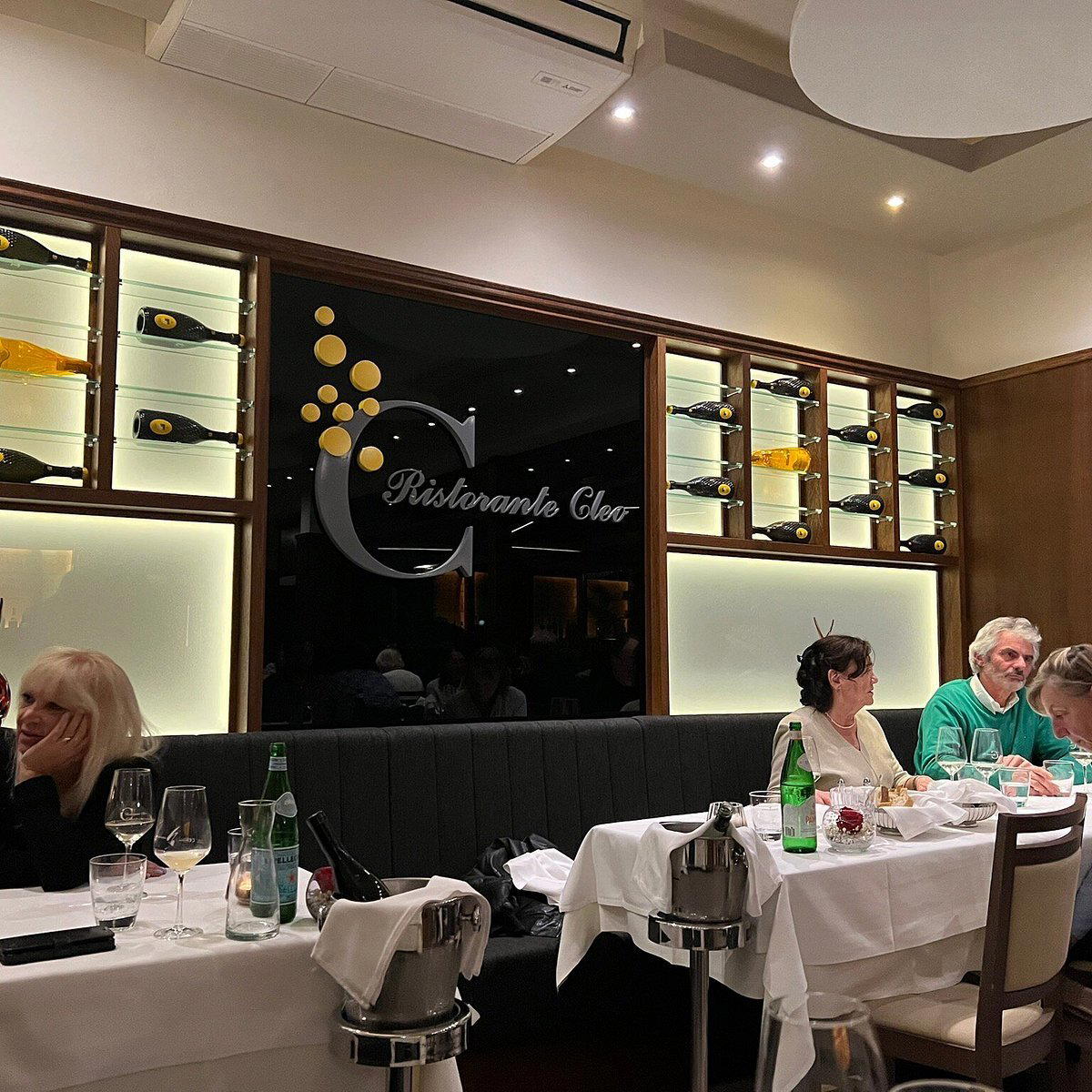
Where Munich Thins Out: Dining on the Western Edge
Munich's restaurant gravity pulls hard toward the centre. The Michelin-recognised rooms, Tantris in Schwabing, Atelier inside the Bayerischer Hof, Alois at Dallmayr, JAN and Tohru in der Schreiberei, cluster within a few kilometres of the Altstadt. Venturing to postcode 80689, out past Westpark and into the residential belt of Hadern, is not a reflex for most visitors. That distance is precisely what shapes the experience at Ristorante Cleo on Genovevaweg: the room draws a neighbourhood rather than a city-wide audience, and the dynamic that follows is materially different from what you find at a destination address in Maxvorstadt or Glockenbachviertel.
This part of Munich is largely domestic in character. The streets around Genovevaweg are quiet, low-rise, and functional, the kind of area where locals eat without performance, and where an Italian restaurant earns its clientele through repetition rather than novelty. That context matters when assessing what Ristorante Cleo is and is not. It operates in a different register, one defined more by neighbourhood loyalty than by competition with the €€€€ corridors of central Munich.
The Italian Restaurant in a German City: A Persistent Format
Italian restaurants have been part of Munich's dining fabric for decades, embedded at every price point from Schnitzel-adjacent trattoria to the more considered Italian-Mediterranean rooms. Acquarello, on the other side of the city near the Englischer Garten, represents what Italian cuisine can become in Munich when it is taken seriously over many years, a room that has built sustained recognition through consistency rather than through reinvention. The Italian format's durability in German cities comes from its structural flexibility: it accommodates a casual dinner, a long business lunch, and a family occasion without needing to reconfigure its proposition.
Ristorante Cleo sits in this broader Italian-in-Germany tradition. The Genovevaweg address suggests a room that serves its immediate community first, with any wider reputation built through word of mouth across the western districts. This is a common pattern in Munich's outer postcodes, where strong neighbourhood restaurants exist largely beneath the radar of the city's food media conversation, which concentrates on the centre and on award-listed addresses. For context on the wider range of what serious dining in Germany looks like, the national picture includes rooms as technically demanding as Aqua in Wolfsburg, Schwarzwaldstube in Baiersbronn, and Vendôme in Bergisch Gladbach, all operating at a level of formality and investment that places them in a distinct category from neighbourhood Italian dining.
What the Address Tells You
Genovevaweg 31 is not an address that signals ambition toward the city's fine-dining conversation. It signals rootedness. Restaurants that survive in residential Munich without a tourist catchment or a central-city lunch trade do so because local regulars return. That is a different kind of durability from the award-driven model, and it produces a different atmosphere: quieter, more familiar in the sense of known faces, less concerned with the theatre of first impressions.
For visitors, the implication is practical. Getting to the restaurant from central Munich requires intent, a tram or U-Bahn journey west, or a drive that takes you out of the hotel-and-museum corridor entirely. That journey filters the room's audience down to people who already know what they are going to and eliminates the drop-in traffic that shapes so many central-city restaurants. The result, in neighbourhood Italian rooms of this type across European cities, tends to be a more settled pace and a clientele that is less interested in being seen than in eating.
This is worth comparing to the pattern visible in other German cities, where serious cooking sometimes happens at considerable distance from the metropolitan centre: ES:SENZ in Grassau, Schanz in Piesport, and Waldhotel Sonnora in Dreis all require destination travel. The difference is that those rooms have built reputations that justify the journey on their own terms. A neighbourhood Italian in Munich's western belt operates without that kind of signposting, relying instead on proximity and familiarity.
Munich's Italian Dining at Street Level
The city's Italian dining conversation rarely surfaces venues outside the central postcodes in international coverage, yet the western and southern districts contain a steady layer of Italian restaurants that function as genuine community anchors. This is consistent with how Italian cuisine has embedded itself in German urban life since the 1970s and 1980s: less as a prestige import, more as a dietary staple that fits comfortably alongside German cuisine without displacing it. The better neighbourhood Italian rooms in Munich tend to be defined by their wine lists and their pasta programs, the two areas where Italian cooking most clearly differentiates from German baseline. Whether the restaurant prioritises either is not stated here.
For those building a broader picture of where Munich's dining sits within Germany and within Europe, the full Munich restaurants guide maps the city across formats and price points. Internationally comparable Italian-adjacent rooms that demonstrate what the cuisine looks like at the upper end of the spectrum include Le Bernardin in New York and Atomix, which show how neighbourhood-rooted formats scale when ambition and investment converge. CODA in Berlin and Bagatelle in Trier illustrate the range of what specialised formats can achieve in German cities outside the obvious metropolitan nodes. Restaurant Haerlin in Hamburg and Victor's Fine Dining by Christian Bau in Perl round out a picture of how formal dining distributes across the country.
Planning Your Visit
The restaurant is located at Genovevaweg 31, 80689 München. Dress: smart casual. Reservations are recommended. Hours: Mon: Closed; Tue: 12–2:30 PM, 6–10 PM; Wed: 12–2:30 PM, 6–10 PM; Thu: 12–2:30 PM, 6–10 PM; Fri: 12–2:30 PM, 6–10 PM; Sat: 6–10 PM; Sun: 12–2:30 PM, 6–10 PM.
How It Stacks Up
Comparable venues nearby, for context on price, style, and recognition.
| Venue | Cuisine | Price | Notes |
|---|---|---|---|
| Ristorante CleoThis venue — the venue you are viewing | Sicilian-Influenced Italian | $$$ | Not listed |
| GIOIA | Italian Pizza and Pasta | $$$ | Isarvorstadt |
| Florio Restaurant | Modern Italian | $$$ | Isarvorstadt |
| MONA | Modern Italian Fusion | $$$ | Au |
| Napoli Rush | Neapolitan Pizza | $$ | Neuhausen |
| Vi Vadi cucina italiana | Classic Italian Trattoria with Sicilian influences | $$ | Neuhausen |
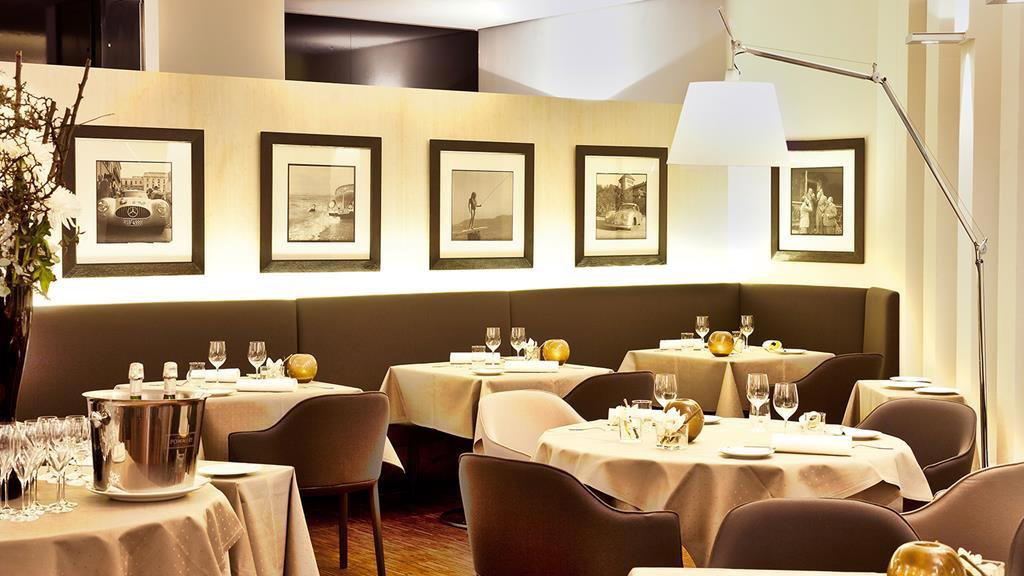
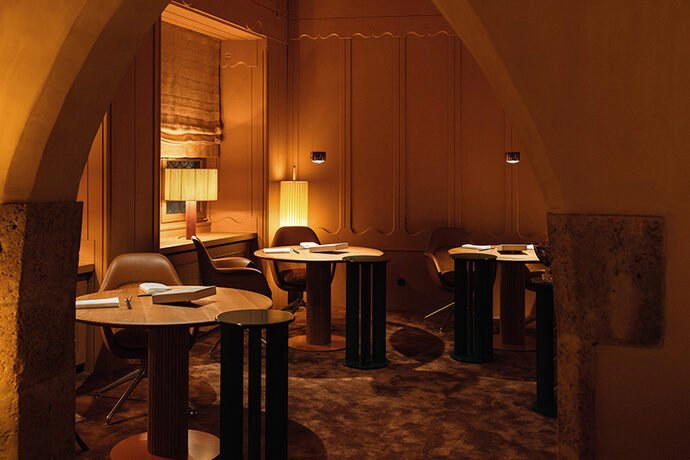
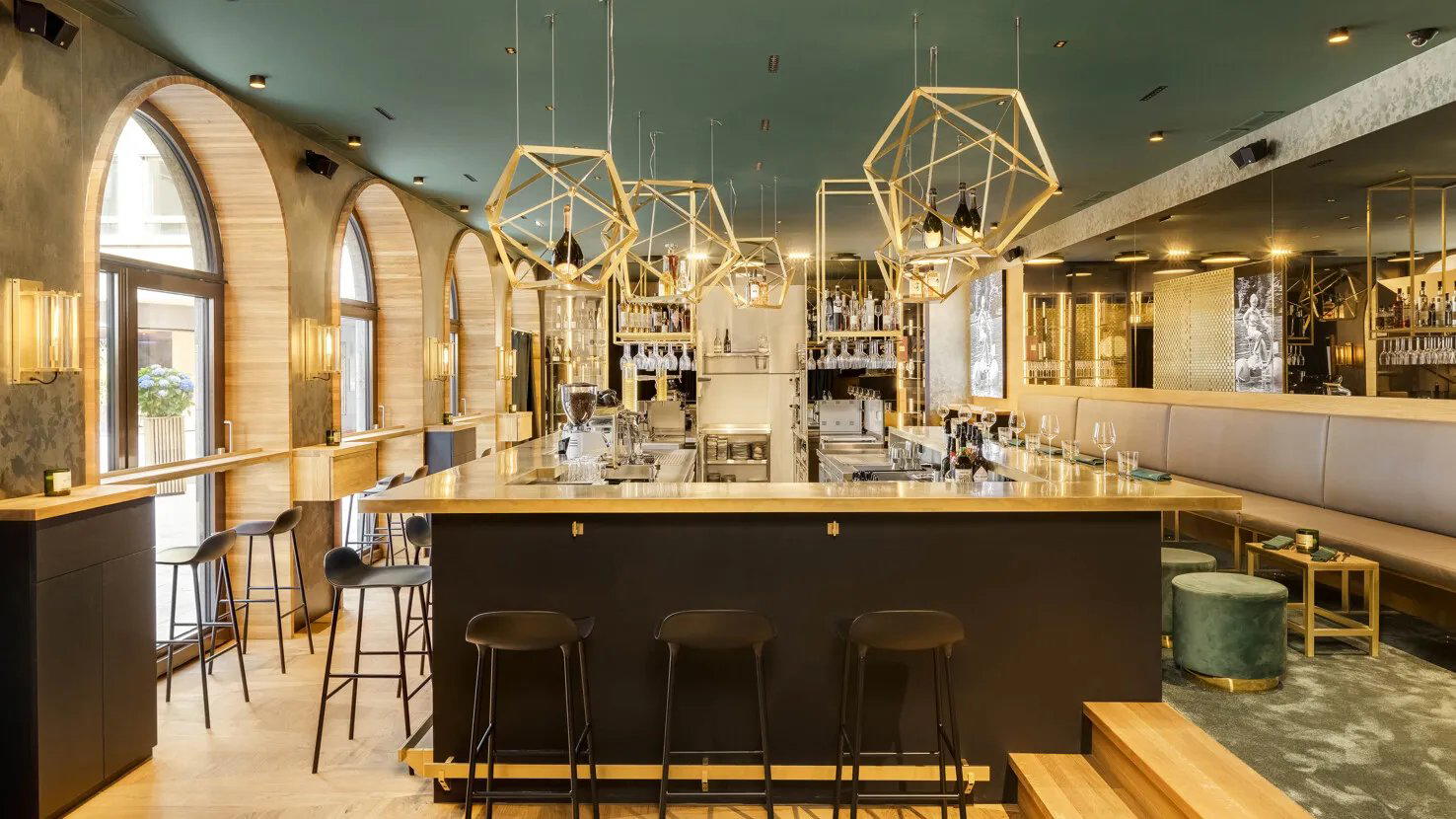
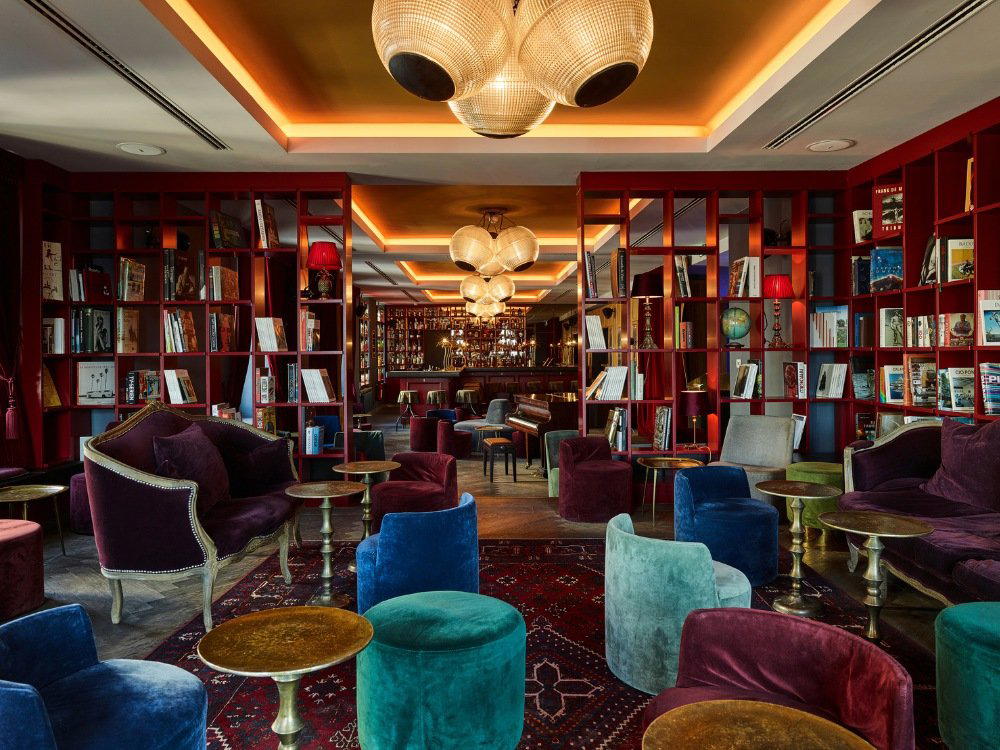
At a Glance
- Elegant
- Relaxed
- Sophisticated
- Date Night
- Business Dinner
- Special Occasion
- Private Dining
- Extensive Wine List
Current opening hours
- Monday
- Closed
- Tuesday
- 12–2:30 PM, 6–10 PM
- Wednesday
- 12–2:30 PM, 6–10 PM
- Thursday
- 12–2:30 PM, 6–10 PM
- Friday
- 12–2:30 PM, 6–10 PM
- Saturday
- 6–10 PM
- Sunday
- 12–2:30 PM, 6–10 PM
Hours can change for holidays and private events. Last verified .