On Carrer de Muntaner in the Sarrià-Sant Gervasi district, Ristorante Bella occupies a quieter register than Barcelona's celebrated creative restaurants, yet sits in a neighbourhood where residents expect a certain quality of table. The Italian kitchen here positions itself within a city increasingly curious about depth of cellar and the interplay between Mediterranean wine traditions and Catalan ingredients.
Pearl is the En Primeur Club membership app — saves, bookings, and concierge access live there. Same editors, same standards.
- Address
- C/ de Muntaner, 328, Sarrià-Sant Gervasi, 08021 Barcelona, Spain
- Phone
- +34933034482
- Website
- opentable.com
- Directions
- Get directions
 Saves & bookings on Pearl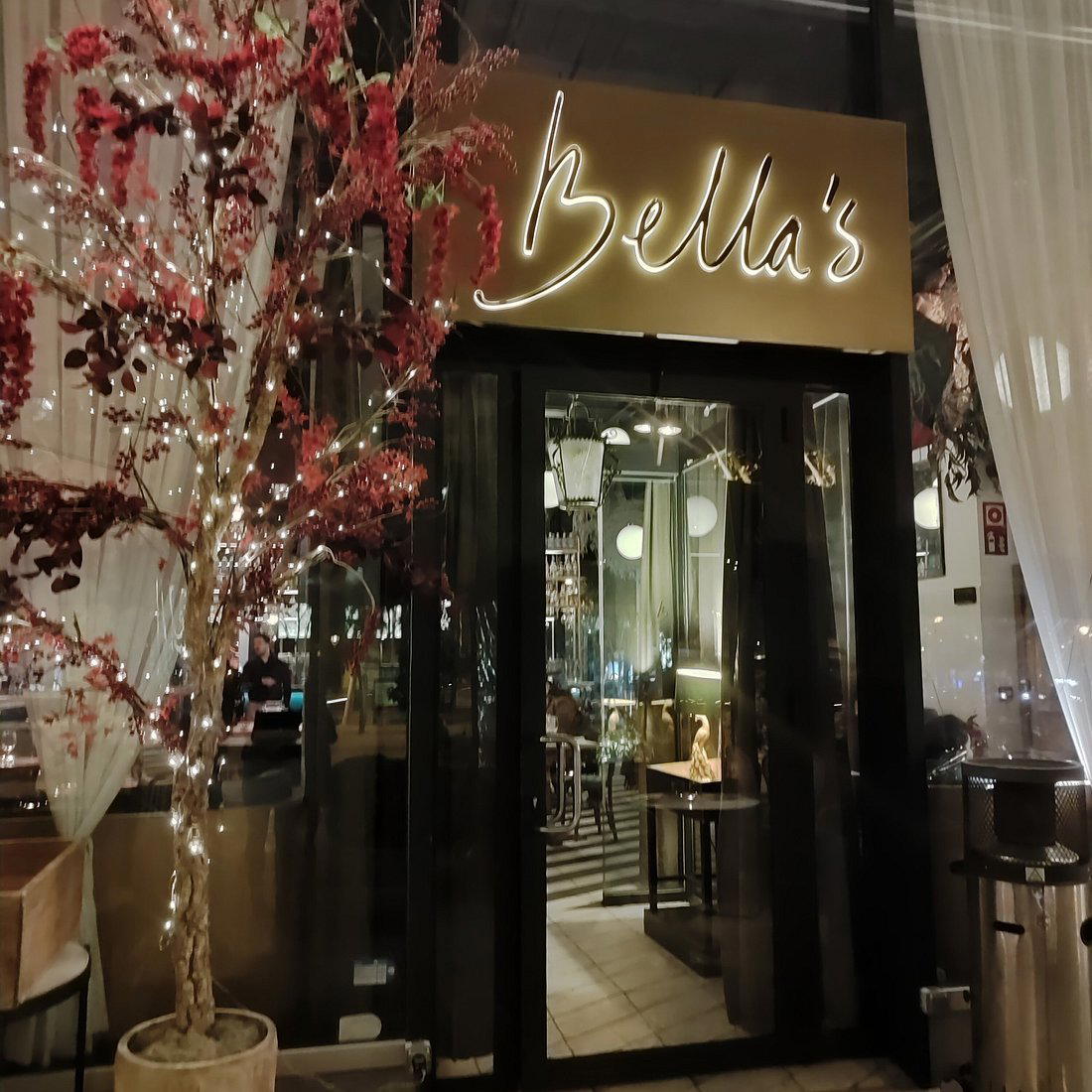
A Quieter Corner of Barcelona's Dining Map
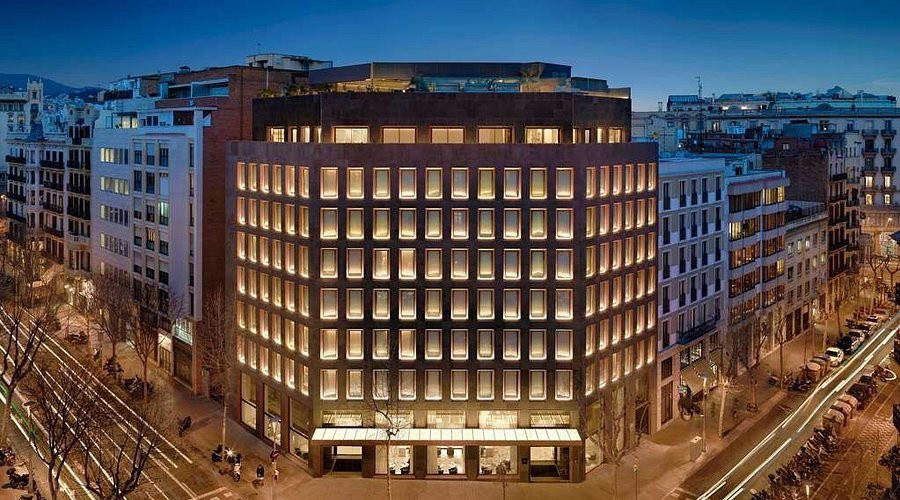
Sarrià-Sant Gervasi occupies the upper residential reaches of Barcelona, away from the tourism-heavy Eixample grids and the waterfront ambition of the port neighbourhoods. Carrer de Muntaner runs like a spine through this district, lined with pharmacies, upscale supermarkets, and the kind of restaurants that serve a local clientele more than a destination-seeking one. Approaching Ristorante Bella on this street, you feel the shift in register: this is a neighbourhood built for people who live here, not for those passing through. That distinction matters for how to read the room inside.
Italian restaurants in Barcelona occupy an interesting position in the city's dining hierarchy. Spain's own culinary confidence, anchored by the Basque Country's tradition and Barcelona's vanguard creative scene, has long made imported cuisine a secondary conversation. Yet Italian cooking, with its Mediterranean structural similarities to Catalan food, has found genuine footholds in the city. The leading of these are not imitation operations but restaurants that draw on shared coastal ingredients, olive oil, salt cod's coastal cousins, summer tomatoes, shellfish, while bringing Italian technique and, critically, Italian cellar depth to a city that increasingly understands wine as a serious component of the table.
The Wine Question in a Mediterranean Context
Barcelona's fine dining wine culture has shifted considerably over the past decade. The city's leading creative restaurants, Disfrutar, Cocina Hermanos Torres, and ABaC, have built wine programs that treat the cellar as a narrative layer rather than a service function. Lasarte and Enigma operate similarly, with lists that move between Spanish regions and international benchmarks. The expectation among Barcelona's serious dining public is now that a restaurant at a certain price and quality tier will have thought carefully about what goes in the glass.
For an Italian restaurant operating in this environment, the wine list carries particular weight. Italian regional viticulture is among the more complex in the world: twenty regions, hundreds of indigenous varieties, and producer hierarchies that require genuine expertise to curate. A well-assembled Italian cellar in Barcelona does something that even the leading Spanish-focused lists cannot fully replicate: it gives access to Barolo and Barbaresco at proper age, to Campanian whites built from Greco or Fiano, to the oxidative whites of Friuli's older generation, and to the full range of Tuscan appellations beyond the Brunello headline.
What the address itself suggests is a clientele with specific expectations. Sarrià-Sant Gervasi residents tend toward the kind of habitual dining relationship where the sommelier learns your preferences over time, where a regular table is genuinely a regular table. Italian wine in that context functions differently than it does in a destination restaurant: it is ordered with confidence because the list has been tested on repeat visits, not decoded on a single night.
How This Fits Barcelona's Italian Tier
Barcelona has a small but considered tier of Italian restaurants that operate outside the tourist circuit. These are kitchens where pasta is made with the kind of attention given to rice at a proper Valencian establishment, where the bread course is taken seriously, and where the kitchen's relationship with the dining room reflects something more than efficiency. Within that tier, the relevant comparison is not to Barcelona's own creative restaurants, which operate in a different category entirely, but to peer Italian tables in Madrid and to the Italian-inflected modern cuisine operations that have appeared in cities like Valencia and San Sebastián.
Spain's broader fine dining scene provides useful context for what a serious Italian table needs to offer to hold its own. Restaurants like Arzak in San Sebastián, El Celler de Can Roca in Girona, and Azurmendi in Larrabetzu have set a general expectation for precision, narrative, and cellar depth that filters down to the serious neighbourhood tier. Martin Berasategui, Quique Dacosta in Dénia, and Mugaritz in Errenteria reinforce how high that baseline has risen. Against that backdrop, a mid-tier Italian restaurant in a residential Barcelona neighbourhood succeeds not by competing with those references but by offering something they do not: the comfort of a foreign tradition rendered faithfully, with a cellar that justifies the comparison.
Further afield, the wine-focused frame applies to operations like Atrio in Cáceres, whose cellar is among the more documented in Spain, or to international references like Le Bernardin in New York City and Atomix in New York City, where the wine program's depth functions as a trust signal for the kitchen's ambition. Aponiente in El Puerto de Santa María, DiverXO in Madrid, and Ricard Camarena in València round out a Spanish landscape where wine selection and kitchen quality have become inseparable signals. For a restaurant like Ristorante Bella, occupying a quieter neighbourhood address, that signal logic still applies at its own scale.
Planning Your Visit
Carrer de Muntaner 328 is accessible by public transport via the L6 line (Muntaner station) and the FGC rail network, which makes it reachable from the city centre without a taxi. The Sarrià-Sant Gervasi district is especially calm in the evening, when the residential character of the neighbourhood is at its most settled and the foot traffic from daytime commerce has cleared.
At a Glance: Neighbourhood Italian in Barcelona
| Attribute | Ristorante Bella | Creative Tier (e.g. Disfrutar, ABaC) | Casual Italian (city-wide) |
|---|---|---|---|
| Location character | Residential, Sarrià-Sant Gervasi | Mixed, central and hotel-linked | Variable, often tourist-adjacent |
| Booking lead time | Weeks to months in advance | Walk-in often possible | |
| Wine list depth | Unconfirmed; worth enquiring | Extensive, sommelier-led | Limited, house-focused |
| Price signal | $25 per person | €€€€ | €–€€ |
Accolades, Compared
Comparable venues nearby, for context on price, style, and recognition.
| Venue | Cuisine | Price | Notes |
|---|---|---|---|
| Ristorante BellaThis venue — the venue you are viewing | Italian-Mediterranean | $$ | Not listed |
| Bene Assai | Italian Trattoria | $$ | Sant Gervasi - la Bonanova |
| Doppietta | Modern Northern Italian Salumeria | $$ | Sant Antoni |
| Ana's | Italian Restaurant & Cocktail Bar | $$ | Eixample |
| Parking Piizza / Parking Pita | Neapolitan Pizza | $$ | la Dreta de l'Eixample |
| De Gustibus Italiae | Italian with Sicilian and Southern-Italian influences | $$ | Sant Gervasi - la Bonanova |
Continue exploring
More in Barcelona
Restaurants in Barcelona
Browse all →
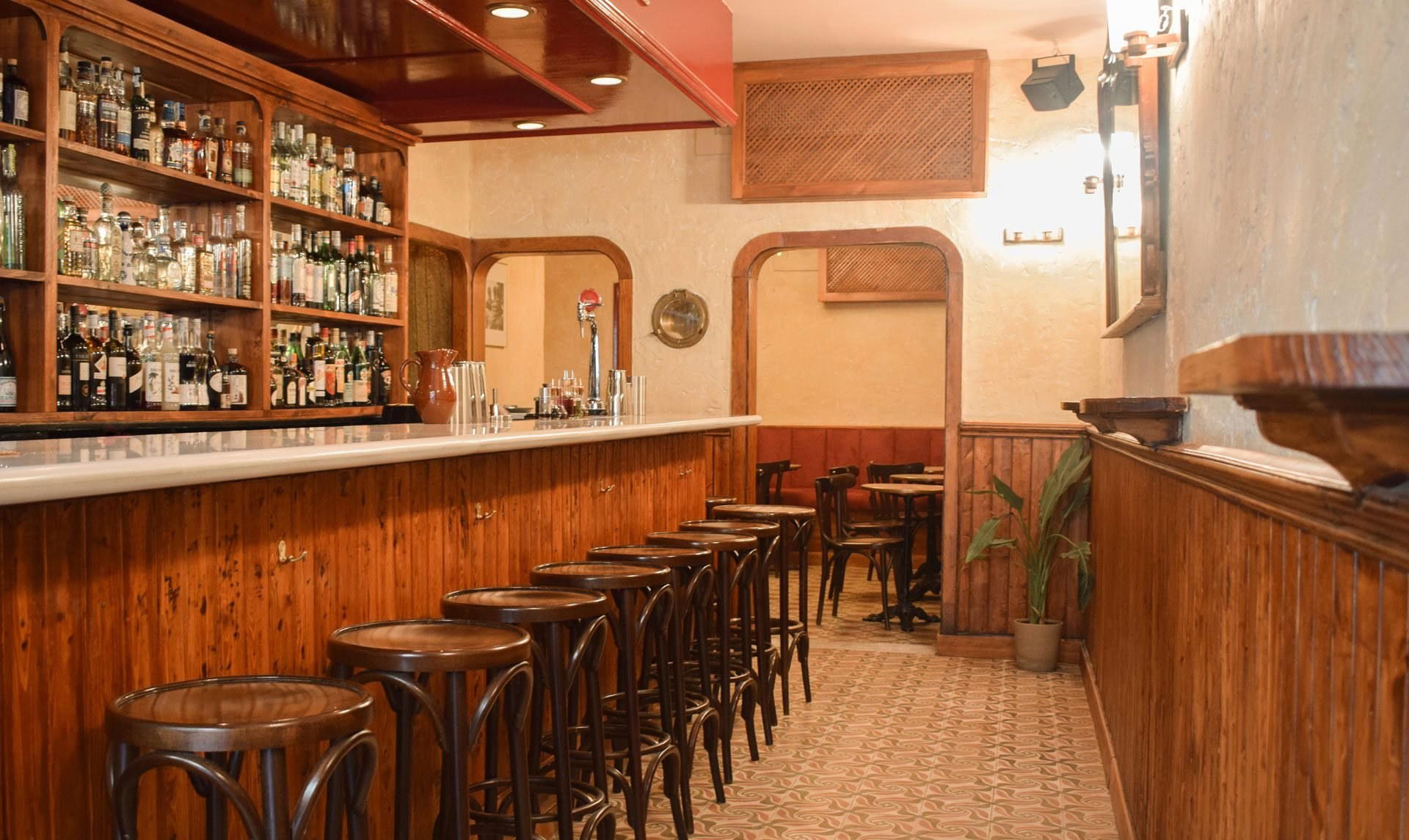
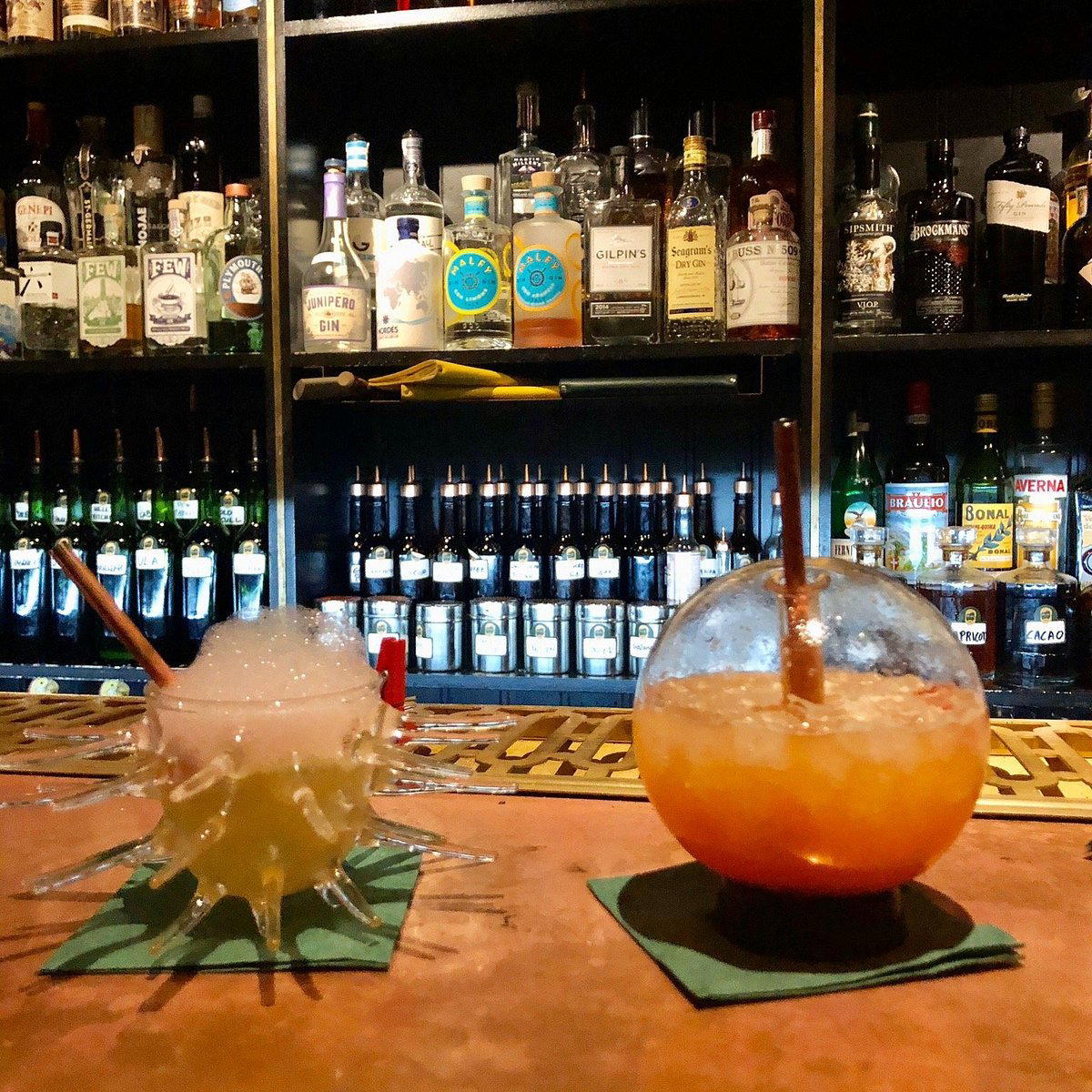
Bars in Barcelona
Browse all →
Hotels in Barcelona
Browse all →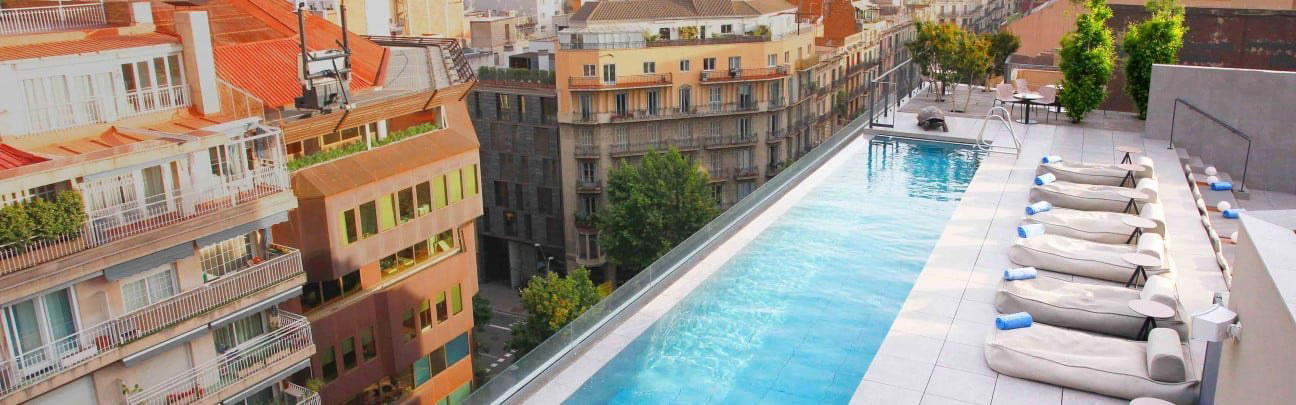
At a Glance
- Lively
- Retro
- Cozy
- Trendy
- Business Dinner
- Date Night
- Group Dining
- Late Night
- Open Kitchen
- Terrace
- Garden
- Craft Cocktails
- Garden
Current opening hours
- Monday
- Closed
- Tuesday
- 1:30–4 PM
- Wednesday
- 1:30–4 PM, 8:30–11:30 PM
- Thursday
- 1:30–4 PM, 8:30–11:30 PM
- Friday
- 1:30–4 PM, 8:30–11:30 PM
- Saturday
- 1:30–4 PM, 8:30–11:30 PM
- Sunday
- 1:30–4 PM
Hours can change for holidays and private events. Last verified .
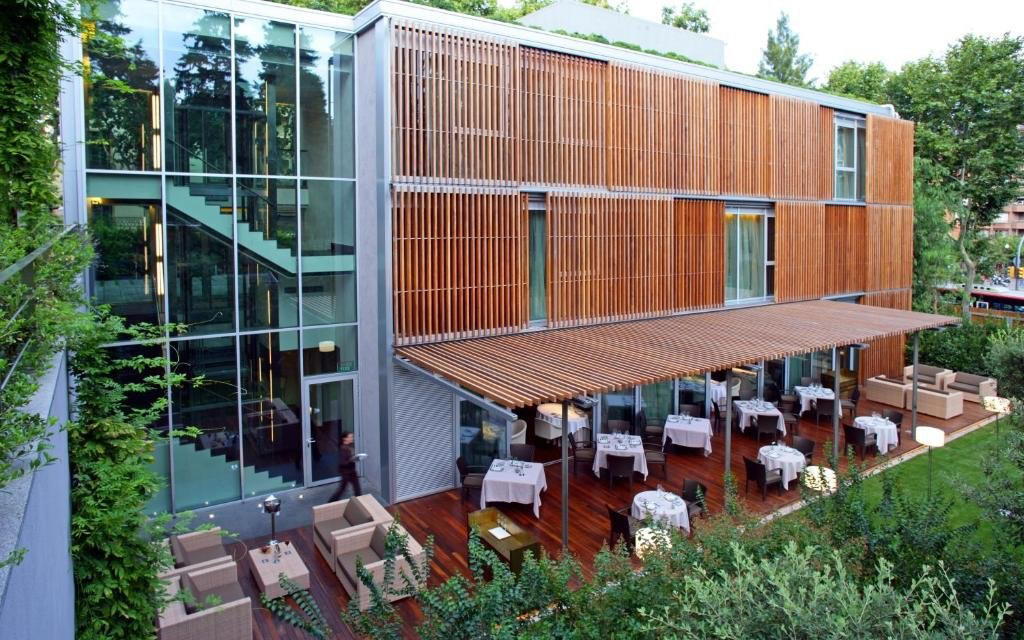
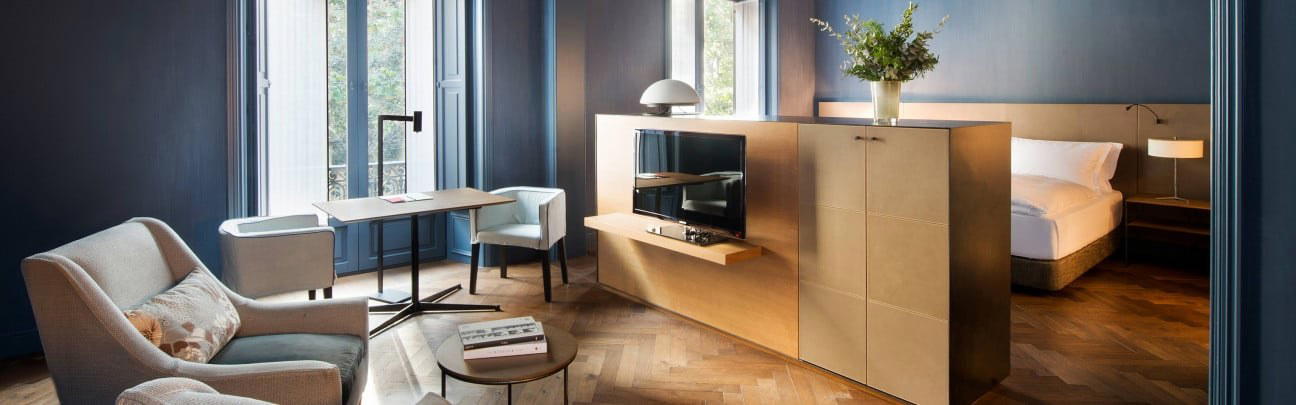
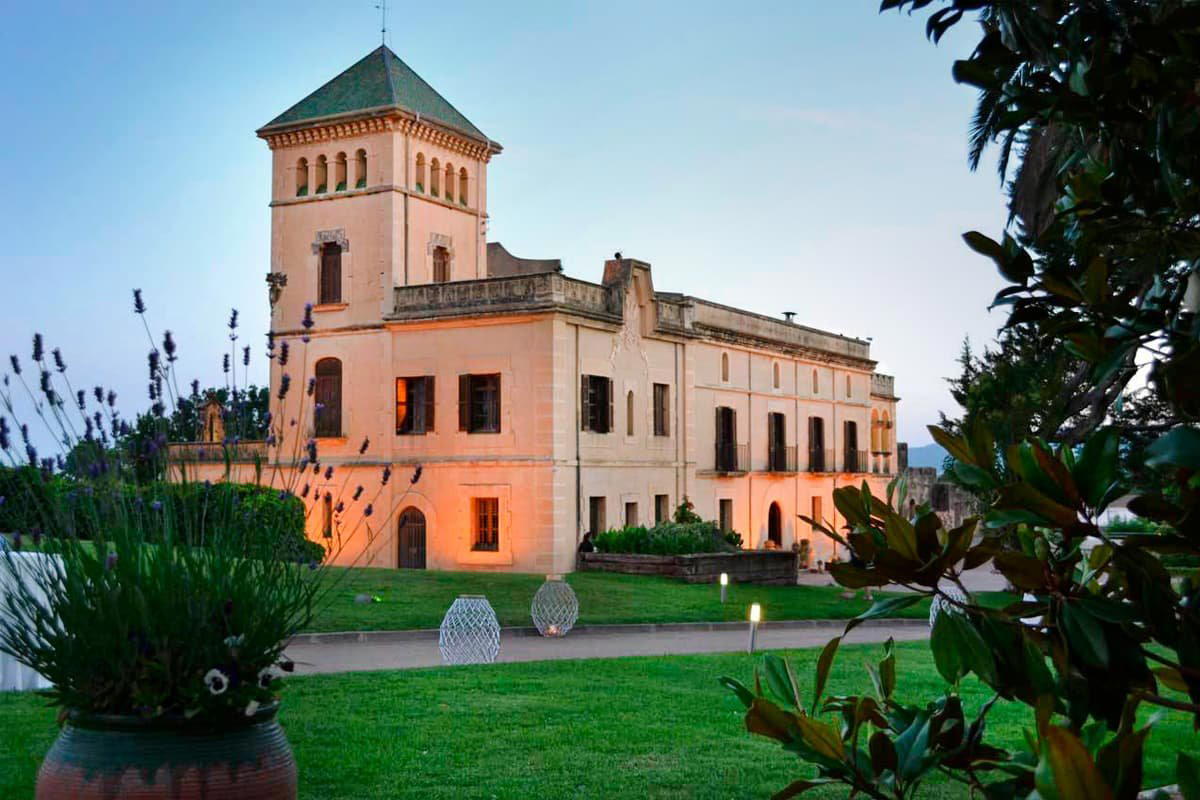
Lively 70s-inspired retro-chic interior with a warm, laughter-filled atmosphere and charming garden terrace.