Bene Assai sits in Barcelona's residential Sarrià-Sant Gervasi district, away from the dense tourist circuits of the Eixample and Gothic Quarter. The name signals Italian warmth, but the address places it firmly within one of the city's most settled, neighbourhood-driven dining scenes, the kind of area where regulars return by habit rather than occasion.
Pearl is the En Primeur Club membership app — saves, bookings, and concierge access live there. Same editors, same standards.
- Address
- Carrer del Dr. Carulla, 61, Sarrià-Sant Gervasi, 08017 Barcelona, Spain
- Phone
- +34934340677
- Website
- beneassai.com
- Directions
- Get directions
 Saves & bookings on Pearl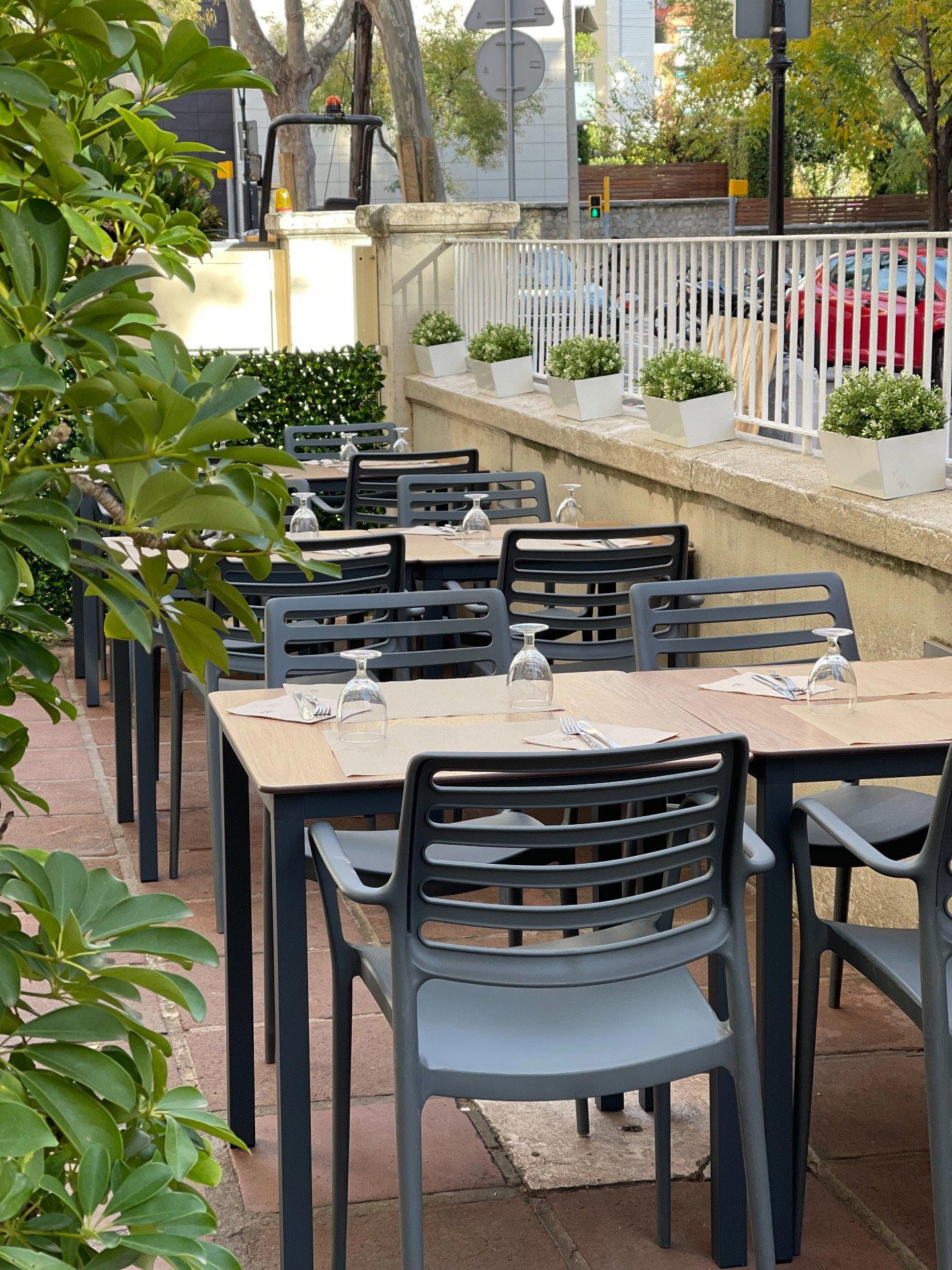
Sarrià-Sant Gervasi and the Case for Neighbourhood Dining in Barcelona
Barcelona's restaurant conversation tends to collapse around a handful of postcode clusters: the Eixample grid, where Lasarte and Enigma anchor a concentration of creative Spanish cooking, and the waterfront belt, where tourist volumes drive a different kind of offer entirely. Sarrià-Sant Gervasi, the upper residential district that fans out toward the Collserola hills, operates on a different frequency. The streets here are quieter, the architecture more domestic, the dining rooms scaled for the people who actually live nearby rather than for visitors on a two-night itinerary.
Bene Assai is an Italian Trattoria at Carrer del Dr. Carulla, 61, in Sarrià-Sant Gervasi, Barcelona. That address is not incidental detail, it tells you something meaningful about the kind of experience the neighbourhood rewards. Restaurants that survive here do so through consistency and community, not through the churn of out-of-towners who follow awards lists and move on. The competitive set is local trattorias, family-run tapas rooms, and the occasional wine-focused dining room that has built its following one repeat visit at a time.
What the Name Promises and What the District Delivers
Bene Assai draws from Italian phrasing, the name translates loosely as 'well' or 'quite well', a phrase of understated satisfaction rather than superlative claim. That register suits its surroundings. Sarrià-Sant Gervasi is one of the wealthier residential districts in the city, but it expresses that prosperity quietly: wide pavements, mature plane trees, butcher shops and patisseries that have occupied the same corners for decades. A restaurant in this neighbourhood does not need to announce itself with spectacle. It needs to be good enough that the person who lives two streets away chooses it on a Tuesday.
The broader Italian-inflected dining category in Barcelona operates across a wide range of quality tiers. At the upper end of that spectrum, restaurants in cities like this one tend to differentiate through ingredient sourcing, imported charcuterie, DOP-certified cheeses, pasta made in-house, and through the kind of service rhythm that allows a table to extend well past its nominal booking time. What the address and the district context suggest, however, is that the audience is self-selecting: residents of Sarrià-Sant Gervasi who eat out regularly and know the difference.
Atmosphere Before Anything Else
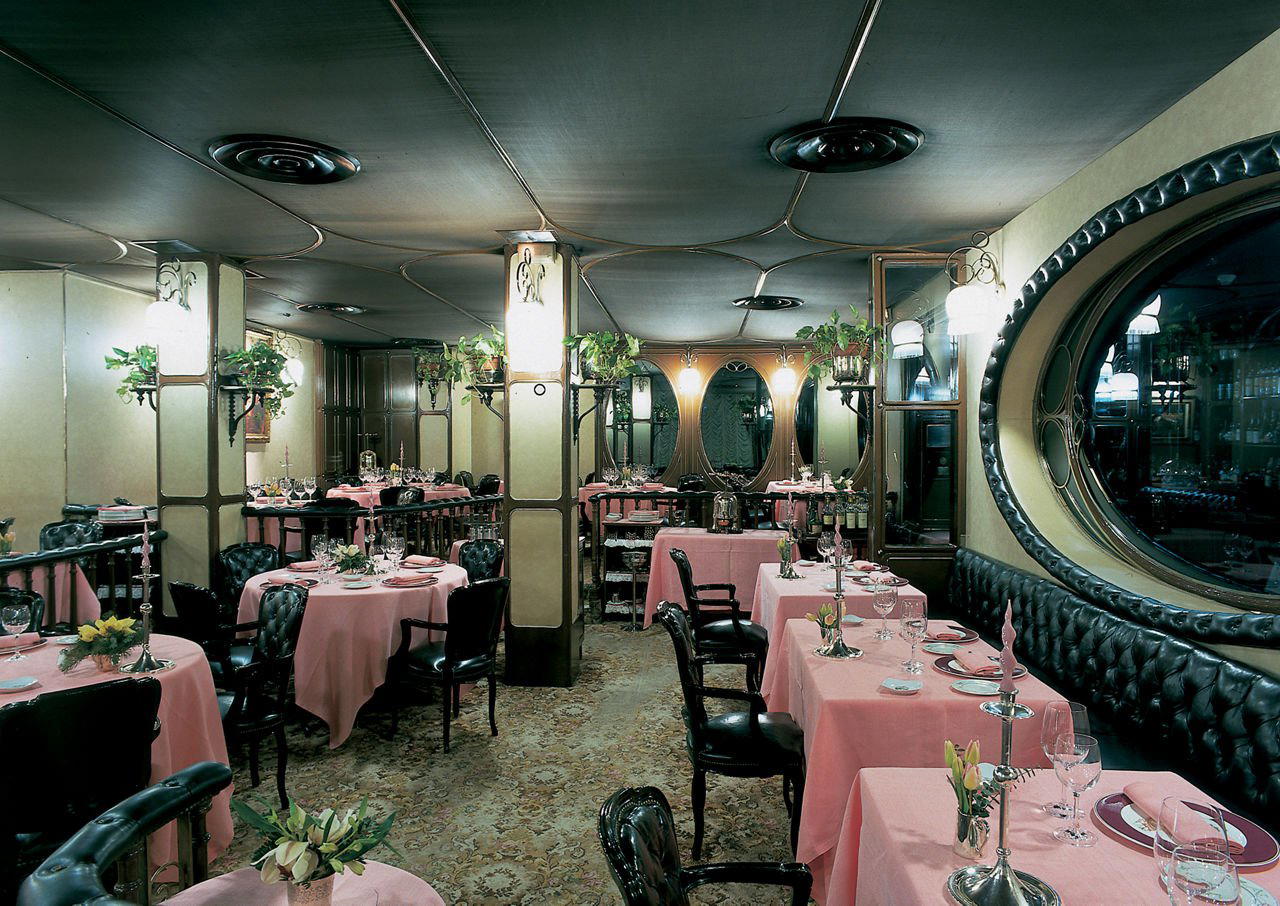
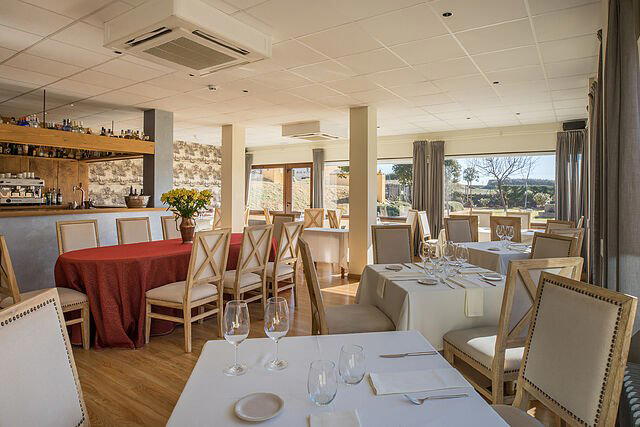
Upper Barcelona dining rooms of this character tend to share certain sensory qualities. The light comes from interior fixtures rather than window glare, these are not glass-fronted spaces performing for the street, but rooms turned inward toward their own warmth. Sound is controlled by the space itself: lower ceilings, upholstered surfaces, the particular acoustic of a room that is full but not loud. The smell that greets you on arrival, in restaurants drawing from Italian culinary tradition, is often a composite of garlic softened in good oil, fresh pasta in the pass, and whatever herbs have been working in the kitchen through the afternoon preparation window.
These observations frame what the address and format suggest. Restaurants at Dr. Carulla 61 are in a district where residents walk to dinner rather than taxi in from elsewhere. The approach to the room is a neighbourhood approach: familiar faces at the bar, the same waiter who remembers a preference. That texture, the sound of a room where people know each other, the smell of a kitchen that has been running its service for years, is precisely what distinguishes this part of Barcelona from the formal creative-dining circuit concentrated further downtown.
Barcelona's Broader Dining Range: Where Bene Assai Sits
It is useful to map the city's offer to understand where a restaurant like this occupies its niche. At the technical peak, Barcelona hosts a cluster of internationally recognised creative kitchens: Disfrutar, consistently placed among Europe's most discussed restaurants; Cocina Hermanos Torres, operating in a converted greenhouse with a format that has attracted sustained Michelin attention; and ABaC, which occupies a hotel context in the upper city with tasting-menu pricing to match. These restaurants serve a self-consciously international audience alongside a local clientele who engage with fine dining as a punctuation-mark occasion.
The mid-register neighbourhood dining room, the kind of place that does not chase awards but maintains quality through repetition and editorial restraint, is a different proposition. It serves the city differently. Spain's broader fine dining spine, from El Celler de Can Roca in Girona to Mugaritz in Errenteria to Quique Dacosta in Dénia, draws international pilgrimage. The neighbourhood restaurant draws the person who lives nearby and needs somewhere reliable for a Wednesday dinner. Both functions matter, but they are not substitutes for each other.
Internationally, the pattern holds in comparable cities. Le Bernardin in New York City or Lazy Bear in San Francisco serve as destination anchors in their respective cities, but neither is where a local goes habitually on a weeknight. The restaurant's position in Sarrià-Sant Gervasi is more akin to the latter function: a restaurant that earns its place through dependability rather than destination status.
For those building a Barcelona itinerary around the city's creative restaurants, comparisons with restaurants further afield in Spain such as Arzak in San Sebastián, Martin Berasategui in Lasarte-Oria, Aponiente in El Puerto de Santa María, DiverXO in Madrid, Ricard Camarena in València, and Azurmendi in Larrabetzu. Those restaurants represent a different tier and a different kind of dining. Atrio in Cáceres adds a further regional dimension to any survey of Spain's serious dining rooms.
Know Before You Go
Address: Carrer del Dr. Carulla, 61, Sarrià-Sant Gervasi, 08017 Barcelona, Spain
District: Sarrià-Sant Gervasi, upper residential Barcelona
Phone: not listed
Website: not listed
Hours: Mon to Sun, 1 to 4 PM and 8 to 11 PM
Booking: Reservations are recommended
Getting there: The restaurant is at Carrer del Dr. Carulla, 61, Sarrià-Sant Gervasi, Barcelona.
What It’s Closest To
Comparable venues nearby, for context on price, style, and recognition.
| Venue | Cuisine | Price | Notes |
|---|---|---|---|
| Bene AssaiThis venue — the venue you are viewing | Italian Trattoria | $$ | Not listed |
| Pizzeria Av. Corrientes | Argentine Pizzeria | $$ | la Maternitat i Sant Ramon |
| Vapiano Ramblas | Handmade Italian Pasta & Pizza | $$ | Barri Gotic |
| Delias Pizza | Greek-Italian Pizza | $$ | Sant Antoni |
| La Balmesina | Modern Neapolitan Pizza | $$ | Sant Gervasi - Galvany |
| Ana's | Italian Restaurant & Cocktail Bar | $$ | Eixample |
Continue exploring
More in Barcelona
Restaurants in Barcelona
Browse all →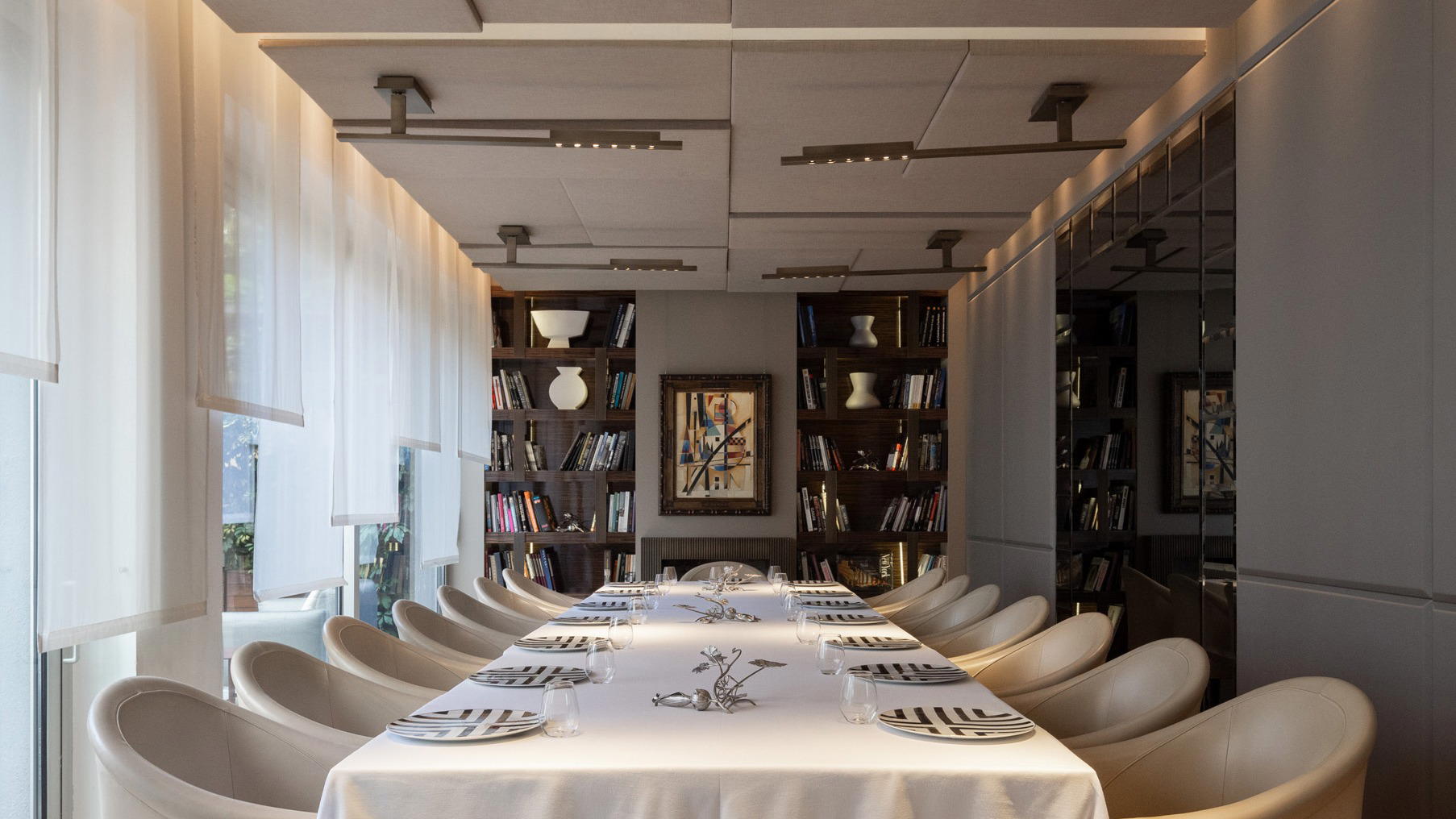
Bars in Barcelona
Browse all →
Hotels in Barcelona
Browse all →
At a Glance
- Casual
- Classic
- Casual Hangout
- Group Dining
- Family
- Terrace
Current opening hours
- Monday
- 1–4 PM, 8–11 PM
- Tuesday
- 1–4 PM, 8–11 PM
- Wednesday
- 1–4 PM, 8–11 PM
- Thursday
- 1–4 PM, 8–11 PM
- Friday
- 1–4 PM, 8–11 PM
- Saturday
- 1–4 PM, 8–11 PM
- Sunday
- 1–4 PM, 8–11 PM
Hours can change for holidays and private events. Last verified .
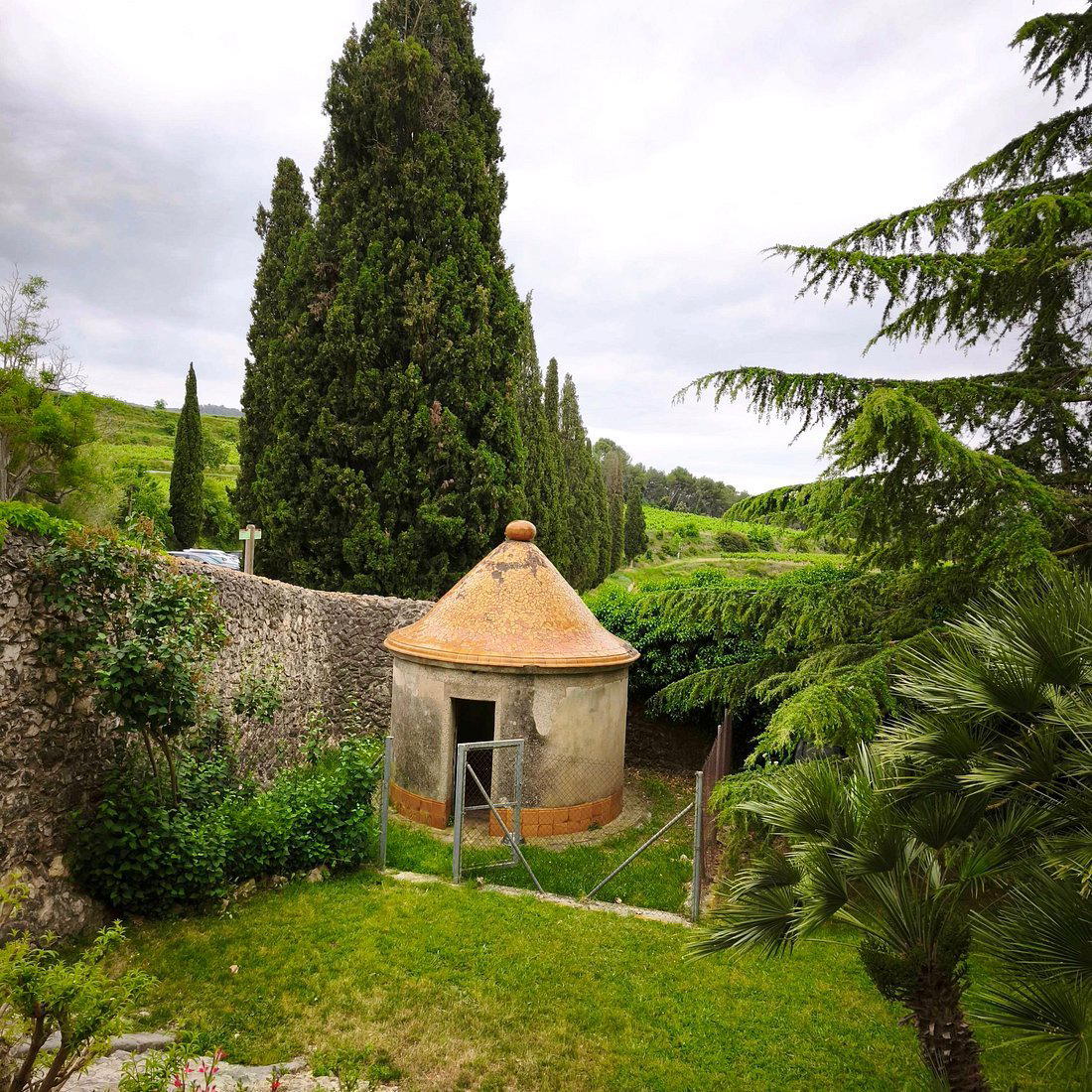
Informal and casual atmosphere, frequented by young people at night; comfortable terrace seating available for summer dining.