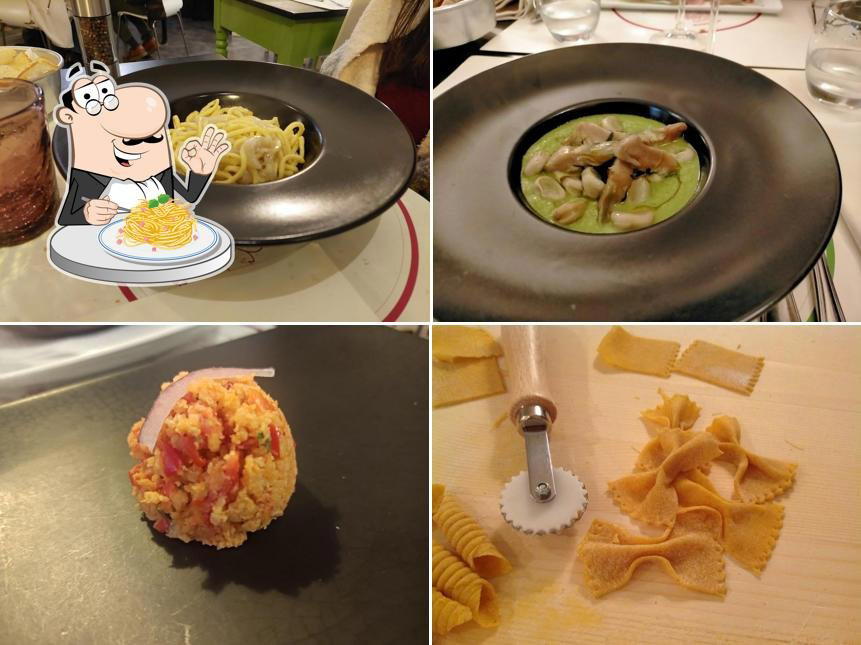
On a medieval street in Perugia's historic centre, Ristorante Al Tartufo makes the case that Umbria's most prized ingredient deserves a dedicated address. The kitchen draws on the region's truffle-foraging tradition, positioning the restaurant within a city where ingredient sourcing and seasonal specificity define serious dining. For visitors arriving from Rome or Florence, it offers a distinctly Umbrian register.
Pearl is the En Primeur Club membership app — saves, bookings, and concierge access live there. Same editors, same standards.
- Address
- Via Ulisse Rocchi, 4, 06123 Perugia PG, Italy
- Phone
- +39755734809
- Website
- altartufo.it
- Directions
- Get directions
 Saves & bookings on Pearl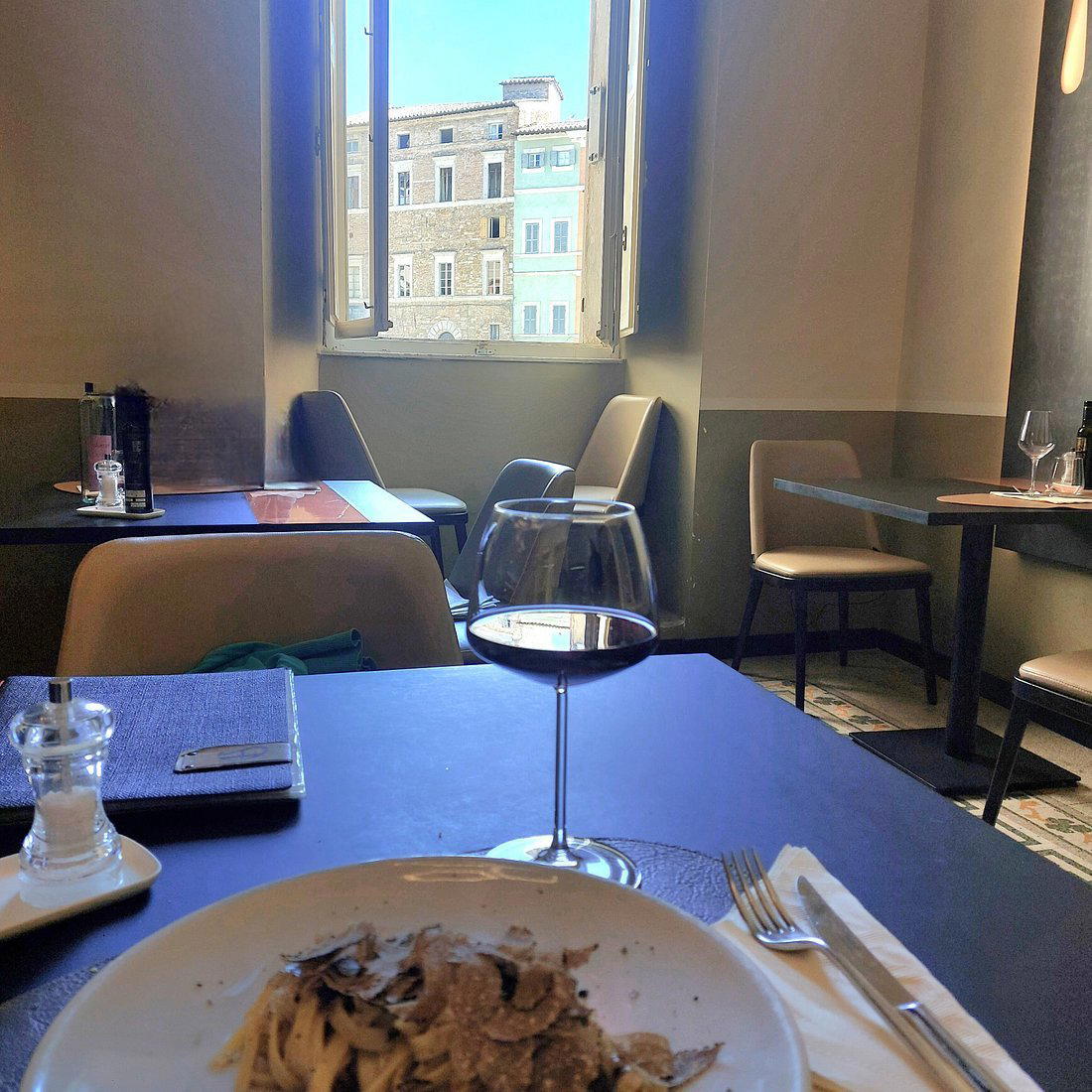
Where the Ingredient Is the Argument
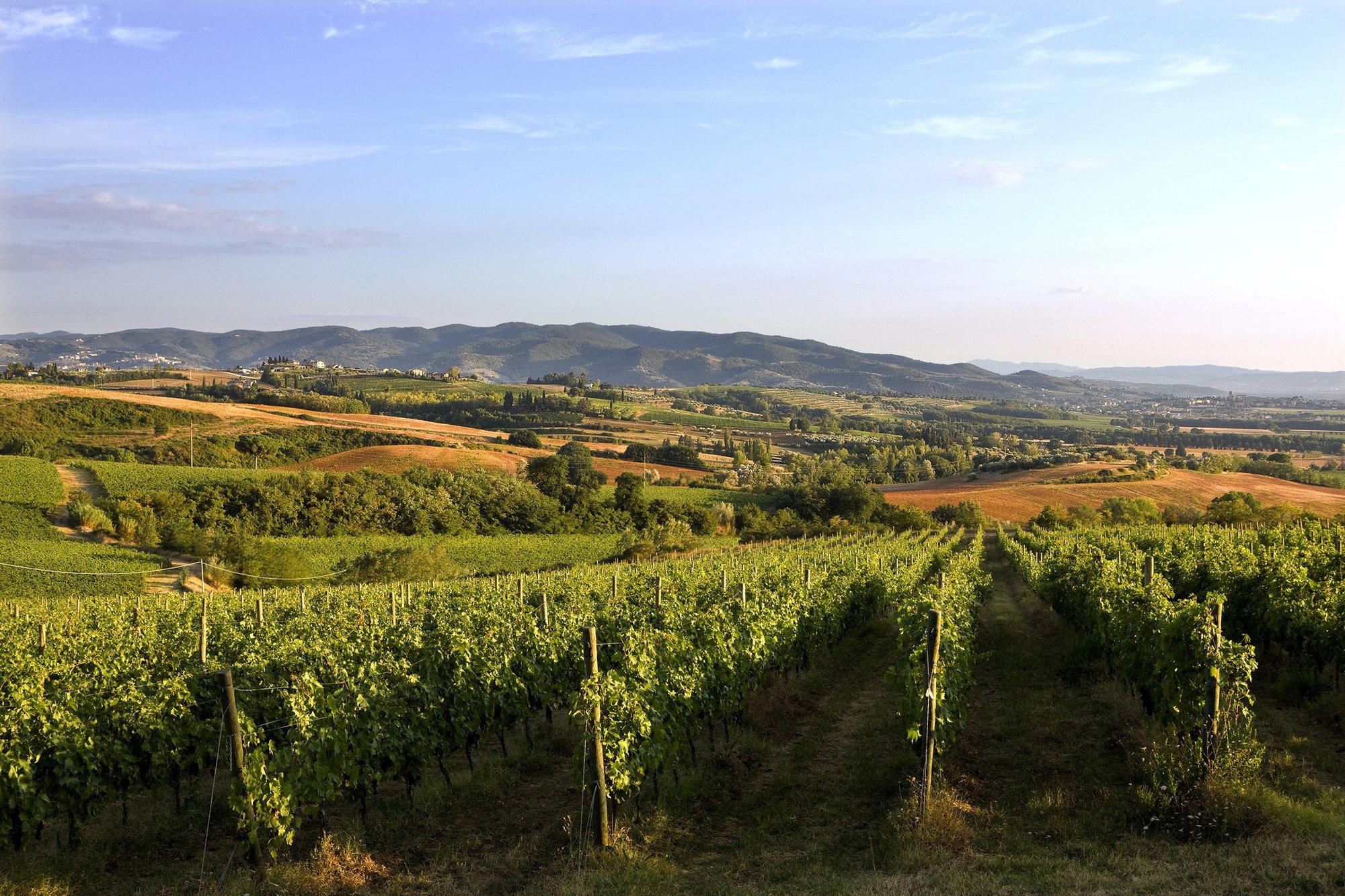
Umbria does not have Tuscany's marketing operation, and Perugia does not have Florence's footfall. What the region has, in quantities that few Italian territories can match, is black truffle. The forests around Norcia, Spoleto, and the Valnerina produce Tuber melanosporum and Tuber aestivum at a scale that has shaped local cooking for centuries, and the proximity of those foraging grounds to Perugia's hillside centro storico is the central fact behind any serious truffle-focused kitchen in the city. Ristorante Al Tartufo, at Via Ulisse Rocchi 4, occupies a position in Perugia's dining scene defined almost entirely by that geographic reality.
Walking up Via Ulisse Rocchi from the lower city, the medieval stone narrows and the street quiets. The restaurant sits within this architecture, in a part of Perugia that has looked essentially the same since the thirteenth century. The physical environment frames what follows: cooking rooted in a specific territory, dependent on seasonal supply chains that predate the modern restaurant industry by several hundred years.
Umbrian Truffle and the Question of Sourcing
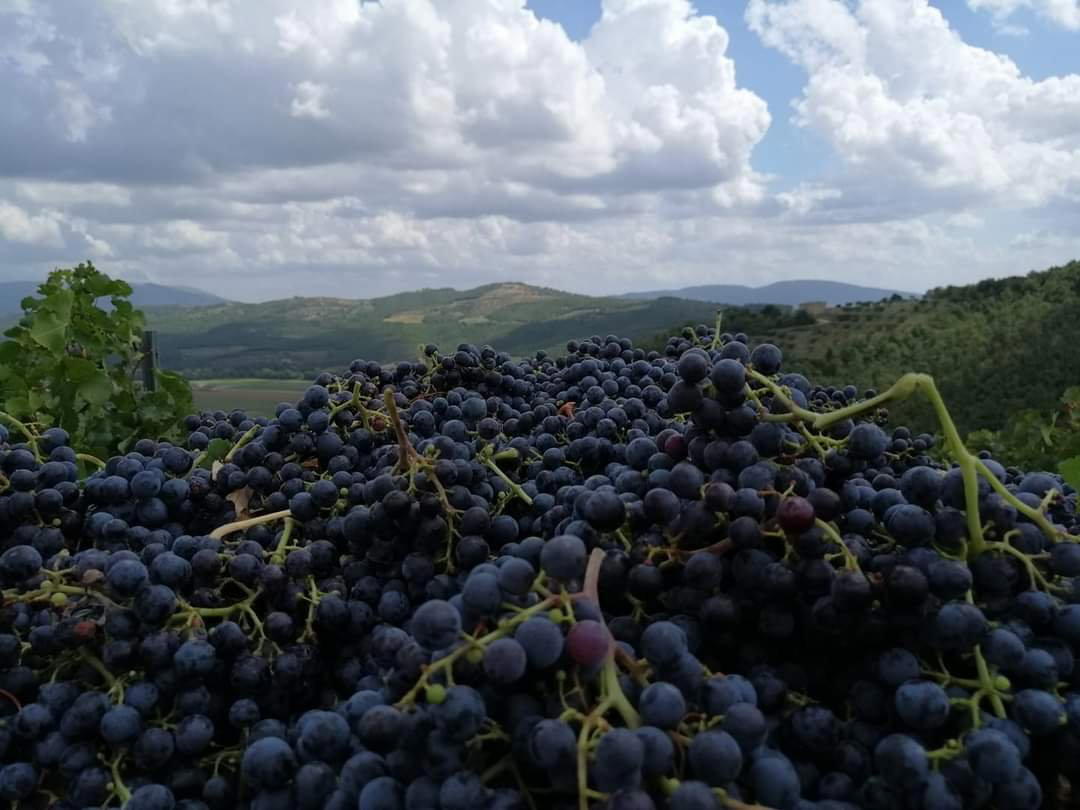
The truffle economy in Umbria operates differently from the white truffle market centred on Alba. Piedmont's white truffle, Tuber magnatum pico, commands auction prices that can exceed several thousand euros per kilogram and reaches restaurants through a highly publicised, often speculative supply chain. Umbrian black truffle is more stable, more local, and more integrated into everyday cooking rather than positioned purely as luxury occasion. A kitchen named for the ingredient in a city like Perugia is making a claim about sourcing proximity: the supply is local, seasonal, and tied to a foraging tradition that runs through families rather than wholesale markets.
This matters because truffle quality degrades quickly after harvest. The difference between truffle used within 48 hours of leaving the ground and truffle that has travelled through a distributor network for a week is not subtle. Kitchens in truffle-producing regions have a structural advantage over urban restaurants in Rome or Milan that source the same ingredient from further away, and that advantage is the primary editorial argument for seeking out truffle-focused restaurants in Umbria rather than in the country's larger cities. Dishes that would read as luxury supplements on a menu in London or New York function here as expressions of the local larder.
Perugia's restaurant scene spans a range of formats and price points. At the higher end, Ada operates a creative programme priced at €€€€, while L'Acciuga represents contemporary cooking at the €€€ tier. More accessibly, Il Giurista and L'Officina both work at €€, and Cedri anchors the Italian trattoria tradition in the city. Al Tartufo fits within this ecosystem as a specialist address: its identity is ingredient-led rather than technique-led, which places it in a different conversation from the city's creative or contemporary kitchens.
The Broader Italian Truffle Restaurant Context
Across Italy, particularly decorated kitchens have found different ways to work with truffle. Piazza Duomo in Alba uses it as one element within a highly composed tasting format. Osteria Francescana in Modena integrates seasonal ingredients including truffle into conceptual dishes where the sourcing narrative is part of the plate's meaning. At Dal Pescatore in Runate and Le Calandre in Rubano, regional identity and ingredient provenance are central to kitchen philosophy even across multi-course formats. The distinction at an Umbrian specialist like Al Tartufo is that truffle is not a seasonal highlight within a broader menu architecture: it is the premise.
That premise connects to a tradition of ingredient-led cooking that Italian dining has always maintained alongside its technique-forward tier. Reale in Castel di Sangro makes a similar argument from Abruzzo, and Uliassi in Senigallia does so from the Adriatic coast. In each case, geographic specificity is the kitchen's competitive position. For restaurants referencing Umbrian terroir, the truffle supply chain is not a procurement decision but a defining characteristic of place.
Planning a Visit
Perugia sits roughly 170 kilometres north of Rome and is accessible by train to Fontivegge station, with a Minimetrò connecting the lower city to Piazza Italia at the summit of the historic centre. Via Ulisse Rocchi runs through the centro storico, within walking distance of Piazza IV Novembre and the Palazzo dei Priori. Given the restaurant's name and positioning, the strongest season to visit is the winter black truffle period, running roughly from December through February, when Tuber melanosporum is at peak availability from the surrounding forests. The summer truffle (Tuber aestivum) extends the season into warmer months but carries a less pronounced flavour profile. Booking in advance is advisable during the winter truffle season, when demand from visitors specifically seeking Umbrian black truffle concentrates at specialist addresses.
Enoteca Pinchiorri in Florence, Enrico Bartolini in Milan, or, at the furthest geographic remove, ingredient-obsessed kitchens like Atelier Moessmer Norbert Niederkofler in Brunico.
Le Bernardin in New York City or Atomix in New York City illustrates why sourcing proximity remains one of the strongest arguments for eating truffle dishes in the region that produces them, rather than at restaurants that import the ingredient across a continent or an ocean. Quattro Passi in Marina del Cantone makes a comparable argument from the Amalfi coast for its own local larder. The logic is consistent: when the ingredient defines the kitchen, geography defines the argument.
Fast Comparison
Comparable venues nearby, for context on price, style, and recognition.
| Venue | Cuisine | Price | Awards | Notes |
|---|---|---|---|---|
| Ristorante Al TartufoThis venue — the venue you are viewing | Italian Truffle Specialty | $$$ | Not listed | Not listed |
| Cedri | Modern Umbrian Fine Dining | $$$$ | Not listed | Boschetto Vecchio |
| L'Officina | Modern Italian Fine Dining | $$ | Michelin Plate | Corso Cavour |
| Ada | Modern Italian Fine Dining | $$$ | Michelin 1 Star | historic centre |
| Il Giurista | Refined Umbrian Trattoria | $$$ | Michelin Plate | Historic Center |
| L'Acciuga | Contemporary Italian | $$$ | Michelin 1 Star | outskirts |
Continue exploring
More in Perugia
Restaurants in Perugia
Browse all →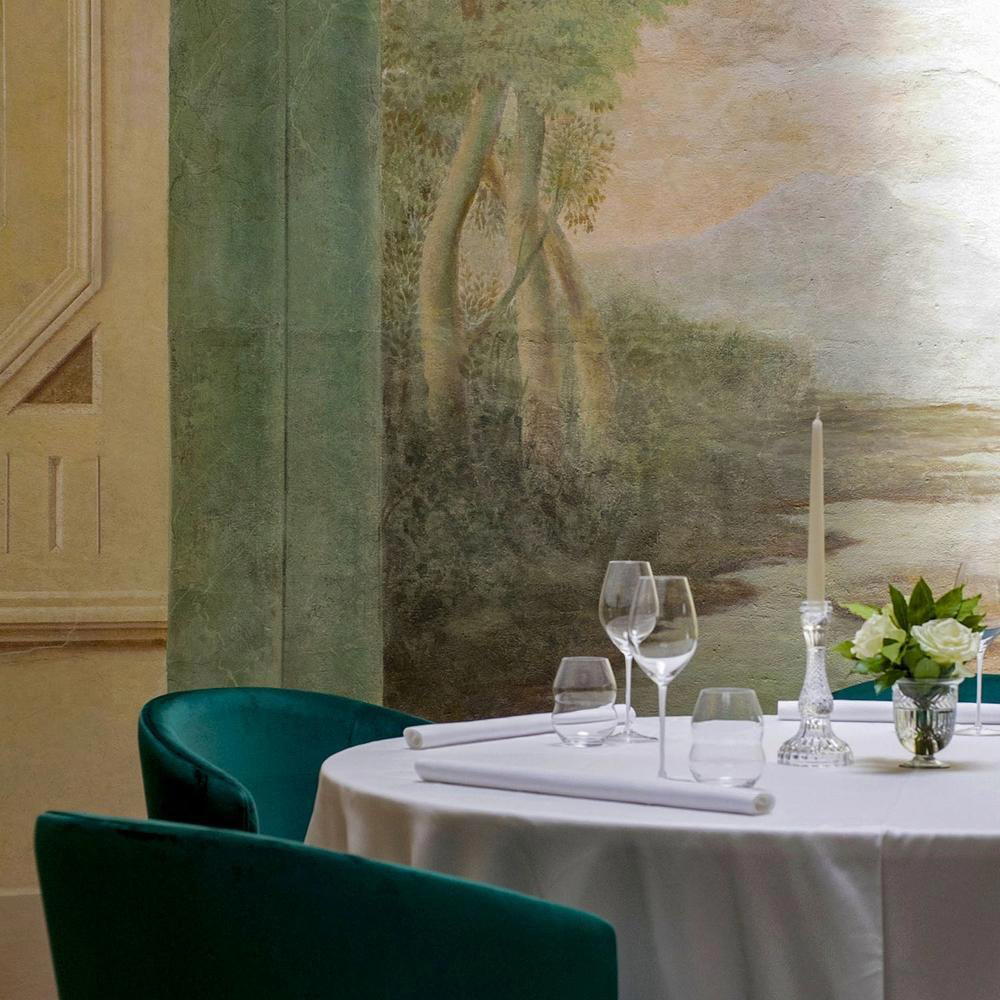
Bars in Perugia
Browse all →
Hotels in Perugia
Browse all →

At a Glance
- Cozy
- Elegant
- Intimate
- Romantic
- Date Night
- Special Occasion
- Celebration
- Private Dining
- Terrace
- Extensive Wine List
- Street Scene
Current opening hours
- Monday
- 7:30–10:30 PM
- Tuesday
- 7:30–10:30 PM
- Wednesday
- 7:30–10:30 PM
- Thursday
- 7:30–10:30 PM
- Friday
- 7:30–10:30 PM
- Saturday
- 12:30–2:30 PM, 7:30–11 PM
- Sunday
- 12:30–2:30 PM, 7–11 PM
Hours can change for holidays and private events. Last verified .
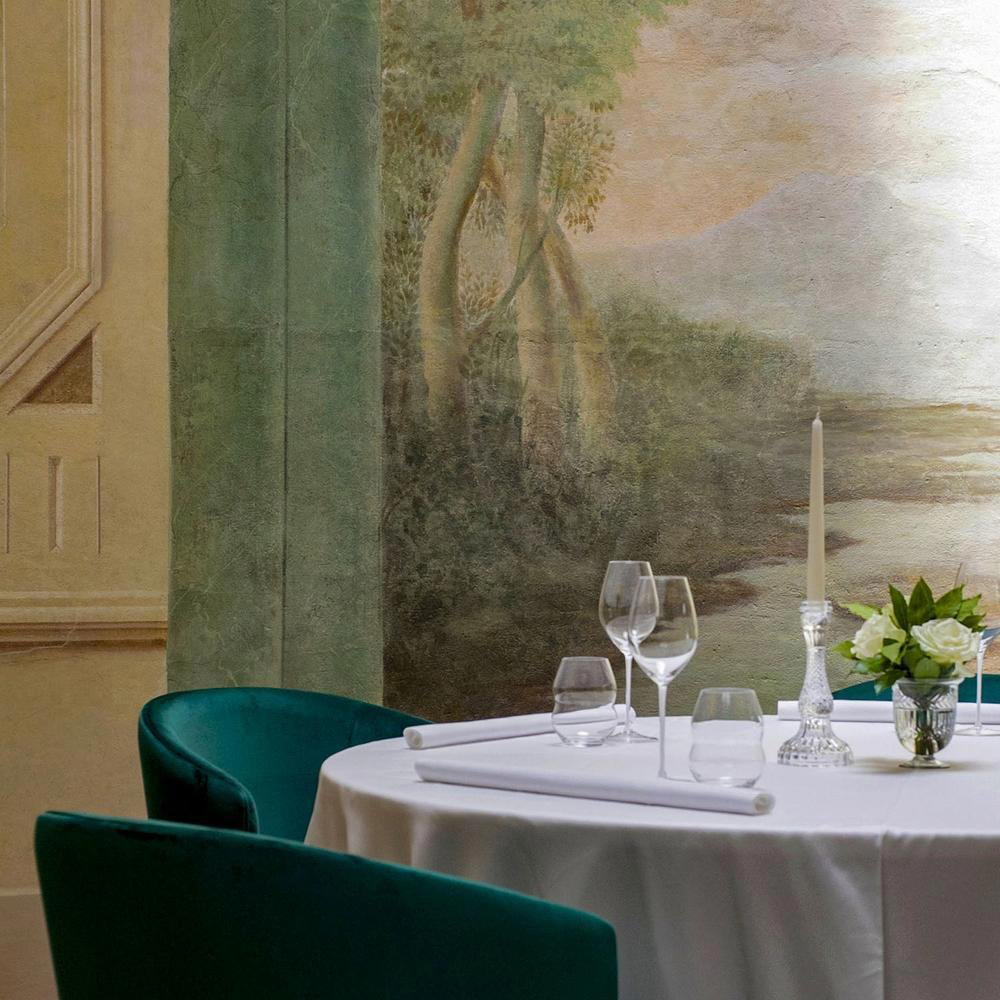
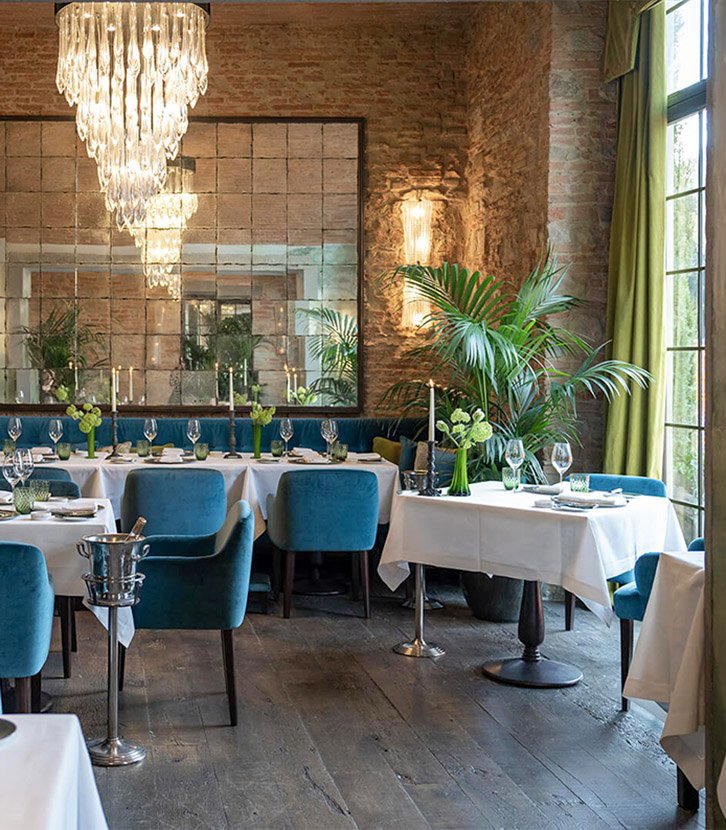
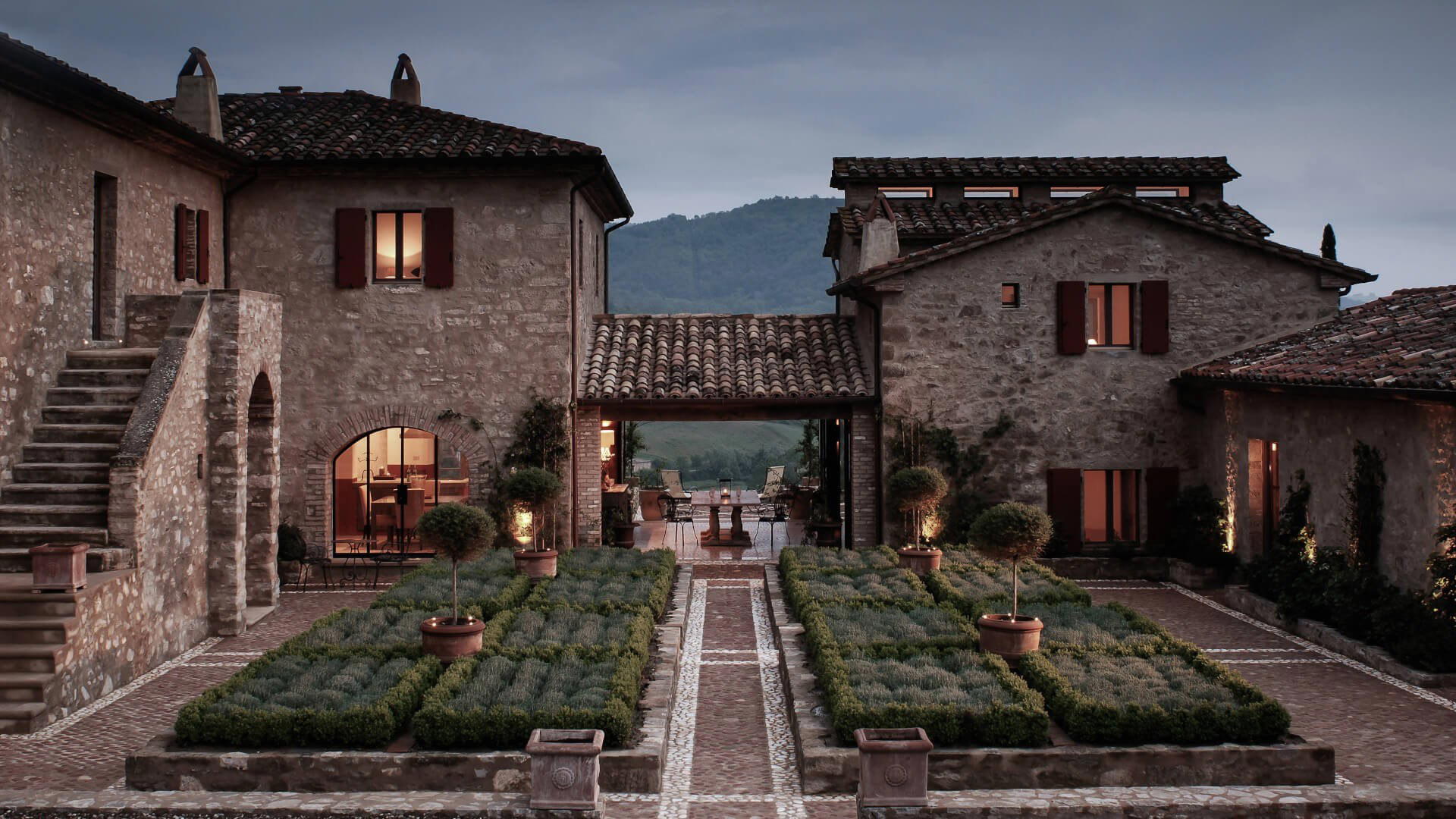
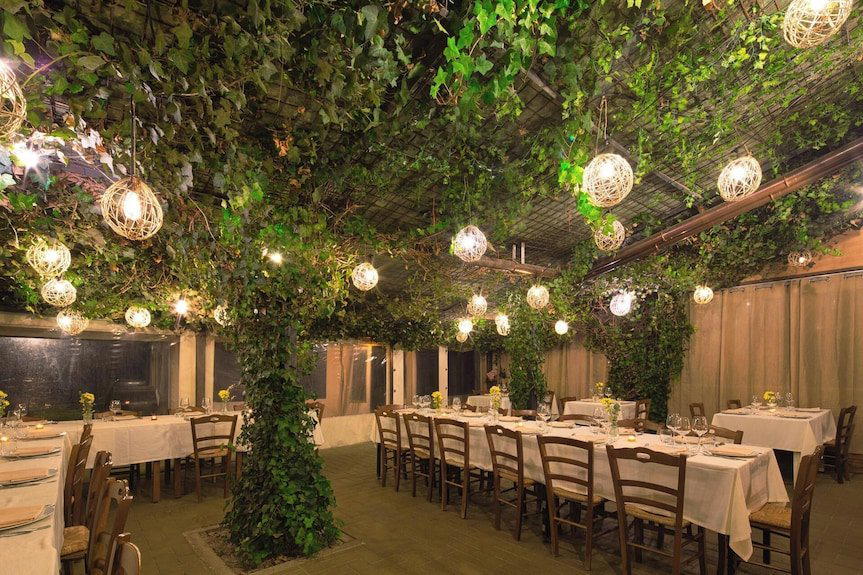
Intimate and elegant with cozy brick archways, refined atmosphere ideal for romantic dinners and special occasions.