Rikus
Our verdict
Rikus sits on Hoofdstraat in the small Drenthe village of Eext, operating in a Dutch rural dining tradition where proximity to agricultural land shapes what reaches the table. In a country whose most decorated restaurants increasingly anchor their identity to regional sourcing, Eext's scale and setting place Rikus at the quieter, more grounded end of that spectrum. For our full Eext restaurants guide, see the EP Club city page.

Pearl is the En Primeur Club membership app — saves, bookings, and concierge access live there. Same editors, same standards.
The menu
What to order
- Gepocheerde snoekbaars met gestoofde prei
A Village Address in the Dutch Rural Dining Tradition
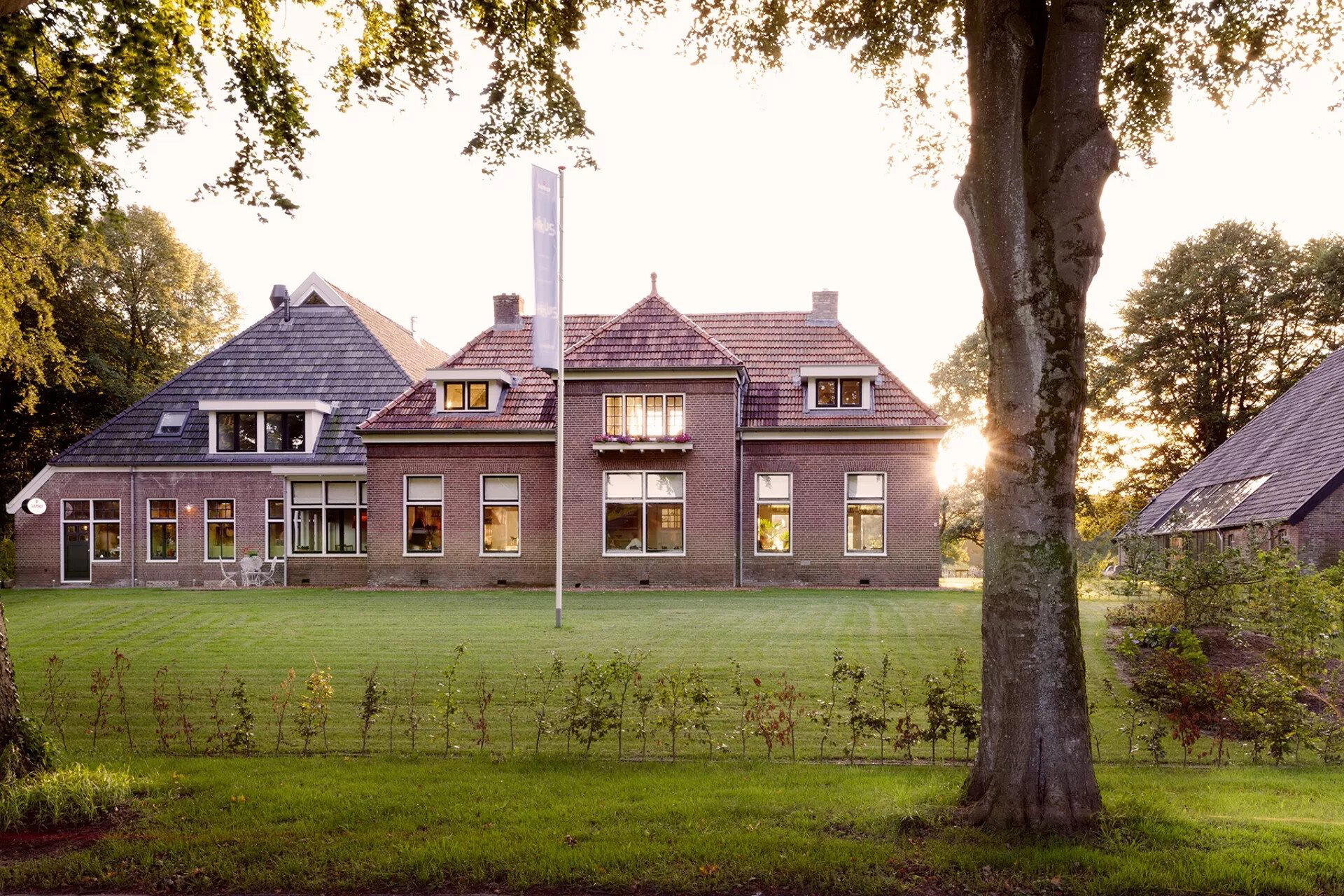
The Netherlands has developed a pronounced habit of placing serious kitchens in unexpected postcodes. Some of the country's most discussed restaurants operate from converted farmhouses, canal-side villages, and market towns whose names mean little to international visitors until a reservation makes them significant. Eext, a small settlement in the province of Drenthe, belongs to that pattern. Drenthe is agricultural in character, its landscape defined by heath, forest, and working farms rather than urban density, and that geography has a direct bearing on what a kitchen situated here can draw from its immediate surroundings. Rikus, addressed at Hoofdstraat 10, occupies this context: a restaurant in a village where the supply chain between field and plate is measured in kilometres rather than supply-chain spreadsheets.
That physical proximity to source is the defining condition of rural Dutch fine dining, and it separates venues like this from their city counterparts in ways that go beyond aesthetics. Where Amsterdam restaurants such as Ciel Bleu in Amsterdam operate against an urban supplier network and international logistics, a Drenthe kitchen has the option, and arguably the obligation, to work with what the surrounding province produces directly. Drenthe's agricultural output includes dairy, root vegetables, game, and grain, a quietly varied pantry that informs the identity of any kitchen willing to engage with it seriously.
Ingredient Sourcing as Structural Logic, Not Marketing
Across the Netherlands, ingredient sourcing has shifted from a differentiator to a baseline expectation among higher-end restaurants. The trajectory is visible at the decorated end of the market: De Nieuwe Winkel in Nijmegen, with its organic and plant-forward sourcing model, holds Michelin recognition partly because its supply logic is coherent and documented. De Librije in Zwolle, operating at the top of the Dutch price bracket, has long worked regional and seasonal produce into a menu that reads as modern but draws from local agricultural relationships built over decades. What these restaurants share is a structural commitment to sourcing that predates the plate — decisions made before a dish is conceived, not after.
In a village the size of Eext, that logic becomes even more concentrated. The supply radius shrinks, the number of intermediaries decreases, and the seasonal availability of ingredients becomes less a creative constraint than the actual shape of the menu. Kitchens in this position either work with that reality or work against it; those that lean into it tend to produce food that has a legibility to it, a sense that the dish explains where it comes from without needing a server's narration. The Dutch northeast, Groningen and Drenthe together, has enough agricultural specificity — the dark peat soils, the local dairy practices, the game available from surrounding heathland, to support a kitchen that wants to be genuinely of its place.
This is the tradition in which venues like De Groene Lantaarn in Staphorst and De Lindenhof in Giethoorn have built reputations: rural Dutch restaurants whose geographic position is an ingredient in itself, not incidental to their identity. Rikus occupies a similar structural position, even if its current profile sits at a quieter register than those Michelin-documented peers.
What the Setting Signals Before You Sit Down
Approaching a restaurant in a village like Eext involves a different set of sensory cues than arriving at an urban destination. There is no restaurant row, no queue of competing signs, no ambient noise from adjacent venues. Hoofdstraat is a main street in the Dutch village sense: modest in scale, residential in character, with the kind of quiet that makes a lit window at dinner service feel deliberate. The building's presence on that street does the signalling that a city address would outsource to neighbourhood reputation and foot traffic. In this format, regulars are often drawn from within a comfortable driving radius, the regional rather than metropolitan catchment that defines so many of the Netherlands' best-regarded rural kitchens.
That catchment model is worth understanding for anyone planning a visit. Rural Dutch dining at this level is rarely an impulse decision; it requires intent, a degree of journey planning, and the expectation that the experience is the destination rather than part of a broader urban itinerary. Visitors who have organised trips around Inter Scaldes in Kruiningen or Brut172 in Reijmerstok will recognise the logic: the journey is part of the meal's framing, and arriving from a distance signals a level of commitment that shapes how an evening registers.
Rural Dutch Dining in a Broader Dutch Context
The Netherlands' decorated restaurant scene has always had a strong rural and small-town component. Restaurants in villages and secondary cities hold a disproportionate share of the country's Michelin stars relative to their population, a pattern that reflects both the density of serious kitchens outside Amsterdam and the Dutch appetite for driving distances that would seem significant in more urbanised markets. Tribeca in Heeze, De Treeswijkhoeve in Waalre, and De Lindehof in Nuenen are all examples of kitchens that hold national-level reputations from addresses that require deliberate travel. Aan de Poel in Amstelveen, though technically adjacent to Amsterdam, operates in a similar mode: the destination matters more than the location's convenience.
Internationally, the comparison point is the committed rural kitchen that earns its audience through specificity rather than accessibility. Le Bernardin in New York City and Atomix in New York City represent the urban end of the precision-dining spectrum, densely booked, internationally recognised, operating in cities where the audience arrives without requiring a journey. A restaurant in Eext operates at the opposite coordinate: smaller audience, shorter supply lines, quieter setting, and a different relationship between kitchen and community. Neither model is inherently superior; they are answers to different questions about what a restaurant is for.
For further reading on the Dutch rural dining tradition and other restaurants worth considering in the region, see our full Eext restaurants guide. Those planning a broader Dutch northeast itinerary might also consider FG - François Geurds in Rotterdam, 't Nonnetje in Harderwijk, De Bokkedoorns in Overveen, and 't Amsterdammertje in Loenen aan de Vecht as part of a route that maps the full range of Dutch serious dining, from coastal to provincial, from Michelin-documented to locally embedded.
Planning a Visit
Rikus is located at Hoofdstraat 10, 9463 PC Eext, in the Dutch province of Drenthe. As with most rural Dutch restaurant addresses, arriving by car is the practical approach; public transport connections to a village of Eext's size are limited, and the nearest major town, Assen, is the logical staging point for visitors coming from further afield. Pricing information is similarly unconfirmed at this time.
Frequently asked questions
Is Rikus okay with children?
Village restaurants in Drenthe typically operate at a more relaxed pace than city-centre fine-dining rooms, which tends to make them more accommodating for families. Calling ahead or checking directly with the restaurant before arriving with young children is advisable for any rural Dutch address at this level.
What's the vibe at Rikus?
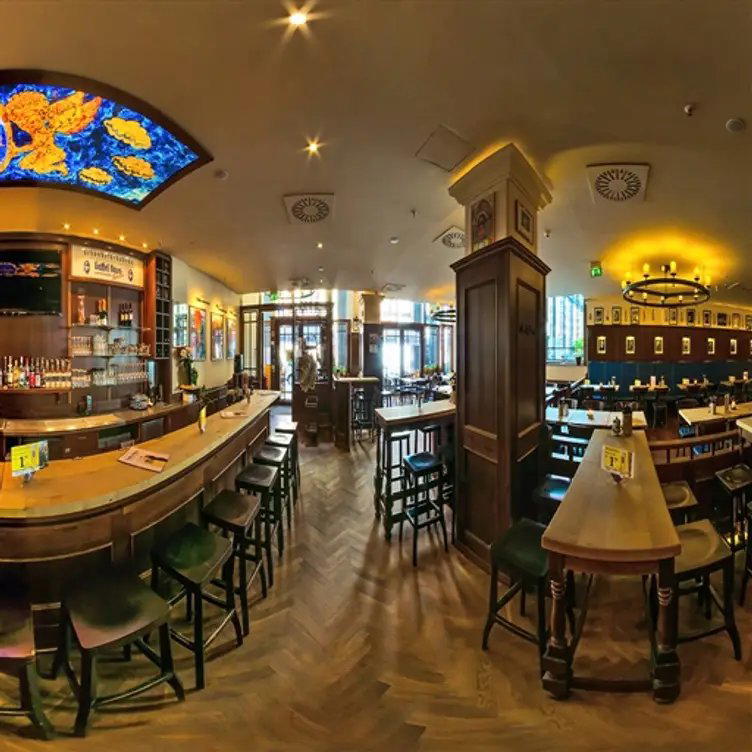
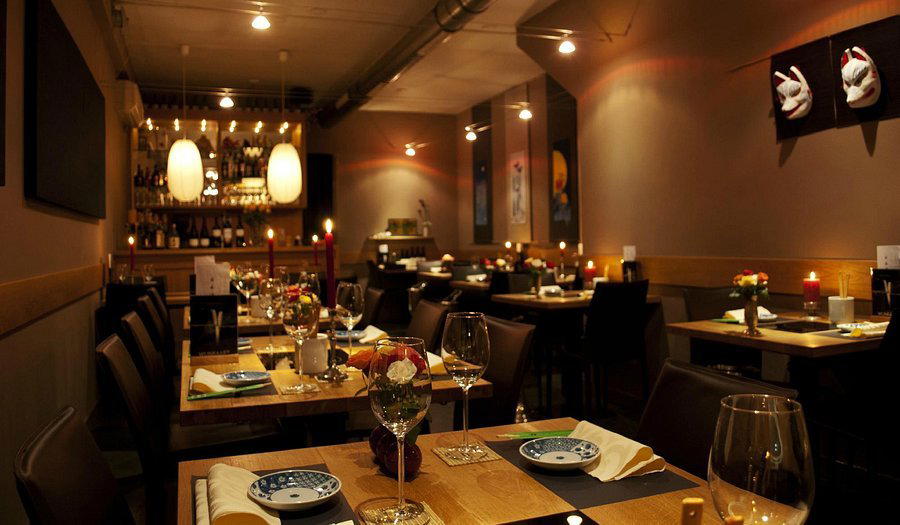
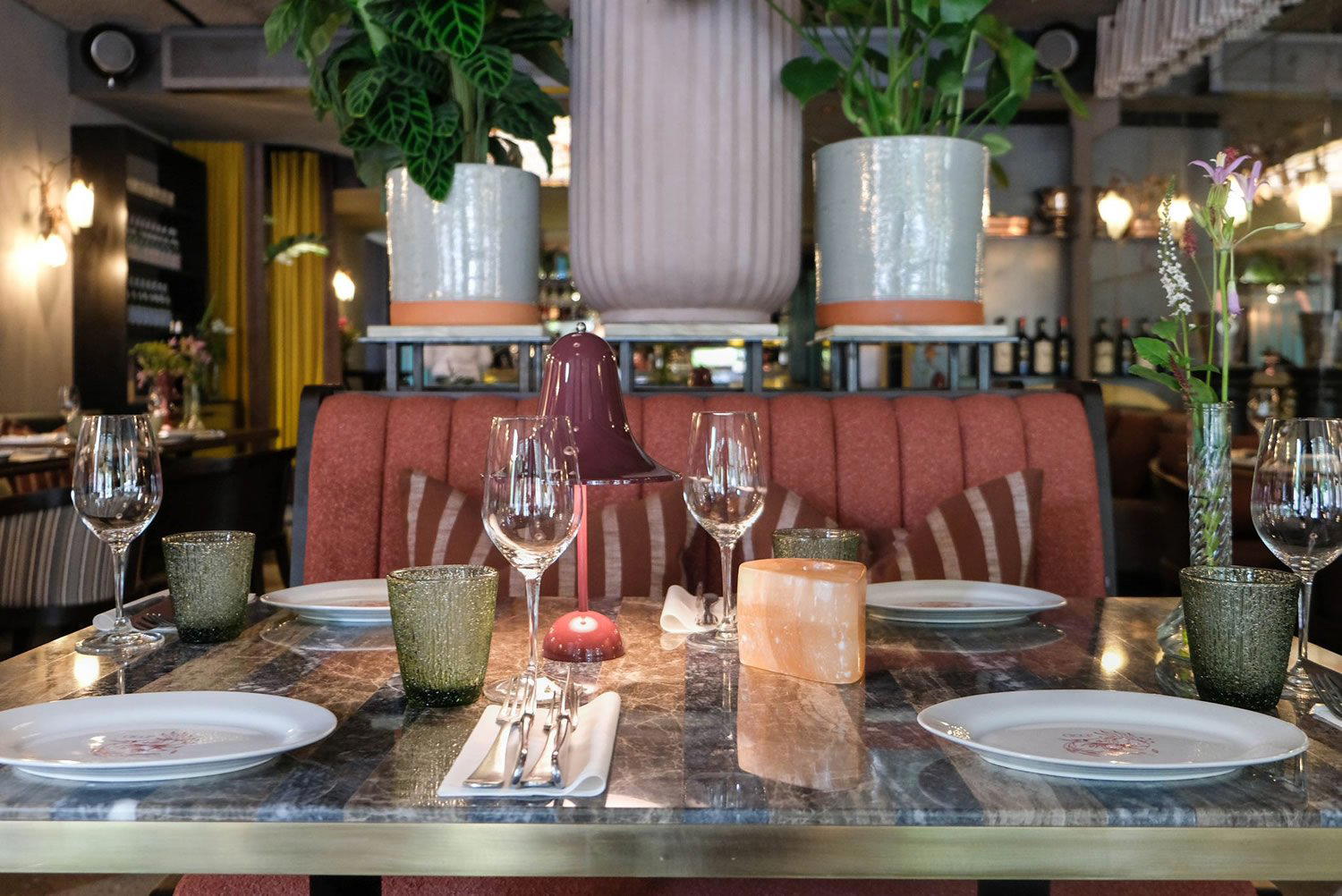
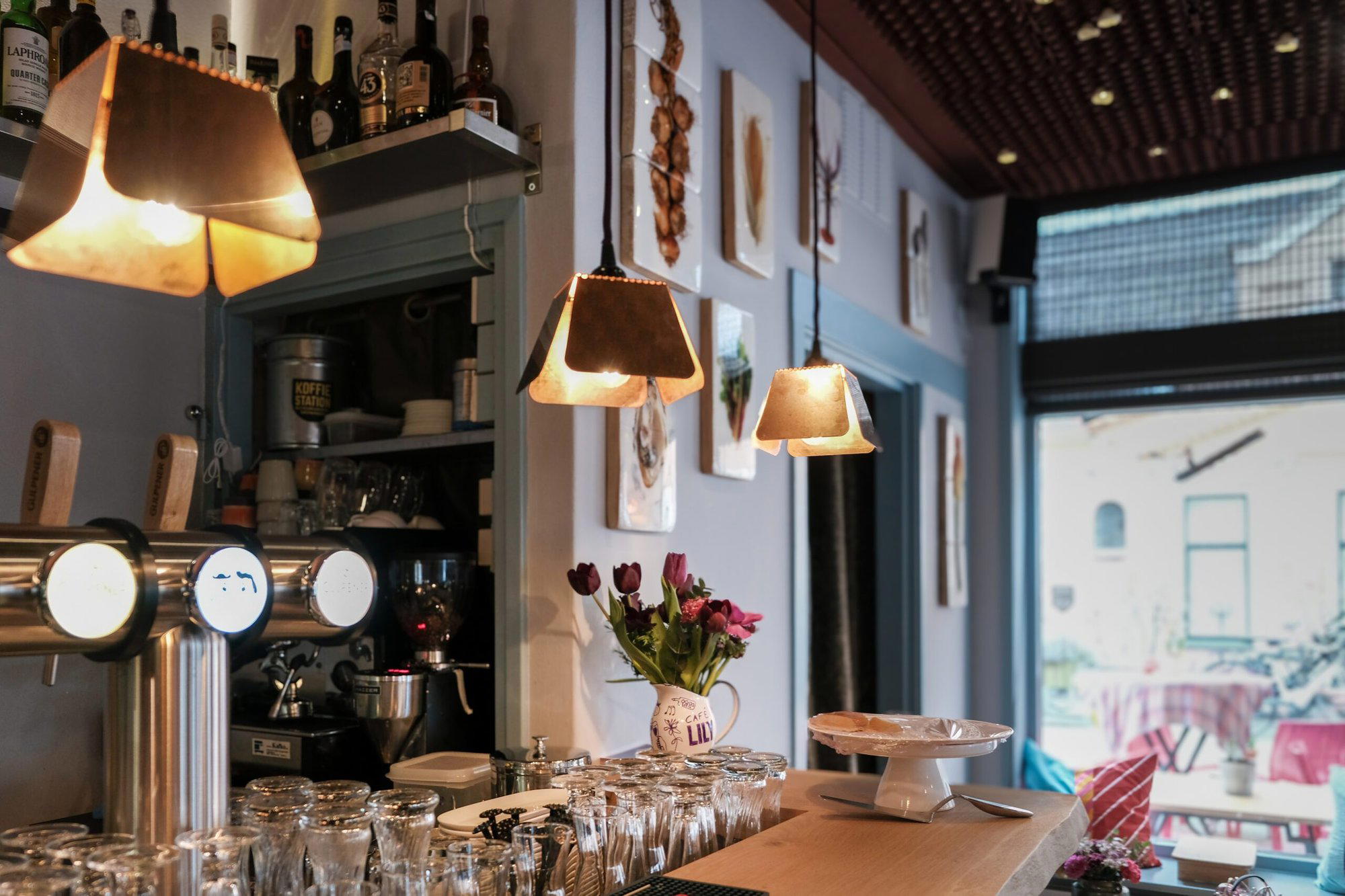
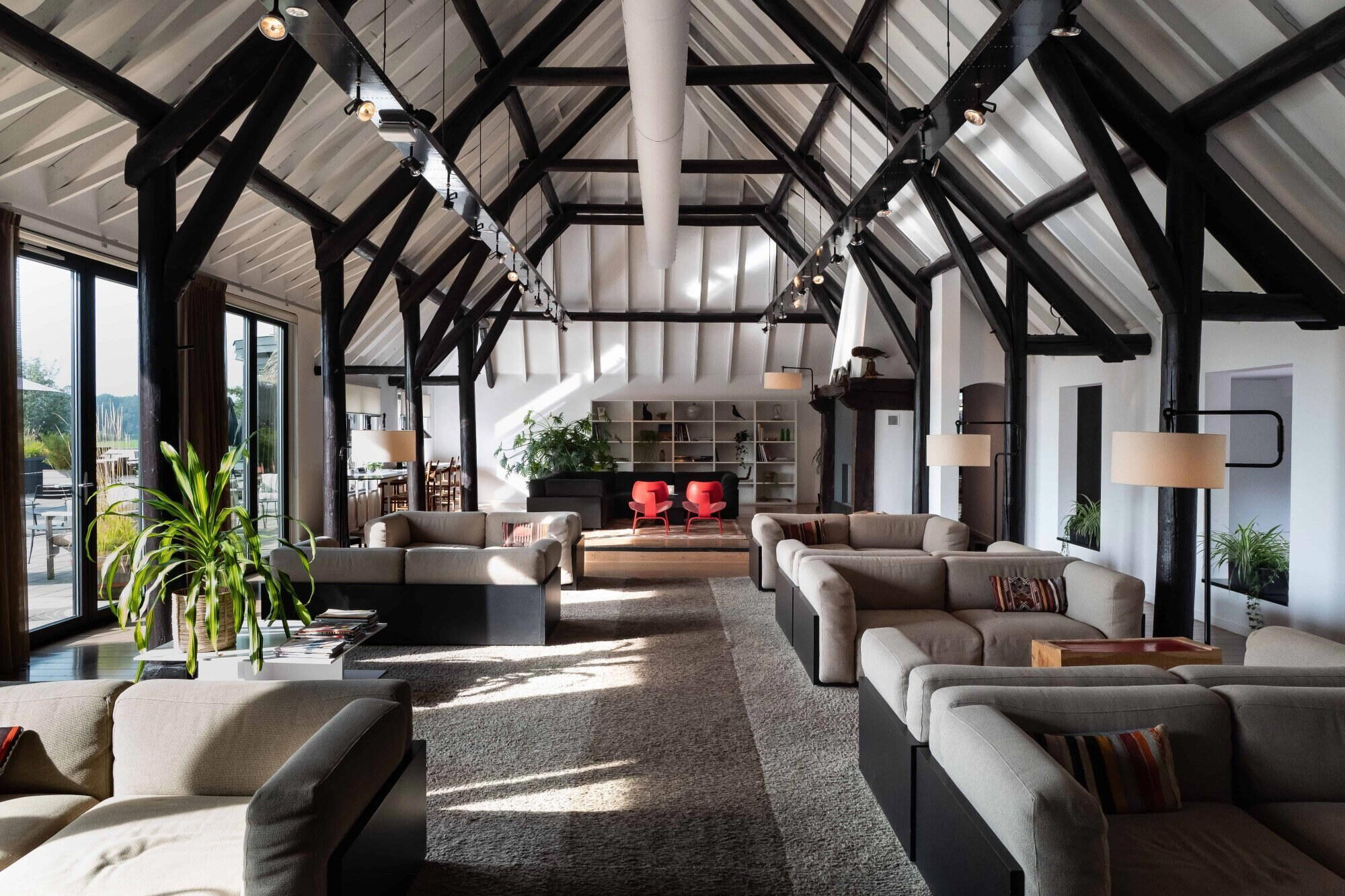
Rikus sits on Hoofdstraat in Eext, a quiet village in the Dutch province of Drenthe, which sets the register immediately: this is not an urban dining corridor but a locally embedded address where the pace reflects the surroundings. Expect a more intimate, low-key atmosphere than you would find at a comparable restaurant in Amsterdam or Groningen. The rural setting tends to attract guests who are there specifically for the food rather than for scene-watching.
Is Rikus worth the drive from Groningen to Eext?
Eext sits in the Dutch province of Drenthe, roughly 25 kilometres southeast of Groningen, making it a manageable journey for anyone already based in the northern Netherlands. Rural Dutch restaurants at this kind of village address have historically drawn guests from regional cities precisely because the cooking justifies the trip rather than the convenience of the location. As with most Drenthe destinations, a car is the practical choice for getting there and back.
Where do I go for Rikus?
Rikus is located at Hoofdstraat 10, 9463 PC Eext, Netherlands, Eext.
What's the best way to book Rikus?
For a rural Drenthe address at Hoofdstraat 10, Eext, the most reliable approach is to search the restaurant's name directly for any updated contact details, or to visit in person during service hours if you are already in the area.
What do critics highlight about Rikus?
That is not unusual for rural Drenthe addresses, where strong local reputation often precedes broader editorial attention. The Dutch restaurant scene has a consistent track record of smaller-town kitchens earning Michelin recognition after years of quiet operation, so the absence of documented coverage does not indicate the absence of kitchen seriousness.
Side-by-Side Snapshot
| Venue | Cuisine | Price | Awards | Notes |
|---|---|---|---|---|
| RikusThis venue — the venue you are viewing | Dutch with Seafood and European Influences | $30–50 | Not listed | Not listed |
| De Librije | Modern Dutch Fine Dining | $200–300 | 3 Michelin Stars · World's 50 Best #46 | Modern Cuisine |
| 't Nonnetje | Modern French with Portuguese Influences | $100–150 | 2 Michelin Stars · La Liste Top Restaurants | Creative |
| De Lindehof | Surinamese-Hindustani French Fusion | Not listed | 2 Michelin Stars · La Liste Top Restaurants | Contemporary Dutch, Creative |
| De Nieuwe Winkel | Botanical Fine Dining | $300–500 | 2 Michelin Stars · La Liste Top Restaurants | Organic |
| Fred | Modern French Fine Dining | $200–300 | 2 Michelin Stars · La Liste Top Restaurants | Creative French |
Continue exploring
More in Eext
Restaurants in Eext
All restaurants in Eext →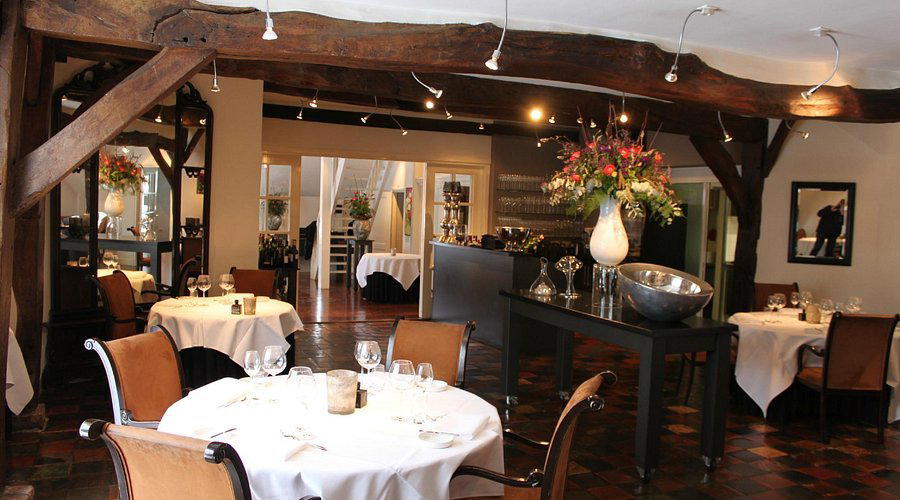
Details
- Cozy
- Rustic
- Scenic
- Special Occasion
- Family
- Garden
- Farm To Table
- Local Sourcing
- Garden
- A La Carte
- Vegetarian Friendly
- Vegan Options
- Gluten Free Options
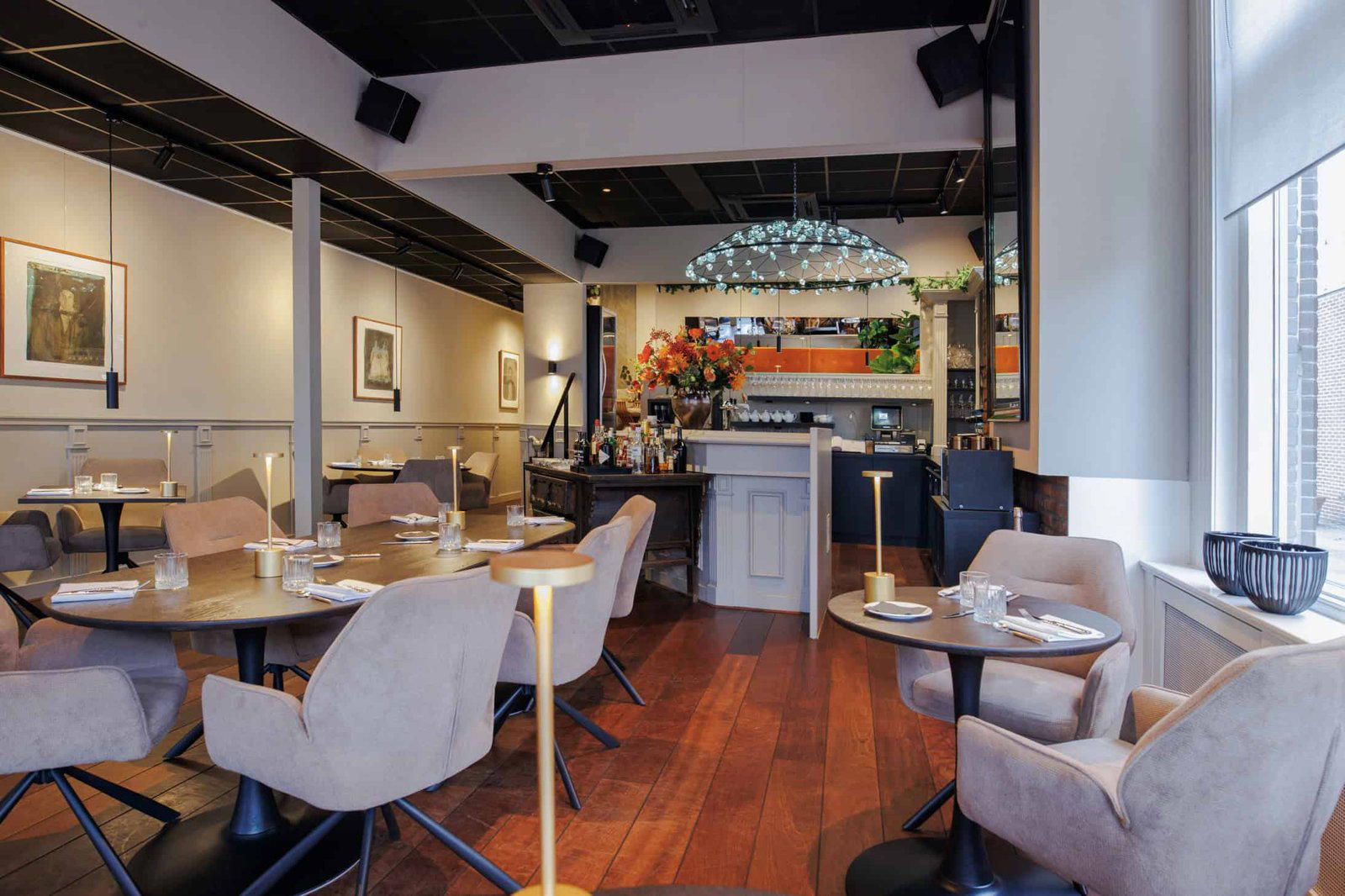
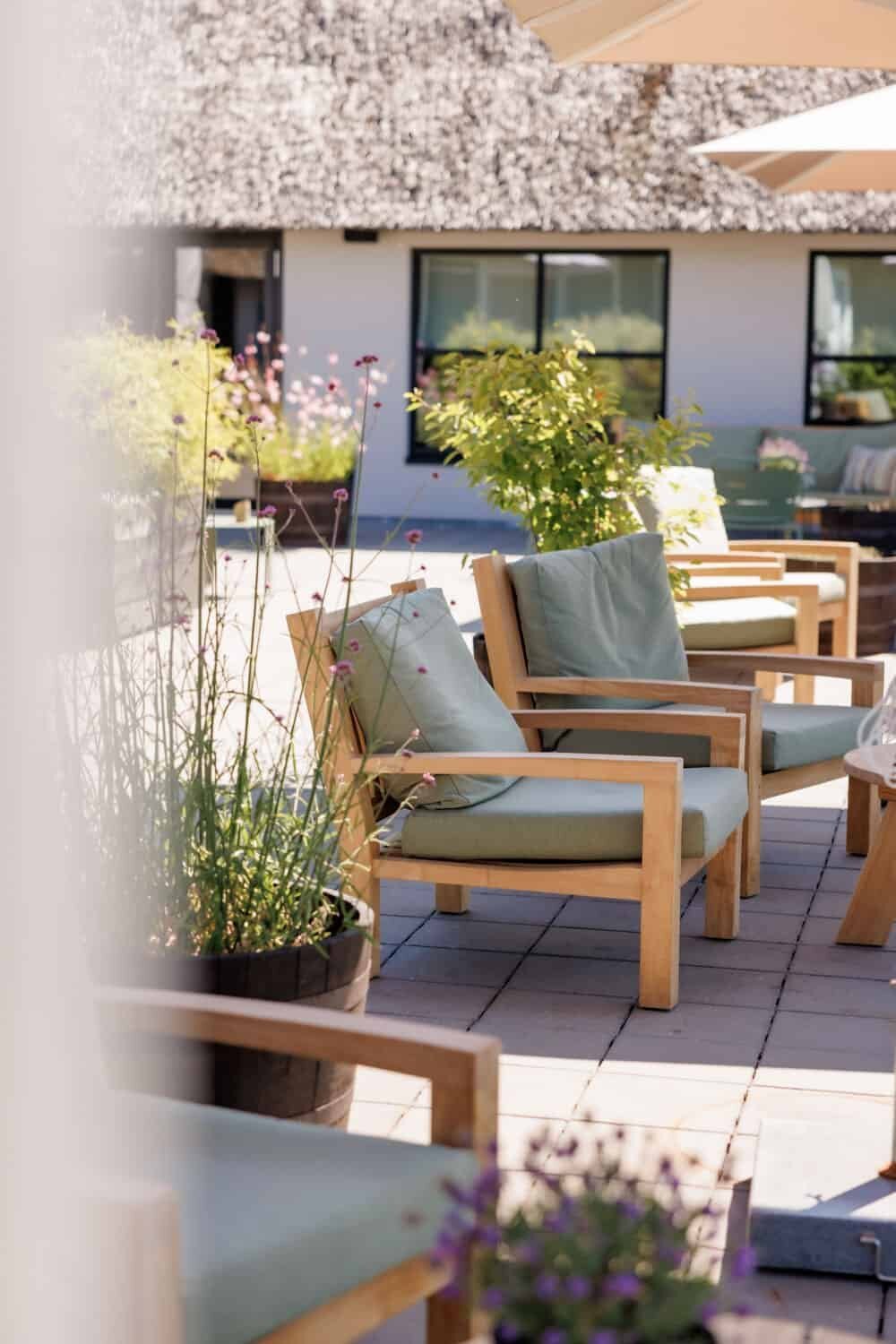
Cozy and warm with airy restaurant surrounded by lush gardens, offering a peaceful retreat in serene farmland.