De Vlindertuin

1 Michelin Star
Our verdict
A Michelin-starred address in a 1719 Saxon farmhouse on Zuidlaren's village green, De Vlindertuin earns its recognition through a disciplined commitment to local provenance. Chef Jilt Cazemier sources from suppliers close enough to see from the approach road, then works the produce through refined French technique. Open Wednesday through Saturday evenings only, it is a destination that rewards planning.

Pearl is the En Primeur Club membership app, where members save venues, book tables and use the concierge.
Where the Farm Meets the French Kitchen
Arrive in Zuidlaren on a Wednesday through Saturday evening and the approach to De Vlindertuin tells you something important before you have taken a seat. The lambs grazing near the road are not decorative countryside backdrop; they are part of the supply chain. Few Michelin-starred kitchens in the Netherlands can claim this degree of proximity between pasture and plate, and that compression of distance is the organizing principle behind everything that follows inside.
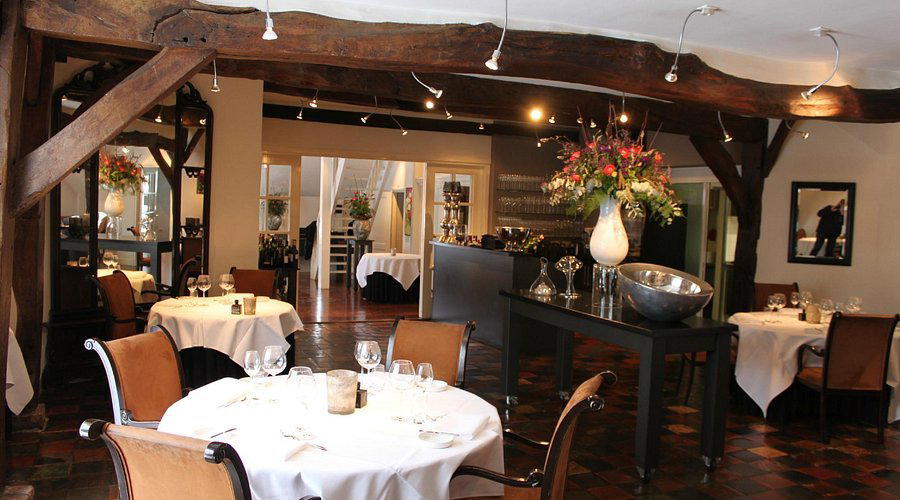
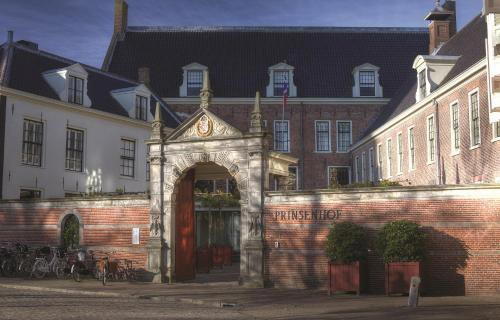
The building itself is a 1719 Saxon farmhouse, a category of structure common to the agricultural communities of the Drenthe province. What distinguishes it here is that the interior has been treated with the same attention given to the food: an elegance that reads as historically grounded rather than artificially curated. The terrace, positioned to overlook the village green, extends the experience outward into Zuidlaren's quiet civic life. On a clear evening, that table on the terrace is the one to request.
The Provenance Argument, Made on the Plate
The Dutch Michelin guide recognized De Vlindertuin with a star in 2024, and the inspectors' notes are specific about why: a commitment to local produce handled with technical precision. In the current northern European dining scene, claims of locality are common and scrutiny of them is warranted. Here, the claim is verifiable from the car park.
Chef Jilt Cazemier's approach to the locally raised lamb is the clearest illustration. Whole-animal cooking is a framework that forces a kitchen to develop real technical depth, since it demands solutions for every cut, not just the premium ones. The depth of flavour that nose-to-tail treatment produces is then amplified through reductive sauces, where concentration does the work that rare ingredients might do elsewhere. The result is a style that is emphatically about the material, not the technique deployed on top of it.
This is worth placing in comparative context. Among the Netherlands' Michelin-starred kitchens, the profile at De Vlindertuin sits at a different point on the spectrum from the €€€€ tier occupied by De Librije in Zwolle or 't Nonnetje in Harderwijk. At the €€€ price tier, with a single star, De Vlindertuin is not competing on the same register of ambition or scale as those addresses. What it is doing is making a credible case that regional provenance, handled with French technical discipline, can anchor a serious restaurant at a more accessible price point than the country's two- and three-star houses.
The lobster preparation in the Michelin notes gestures toward the broader range of the kitchen's influences. Salty herbs, a carrot puree with clear varietal character, a bisque infused with coral, a lemongrass emulsion, and a dashi-based jus form a layered composition that pulls from classical French structure while borrowing from Japanese broth-making. That kind of lateral referencing within a single dish is a calibration exercise as much as a creative one, and when it works it produces something with more tonal range than either tradition would produce alone.
The Wider Field: Rural Fine Dining in the Northeast
De Vlindertuin is not the only serious kitchen operating in a rural Dutch setting away from the country's urban dining centres. De Groene Lantaarn in Staphorst and De Lindenhof in Giethoorn represent a pattern in which Michelin-recognized restaurants have taken root in smaller communities across the northern and eastern provinces, drawing diners willing to travel for the combination of setting and kitchen quality. The model depends on destination logic: these are not neighbourhood restaurants serving a local catchment but addresses that function as reasons to make a specific journey.
In that peer group, De Vlindertuin occupies a position defined by its farmhouse setting and the directness of its sourcing. De Treeswijkhoeve in Waalre and De Bokkedoorns in Overveen operate in analogous rural-adjacent settings further south and west, but Zuidlaren's location in Drenthe gives this address a distinct agricultural identity. The province's sandy soils and traditional farming structures produce a different raw material base than the more intensively farmed western Netherlands, and that difference registers in what the kitchen can actually source.
For readers building a broader itinerary around northern Dutch gastronomy, our full Zuidlaren restaurants guide maps the wider options in the area. The Zuidlaren hotels guide covers overnight options for those traveling from outside the region, while the Zuidlaren bars guide, wineries guide, and experiences guide round out the picture for a full visit.
Modern French, Rooted in Drenthe
The cuisine classification at De Vlindertuin is Modern French, and that framing matters for calibrating expectations. The kitchen is not operating as a Dutch cuisine destination in the sense that De Nieuwe Winkel in Nijmegen does, with its organic and plant-forward approach, or that De Lindehof in Nuenen does with its contemporary Dutch creative programme. The French structural logic here means classical sauce-making, precise technique applied to protein, and a formal compositional approach to the plate. What shifts that framework is where the ingredients come from and how closely the kitchen engages with their provenance.
The aesthetic attention described in Michelin's assessment extends from the plate to the dining room. Playful garnishes that create contrast and the overall elegance of the historic farmhouse interior indicate a kitchen and front-of-house team working in the same direction, which is more notable than it sounds in a restaurant of this size. Small kitchens in rural settings can easily develop unevenness between culinary ambition and the hospitality envelope around it.
Among the €€€ Modern French addresses in the Netherlands, the peer comparison runs toward 't Ganzenest in Rijswijk and 't Raedthuys in Duiven, both operating at the same price and cuisine tier. Aan de Poel in Amstelveen and Brut172 in Reijmerstok are adjacent reference points in the broader contemporary Dutch fine dining field. Ciel Bleu in Amsterdam represents the higher end of that spectrum with a two-star urban context for comparison.
Planning a Visit
The operational format here is worth absorbing before you book. De Vlindertuin opens Wednesday through Saturday, 6 PM to 10 PM only, with Sunday, Monday, and Tuesday closed. That four-evening window and the restaurant's destination positioning mean that tables at peak times require forward planning. Zuidlaren is a small village in Drenthe, northeast of Groningen, and arriving by car is the practical choice for most diners traveling from outside the region.
Frequently asked questions
Would De Vlindertuin be comfortable with kids?
At €€€ pricing in a Michelin-starred setting operating just four evenings a week, De Vlindertuin is clearly oriented toward adults seeking a considered dining experience. The 1719 Saxon farmhouse atmosphere and formal plating style make it an awkward fit for young children. Families with teenagers who engage seriously with food may find it worthwhile, but the format is not designed with younger diners in mind.
What should I expect atmosphere-wise at De Vlindertuin?
The room is a 1719 Saxon farmhouse on Zuidlaren's village green, which produces something genuinely different from the polished minimalism of city-centre fine dining. The Michelin inspectors specifically noted the 'elegance and homely feel' of the space. In summer, the terrace overlooking the green extends that character outdoors. This is rural northeast Netherlands, not Amsterdam, and the setting reflects that without apology.
What awards or recognition does De Vlindertuin have?
De Vlindertuin has received recognition including: Jilt Cazemier is certainly close to his suppliers: as you make your way to his restaurant, you will even spot the grazing lambs. A champion of local produce, he showcases its quality with consummate skill. When he prepares that locally rais….
What's the best thing to order at De Vlindertuin?
Order whatever the kitchen is building around locally raised lamb. Chef Jilt Cazemier's whole-animal approach to that ingredient is the clearest expression of what earned De Vlindertuin its 2024 Michelin star, with Michelin's own notes citing the depth of flavour driven by his intense sauces. His lobster preparation, documented in the inspectors' commentary, demonstrates the same technique applied to a second direction: precise French classical structure with Far Eastern inflection.
| Venue | Cuisine | Price | Awards | Notes |
|---|---|---|---|---|
| De VlindertuinThis venue (the venue you are viewing) | Modern French Fine Dining | Not listed | 1 Michelin Star | Not listed |
| De Librije | Modern Dutch Fine Dining | $200–300 | 3 Michelin Stars · World's 50 Best #46 | Modern Cuisine |
| Aan de Poel | Modern French Fine Dining | $150–200 | 2 Michelin Stars · La Liste Top Restaurants | Creative |
| De Lindehof | Contemporary Dutch, Creative | Not listed | Michelin 2 Star | Not listed |
| Fred | Modern French Fine Dining | $200–300 | 2 Michelin Stars · La Liste Top Restaurants | Creative French |
| De Nieuwe Winkel | Botanical Fine Dining | $300–500 | 2 Michelin Stars · La Liste Top Restaurants | Organic |
Recognition history
Dated appearances from independent guides and award organizations, with the underlying list record or original source where available.
Michelin 1 Star
Michelin
Full recognition history (2 entries)
Michelin 1 Star
Michelin
Continue exploring
More in Zuidlaren
Restaurants in Zuidlaren
All restaurants in Zuidlaren →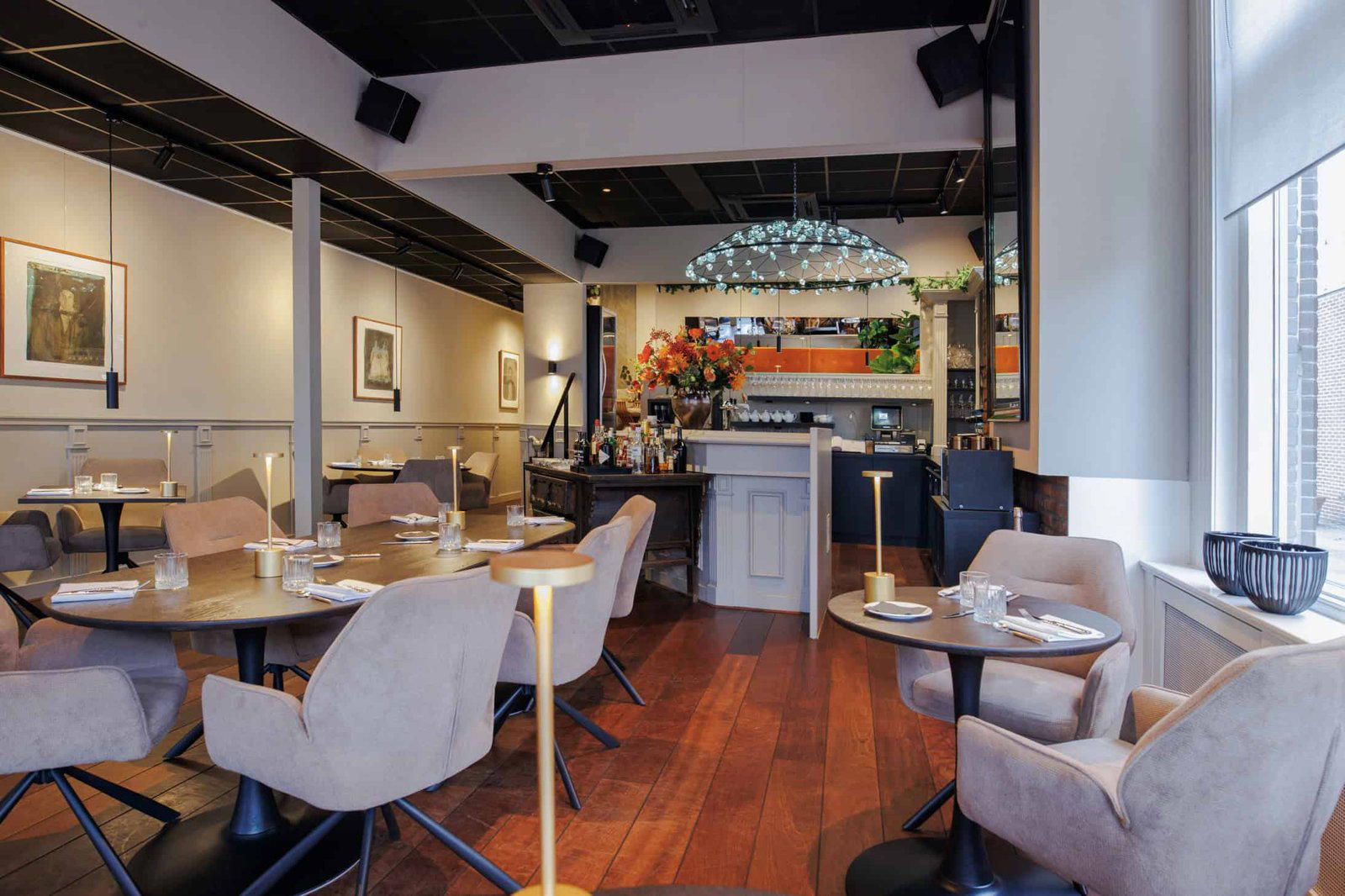
Details
- Cozy
- Elegant
- Intimate
- Sophisticated
- Date Night
- Special Occasion
- Historic Building
- Extensive Wine List
- Local Sourcing
- Tasting Menu
Current opening hours
- Monday
- Closed
- Tuesday
- Closed
- Wednesday
- 6–10 PM
- Thursday
- 6–10 PM
- Friday
- 6–10 PM
- Saturday
- 6–10 PM
- Sunday
- 6–10 PM
Hours can change for holidays and private events. Hours as of .
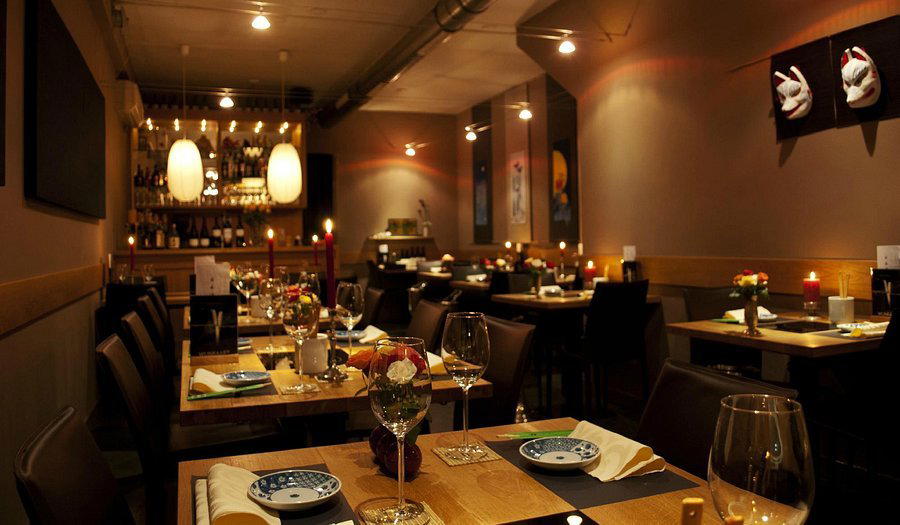
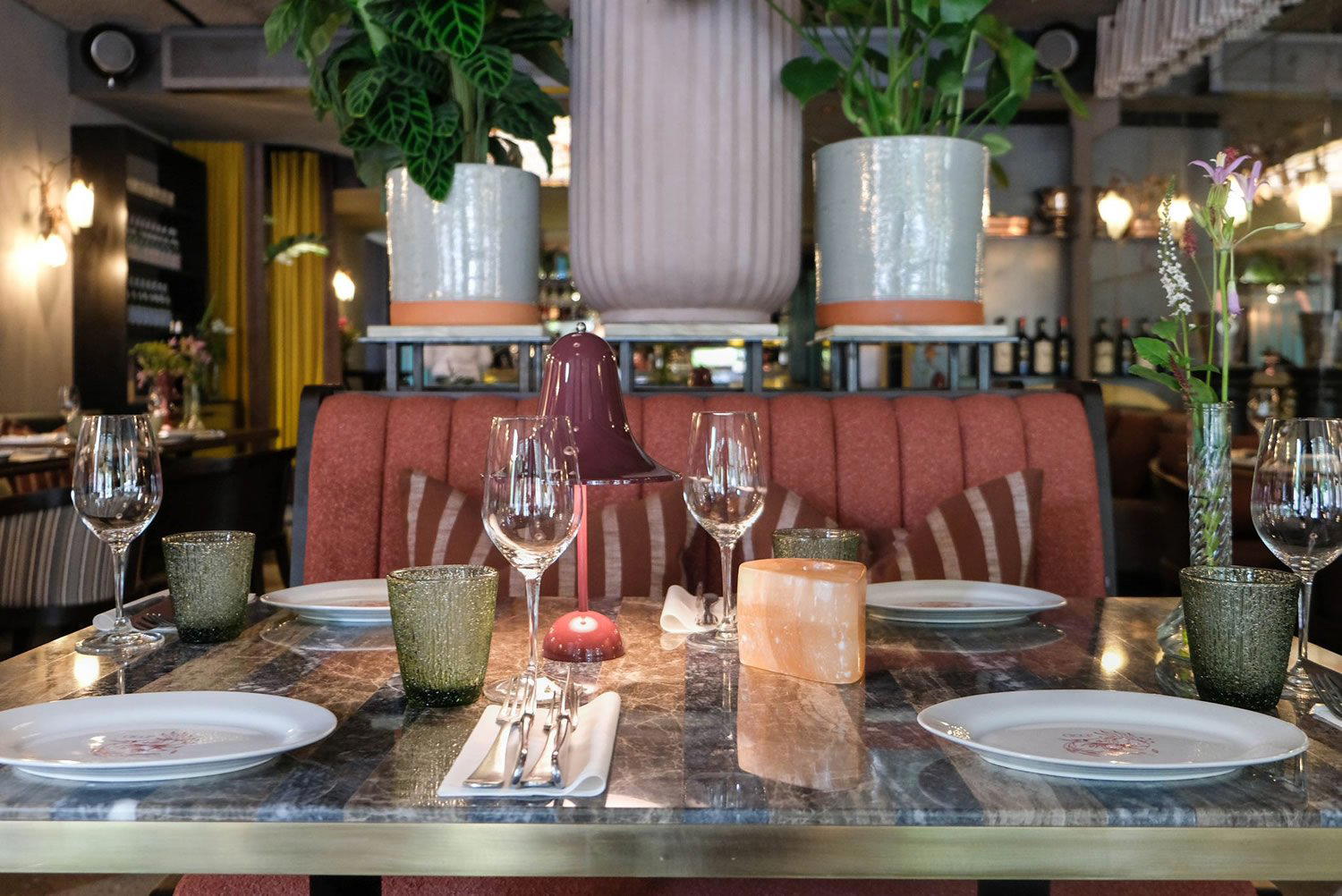
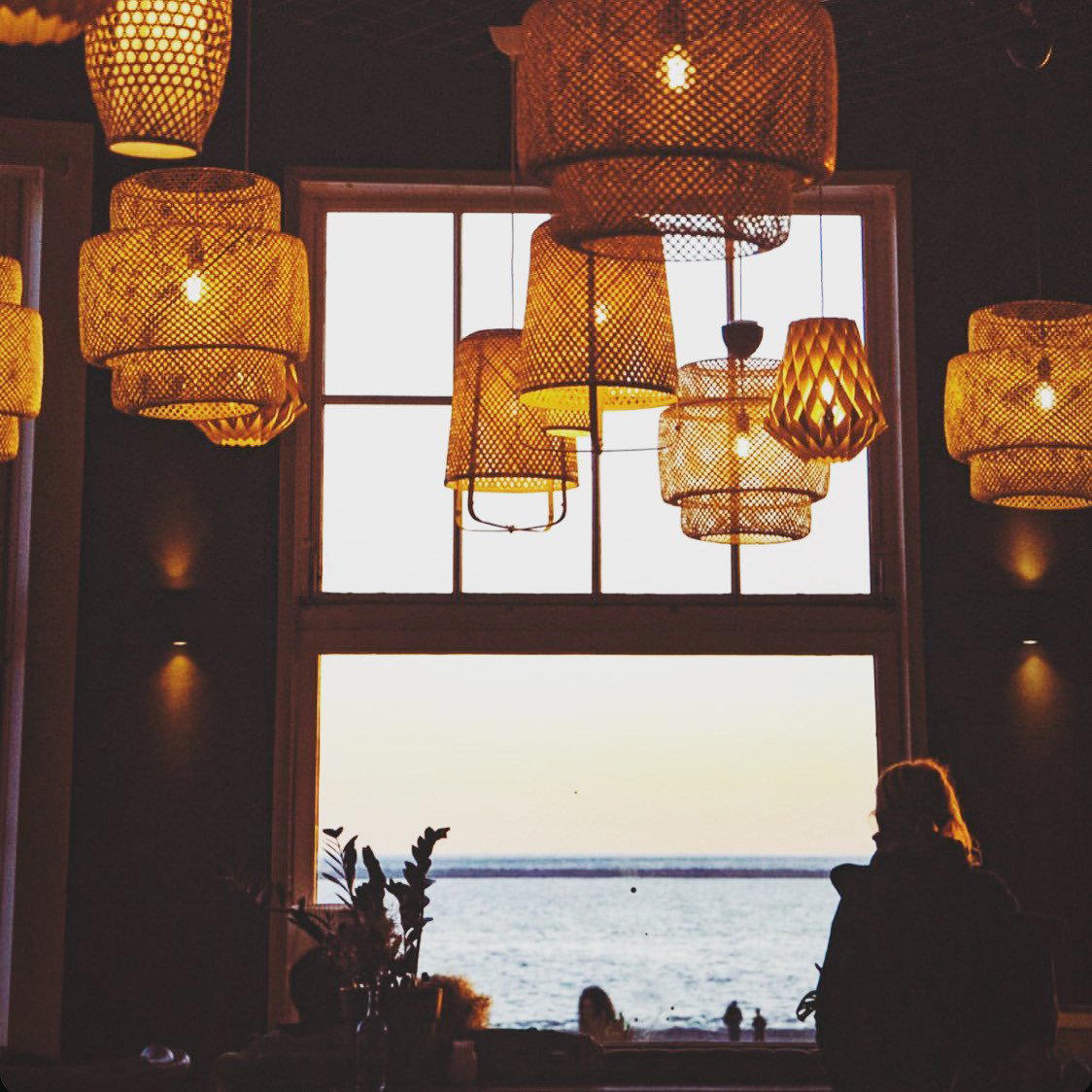
Cozy and elegant atmosphere in a stylishly renovated old farmhouse with warm lighting, relaxed yet sophisticated vibe, and well-spaced tables.