Revelry

Revelry holds consecutive Michelin Bib Gourmand awards for 2024 and 2025, making it one of Dubai Hills Estate's most recognised Indian restaurants at the accessible end of the city's Indian dining tier.
Pearl is the En Primeur Club membership app — saves, bookings, and concierge access live there. Same editors, same standards.
- Address
- Dubai Hills Estate, Business Park 1 - Hadaeq Sheikh Mohammed Bin Rashid - Dubai Hills - Dubai - United Arab Emirates
- Phone
- +971 800 1604
- Website
- revelrydxb.com
- Directions
- Get directions
 Saves & bookings on Pearl
Dubai Hills and the Case for Affordable Indian Seriousness
Revelry is an Indian tapas restaurant in Dubai Hills Estate, Dubai, with back-to-back Michelin Bib Gourmand recognition in 2024 and 2025 and a price point around $60 per person. The neighbourhood sits away from the Downtown and DIFC restaurant clusters that typically anchor the city's food conversation, and its commercial strip leans toward the residential and the convenient rather than the destination dining that drives reservations from across the city.
The Bib Gourmand designation matters here as editorial context. In a city where Indian fine dining operates at a different price register entirely, Trèsind Studio and Avatara Restaurant sit in the higher tiers, Revelry's single-dollar price range signals something worth examining. Michelin's Bib Gourmand flags kitchens producing food of genuine quality at a price point most diners can access without planning around a special occasion. That Revelry has held it consecutively suggests consistent kitchen discipline, not a lucky inspection year.
India's Vegetarian Tradition and What It Demands of a Kitchen
Indian cuisine carries one of the world's most sophisticated vegetarian traditions, and it is one that places genuine technical demands on any kitchen that takes it seriously. The subcontinent's vegetarian cooking did not develop as a dietary workaround or a secondary menu tier. It evolved over centuries of religious, caste, and regional practice into a body of technique that treats dal, paneer, chaat, and seasonal vegetables as primary subjects rather than supporting cast.
Across India's regional traditions, vegetarian cooking requires a precision with spice sequencing, fat temperature, and textural contrast that meat-led kitchens often sidestep. A properly constructed dal makhani demands hours of slow cooking and a clarity about when cream enters the process. Chaat depends on layering acidic, sweet, spicy, and crunchy elements in a sequence that collapses if the timing is off. Paneer dishes require fat that is hot enough to form a crust without the cheese turning rubbery, and a sauce whose body comes from tomato reduction and cashew rather than meat stock.
Dubai's Indian restaurant scene covers the full price spectrum, from casual neighbourhood spots to the elaborate tasting-menu format at Avatara, which builds its entire identity around vegetarian fine dining. Revelry's position at the accessible price end of a Michelin-recognised tier places it in a different conversation: the kitchen has to demonstrate real command of this tradition without the tasting-menu format's scaffolding of narrative, theatre, and per-course presentation time.
Where Revelry Sits in Dubai's Indian Scene
Dubai has developed among the more layered Indian dining scenes outside the subcontinent itself, which makes peer positioning genuinely meaningful. At the formal end, Jamavar and Atrangi by Ritu Dalmia operate with the polish and price of premium dining. Bombay Bungalow occupies a more casual, nostalgia-led register. Revelry's single-dollar pricing and suburban Dubai Hills location place it closer to the neighbourhood-anchor model, but the Michelin recognition separates it from that category in terms of kitchen ambition.
The Bib Gourmand is not awarded to restaurants that are merely popular or well-liked locally. It requires quality the guide's inspectors judge as genuinely above the price bracket. That two consecutive cycles of inspection have returned the same result for Revelry points to a kitchen that has found a repeatable standard, not one that impressed on a single visit and coasted.
For context, the global Indian restaurant scene at the upper end of Michelin recognition has been shaped by chefs whose roots are in specific regional traditions: Opheem in Birmingham draws on modern Punjabi and Mughal reference points, Chaat in Hong Kong focuses on street food traditions refined for a fine dining room, and Amaya in London built its identity around the grill. Revelry operates with less international profile than these, but the Bib Gourmand places it in legitimate company at its price tier.
The Broader Case for Bib Gourmand Indian Dining
There is a tendency in premium food coverage to default toward the tasting menu format as the measure of seriousness. Indian cuisine's global reputation has benefited from this format: restaurants like Avatara in Dubai, INDDEE in Bangkok, Musaafer in Houston, Rania in Washington D.C., and Haoma in Bangkok have all made the case for Indian food as a fine dining subject through structured, multi-course formats.
But the Bib Gourmand tier makes a different argument: that accessibility and quality are not in opposition. The vegetarian tradition in Indian cooking is, in many ways, better served by this format. Regional dishes that depend on immediacy, a chaat assembled to order, a dal served at the temperature and consistency it exits the kitchen, can lose something in the theatrical pacing of a tasting menu. The direct service model that an affordable neighbourhood restaurant runs lends itself to food that should be eaten without ceremony.
This is not an argument for lowering expectations. It is an argument for matching the format to the food. Revelry's two Bib Gourmand awards suggest the kitchen has calibrated that match.
Planning Your Visit
Know Before You Go
- Address: Dubai Hills Estate, Business Park 1, Hadaeq Sheikh Mohammed Bin Rashid, Dubai Hills, Dubai
- Price range: $ (accessible; Michelin Bib Gourmand tier)
- Awards: Michelin Bib Gourmand 2024 and 2025 6 from 728 reviews
- Cuisine: Indian, with a vegetarian-forward profile
- Getting there: Dubai Hills Estate is accessible by car or taxi from Downtown Dubai and DIFC; allow 20-30 minutes depending on traffic. The nearest Metro is not within walking distance of this address.
- Booking: Reservations are recommended.
Recognition Snapshot
Comparable venues nearby, for context on price, style, and recognition.
| Venue | Cuisine | Price | Awards | Notes |
|---|---|---|---|---|
| RevelryThis venue — the venue you are viewing | Indian Tapas with Seasonal Cocktails | $$$ | Bib Gourmand | Not listed |
| Carnival by Trèsind | Modern Indian Fine Dining with Molecular Gastronomy | $$$ | Michelin Plate | Za'abeel 2 |
| Masti | Modern Indian | $$$ | Michelin Plate | Downtown Dubai |
| Khadak | Contemporary Indian Street Food | $$$ | Bib Gourmand | Jumeira |
| Atrangi by Ritu Dalmia | Modern Indian Fine Dining | $$$ | Michelin Plate | Umm Suqeim |
| Bombay Bungalow | Modern Indian | $$$ | Michelin Plate | Al Sufouh 2 |
Recognition history
Dated appearances from independent guides and award organizations, with the underlying list record or original source where available.
Michelin Bib Gourmand
Michelin
Michelin Bib Gourmand
Michelin













At a Glance
- Lively
- Modern
- Elegant
- Trendy
- Casual Hangout
- Group Dining
- Date Night
- After Work
- Open Kitchen
- Design Destination
- Craft Cocktails
- Extensive Wine List
Current opening hours
- Monday
- 12 PM–12 AM
- Tuesday
- 12 PM–12 AM
- Wednesday
- 12 PM–12 AM
- Thursday
- 12 PM–12 AM
- Friday
- 12 PM–12 AM
- Saturday
- 12 PM–12 AM
- Sunday
- 12 PM–12 AM
Hours can change for holidays and private events. Last verified .
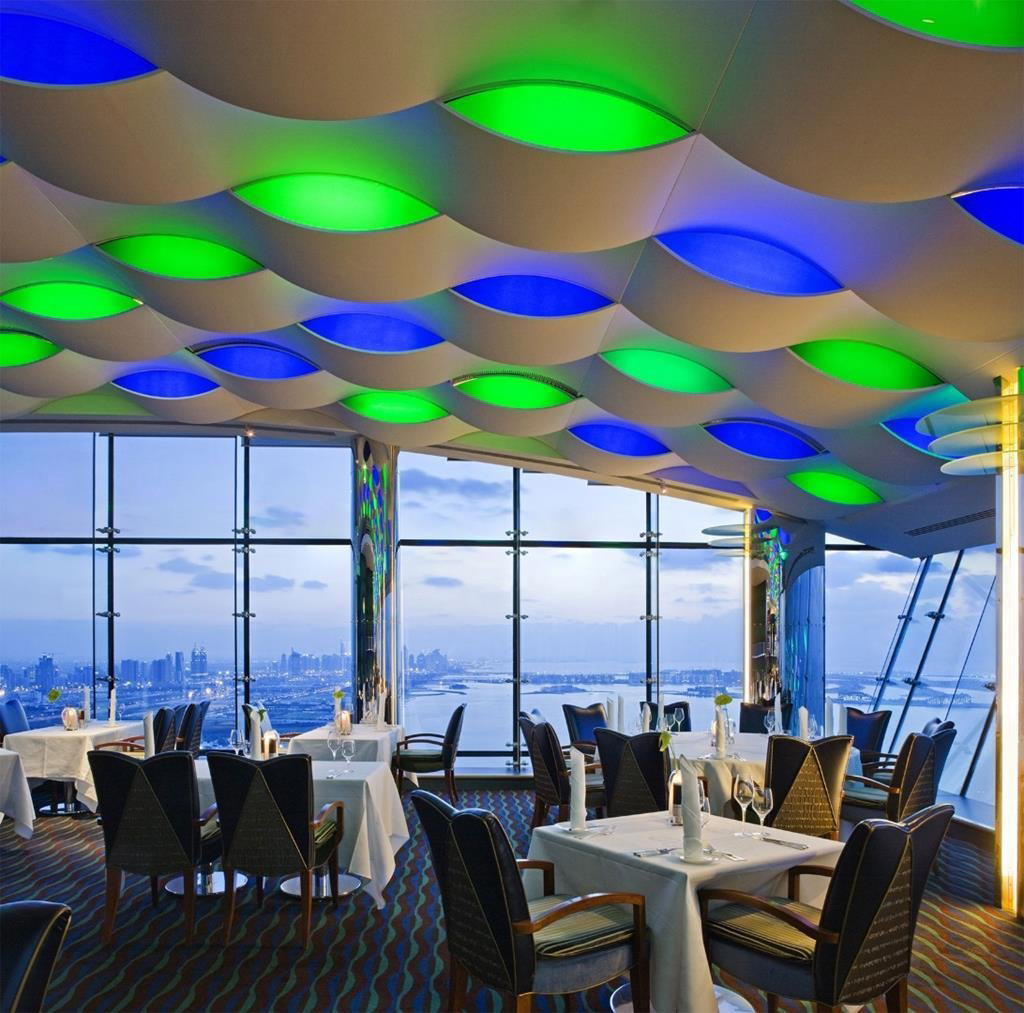
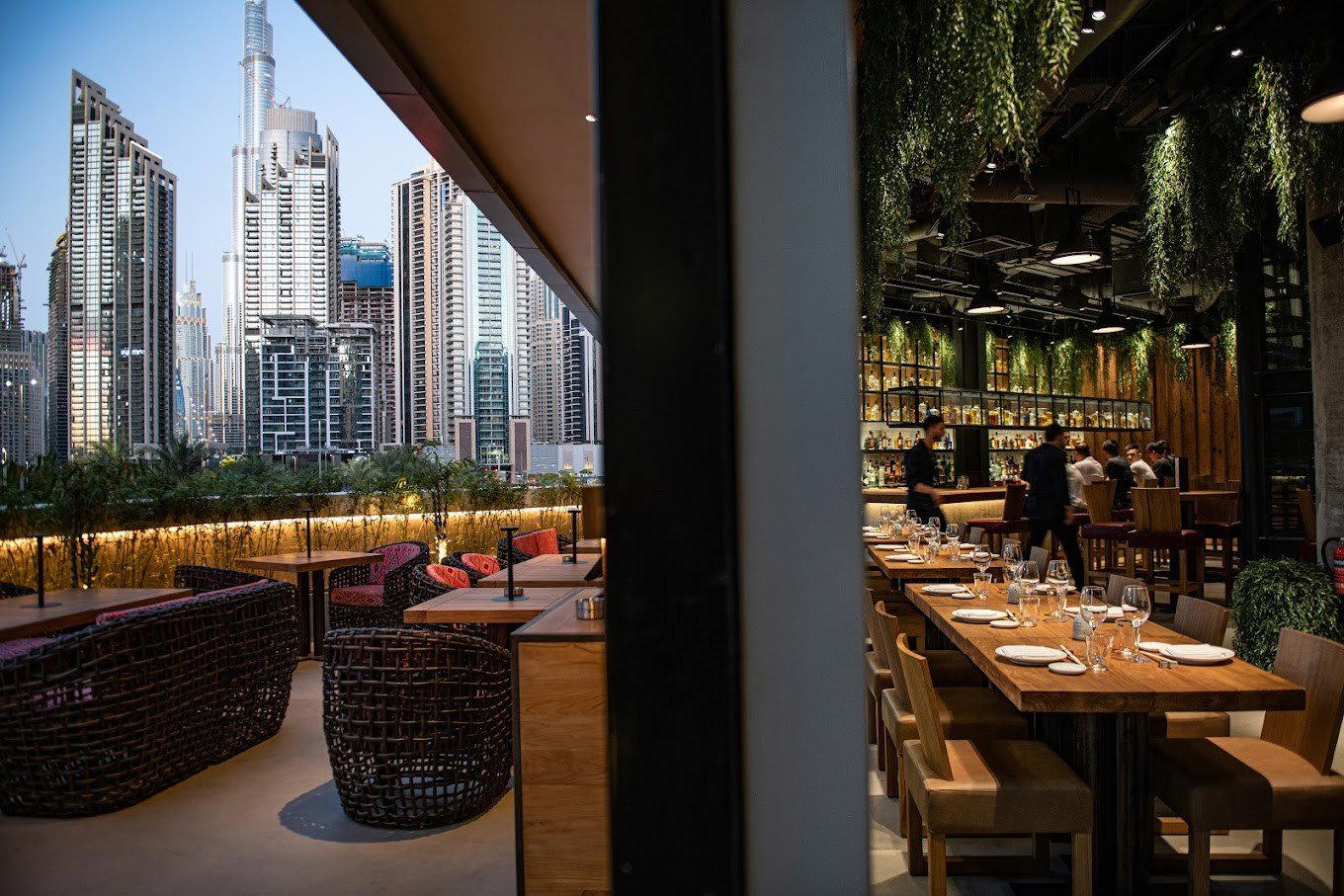
Relaxed L-shaped room with modern décor, three TV screens showing sports, beautiful and cozy ambience with lovely selection of music, lively nightlife atmosphere.