Khadak

A Michelin Bib Gourmand-recognised Indian restaurant on Al Wasl Road in Jumeirah, Khadak occupies a converted villa and sits at the more accessible end of Dubai's serious Indian dining tier. It draws a steady crowd for cooking that earns critical attention without the price point of the neighbourhood's starred Indian rooms.
Pearl is the En Primeur Club membership app — saves, bookings, and concierge access live there. Same editors, same standards.
- Address
- Villa 426 - 12 Al Wasl Rd - Jumeirah - Jumeirah Second - Dubai - United Arab Emirates
- Phone
- +971 58 979 7830
- Website
- khadak.com
- Directions
- Get directions
 Saves & bookings on Pearl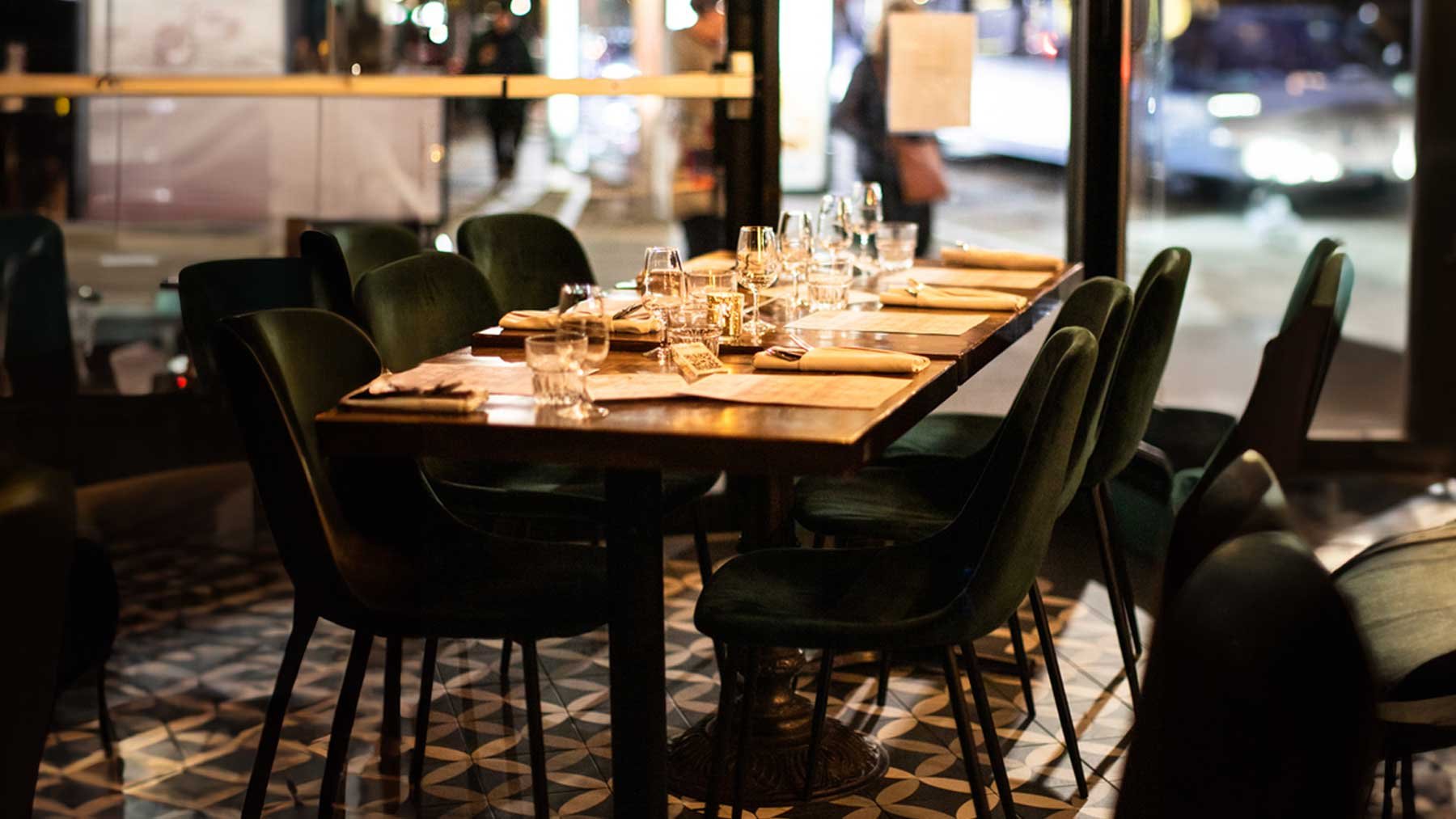
The Villa on Al Wasl and What It Tells You About Dubai's Indian Dining Circuit
Al Wasl Road has become one of Dubai's more interesting corridors for independent restaurants, where converted villas offer a different register from the hotel dining rooms and mall-anchored formats that dominate so much of the city's food scene. Khadak operates from Villa 426 on that stretch, and the address itself signals something about its positioning: a residential-scale building in Jumeirah Second, away from the theatrical stage-sets of Downtown or DIFC, drawing guests who are specifically seeking the food rather than the backdrop.
Dubai's Indian restaurant category has split into fairly distinct tiers over the past decade. At the leading, you have tasting-menu formats and fine-dining rooms with starred credentials: Trèsind Studio operates in that space, as does Avatara Restaurant with its Michelin star and vegetarian focus, and Jamavar carrying a luxury hotel context. Khadak sits in a different bracket: Michelin Bib Gourmand recognition since 2025, a mid-range price point ($$),253 reviews. That combination locates it precisely at the intersection where serious cooking meets accessible pricing, which is exactly what the Bib Gourmand designation exists to identify.
The Dum Method and Why It Still Matters
Any serious conversation about Indian cooking eventually arrives at biryani, and specifically at dum, the sealed, slow-cooking technique that defines the dish at its most considered. The method involves layering parcooked rice with spiced meat or vegetables in a heavy vessel, sealing the lid with dough or a tight cloth, and cooking the contents over low heat so that moisture circulates internally rather than escaping. The result is a layered structure where the rice at the bottom absorbs the braising liquid and rendered fat, while the upper layers stay drier and more distinct. Each serving contains different textures from the same pot.
The regional variations across the subcontinent are significant enough that biryani functions almost as a category rather than a single dish. Hyderabadi biryani uses raw meat layered directly with parcooked rice, relying on the dum cooking to finish both simultaneously. Lucknowi (Awadhi) biryani starts with fully cooked meat and more subtly spiced rice, the emphasis on fragrance over heat. Kolkata biryani introduces potato, a legacy of the Nawabi tradition transplanted from Lucknow in the 19th century. Malabar biryani from Kerala uses short-grain Kaima rice and coconut-inflected spicing. Each version carries specific technique markers that distinguish trained execution from shortcuts, whether the crust (socarrat-adjacent, in the dum context) forms correctly, whether the saffron and rose water are applied judiciously, whether the ratio of rice to protein holds across the full depth of the vessel.
For a restaurant operating at the Bib Gourmand tier rather than the starred tier, this kind of technical discipline is the entire argument. The Michelin inspectors who award Bib Gourmand status are specifically evaluating cooking quality relative to price, the recognition means the food meets a standard that Michelin considers worth seeking out, at a price point that makes regular visits practical. At Khadak's $$ pricing, that's a meaningful signal for guests comparing options across Dubai's Indian dining options.
Jumeirah's Villa Dining Format: Practical Considerations
The villa format that characterises Al Wasl Road dining comes with specific logistics. These buildings were not purpose-built for restaurant service, which means the spatial arrangement tends toward smaller rooms and multiple distinct areas rather than single large dining floors. For groups, this can mean more intimate seating; for solo diners or couples, it often produces a quieter experience than the larger hotel restaurants. Parking on Al Wasl Road is available, and the Jumeirah Second location is accessible by taxi or rideshare from most of Dubai's central areas.
In the context of Dubai's broader dining geography, Jumeirah sits between the Downtown/DIFC concentration of high-end hotel dining and the more neighbourhood-oriented dining strips further south. Restaurants like Atrangi by Ritu Dalmia and Bombay Bungalow occupy adjacent territory in the mid-range Indian category, making this stretch worth treating as a circuit rather than a single destination. For context on how Khadak fits within Dubai's full dining picture, our full Dubai restaurants guide covers the range across categories and price points. Broader city planning is supported by our full Dubai hotels guide, our full Dubai bars guide, our full Dubai wineries guide, and our full Dubai experiences guide.
Where Khadak Sits in the Global Indian Dining Conversation
Dubai's Indian restaurant scene is substantial enough that Michelin's decision to cover the city has produced a spread of recognised venues across multiple subcategories. The Bib Gourmand tier, in particular, has drawn attention to restaurants that were doing serious regional cooking without operating in the luxury format that draws more immediate critical attention. Khadak's 2025 recognition places it in that group.
Beyond Dubai, the Indian diaspora dining scene in major cities offers useful comparison points. Amaya and Benares represent London's upper tier of Indian fine dining. Opheem in Birmingham holds Michelin star recognition in a different UK context. In Asia, Chaat in Hong Kong and Haoma and INDDEE in Bangkok show how Indian cooking has found critical traction across Southeast and East Asian cities. In Houston, Musaafer takes a regional-India approach in the American context. Regionally, Erth in Abu Dhabi extends the UAE's conversation with heritage cuisines into a neighbouring emirate.
What connects these restaurants across different cities is that they have each moved the conversation beyond generic subcontinental cooking toward something more technically specific and regionally grounded. Khadak's Bib Gourmand places it in that broader current, at the price tier where most people actually eat Indian food regularly, rather than at the fine-dining end where a single meal becomes an occasion. That distinction is worth holding onto when deciding where to book.
Planning Your Visit
Khadak is located at Villa 426, 12 Al Wasl Road, Jumeirah Second, Dubai. The $$ price point makes it one of the more accessible Michelin-recognised Indian options in the city. Given consistent demand reflected in the review volume, advance contact to confirm availability is advisable before visiting, particularly Thursday through Saturday evenings.
Frequently Asked Questions
- What is the signature dish at Khadak?
- Khadak holds a Michelin Bib Gourmand (2025) and specialises in Indian cuisine at a mid-range price point. The restaurant's recognition centres on the quality of its cooking relative to its pricing.
- Khadak Raan
- Tangra Prawns
- Morel Cheese Kulcha with Truffle Butter
- Khadak Daal
- Patthar Ka Gosht
- Radio Café Keema Pao
Compact Comparison
Comparable venues nearby, for context on price, style, and recognition.
| Venue | Cuisine | Price | Notes |
|---|---|---|---|
| KhadakThis venue — the venue you are viewing | Jumeira, Contemporary Indian Street Food | $$$ | Not listed |
| Atrangi by Ritu Dalmia | Umm Suqeim, Modern Indian Fine Dining | $$$ | Not listed |
| Indego by Vineet | Not listed | $$$$ | Al Sufouh 2, Contemporary Indian Fine Dining |
| Indikaya | Al Satwa, Modern Indian Fine Dining | $$$ | Not listed |
| Harummanis | Jumeira, Modern Malay Grill | $$$ | Not listed |
| Ariana's Persian Kitchen | Palm Jumeirah, Modern Persian | $$$ | Not listed |
Recognition history
Dated appearances from independent guides and award organizations, with the underlying list record or original source where available.
Michelin Bib Gourmand
Michelin

At a Glance
- Lively
- Cozy
- Elegant
- Trendy
- Well Known
- Group Dining
- Family
- Casual Hangout
- Celebration
- Brunch
- Open Kitchen
- Standalone
- Design Destination
- Courtyard
- Zero Proof
- Craft Cocktails
- Local Sourcing
Current opening hours
- Monday
- 9 AM–12 AM
- Tuesday
- 9 AM–12 AM
- Wednesday
- 9 AM–12 AM
- Thursday
- 9 AM–12 AM
- Friday
- 9 AM–12 AM
- Saturday
- 9 AM–12 AM
- Sunday
- 9 AM–12 AM
Hours can change for holidays and private events. Last verified .
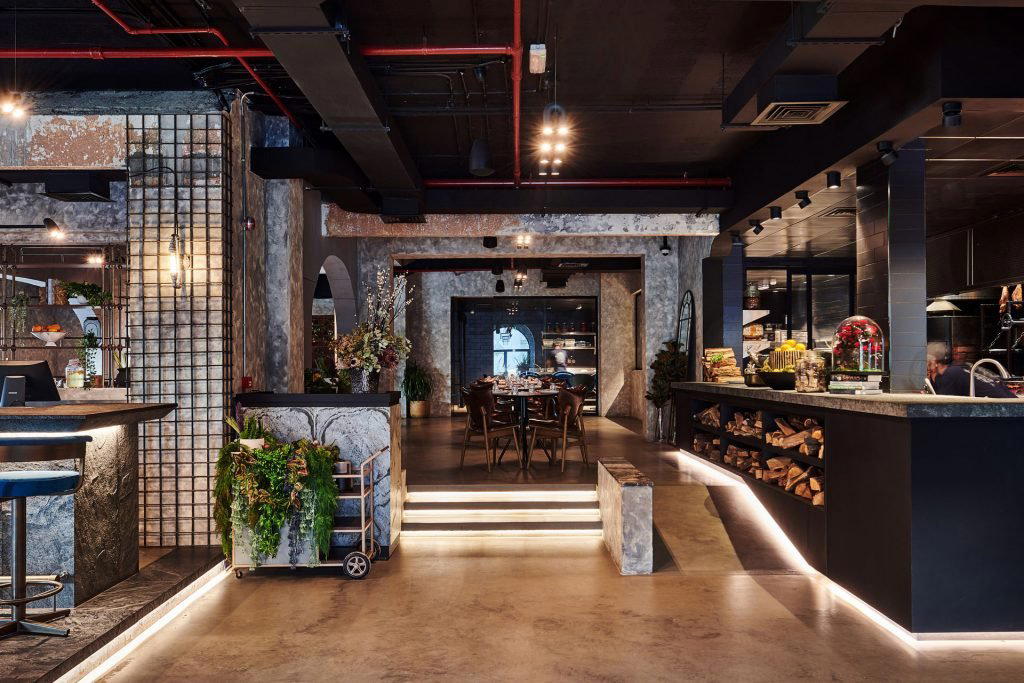
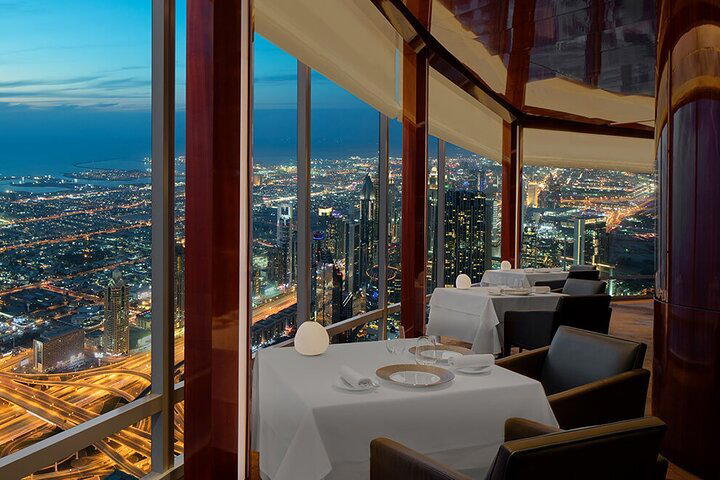
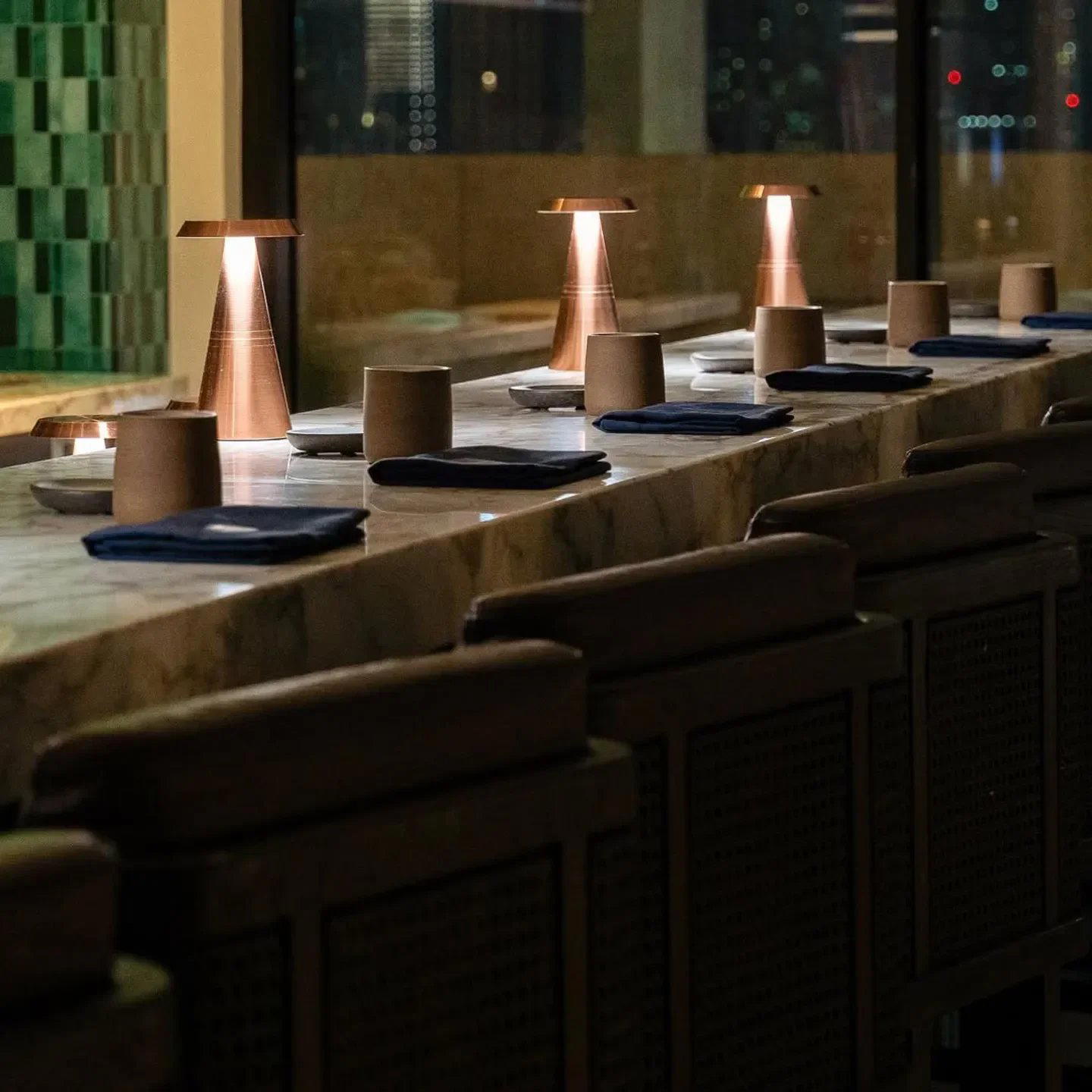
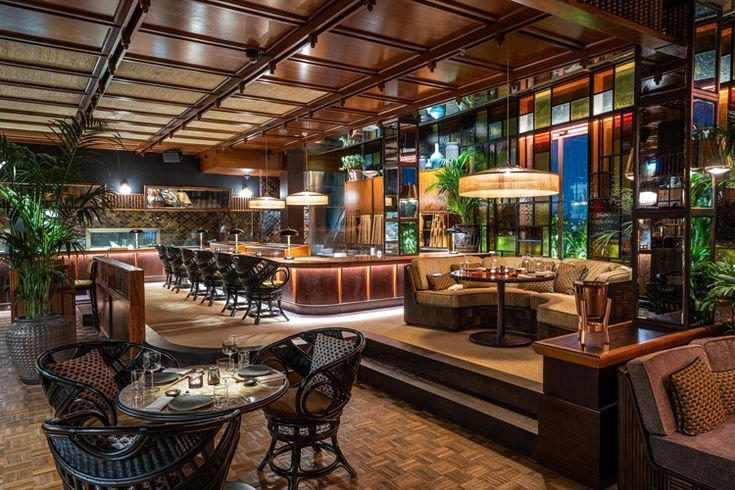
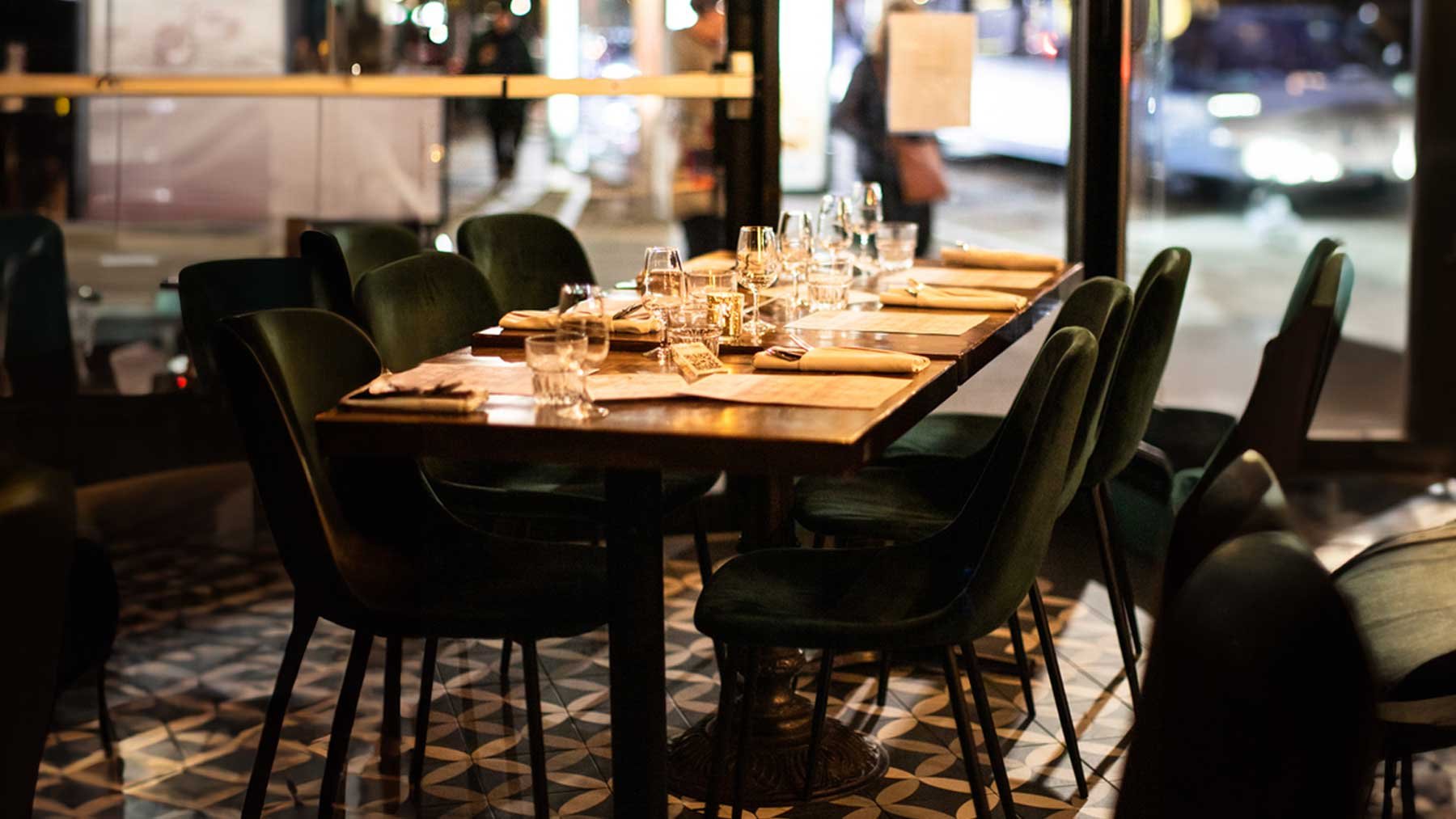
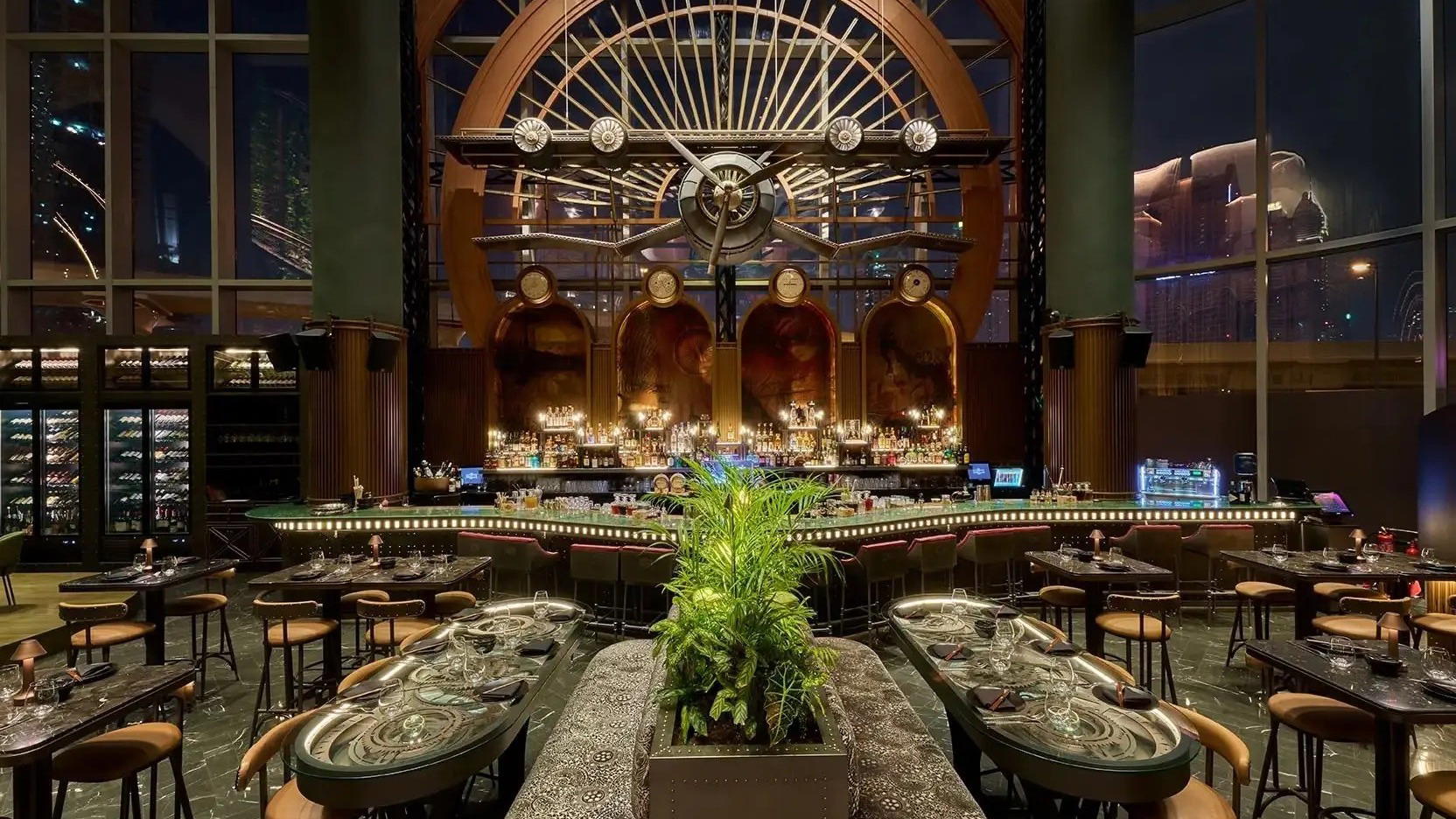
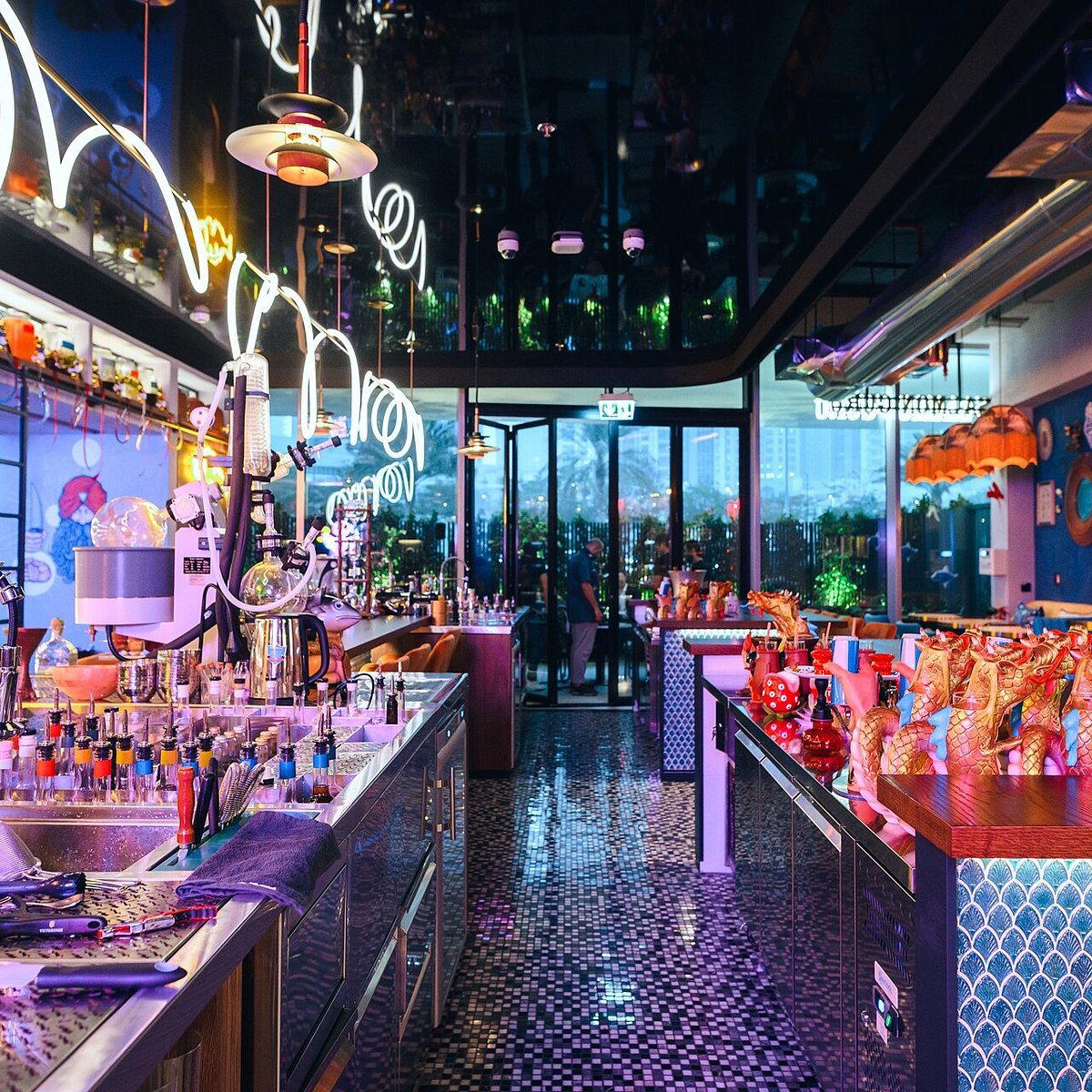
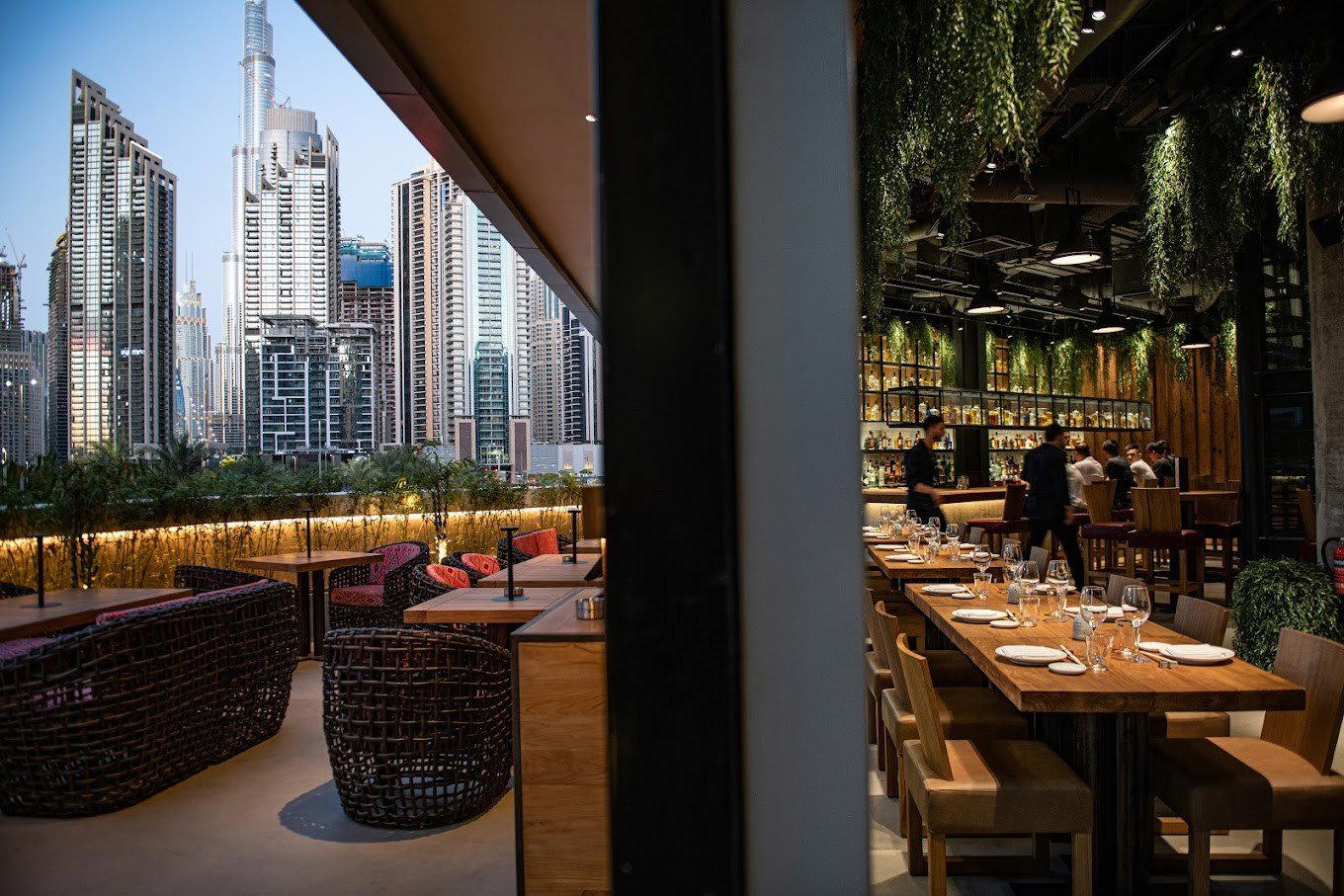
Warm, welcoming villa setting with hand-painted murals by Indian artists, vintage decor including antique electronics and fairy lights, rattan furniture, colorful tiles, and velvet upholstery creating a refined yet nostalgic atmosphere.