Carnival by Trèsind


Michelin Plate · Gault & Millau UAE Selected Restaurant
Our verdict
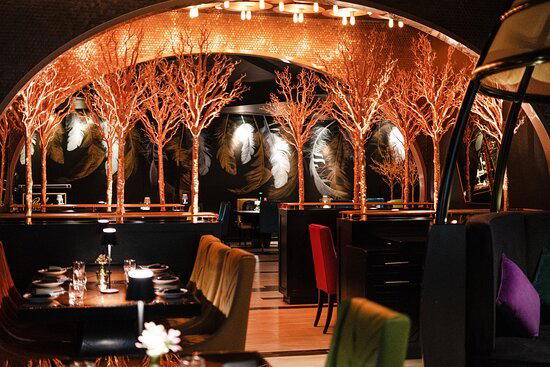
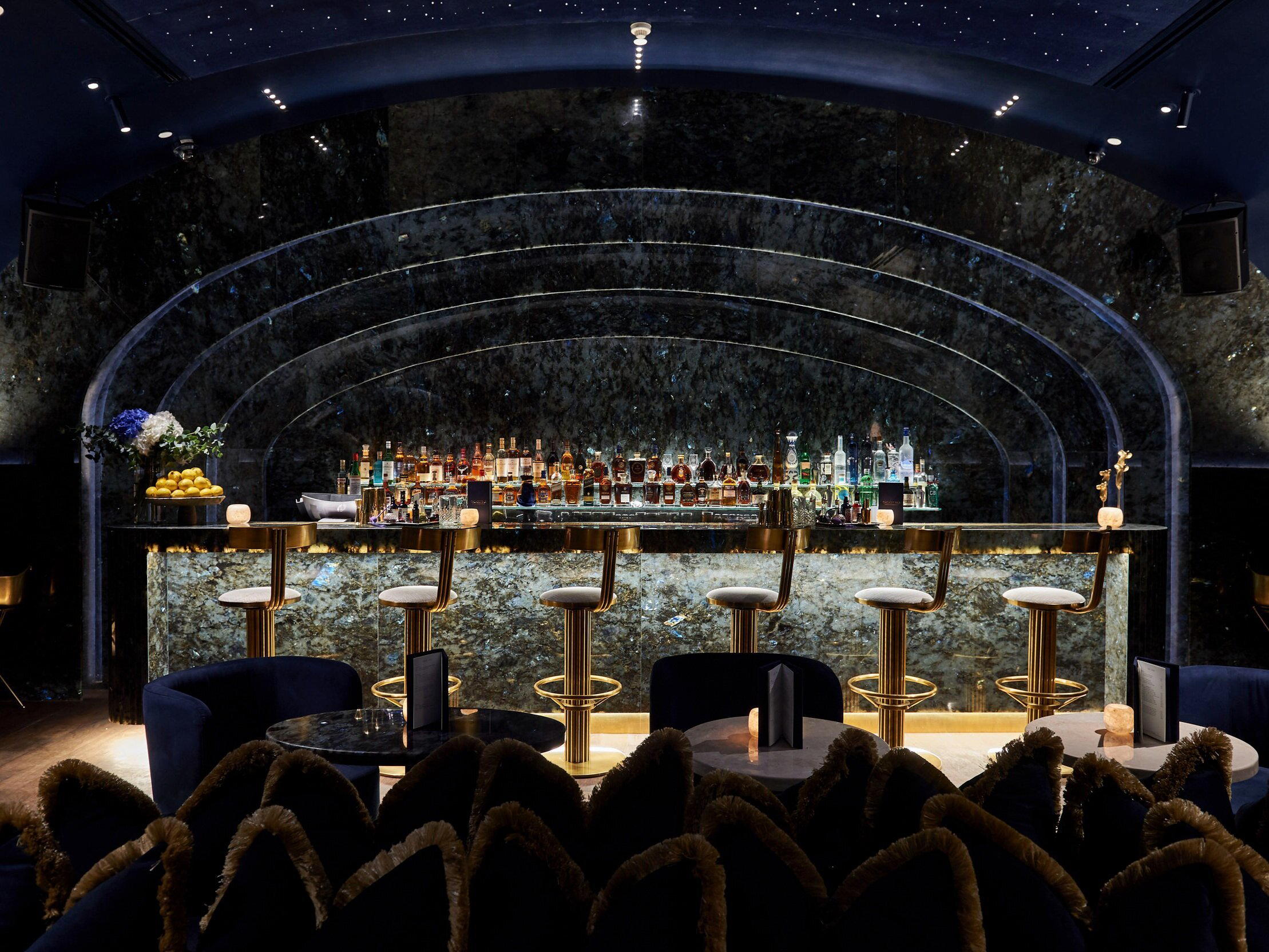
A Michelin Plate holder in Dubai's DIFC, Carnival by Trèsind pairs a gilded, theatrical interior with an Indian menu that moves between street food references and seasonally inflected plates. The kitchen cooks with confidence and restraint, keeping spice levels precise rather than assertive. Sit in one of the two signature dining pods if you can, the setting earns its name.

Pearl is the En Primeur Club membership app, where members save venues, book tables and use the concierge.
The menu
What to order
- Tandoori Lamb Chop
- Burrata Salad
- Pumpkin Kulcha
- Whiskey Cookie Cocktail
- Spring Chicken with Spinach Curry
Where the Room Does Half the Work
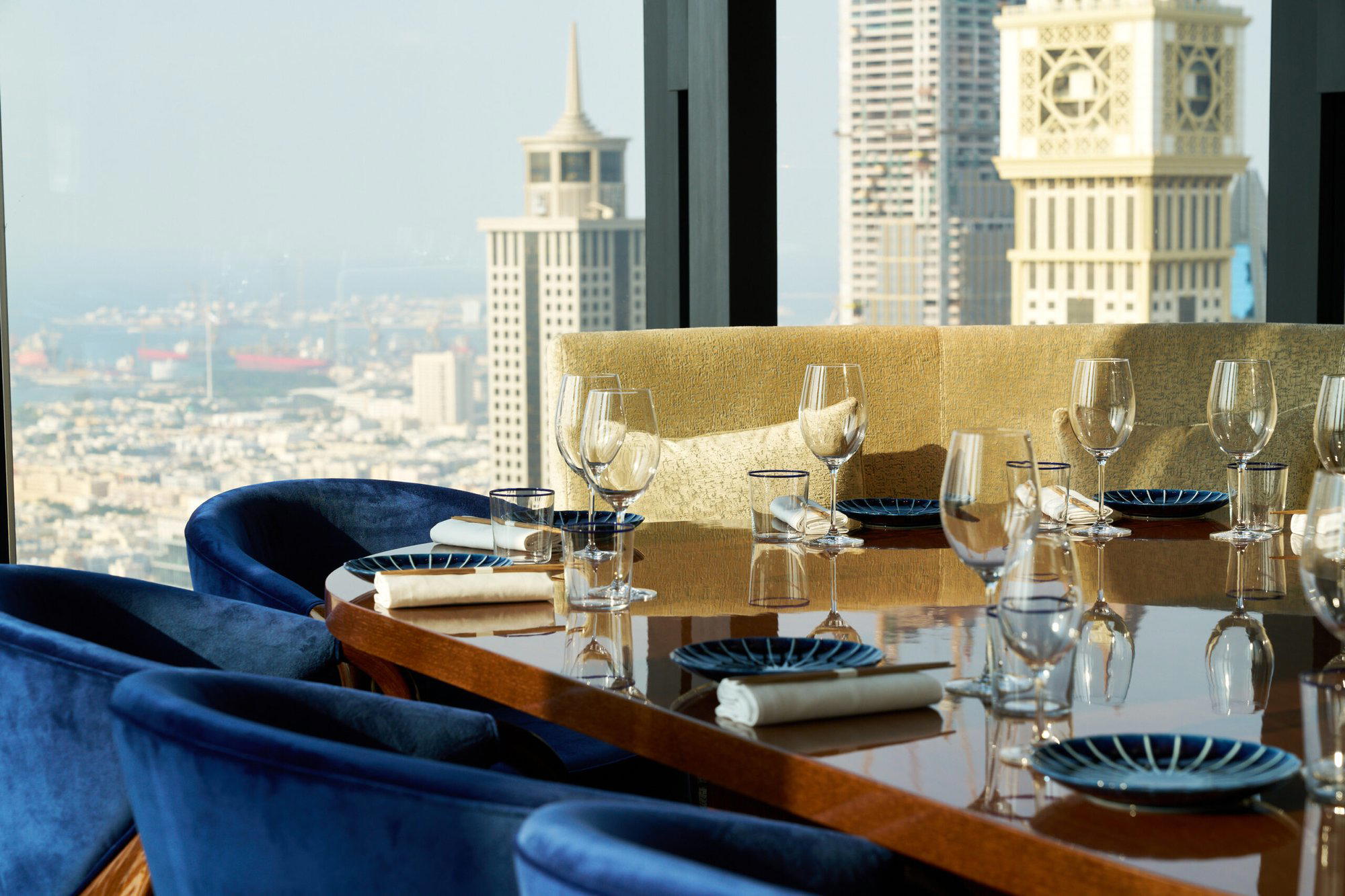
Dubai's DIFC dining corridor runs a spectrum from hushed fine dining to see-and-be-seen spectacle. Carnival by Trèsind occupies an interesting position in that range: the room is theatrical, gilded trees, bold colour, two enclosed dining pods that function almost as private stages within the main space, but the food takes the premise seriously rather than coasting on the visual noise. That combination is harder to pull off than it sounds, and it goes some way to explaining why the Michelin Guide awarded the restaurant a Plate distinction in 2025, signalling cooking worth seeking out rather than merely a room worth photographing.
Indian restaurants in Dubai have split into two broad tiers over the last decade. At one end sit the high-spend tasting-menu formats, led by Trèsind Studio and Avatara Restaurant, both Michelin-starred and priced to match. At the other sit the mid-market curry-house staples that Dubai has never been short of. Carnival occupies the middle ground in both price and ambition, sitting in the $$ bracket while delivering plates that read more like considered modern Indian cooking than the informal category its price point might suggest. Among its local peers, Jamavar, Atrangi by Ritu Dalmia, and Bombay Bungalow, it is the one most consciously playing with presentation and format while keeping price accessible.
The Menu: Street Food Logic, Modern Execution
Indian street food has become a reliable editorial frame for modern restaurants globally, you see it deployed everywhere from Chaat in Hong Kong to Haoma in Bangkok and INDDEE in Bangkok. The appeal is structural: street food gives a kitchen permission to work with bold, recognisable flavours without demanding tasting-menu formality. Carnival leans into this framework clearly, building its menu around street food-inspired choices alongside seasonal themed plates. The approach produces dishes that are confidently cooked and lightly spiced, with what the Michelin Guide describes as an occasional modern touch, enough to signal intent without pushing into the overtly theatrical territory that some Dubai kitchens pursue.
Two dishes draw repeated attention from the Guide's assessors. The chicken momo with candied onion and garlic takes a format associated with Himalayan street stalls and refines it with a measured sweetness from the onion preparation, it is the kind of dish that illustrates what the restaurant is trying to do more concisely than any menu description could. The aamsutra dessert, built around the aam (mango) as a central flavour logic, closes the meal with the same balance of familiarity and considered execution that runs through the savoury courses. The lunch menu draws its own note from the Guide as particularly appealing, which makes this a credible option for a DIFC business lunch at a price point that sits well below what a comparable meal at Trèsind Studio or Avatara would cost.
Drinks in Context: Indian Restaurants and the Wine Question
The editorial angle on wine at modern Indian restaurants is rarely simple. Spice-driven cuisine has historically sat in awkward tension with conventional wine service, and the category has responded in different ways: some kitchens build pairing menus around aromatic whites and off-dry Rieslings, others lean into cocktails as the primary drinks narrative, and a handful simply offer broad lists and let guests self-direct. Comparable venues in other cities, Opheem in Birmingham, Amaya and Benares in London, Musaafer in Houston, have each taken different positions on how formally to address the drinks programme alongside the food.
At Carnival's price point, the expectation is typically a serviceable rather than deeply wine offering. Dubai's licensing framework adds another variable: all alcohol-serving venues in the emirate operate under hotel or club licences, and the cost overhead tends to push wine lists toward commercial labels rather than artisanal depth. Carnival's confirmed listing details do not specify a sommelier programme, and the drinks offering is not a primary draw the way it might be at a restaurant specifically constructed around cellar depth. For guests who prioritise wine alongside food, the $$ price bracket here suggests a functional rather than considered selection. The honest read is that the drinks function as support for the food rather than an independent reason to visit, which is not uncommon for this price tier in Dubai, and the food is strong enough that it doesn't need the drinks programme to carry weight.
The DIFC Address and What It Signals
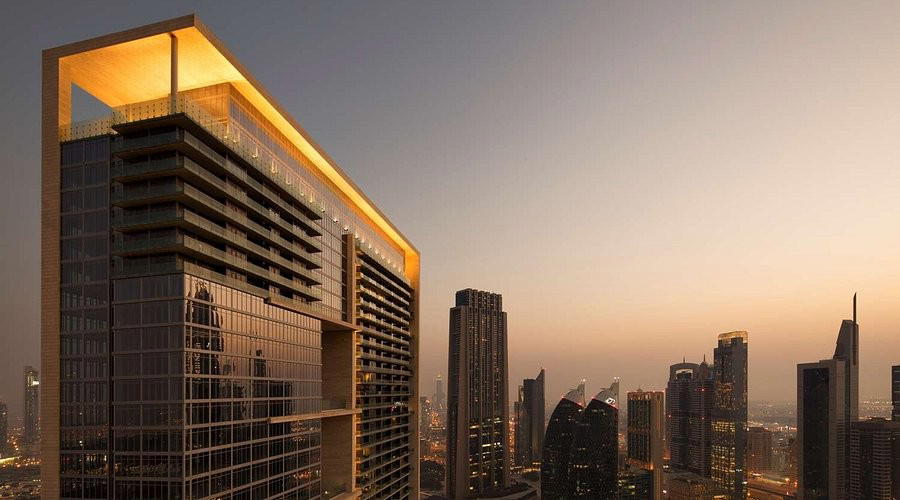
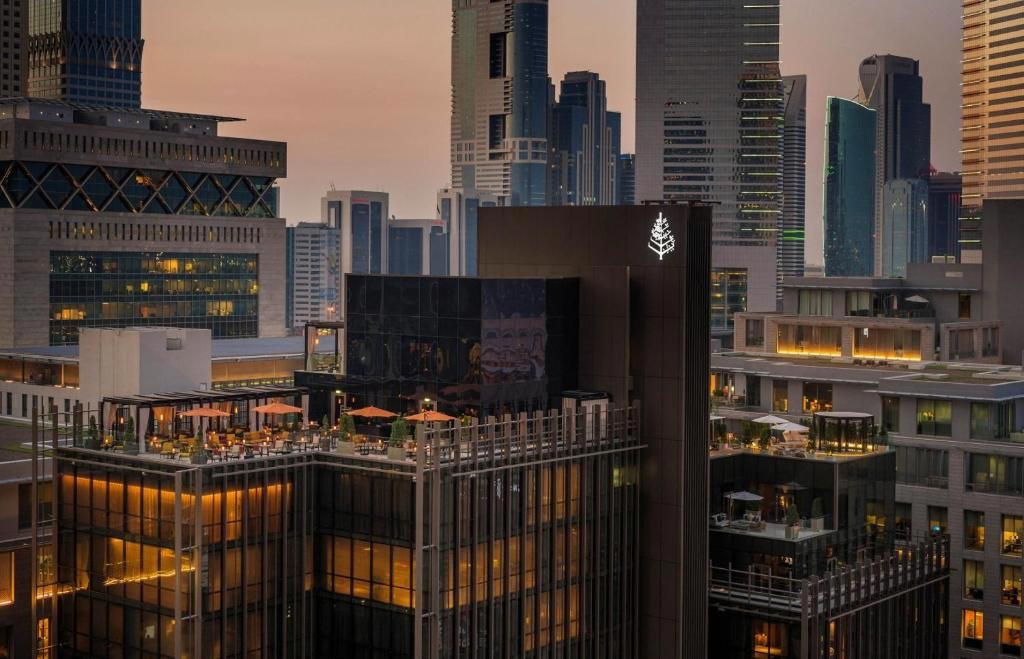
The Buildings by Daman on Al Sa'ada Street in DIFC is a recognisable dining corridor for the financial district crowd. DIFC addresses carry a specific competitive logic in Dubai: the catchment is heavy with expense-account lunches, pre-event dinners tied to Gate Avenue's programming, and the after-work traffic that makes early evening reservations move quickly in this part of the city. For visitors exploring beyond this restaurant, the full Dubai restaurants guide covers the broader city, with companion resources across bars, hotels, wineries, and experiences. For a broader UAE frame, Erth in Abu Dhabi offers a point of comparison for regionally-rooted cooking at a different register.
Planning Your Visit
Carnival by Trèsind is located at The Buildings by Daman, 312 Al Sa'ada Street, DIFC, Dubai. The $$ pricing makes it one of the more accessible Michelin Plate addresses in the DIFC cluster, and the lunch menu is worth considering for mid-week visits when the room operates at a calmer pace than weekend dinner service. The address is within the DIFC's walkable core, convenient to Gate Avenue and the main financial towers.
What to Order at Carnival by Trèsind
The Michelin Guide's assessors specifically flag two dishes: the chicken momo with candied onion and garlic, and the aamsutra dessert. Both reflect the kitchen's approach of working within recognisable Indian frameworks, Himalayan street food, mango-centred dessert traditions, and applying precise modern technique rather than dramatic reinvention. The lunch menu earns a separate recommendation from the Guide, making it a practical choice for a well-priced DIFC meal outside of dinner hours. Spicing is calibrated toward lighter rather than assertive, so guests who typically avoid Indian restaurants for heat reasons will find the approach accessible without the food feeling diluted.
Frequently asked questions
What's Carnival by Trèsind known for in terms of accolades?
Carnival by Trèsind has received recognition including: Michelin Plate (2025); Fittingly brightly decorated with gilded trees and two huge dining pods. The Indian menu includes various street food inspired choices alongside seasonal themed plates; dishes are confidently cooked and lightly spiced….
What should I order at Carnival by Trèsind?
The Michelin Guide assessors call out two dishes specifically: the chicken momo with candied onion and garlic, and the aamsutra dessert. Both sit within the restaurant's street food-rooted framework while showing the modern restraint that earned the 2025 Michelin Plate. The lunch menu is also worth considering if you want to explore the range at the $$ price point.
What's the pricing like at Carnival by Trèsind?
Pricing at Carnival by Trèsind is listed as $$.
A Quick Peer Check
| Venue | Cuisine | Price | Awards | Notes |
|---|---|---|---|---|
| Carnival by TrèsindThis venue (the venue you are viewing) | Modern Indian Fine Dining with Molecular Gastronomy | $20–30 | Michelin Plate · Gault & Millau UAE Selected Restaurant | Not listed |
| 11 Woodfire | Modern Woodfire Grill | $150–200 | 1 Michelin Star · World's 50 Best #14 | Modern Cuisine |
| Avatara Restaurant | Modern Vegetarian Indian Fine Dining | Not listed | 1 Michelin Star · Gault & Millau UAE Selected Restaurant | Indian |
| Al Mahara | Modern Italian Seafood | $300–500 | Michelin Plate · World's 50 Best #31 | Seafood |
| Zuma | Modern Japanese Izakaya | $150–200 | Michelin Plate · World's 50 Best #34 | Japanese - Asian, Japanese, Japanese Contemporary |
| City Social | Modern European with Japanese influences | $150–200 | Michelin Plate · Star Wine List | Not listed |
Recognition history
Dated appearances from independent guides and award organizations, with the underlying list record or original source where available.
Michelin Plate
Michelin
Gault & Millau UAE Selected Restaurant
Gault & Millau · Gault & Millau UAE 2026 - Selected Restaurant
Full recognition history (3 entries)
Michelin Plate
Michelin
Continue exploring
More in Dubai
Restaurants in Dubai
All restaurants in Dubai →
Bars in Dubai
All bars in Dubai →
Details
- Lively
- Energetic
- Modern
- Elegant
- Whimsical
- Date Night
- Celebration
- Special Occasion
- Group Dining
- Brunch
- Live Music
- Open Kitchen
- Design Destination
- Private Dining
- Craft Cocktails
- Sommelier Led
- Local Sourcing
- Tasting Menu
- A La Carte
- Craft Cocktails
- Wine
- Vegetarian Friendly
- Vegan Options
- Gluten Free Options
- Halal
- Allergy Accommodating
Current opening hours
- Monday
- 12 PM–12 AM
- Tuesday
- 12 PM–12 AM
- Wednesday
- 12 PM–12 AM
- Thursday
- 12 PM–12 AM
- Friday
- 12 PM–12 AM
- Saturday
- 12 PM–1 AM
- Sunday
- 12 PM–12 AM
Hours can change for holidays and private events. Hours as of .
Lively and sophisticated with warm lighting, elegant decor reflecting Indian heritage, beautiful table settings, and energetic music creating an inviting yet refined atmosphere.