Bombay Bungalow

A Michelin Plate-recognised Indian restaurant at JBR's The Beach, Bombay Bungalow sits at the accessible end of Dubai's Indian dining tier, where the focus is on familiar subcontinental cooking in a setting shaped by the open-air energy of Jumeirah Beach Residence.
Pearl is the En Primeur Club membership app — saves, bookings, and concierge access live there. Same editors, same standards.
- Address
- Bombay Bungalow - The Beach - Jumeirah Beach Residence - Dubai - United Arab Emirates
- Phone
- +971 50 395 0322
- Website
- bombaybungalowdxb.com
- Directions
- Get directions
 Saves & bookings on Pearl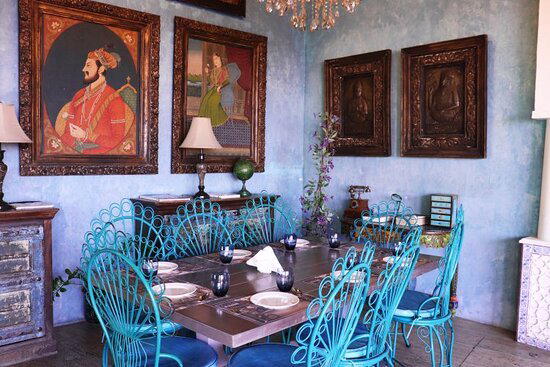
Where JBR's Beachfront Energy Meets Indian Home Cooking
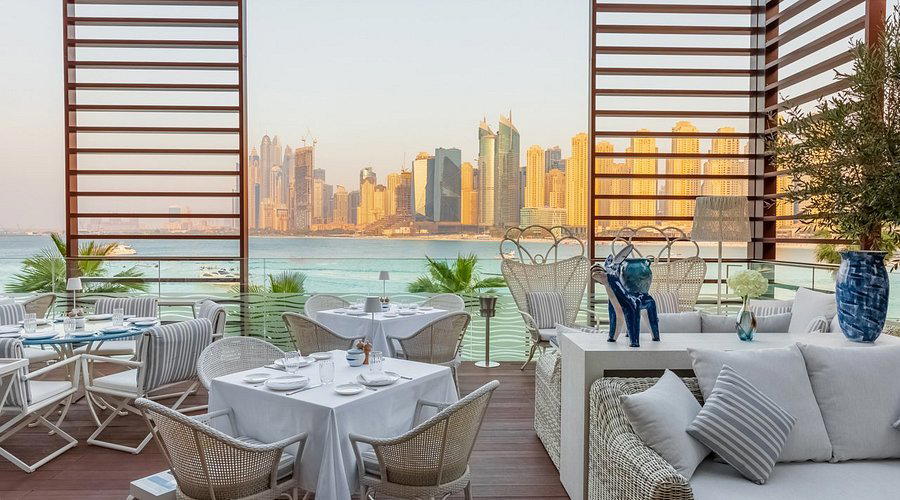
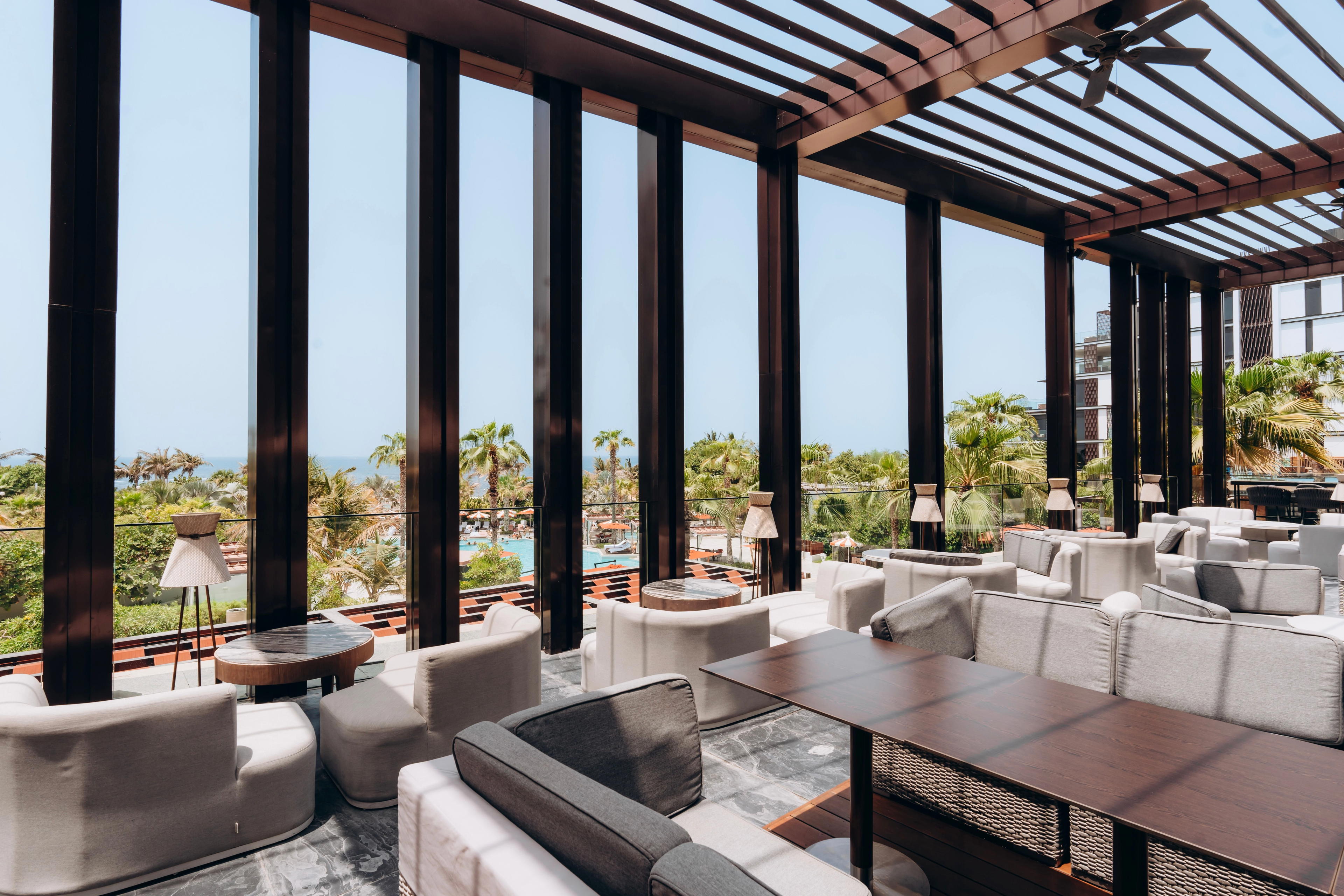
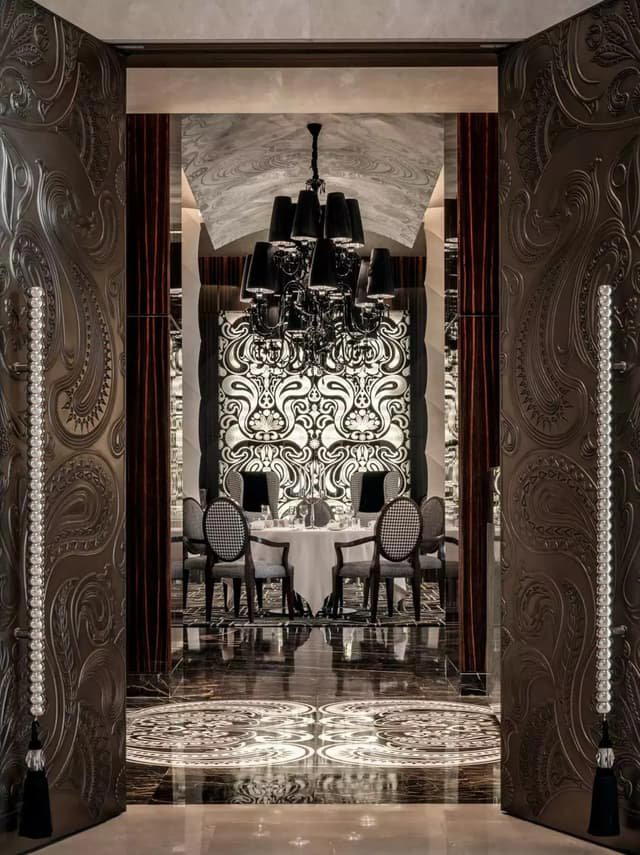
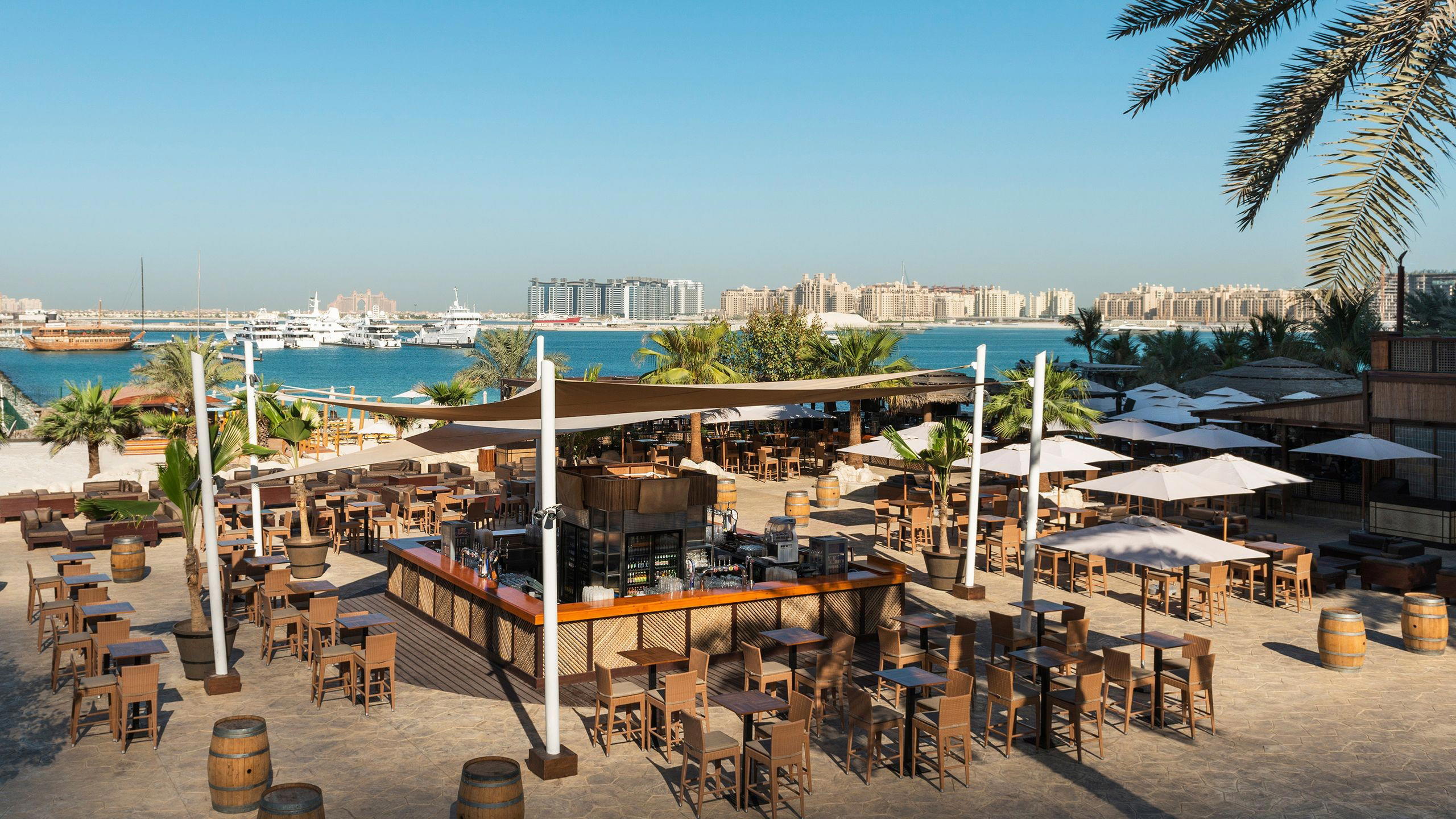
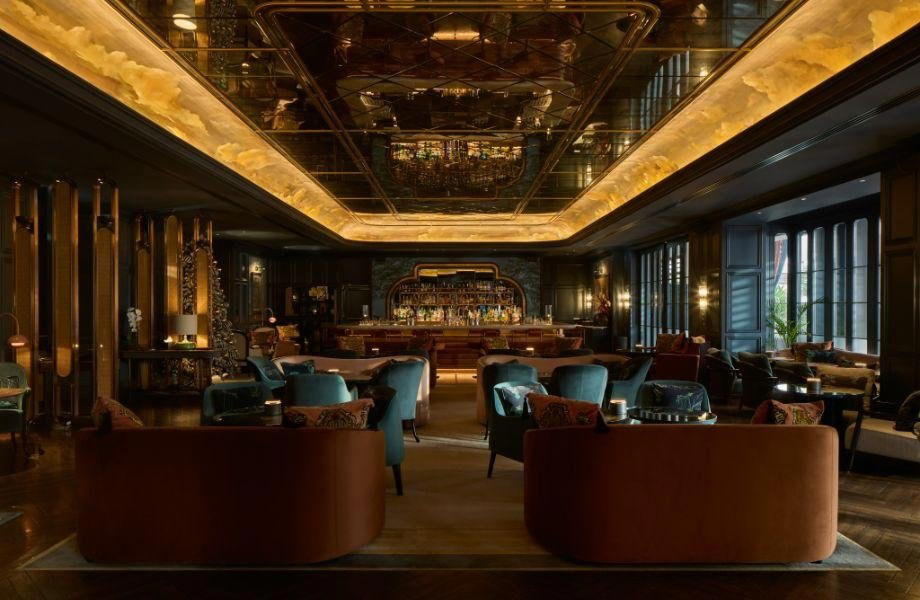
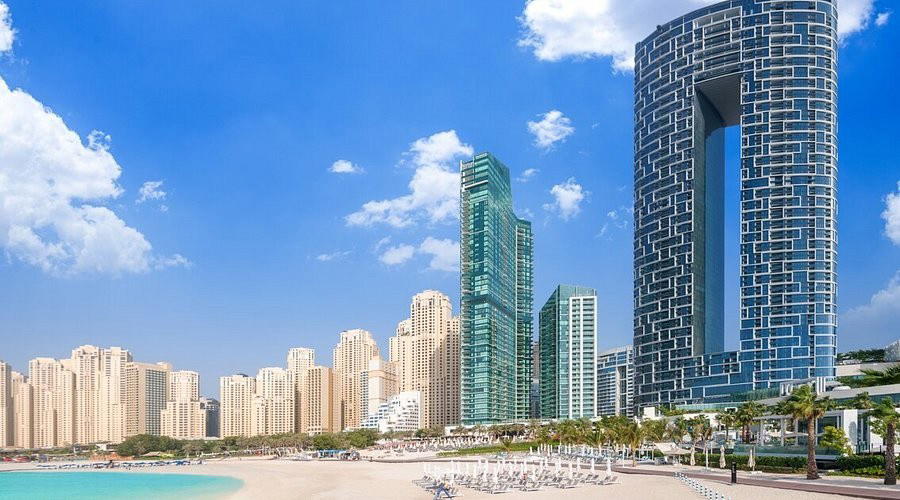
The Beach at Jumeirah Beach Residence operates at a particular frequency: open air, high footfall, the Arabian Gulf visible from most angles, and a crowd that skews cosmopolitan in the way only Dubai's northern waterfront neighbourhoods can manage. Within that retail-and-dining promenade, Bombay Bungalow reads as a deliberate domestic counterpoint to the louder international concepts around it. The name signals a design idea before it signals a menu, and the bungalow reference carries through in the spatial language: warmth, enclosure, the suggestion of a private household rather than a restaurant floor built for volume.
That framing matters in a city where Indian dining spans an enormous range. At the summit tier, concepts like Trèsind Studio and Avatara Restaurant operate as tasting-menu propositions with Michelin stars and price points to match. Below that, a dense middle tier of subcontinental restaurants covers everything from Mughlai dining rooms to regional coastal specialists. Bombay Bungalow places itself in neither camp. Its $35 per-person price point signals accessible everyday eating, and its Michelin Plate recognition in both 2024 and 2025 indicates that the kitchen is cooking with enough consistency and care to register on the guide's radar.
The Physical Container: Warmth at the Water's Edge
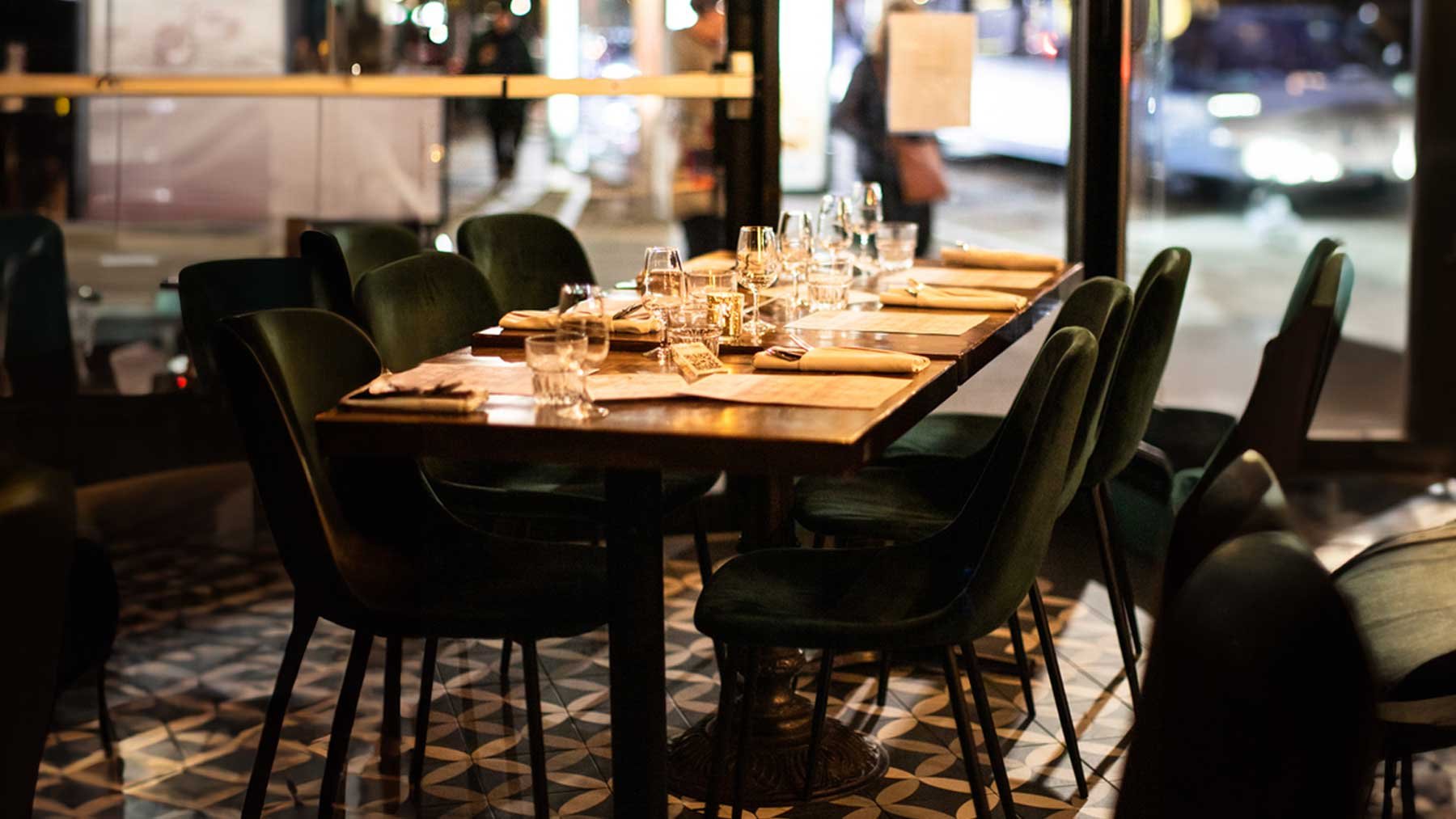
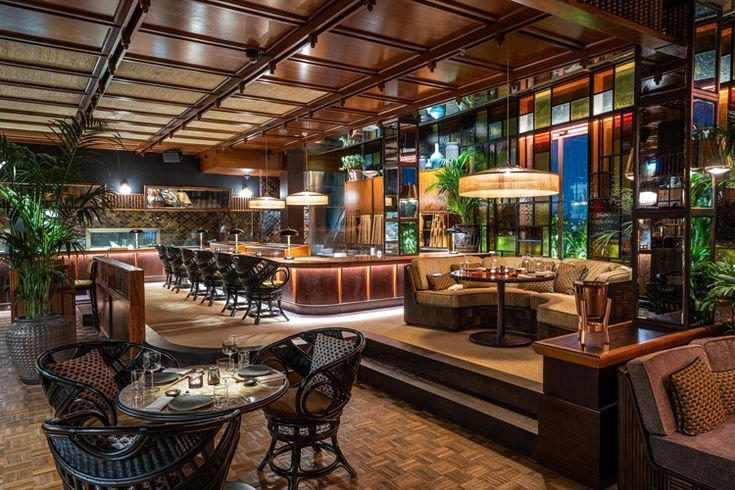
Dubai's beachfront dining developments have a tendency toward the clinical: glass, metal, maximised views, interiors that prioritise visual drama over physical comfort. Bombay Bungalow's design proposition reads against that tendency. The bungalow reference suggests a human scale, an interior organised around intimacy and texture rather than spectacle. In the context of The Beach, that kind of spatial restraint functions as a genuine differentiator; the contrast between the open promenade outside and a warmer, more enveloping interior creates a recognisable sense of arrival.
Indian restaurant design internationally has spent the last decade shedding the heavy ornamentalism that characterised earlier generations of subcontinental dining rooms. The more considered examples, from Amaya in London to Chaat in Hong Kong, have moved toward material honesty and selective reference. The bungalow as a typology fits that direction; colonial-era bungalow architecture was itself a hybrid form, mixing British and South Asian domestic traditions, and the aesthetic it produces, veranda proportions, warm woods, layered textiles, translates comfortably into a contemporary dining context without requiring heavy thematic literalism.
The Cuisine: Bombay as Focal Point
Bombay, now Mumbai, carries a specific culinary identity within the broader Indian canon. It is a street-food city, a tiffin-box city, a place where Parsi dhansak sits alongside Udupi vegetarian, where the vada pav is as culturally significant as anything served in a formal dining room. A restaurant that anchors itself to that geography is signalling something about register: this is cooking rooted in appetite and familiarity, not in the exploratory modernism of a concept like Carnival by Trèsind or the vegetarian precision of Avatara.
Internationally, the Bombay-specific framing has been deployed with varying results. In cities with large South Asian diasporas, it tends to carry real weight, evoking specific dishes and memory structures rather than a generalised pan-Indian offer. In Dubai, where the South Asian community is substantial and well-served by restaurants operating across the full price spectrum, that specificity reads as a positioning choice with real stakes.3 built across 4,649 reviews suggests the kitchen is delivering on the promise consistently enough to satisfy a diverse and demanding local audience.
For a broader read on how Bombay-style cooking translates at different price points globally, Benares in London and Opheem in Birmingham illustrate how Indian regional specificity intersects with formal dining ambition. At the other end of the temperature dial, Haoma in Bangkok and INDDEE in Bangkok show how Indian concepts function within different urban dining ecosystems. Musaafer in Houston adds a North American comparison point for regional Indian cooking positioned in a leisure district context not unlike JBR.
Michelin Plate: What the Recognition Actually Signals
The Michelin Plate recognises kitchens that inspectors consider to be producing good cooking. It recognises kitchens that inspectors consider to be producing good cooking, with no implication of the ambition or consistency required for star consideration. For a restaurant in the restaurant's price tier, the Plate is a meaningful credential because it removes the suspicion that accessibility has come at the cost of culinary standards. Two consecutive Plate awards, in 2024 and 2025, indicate that the recognition is not incidental.
Within Dubai's Indian restaurant tier, the spread of Michelin recognition is instructive. Jamavar and Atrangi by Ritu Dalmia operate at a higher price bracket with correspondingly different ambitions. The restaurant's Plate, held across two years at its single-dollar price point, positions it as one of the more credentialed accessible Indian restaurants in the city, a category where the competition is intense and largely unrecognised by international guides.
Planning a Visit
A Lean Comparison
Comparable venues nearby, for context on price, style, and recognition.
| Venue | Cuisine | Price | Notes |
|---|---|---|---|
| Bombay BungalowThis venue — the venue you are viewing | Indian | $$$ | Not listed |
| Indikaya | Al Satwa, Modern Indian Fine Dining | $$$ | Not listed |
| Trèsind | Not listed | $$$$ | Za'abeel 2, Progressive Modern Indian |
| Bordo Mavi | Jumeira, Turkish Black Sea Seafood | $$$ | Not listed |
| Al Mandaloun | Not listed | $$$ | Za'abeel 2, Authentic Lebanese |
| Revelry | Not listed | $$$ | Dubai Hills, Indian Tapas with Seasonal Cocktails |
Recognition history
Dated appearances from independent guides and award organizations, with the underlying list record or original source where available.
Michelin Plate
Michelin
Michelin Plate
Michelin
At a Glance
- Trendy
- Cozy
- Elegant
- Whimsical
- Date Night
- Family
- Celebration
- Brunch
- Terrace
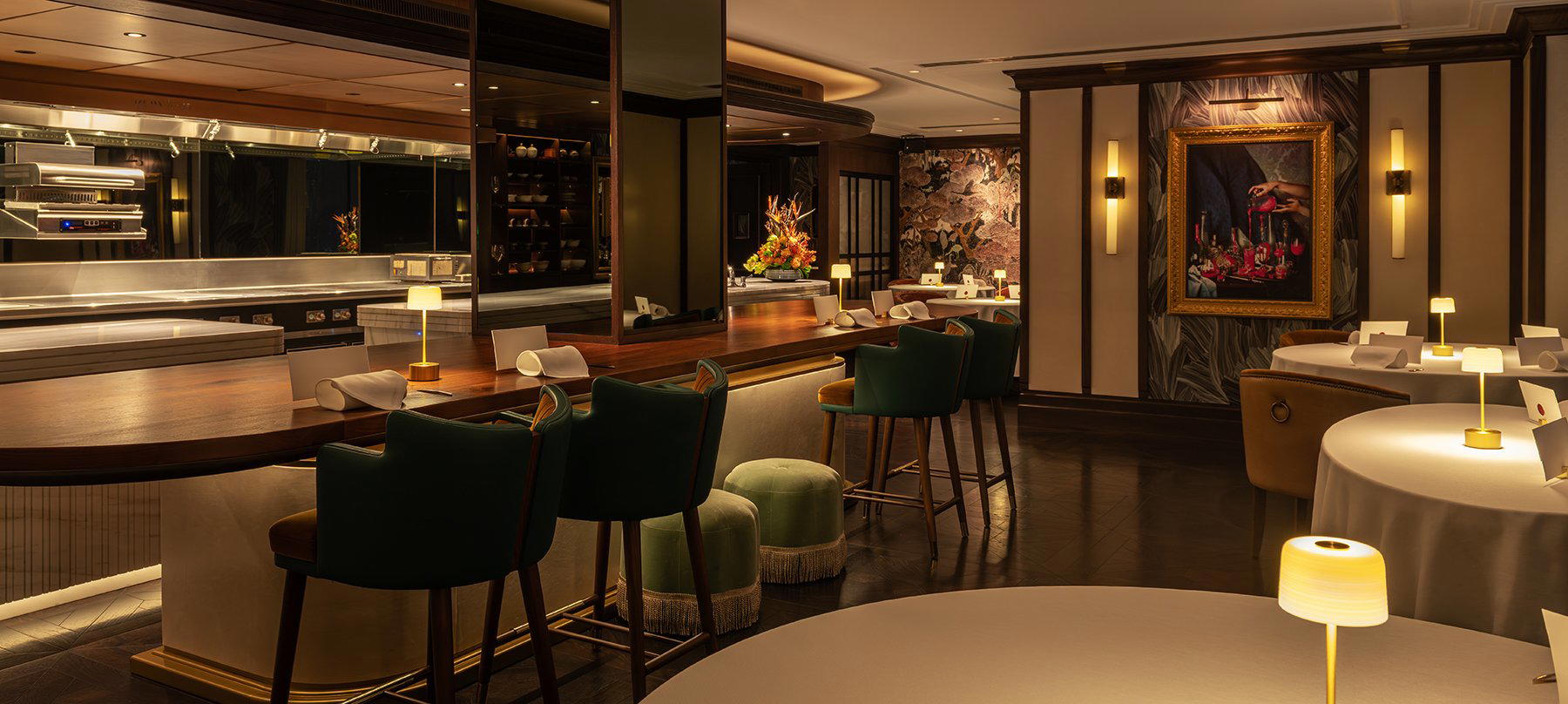
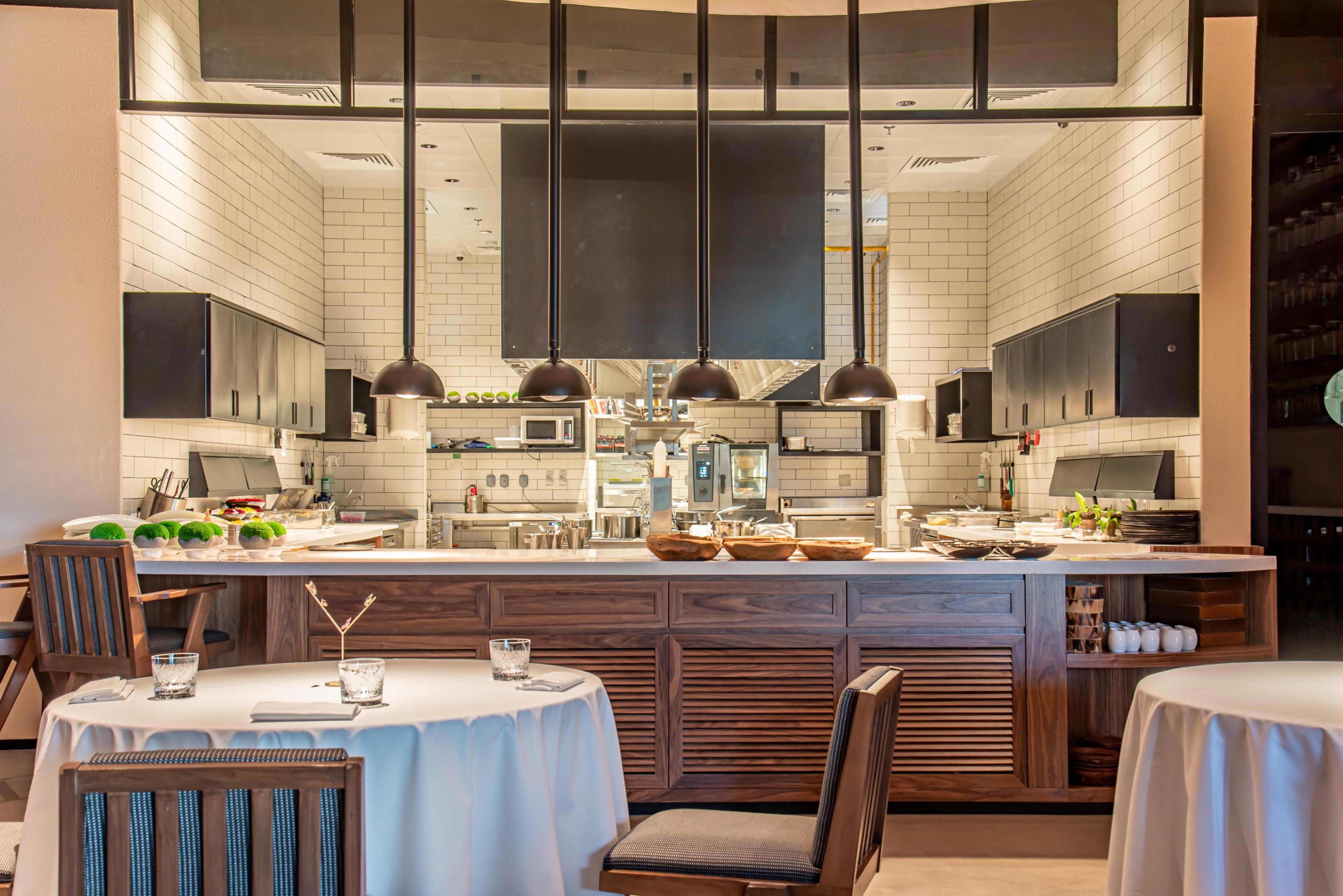
- Open Kitchen
- Waterfront
Current opening hours
- Monday
- 11 AM–12 AM
- Tuesday
- 11 AM–12 AM
- Wednesday
- 11 AM–12 AM
- Thursday
- 11 AM–12 AM
- Friday
- 11 AM–12 AM
- Saturday
- 11 AM–12 AM
- Sunday
- 11 AM–12 AM
Hours can change for holidays and private events. Last verified .
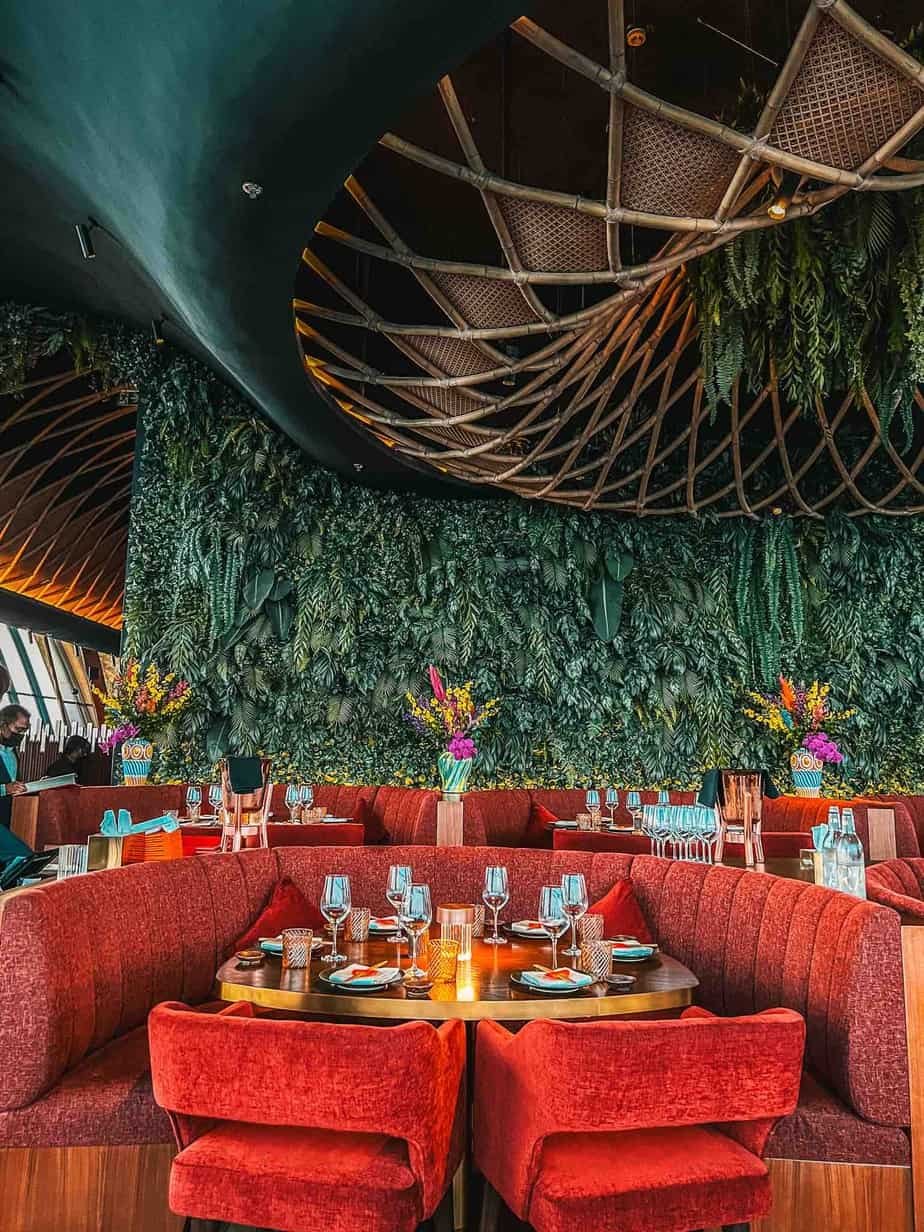
Lively and inviting with rustic Indian decor, teal furniture, mosaic tiles, lanterns, and a dramatic chandelier creating a homely yet trendy atmosphere.