Retour
Retour occupies a deliberate position in Copenhagen's dining scene, where questions of sourcing, waste, and ecological accountability have moved from fringe to foundational. Located at Trommesalen 5 in the Vesterbro district, the restaurant operates within a city that has built much of its modern culinary reputation on exactly these concerns, making Retour a coherent part of a larger, ongoing conversation about what restaurants owe the land they cook from.
Pearl is the En Primeur Club membership app — saves, bookings, and concierge access live there. Same editors, same standards.
- Address
- Trommesalen 5, 1614 København, Denmark
- Phone
- +45 33 16 17 19
- Website
- restaurantretour.dk
- Directions
- Get directions
 Saves & bookings on Pearl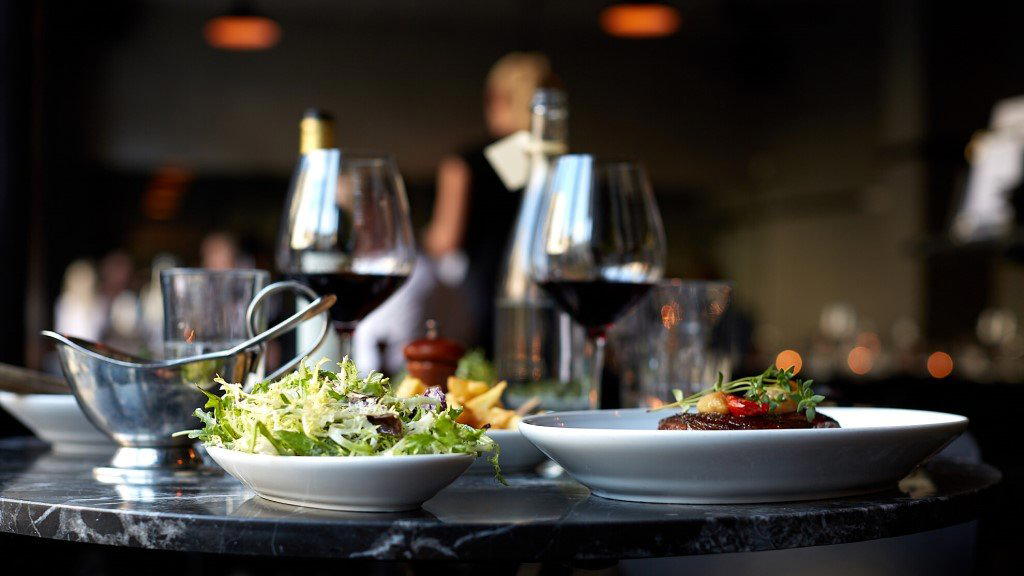
Where Copenhagen's Sustainability Conversation Gets Specific
Copenhagen has spent the better part of two decades constructing a culinary identity around environmental responsibility. What began as a philosophical position at a handful of pioneering kitchens has hardened into an expectation across the city's serious dining tier. The question restaurants now face is not whether to engage with sourcing ethics and waste reduction, but how rigorously and how visibly. Retour, at Trommesalen 5 in Vesterbro, is a steakhouse bistro in Copenhagen.
Vesterbro's dining scene has matured considerably over the past decade. Once defined by cheap eats and late-night bars along Istedgade, the neighbourhood has absorbed a quieter wave of ingredient-led restaurants that prioritise produce relationships over spectacle. Trommesalen sits slightly off the main pedestrian corridors, in a pocket of the district where the dining tends toward the considered rather than the performative. That physical context shapes what a restaurant can be: without the foot traffic of Nørreport or the tourist density of the Inner City, kitchens here build their reputations through deliberate word-of-mouth rather than passive discovery.
The Ecological Frame That Defines Copenhagen's Leading Tables
To understand where Retour positions itself, it helps to map the broader field. Geranium operates at the apex of the New Nordic framework, with a vegetable-forward tasting menu structure that has become the template other kitchens reference. Noma built its global reputation partly on foraging ethics and hyper-local procurement before closing its permanent format in early 2024. Alchemist folds ecological messaging into an immersive multi-act format. Kadeau imports its Bornholm island sourcing philosophy directly into its Copenhagen kitchen, treating provenance as a non-negotiable structural element rather than a talking point.
What these restaurants share is a willingness to make sourcing architecture visible at the table level: where a producer is named, a preservation technique is explained, or an ingredient is used in its entirety across multiple courses. The trend has moved Copenhagen's premium dining tier away from classical French service models and toward something more accountable and, in many ways, more demanding for the kitchen. Waste reduction in a high-end context is technically harder than abundance: using secondary cuts, fermenting surplus, and building menus around what is available rather than what a menu specifies requires both planning depth and supplier relationships that take years to develop.
Denmark's broader food policy environment supports this direction. The country has invested significantly in organic certification infrastructure, and Danish consumer demand for traceable produce sits among the highest in Europe. Copenhagen restaurants benefit from a supply chain that has responded to that pressure, with producers who have built businesses around restaurant-grade sustainability commitments rather than adapting reluctantly. That infrastructure is the foundation on which kitchens like Retour operate.
Retour in the Context of Copenhagen's Mid-Tier Sustainability Wave
Not every restaurant engaging seriously with sustainability in Copenhagen operates at the four-figure tasting menu price point. A significant cohort of restaurants across the city works within more accessible formats while maintaining genuine sourcing discipline. These kitchens tend to attract less international press than the Michelin-decorated tier, but they often represent more transferable models of what ecologically responsible cooking looks like at scale. Retour appears to occupy this middle ground: a restaurant taking its environmental commitments seriously without the ceremony or the price architecture of the city's most scrutinised addresses.
The comparison extends beyond Copenhagen. Elsewhere in Denmark, restaurants like Jordnær in Gentofte, Frederikshøj in Aarhus, Henne Kirkeby Kro in Henne, and Dragsholm Slot Gourmet in Hørve have each built farm-to-table sourcing into their identities in ways specific to their regional food cultures. The pattern across Aalborg, Odense, Vejle, Herning, Nykøbing Sjælland, and Præstø suggests that ethical sourcing in Danish fine dining is no longer a metropolitan privilege but a national dining norm. Retour participates in that national conversation from Copenhagen's Vesterbro base.
For readers tracking how sustainability principles translate across different culinary traditions, international reference points are useful. Le Bernardin in New York City represents a classical French kitchen that has progressively integrated sustainability commitments into its seafood sourcing philosophy. Atomix, also in New York, demonstrates how a kitchen rooted in Korean culinary tradition can maintain rigorous ethical sourcing standards within a tasting menu format. The comparison with Koan, Copenhagen's New Nordic and kaiseki-influenced address, is also instructive: Koan uses Japanese preparation disciplines around waste and whole-ingredient use as a parallel route to similar ecological outcomes.
What to Expect from a Vesterbro Dinner
Copenhagen's Vesterbro restaurants, as a category, tend toward neighbourhood-scale intimacy rather than destination-restaurant scale. The dining rooms are typically smaller, the service less scripted, and the relationship between the kitchen and the guest more direct than at the city's flagship tasting menu destinations. That format suits a sustainability-led approach: smaller kitchens order tighter quantities, adapt menus more fluidly to what producers have available, and are less reliant on the consistent throughput that makes waste management harder at high-volume operations.
Trommesalen itself is a short distance from Kødbyen, the meatpacking district that has become one of the city's most active evening dining and bar corridors, which means a dinner at Retour fits naturally into a broader Vesterbro evening.
Know Before You Go
- Address: Trommesalen 5, 1614 København, Denmark
- Neighbourhood: Vesterbro, Copenhagen
- Nearest transit: Vesterbro Station; bus routes 6A and 26 serve the area
- Booking:
- Price range: About $50 per person
- Awards: None confirmed
Reputation First
Comparable venues nearby, for context on price, style, and recognition.
| Venue | Cuisine | Price | Notes |
|---|---|---|---|
| RetourThis venue — the venue you are viewing | Steakhouse Bistro | $$$ | Not listed |
| Feed Bistro | Modern Meat-Focused Bistro | $$$ | Indre By |
| Pastis | Classic French Bistro | $$$ | Indre By |
| Café Victor | French Brasserie with Danish Influences | $$$ | Indre By |
| Esmée | Modern French Brasserie with Nordic Twist | $$$ | Indre By |
| Cap Horn | Modern Danish Bistro | $$$ | Indre By |
Continue exploring
More in Copenhagen
Restaurants in Copenhagen
Browse all →
Bars in Copenhagen
Browse all →

At a Glance
- Modern
- Minimalist
- Cozy
- Date Night
- Business Dinner
- Casual Hangout
- Open Kitchen
- Craft Cocktails
- Local Sourcing
Current opening hours
- Monday
- 5–11 PM
- Tuesday
- 5–11 PM
- Wednesday
- 5–11 PM
- Thursday
- 5–11 PM
- Friday
- 5 PM–12 AM
- Saturday
- 5 PM–12 AM
- Sunday
- 5–11 PM
Hours can change for holidays and private events. Last verified .
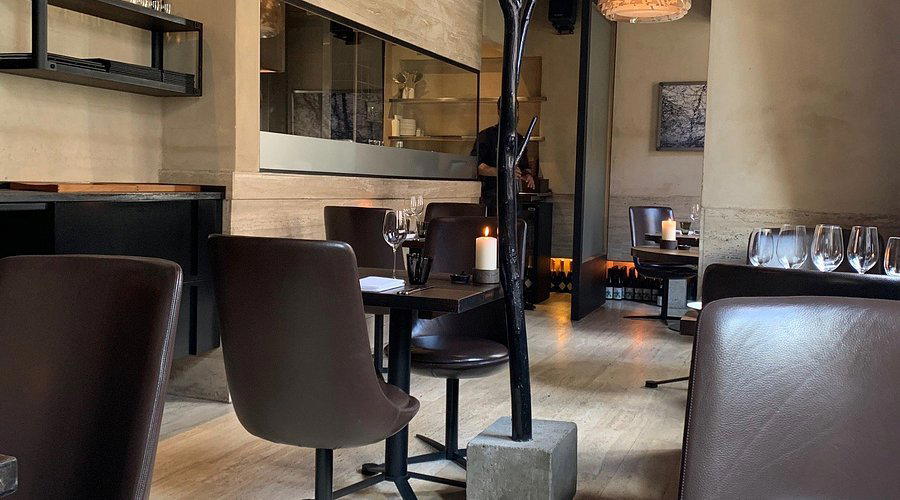
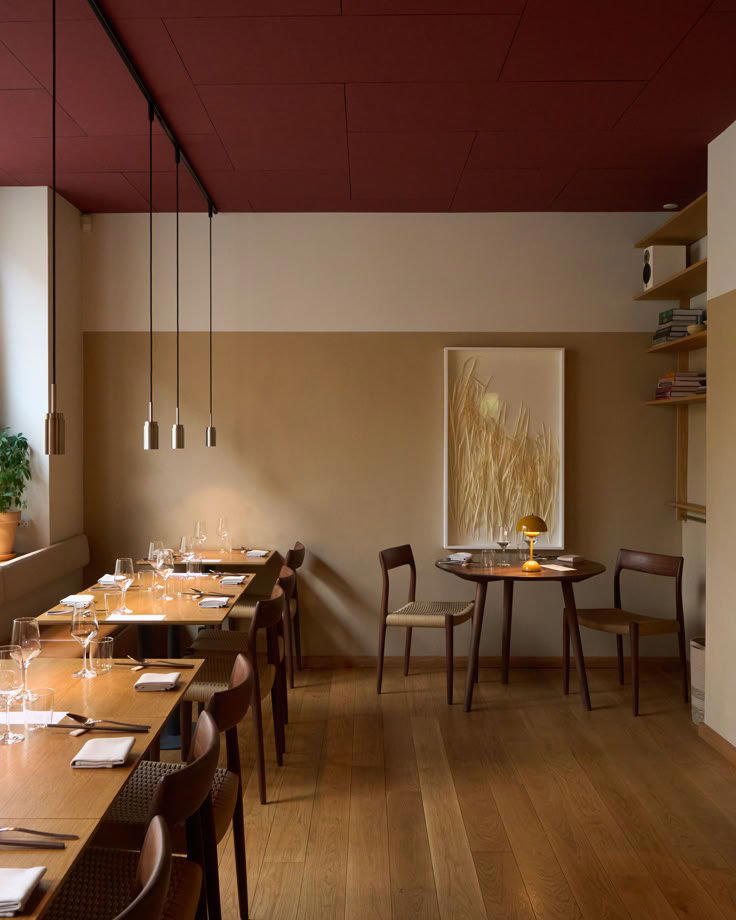
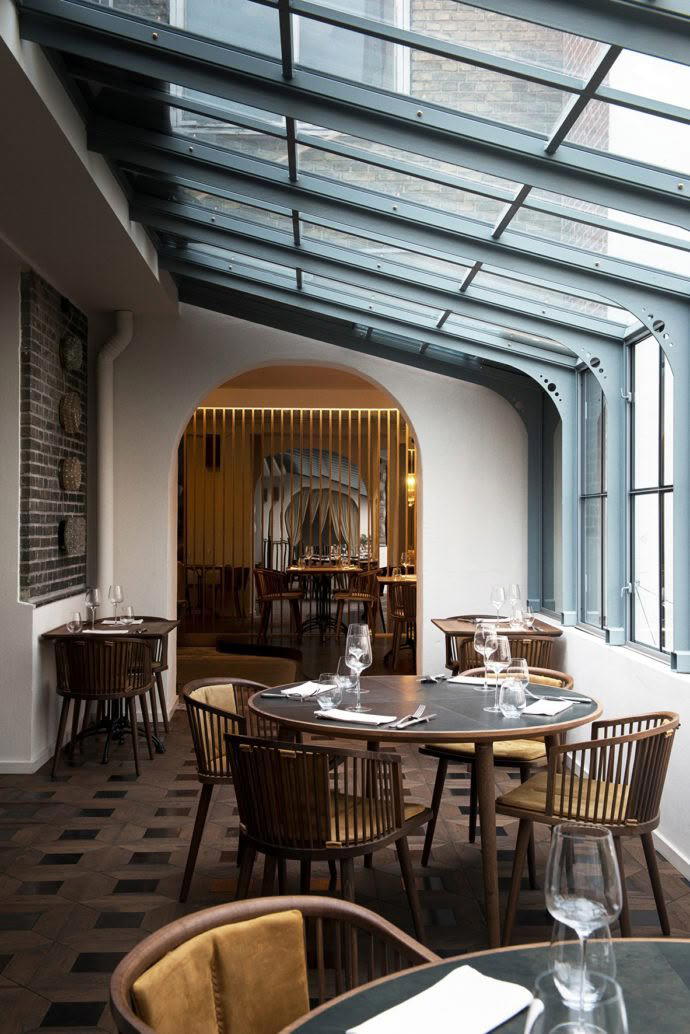
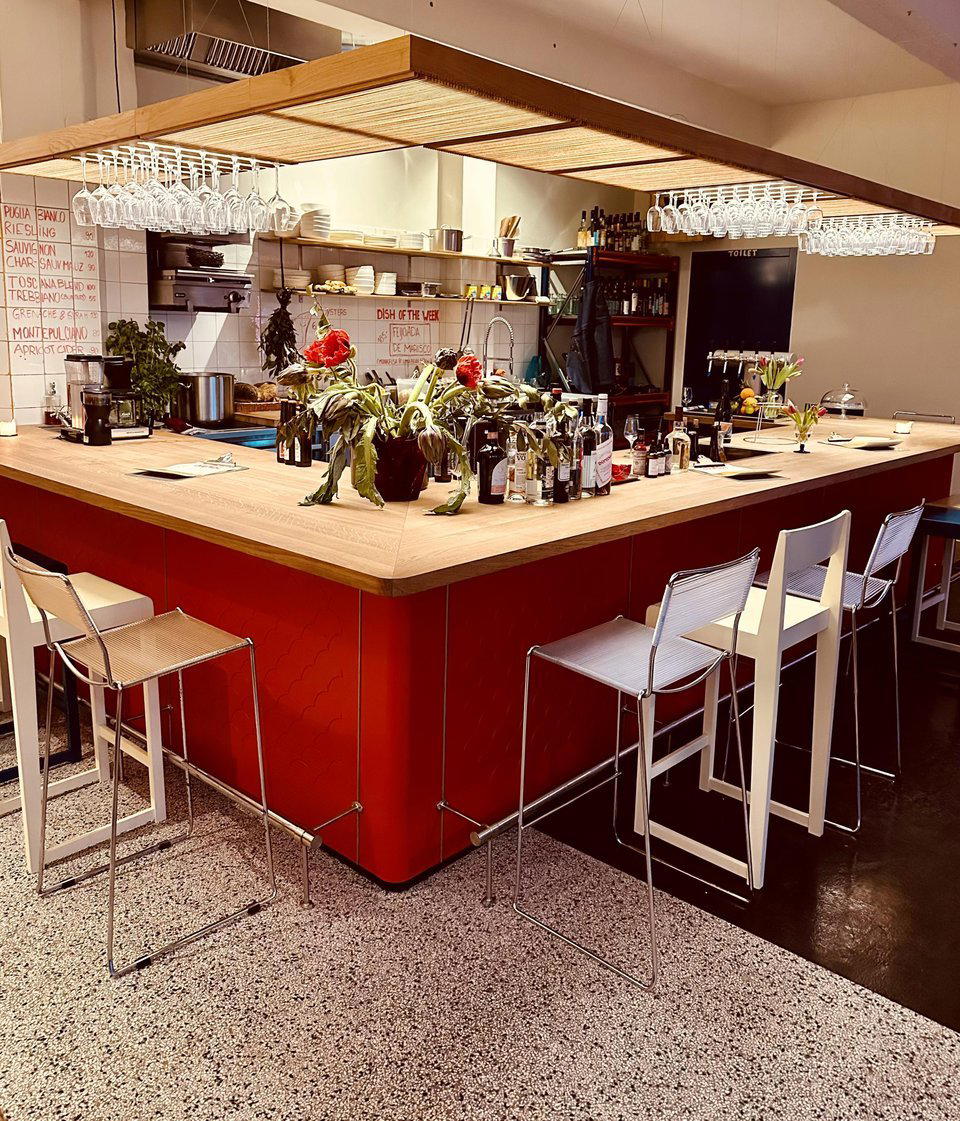
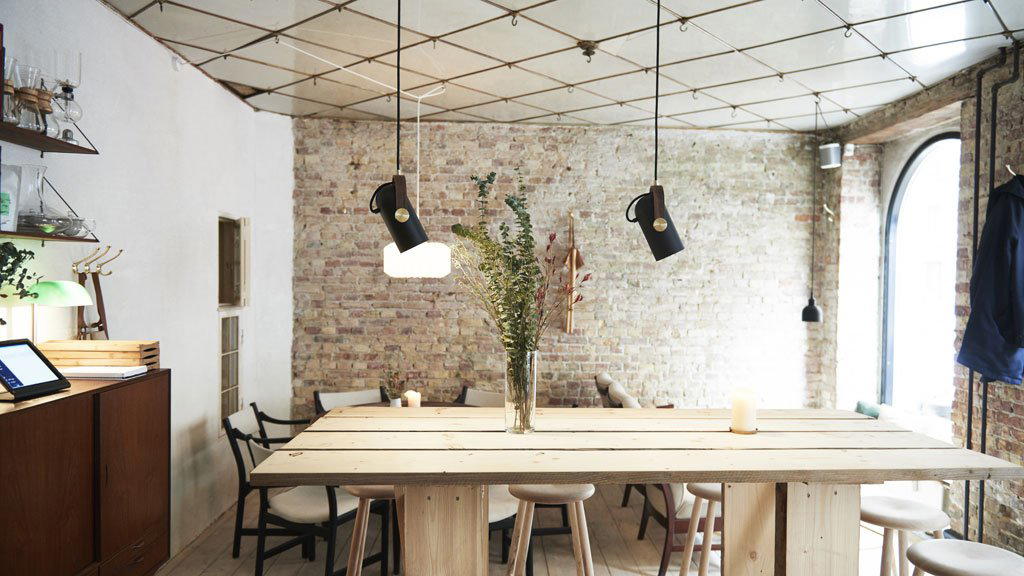
Scandinavian minimalist design with warm lighting, marble tables, and a welcoming, cozy atmosphere.